Renaissance Architecture — A Guide
Overview
Renaissance architecture marked the rebirth of classical ideals in 15th-century Italy, replacing the soaring verticality of Gothic with the balanced horizontality and mathematical harmony of ancient Greece and Rome. It was an architecture of intellectual ambition — buildings designed according to ideal proportions, geometric clarity, and a humanist belief in the perfectibility of the world.
The Renaissance began in Florence with Filippo Brunelleschi's revolutionary dome for the Cathedral of Santa Maria del Fiore (1436), which applied Roman engineering principles to a medieval building. Leon Battista Alberti codified classical principles in his treatise 'De re aedificatoria' (1452), while Andrea Palladio's 'Four Books of Architecture' (1570) became the most influential architectural text ever written, spreading Renaissance ideals across Europe and eventually to America.
Key Characteristics
- Symmetrical facades based on classical proportional systems
- Round arches, domes, and barrel vaults
- Classical columns and pilasters used in correct orders
- Rusticated stonework on lower levels
- Prominent cornices and string courses
- Centralized plans and harmonious proportional relationships
Famous Examples Worldwide
Florence Cathedral Dome
Florence, 1436
Palazzo Medici
Florence, 1444
Villa Rotonda
Vicenza, 1570
St. Peter's Basilica
Vatican City, 1626
Buildings in Our Library (55)
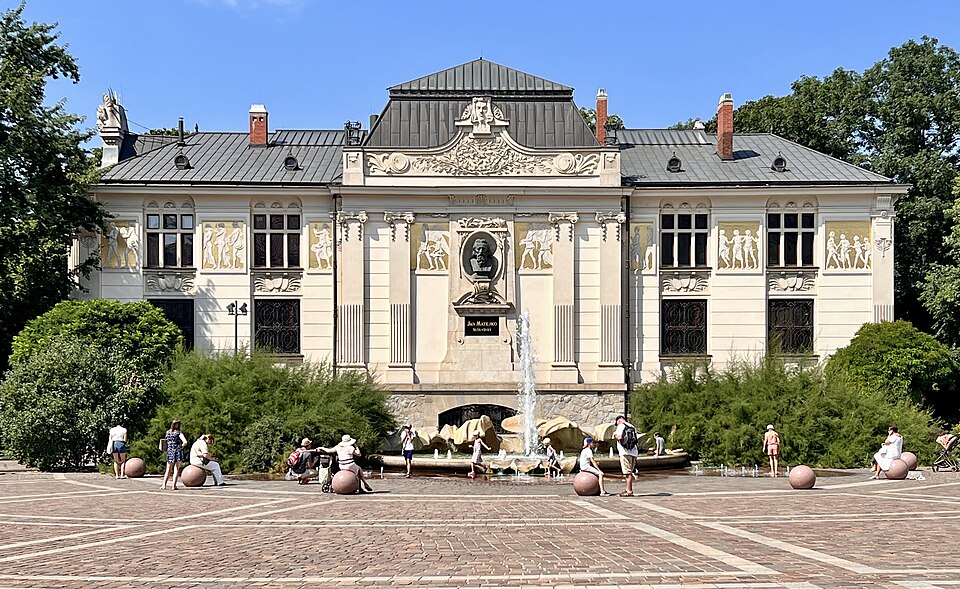
Palace of Art
plac Szczepański 4, 31-011 Kraków, Poland
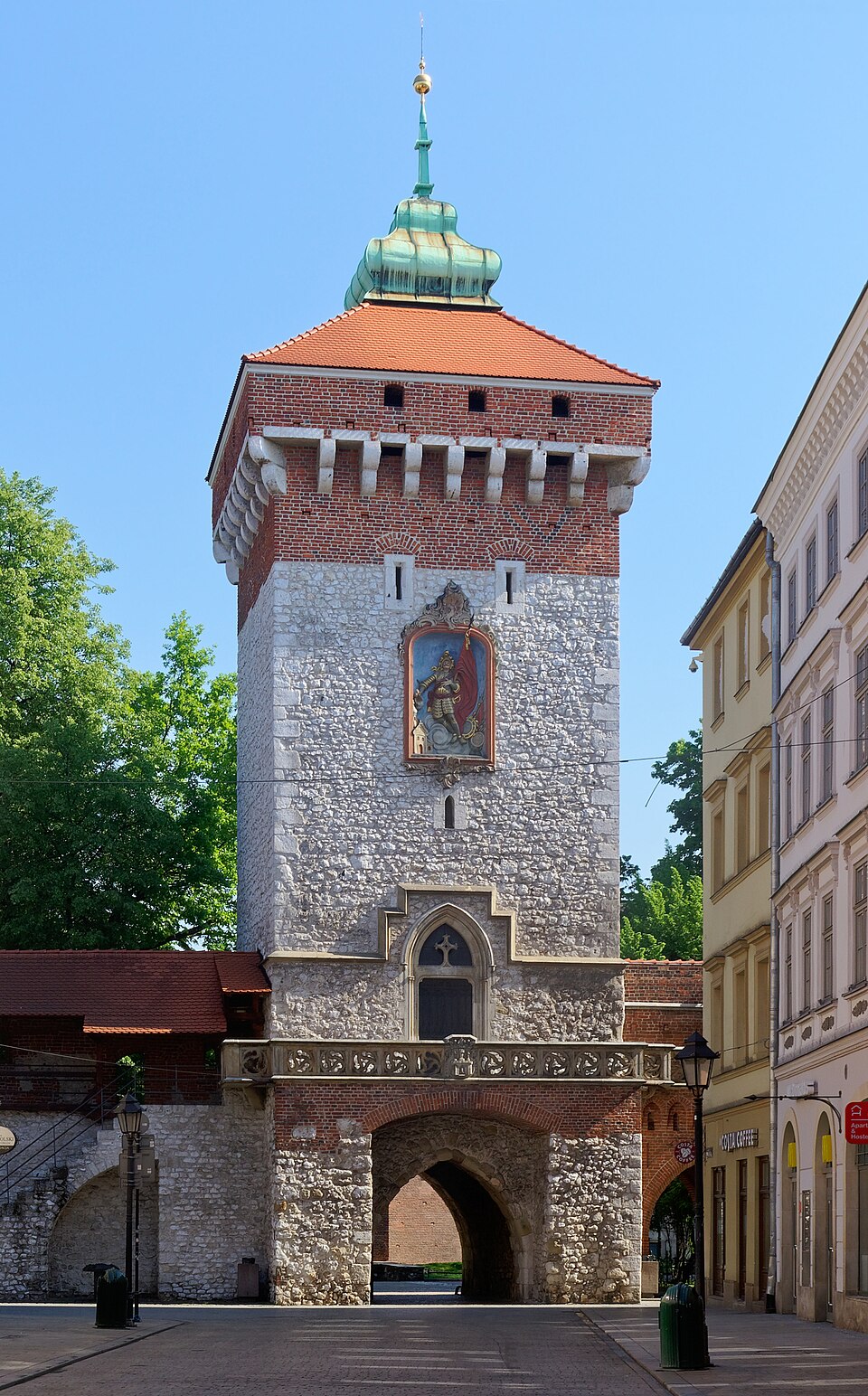
St. Florian's Gate
Pijarska, 31-015 Kraków, Poland
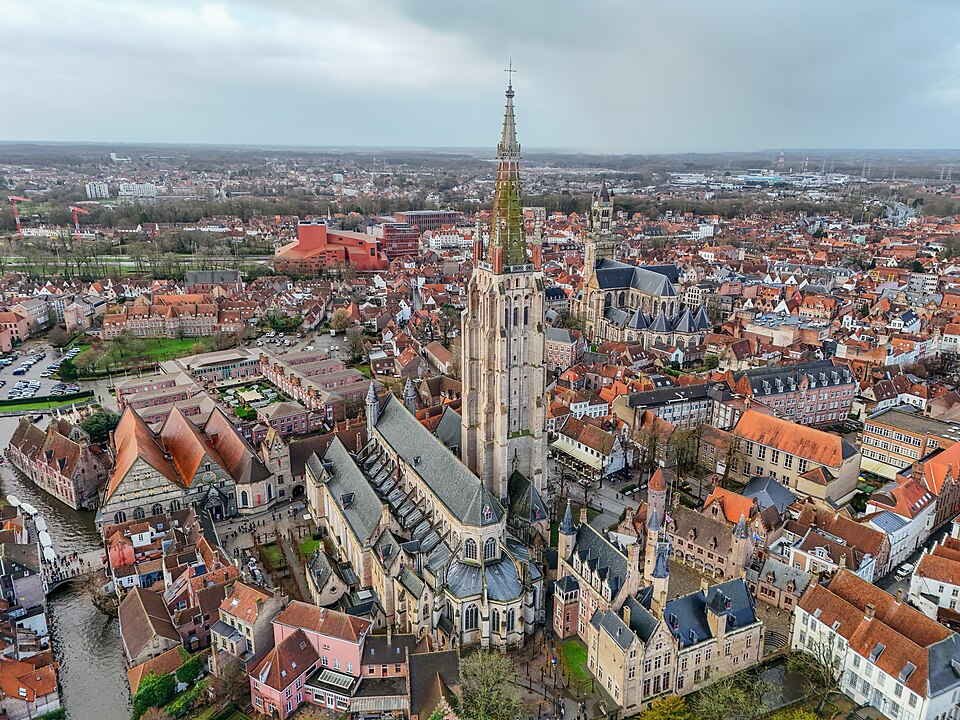
Church of Our Lady Bruges
Mariastraat, 8000 Brugge, Belgium
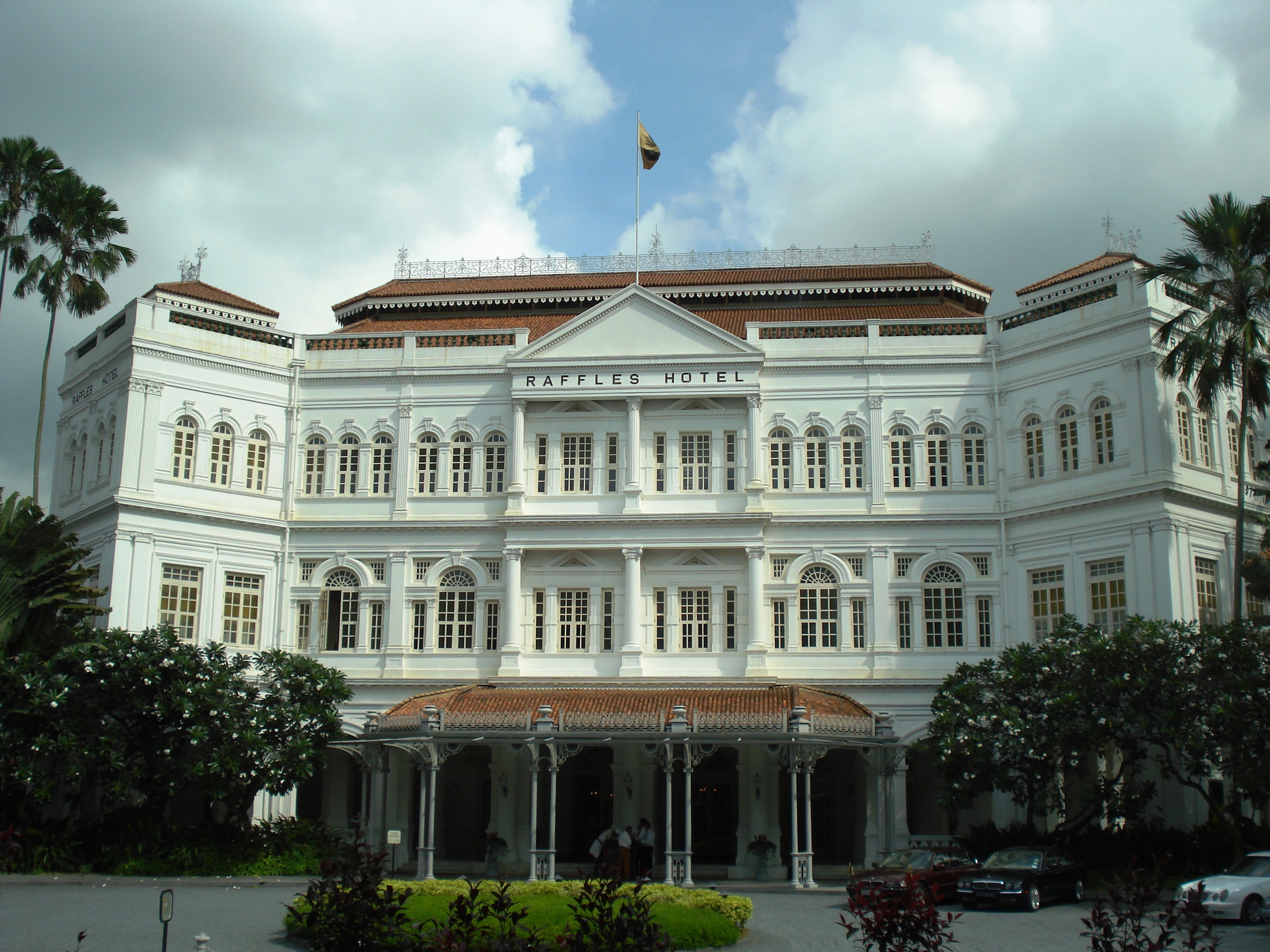
Civilian War Memorial
Beach Road, Singapore 190001
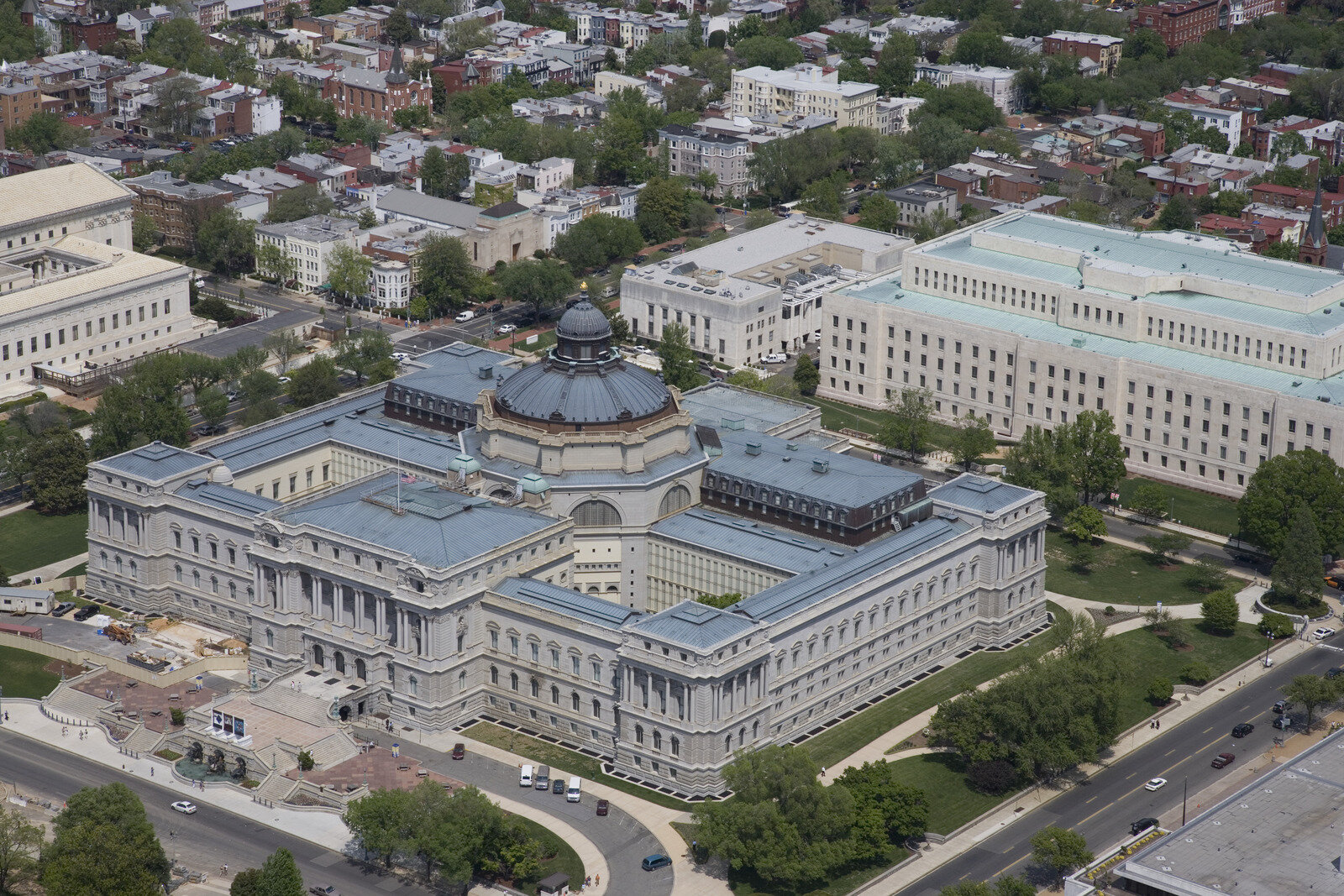
Thomas Jefferson Building
101 Independence Avenue SE, Washington, DC 20540
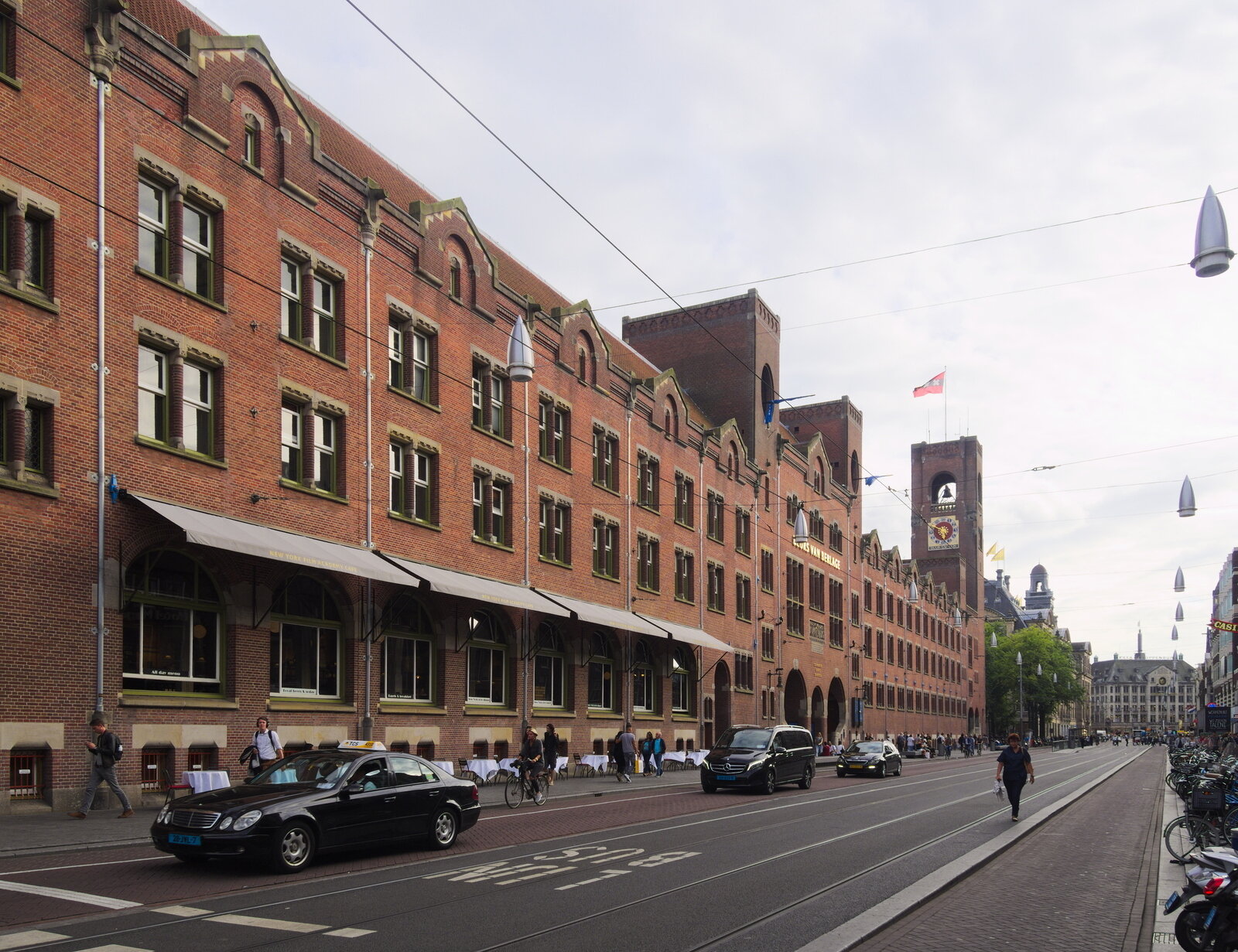
Beurs van Berlage
Damrak 243, Amsterdam
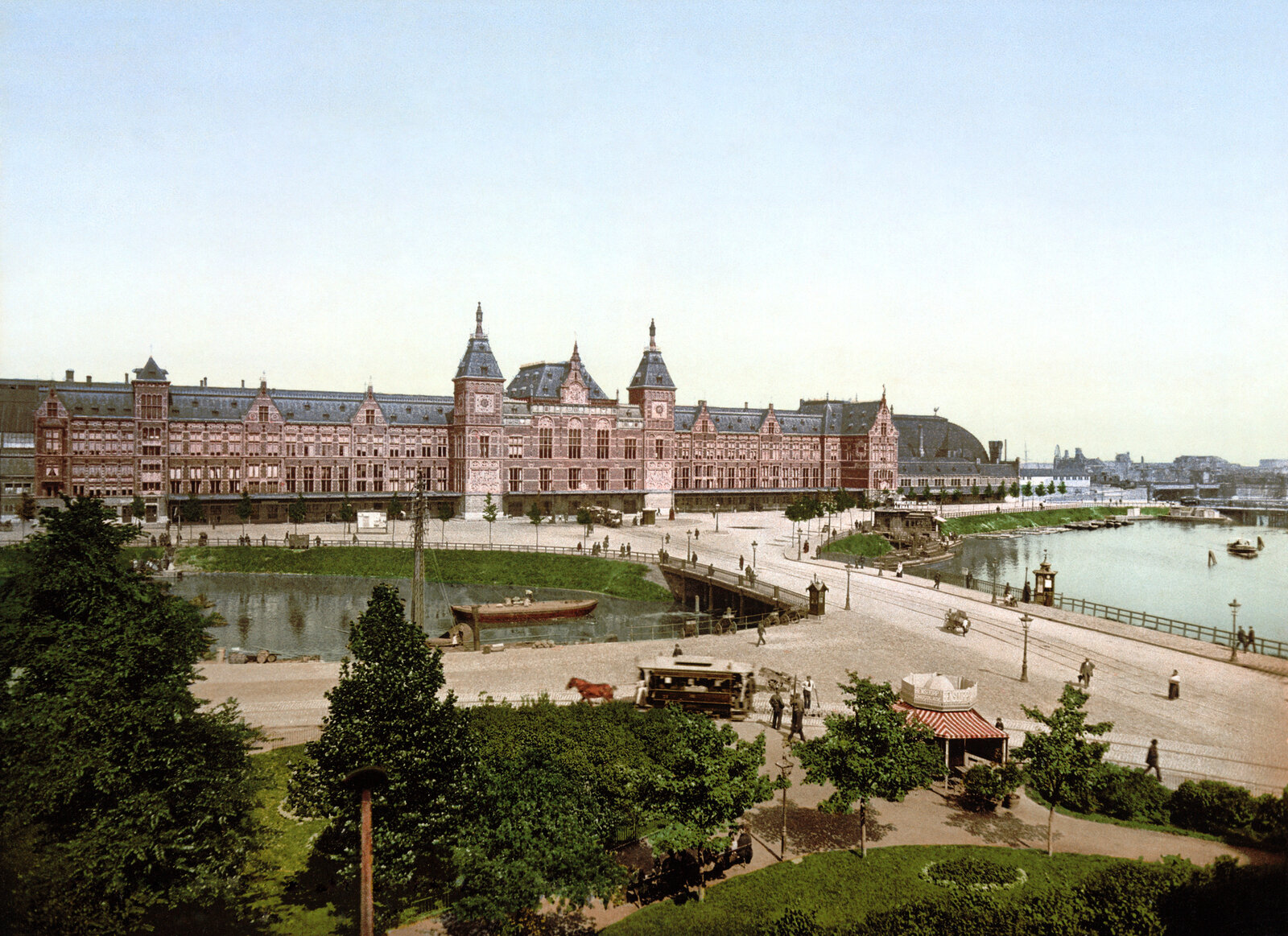
Amsterdam Centraal Station
Stationsplein 1, Amsterdam
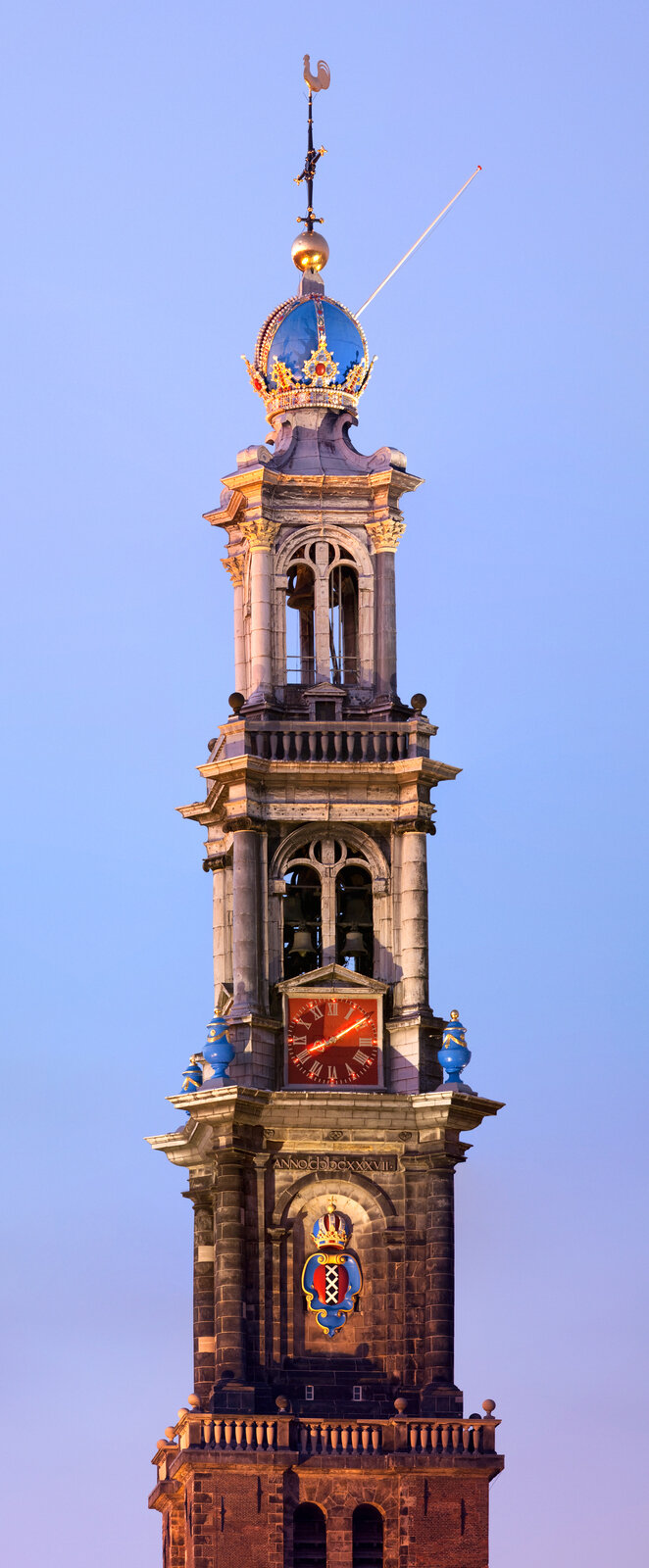
Westerkerk
Prinsengracht 281, Amsterdam
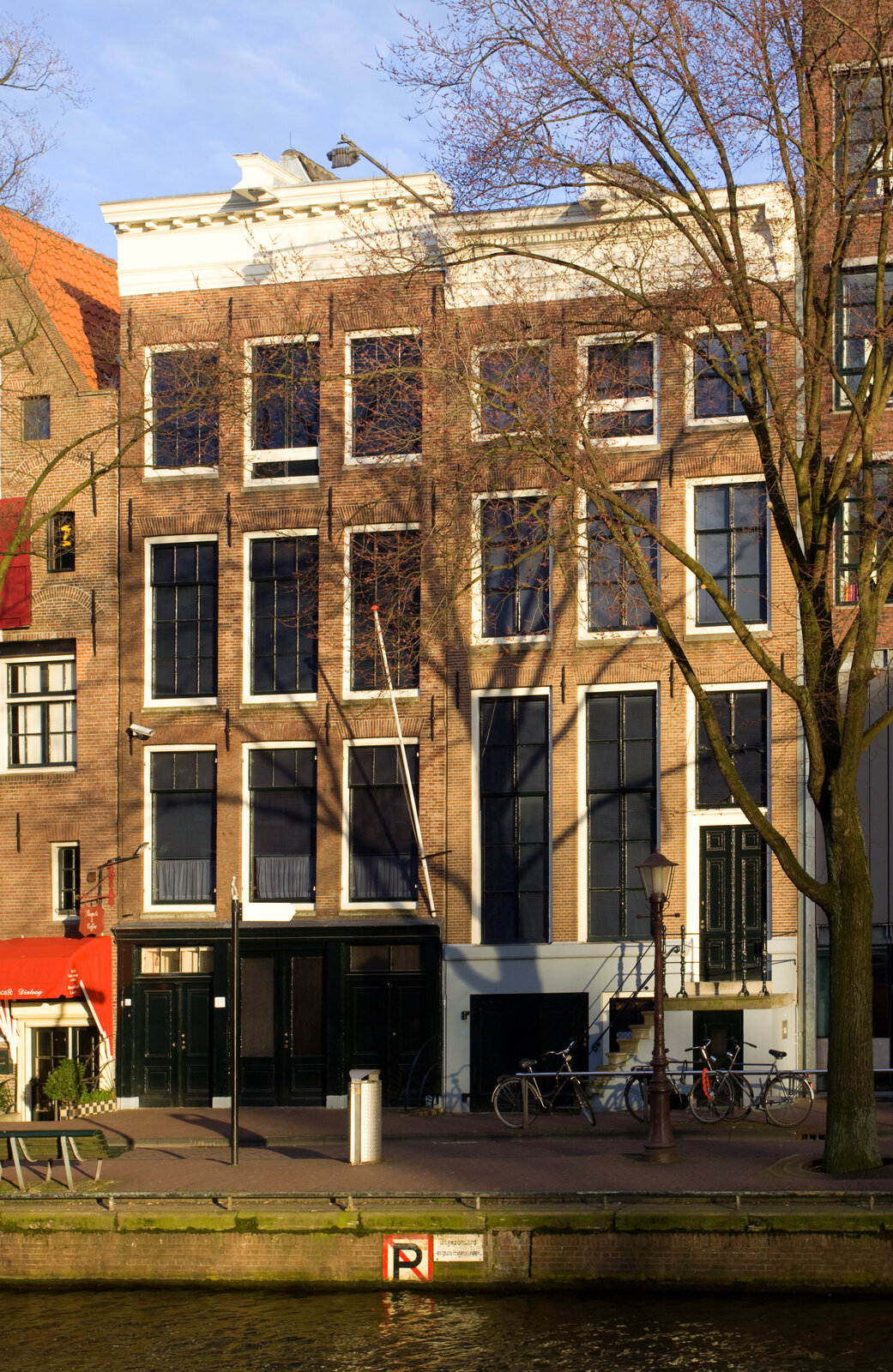
Anne Frank House
Prinsengracht 263-267, Amsterdam
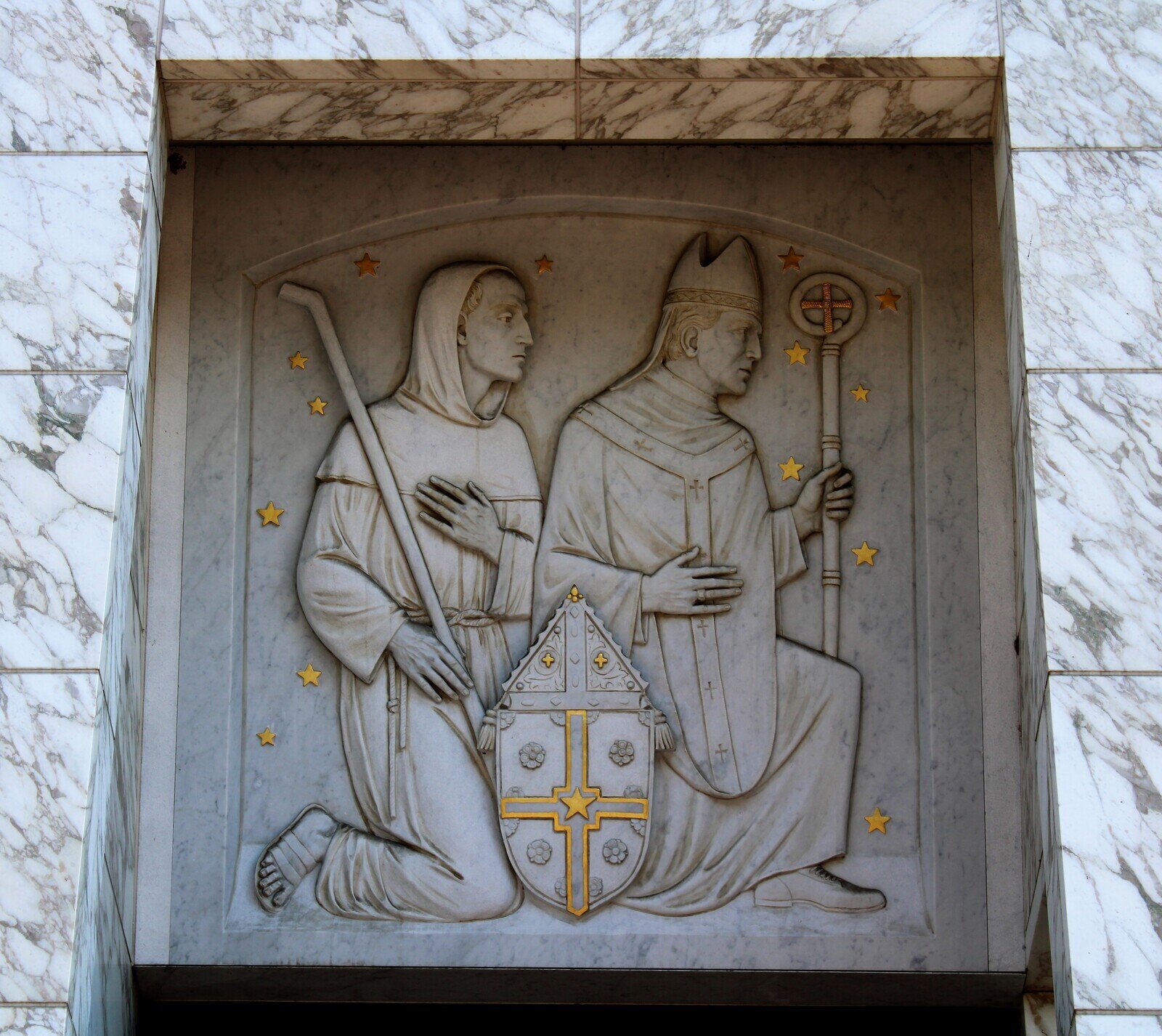
Co-Cathedral of the Sacred Heart
1111 St Joseph Pkwy, Houston, TX 77002
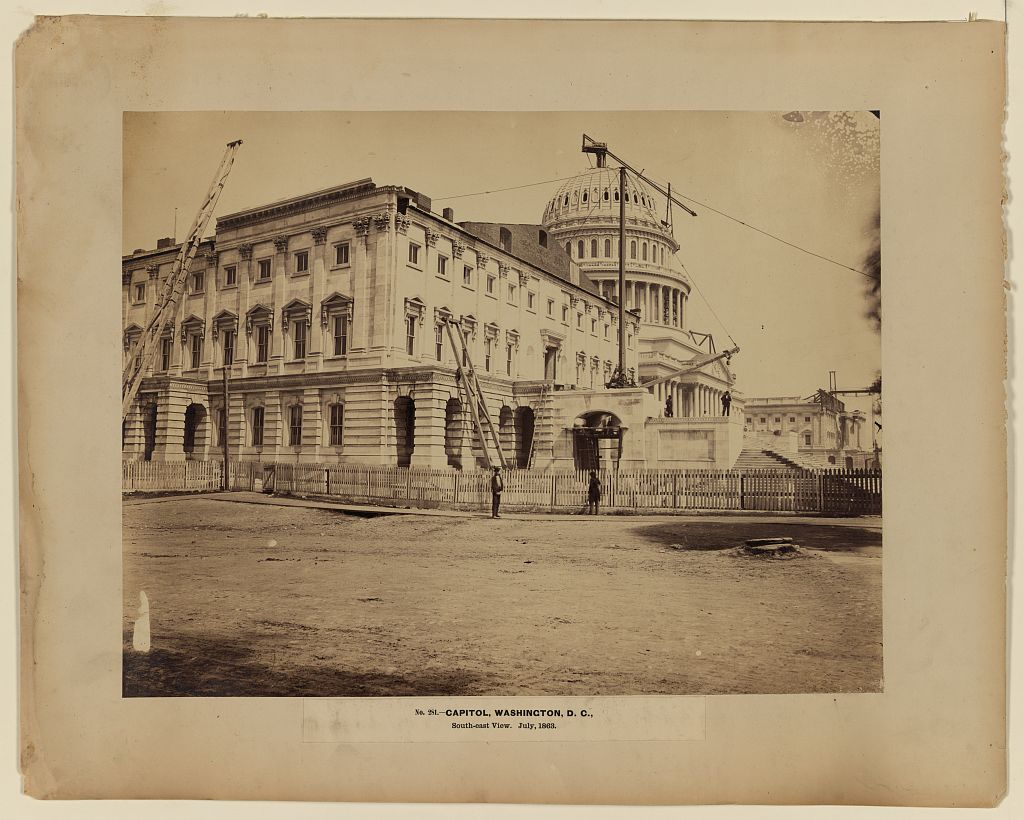
U.S. Capitol Building
U.S. Capitol Building, Washington, DC 20515
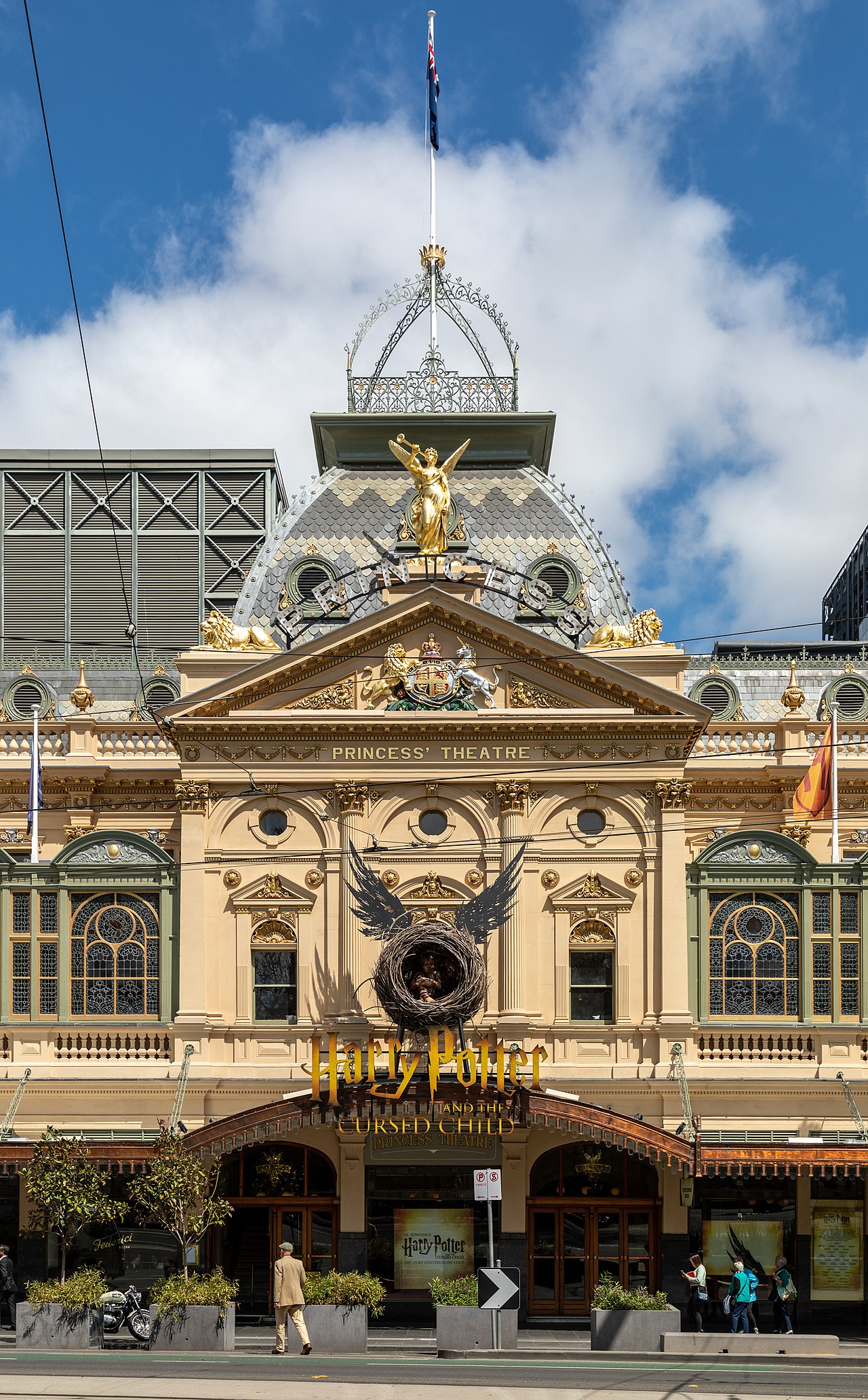
Princess Theatre
163 Spring St, Melbourne VIC 3000, Australia
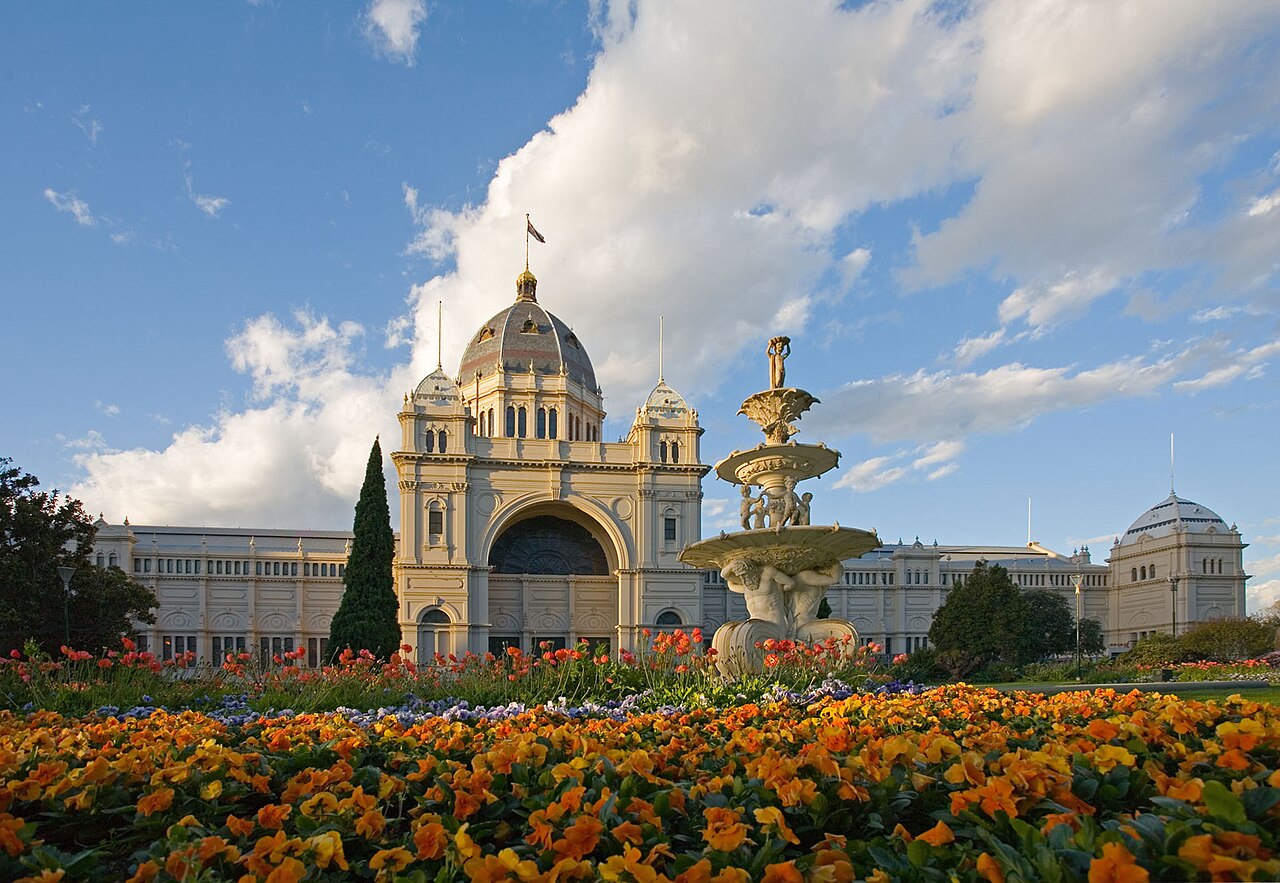
Royal Exhibition Building
9 Nicholson St, Carlton VIC 3053, Australia
Seaquarium Entrance
4400 Rickenbacker Cswy, Key Biscayne, FL 33149
Olympia Theater
174 E Flagler St, Miami, FL 33131
Biltmore Hotel
1200 Anastasia Ave, Coral Gables, FL 33134
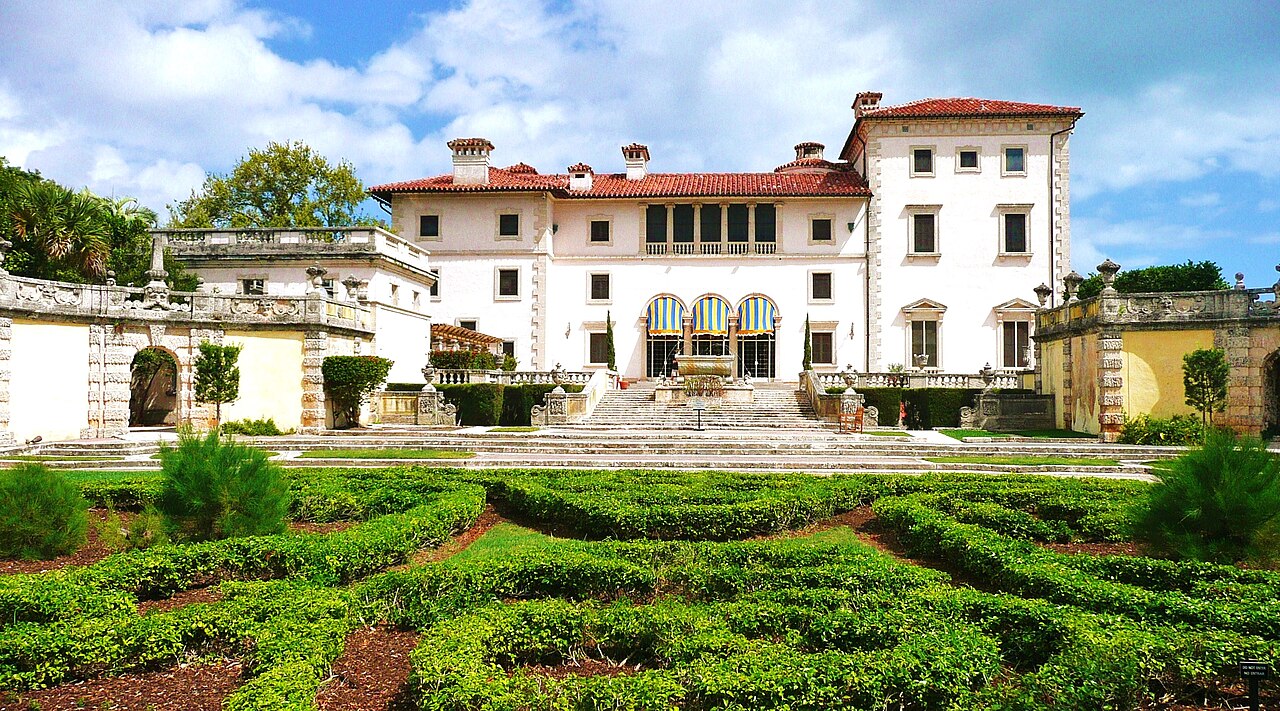
Coral Gables City Hall
405 Biltmore Way, Coral Gables, FL 33134
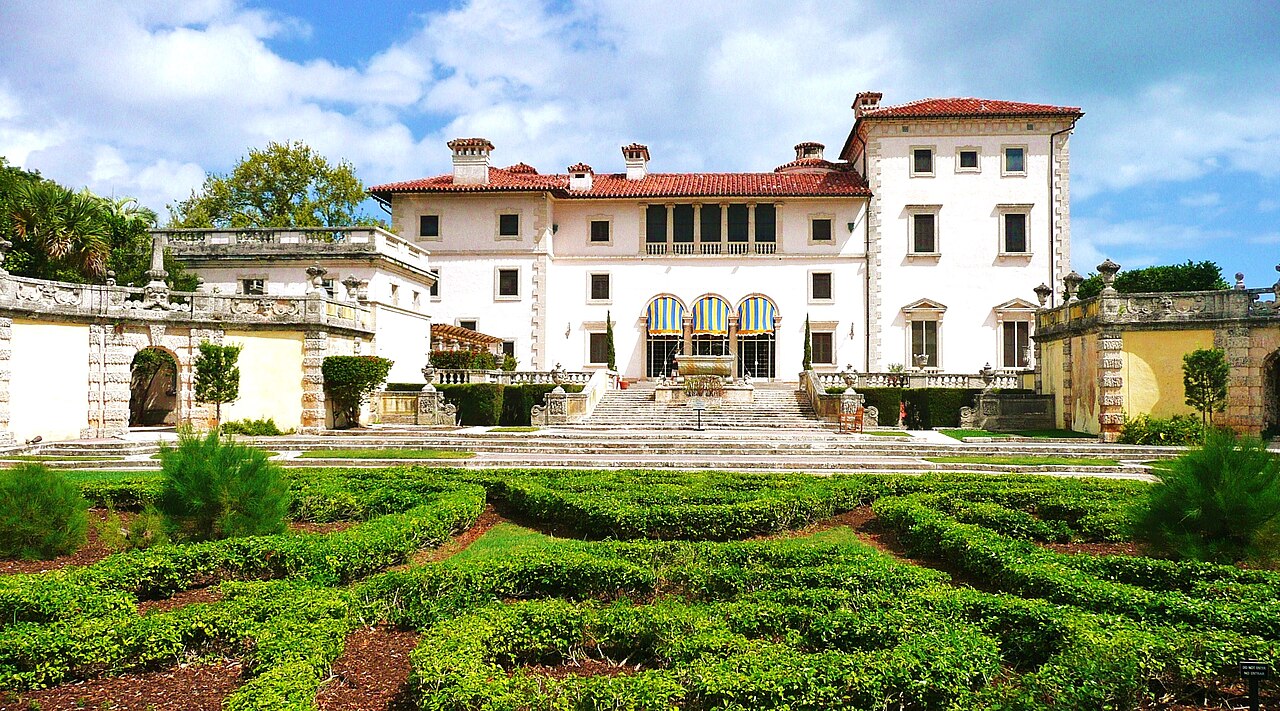
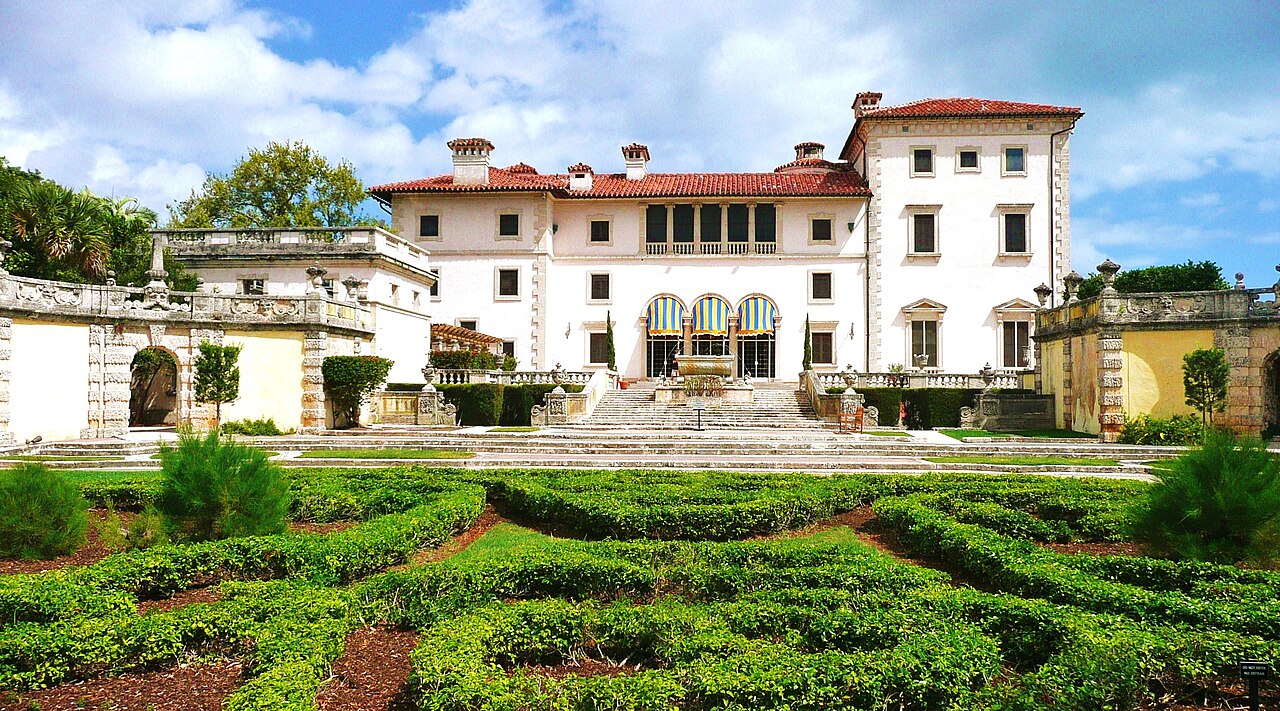
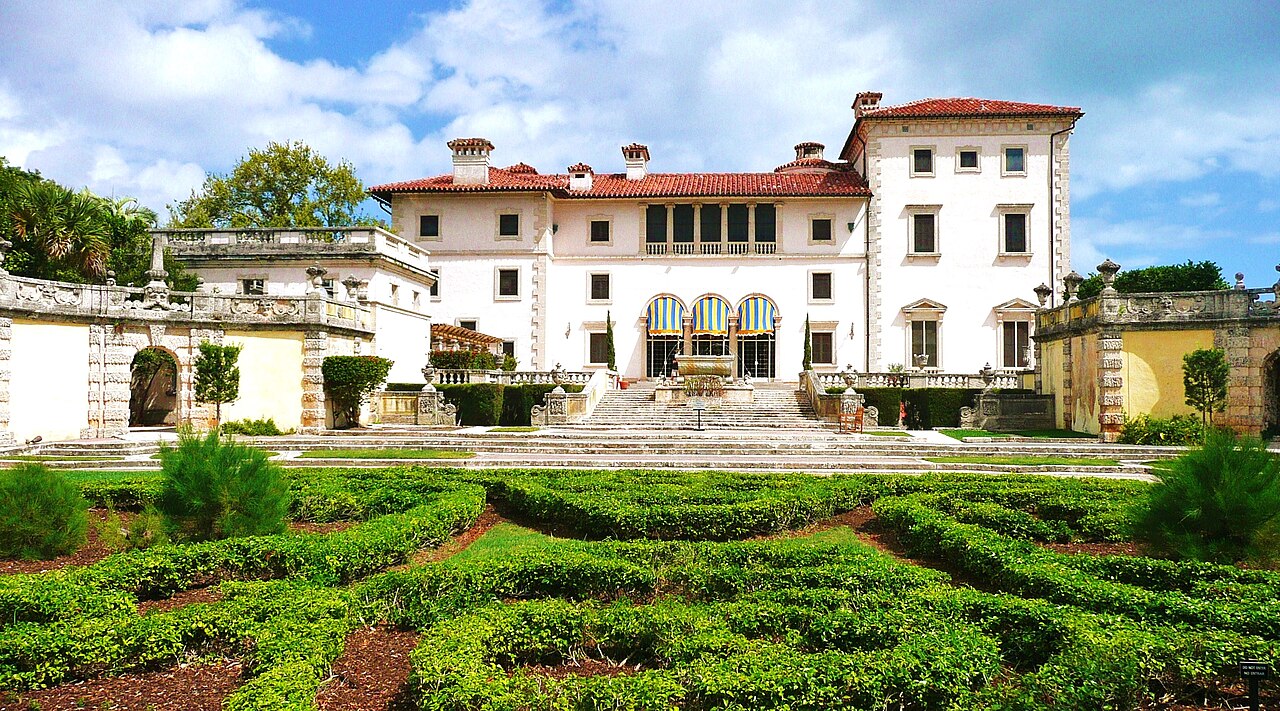
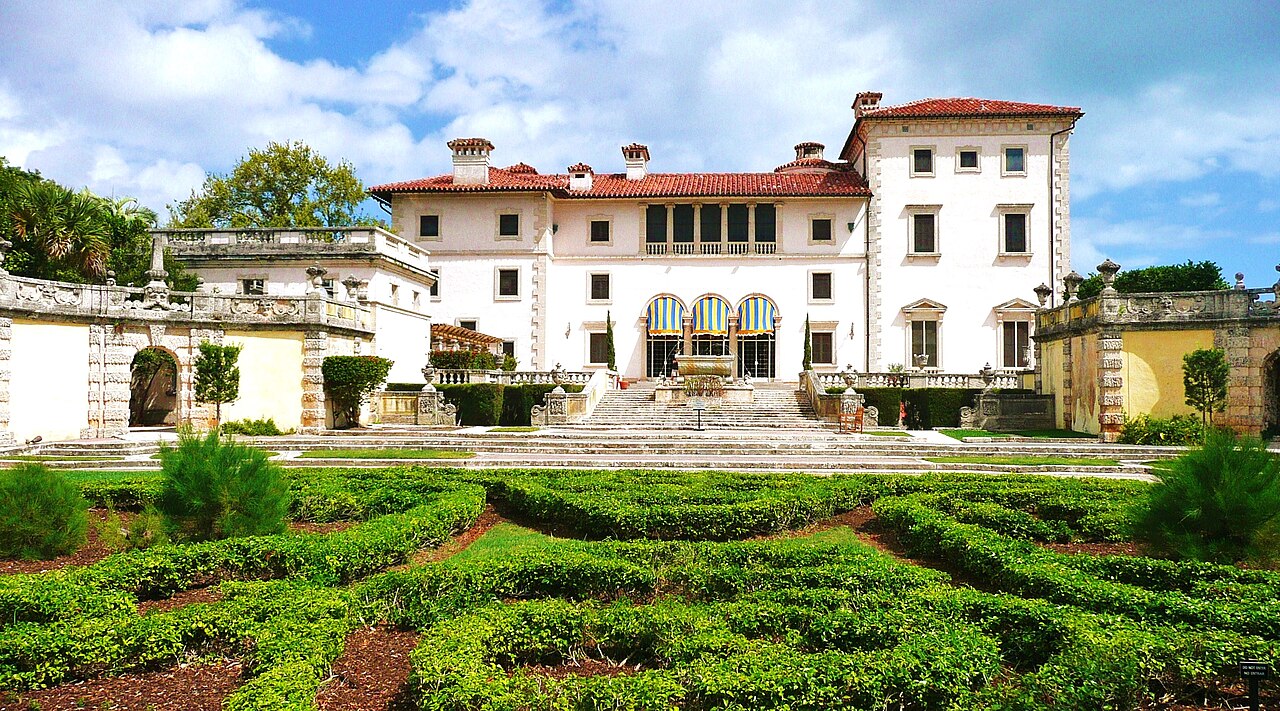
Vizcaya Museum and Gardens
3251 S Miami Ave, Miami, FL 33129
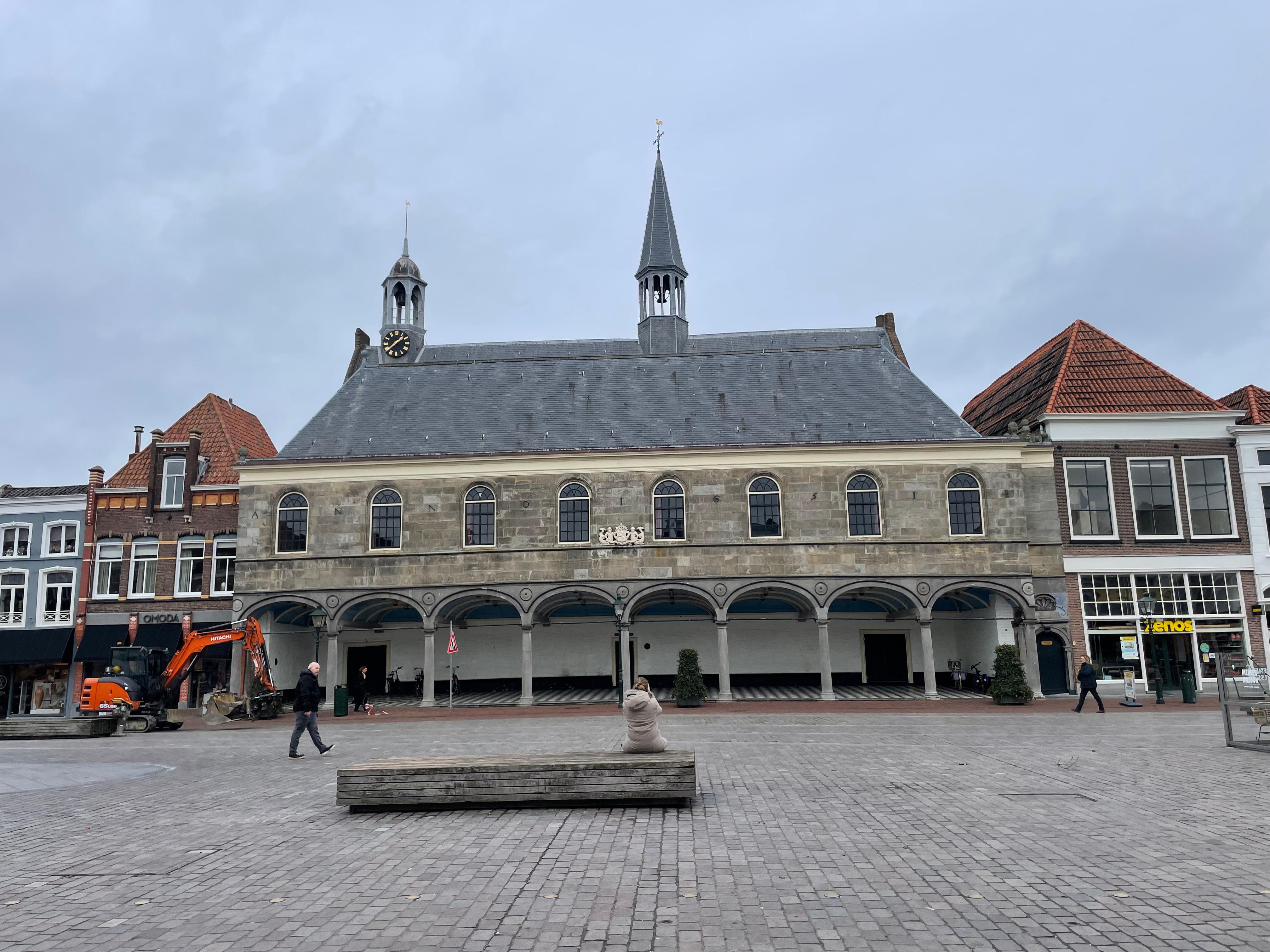
Hervormde Gemeente Zierikzee
Meelstraat 6, 4301 EC Zierikzee, Netherlands
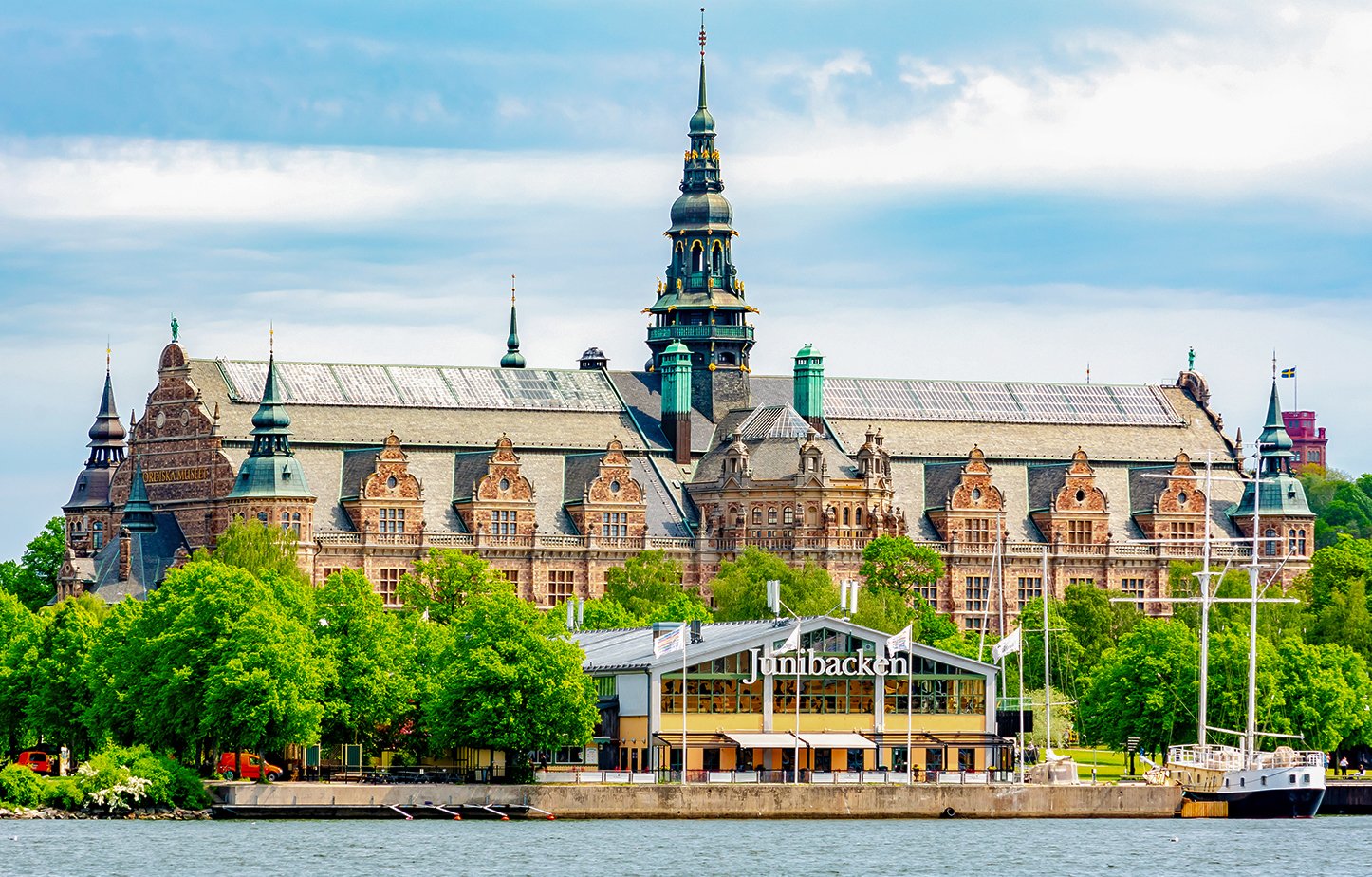
Nordiska Museet
Djurgårdsvägen 6-16, 115 93 Stockholm, Sweden
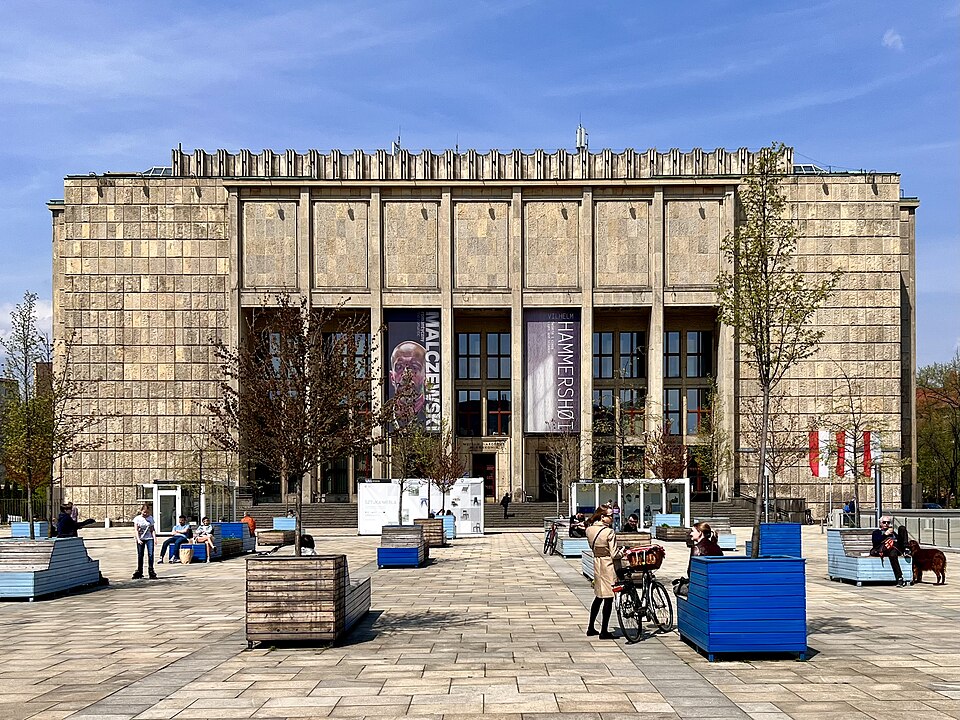
National Museum in Kraków
al. 3 Maja 1, 30-062 Kraków, Poland
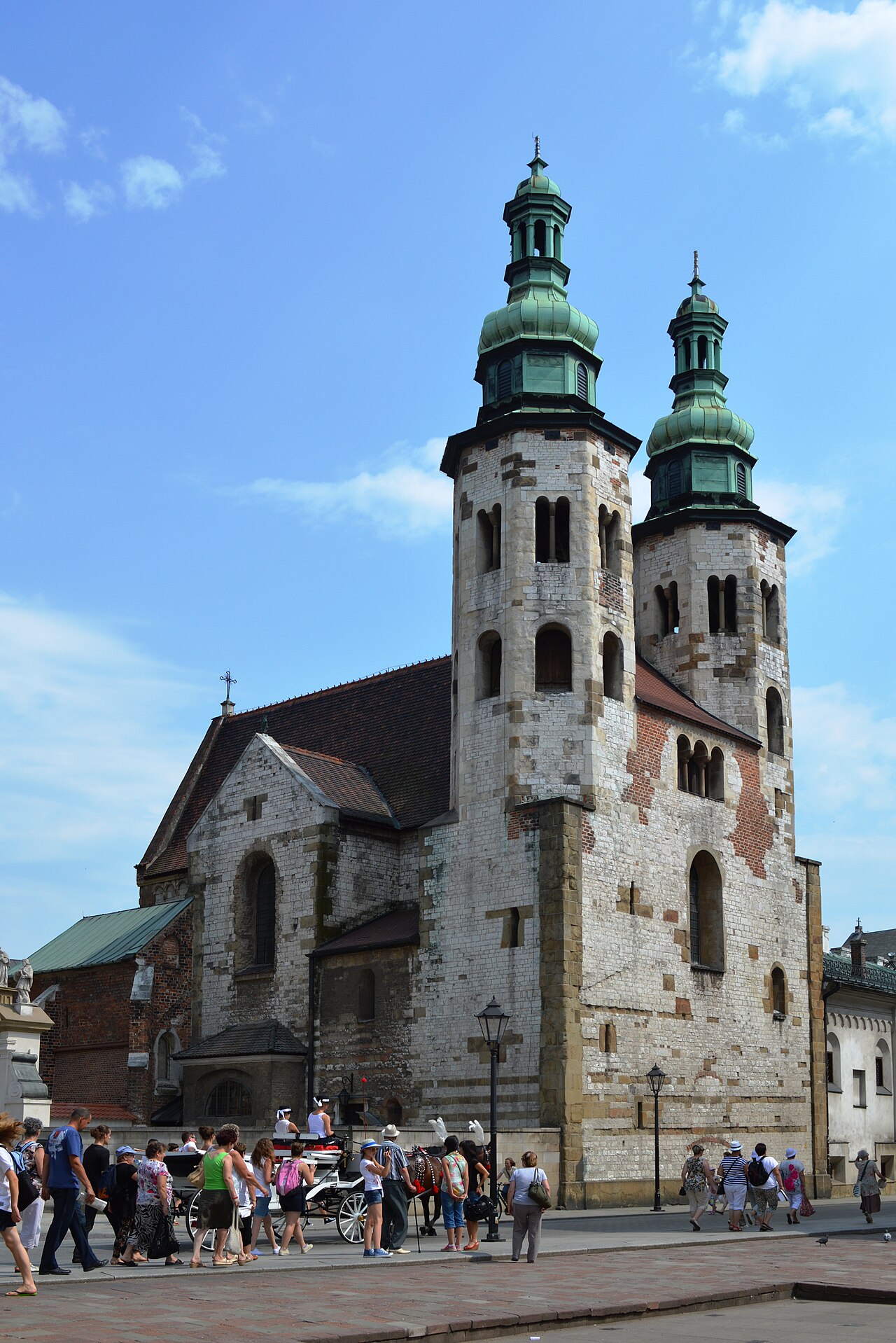
St. Andrew's Church, Kraków
Grodzka 56, 31-044 Kraków, Poland
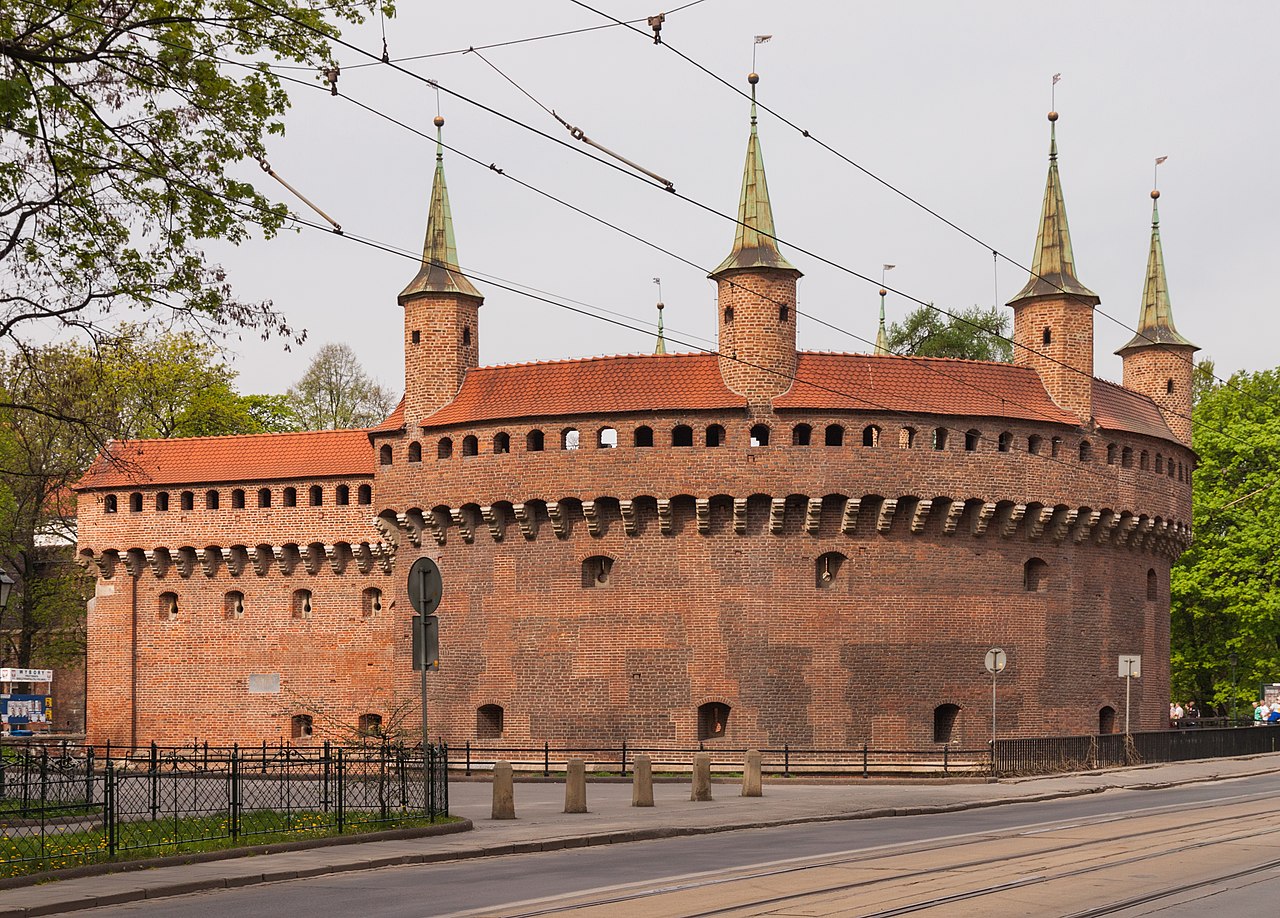
Barbican of Kraków
Basztowa, 30-547 Kraków, Poland
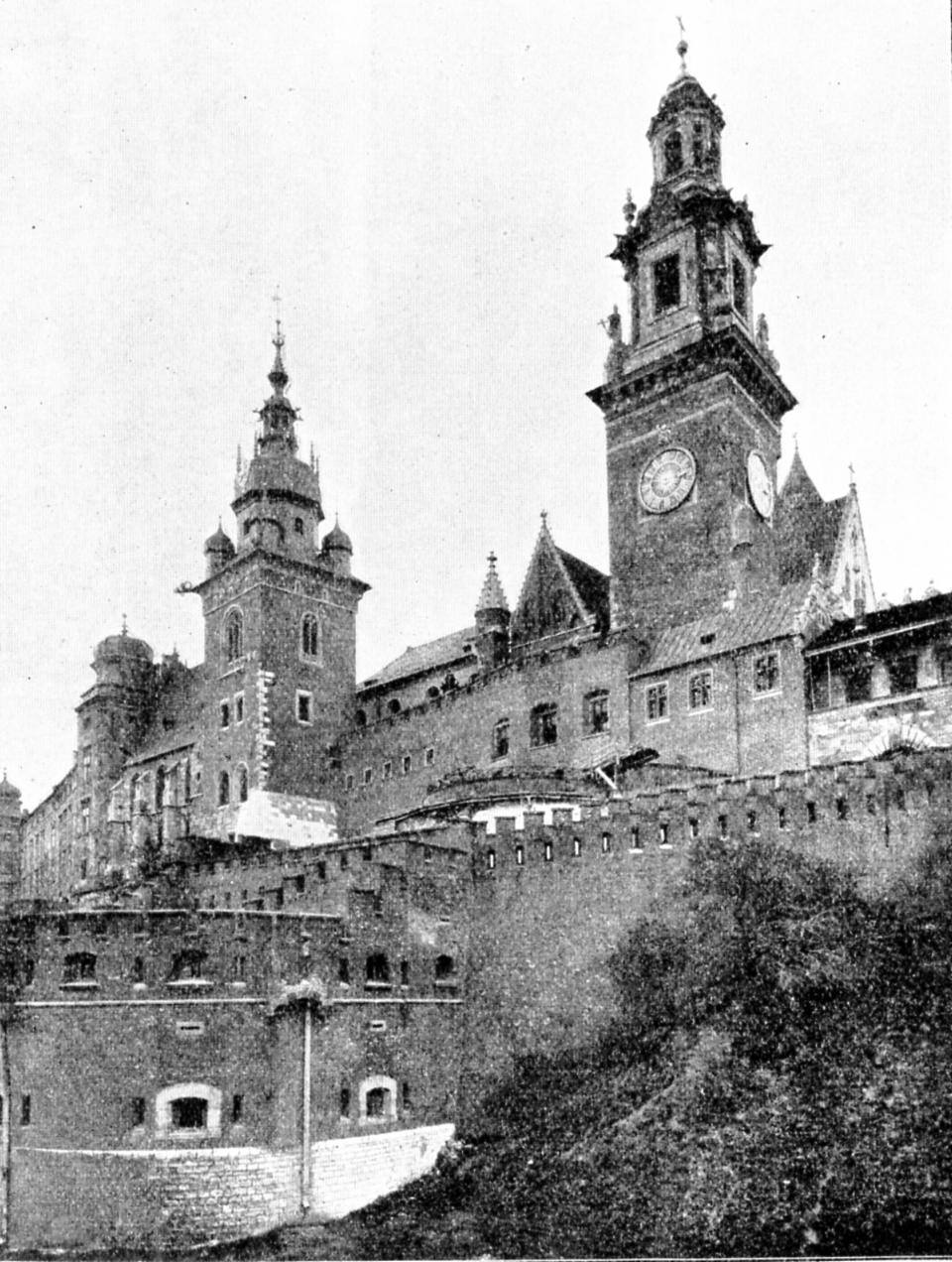
Wawel Cathedral
Wawel 3, 31-001 Kraków, Poland
Where to Find Renaissance Architecture
Related Styles
Why Renaissance Matters Today
Renaissance architecture established the idea that buildings could embody philosophical ideals — proportion, harmony, and human dignity. Its treatises and principles continue to form the foundation of architectural education, and its best buildings remain paragons of balanced, humane design.