Baroque Architecture — A Guide
Overview
Baroque architecture is the architecture of persuasion. Emerging in Counter-Reformation Italy, it was designed to overwhelm the senses, inspire awe, and communicate the power of the Church and the state. With its bold curves, theatrical lighting, gilded surfaces, and monumental scale, Baroque architecture transformed the cities of Europe into stages for spiritual and political drama.
The style originated in Rome around 1600, pioneered by architects like Carlo Maderno, Gian Lorenzo Bernini, and Francesco Borromini. It spread rapidly across Catholic Europe — to Spain, Portugal, Austria, and the colonial territories of Latin America — and was adapted by Protestant nations in more restrained forms. Baroque urban planning created grand plazas, sweeping avenues, and monumental fountains that remain the defining features of cities like Rome, Prague, and Vienna.
Key Characteristics
- Grand scale with dramatic use of light, shadow, and movement
- Curved walls, undulating facades, and oval floor plans
- Lavish ornamentation: gilding, frescoes, stucco, and sculpture
- Monumental staircases, domes, and colonnades
- Integration of architecture, painting, and sculpture into a total artwork
- Strong axial planning with processional sequences
Famous Examples Worldwide
St. Peter's Basilica
Vatican City, 1626
Palace of Versailles
Versailles, 1682
Karlskirche
Vienna, 1737
Church of the Gesù
Rome, 1584
Buildings in Our Library (31)
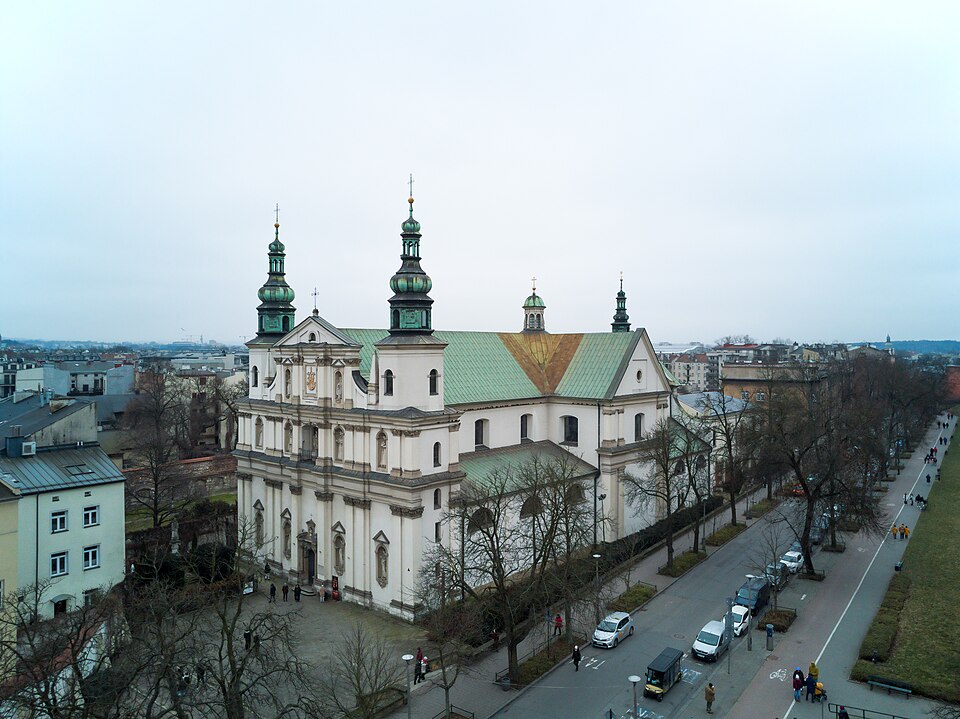
Franciscan Church
Franciszkańska 2, 31-004 Kraków, Poland
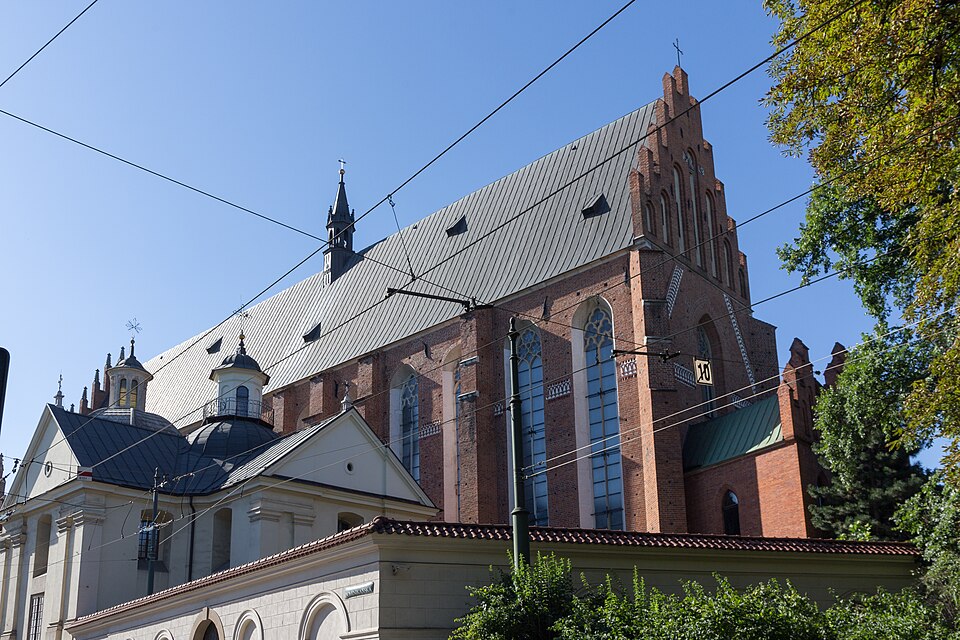
Dominican Church and Monastery
Stolarska 12, 31-043 Kraków, Poland
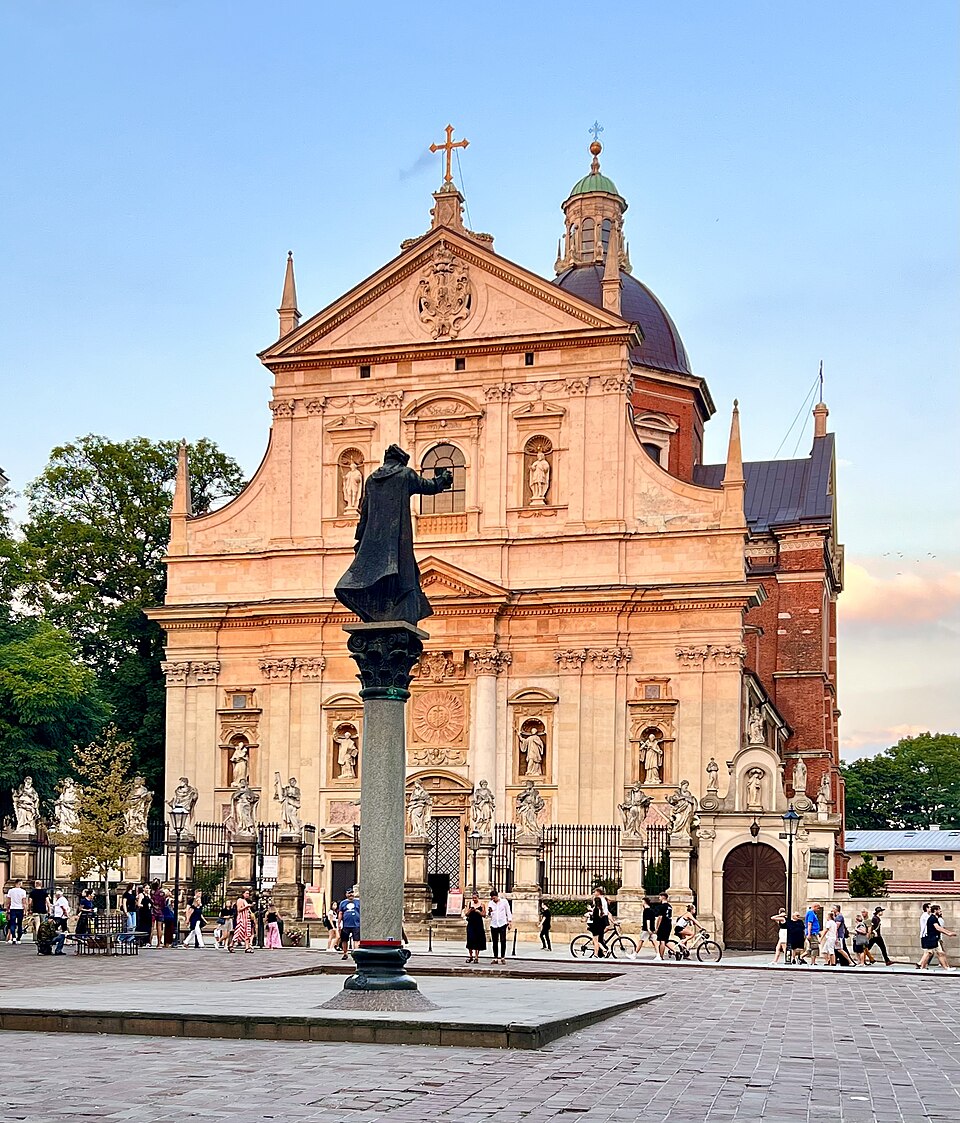
Church of Saints Peter and Paul
Grodzka 52A, 31-044 Kraków, Poland
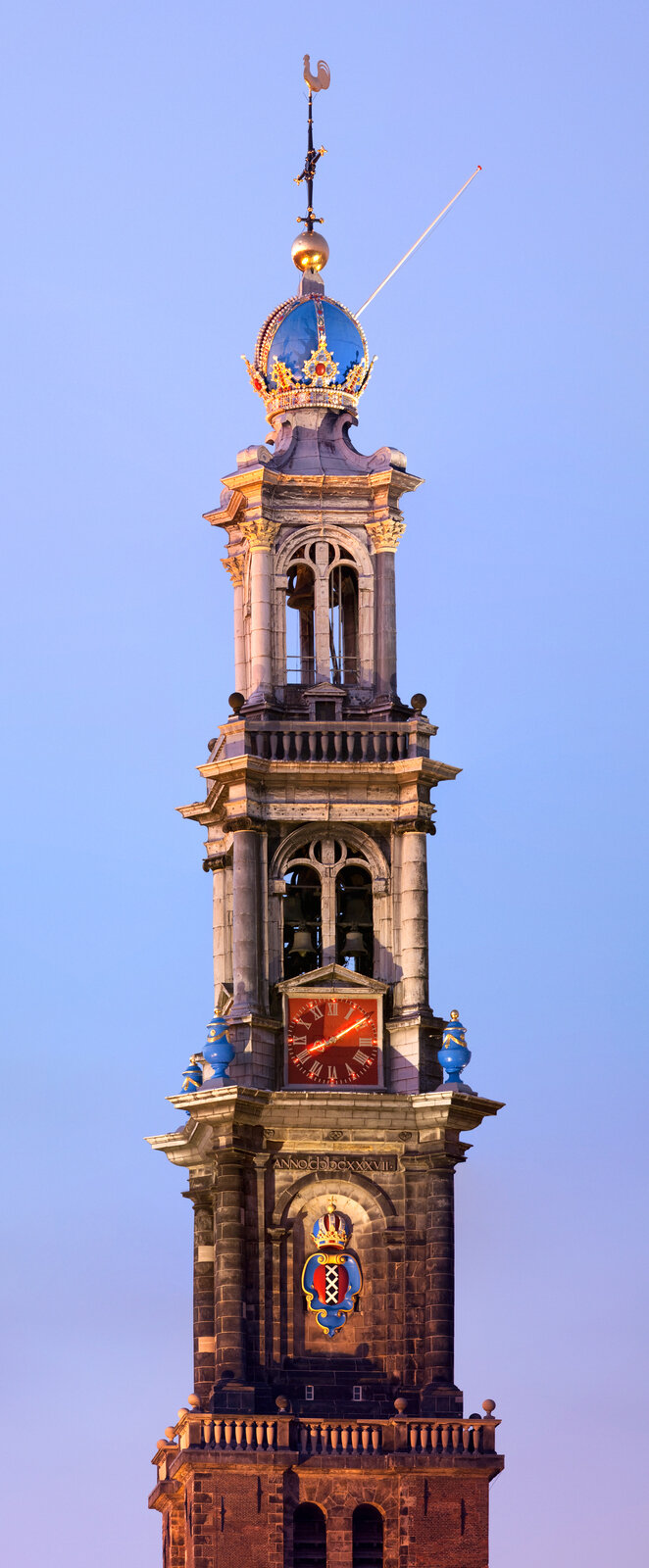
Westerkerk
Prinsengracht 281, Amsterdam
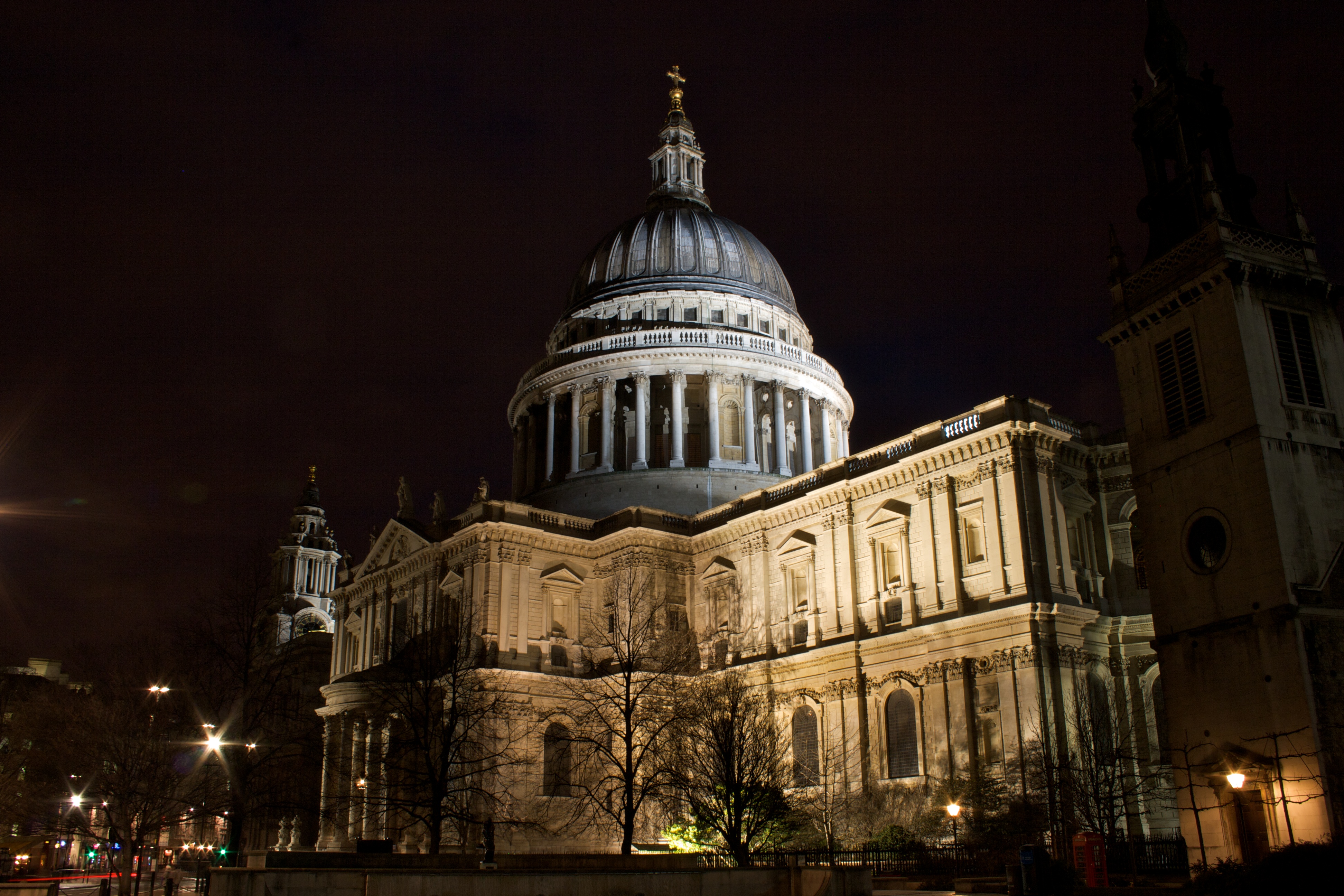
St Paul's Cathedral
St Paul's Churchyard, London EC4M 8AD
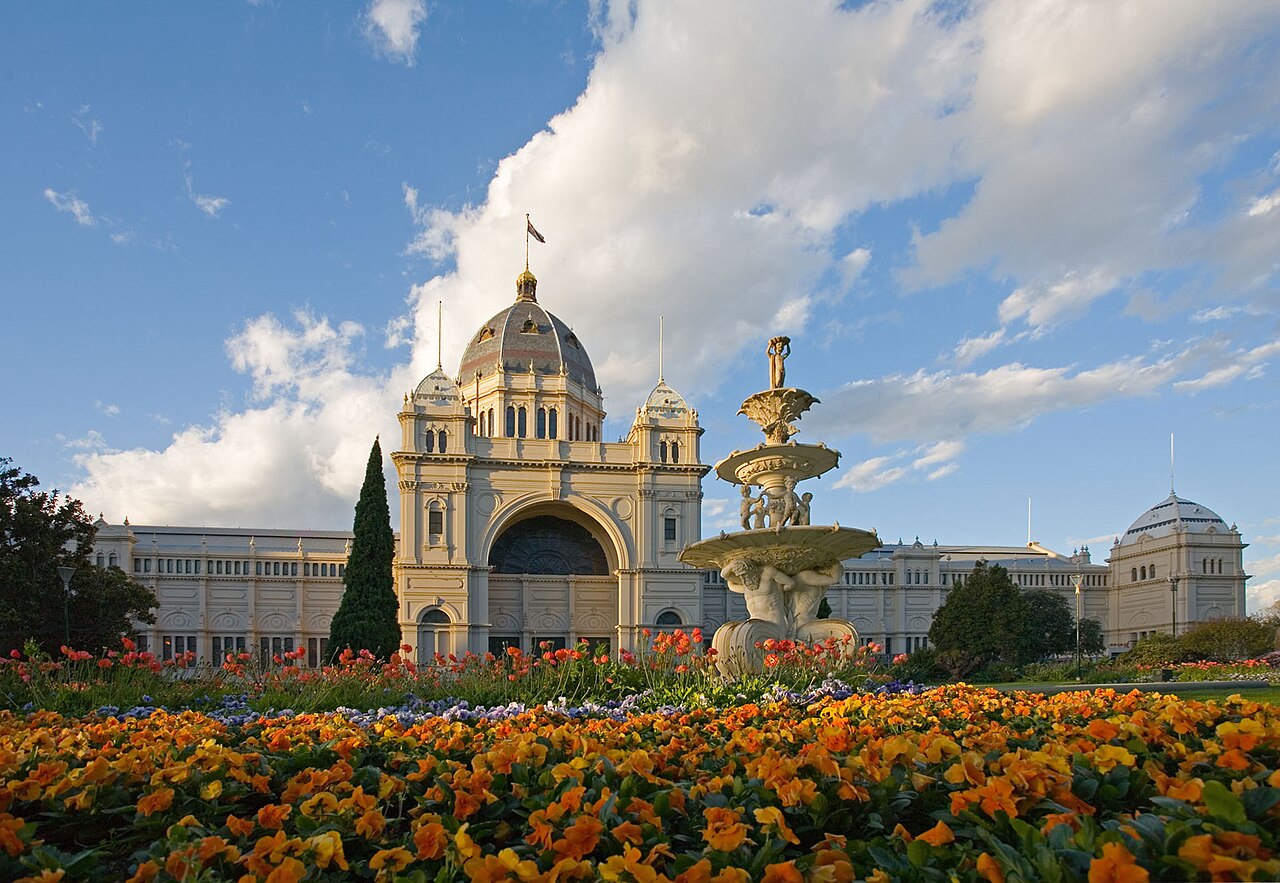
Royal Exhibition Building
9 Nicholson St, Carlton VIC 3053, Australia
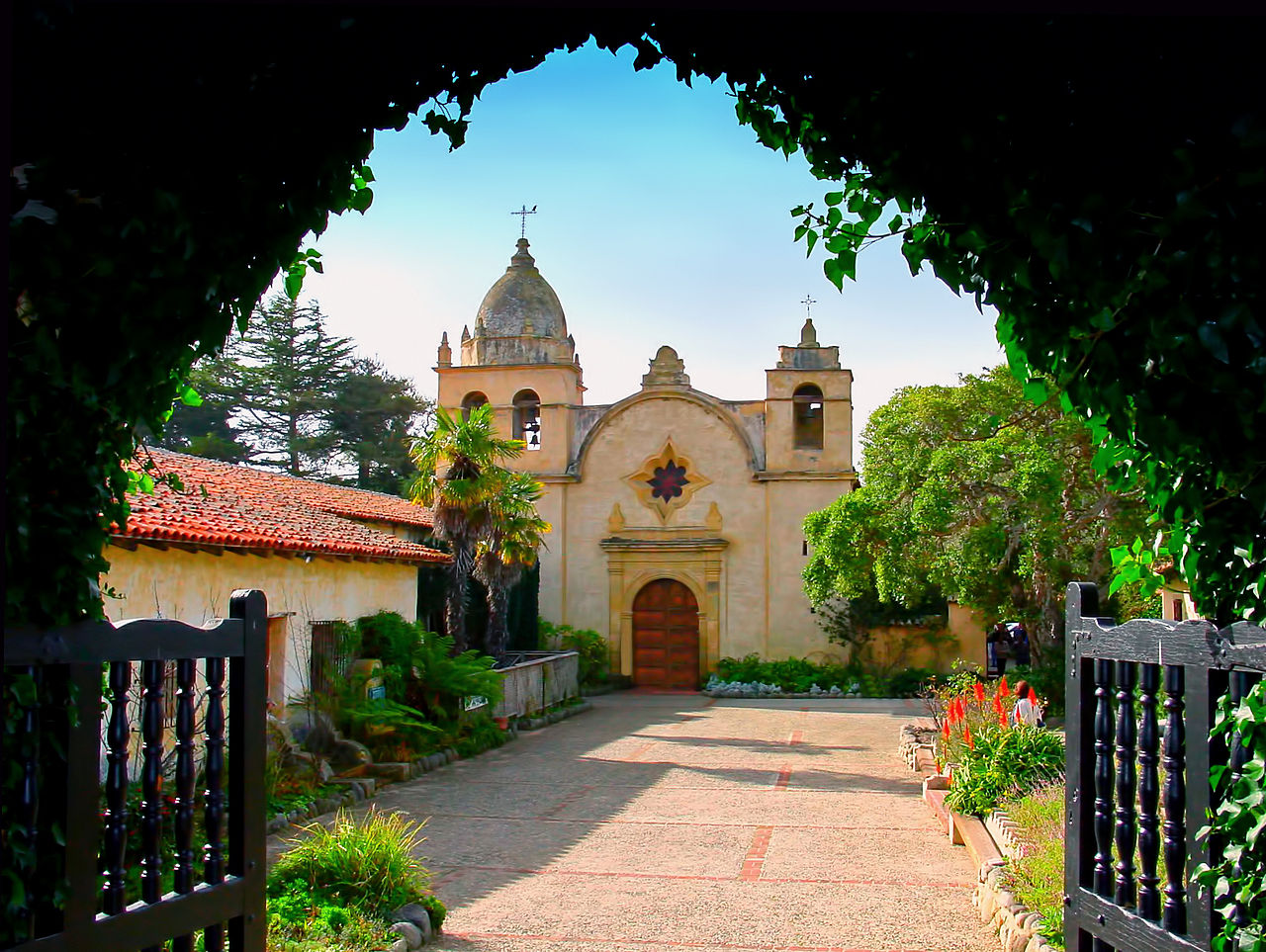
Carmel Mission
3080 Rio Rd, Carmel-by-the-Sea, CA
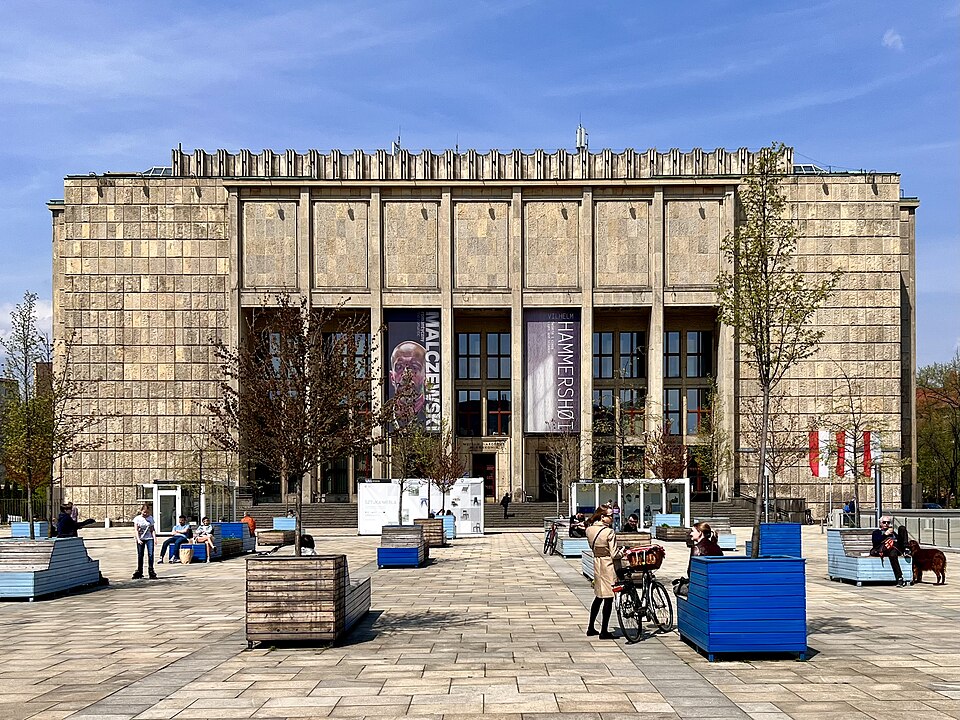
National Museum in Kraków
al. 3 Maja 1, 30-062 Kraków, Poland
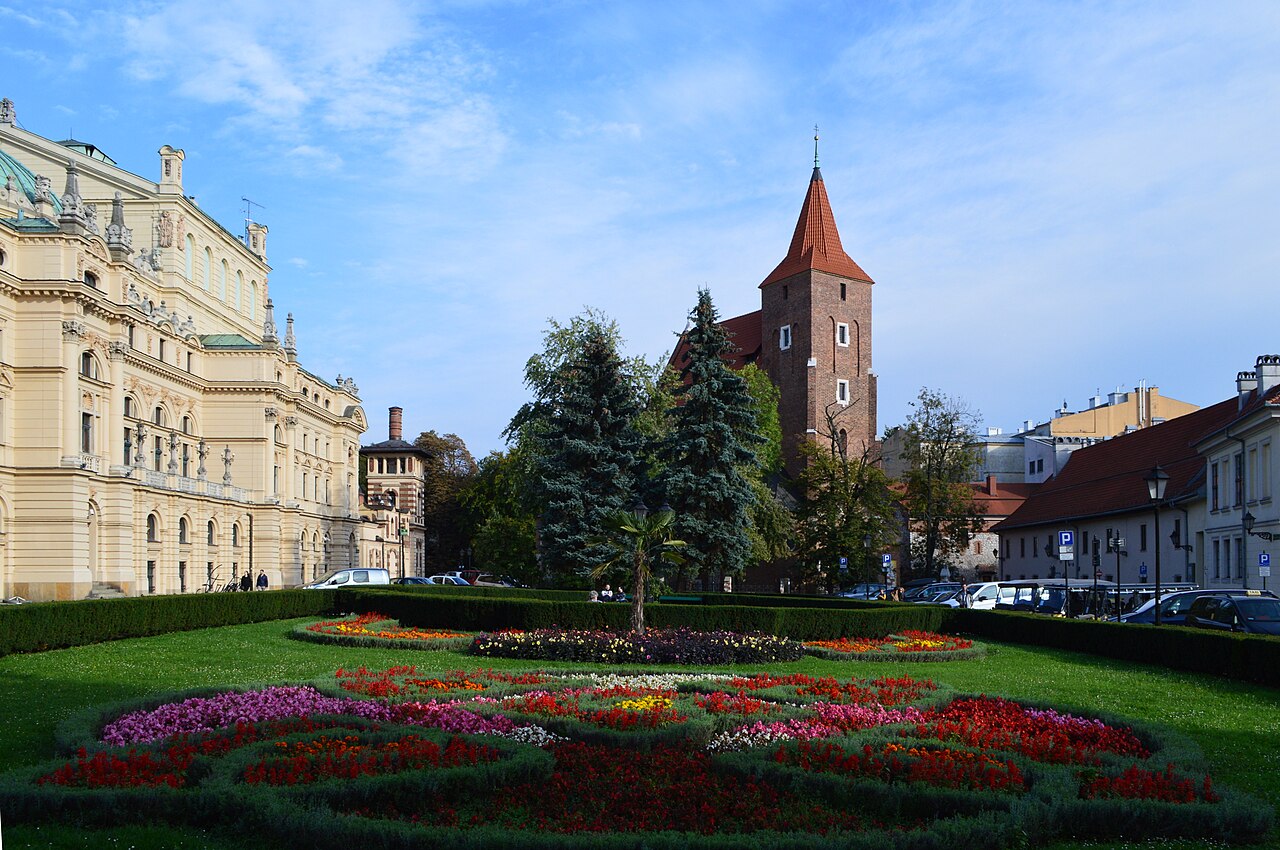
Juliusz Słowacki Theatre
Plac Świętego Ducha 1, 31-023 Kraków, Poland
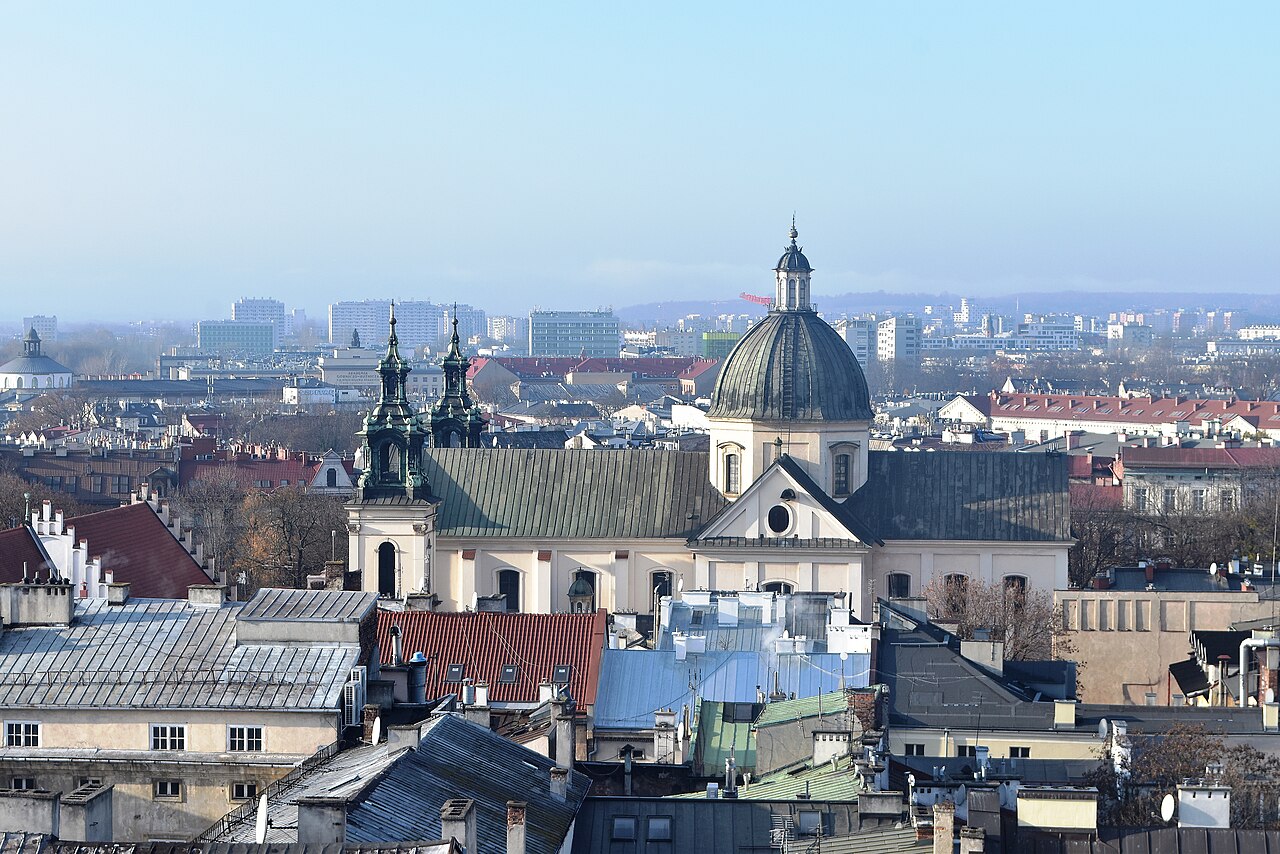
Town Hall Tower, Kraków
Rynek Główny 1, 31-042 Kraków, Poland
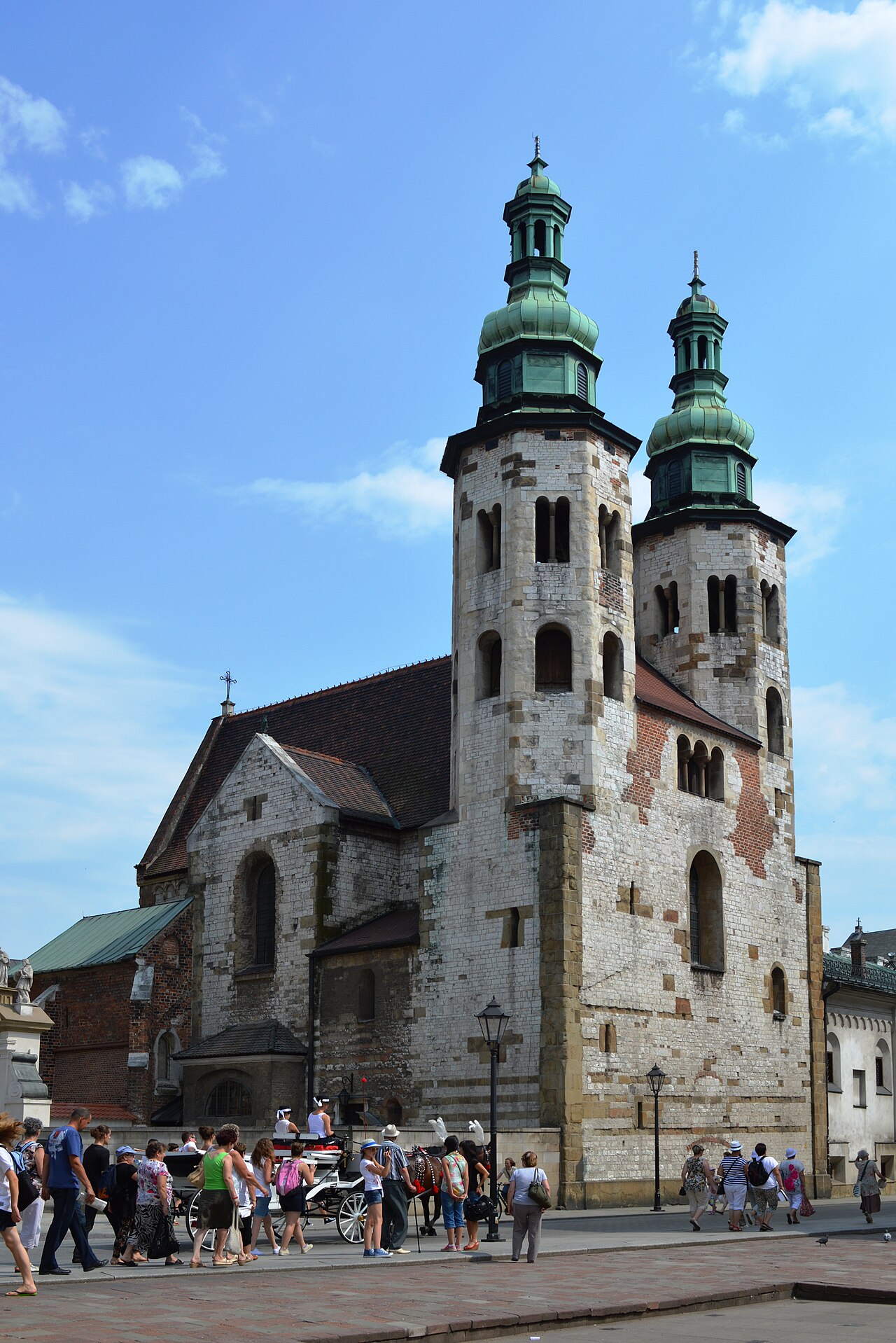
St. Andrew's Church, Kraków
Grodzka 56, 31-044 Kraków, Poland
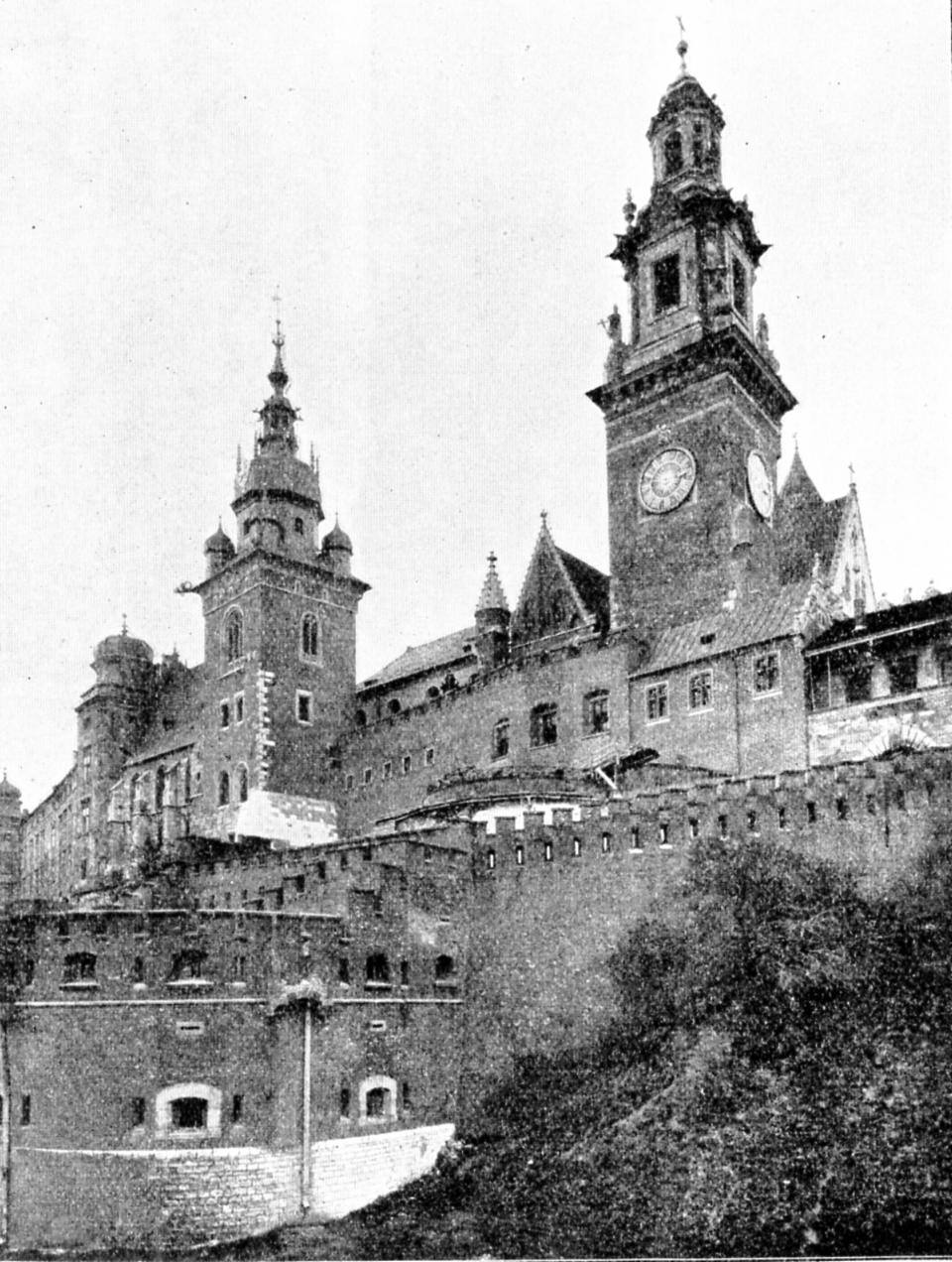
Wawel Cathedral
Wawel 3, 31-001 Kraków, Poland
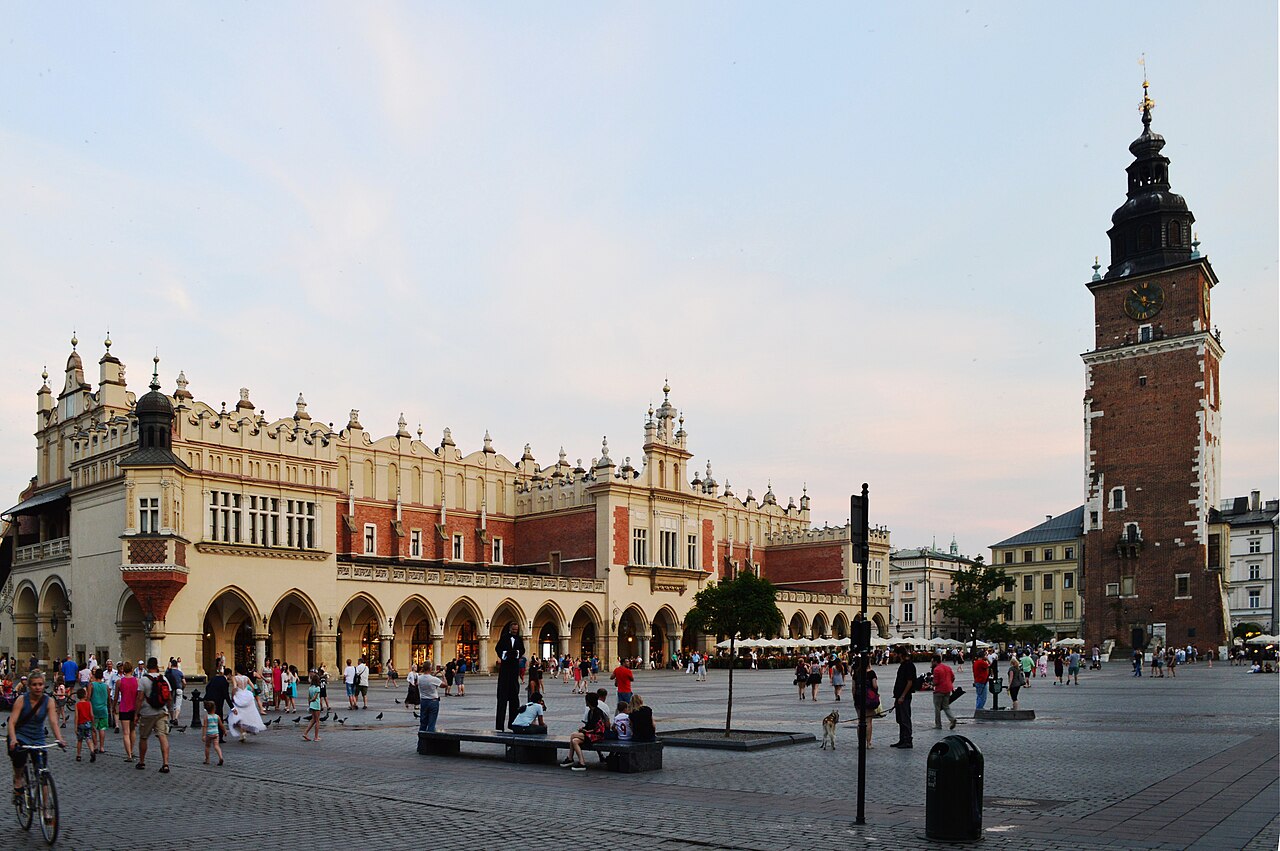
Cloth Hall
Rynek Główny 1/3, 31-042 Kraków, Poland
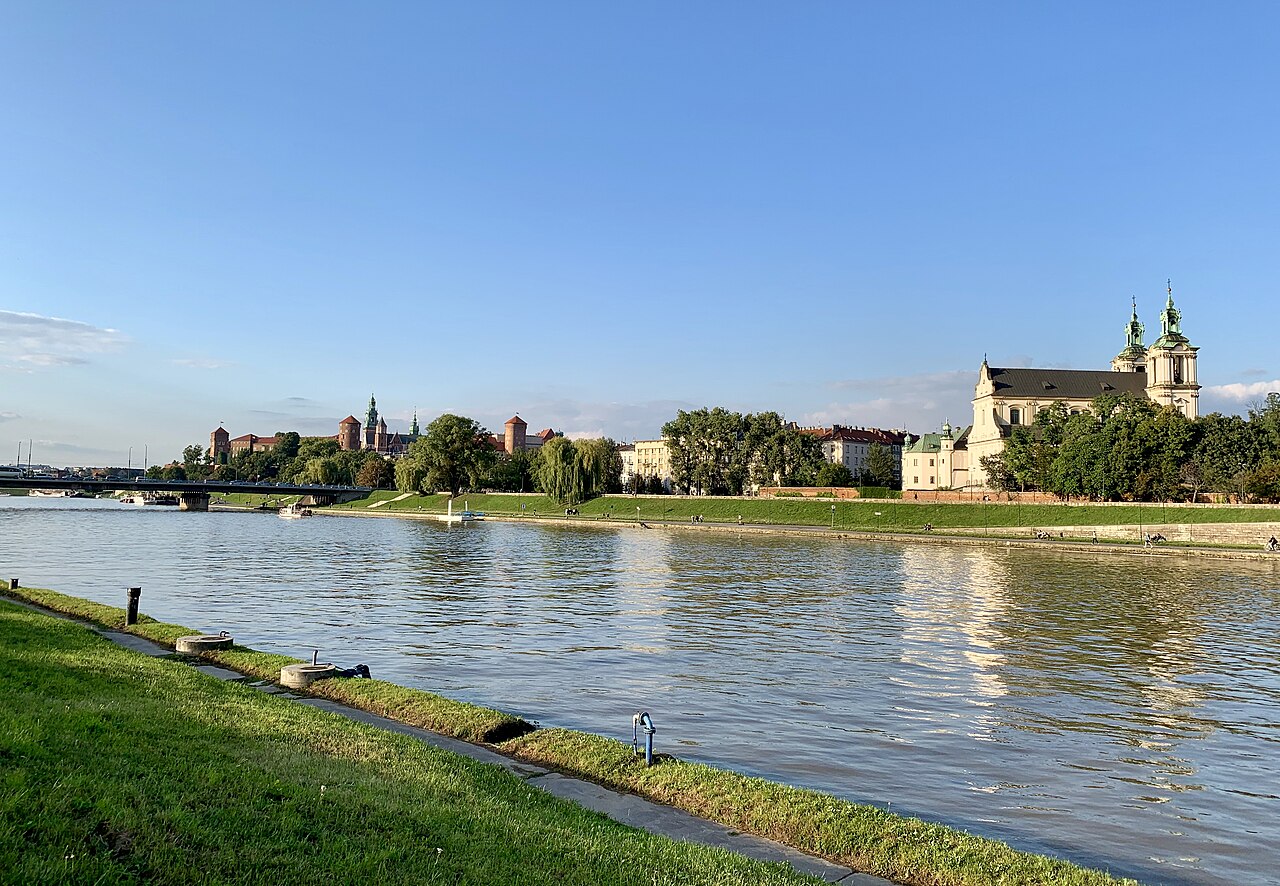
Wawel Castle
Wawel 5, 31-001 Kraków, Poland
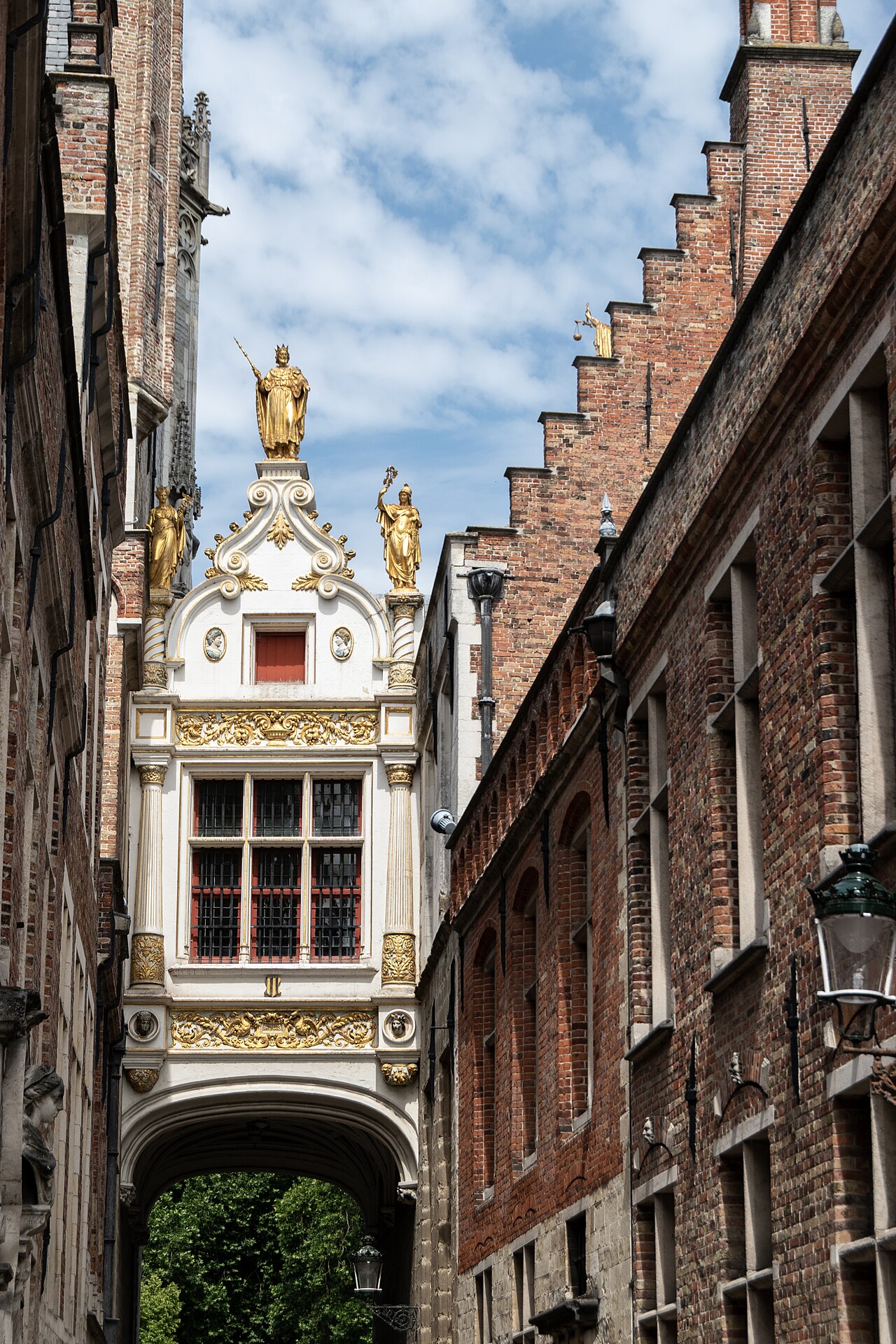
Brugse Vrije
Burg 11A, 8000 Brugge, Belgium
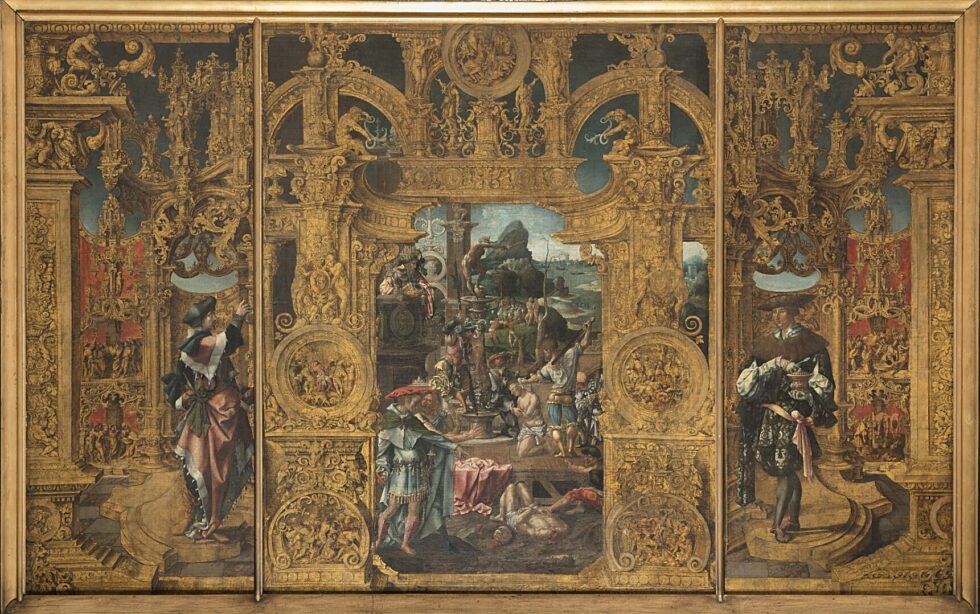
Sint-Jakobskerk
Sint-Jakobsplein, 8000 Brugge, Belgium
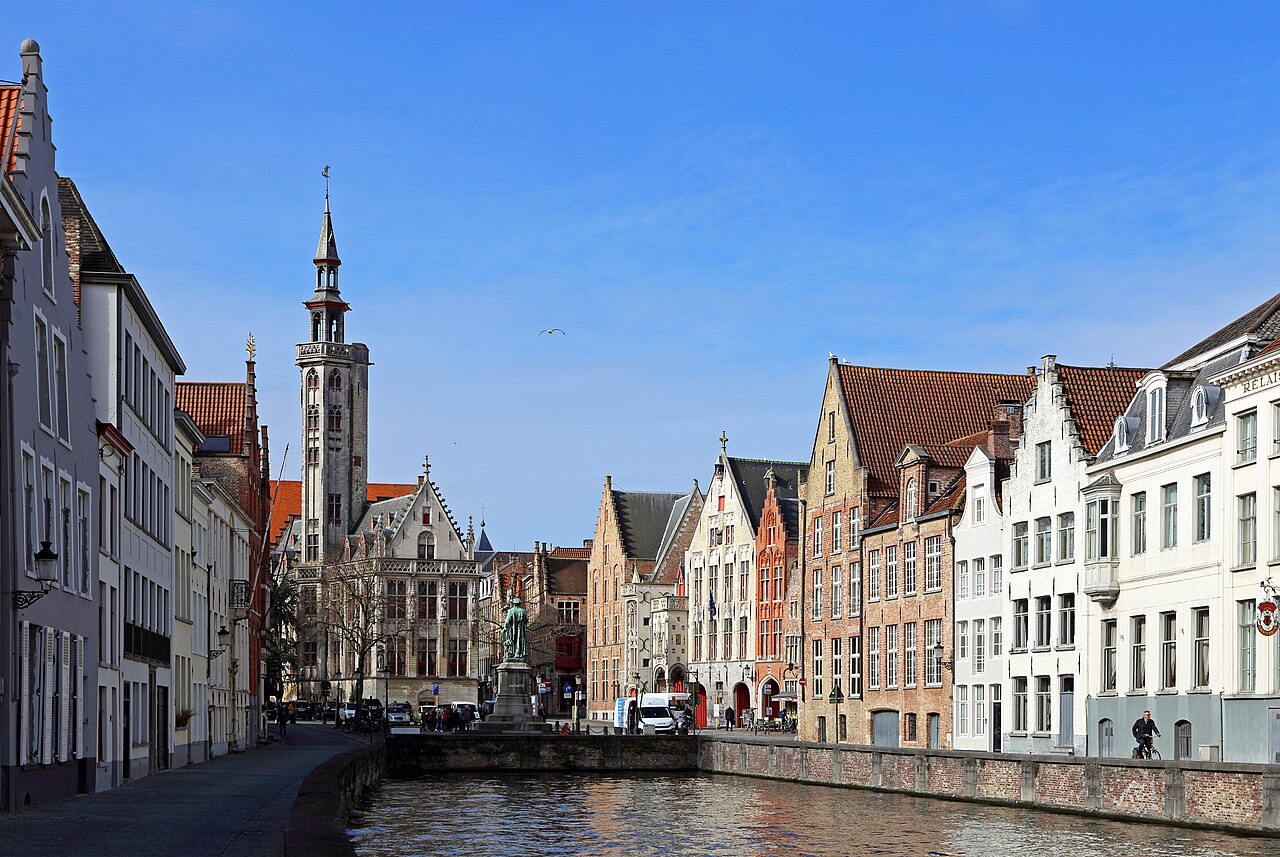
Jan Van Eyckplein Tolhuis
Jan van Eyckplein, 8000 Brugge, Belgium
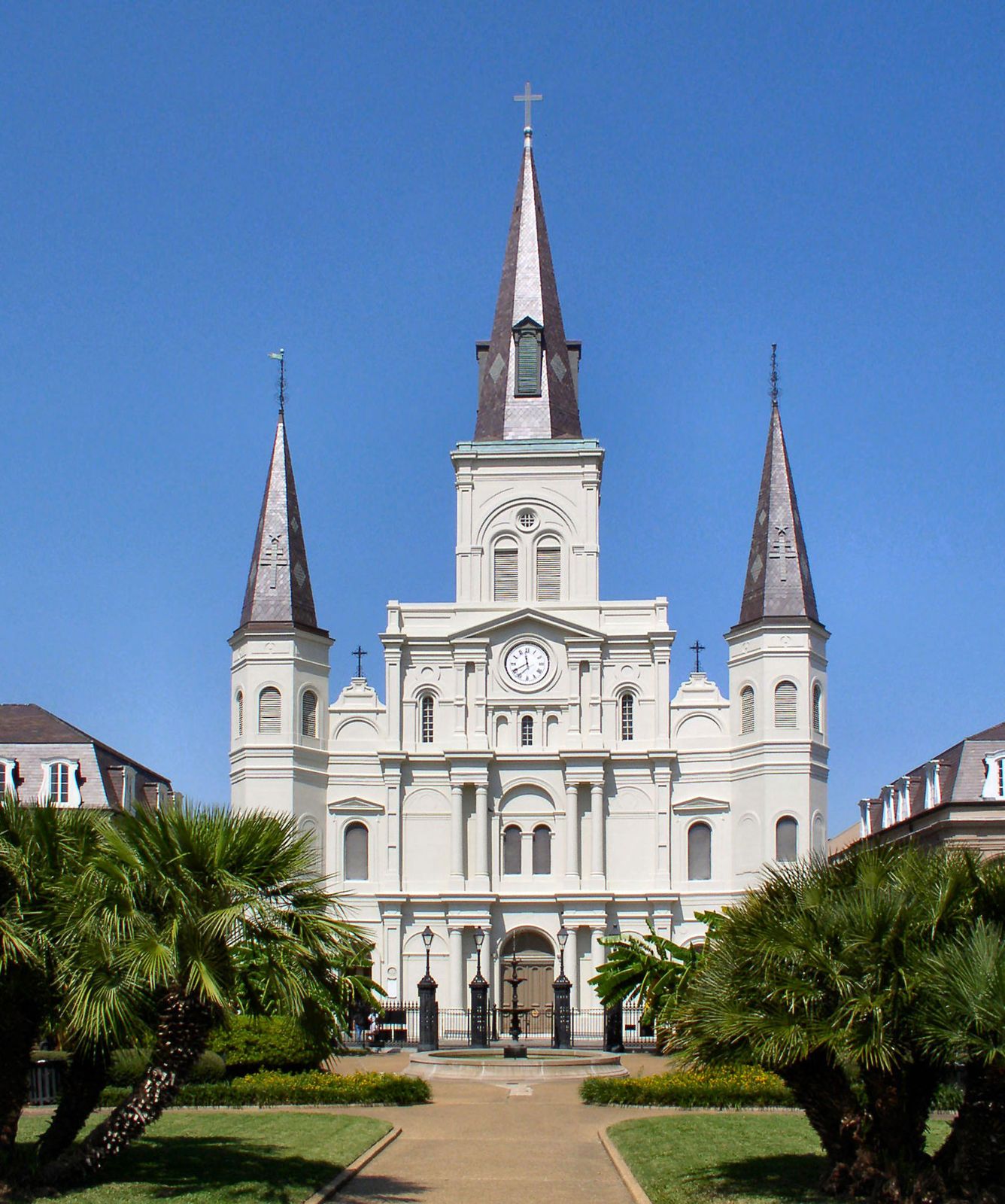
615 Pere Antoine Alley
615 Pere Antoine Alley, New Orleans, LA
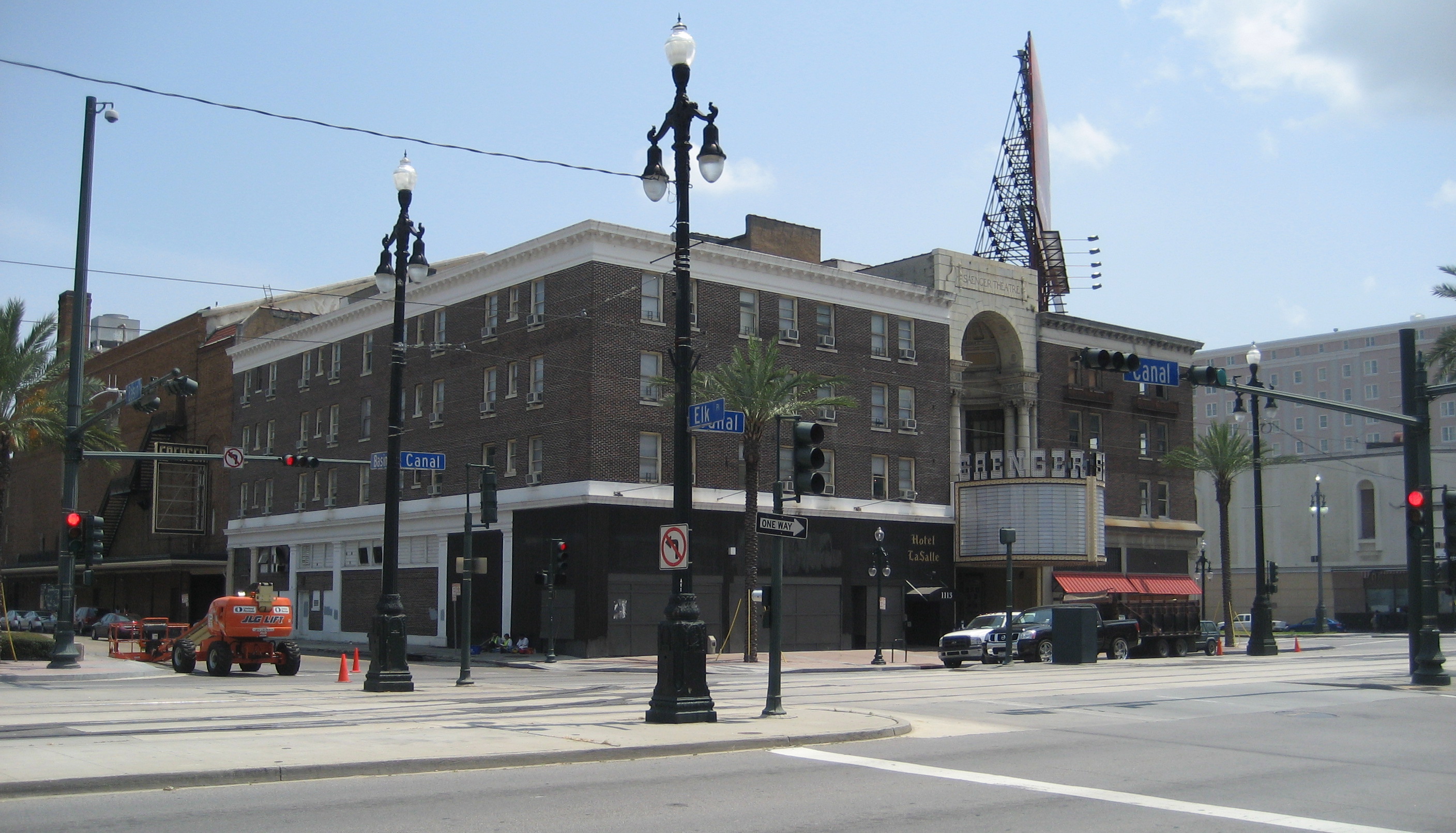
1111 Canal St
1111 Canal St, New Orleans, LA
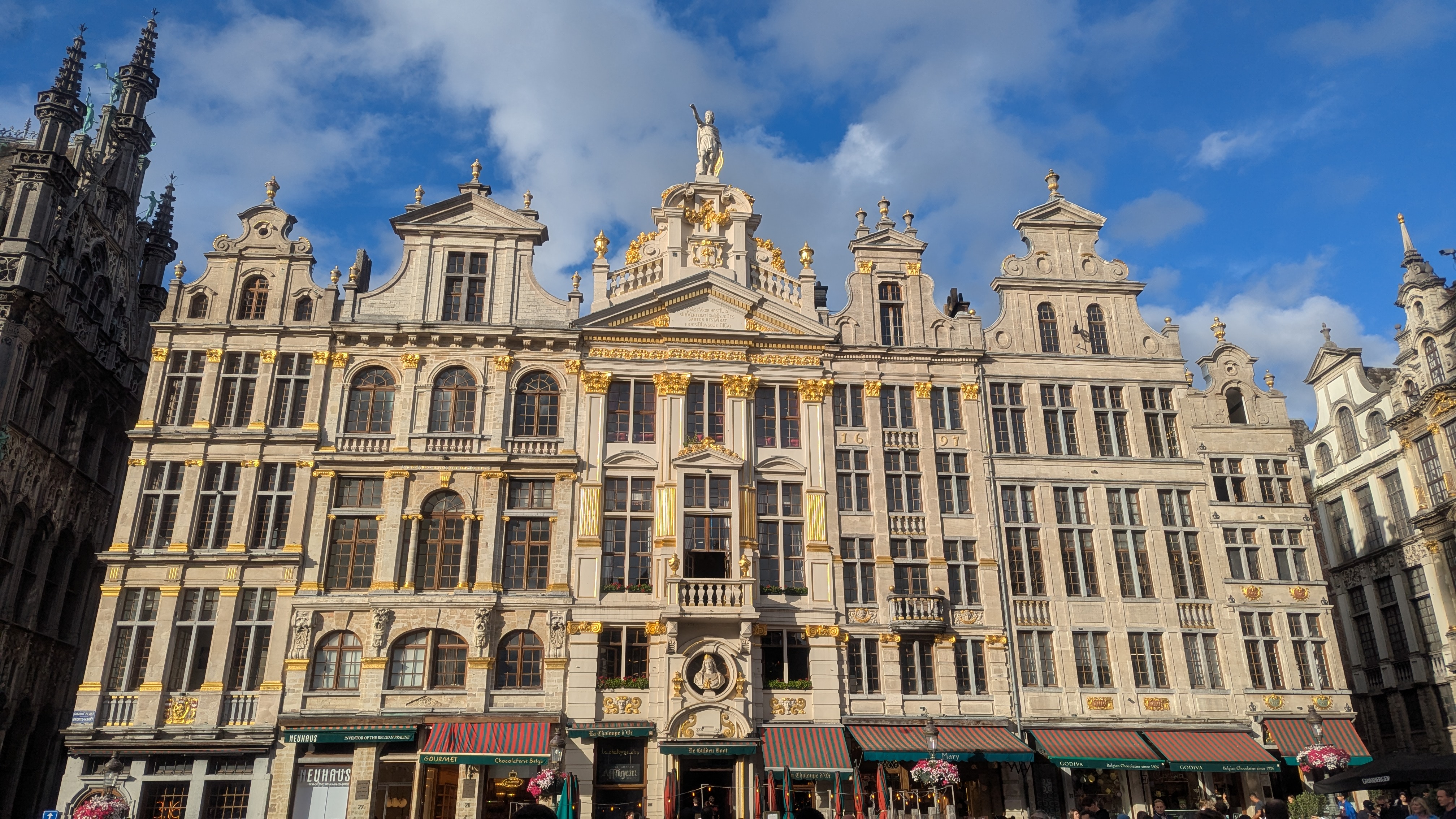


Valencia
Valencia, Spain

Where to Find Baroque Architecture
Related Styles
Why Baroque Matters Today
Baroque architecture reminds us of the emotional power of space. In an age of minimalism and efficiency, Baroque buildings demonstrate that architecture can move us, astonish us, and create experiences that transcend the purely functional. The style's mastery of theatrical space continues to inspire architects, set designers, and urban planners.