Washington, D.C. stands as America's architectural stage, where the nation's most important buildings embody democratic ideals through neoclassical grandeur and monumental scale. From L'Enfant's 1791 baroque city plan with its radiating avenues and ceremonial axes to contemporary additions like I.M. Pei's East Building of the National Gallery, the capital tells the story of American architectural ambition across more than two centuries.
The city's architecture reflects the evolution of American democracy itself—from the early federal buildings that borrowed European classical languages to assert legitimacy, through the confident Beaux-Arts expansion of the early 20th century, to today's balance of tradition and innovation. Height restrictions ensuring no building towers over the Capitol dome create a uniquely horizontal skyline where monuments and memorials command the landscape.
What makes Washington architecturally distinctive is its role as both a working city and a national symbol. Every major building serves a dual purpose: housing government functions while representing American values to the world. The result is an urban fabric where architectural symbolism carries unusual weight, and where the classical orders of ancient Greece and Rome continue to speak in a contemporary American voice.
Architectural Timeline
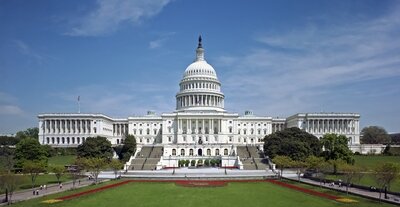
The Federal Period (1790s-1820s) established Washington's architectural DNA with the Capitol's neoclassical dome and the White House's Palladian proportions. William Thornton, Benjamin Henry Latrobe, and Charles Bulfinch created buildings that balanced republican simplicity with appropriate grandeur, establishing the template for American federal architecture.
The Victorian era (1860s-1890s) brought Gothic Revival churches like Washington National Cathedral and Richardsonian Romanesque civic buildings, while the City Beautiful movement of the early 1900s produced the McMillan Plan's grand axes and Beaux-Arts institutions like Union Station and the Lincoln Memorial.
The New Deal era (1930s-1940s) saw massive federal expansion in the stripped classical style, creating imposing government complexes like Federal Triangle. Post-war modernism arrived with structures like the Kennedy Center, while contemporary architecture balances historic context with bold statements like the National Museum of African American History and Culture's bronze lattice facade.
Monumental Core and Beyond
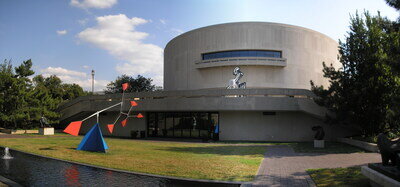
The National Mall forms the city's ceremonial heart, where Smithsonian museums and presidential memorials create America's most important architectural ensemble. From the neoclassical Lincoln Memorial anchoring the western end to the Modernist Hirshhorn Museum's concrete cylinder, the Mall showcases architectural diversity within a coherent urban framework.
Capitol Hill's dense historic fabric surrounds the Capitol building with 19th-century rowhouses and apartment buildings, while Embassy Row along Massachusetts Avenue presents a survey of international architectural styles adapted to Washington's diplomatic context. Georgetown preserves the region's pre-federal architecture with Colonial and Federal period houses along tree-lined streets.
Architectural Voices
Pierre Charles L'Enfant's baroque city plan of diagonal avenues intersecting a orthogonal grid creates the dramatic urban vistas that give Washington its monumental character. Benjamin Henry Latrobe, America's first professional architect, refined the classical vocabulary for democratic institutions, most notably in the Capitol's Corinthian columns and vaulted spaces.
Daniel Burnham brought City Beautiful grandeur to Washington with Union Station's Roman imperial scale and careful integration into the urban fabric. I.M. Pei's East Building of the National Gallery demonstrates how modernist geometry can enhance rather than compete with neoclassical surroundings, while David Adjaye's National Museum of African American History and Culture shows contemporary architecture's power to honor both history and innovation.
What to Notice
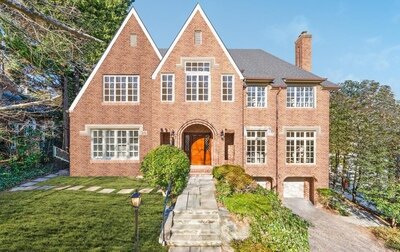
Washington's architecture reveals itself through materials: the gleaming white marble of monuments contrasts with the red brick of residential neighborhoods, while limestone creates a middle ground in civic buildings. Classical details matter here—count the columns, notice the pediments, observe how Greek and Roman orders are adapted to American functions. The city's famous height restriction creates unique roof landscapes and ensures monuments remain visible from multiple viewpoints.
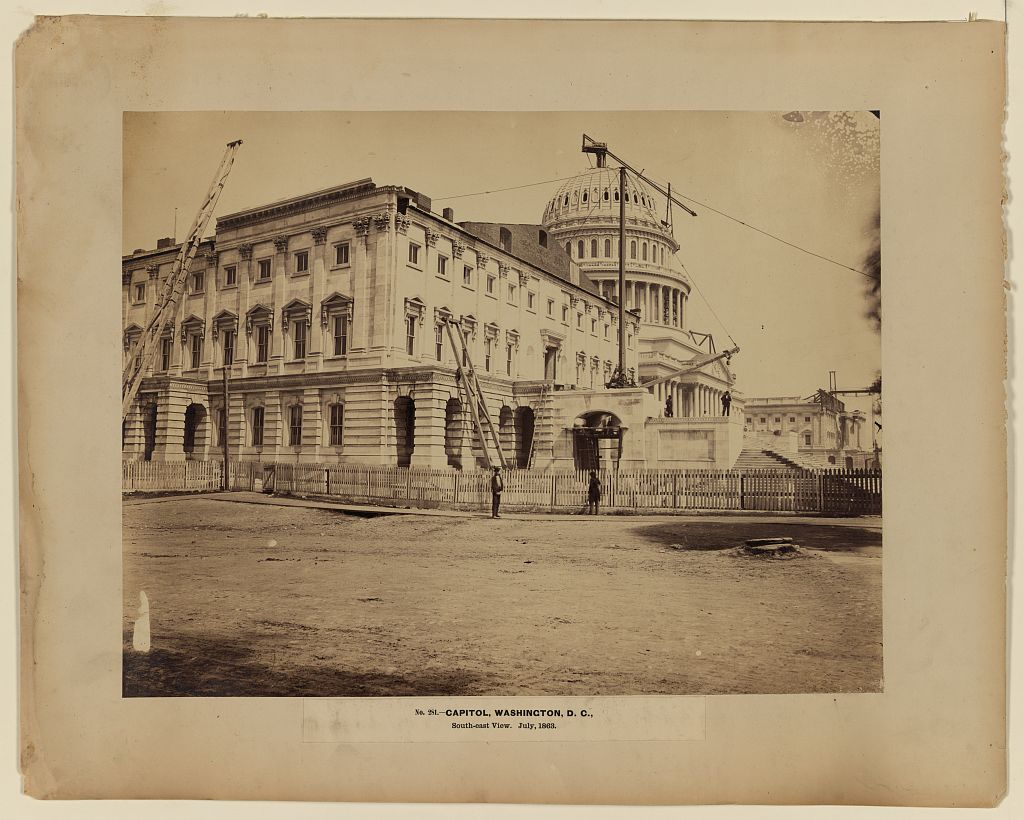
Look for the interplay between L'Enfant's diagonal avenues and the rectangular street grid, creating traffic circles that become opportunities for sculpture and civic art. Notice how newer buildings defer to historic neighbors through materials and proportions while asserting contemporary identity through form and detail. From the Capitol's cast iron dome painted to look like stone to the Washington Monument's subtle color change marking construction phases, Washington rewards close architectural observation.