Renaissance Architecture — A Guide
Overview
Renaissance architecture marked the rebirth of classical ideals in 15th-century Italy, replacing the soaring verticality of Gothic with the balanced horizontality and mathematical harmony of ancient Greece and Rome. It was an architecture of intellectual ambition — buildings designed according to ideal proportions, geometric clarity, and a humanist belief in the perfectibility of the world.
The Renaissance began in Florence with Filippo Brunelleschi's revolutionary dome for the Cathedral of Santa Maria del Fiore (1436), which applied Roman engineering principles to a medieval building. Leon Battista Alberti codified classical principles in his treatise 'De re aedificatoria' (1452), while Andrea Palladio's 'Four Books of Architecture' (1570) became the most influential architectural text ever written, spreading Renaissance ideals across Europe and eventually to America.
Key Characteristics
- Symmetrical facades based on classical proportional systems
- Round arches, domes, and barrel vaults
- Classical columns and pilasters used in correct orders
- Rusticated stonework on lower levels
- Prominent cornices and string courses
- Centralized plans and harmonious proportional relationships
Famous Examples Worldwide
Florence Cathedral Dome
Florence, 1436
Palazzo Medici
Florence, 1444
Villa Rotonda
Vicenza, 1570
St. Peter's Basilica
Vatican City, 1626
Buildings in Our Library (55)
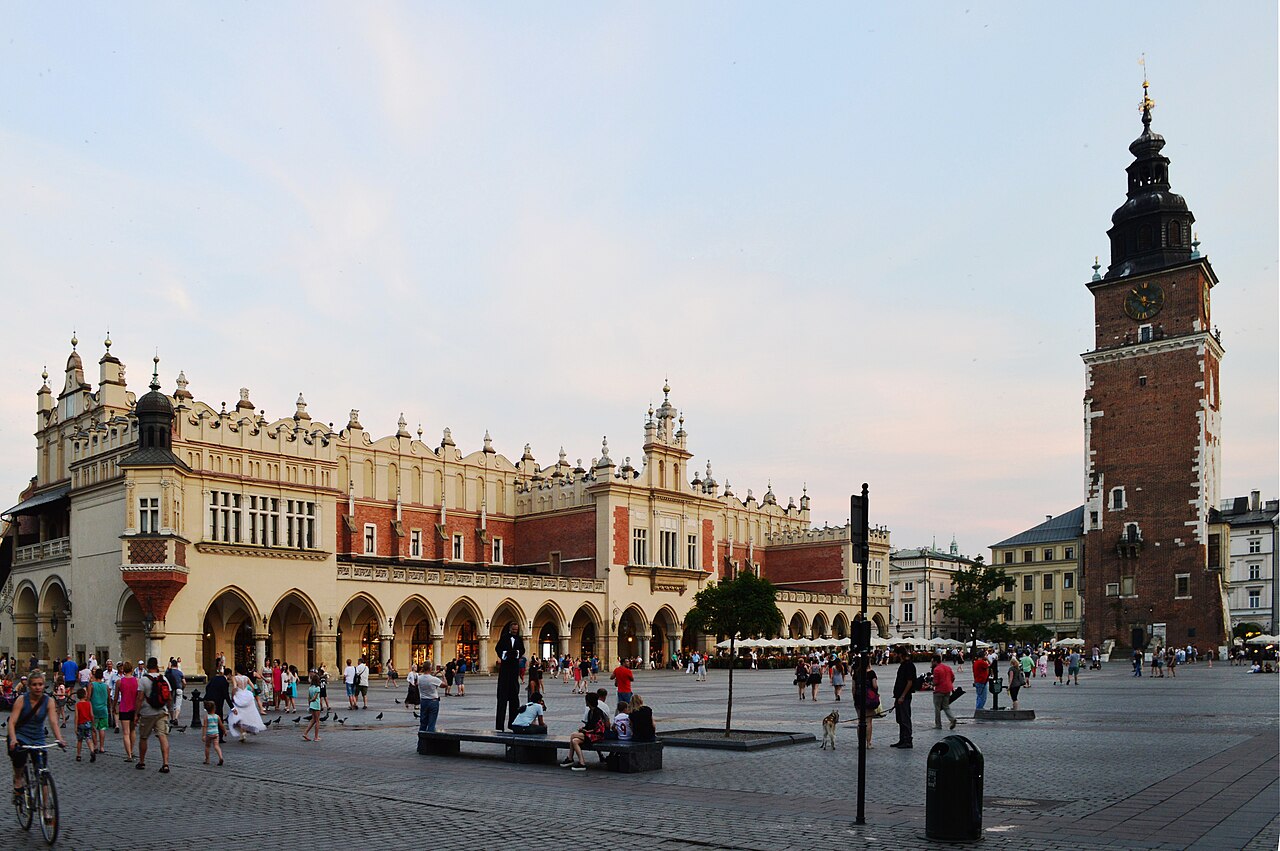
Cloth Hall
Rynek Główny 1/3, 31-042 Kraków, Poland
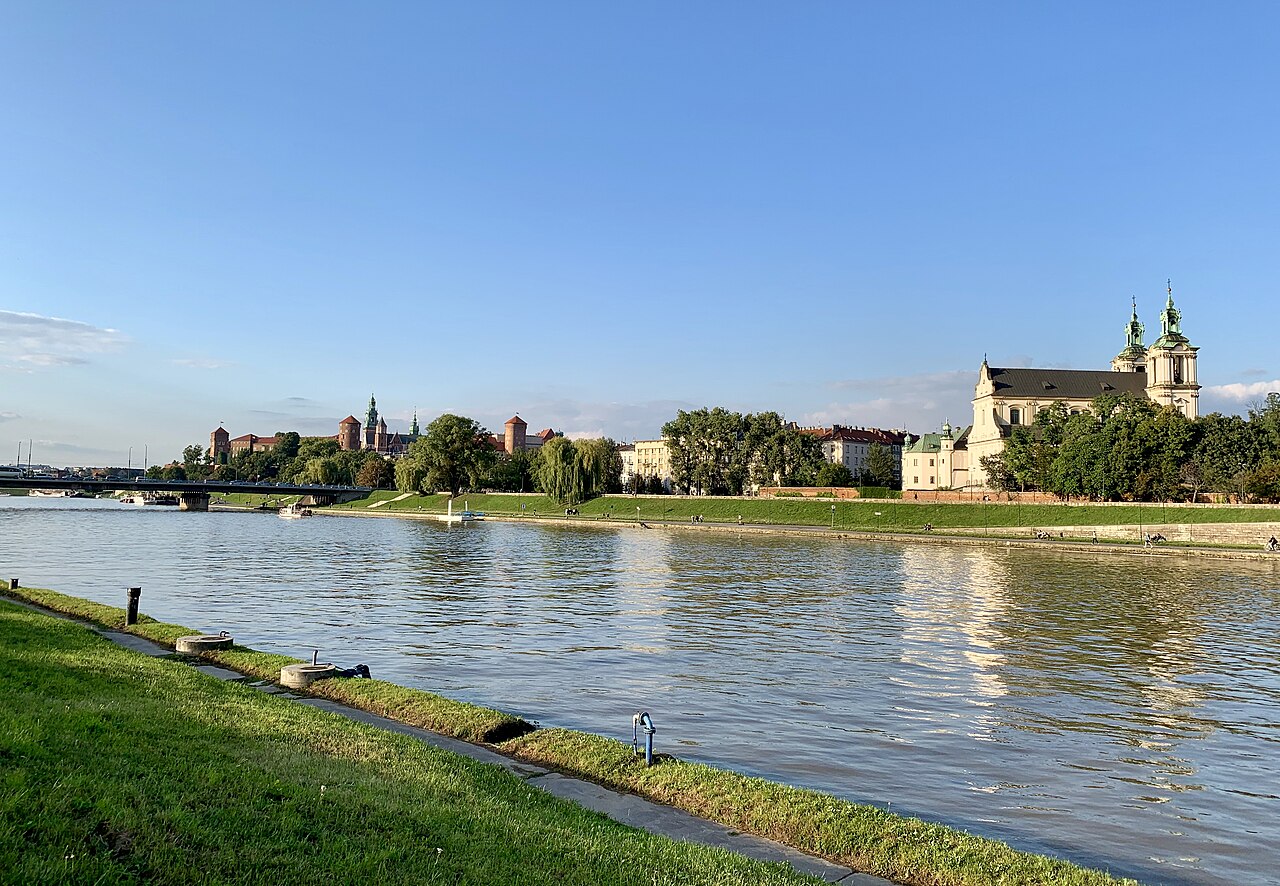
Wawel Castle
Wawel 5, 31-001 Kraków, Poland
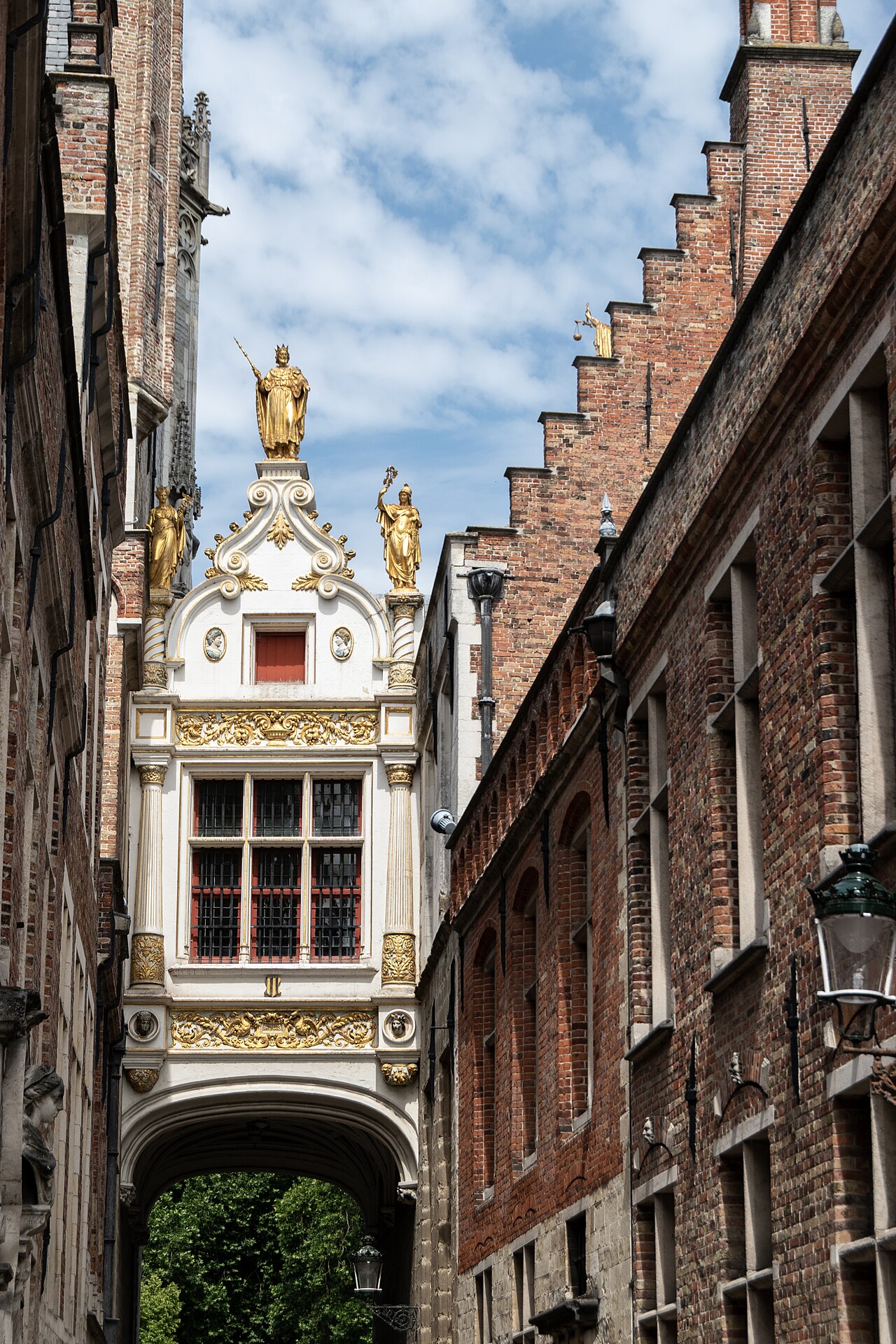
Brugse Vrije
Burg 11A, 8000 Brugge, Belgium
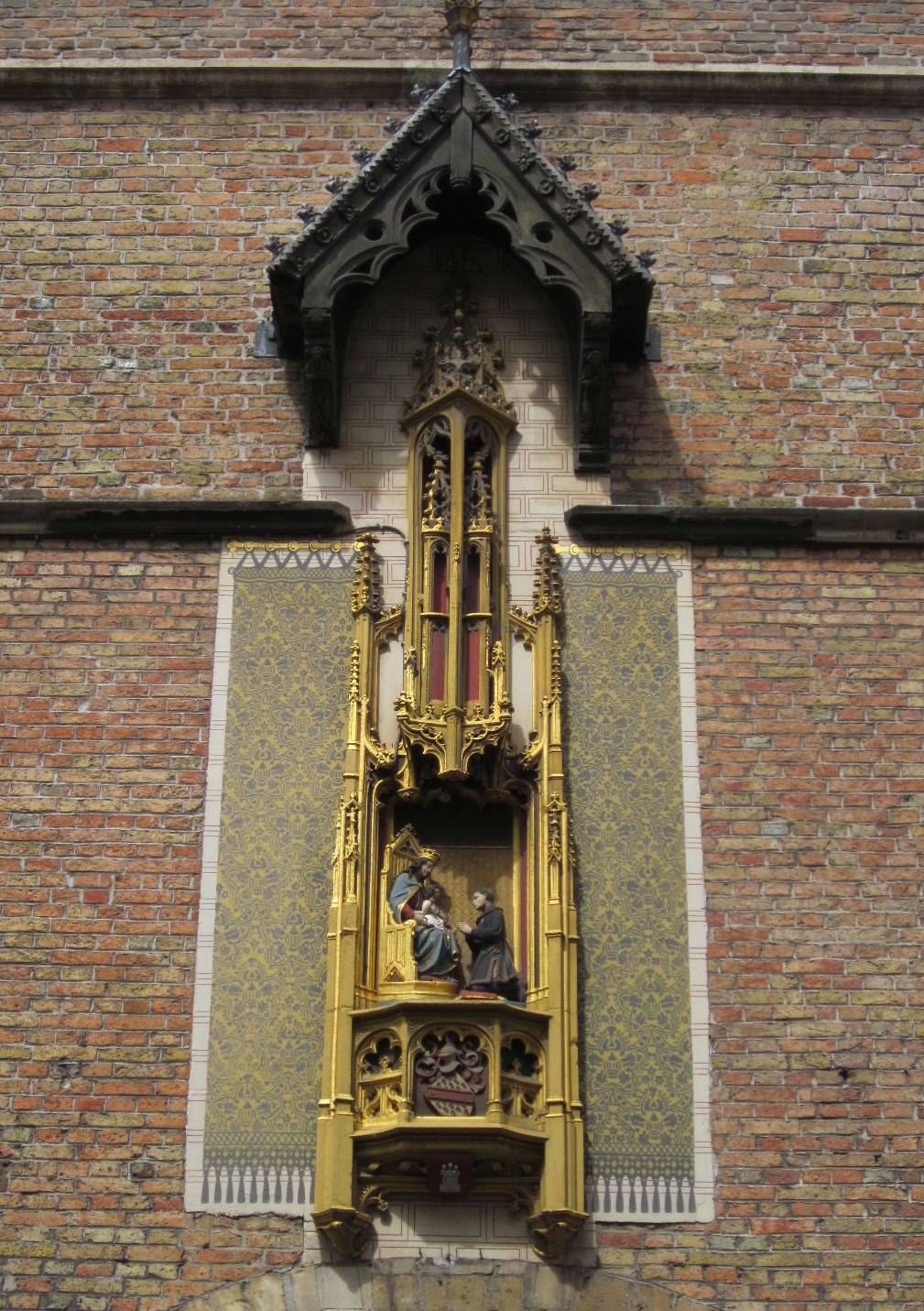
Hof Bladelin
Naaldenstraat 19, 8000 Brugge, Belgium
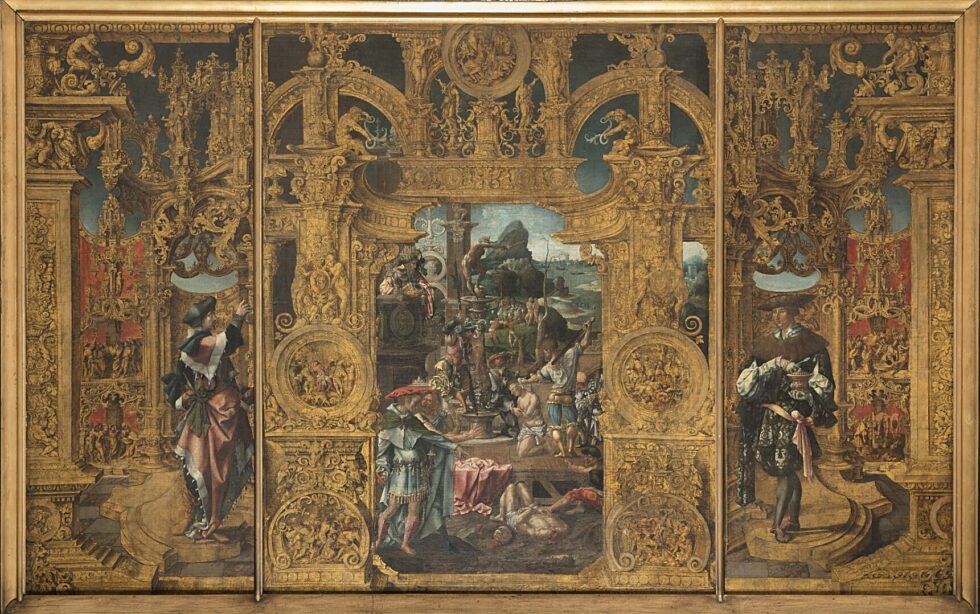
Sint-Jakobskerk
Sint-Jakobsplein, 8000 Brugge, Belgium
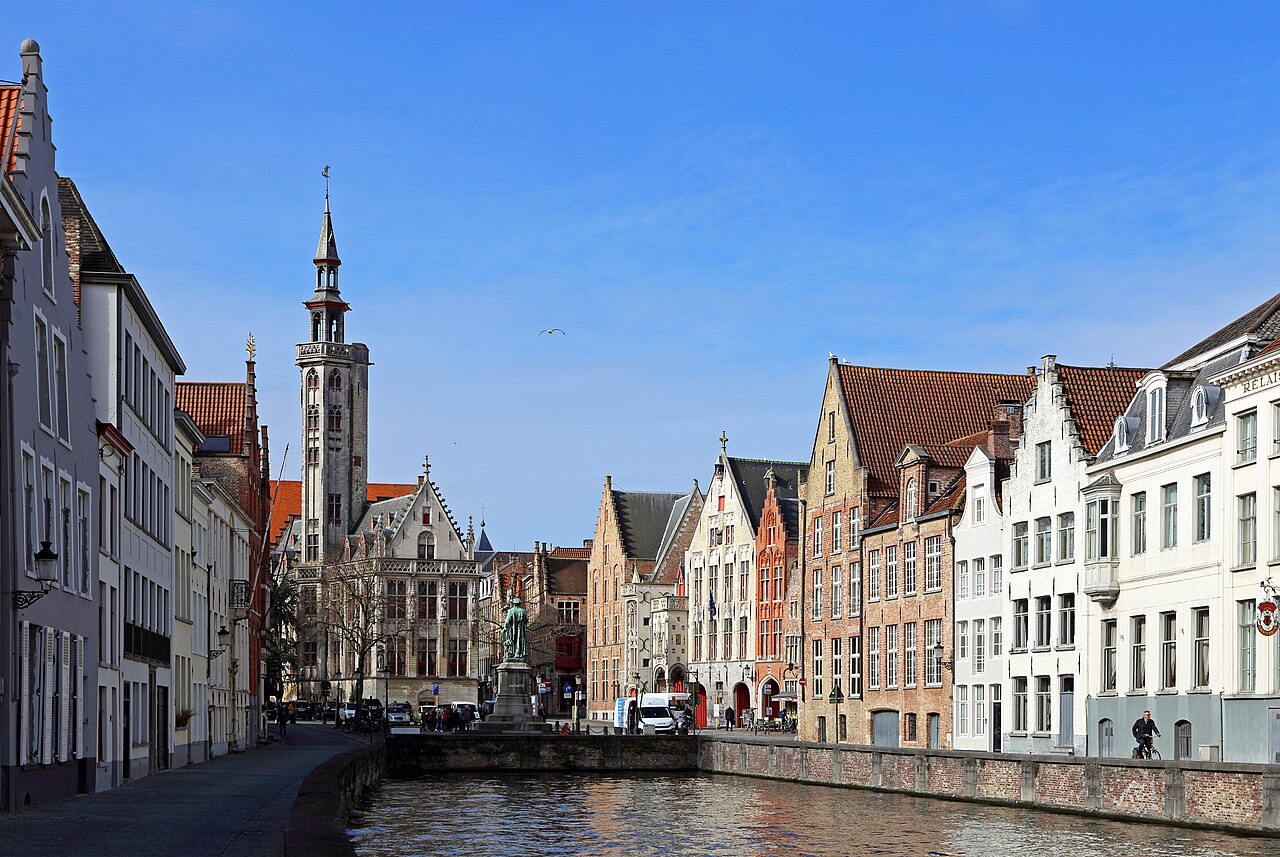
Jan Van Eyckplein Tolhuis
Jan van Eyckplein, 8000 Brugge, Belgium
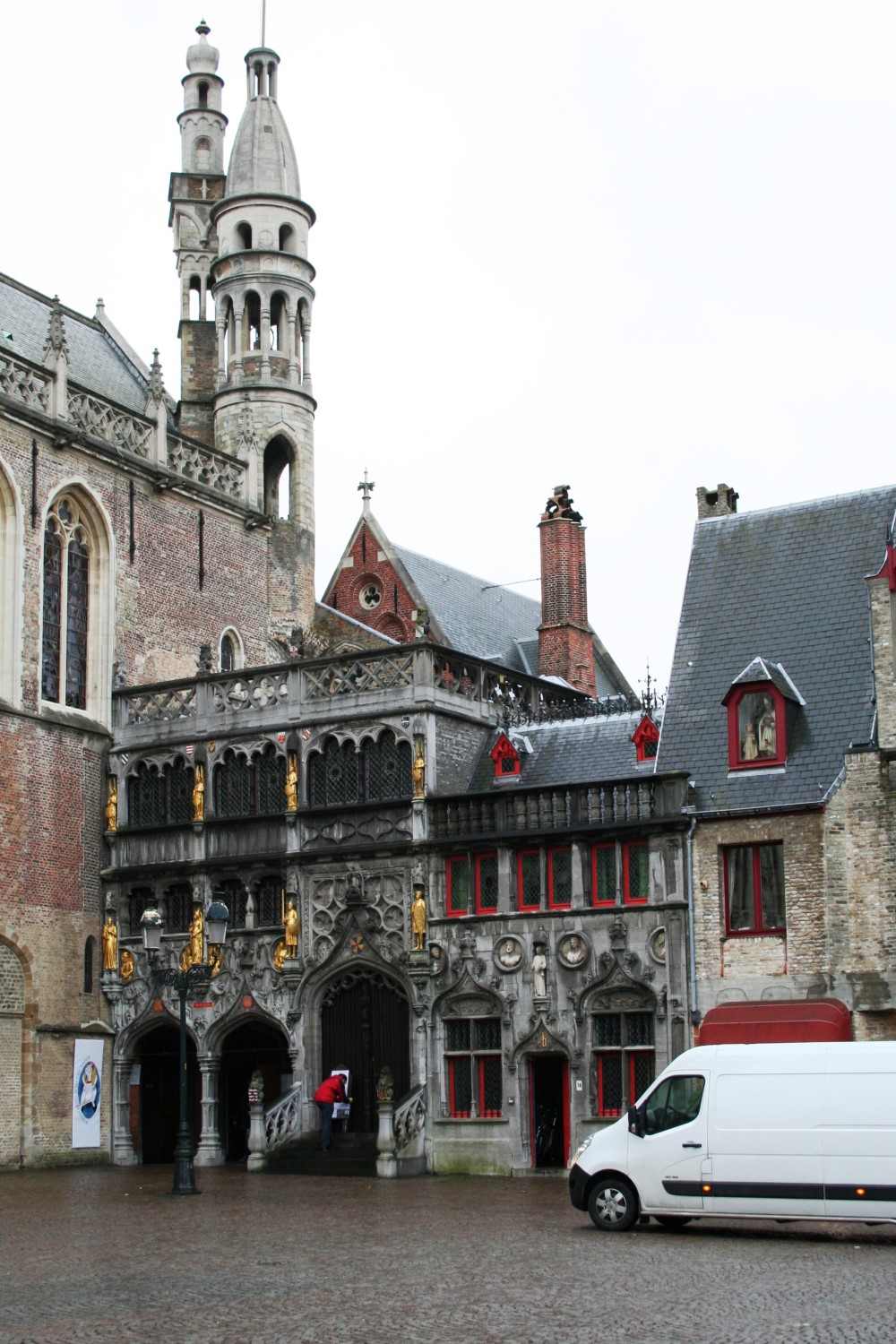
Basilica of the Holy Blood
Burg 13, 8000 Brugge, Belgium
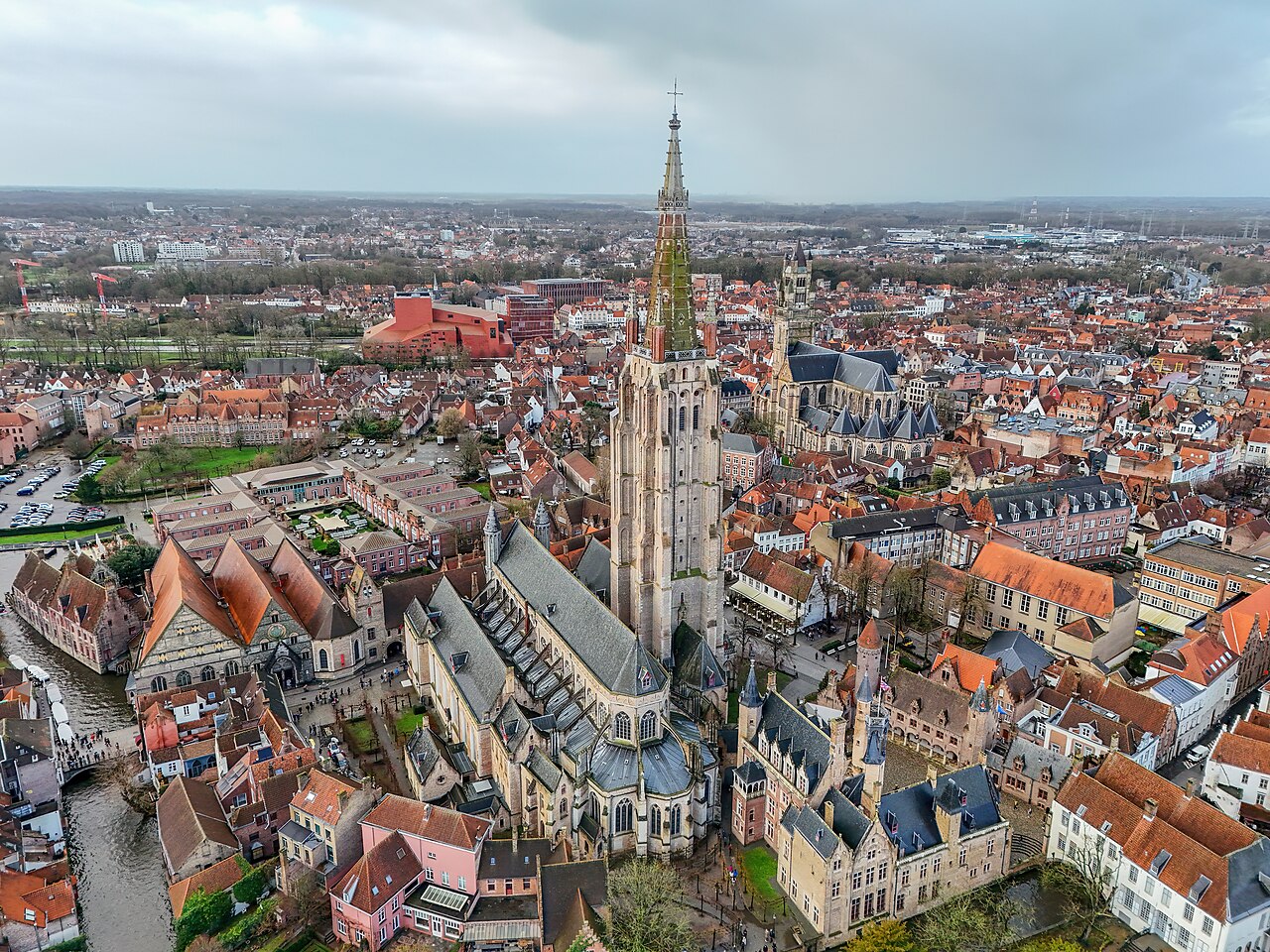
Church of Our Lady Bruges
Mariastraat, 8000 Brugge, Belgium
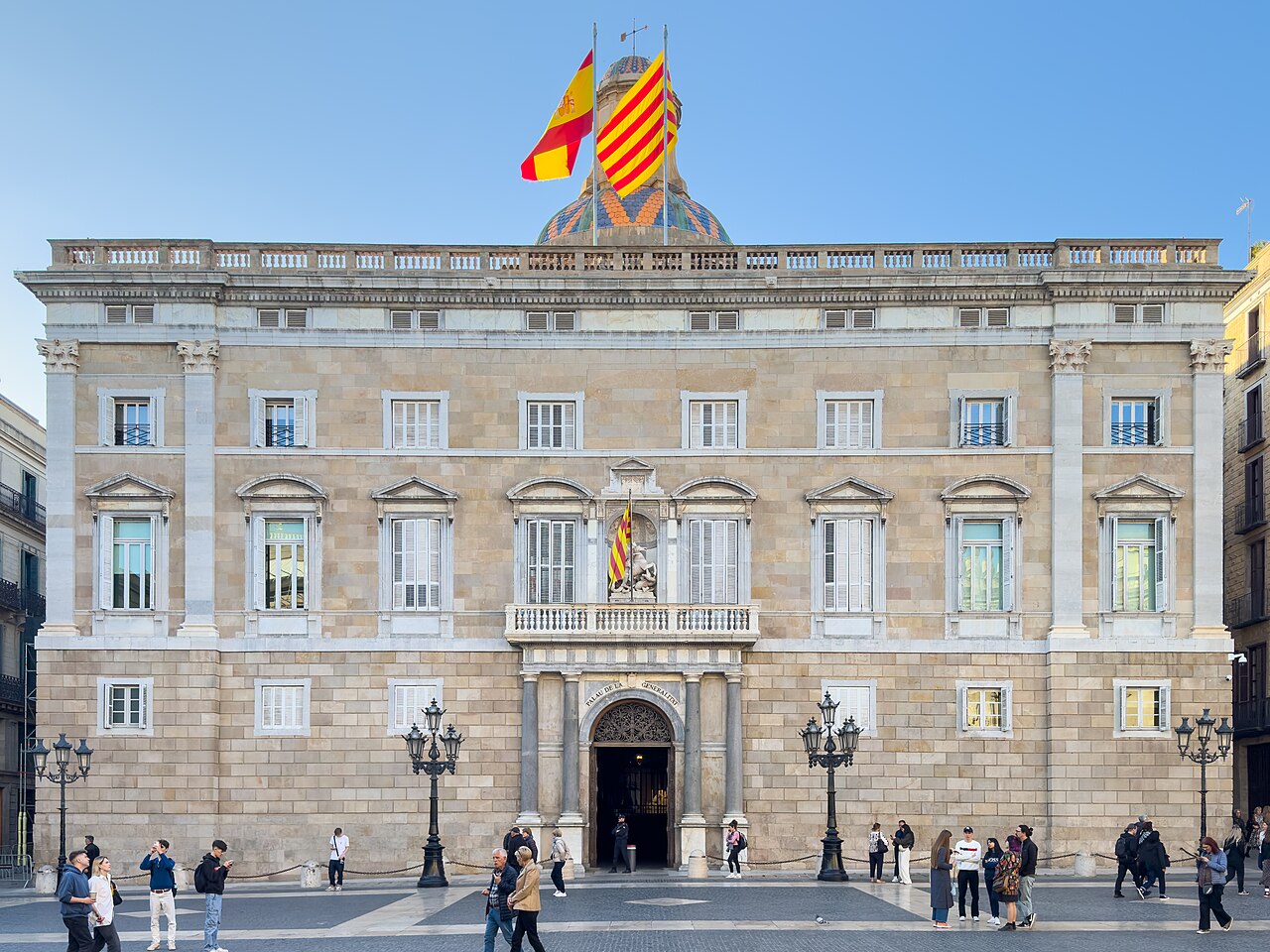
Palau de la Generalitat de Catalunya
Plaça de Sant Jaume, 4, 08002 Barcelona, Spain
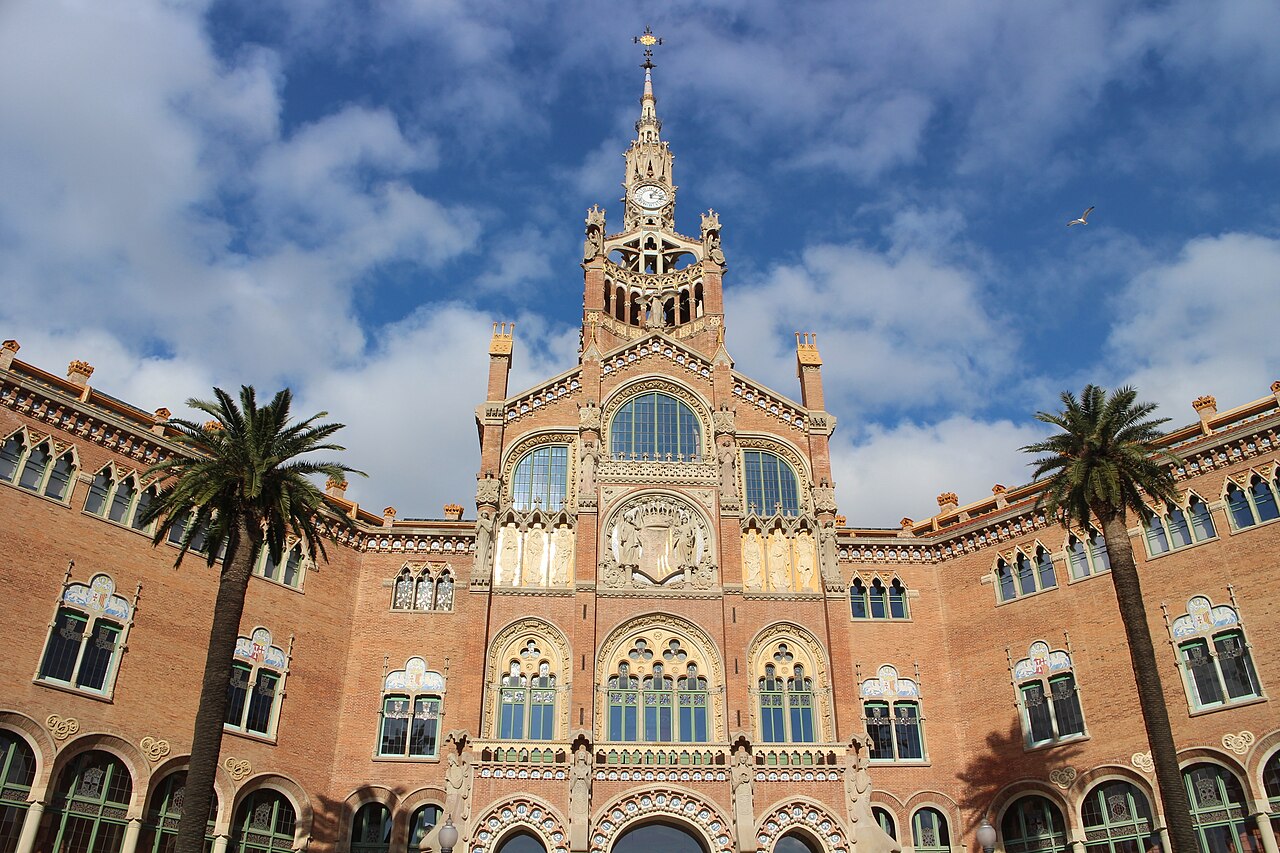
Hospital de Sant Pau
Carrer de Sant Antoni Maria Claret, 167, 08025 Barcelona,...
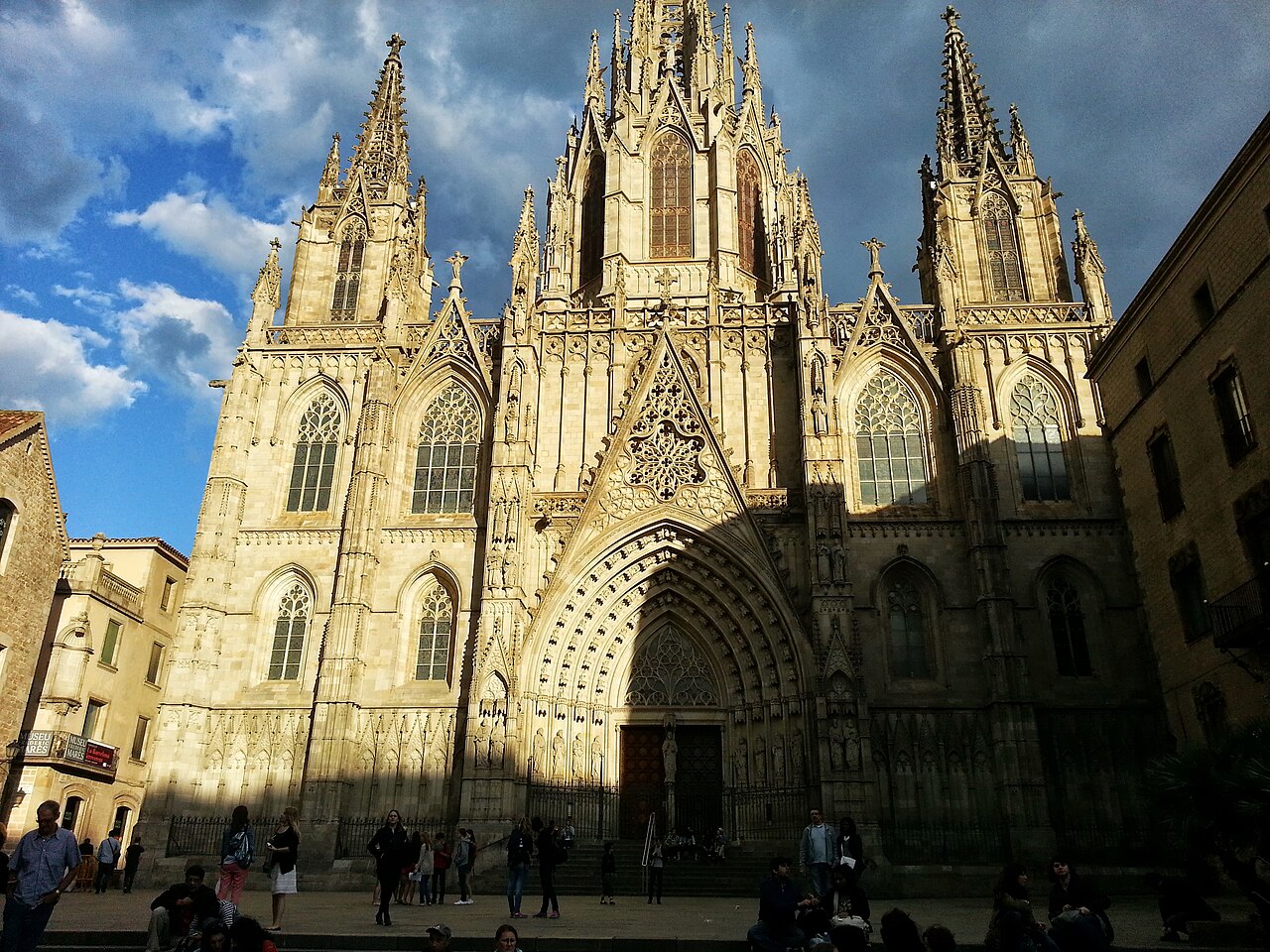
Barcelona Cathedral
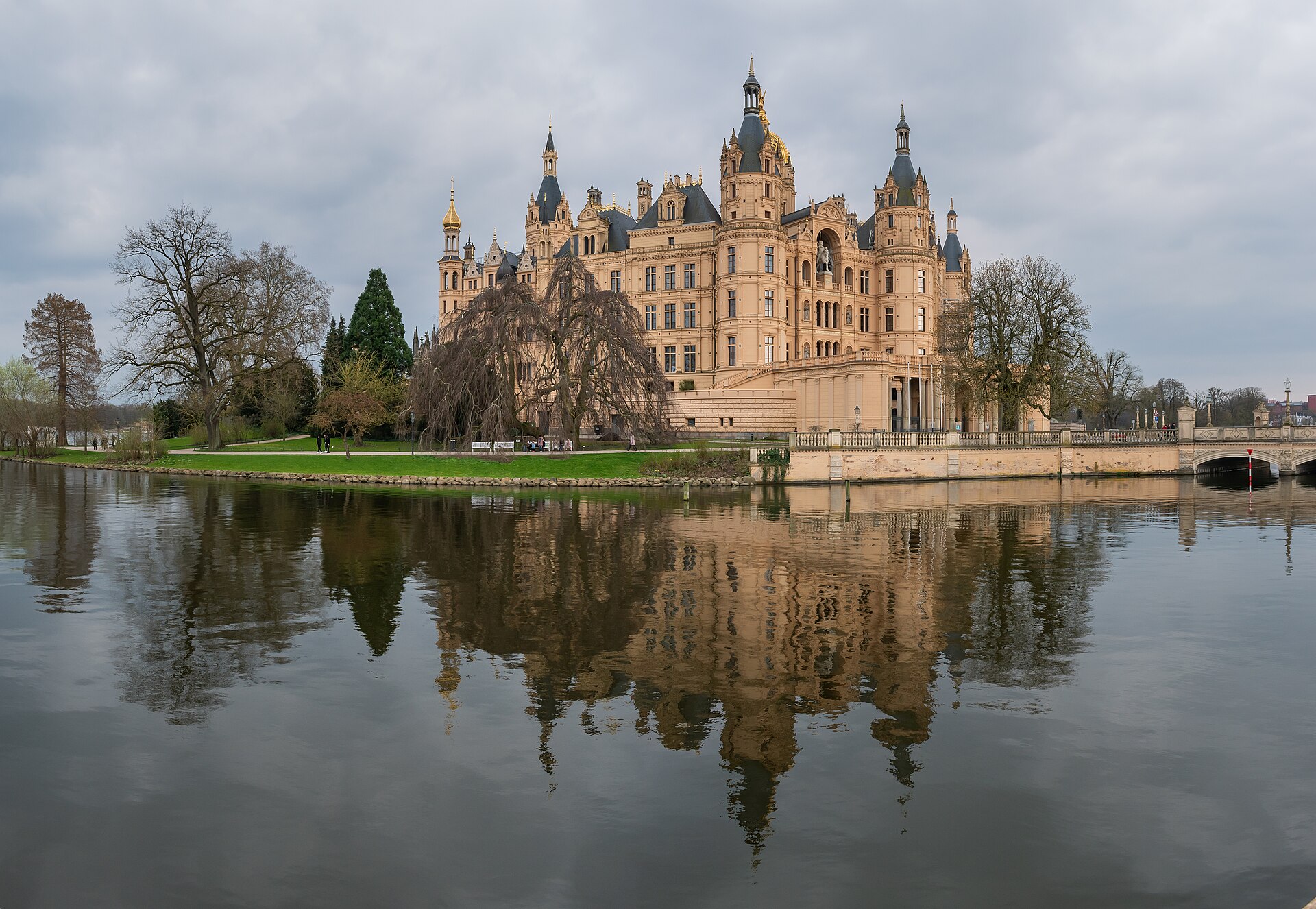
Lennéstraße 1
Lennéstraße 1, 19053 Schwerin, Germany
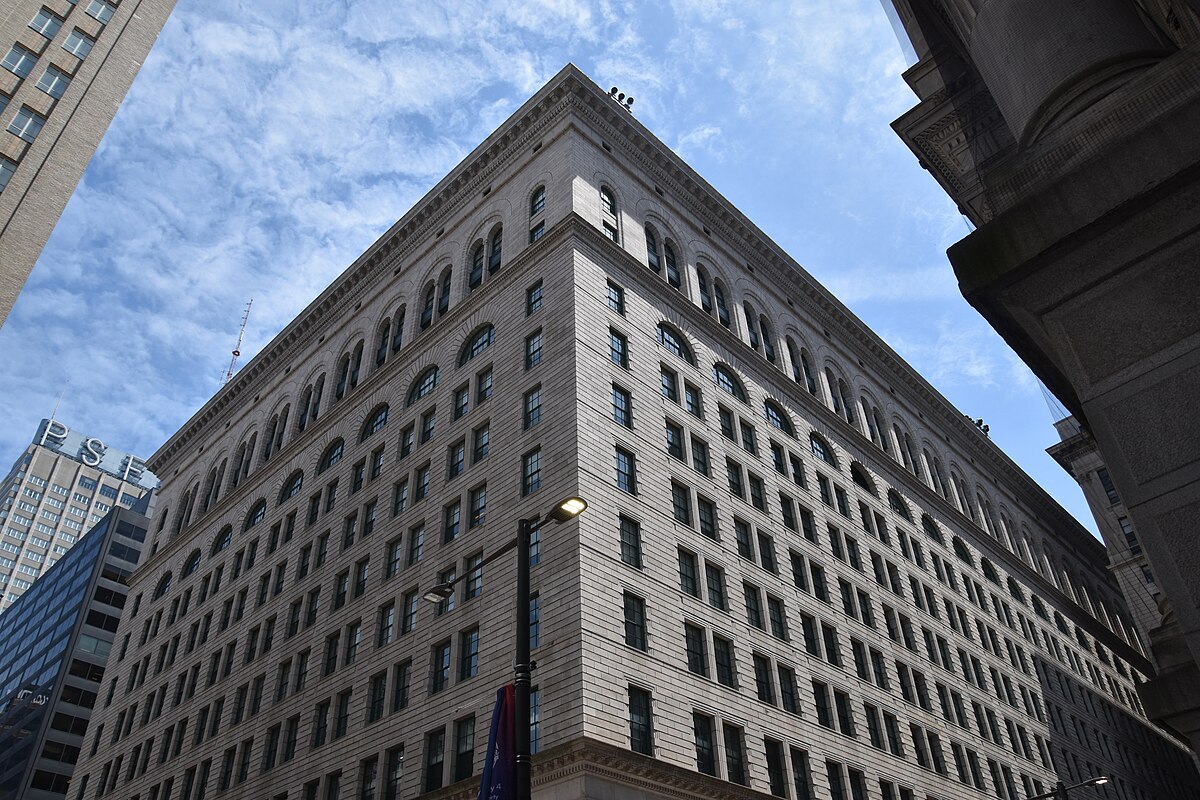
Wanamaker Building
100 Penn Square E, Philadelphia, PA 19107
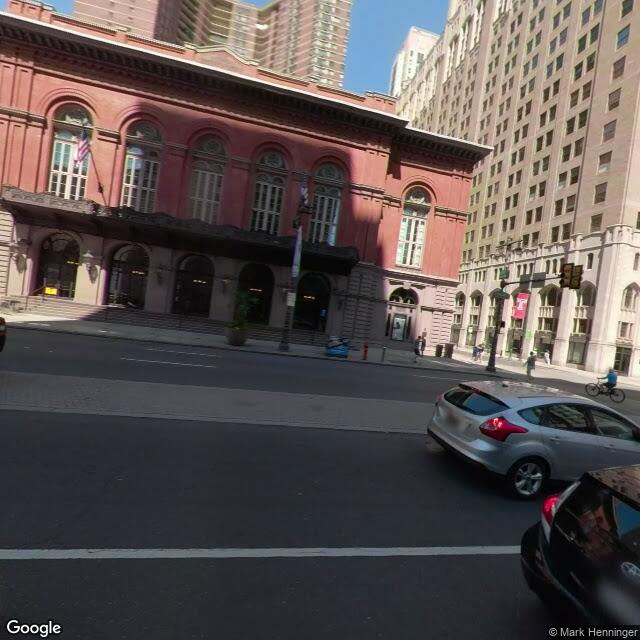
Academy of Music
240 S Broad St, Philadelphia, PA 19102

United States Capitol
First St SE, Washington, DC 20004

Brooklyn Bridge
Brooklyn Bridge, New York, NY 10038
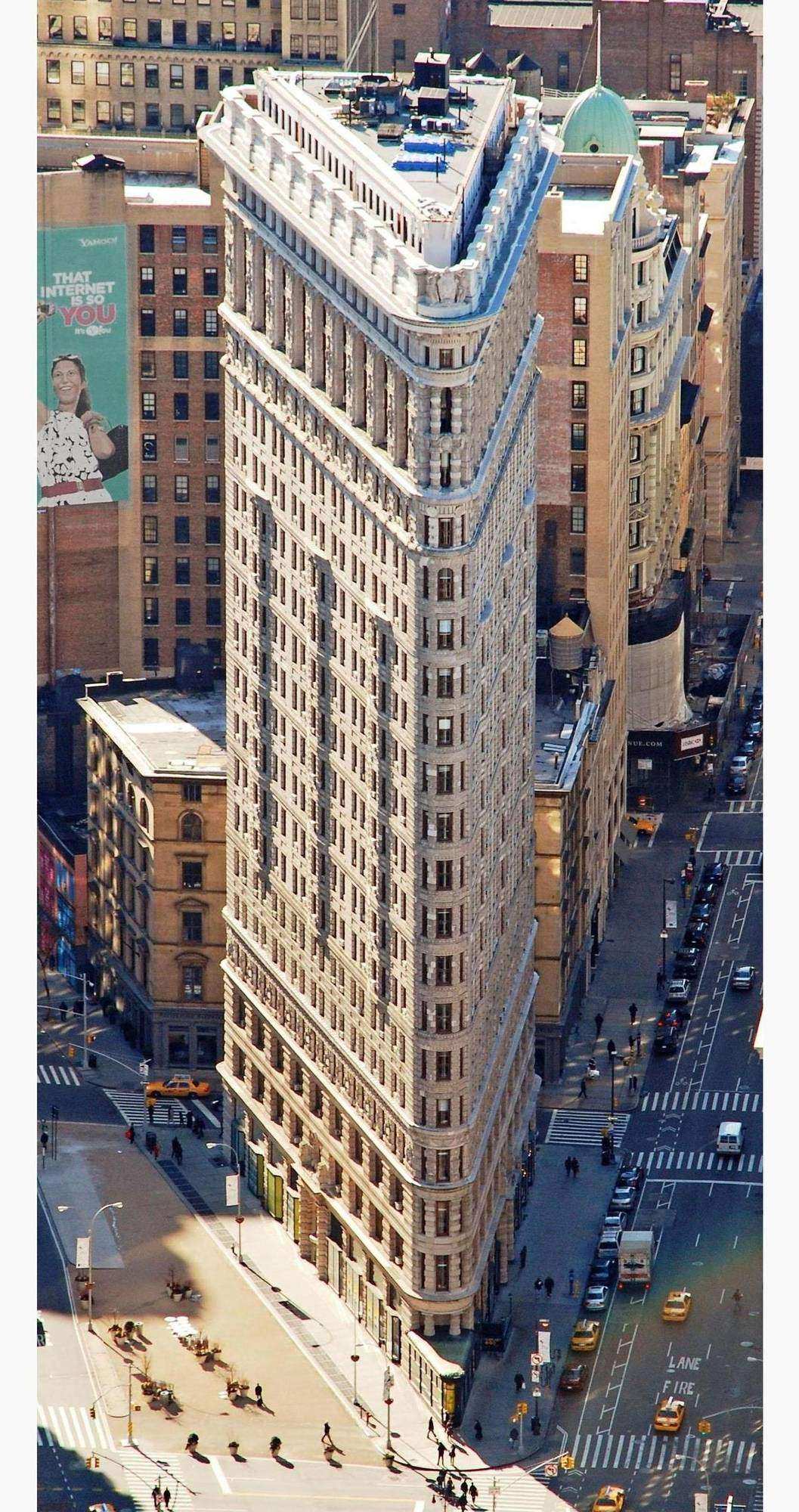
175 5th Ave
175 5th Ave, New York, NY 10010
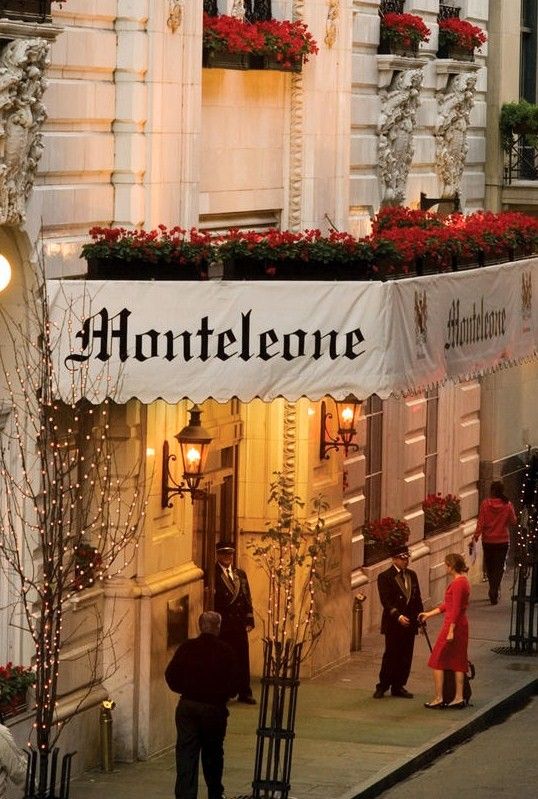
214 Royal St
214 Royal St, New Orleans, LA

tirana
tirana, albania


Where to Find Renaissance Architecture
Related Styles
Why Renaissance Matters Today
Renaissance architecture established the idea that buildings could embody philosophical ideals — proportion, harmony, and human dignity. Its treatises and principles continue to form the foundation of architectural education, and its best buildings remain paragons of balanced, humane design.