Islamic Architecture — A Guide
Overview
Islamic architecture encompasses an extraordinarily rich and diverse tradition spanning over 1,300 years and stretching from Spain to Indonesia. United by shared principles — geometric abstraction, calligraphic decoration, the importance of light and water, and the creation of paradise-like gardens and courtyards — it has produced some of the most breathtakingly beautiful buildings ever constructed.
The tradition began with the construction of the first mosques in Medina and expanded rapidly as Islam spread across the Middle East, North Africa, Spain, Persia, Central Asia, and the Indian subcontinent. Each region developed distinctive variations: the horseshoe arches of Moorish Spain, the tile-clad domes of Safavid Iran, the soaring minarets of Ottoman Turkey, and the red sandstone and marble of Mughal India. Despite this diversity, a coherent aesthetic vision — emphasizing the divine order revealed through geometry — unifies the tradition.
Key Characteristics
- Complex geometric patterns expressing mathematical infinity
- Arabesques: interlacing vegetal and abstract ornament
- Muqarnas: honeycomb-like vaulting and cornices
- Calligraphic inscriptions as primary decoration
- Courtyards with fountains, gardens, and water channels
- Minarets, domes, and iwans (vaulted portals)
Famous Examples Worldwide
Alhambra
Granada, 1370
Great Mosque of Córdoba
Córdoba, 987
Taj Mahal
Agra, 1653
Sultan Ahmed Mosque
Istanbul, 1616
Buildings in Our Library (11)

Luna Park Melbourne
18 Lower Esplanade, St Kilda VIC 3182, Australia

Queen Victoria Building
455 George St, Sydney NSW 2000, Australia
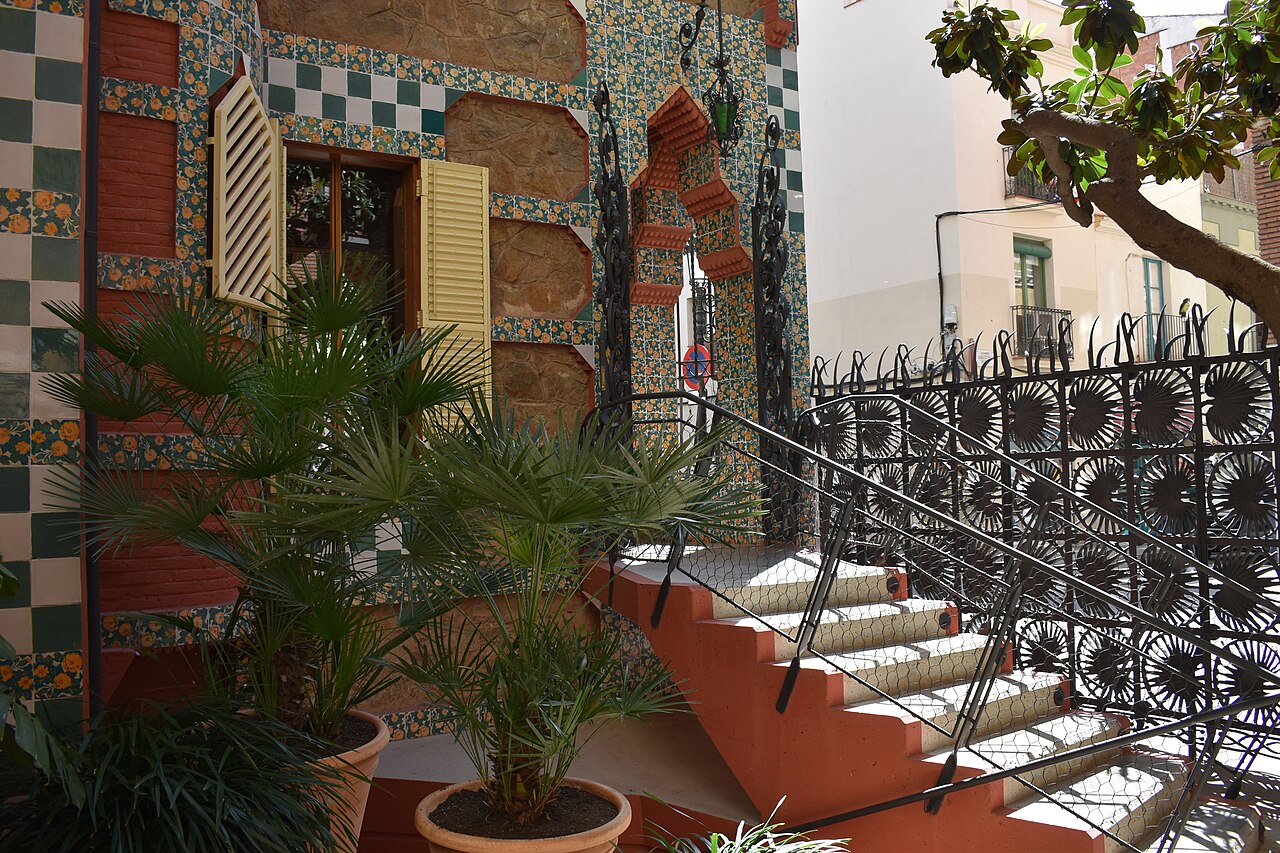
Casa Vicens
Carrer de les Carolines, 18-24, Barcelona, Spain
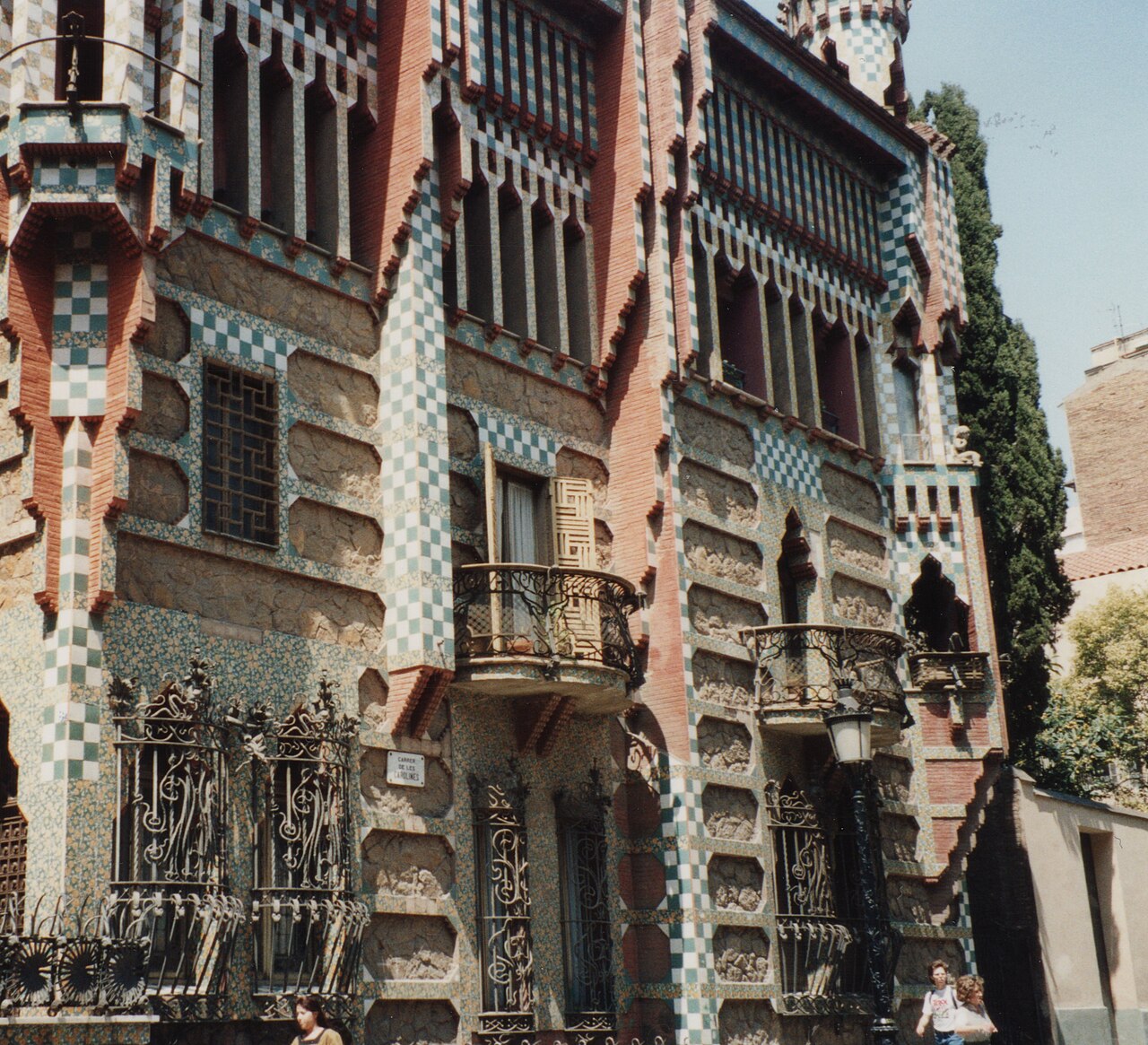
Casa Vicens
Carrer de les Carolines, 18-24, 08012 Barcelona, Spain


Marrakech
Marrakech, Morocco


Shahi Qila
Shahi Qila, Pakistan


AI
AI
Where to Find Islamic Architecture
Related Styles
Why Islamic Matters Today
Islamic architecture demonstrates that ornament can be deeply intellectual rather than merely decorative. Its mastery of geometric pattern, its sensitivity to light and water, and its creation of contemplative spaces offer rich lessons for architects working in any tradition.