Art Nouveau Architecture — A Guide
Overview
Art Nouveau swept through Europe like a vine climbing a trellis — organic, sinuous, and impossible to ignore. Rejecting the rigid historicism of the 19th century, architects and designers drew inspiration from the natural world: whiplash curves, flowering tendrils, insect wings, and ocean waves became the vocabulary of a style that sought to dissolve the boundaries between art, craft, and daily life.
The movement emerged simultaneously in Brussels (where Victor Horta designed the revolutionary Hôtel Tassel in 1893), Paris, Glasgow, Vienna, and Barcelona. Known by different names across Europe — Jugendstil in Germany, Modernisme in Catalonia, Sezessionstil in Austria — it was united by a commitment to total design, where every element from the building's structure to its door handles formed a unified artistic vision. Though relatively short-lived, Art Nouveau's influence on 20th-century design was profound, anticipating organic modernism and biophilic architecture.
Key Characteristics
- Flowing, organic lines inspired by plant forms and natural curves
- Innovative use of iron, glass, and ceramic in expressive structural roles
- Asymmetrical facades with dynamic, almost living compositions
- Integration of decorative arts: stained glass, mosaic, metalwork, and ceramic tile
- Whiplash curves and undulating surfaces
- Emphasis on craftsmanship and handmade quality
Famous Examples Worldwide
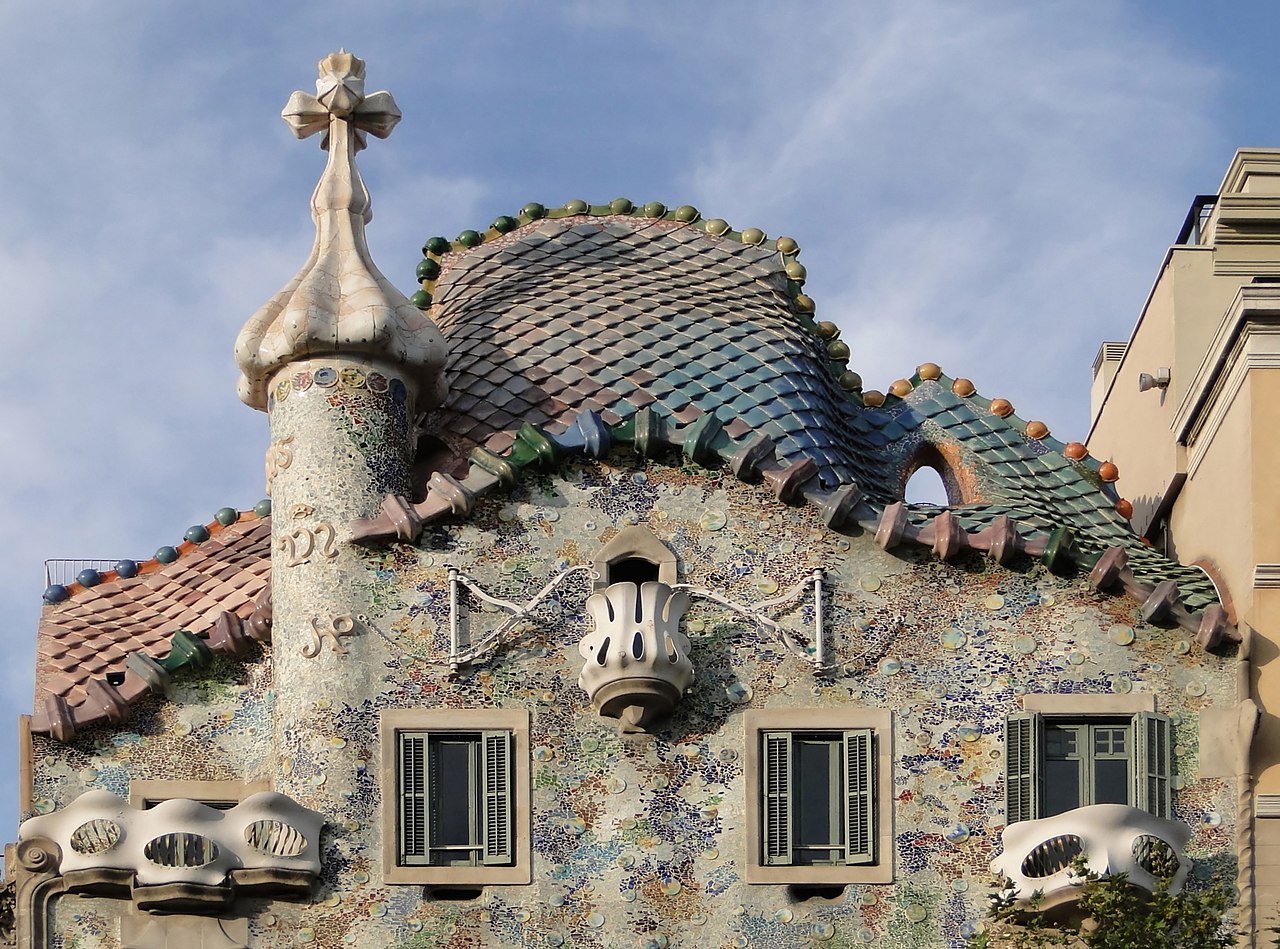
Hôtel Tassel
Brussels, 1893
Paris Métro Entrances
Paris, 1900
Secession Building
Vienna, 1898
Buildings in Our Library (31)
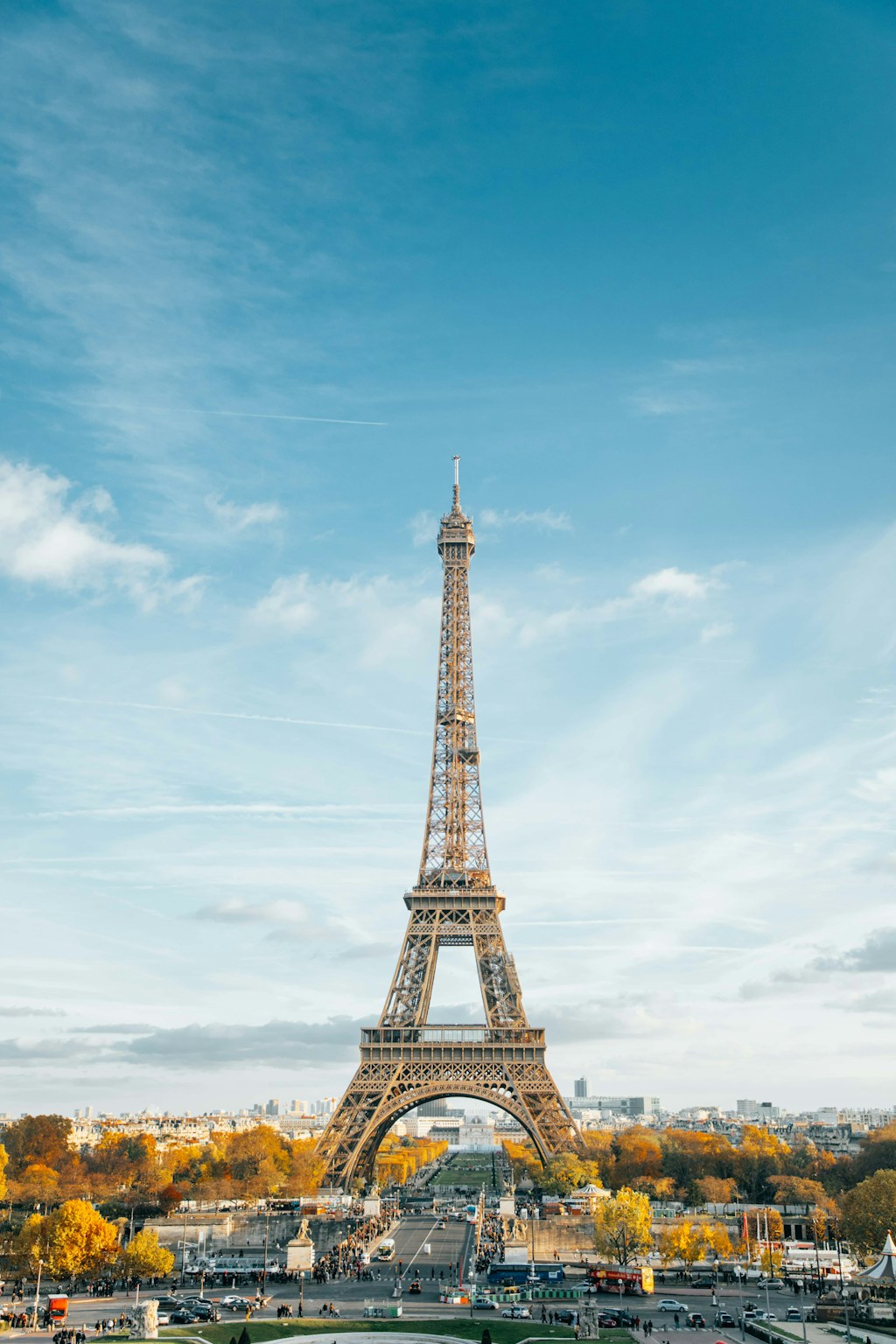
Parkview Square
600 North Bridge Road, Singapore 188778
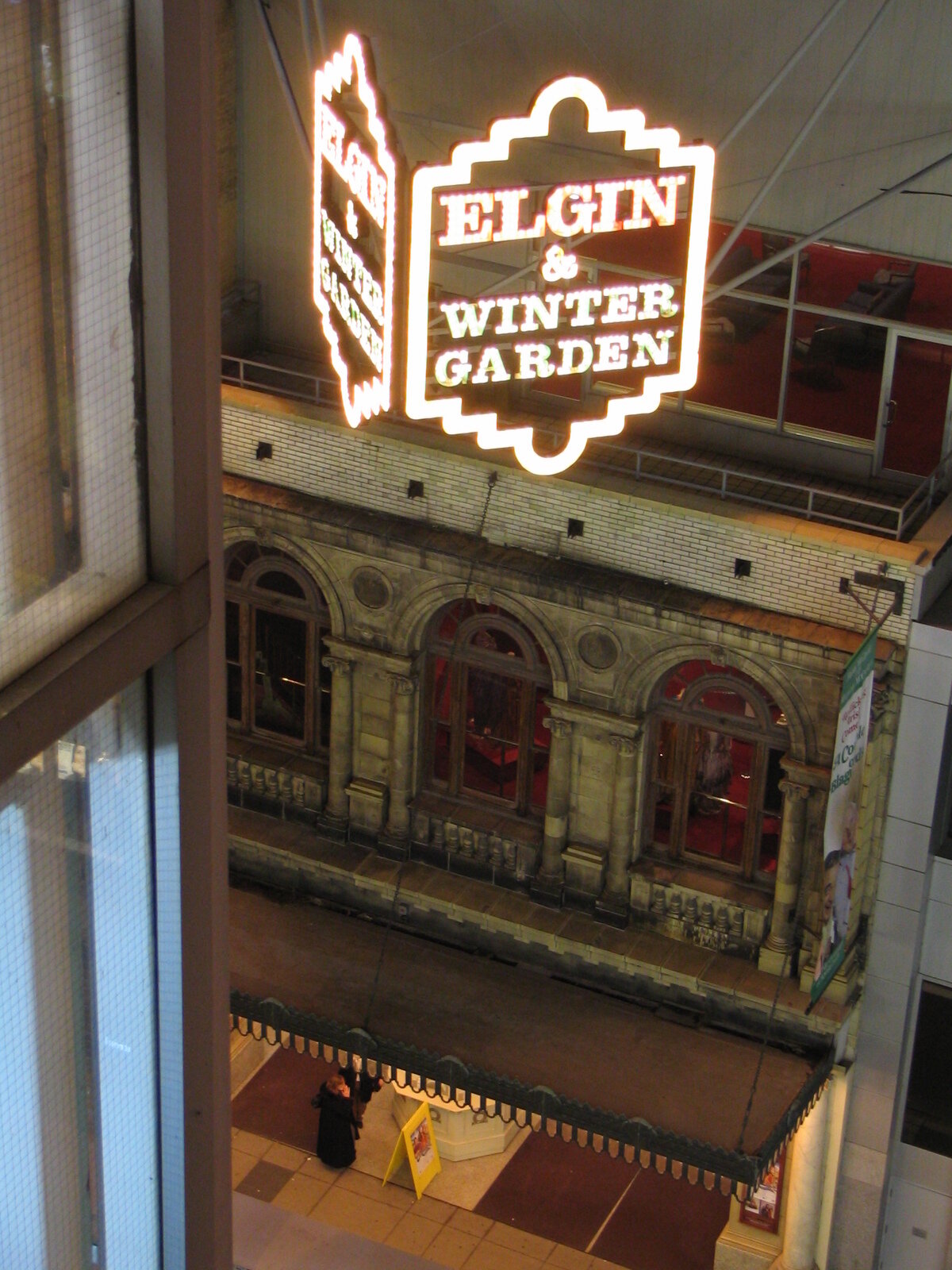
Elgin and Winter Garden Theatre Centre
189 Yonge St, Toronto, ON M5B 1M4
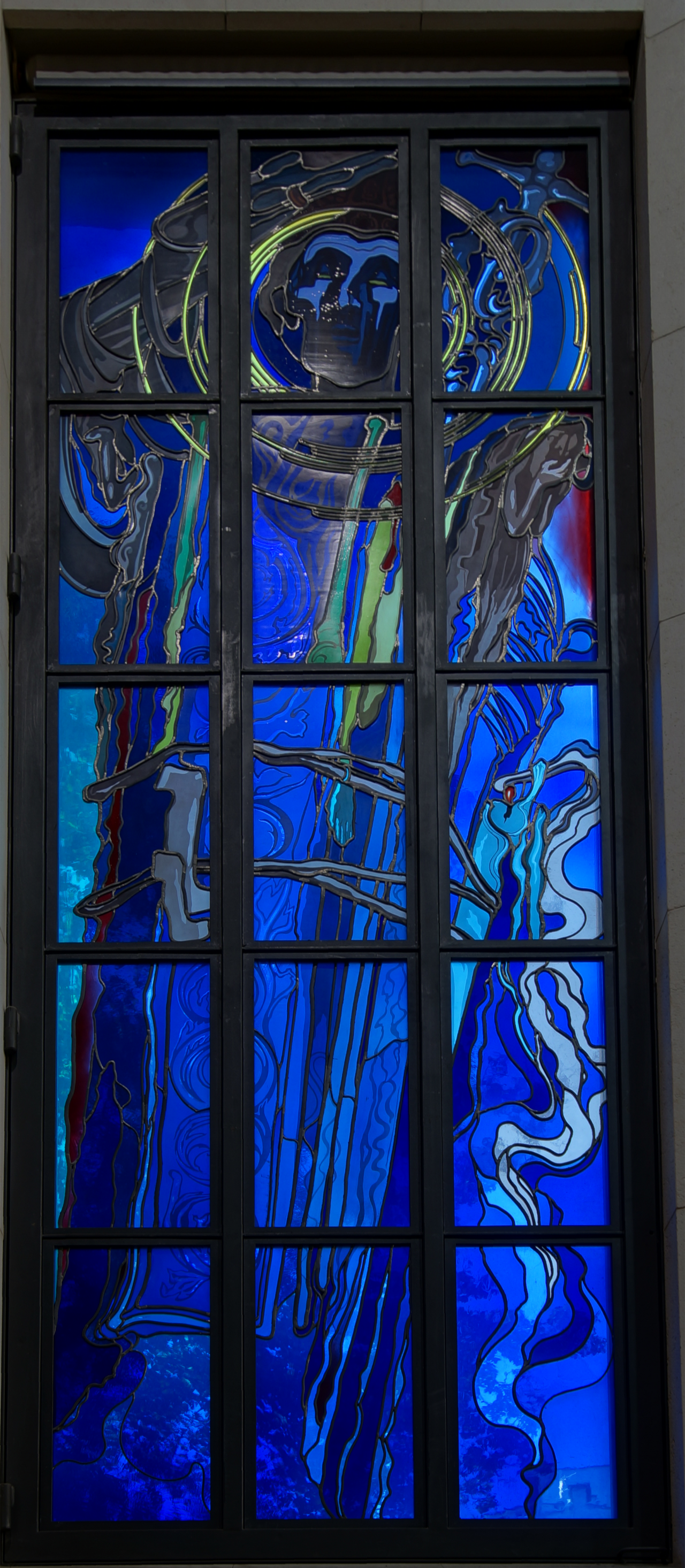
Wyspiański Pavilion
Plac Wszystkich Świętych 2, 31-004 Kraków, Poland
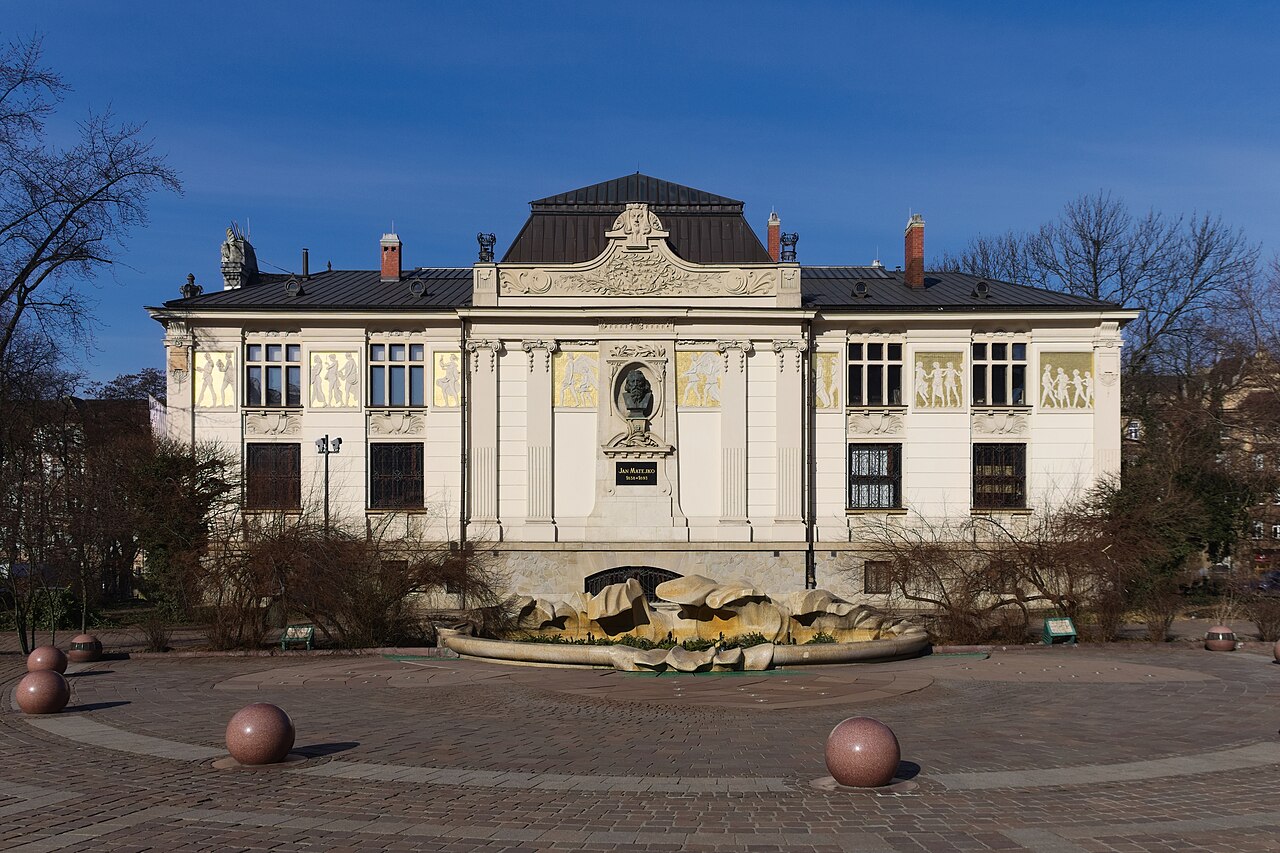
Palace of Art, Kraków
Plac Szczepański 4, 31-011 Kraków, Poland
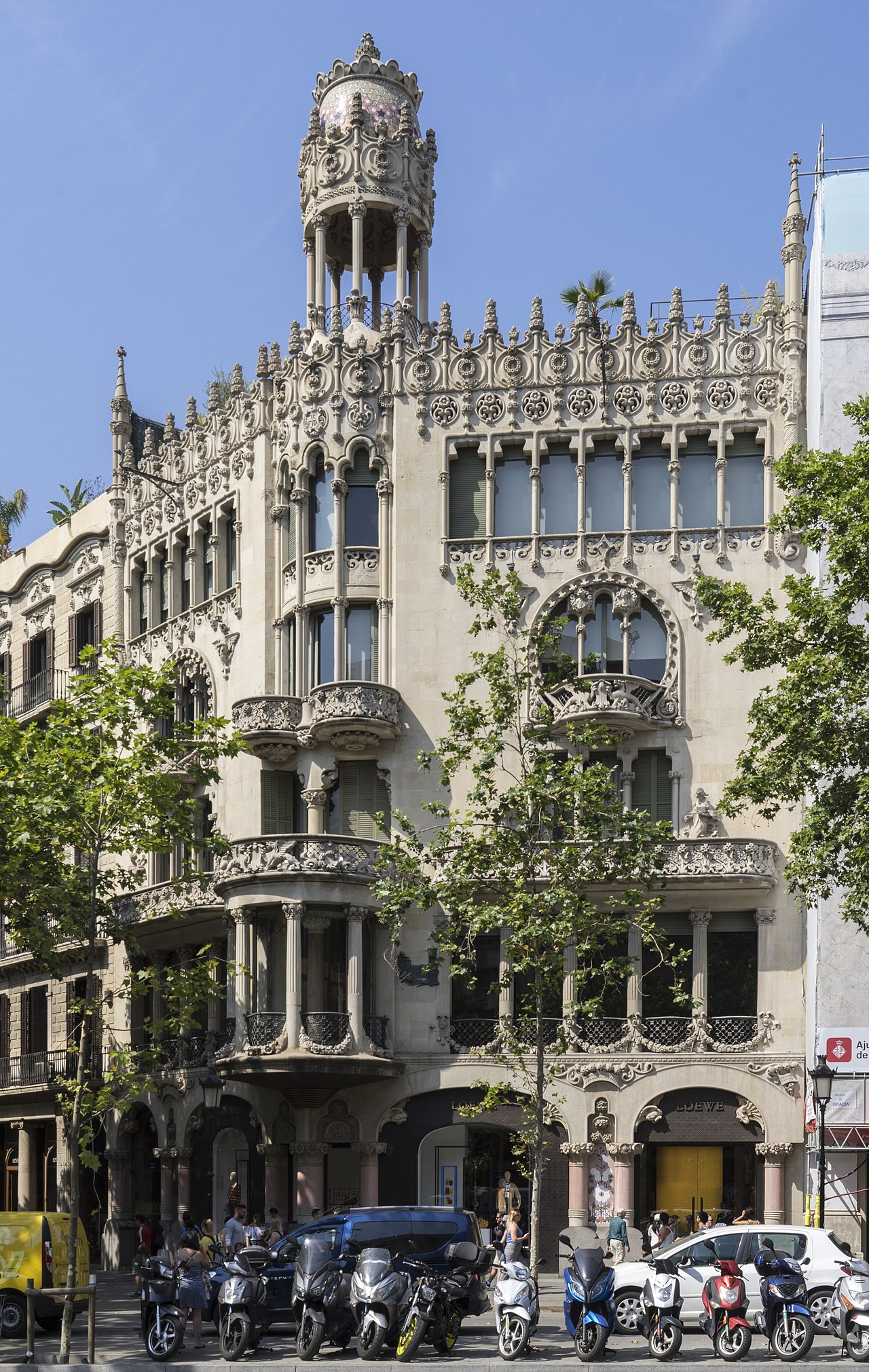
Casa Lleó Morera
Passeig de Gràcia, 35, Barcelona, Spain
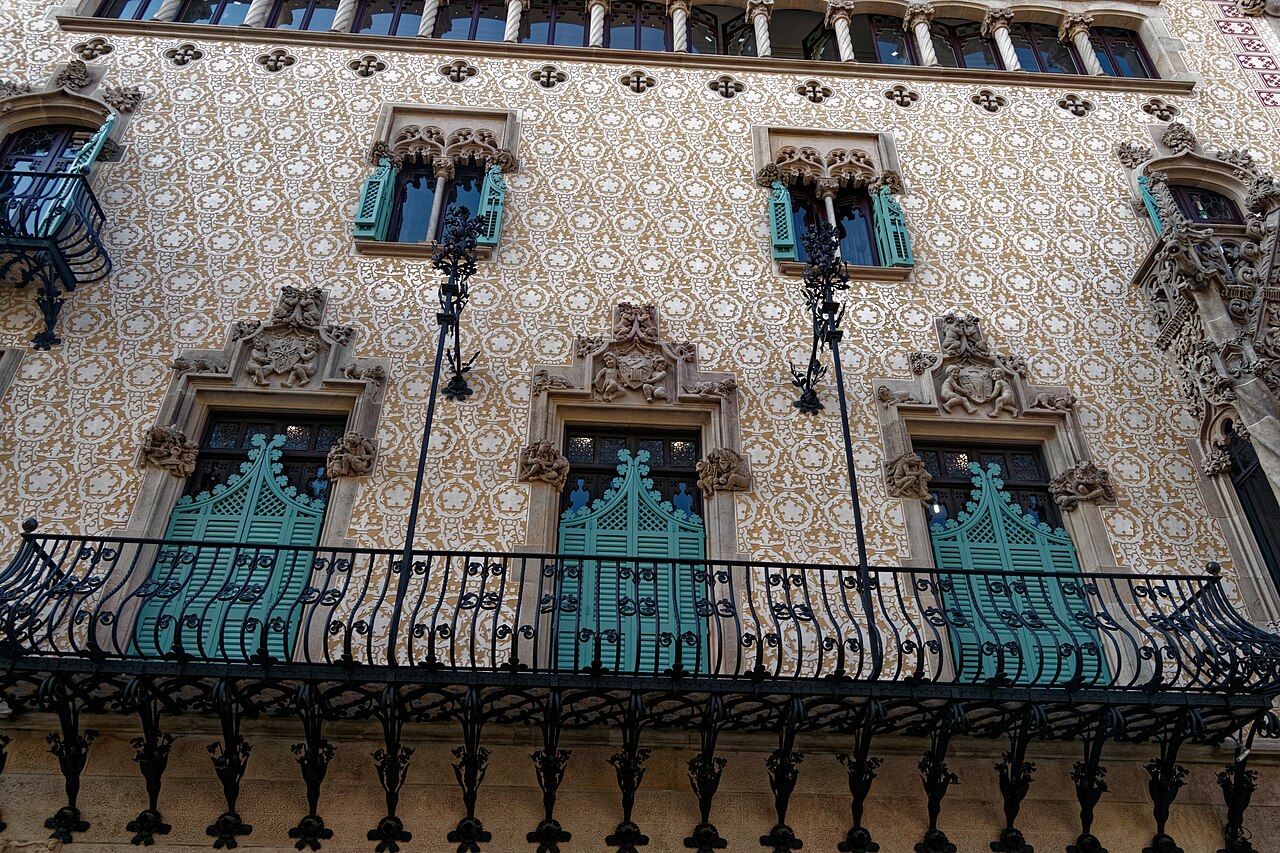
Casa Amatller
Passeig de Gràcia, 41, Barcelona, Spain
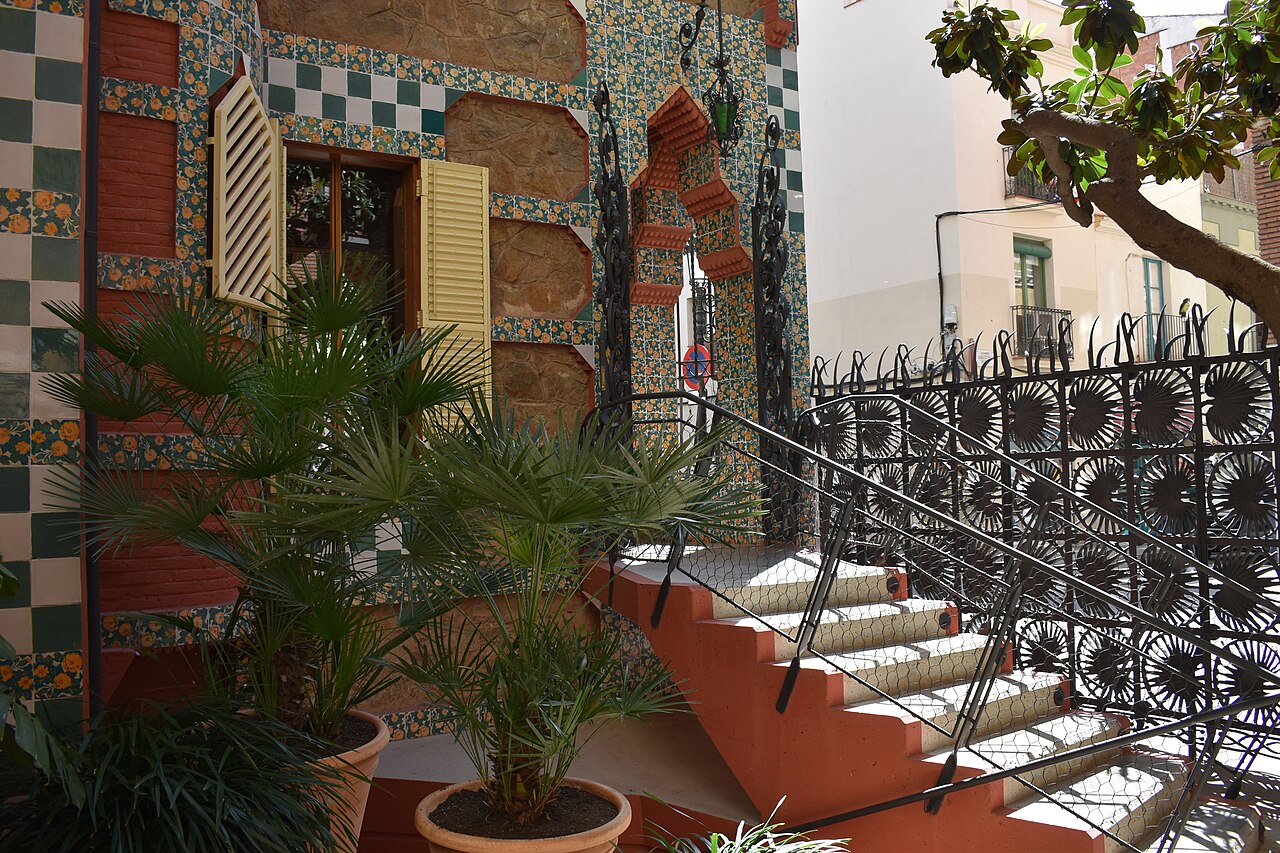
Casa Vicens
Carrer de les Carolines, 18-24, Barcelona, Spain
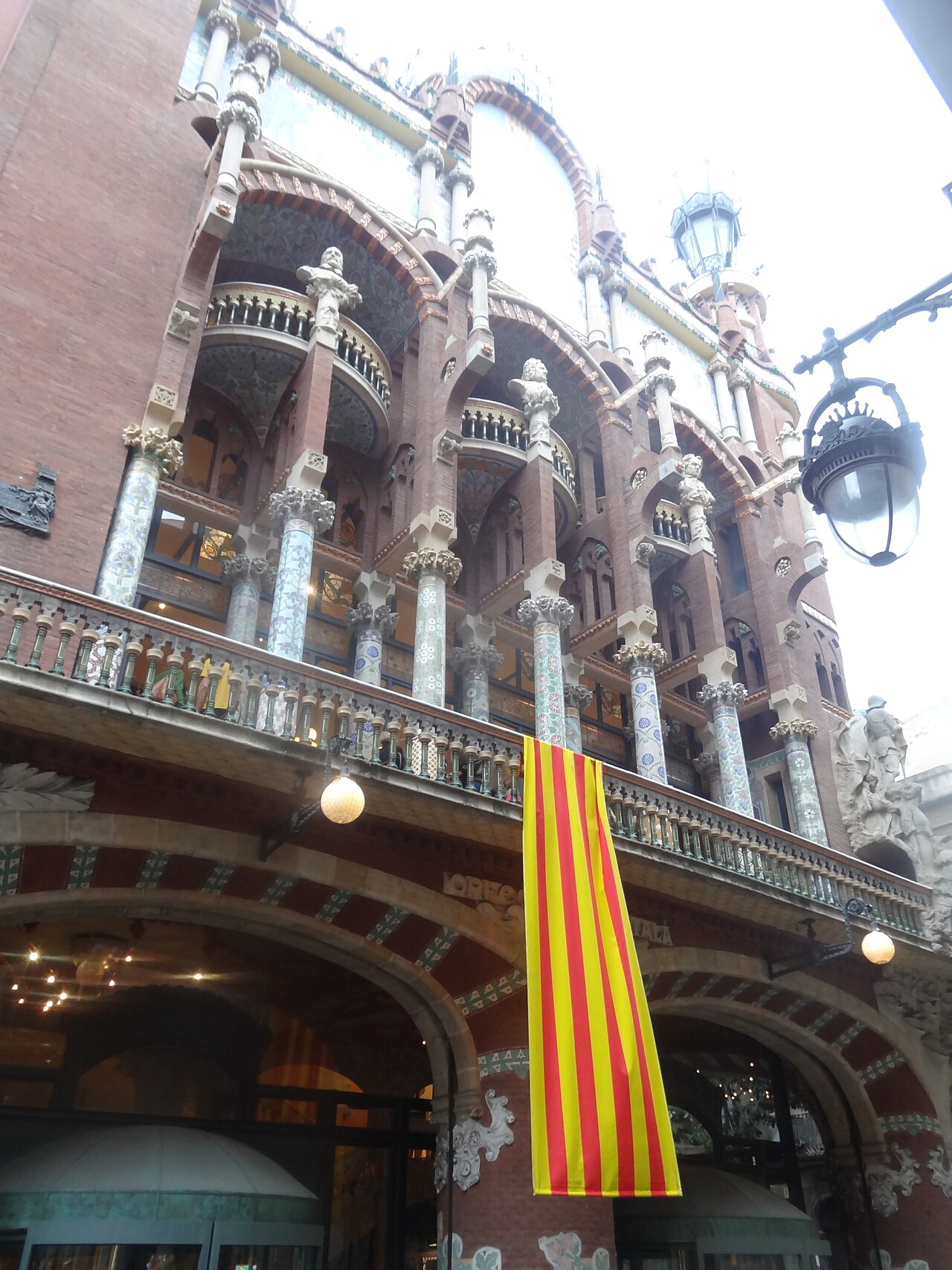
Palau de la Música Catalana
Carrer de Palau de la Música, 4-6, Barcelona, Spain
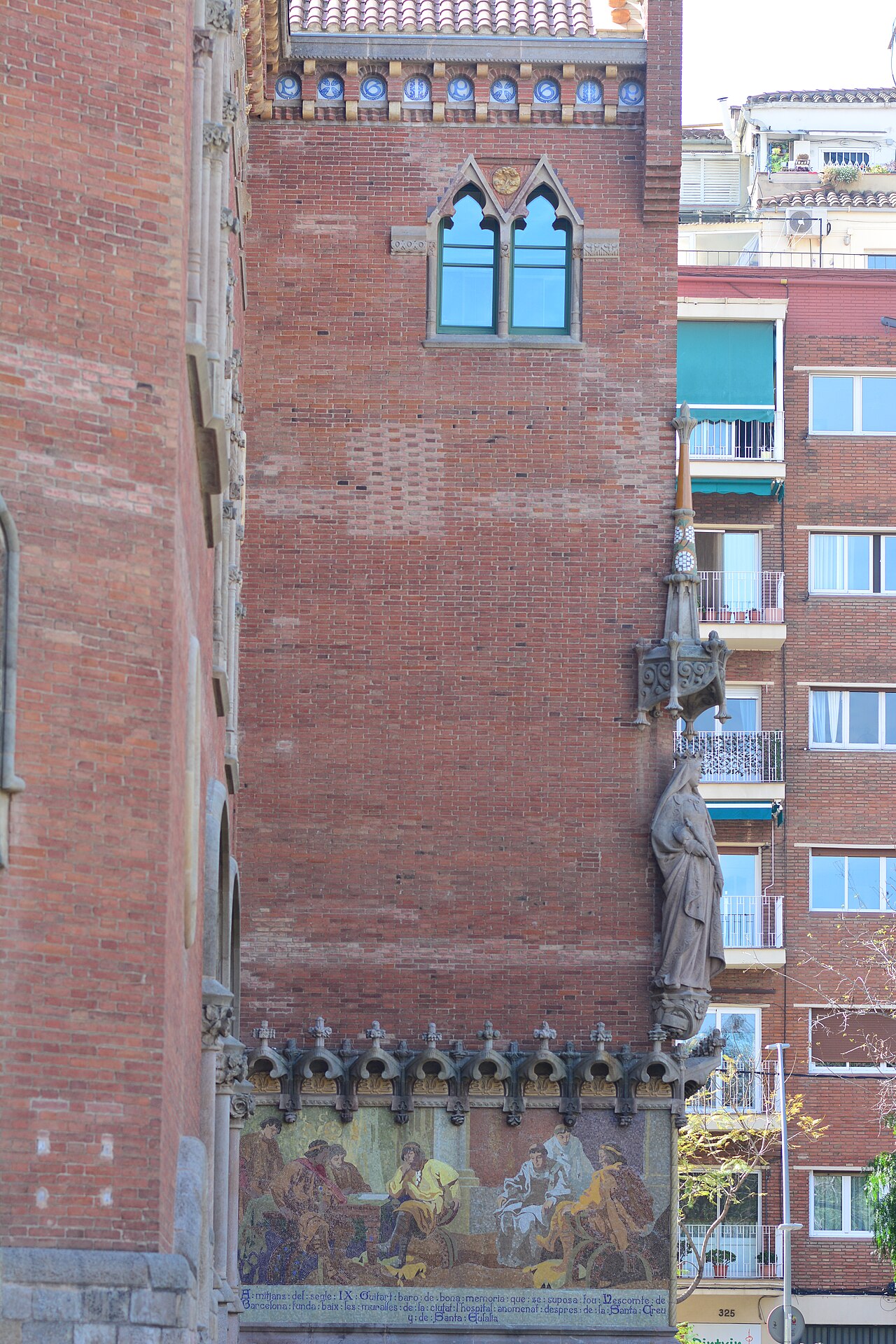
Hospital de Sant Pau
Carrer de Sant Antoni Maria Claret, 167, Barcelona, Spain
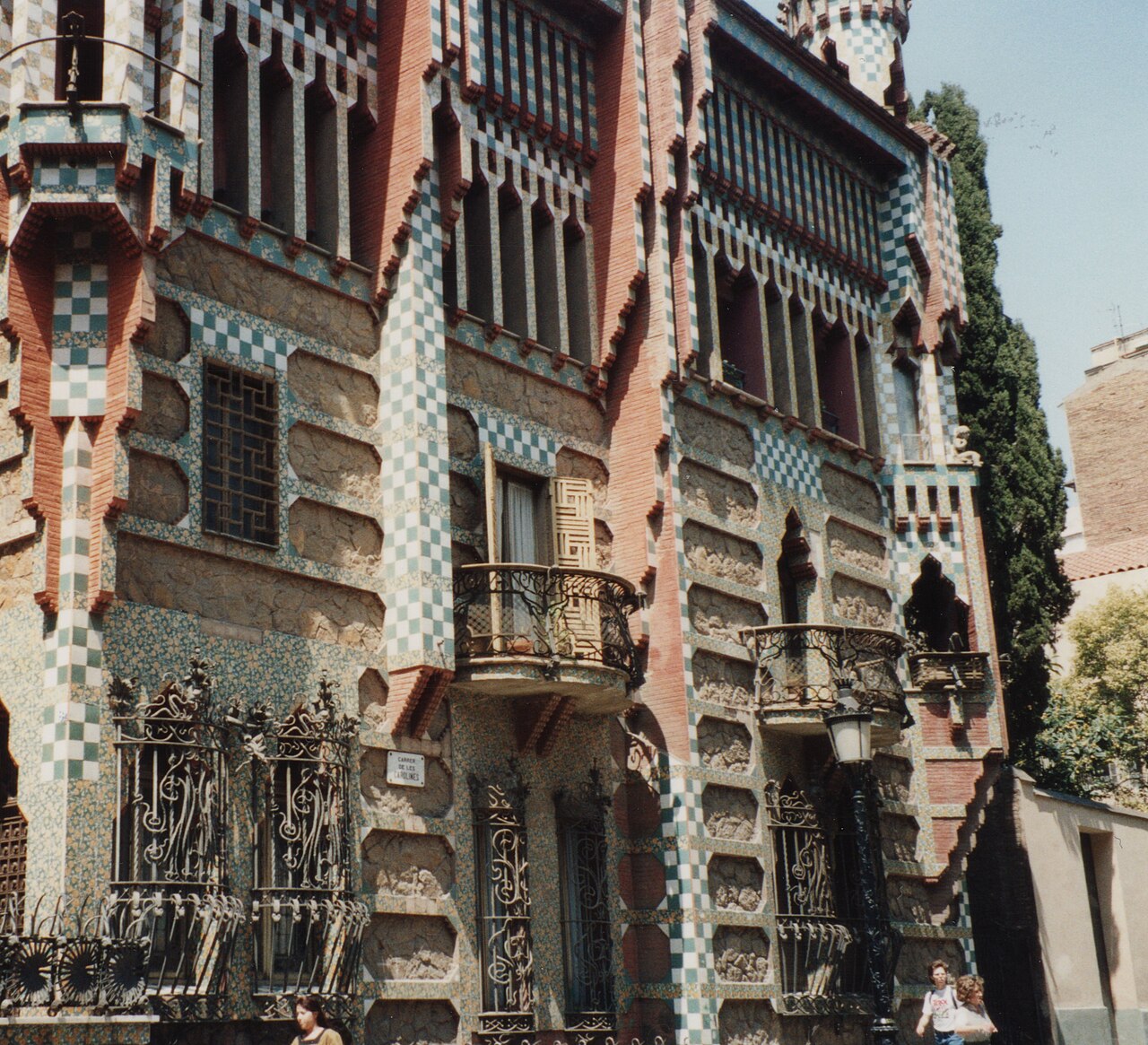
Casa Vicens
Carrer de les Carolines, 18-24, 08012 Barcelona, Spain
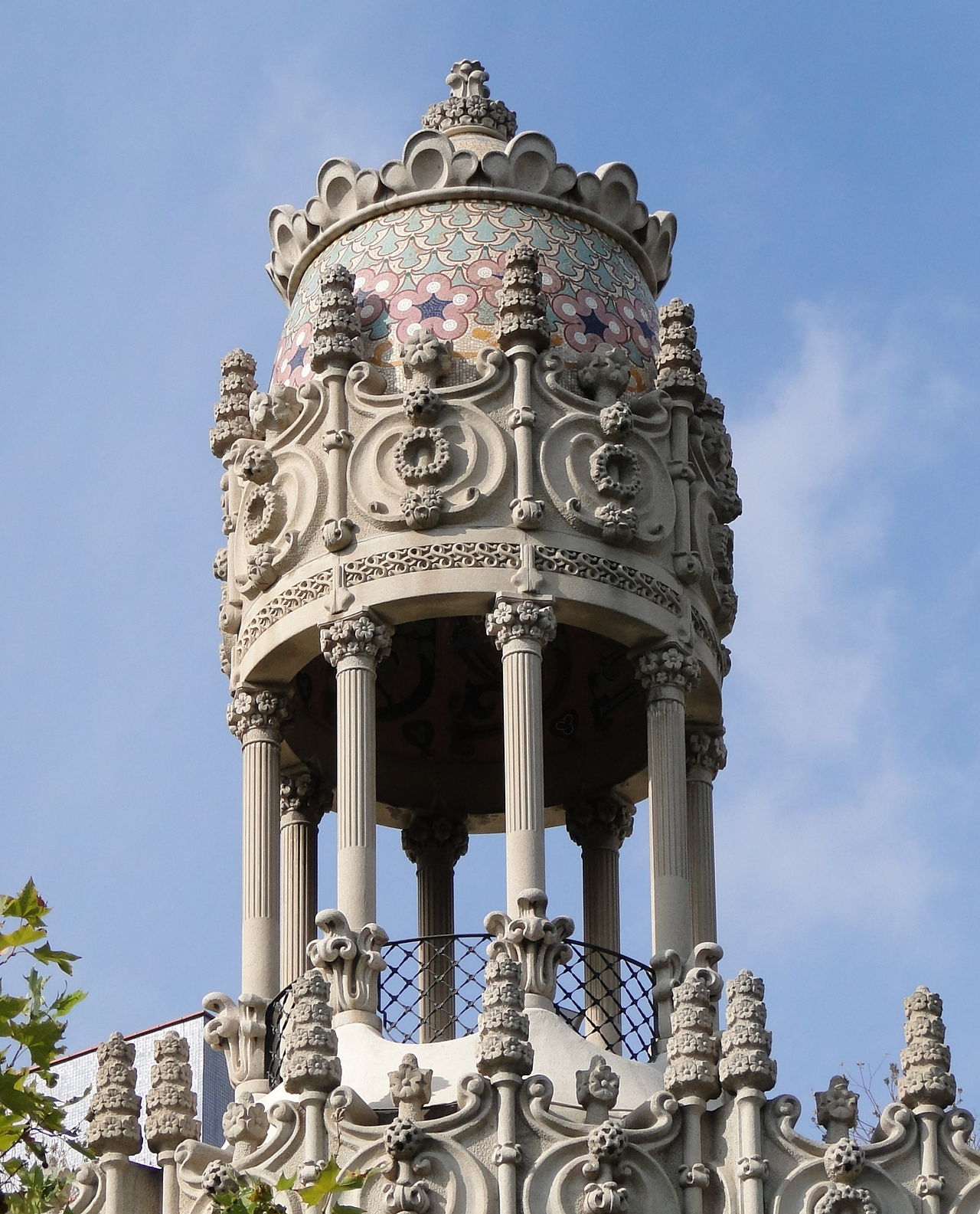
Casa Lleó Morera
Passeig de Gràcia, 35, 08007 Barcelona, Spain
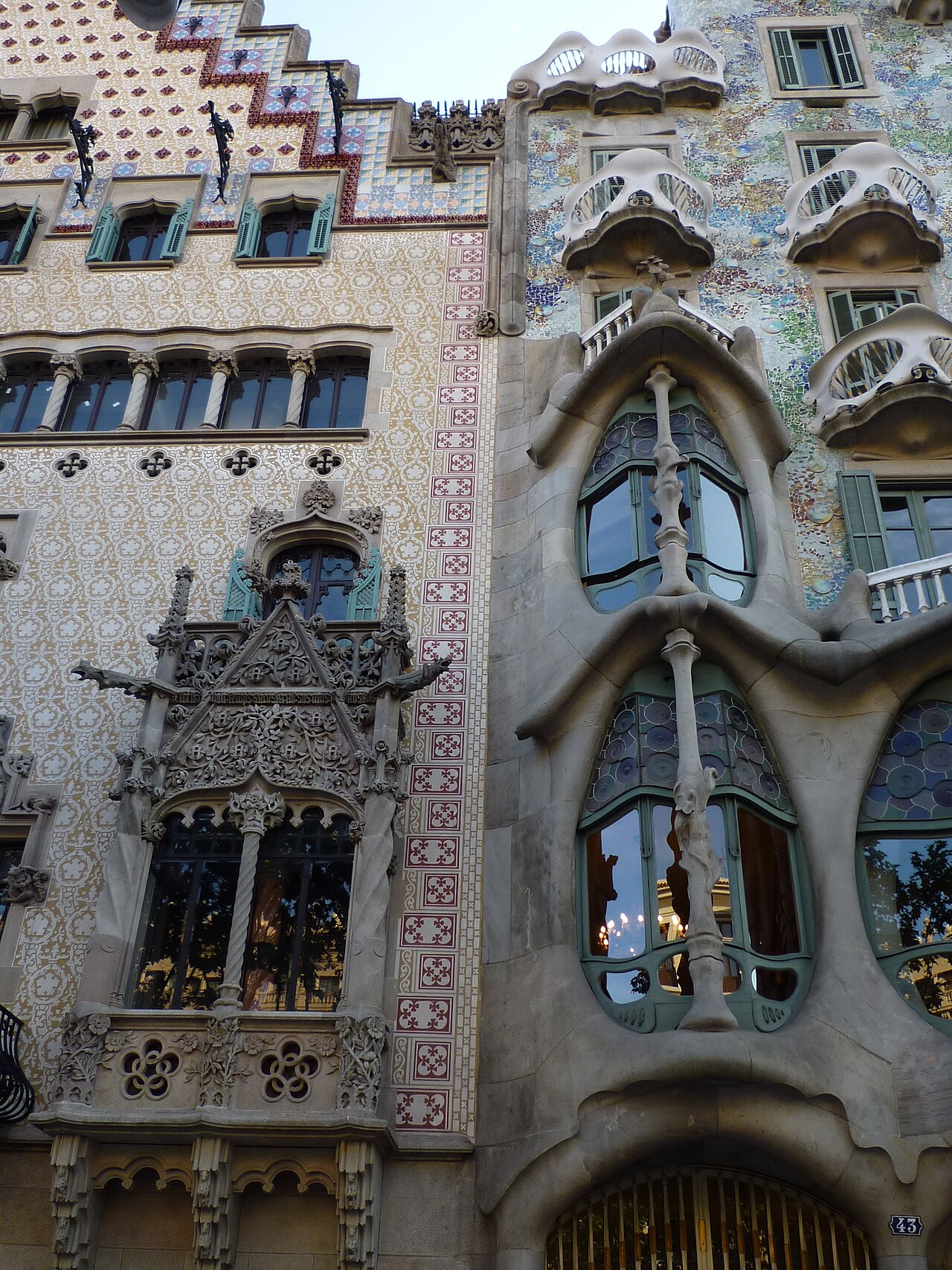
Casa Amatller
Passeig de Gràcia, 41, 08007 Barcelona, Spain
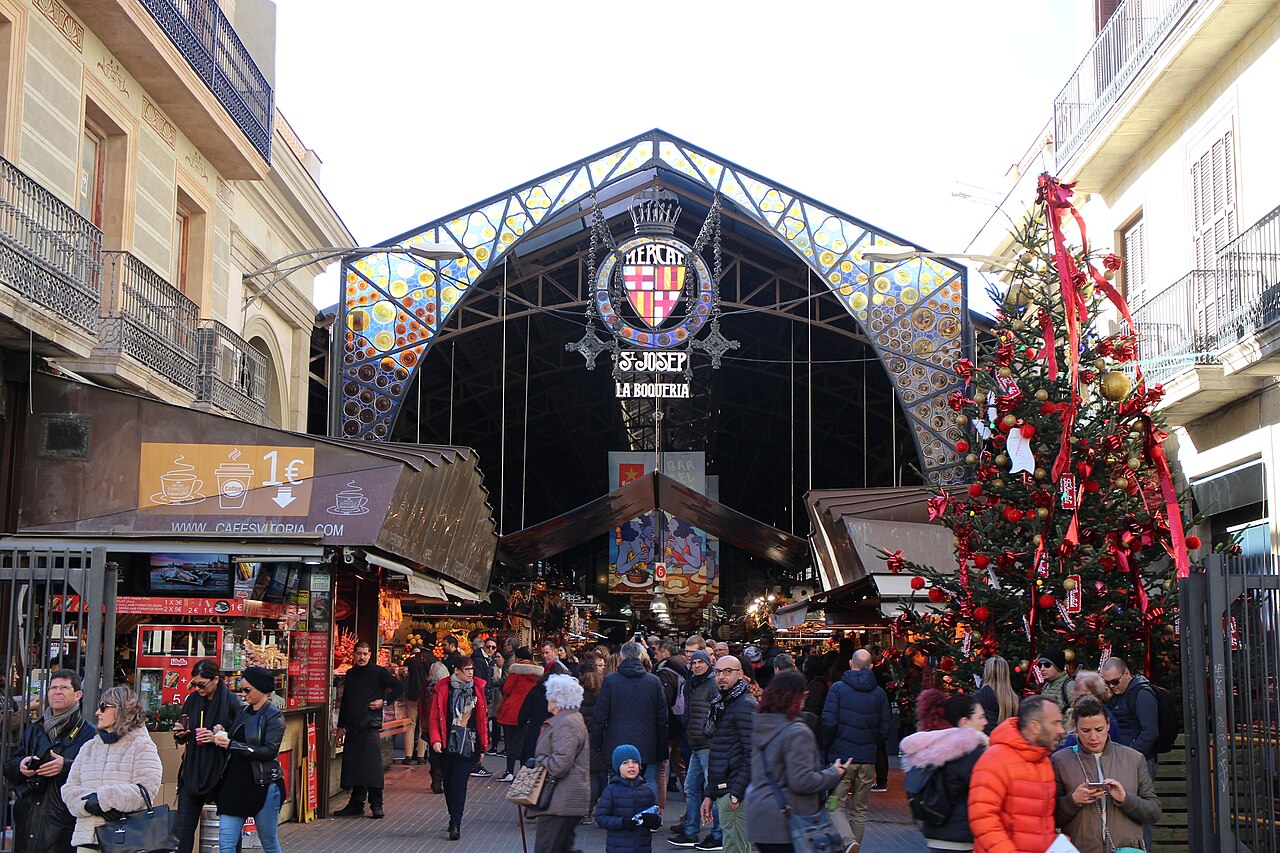
Mercat de la Boqueria
La Rambla, 91, 08001 Barcelona, Spain
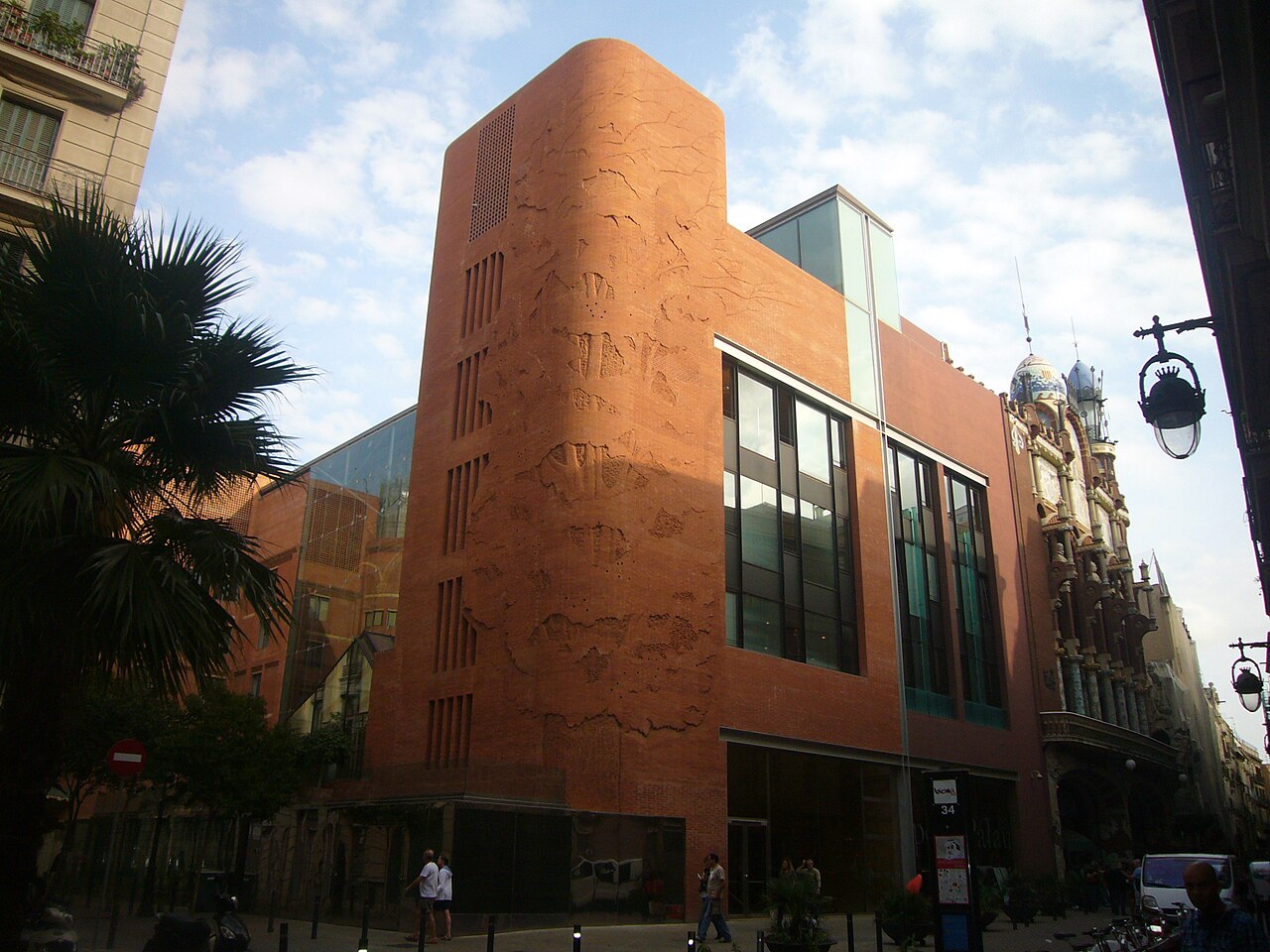
Palau de la Música Catalana
C/ Palau de la Música, 4-6, 08003 Barcelona, Spain
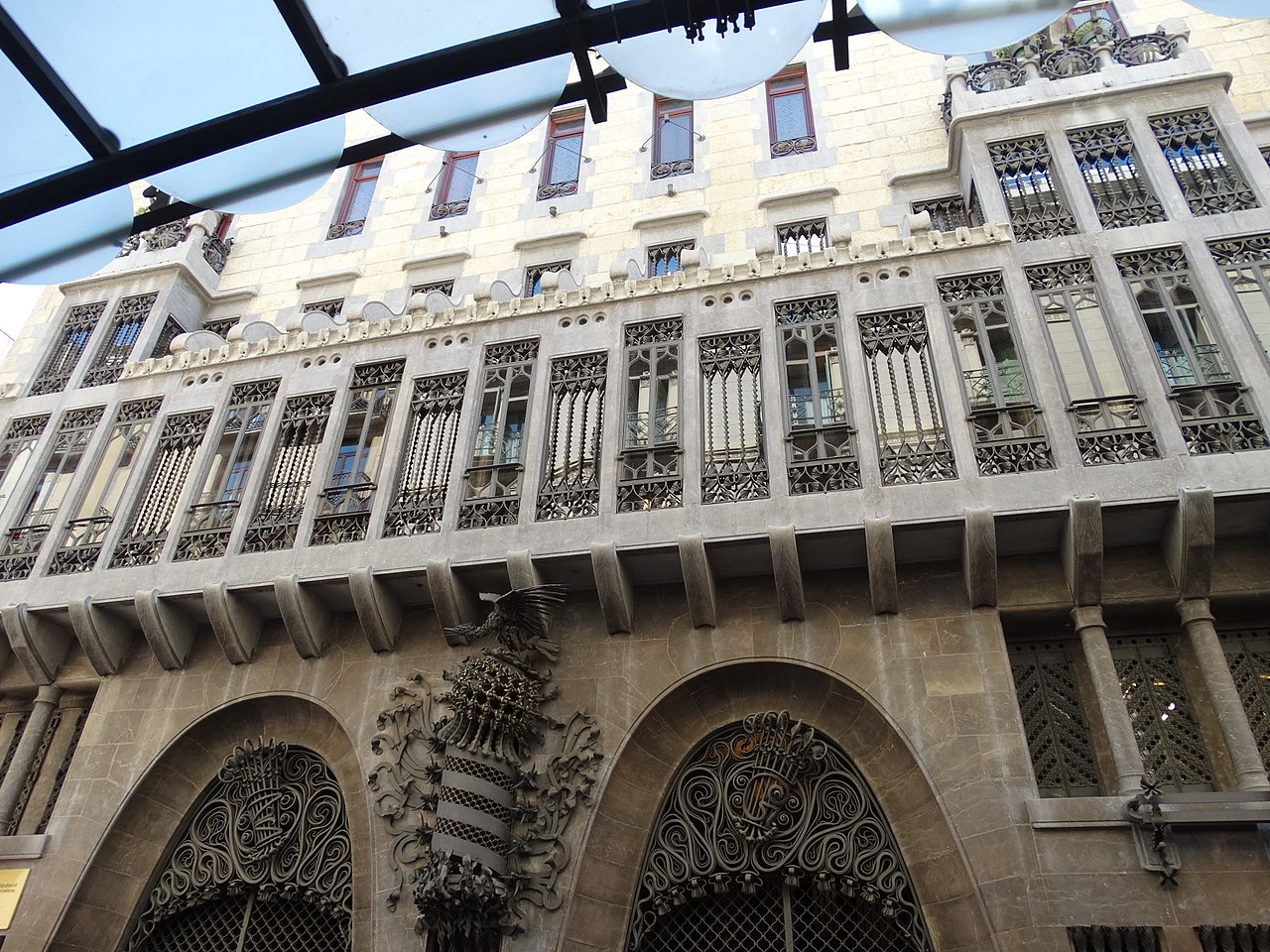
Palau Güell
Carrer Nou de la Rambla 3-5, 08001 Barcelona, Spain
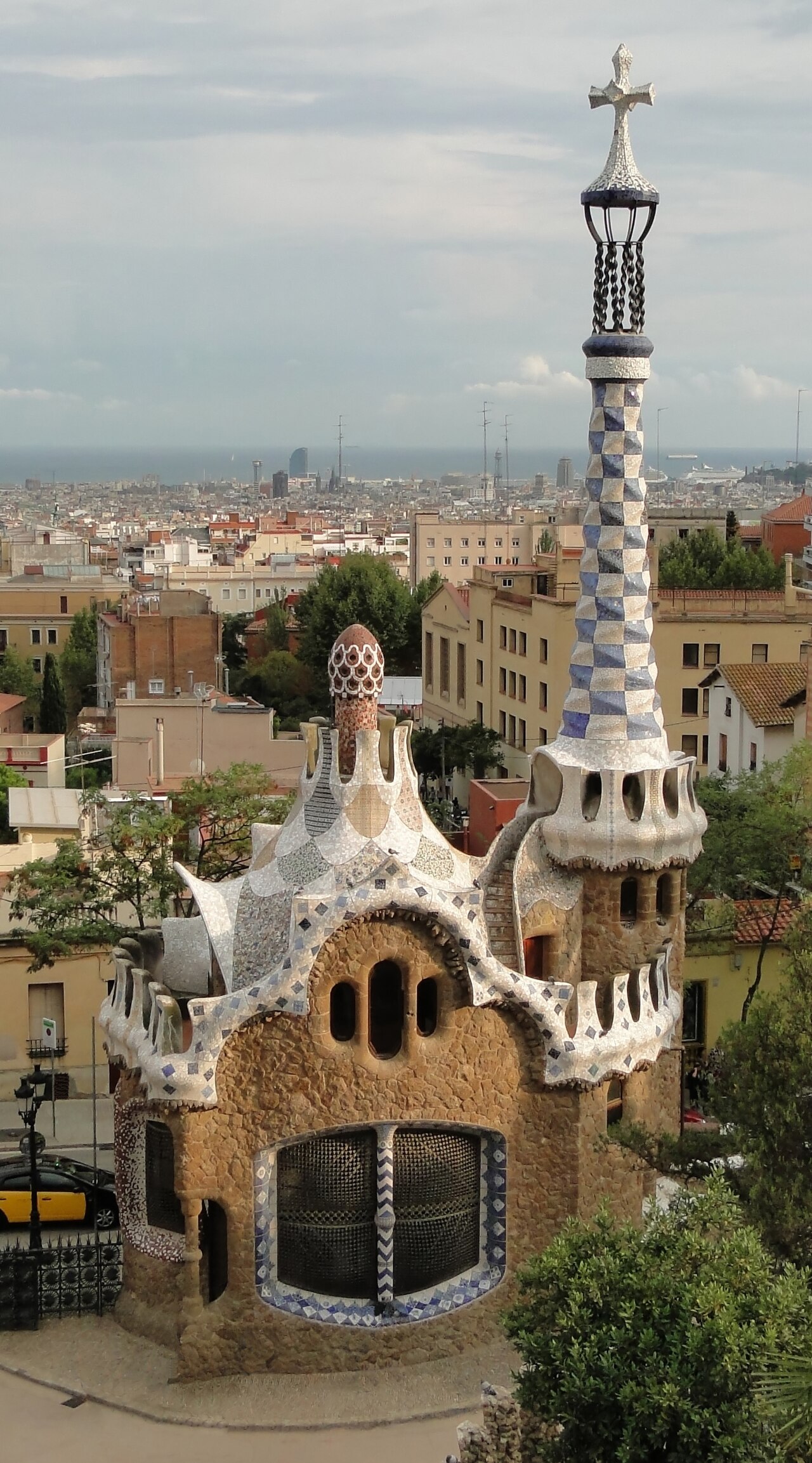
Park Güell
Carrer d'Olot, 08024 Barcelona, Spain
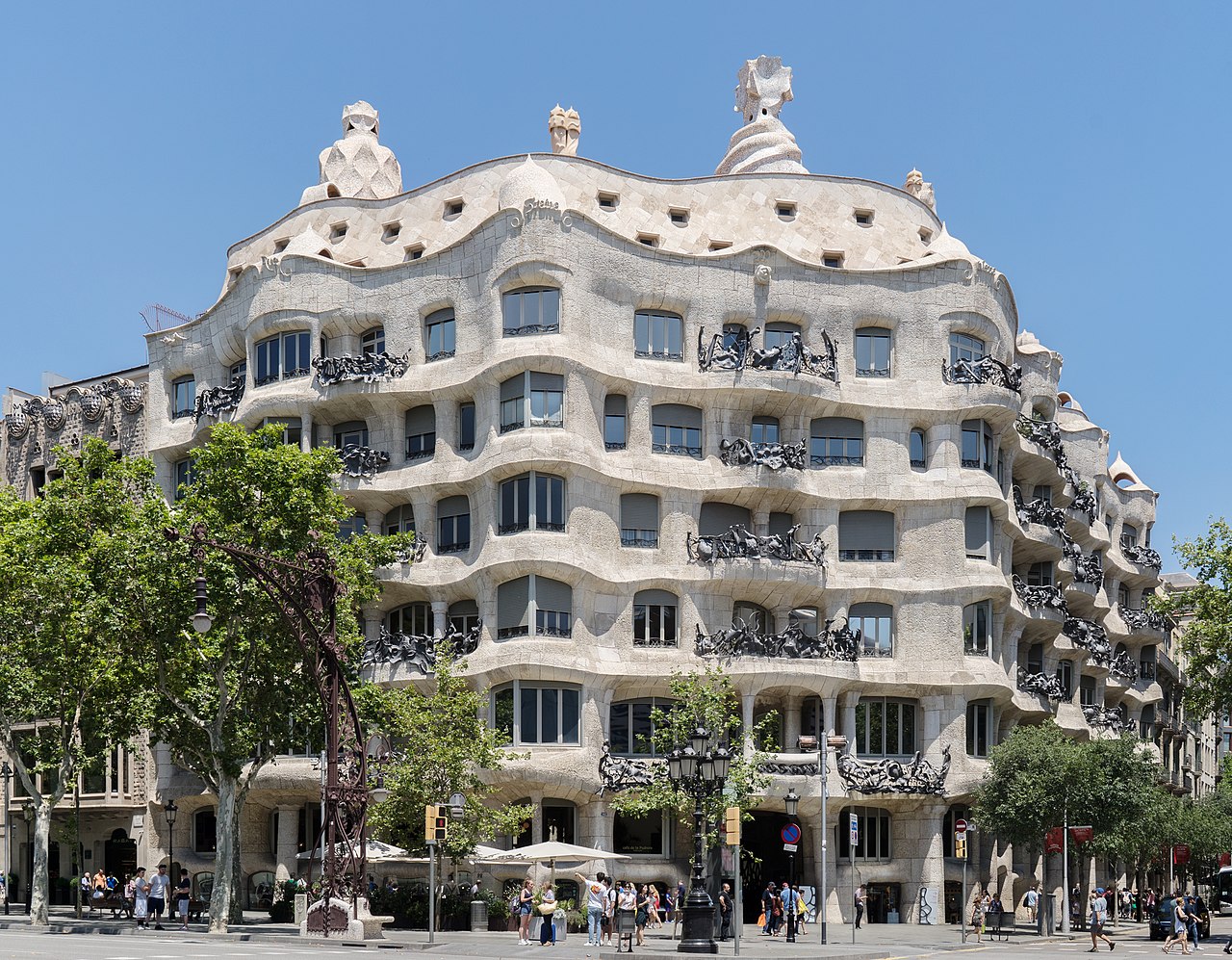
Casa Milà (La Pedrera)
Passeig de Gràcia 92, 08008 Barcelona, Spain
Casa Batlló
Passeig de Gràcia 43, 08007 Barcelona, Spain
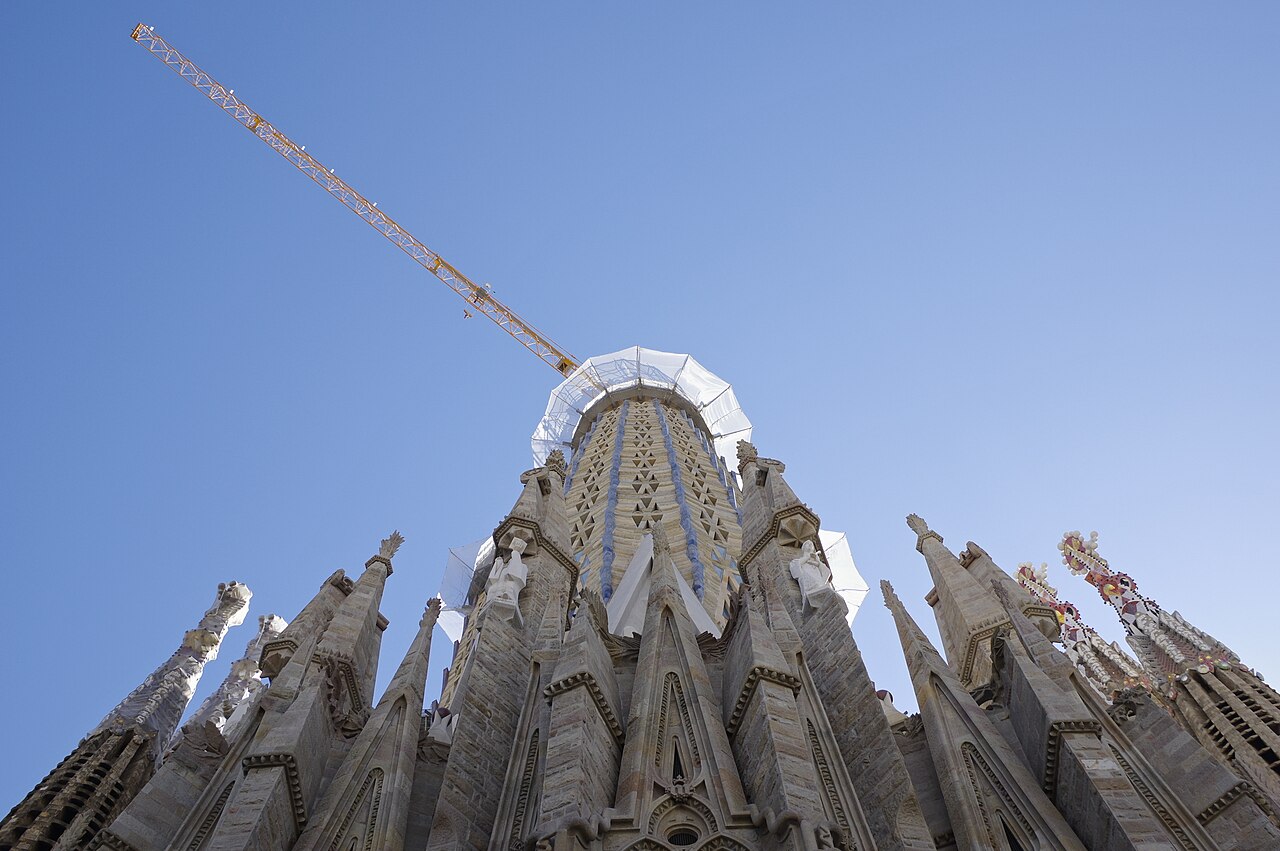
Sagrada Família
Carrer de Mallorca 401, 08013 Barcelona, Spain
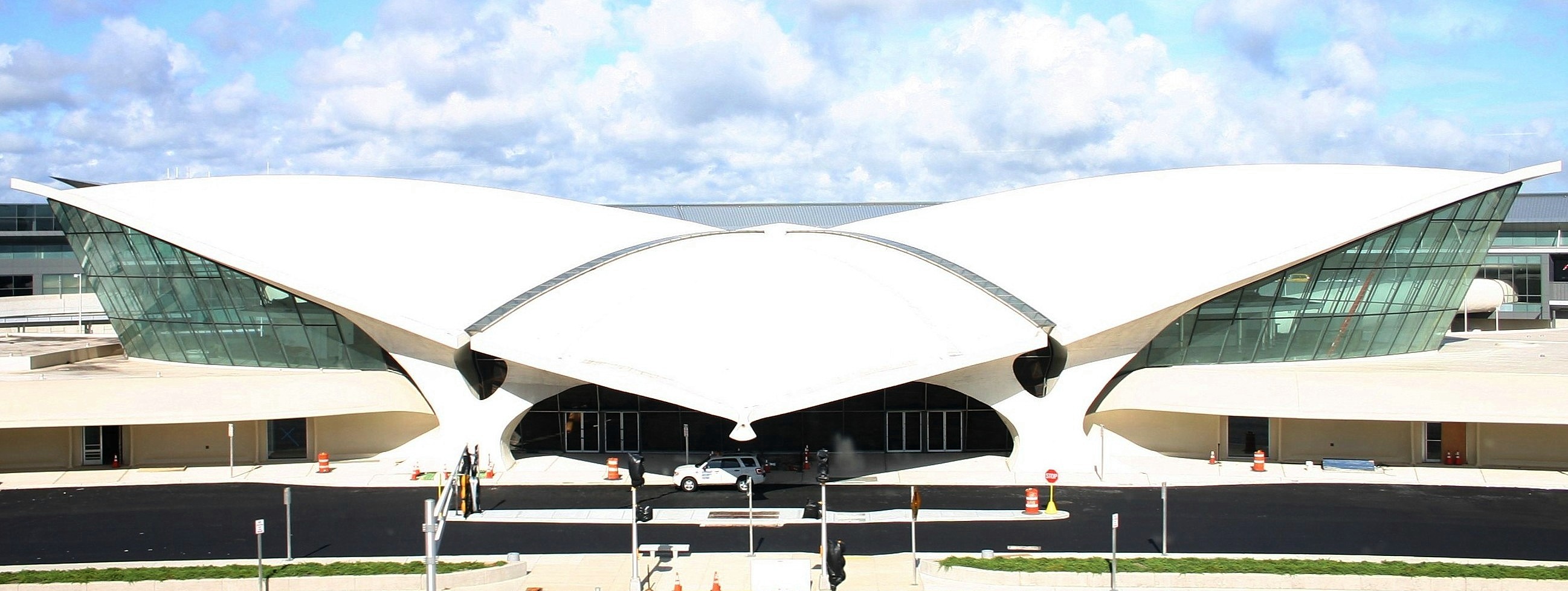
TWA Flight Center
1 Idlewild Dr, Queens, NY 11430
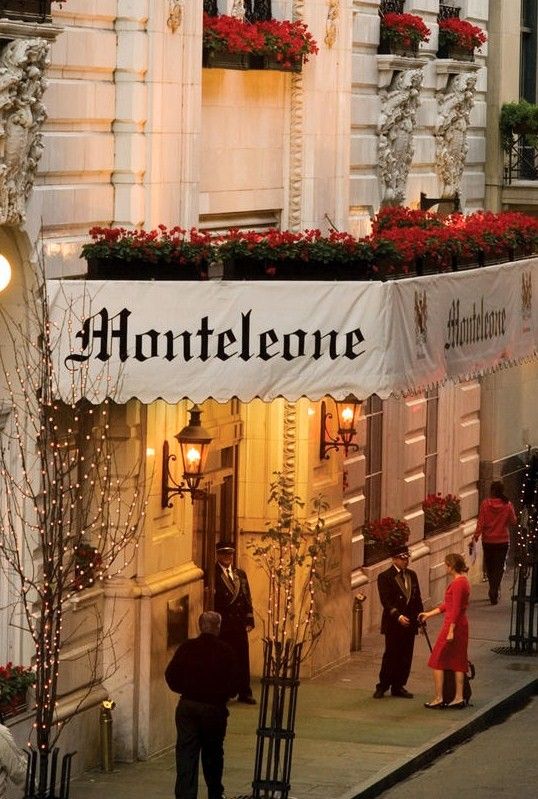
214 Royal St
214 Royal St, New Orleans, LA
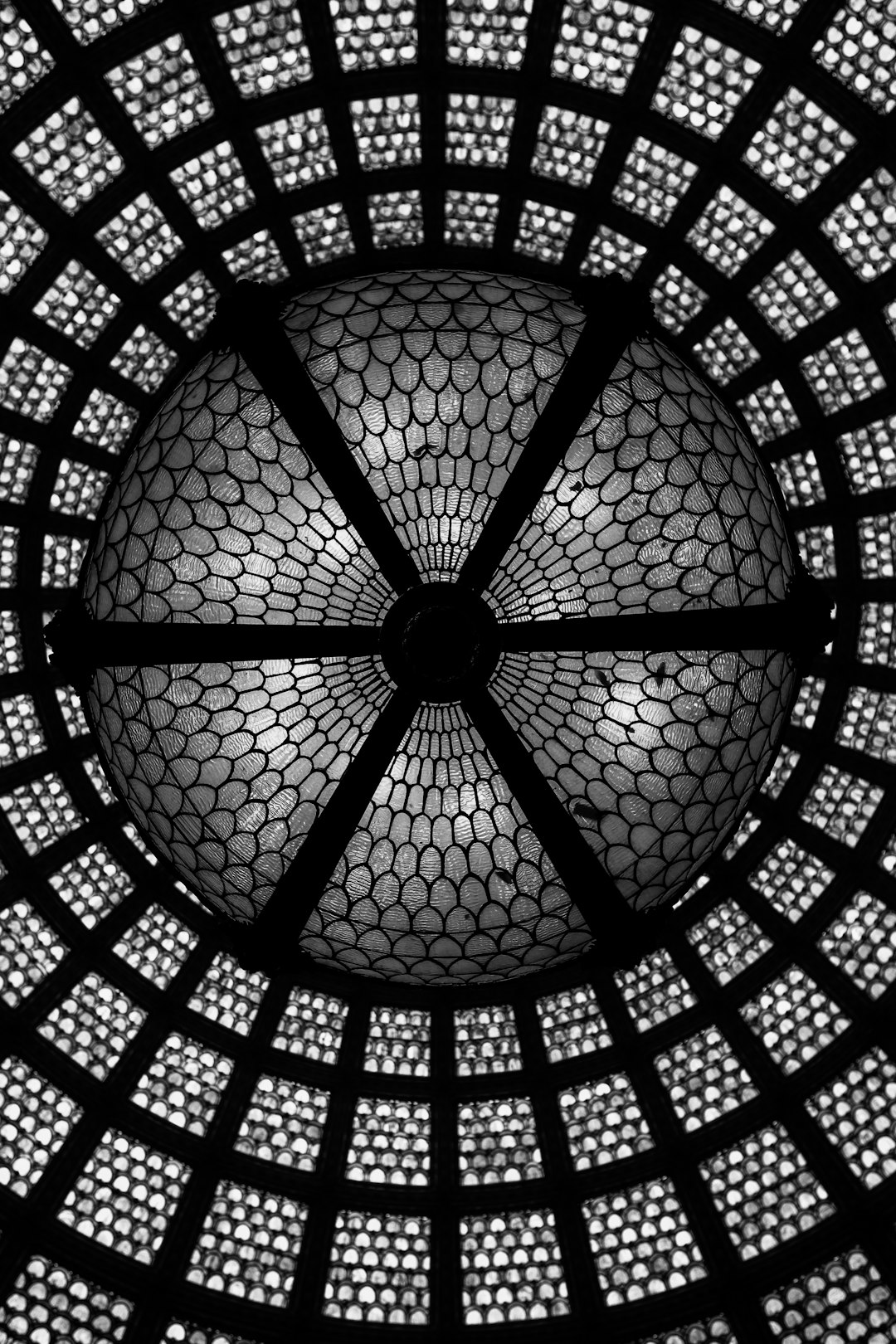
78 E Washington St
78 E Washington St, Chicago, IL 60602

Prinsestraat 1-3
Prinsestraat 1-3, 2513 CA Den Haag

Where to Find Art Nouveau Architecture
Related Styles
Why Art Nouveau Matters Today
Art Nouveau proved that modernity need not mean coldness. By insisting that beauty, craft, and nature could coexist with innovation, it offered an alternative path that resonates strongly today as architects embrace biophilic design, organic forms, and the integration of art into everyday spaces.