Deconstructivism Architecture — A Guide
Overview
Deconstructivism shattered architectural conventions — sometimes literally. Inspired by the philosophical writings of Jacques Derrida and the visual experiments of Russian Constructivism, deconstructivist architects created buildings that appear fragmented, disjointed, and dynamically unstable. These are structures that challenge our assumptions about what buildings can look like and how they should behave.
The movement was crystallized by Philip Johnson and Mark Wigley's 1988 exhibition 'Deconstructivist Architecture' at MoMA, which featured seven architects: Frank Gehry, Daniel Libeskind, Rem Koolhaas, Peter Eisenman, Zaha Hadid, Coop Himmelb(l)au, and Bernard Tschumi. Gehry's Guggenheim Museum Bilbao (1997) became the movement's most famous building, demonstrating that radically unconventional forms could revitalize entire cities.
Key Characteristics
- Fragmented forms that appear to be in motion or collision
- Unexpected angles, tilted walls, and non-rectilinear geometry
- Apparent structural instability that defies expectations
- Clashing materials, surfaces, and geometric systems
- Absence of obvious symmetry, harmony, or visual logic
- Complex curved surfaces enabled by digital design tools
Famous Examples Worldwide
Guggenheim Museum Bilbao
Bilbao, 1997
Jewish Museum
Berlin, 2001
CCTV Headquarters
Beijing, 2012
Buildings in Our Library (17)
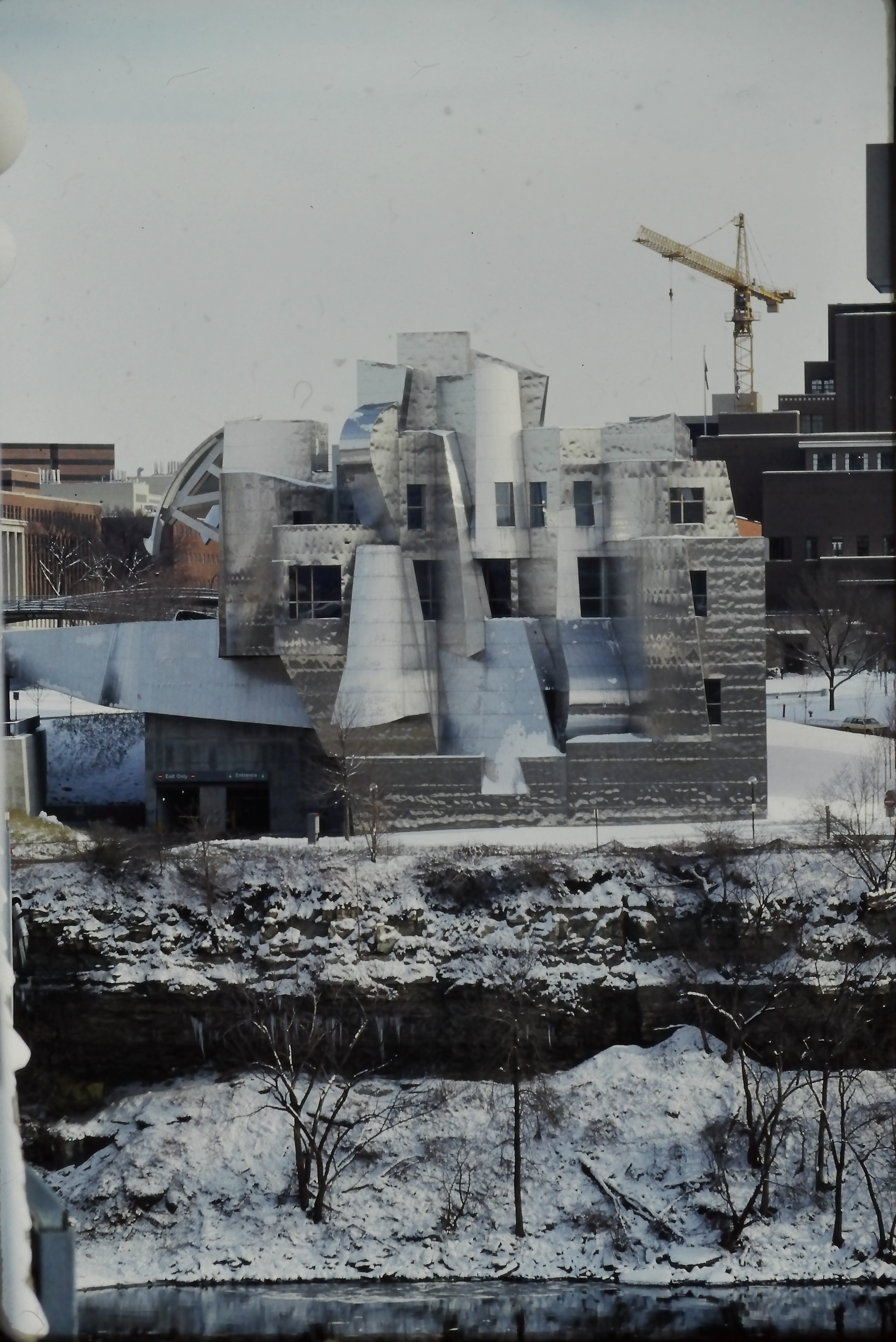
Weisman Art Museum
333 E River Parkway, Minneapolis, MN 55455
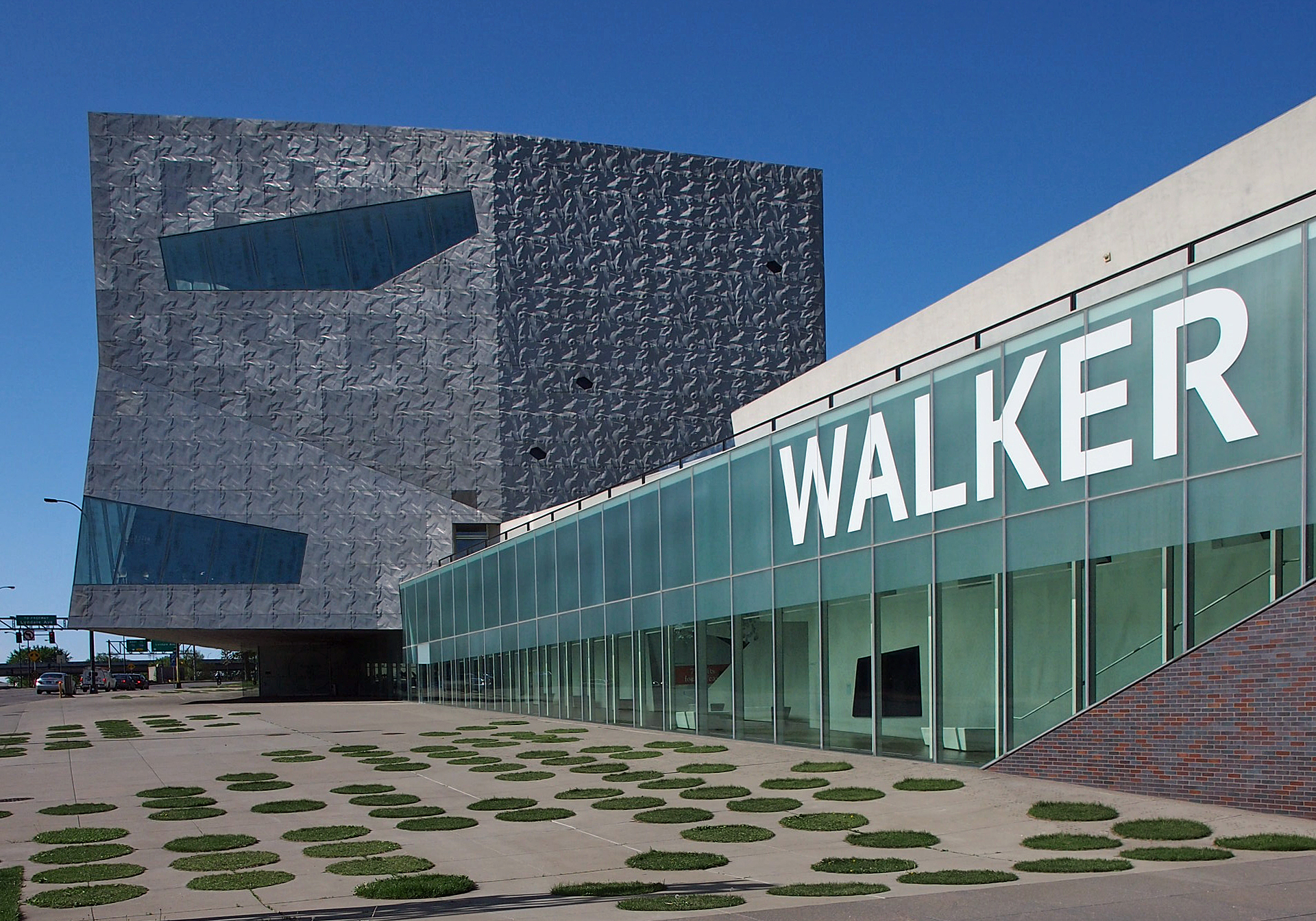
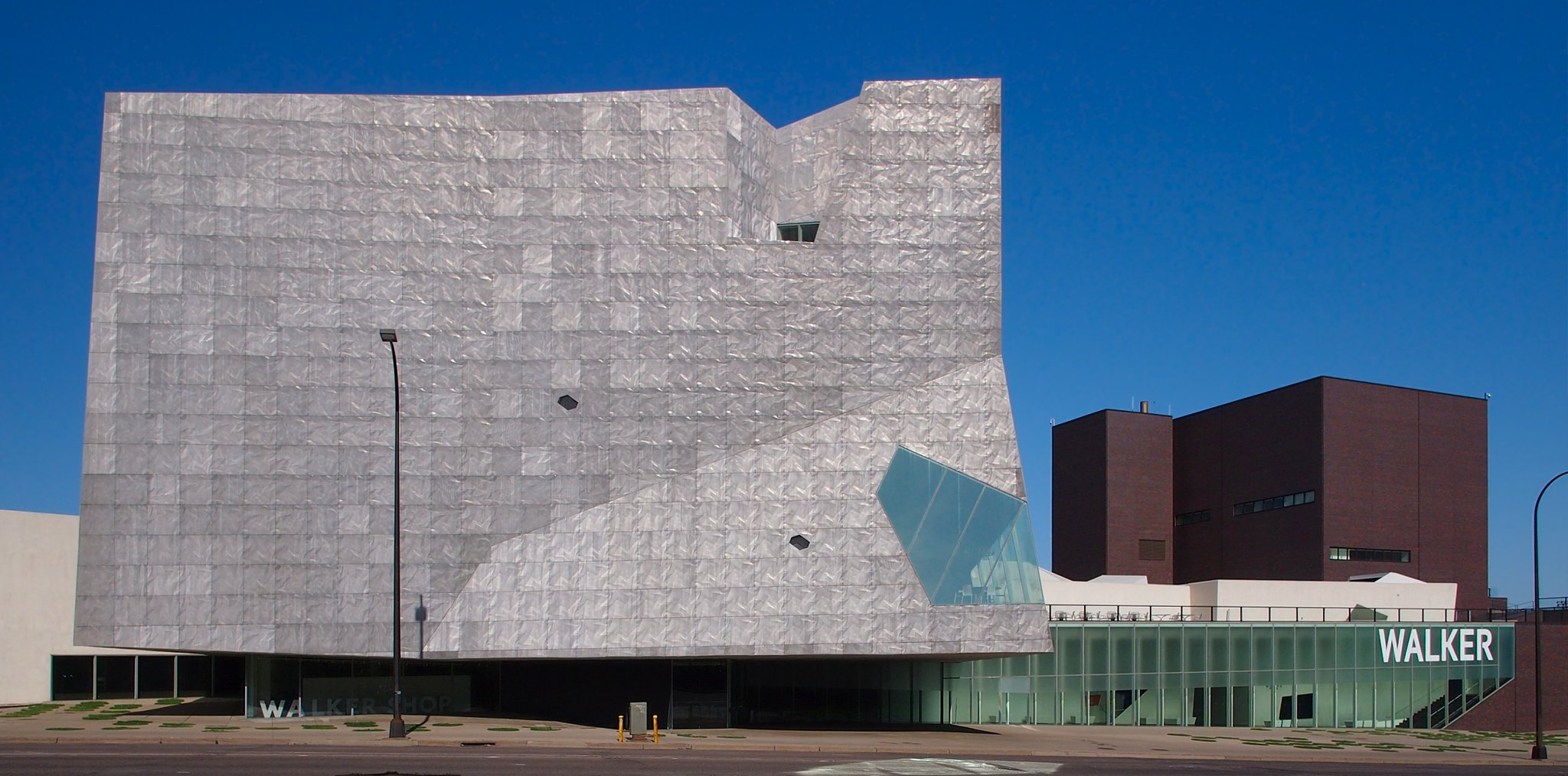
Walker Art Center
1750 Hennepin Avenue, Minneapolis, MN 55403
Basilica of Saint Mary
1600 Hennepin Avenue, Minneapolis, MN 55403
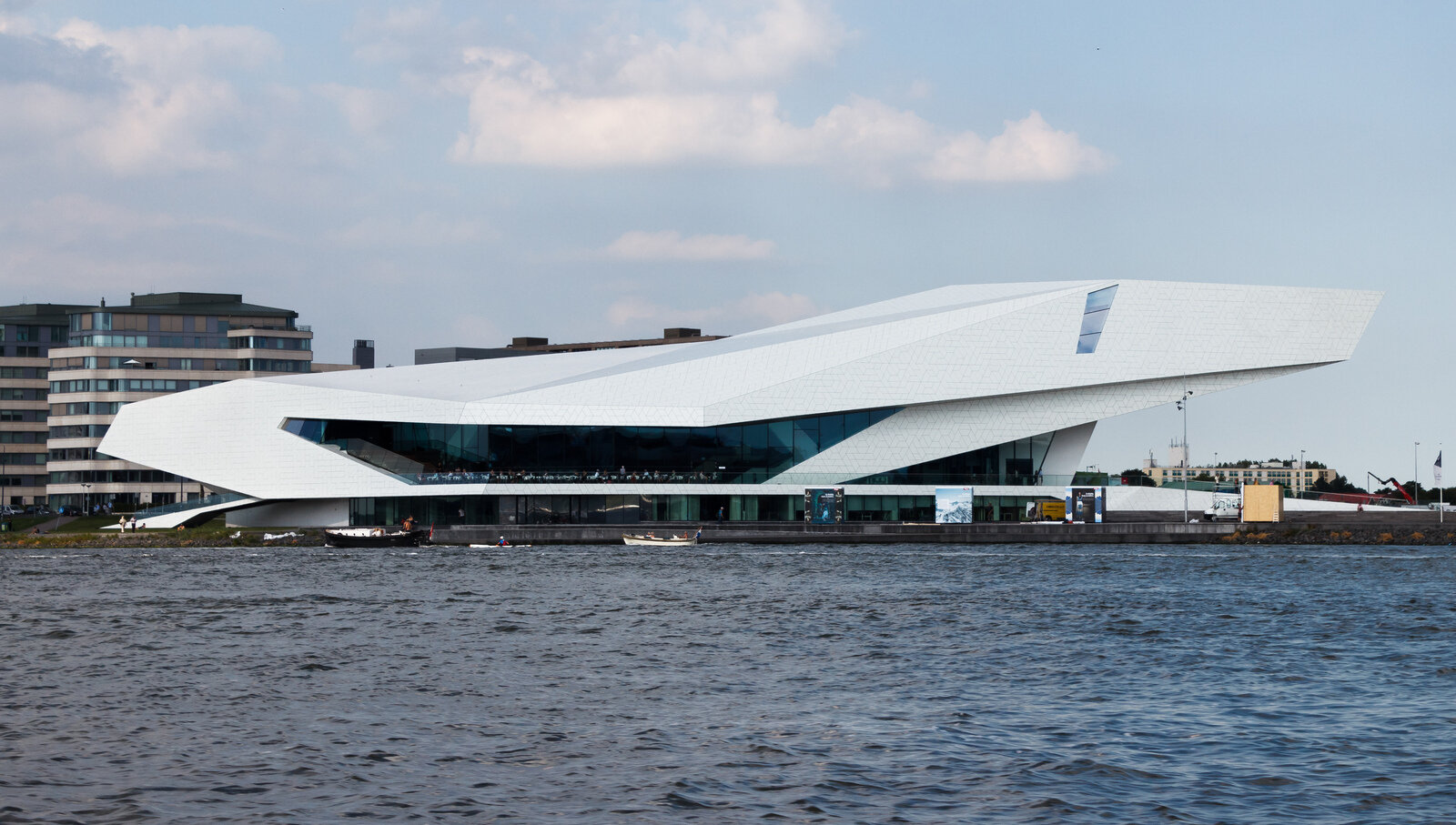
EYE Film Museum
IJpromenade 1, Amsterdam
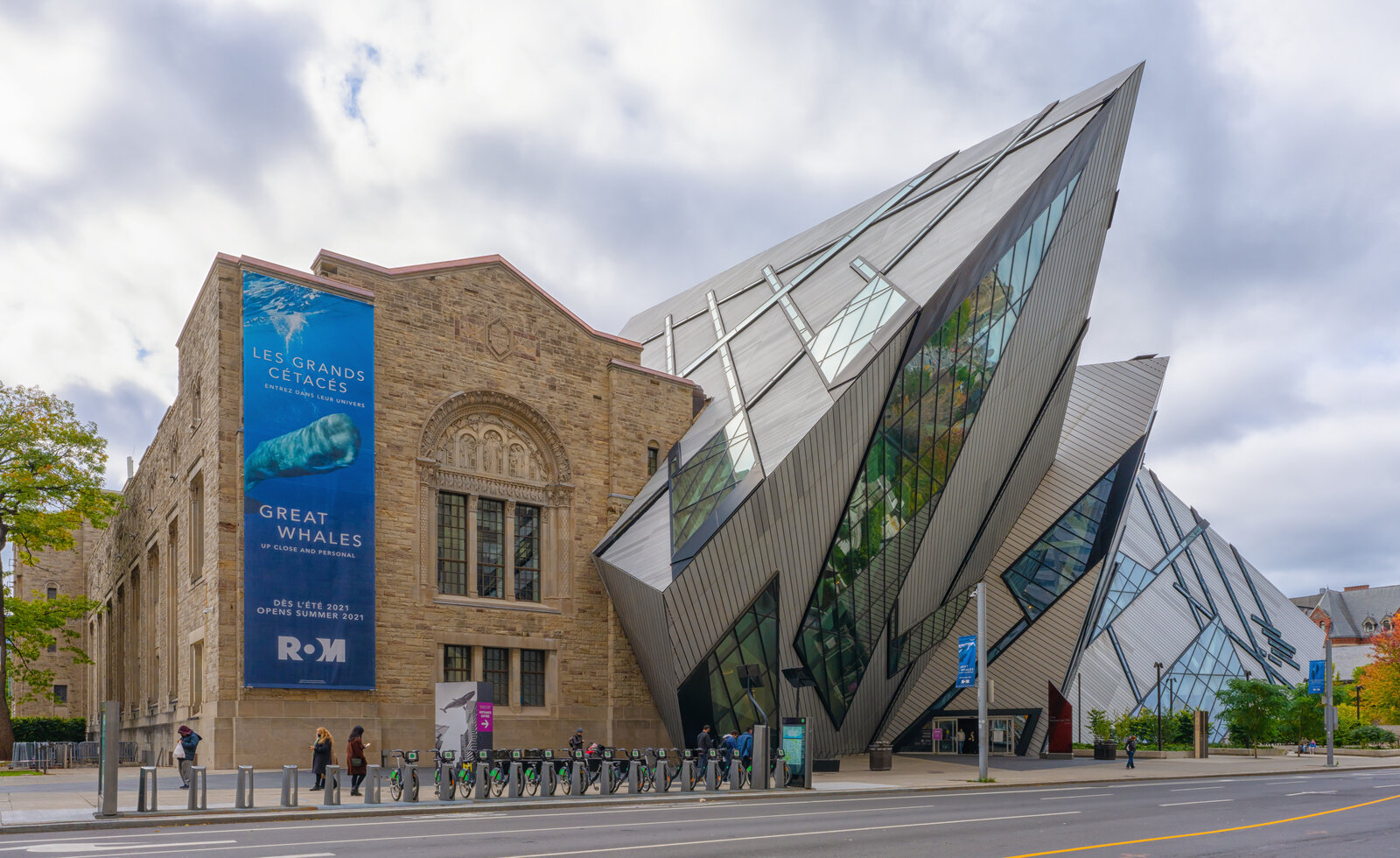
Royal Ontario Museum
100 Queen's Park, Toronto, ON M5S 2C6
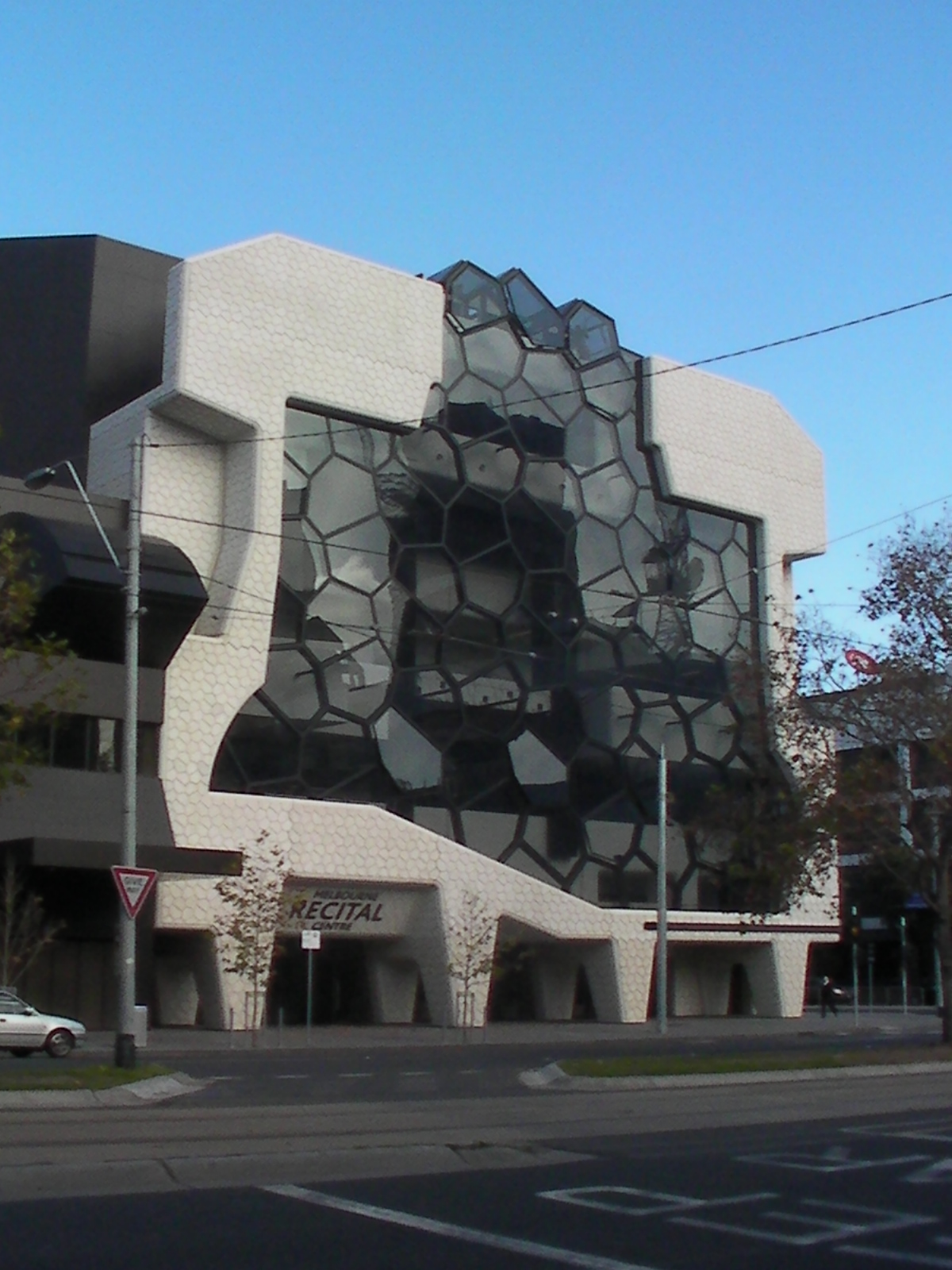
Melbourne Recital Centre
31 Sturt St, Southbank VIC 3006, Australia
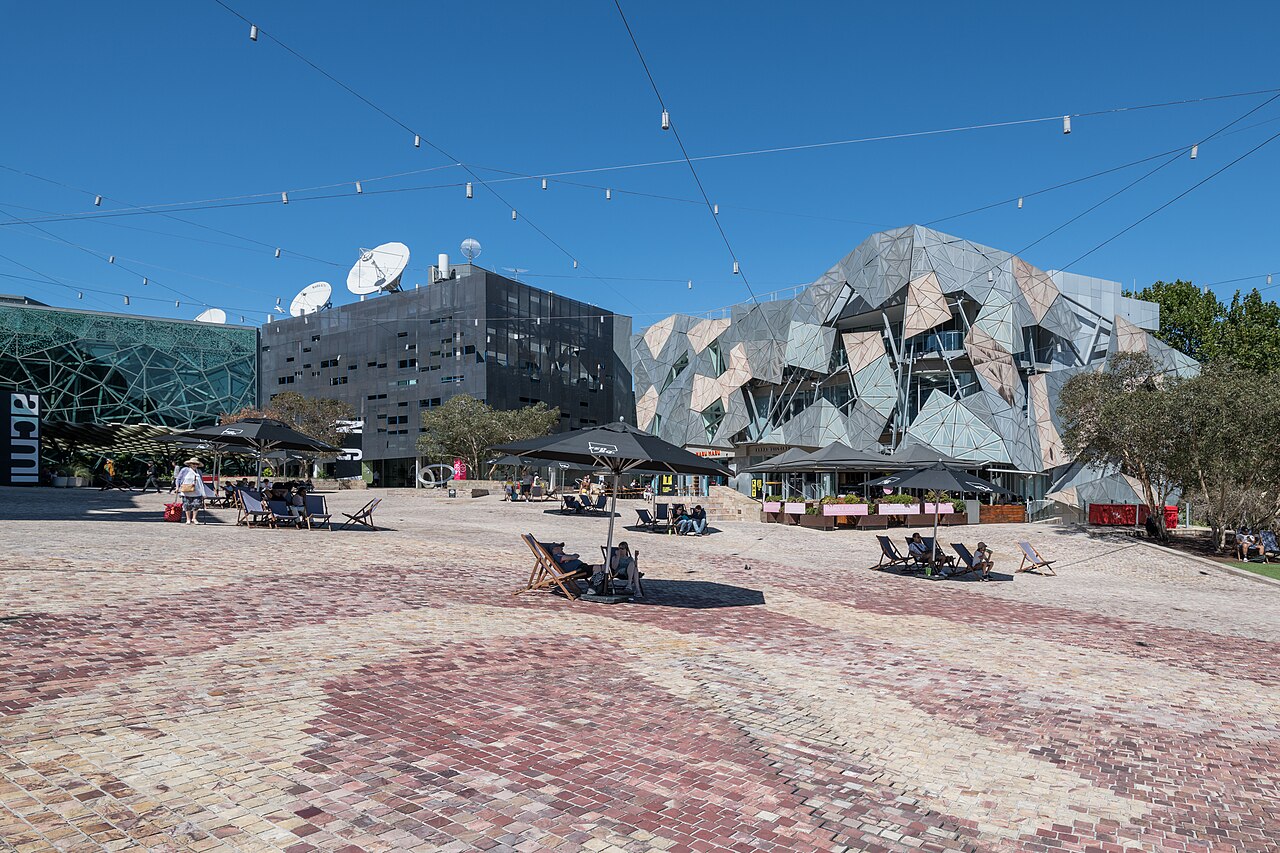
Federation Square
Swanston St & Flinders St, Melbourne VIC 3000, Australia
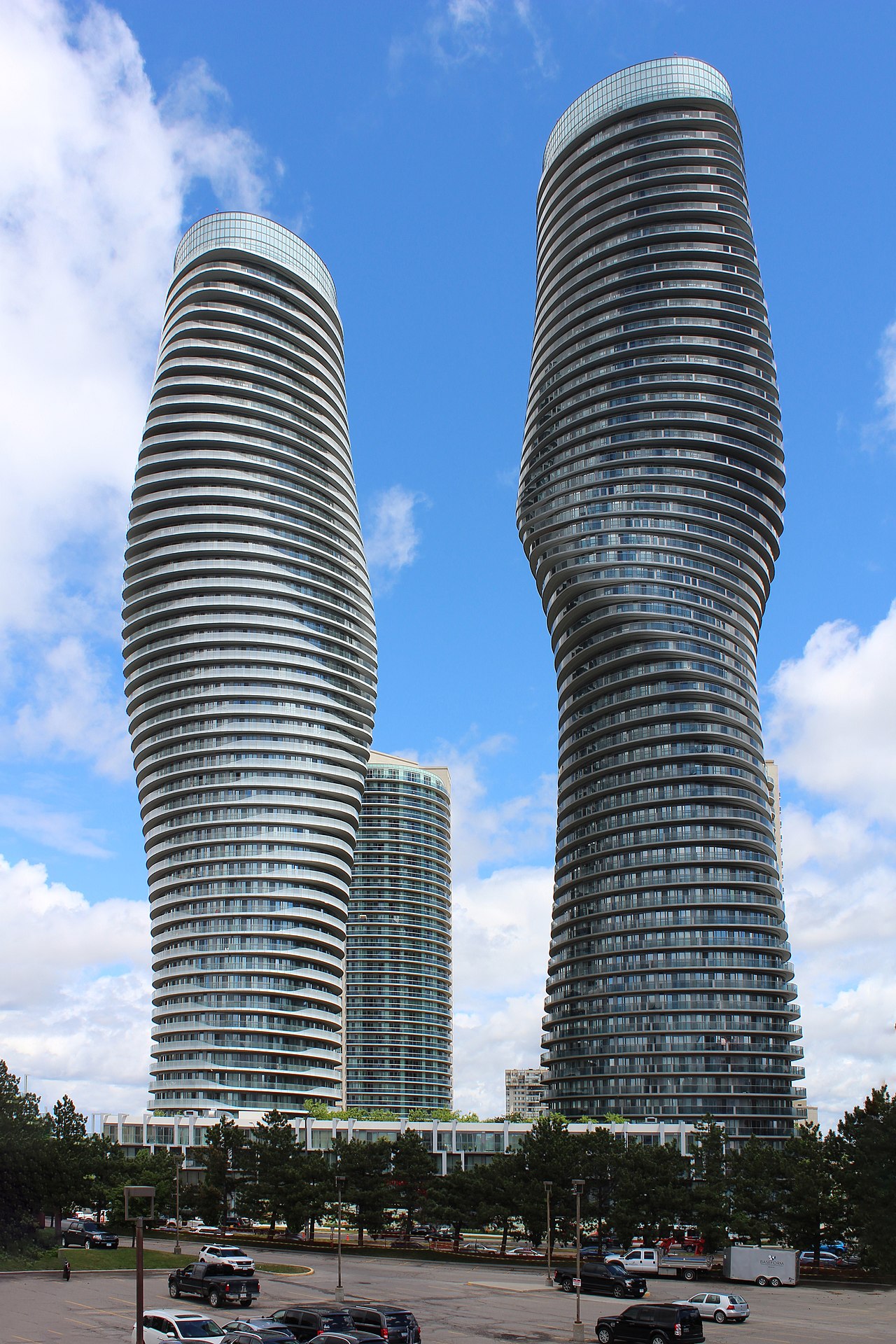
Absolute Towers
56 Absolute Ave, Mississauga, ON
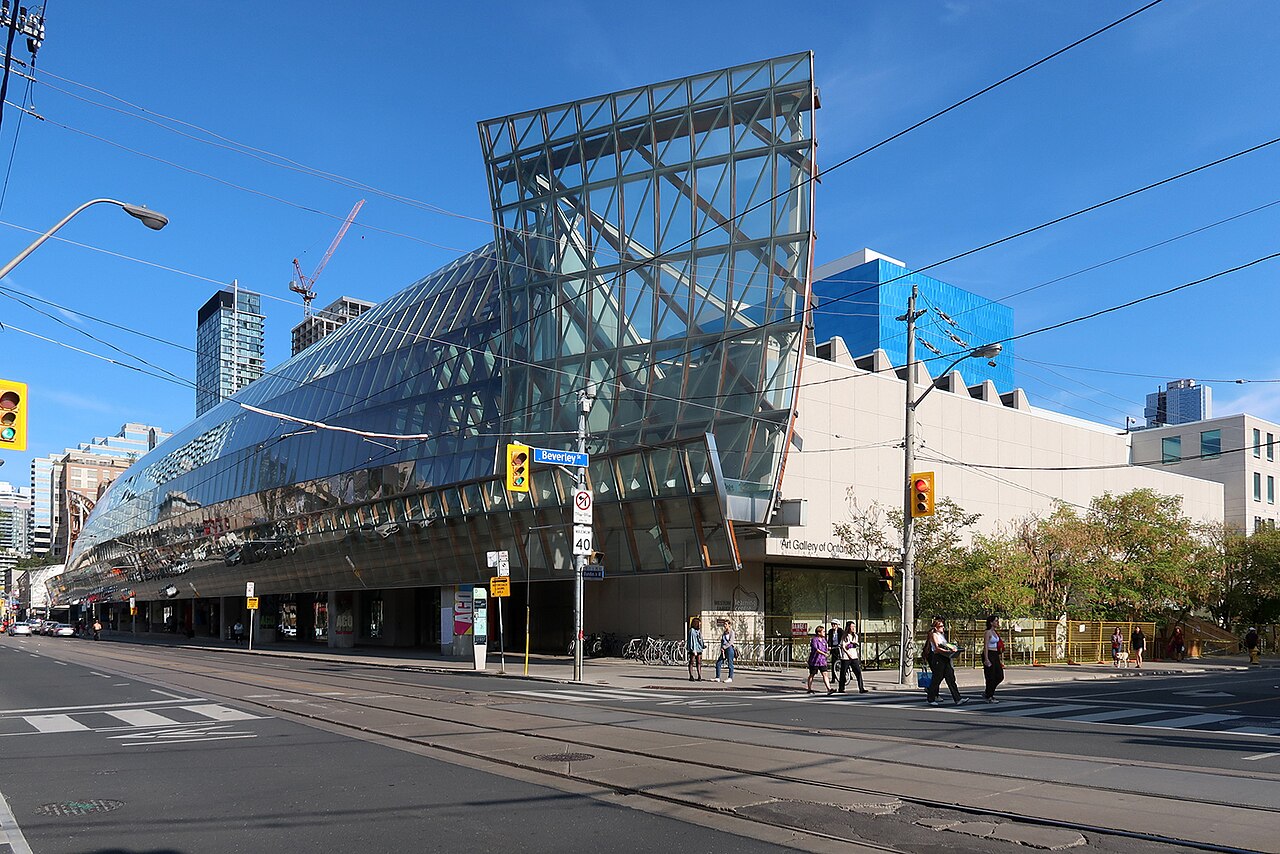
Art Gallery of Ontario
317 Dundas St W, Toronto, ON
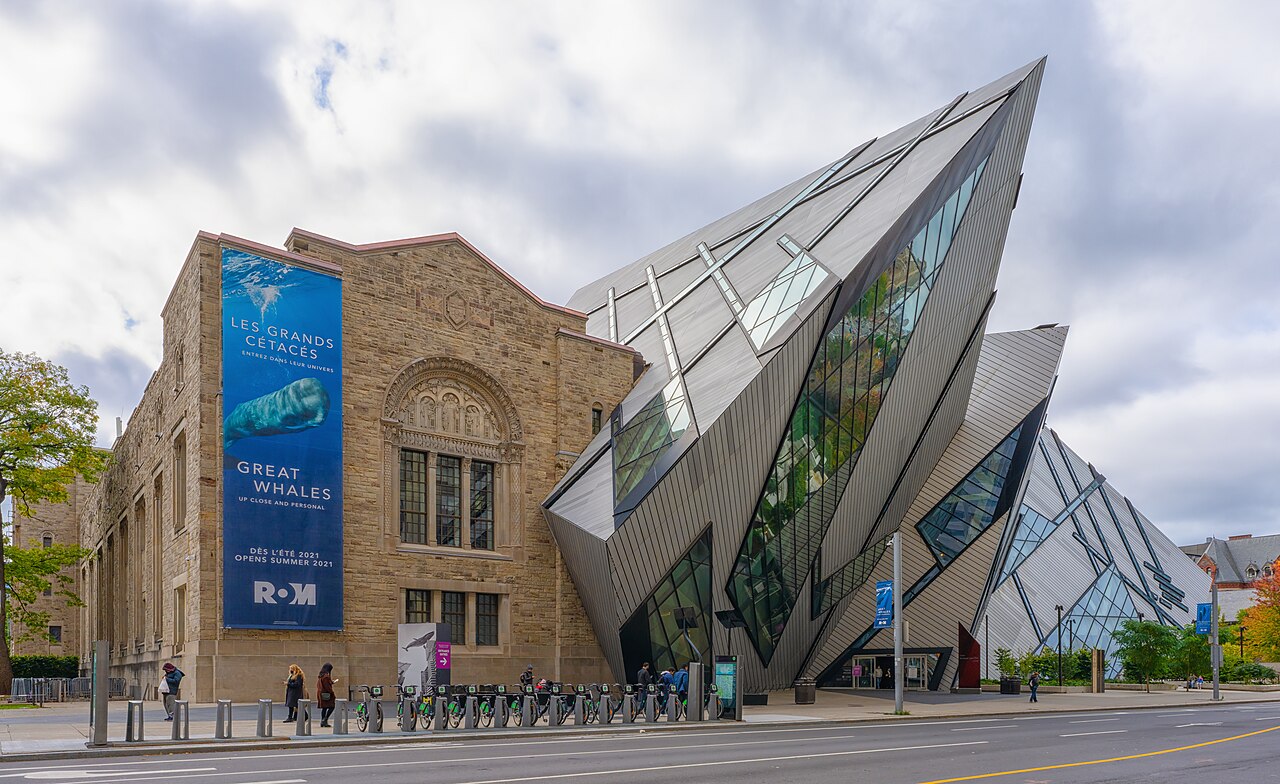
Royal Ontario Museum
100 Queens Park, Toronto, ON
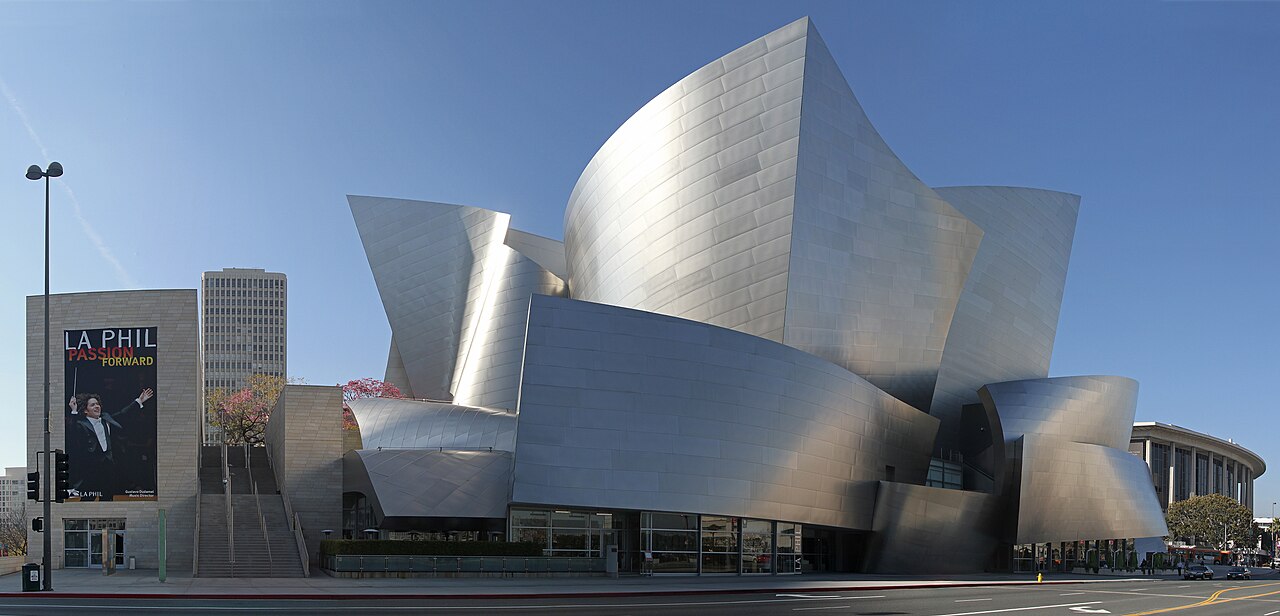
Walt Disney Concert Hall
111 S Grand Ave, Los Angeles, CA 90012
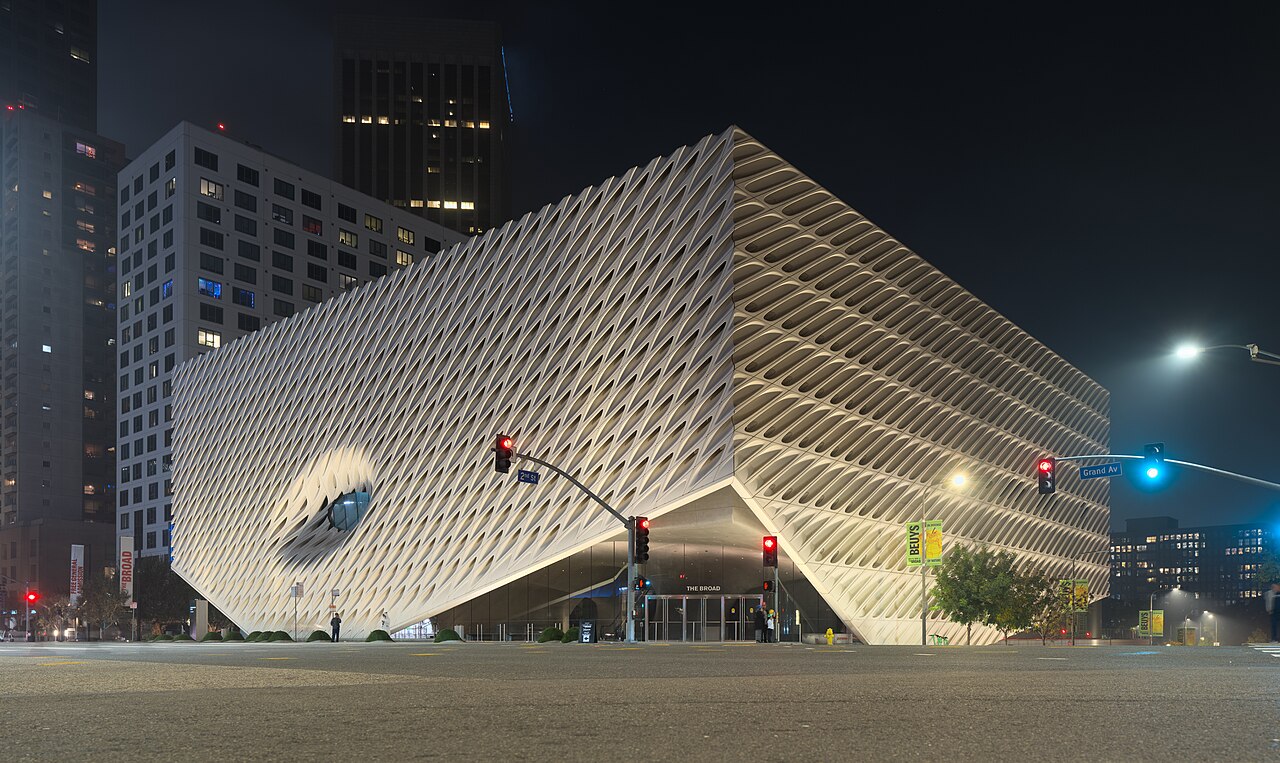
The Broad
221 S Grand Ave
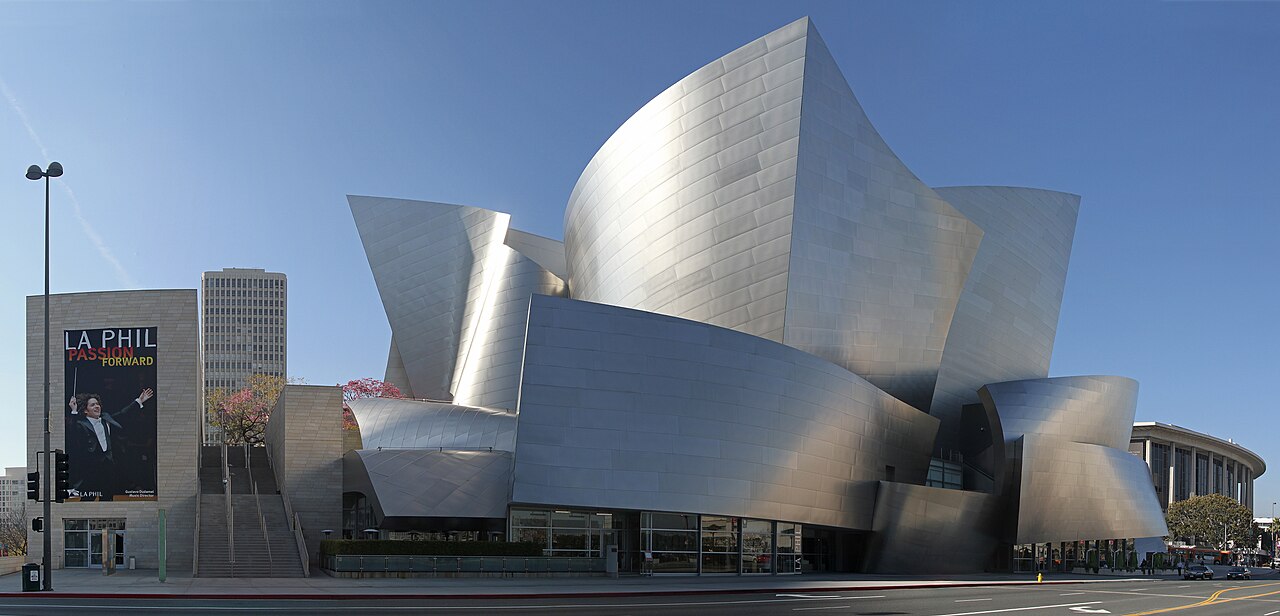
Walt Disney Concert Hall
111 S Grand Ave
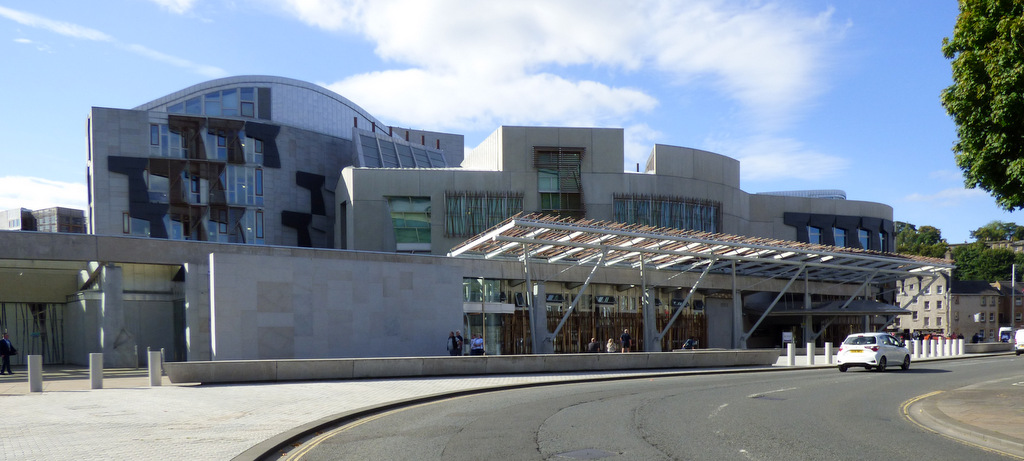
Scottish Parliament Building
Horse Wynd, Edinburgh EH99 1SP, UK
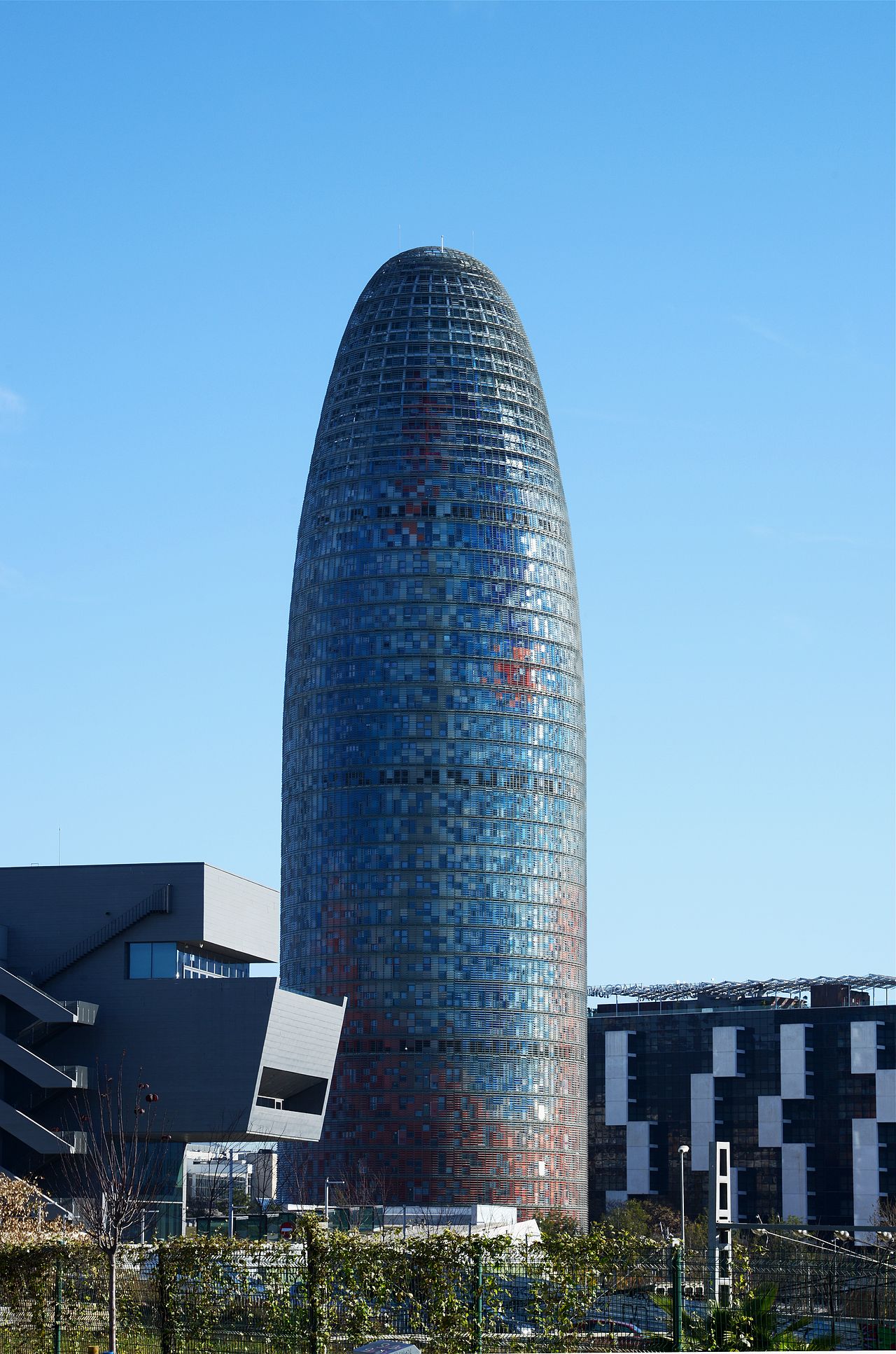
Torre Glòries
Avinguda Diagonal, 211, Barcelona, Spain
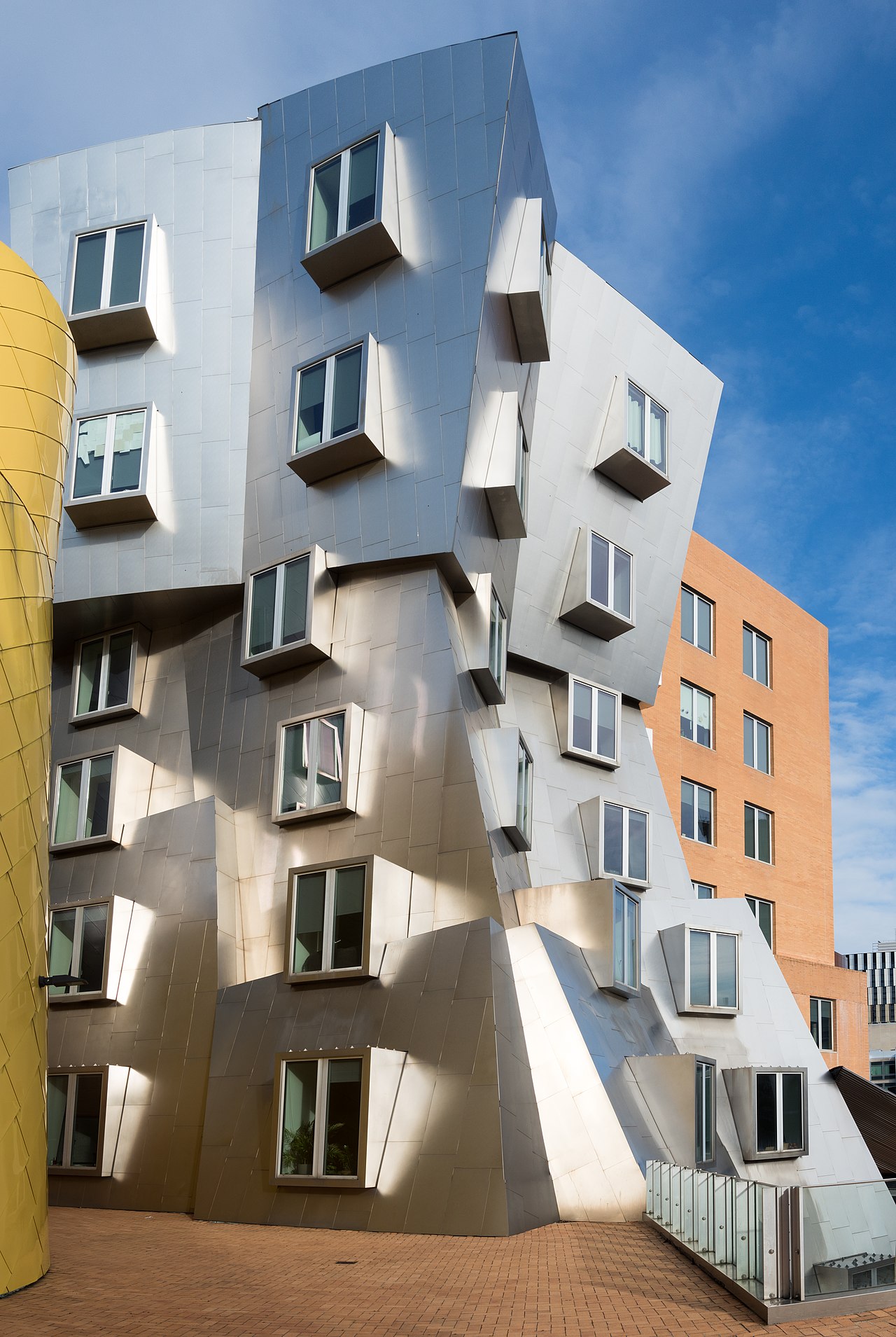
MIT Stata Center
32 Vassar St, Cambridge, MA 02139

Where to Find Deconstructivism Architecture
Related Styles
Why Deconstructivism Matters Today
Deconstructivism expanded architecture's expressive vocabulary beyond anything previously imagined. By demonstrating that buildings need not conform to regular geometry, it opened the door for the digitally-driven, free-form architecture of the 21st century and proved that architecture can be as challenging and provocative as any other art form.