Neoclassical Architecture — A Guide
Overview
Neoclassical architecture emerged in the mid-18th century as an intellectual and artistic response to the perceived excesses of Baroque and Rococo design. Inspired by archaeological discoveries at Pompeii and Herculaneum and by the rational philosophy of the Enlightenment, architects returned to the pure forms of Greek and Roman antiquity to create buildings of dignified simplicity and timeless proportion.
The movement was shaped by theorists like Johann Joachim Winckelmann, who championed the 'noble simplicity and calm grandeur' of ancient art, and architects like Jacques-Ange Gabriel, Karl Friedrich Schinkel, and John Soane. Neoclassicism became the architecture of revolution and reform — adopted by the French Republic, the new American nation, and reform-minded rulers across Europe. Its severe beauty conveyed enlightened rationality, civic virtue, and democratic ideals.
Key Characteristics
- Grand porticos with freestanding columns in Greek or Roman orders
- Symmetrical, geometrically pure compositions
- Pediments, domes, and clean geometric volumes
- Restrained ornament drawn from classical vocabulary
- Monumental scale for civic and institutional buildings
- White stone, marble, or stucco surfaces
Famous Examples Worldwide
The Panthéon
Paris, 1790
United States Capitol
Washington, D.C., 1800
Altes Museum
Berlin, 1830
Monticello
Charlottesville, 1809
Buildings in Our Library (87)
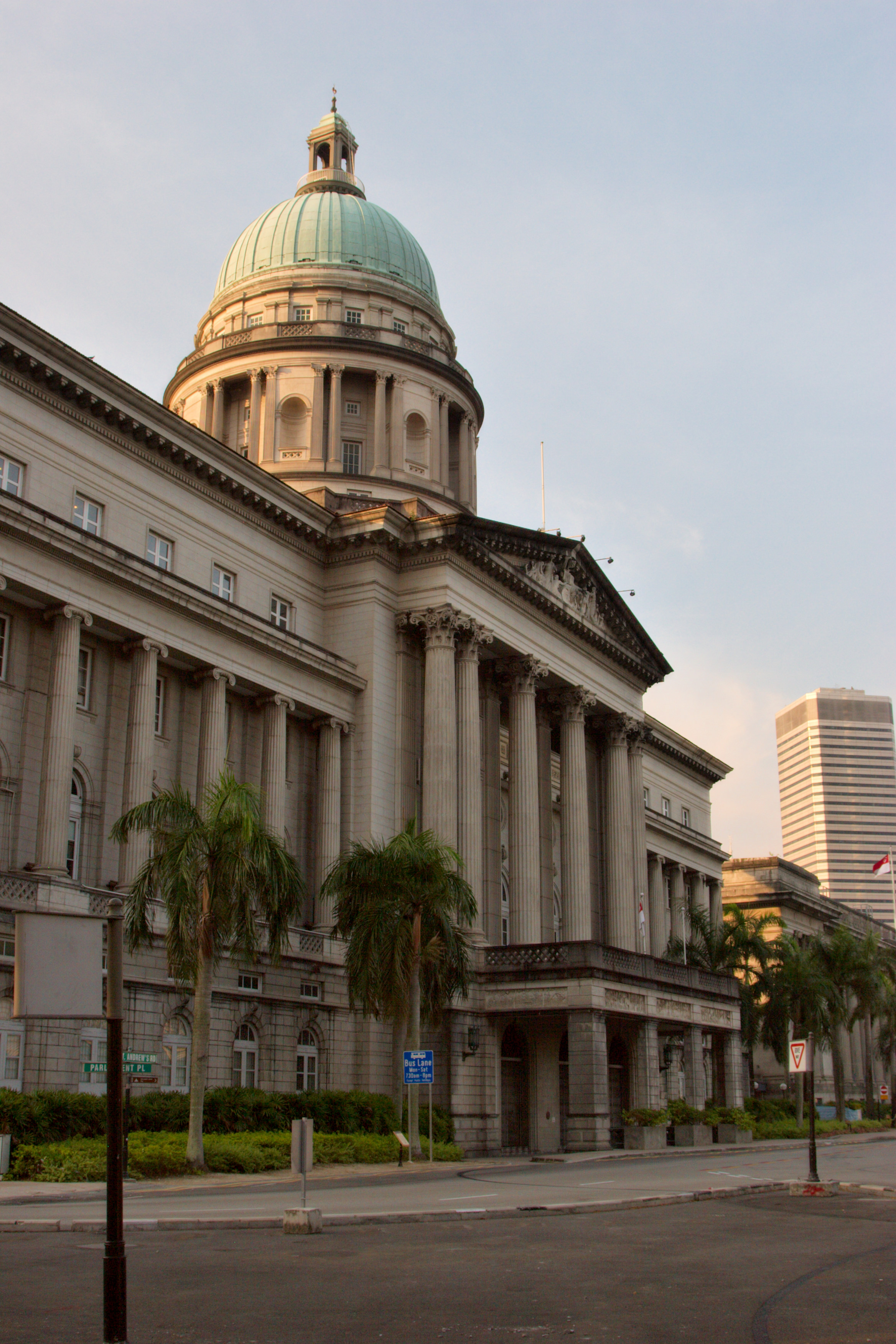
Old Supreme Court Building
1 St Andrew's Road, Singapore 178957
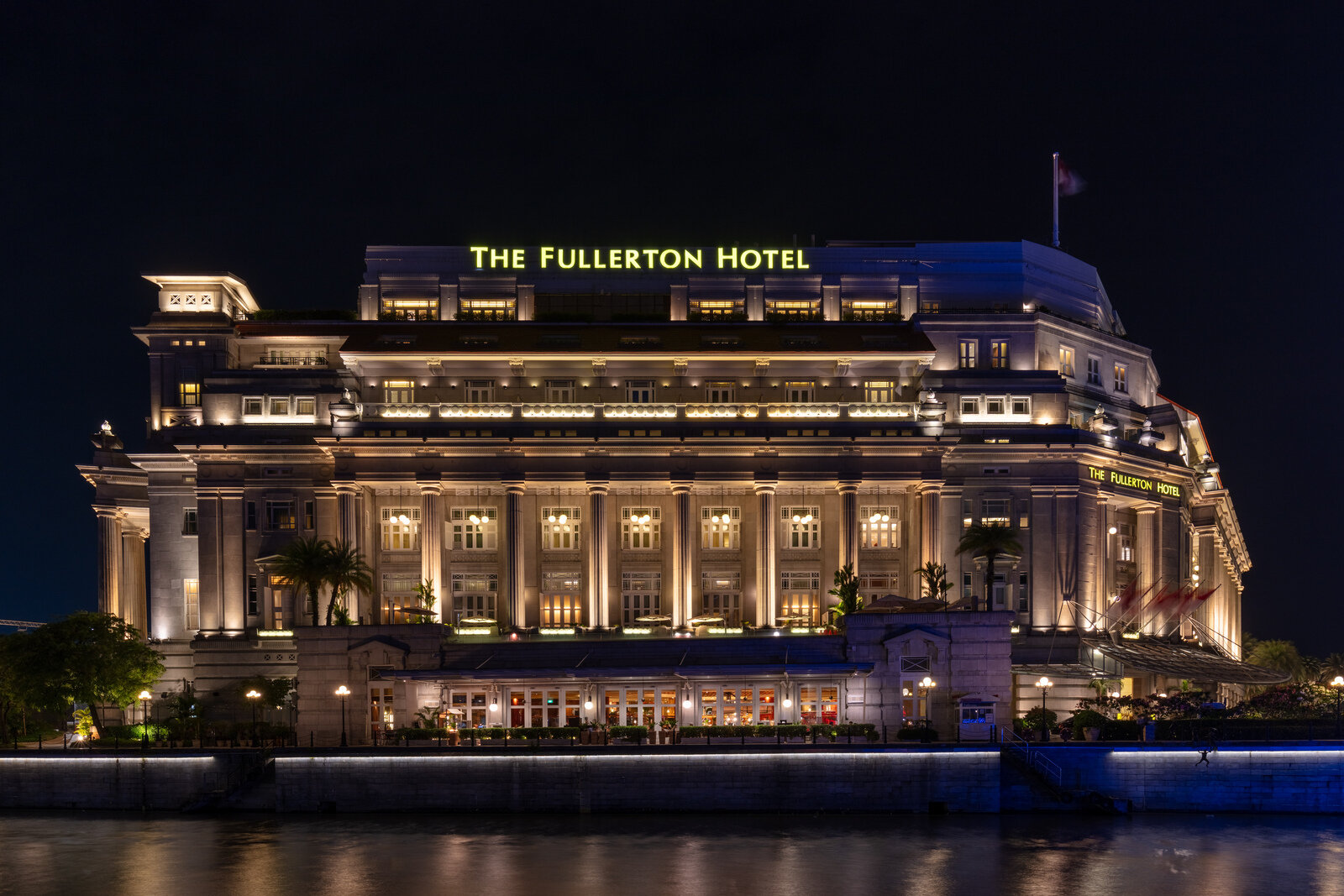
The Fullerton Hotel
1 Fullerton Square, Singapore 049178
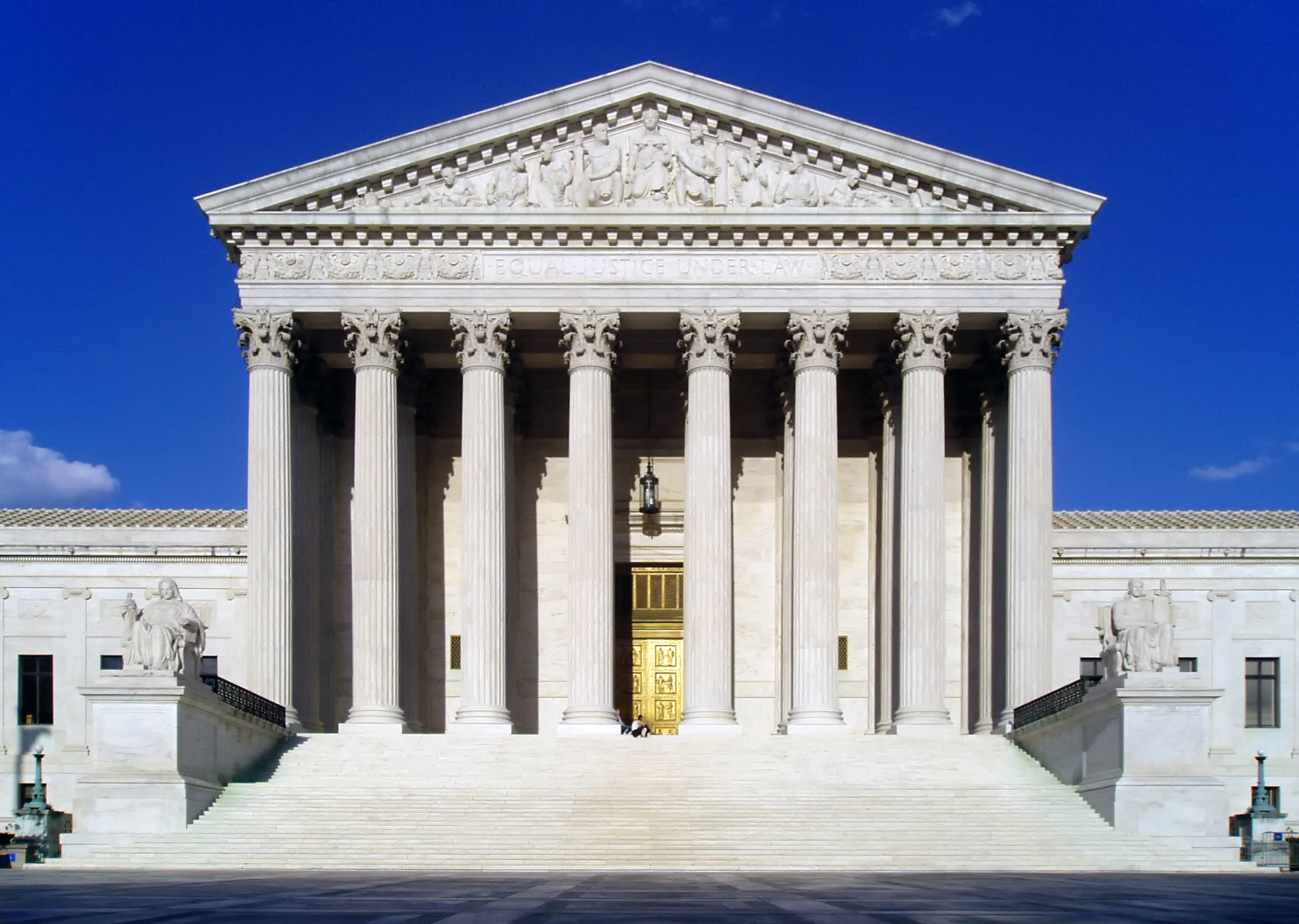
United States Supreme Court Building
1 First Street NE, Washington, DC 20543
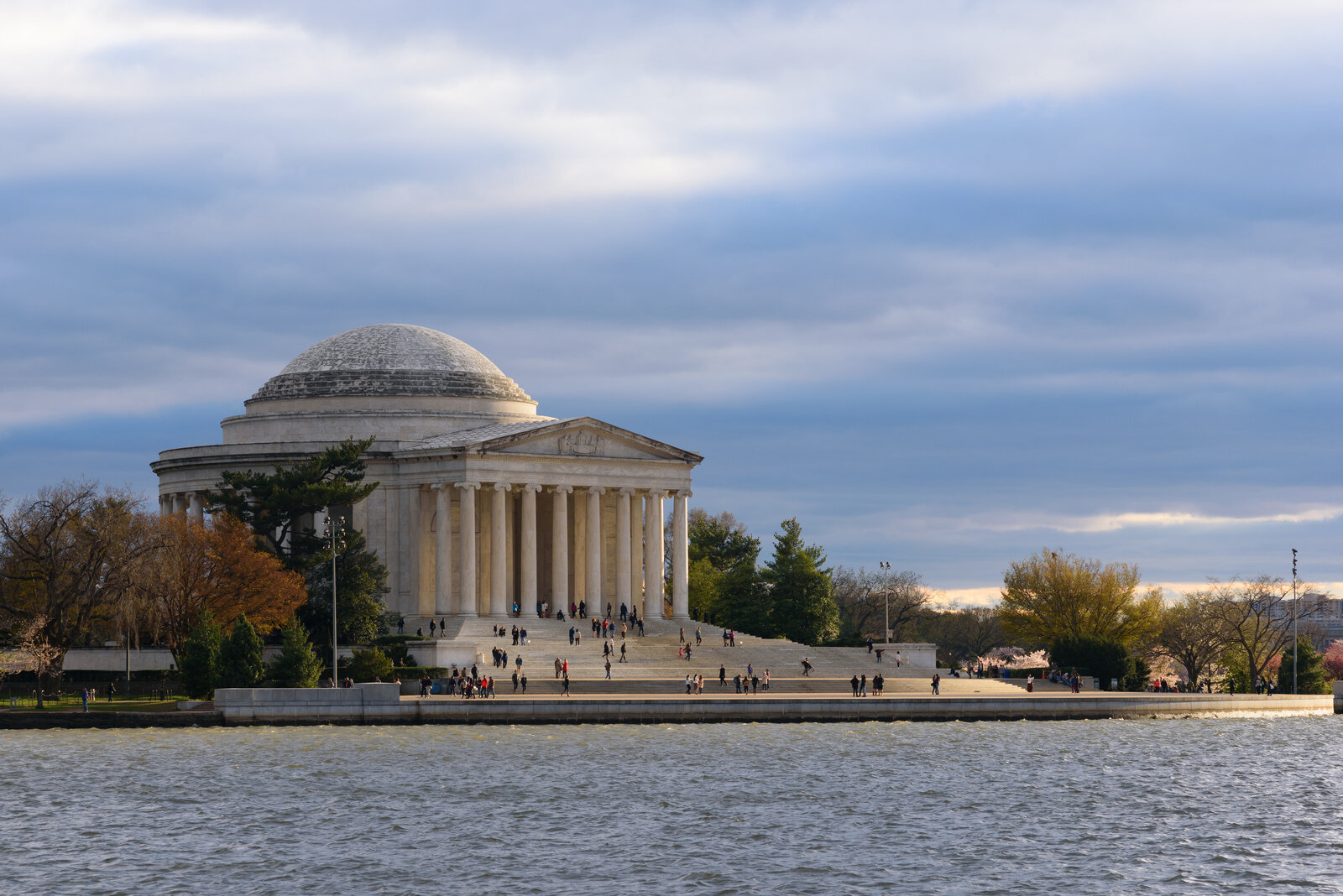
Jefferson Memorial
16 East Basin Drive SW, Washington, DC 20242
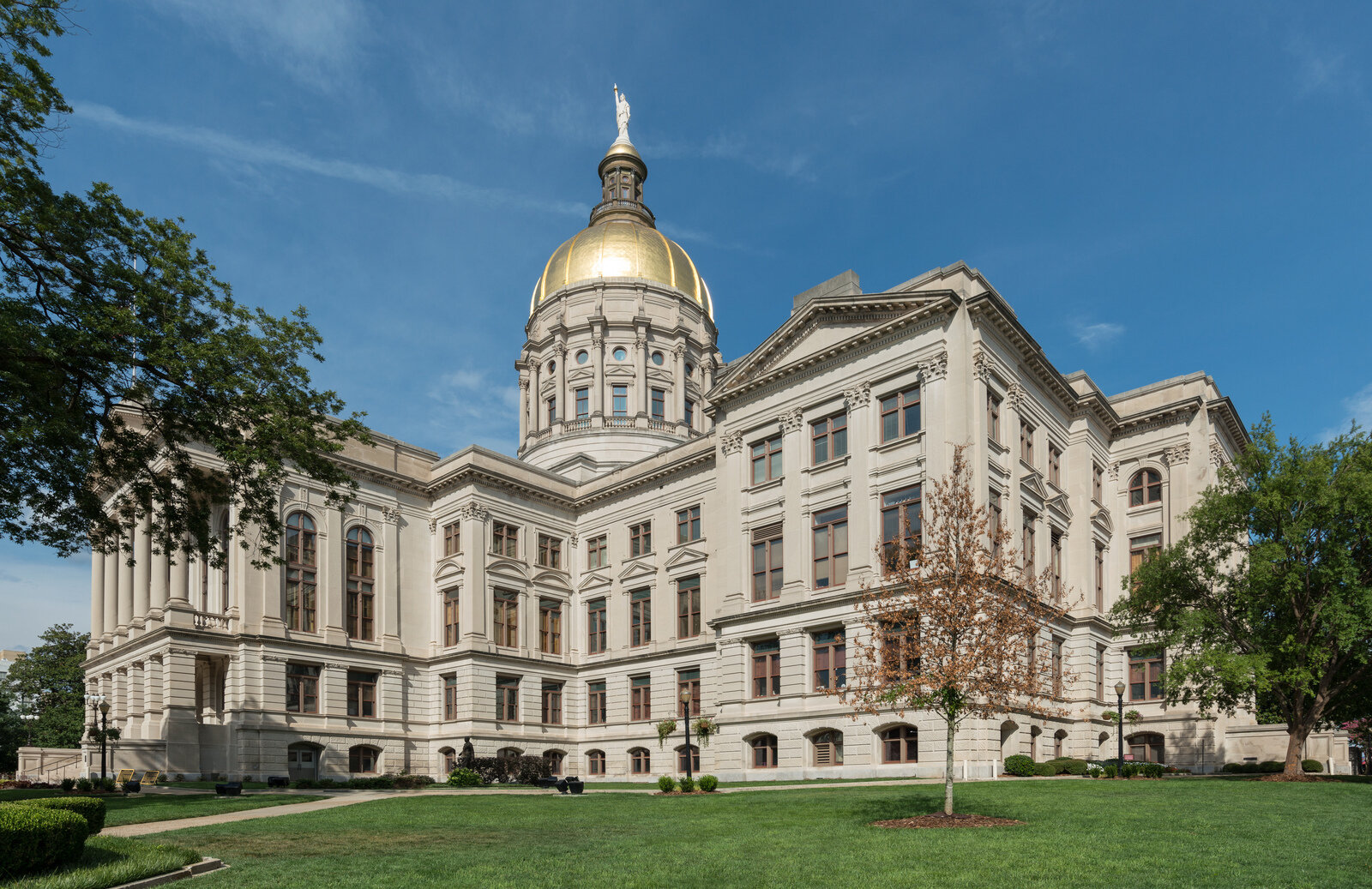
Georgia State Capitol
206 Washington St SW, Atlanta, GA 30334
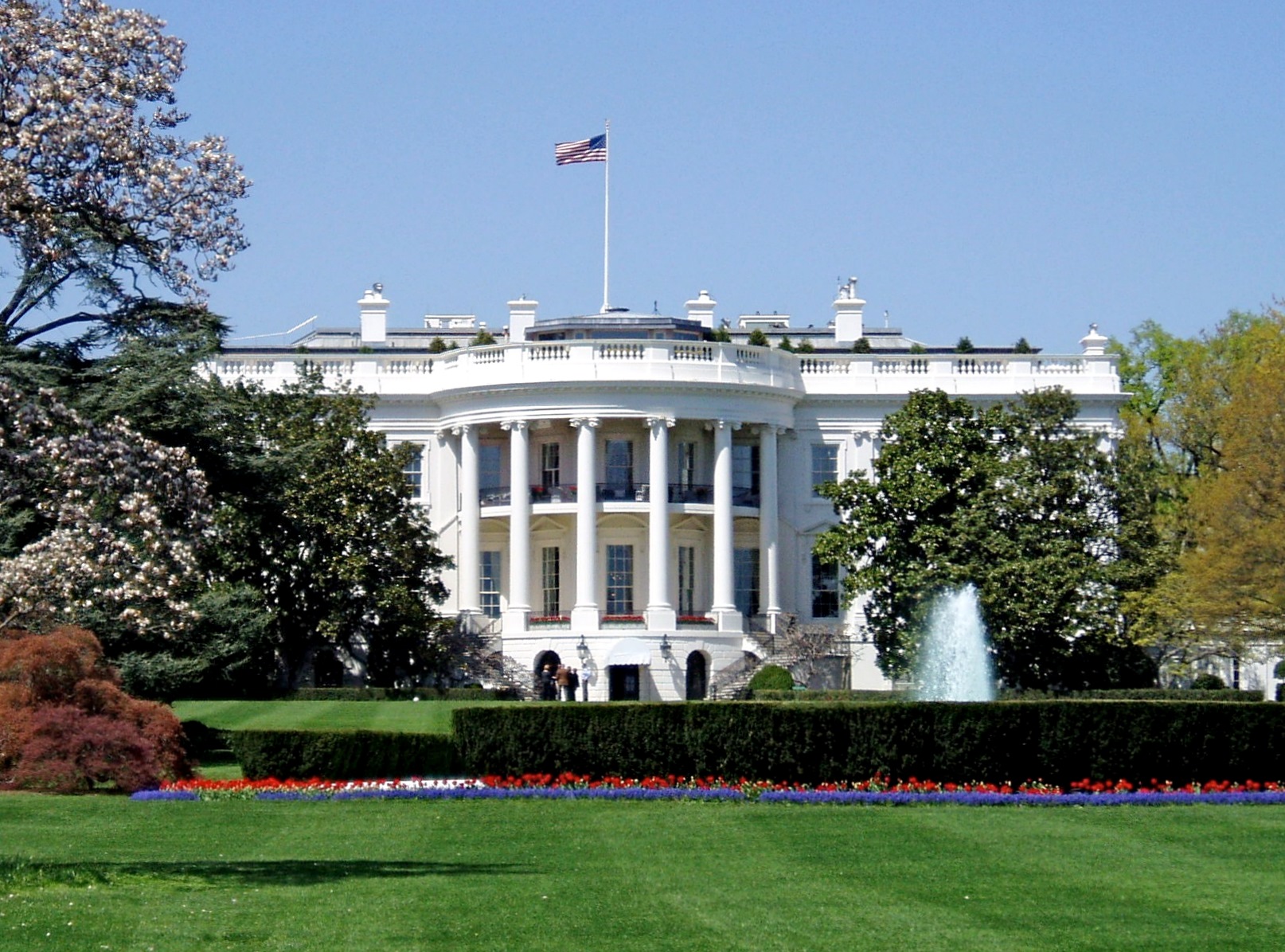
White House
1600 Pennsylvania Avenue NW, Washington, DC 20500
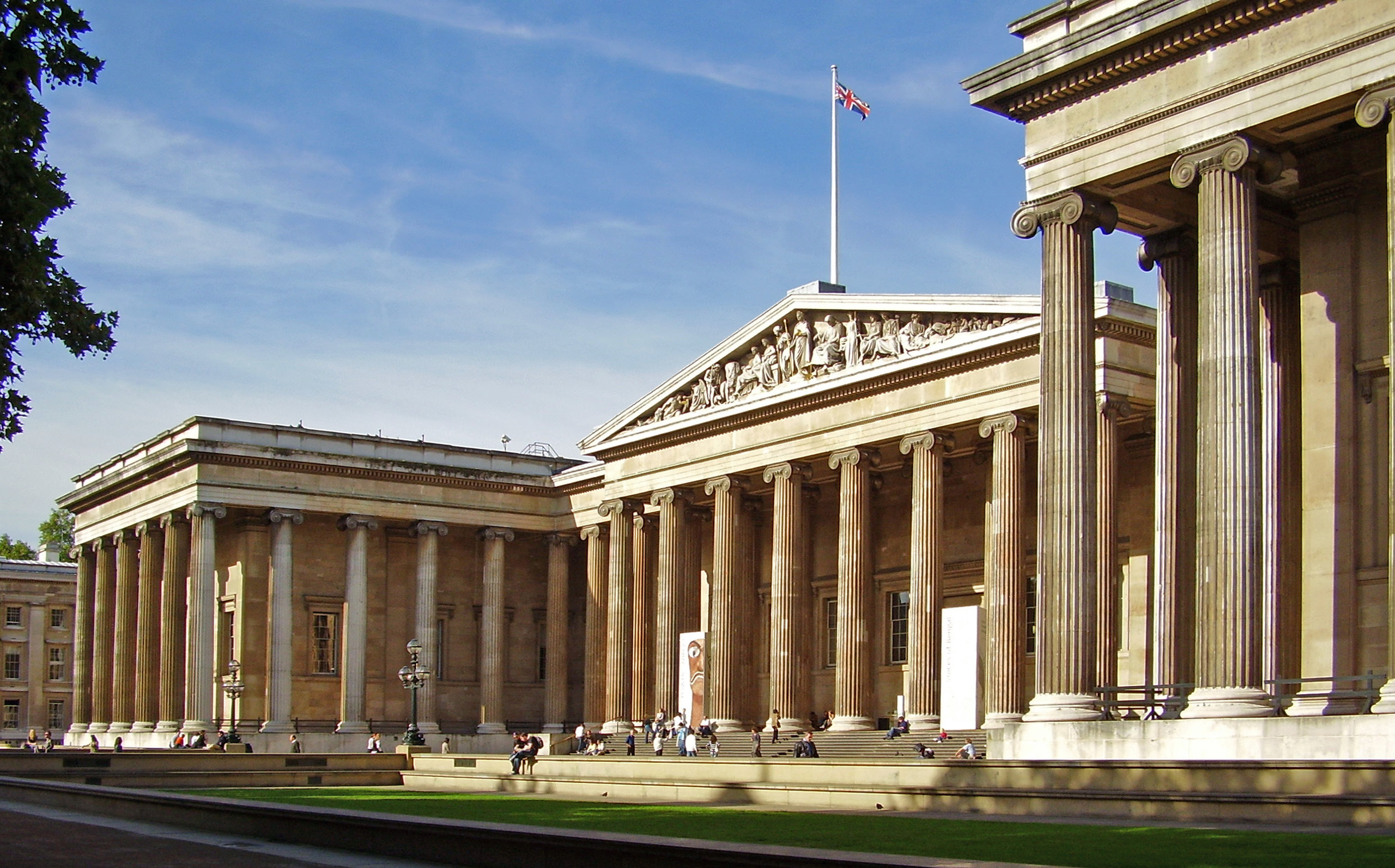
British Museum
Great Russell Street, Bloomsbury, London WC1B 3DG
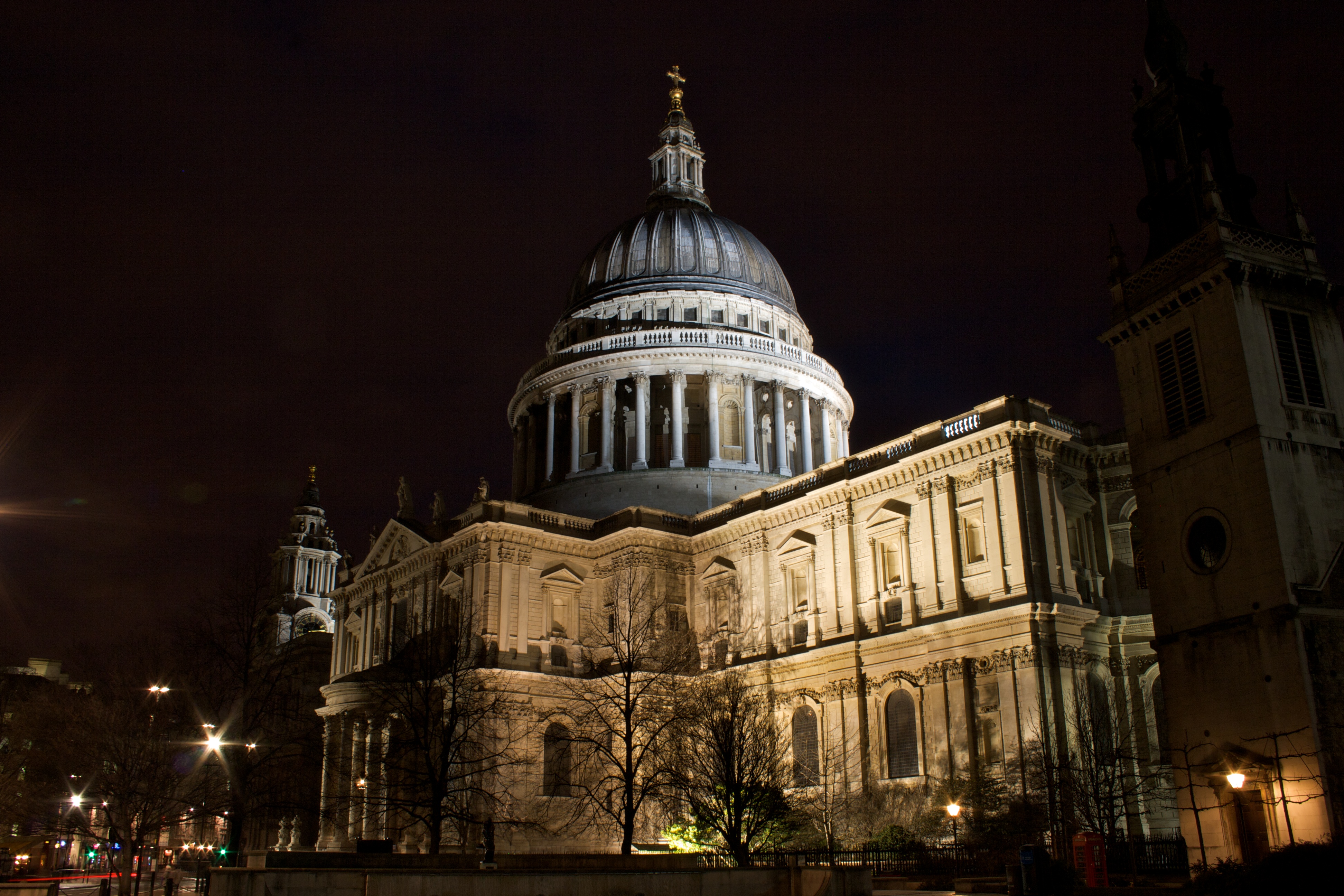
St Paul's Cathedral
St Paul's Churchyard, London EC4M 8AD
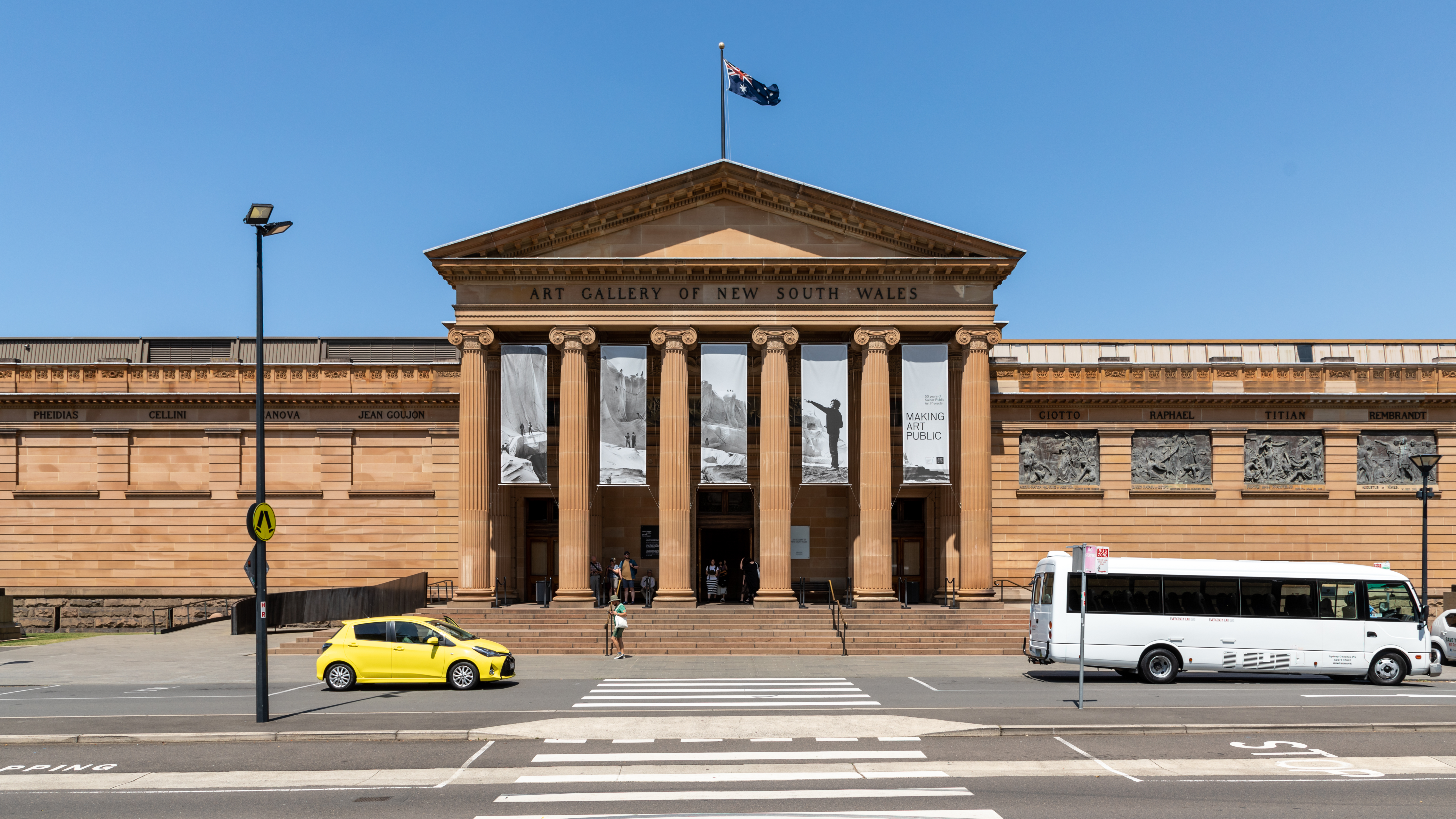
Art Gallery of New South Wales
Art Gallery Road, The Domain, Sydney NSW 2000, Australia
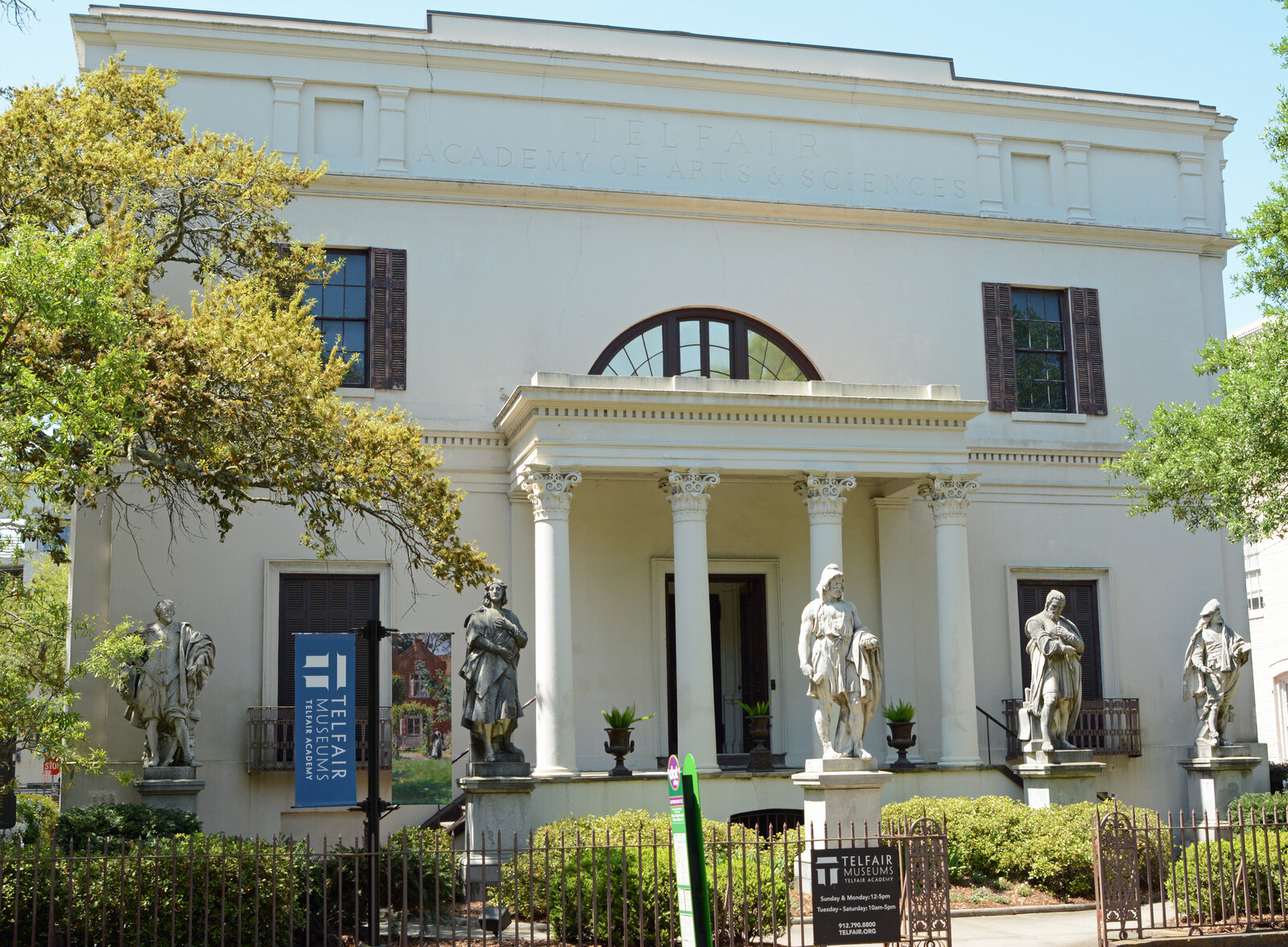
Telfair Academy
121 Barnard Street, Savannah, GA 31401
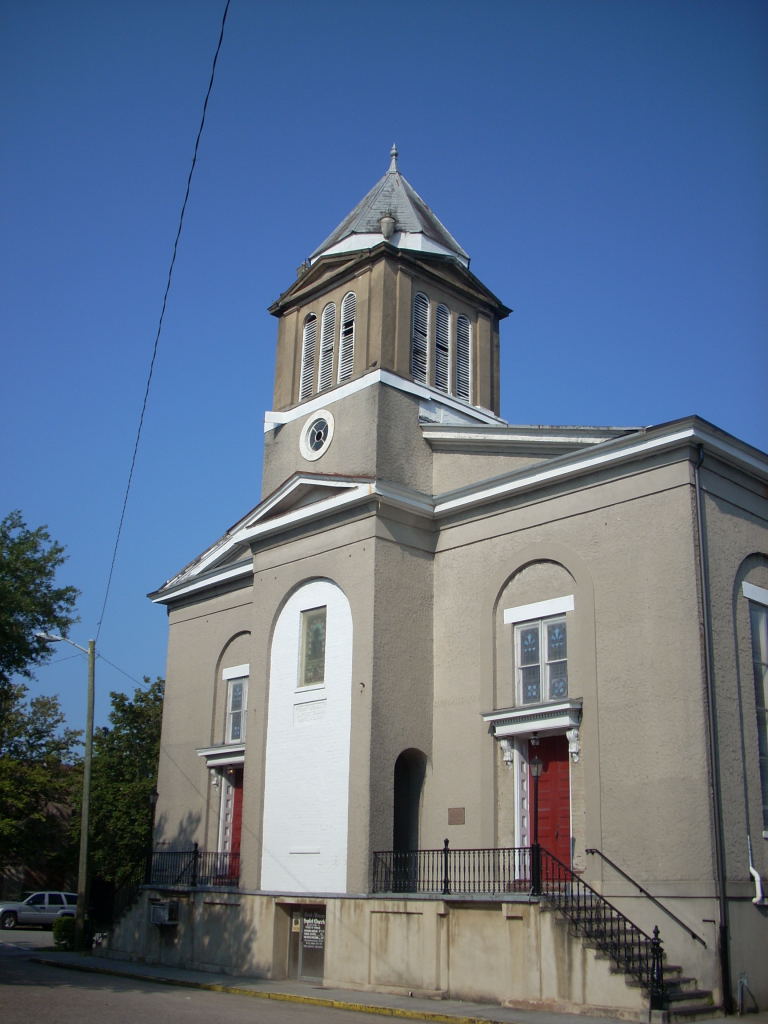
First African Baptist Church
23 Montgomery Street, Savannah, GA 31401
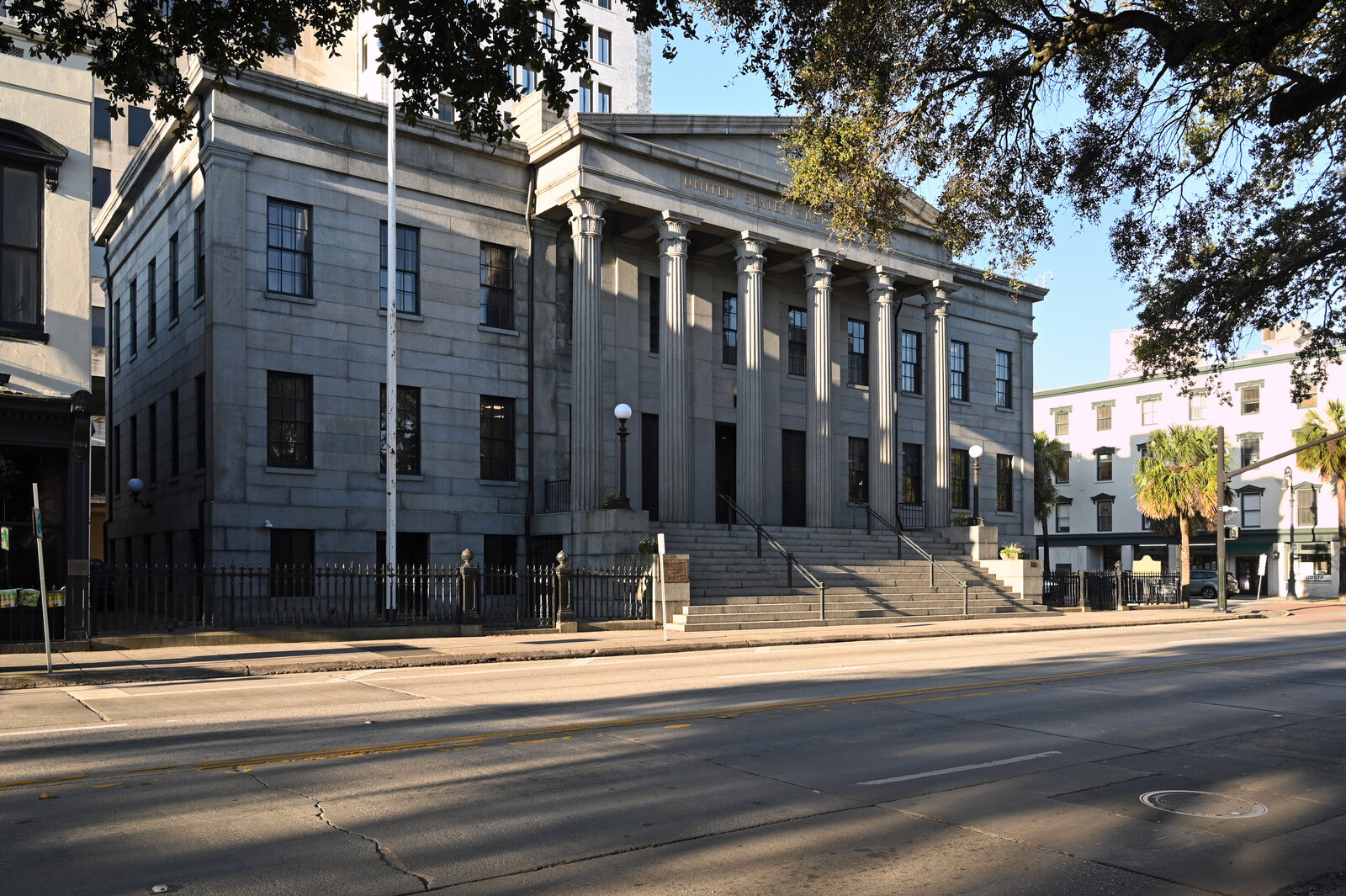
United States Custom House
1 E Bay Street, Savannah, GA 31401
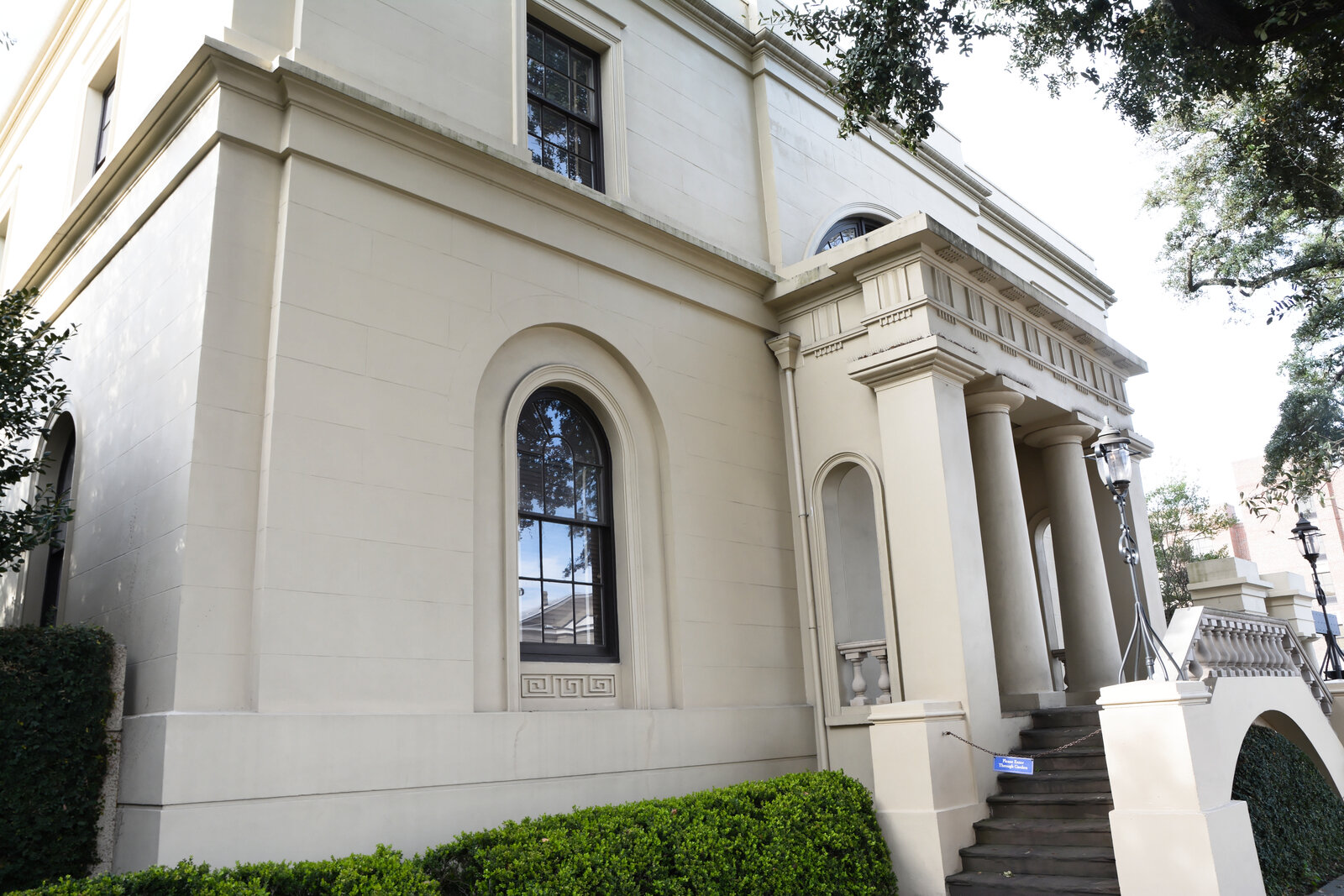
William Scarbrough House
41 MLK Jr Blvd, Savannah, GA 31401
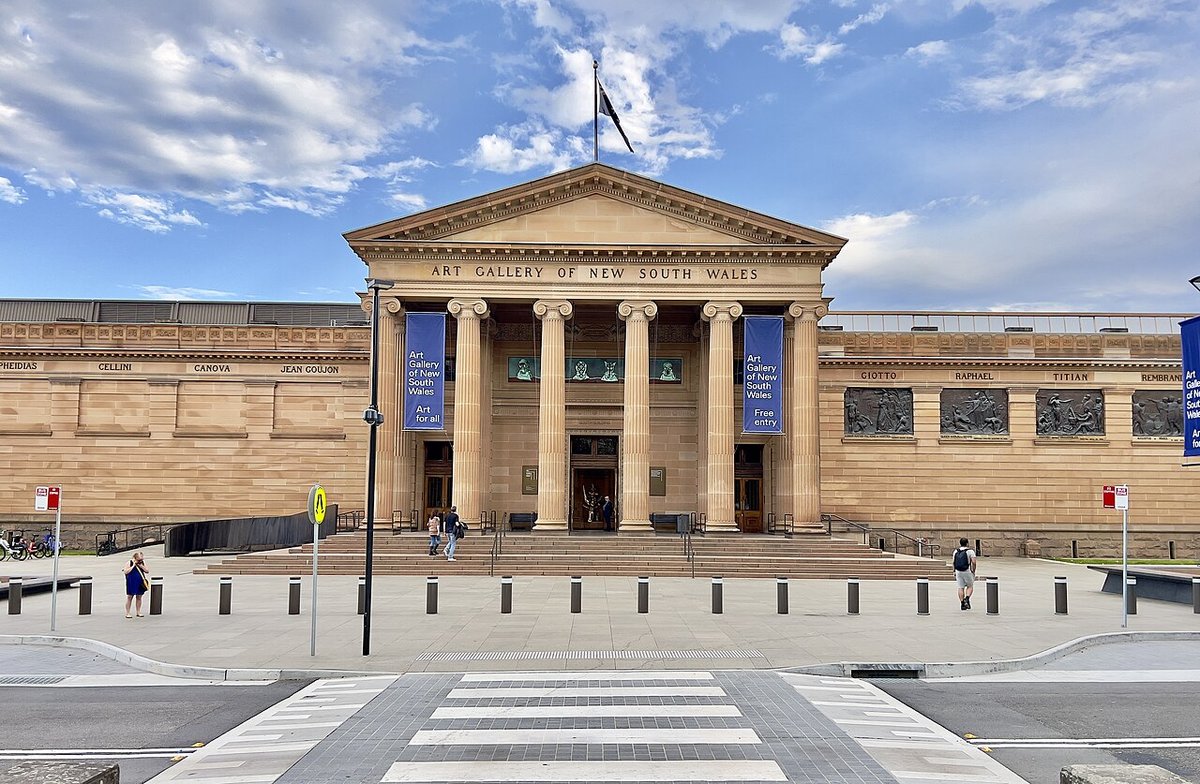
Art Gallery of New South Wales
Art Gallery Rd, Sydney NSW 2000, Australia
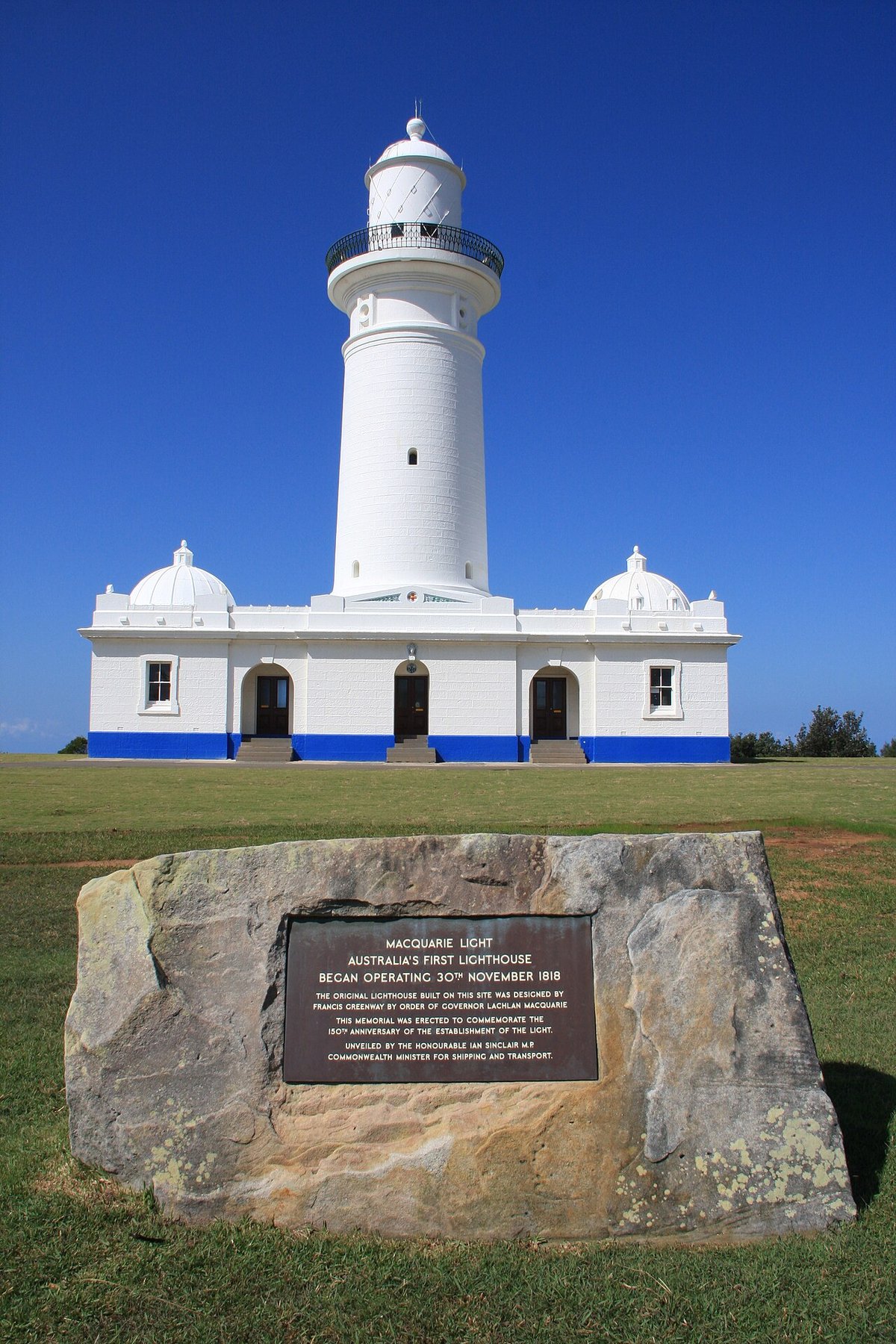
Macquarie Lighthouse
Old South Head Rd, Vaucluse NSW 2030, Australia
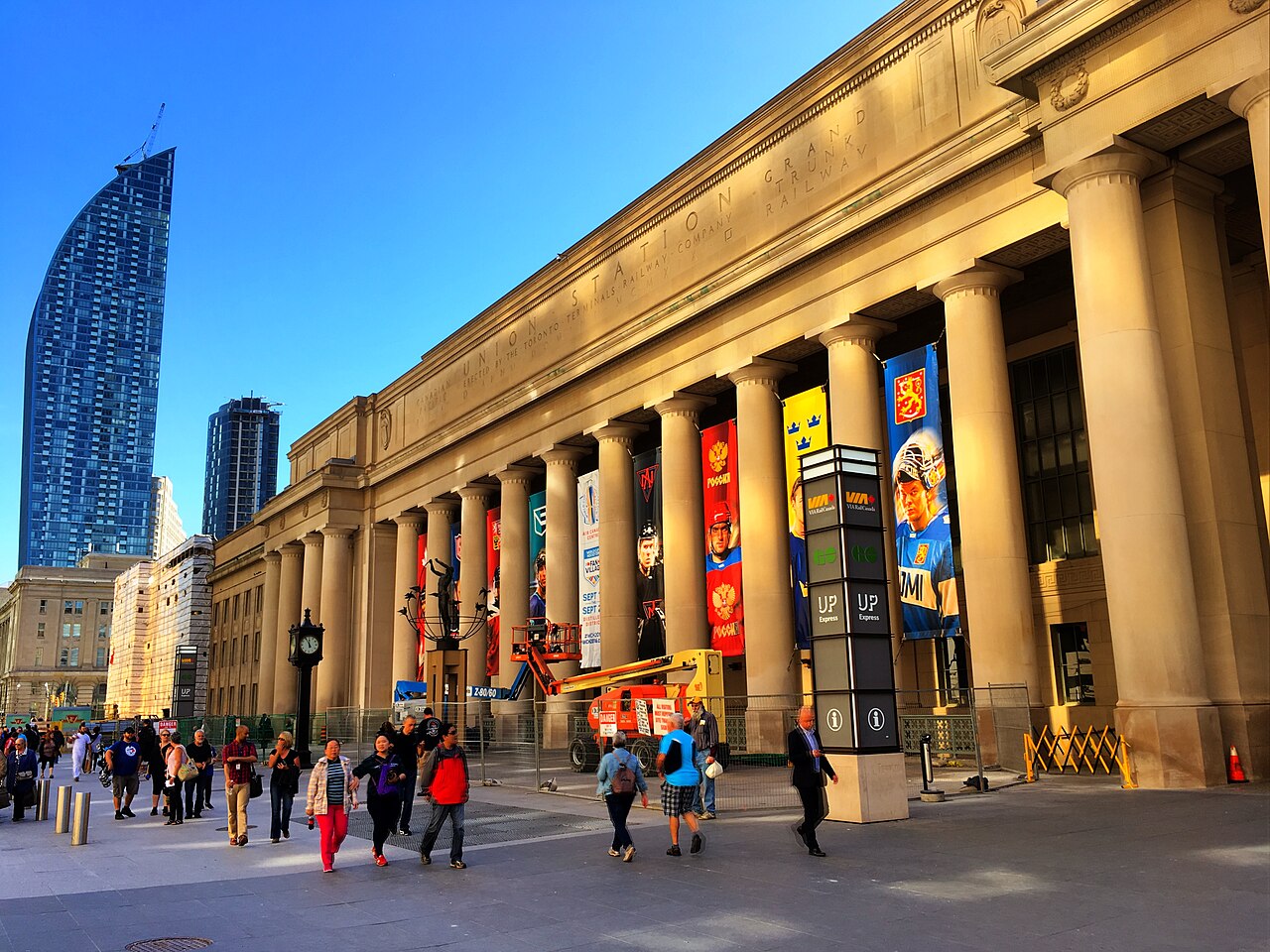
Union Station
65 Front St W, Toronto, ON
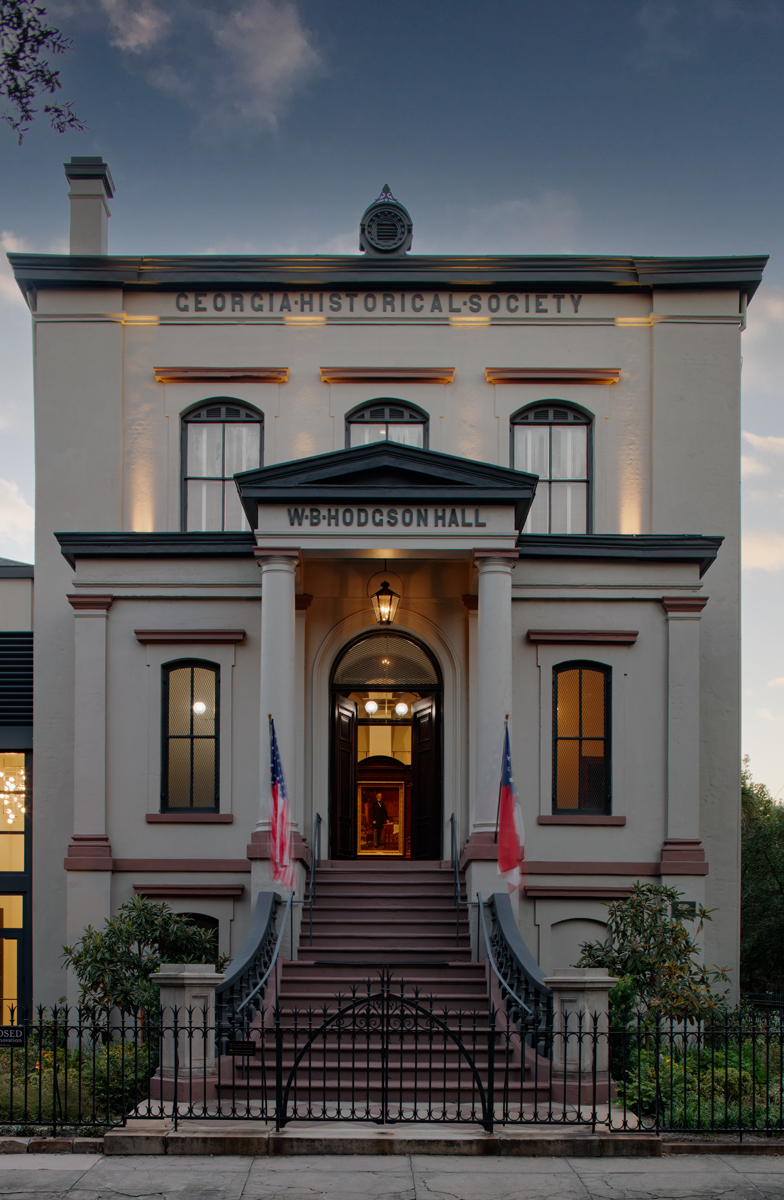
Hodgson Hall
501 Whitaker St, Savannah, GA 31401
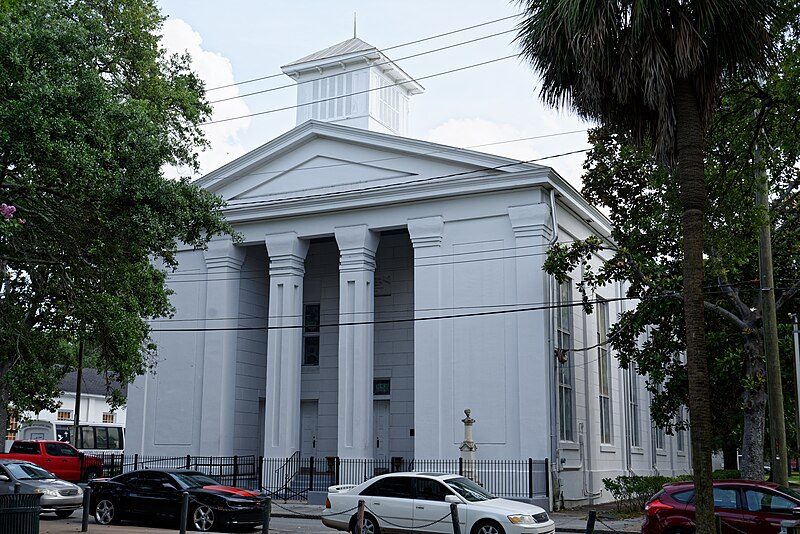
First Bryan Baptist Church
575 W Bryan St, Savannah, GA 31401
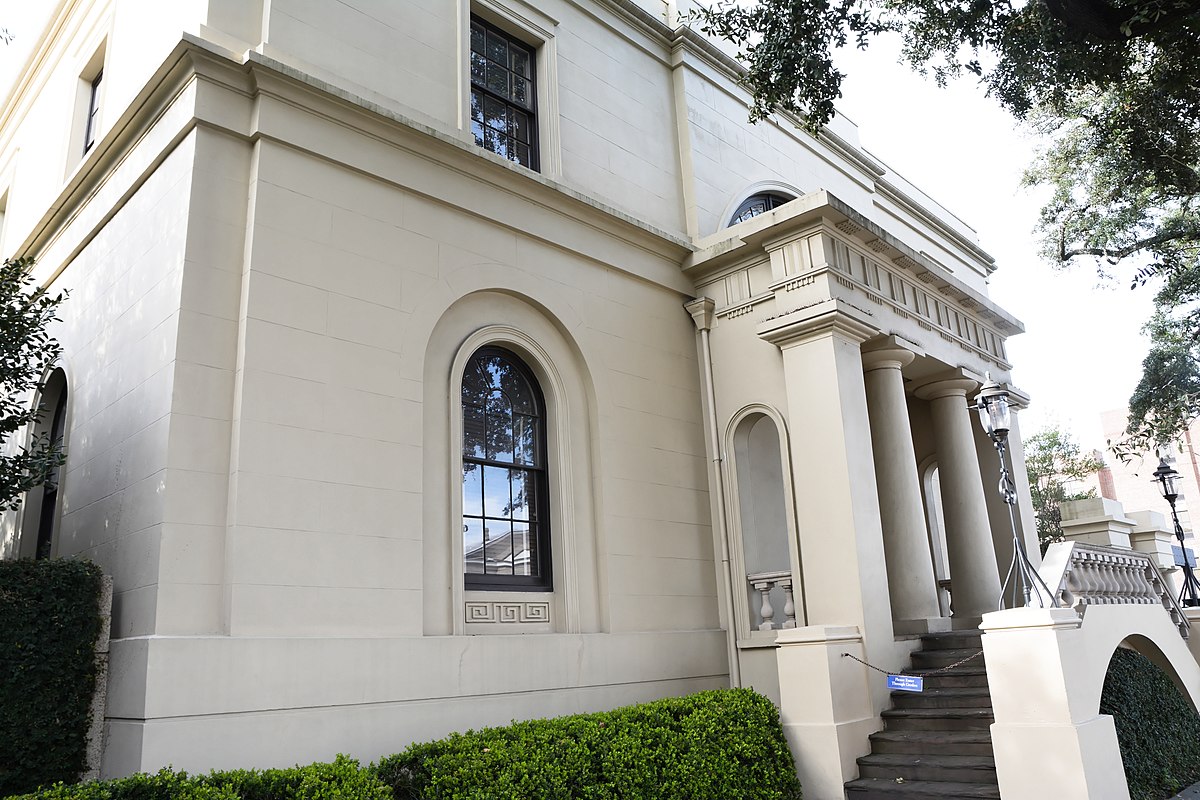
William Scarbrough House
41 Martin Luther King Jr Blvd, Savannah, GA 31401
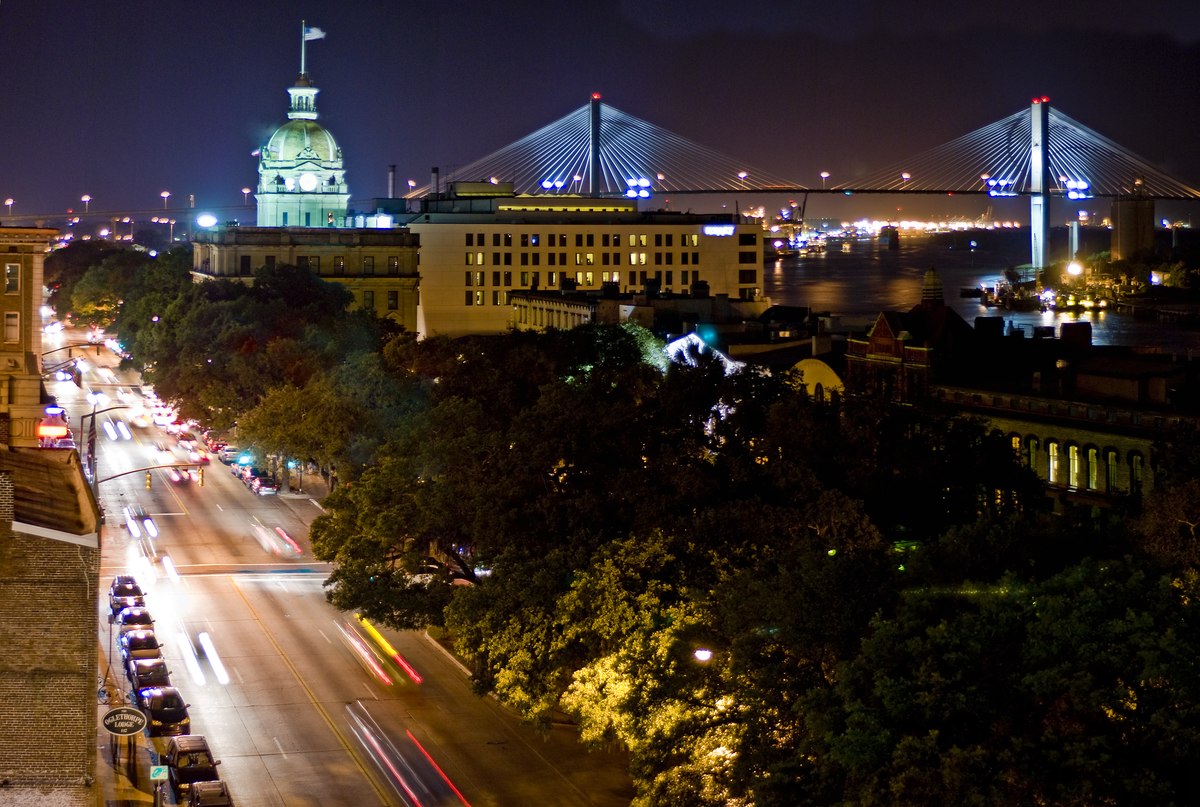
Juliette Gordon Low Birthplace
10 E Oglethorpe Ave, Savannah, GA 31401
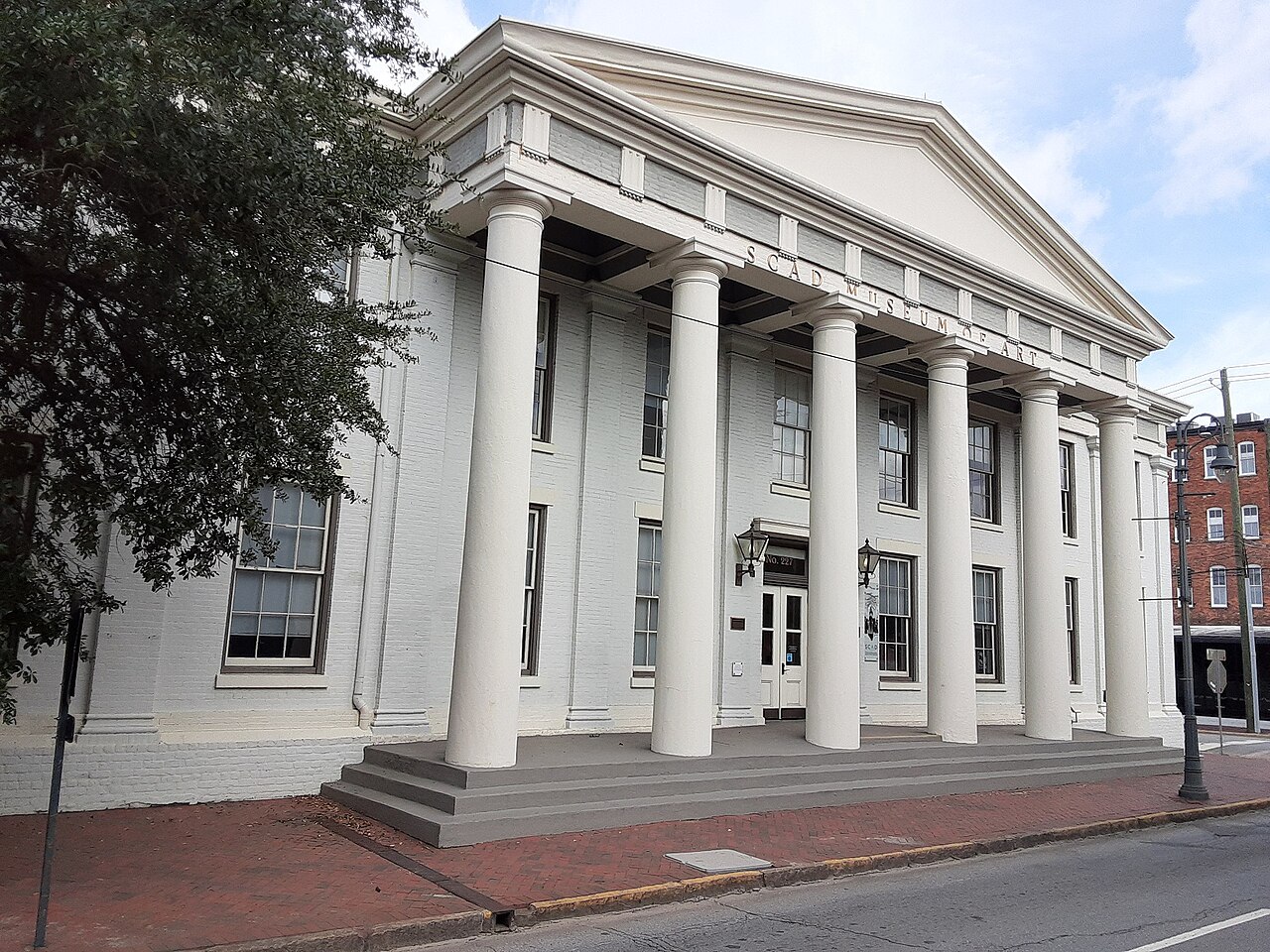
Savannah Civic Center
301 W Oglethorpe Ave, Savannah, GA 31401
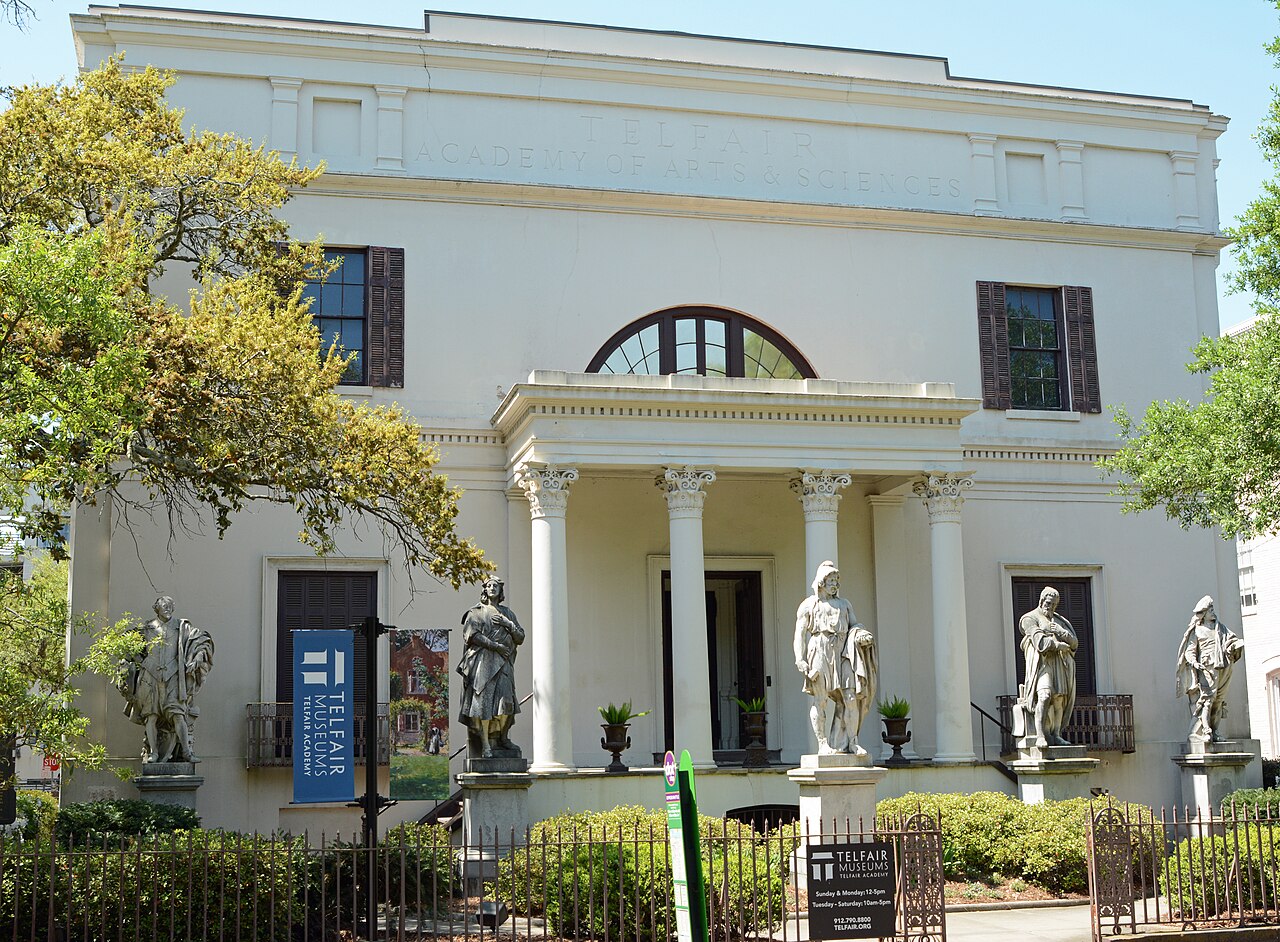
Massie Heritage Center
207 E Gordon St, Savannah, GA 31401
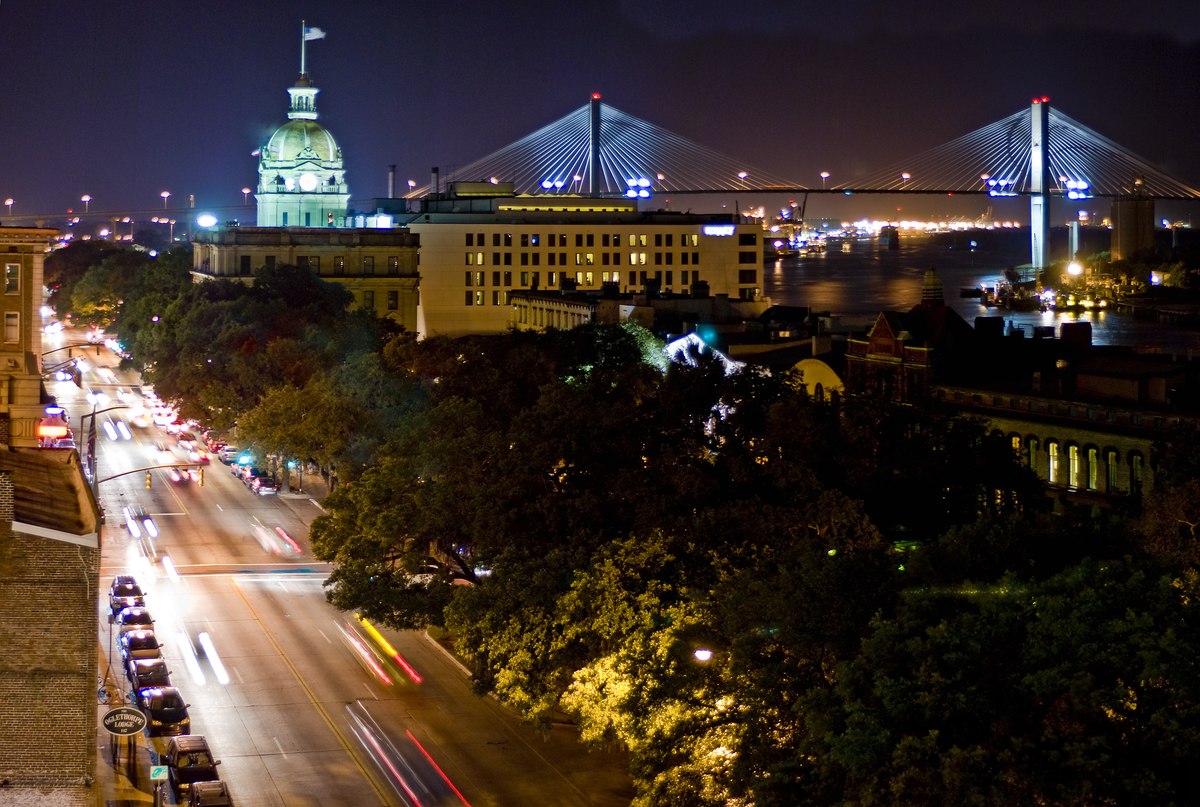
Savannah Theatre
222 Bull St, Savannah, GA 31401
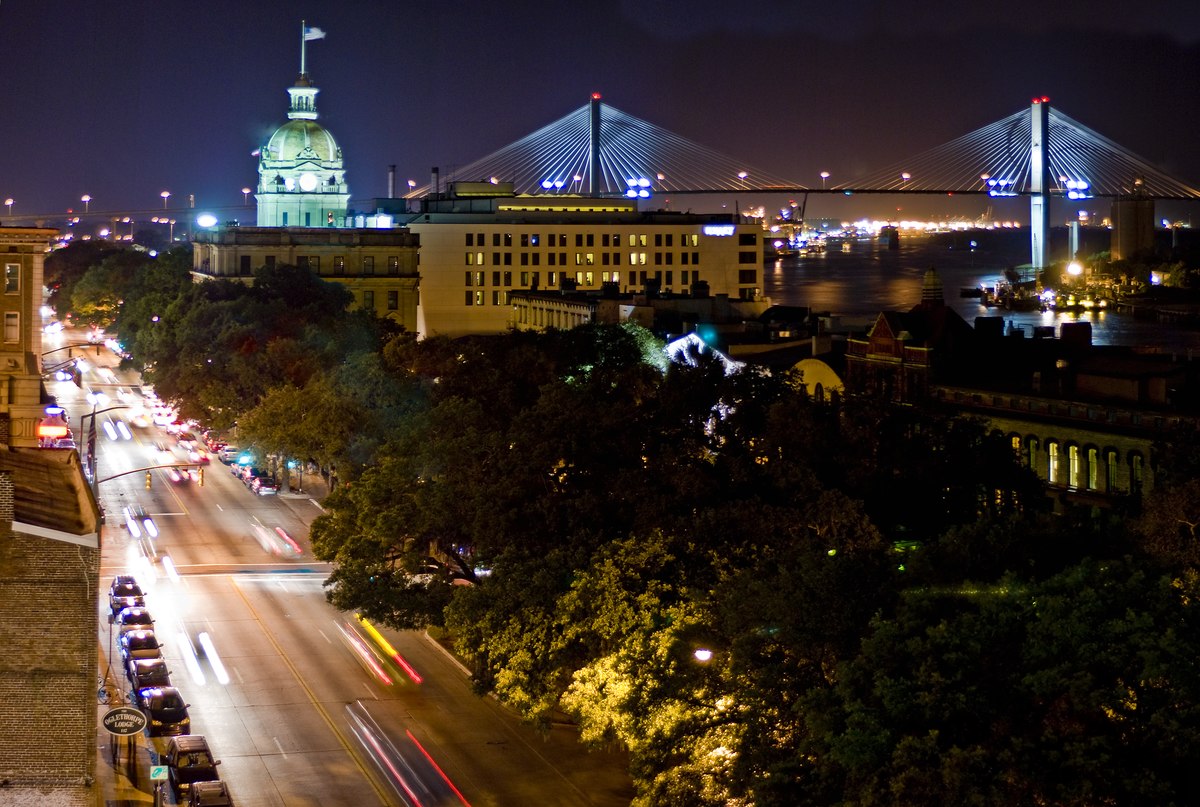
Factors Walk
River St area, Savannah, GA 31401
Where to Find Neoclassical Architecture
Related Styles
Why Neoclassical Matters Today
Neoclassical architecture gave democratic nations a visual language of governance and civic life that remains powerful today. Its insistence on proportion, clarity, and classical beauty continues to influence architects who seek to create buildings with timeless dignity.