Mediterranean Revival Architecture — A Guide
Overview
Mediterranean Revival architecture captured the American imagination during the 1920s boom years, evoking the warmth, romance, and leisure of Southern European living. Blending Spanish, Italian, and Moorish influences, the style created a fantasy of Mediterranean life perfectly suited to the sun-drenched climates of Florida, California, and the American Southwest.
Architect Addison Mizner is credited with popularizing the style in Palm Beach, Florida, beginning in 1918 with the Everglades Club. His romantic, loosely historical designs — featuring arched loggias, tiled courtyards, and ornamental ironwork — established a template that was widely copied throughout Florida and Southern California. The style experienced a major revival in the 1980s–2000s as a popular choice for upscale residential development.
Key Characteristics
- Stucco walls in white, cream, or earth tones
- Red clay barrel-tile roofs
- Arched windows, doorways, and loggias
- Wrought iron balconies, railings, and light fixtures
- Interior courtyards with fountains and lush planting
- Asymmetrical massing with towers and varied rooflines
Famous Examples Worldwide
Everglades Club
Palm Beach, 1919
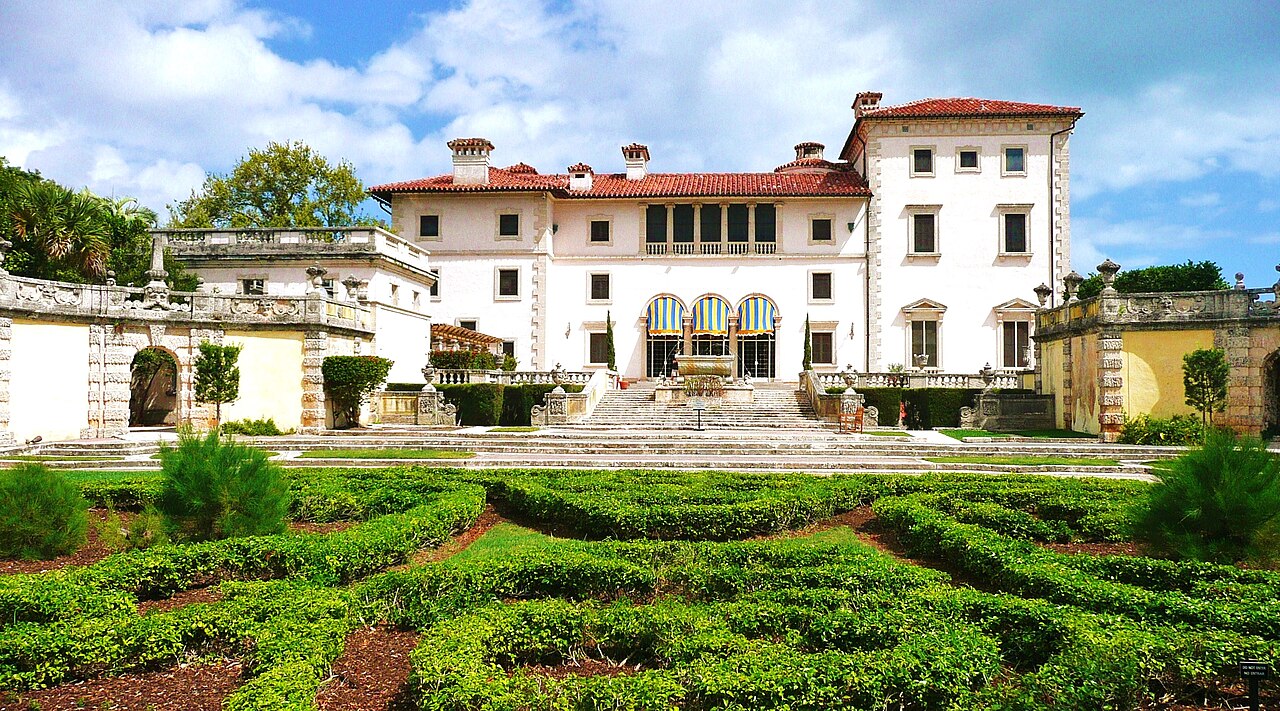
Santa Barbara County Courthouse
Santa Barbara, 1929
Buildings in Our Library (47)
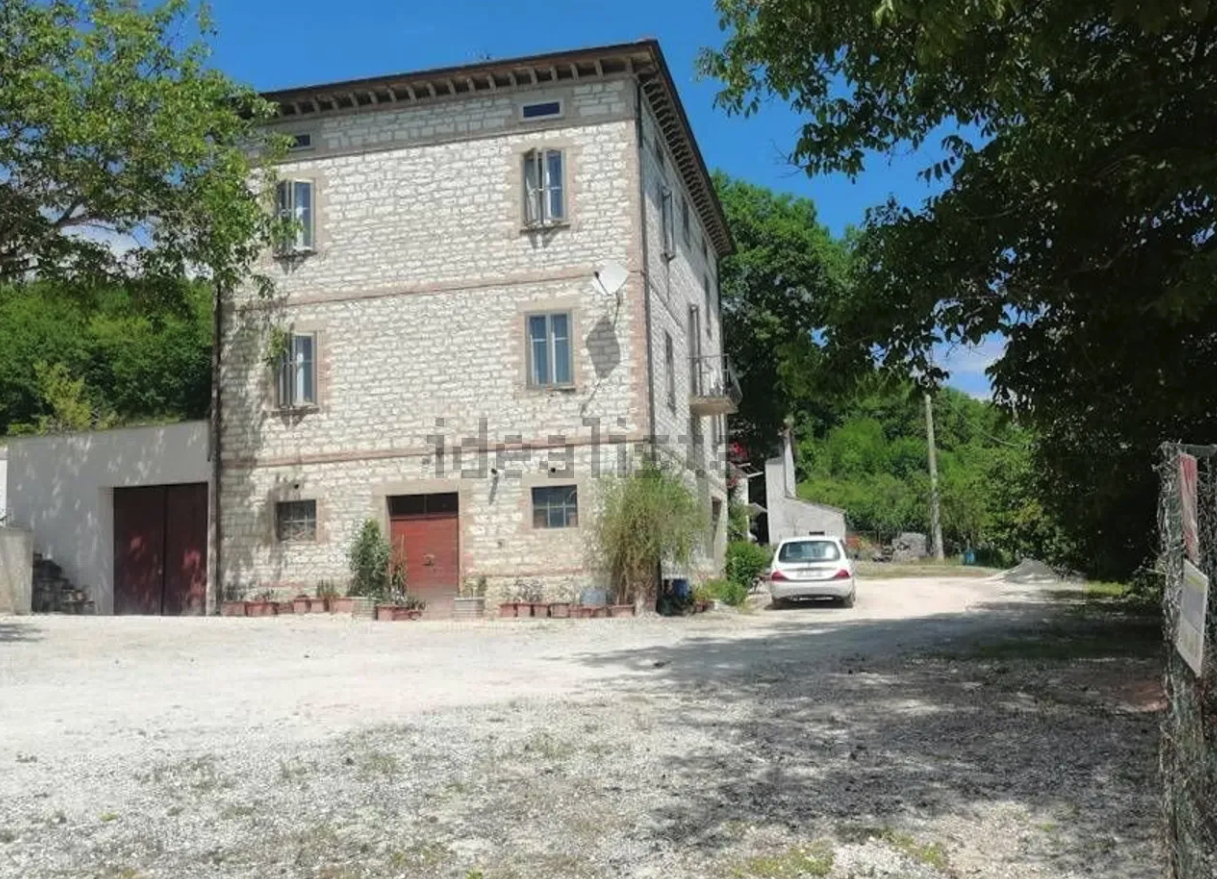
Stone House
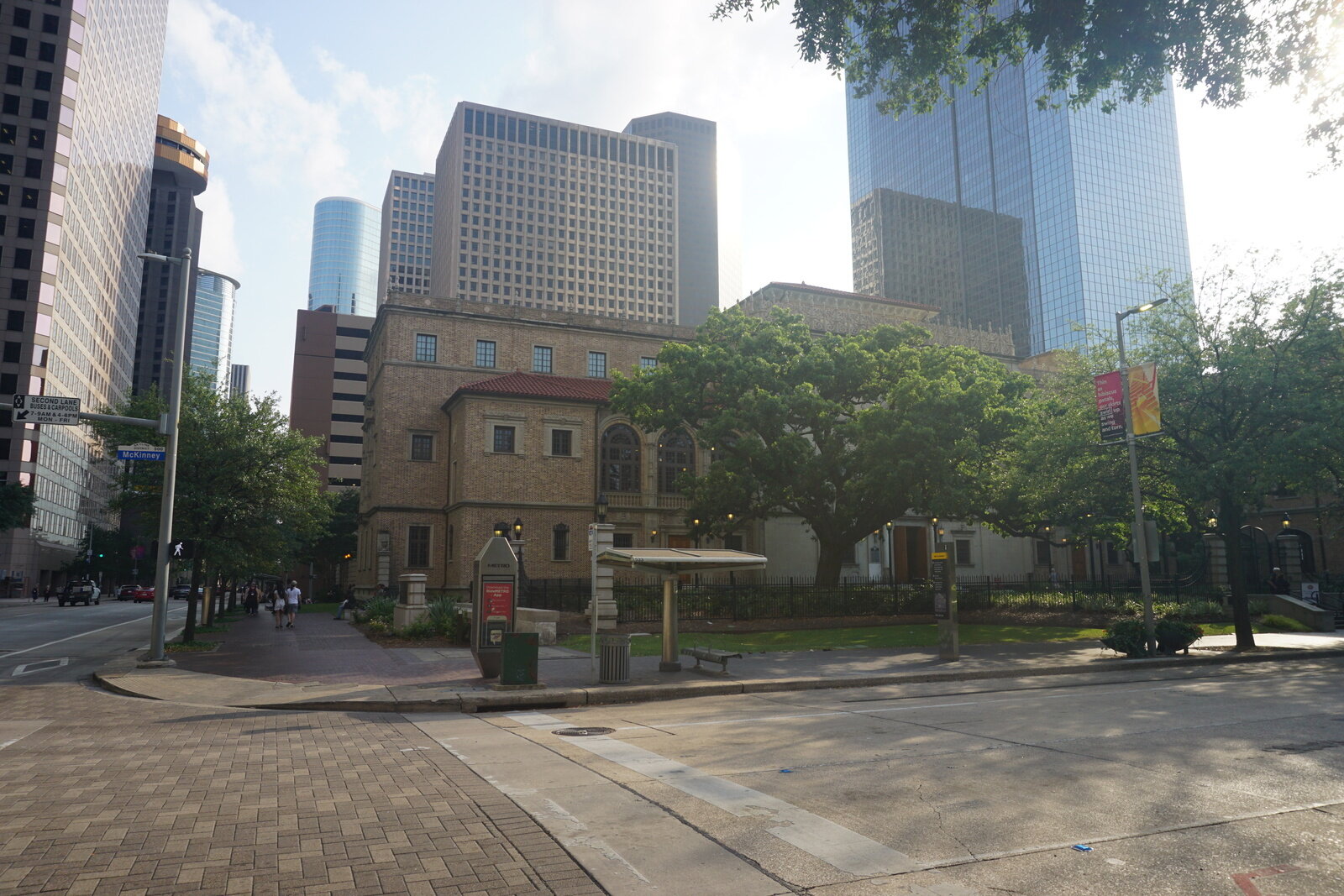
Julia Ideson Building
550 McKinney St, Houston, TX 77002
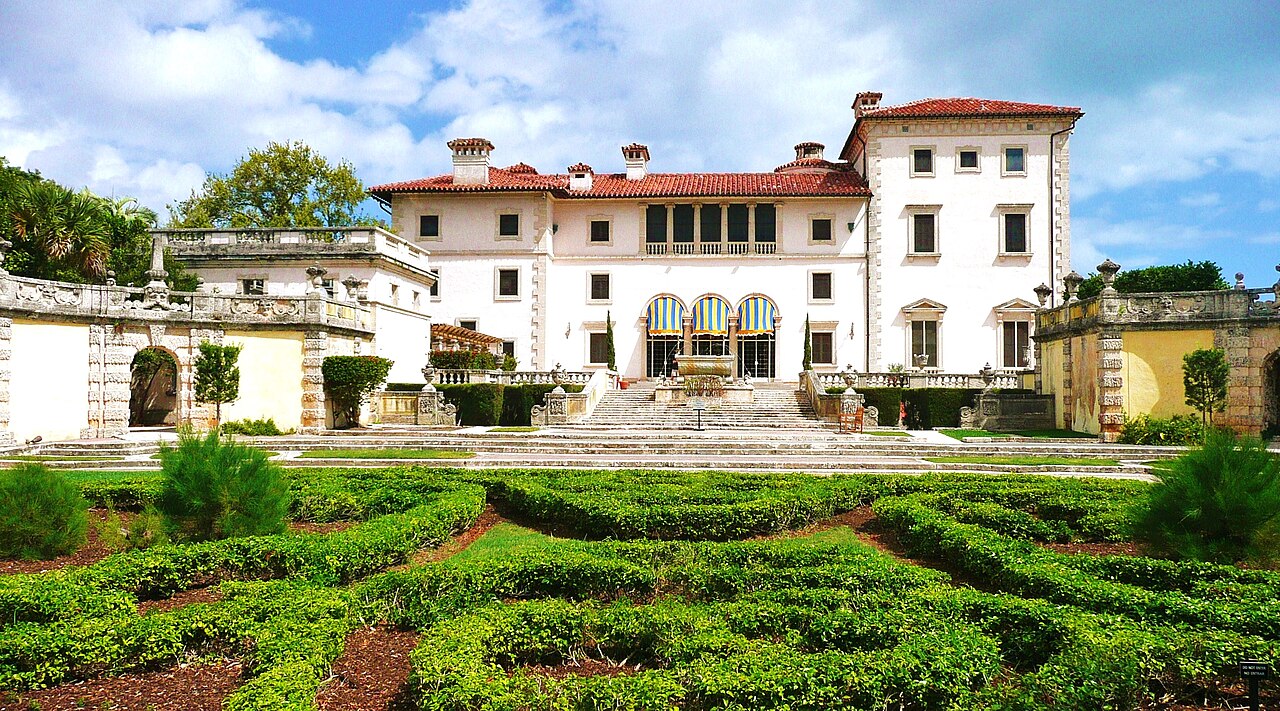
Stiltsville Historic District
Biscayne Bay, Miami, FL 33149
Seaquarium Entrance
4400 Rickenbacker Cswy, Key Biscayne, FL 33149
Olympia Theater
174 E Flagler St, Miami, FL 33131
Biltmore Hotel
1200 Anastasia Ave, Coral Gables, FL 33134
Coral Gables City Hall
405 Biltmore Way, Coral Gables, FL 33134
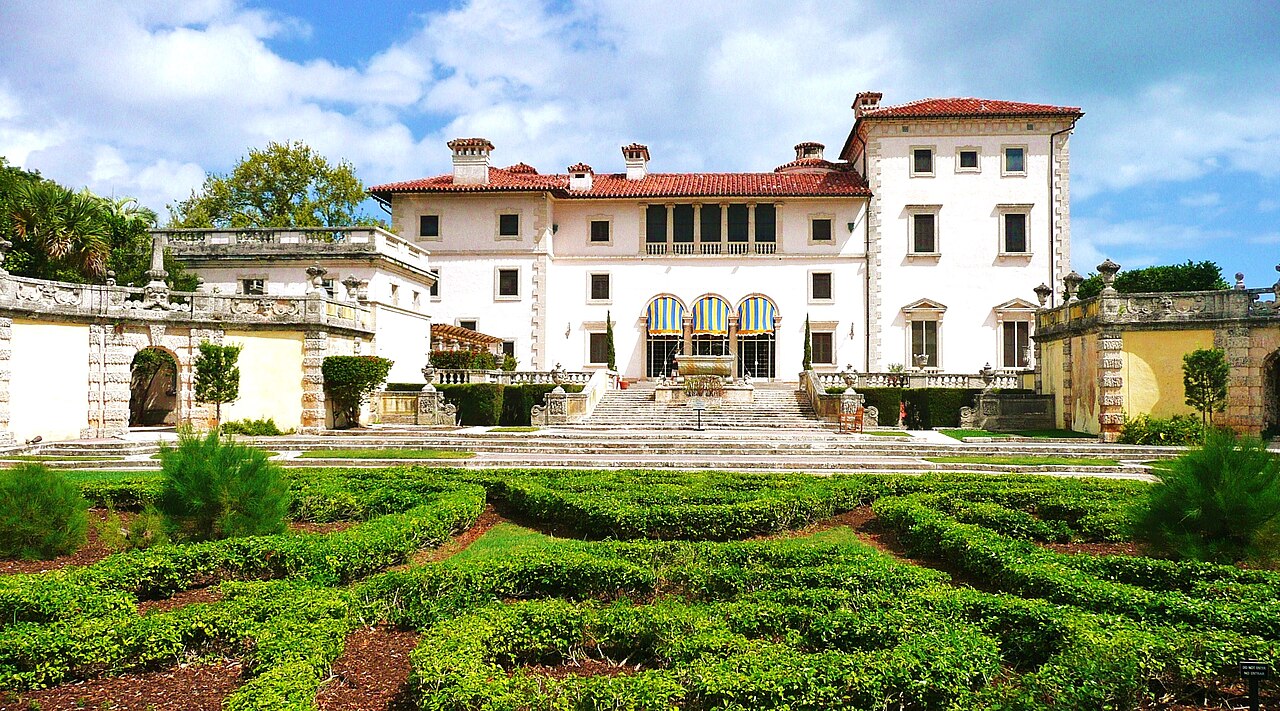
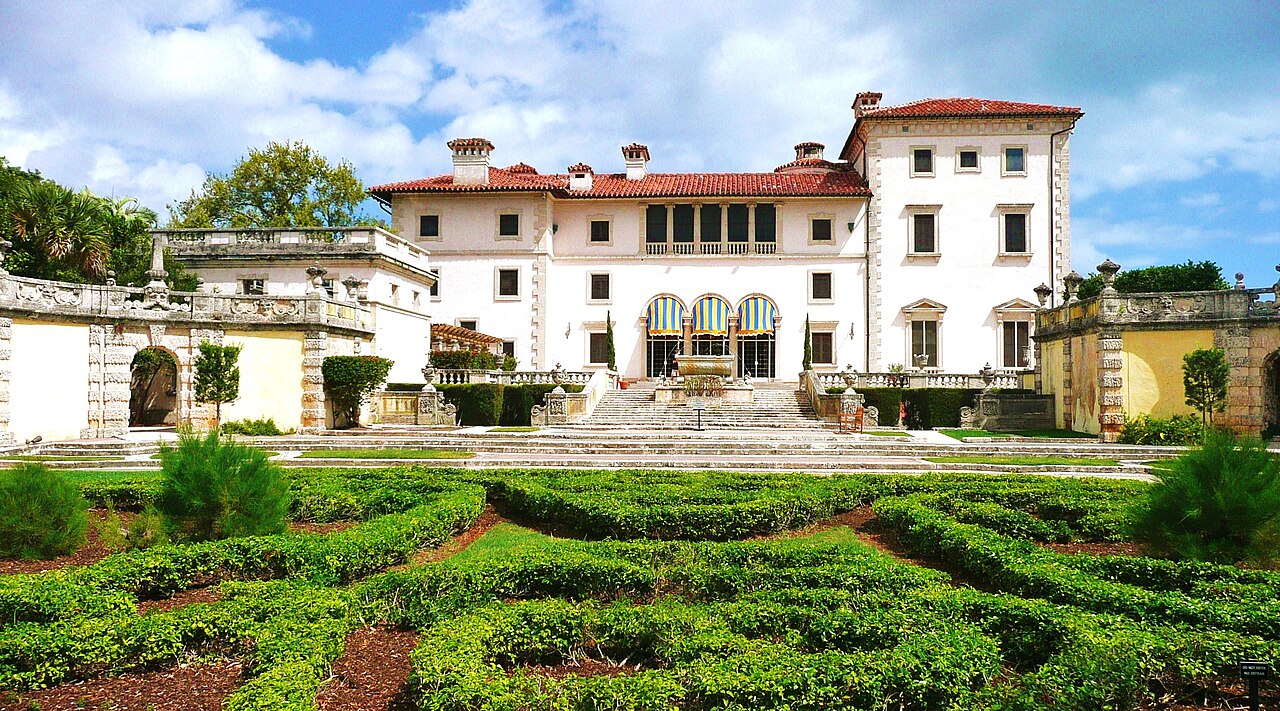
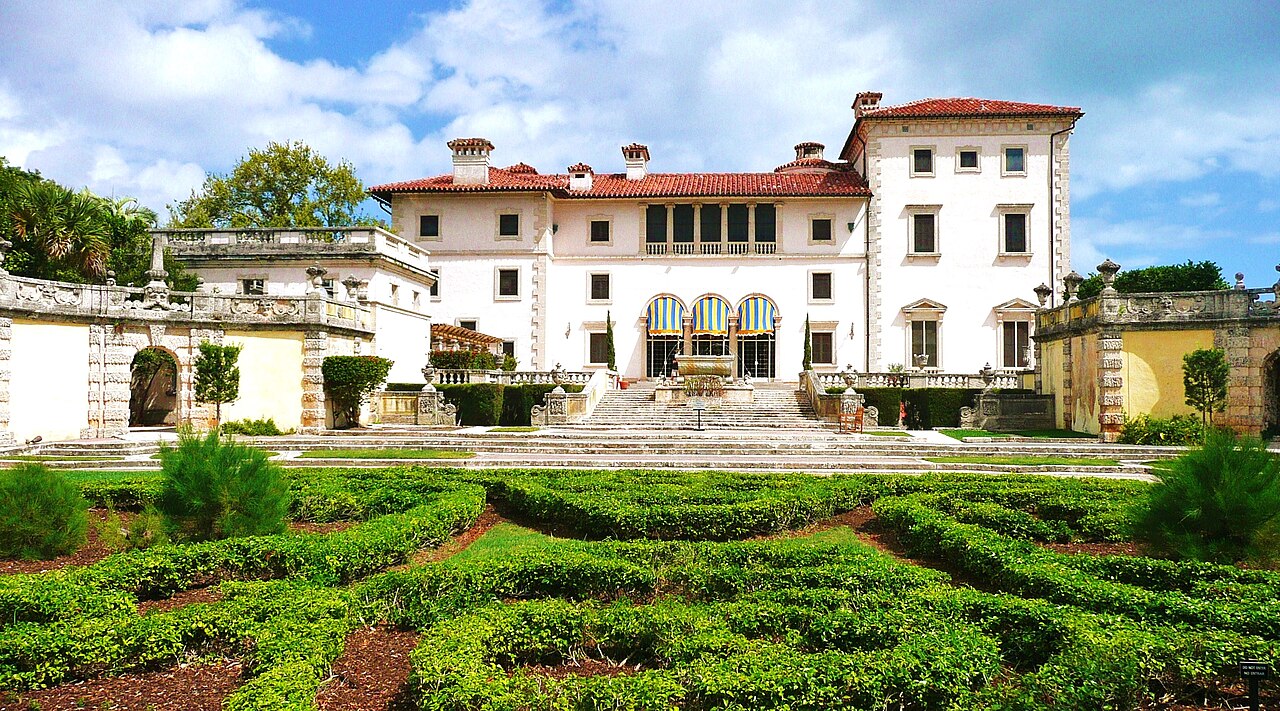
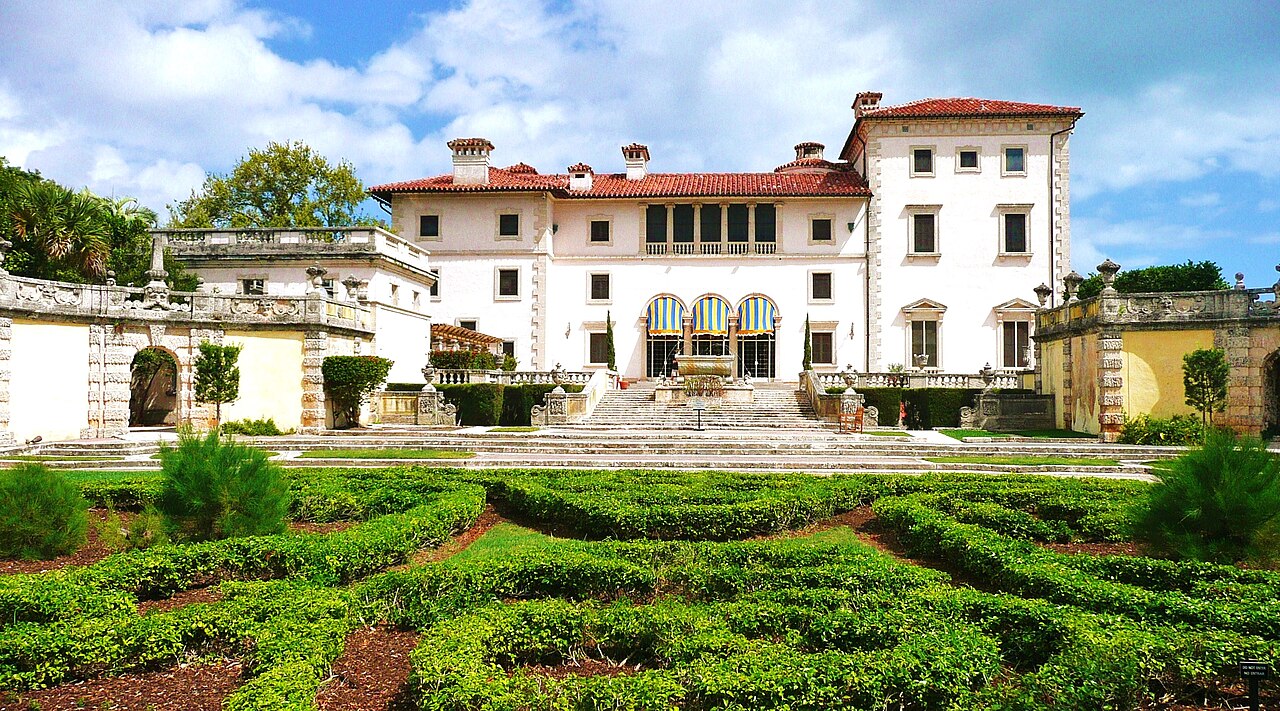
Vizcaya Museum and Gardens
3251 S Miami Ave, Miami, FL 33129
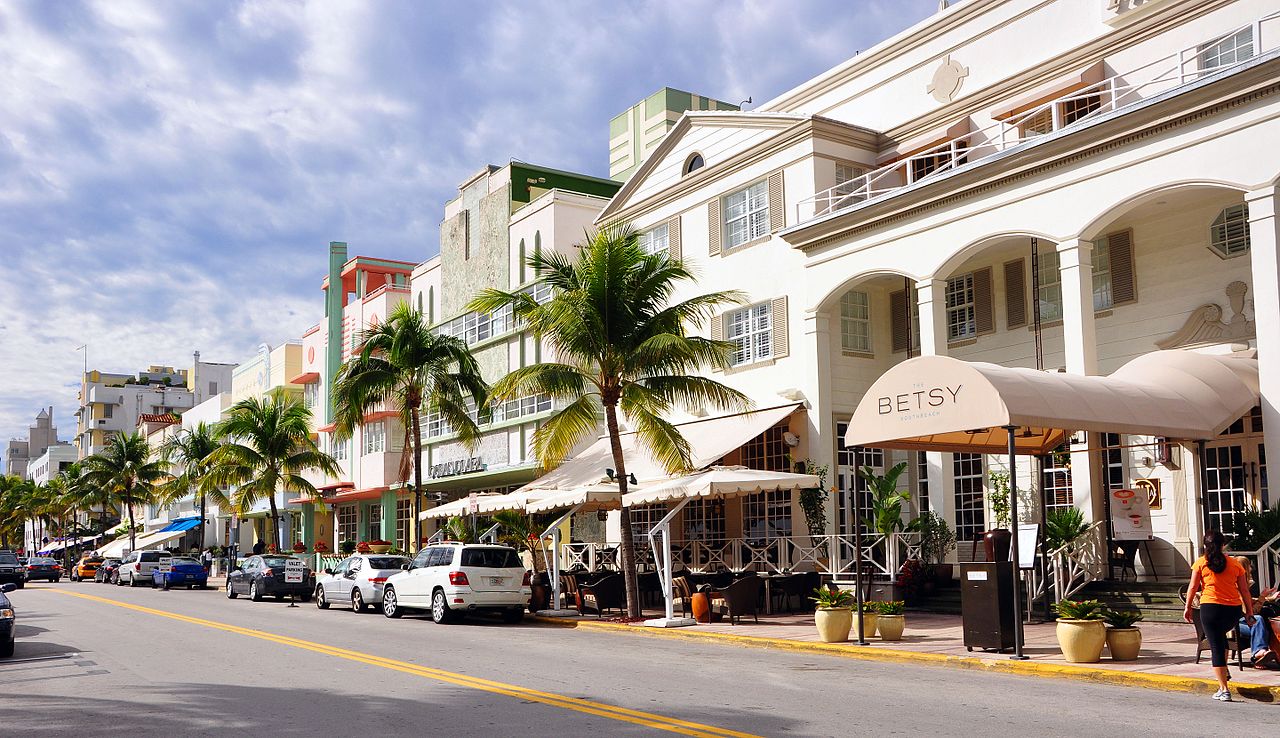
Deauville Beach Resort
6701 Collins Ave, Miami Beach, FL 33141
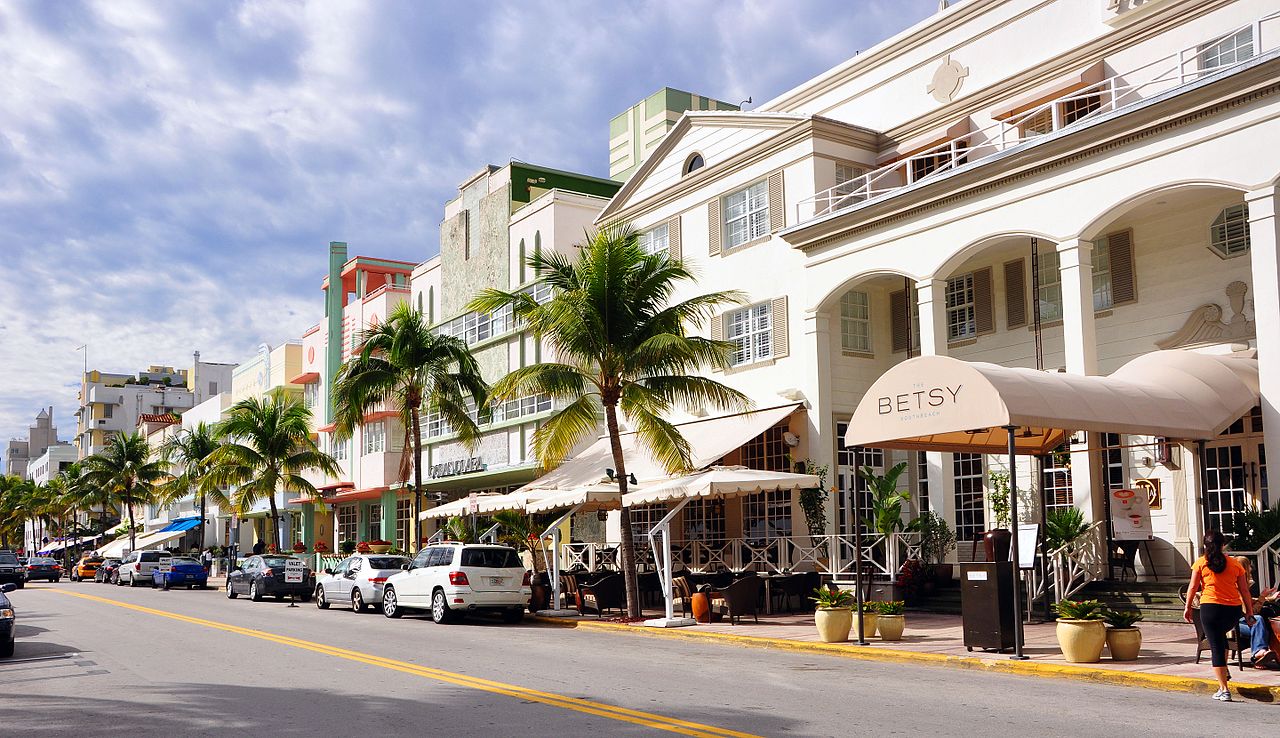
Vagabond Hotel
7301 Biscayne Blvd, Miami, FL 33138
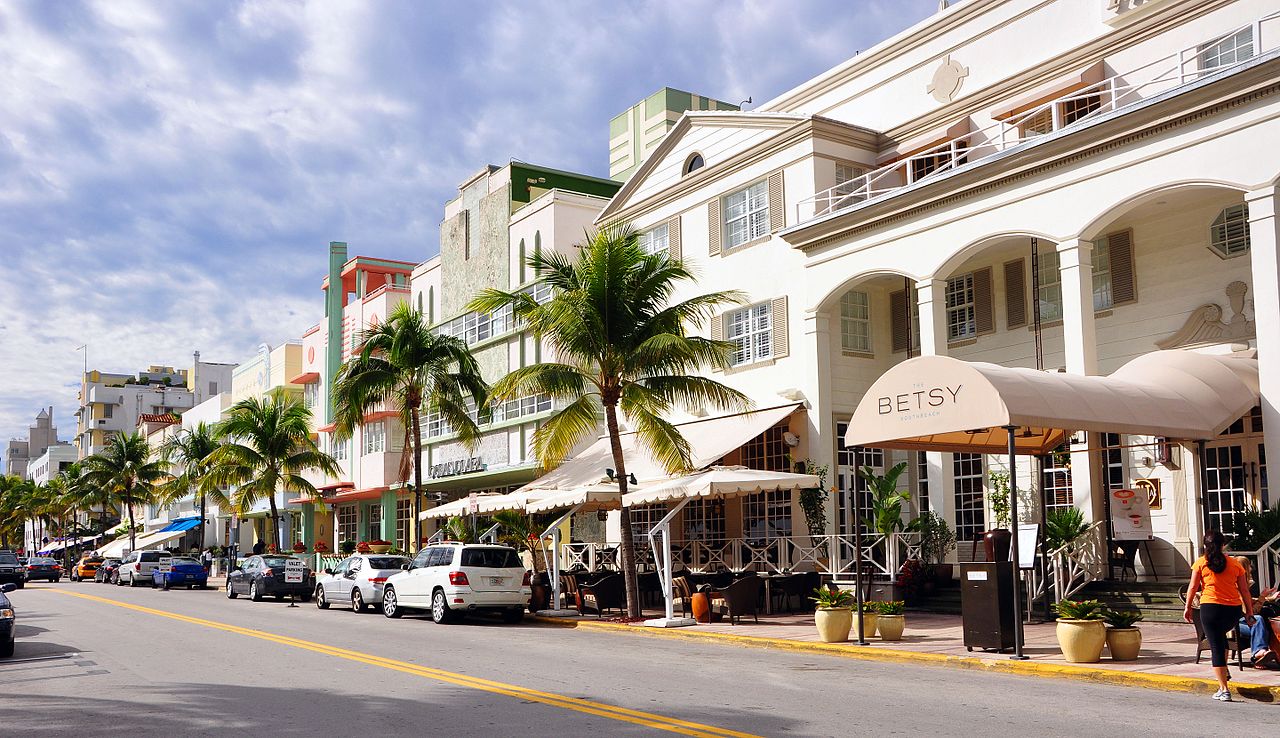
The Marlin
1200 Collins Ave, Miami Beach, FL 33139
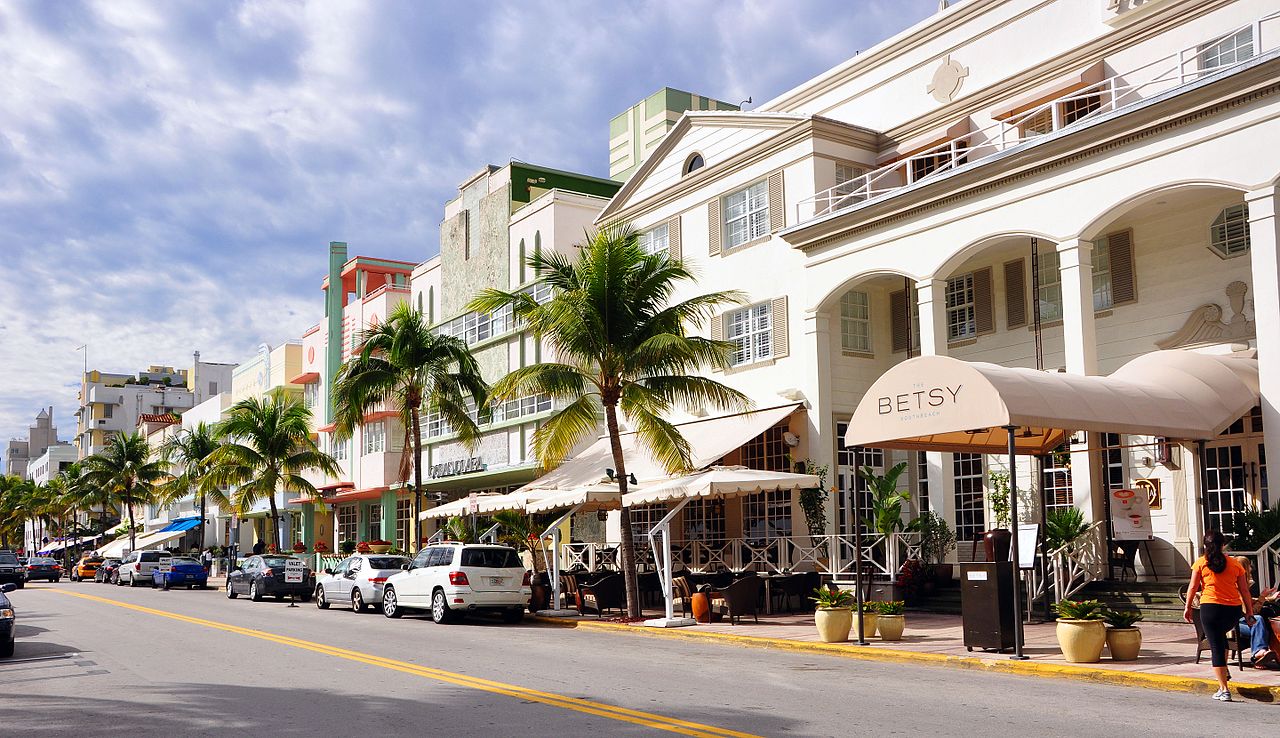
Waldorf Towers
860 Ocean Dr, Miami Beach, FL 33139
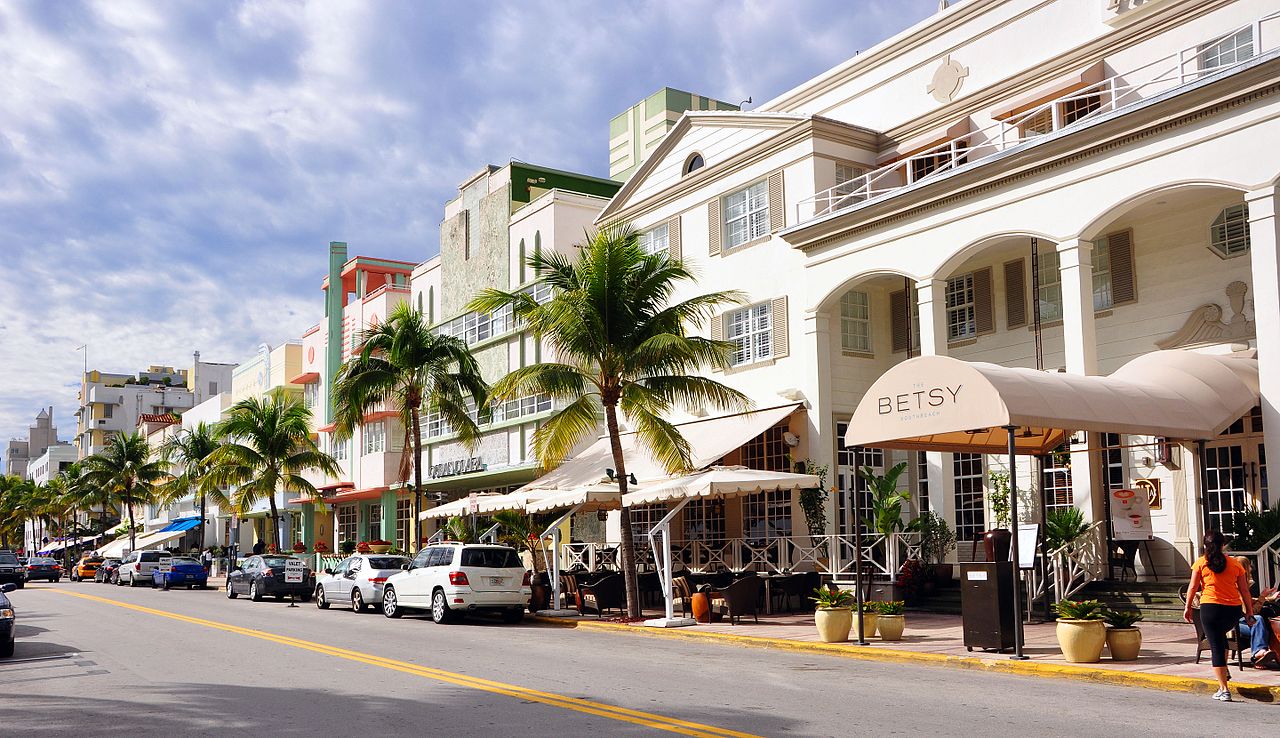
Park Central Hotel
640 Ocean Dr, Miami Beach, FL 33139
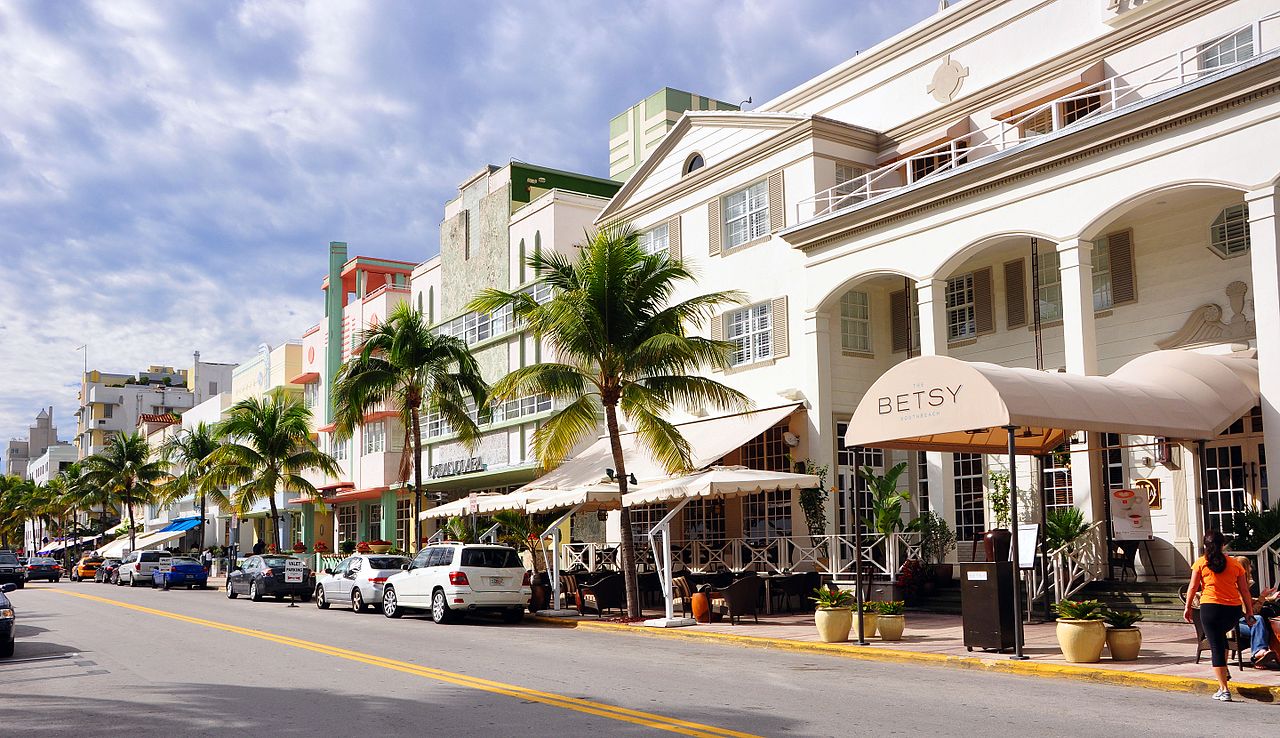
The Carlyle
1250 Ocean Dr, Miami Beach, FL 33139
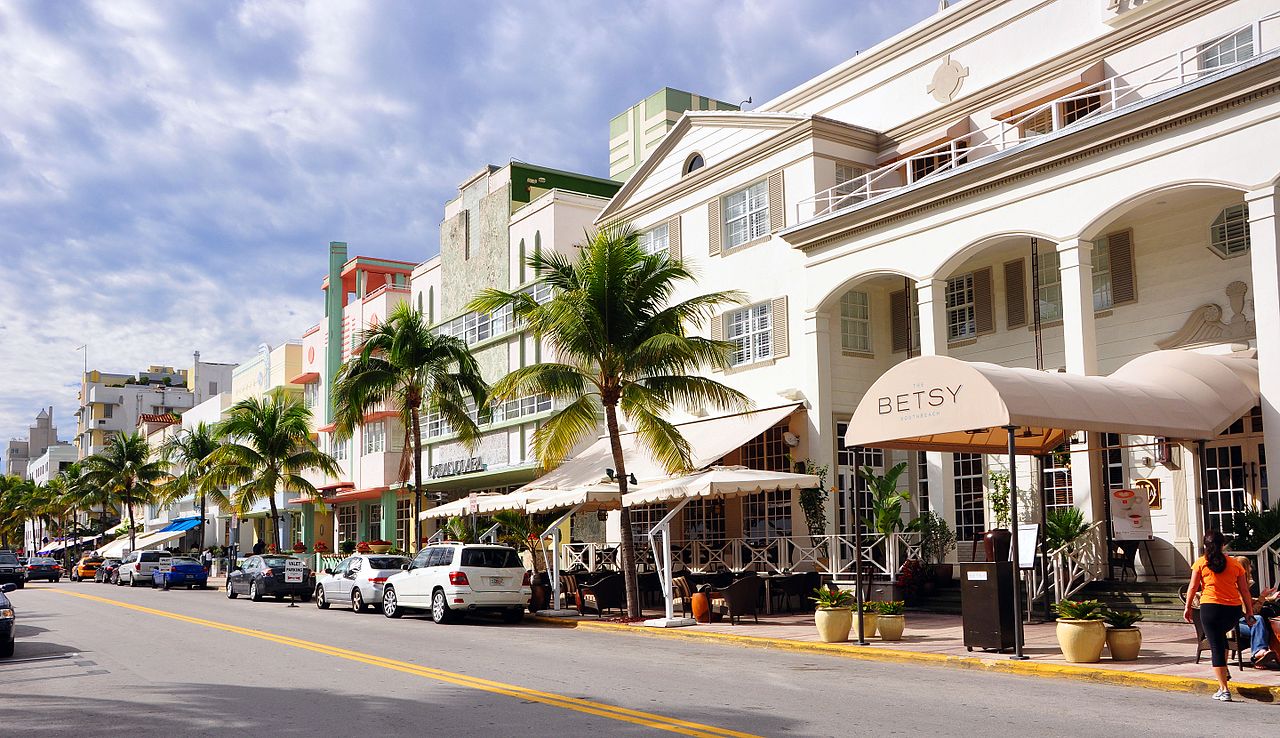
McAlpin Hotel
1424 Ocean Dr, Miami Beach, FL 33139
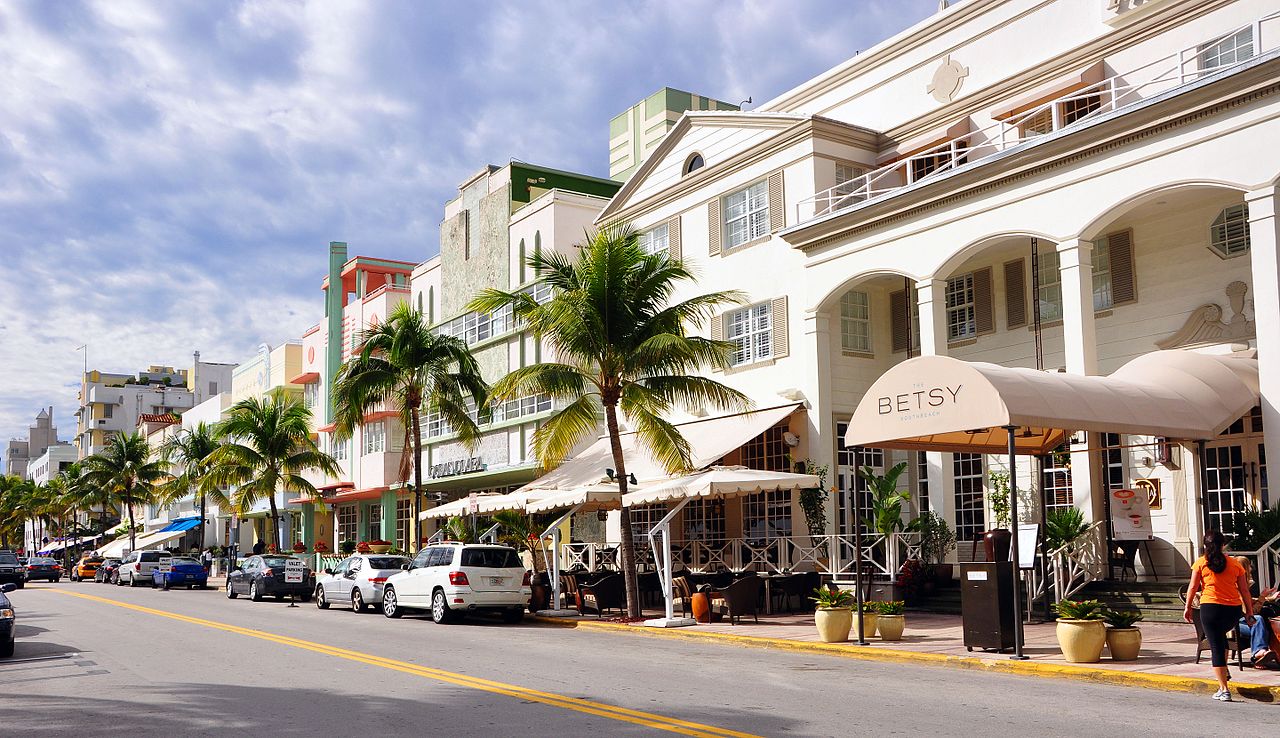
Cavalier Hotel
1320 Ocean Dr, Miami Beach, FL 33139
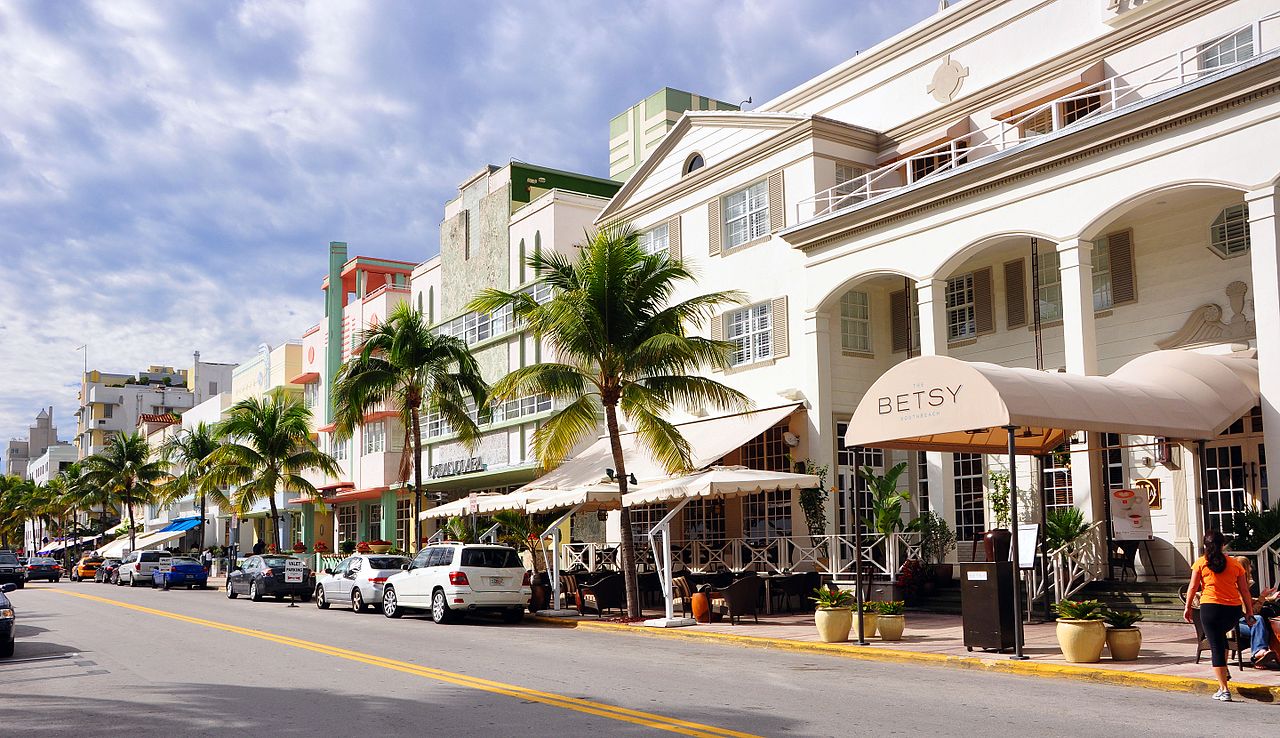
Colony Hotel
736 Ocean Dr, Miami Beach, FL 33139
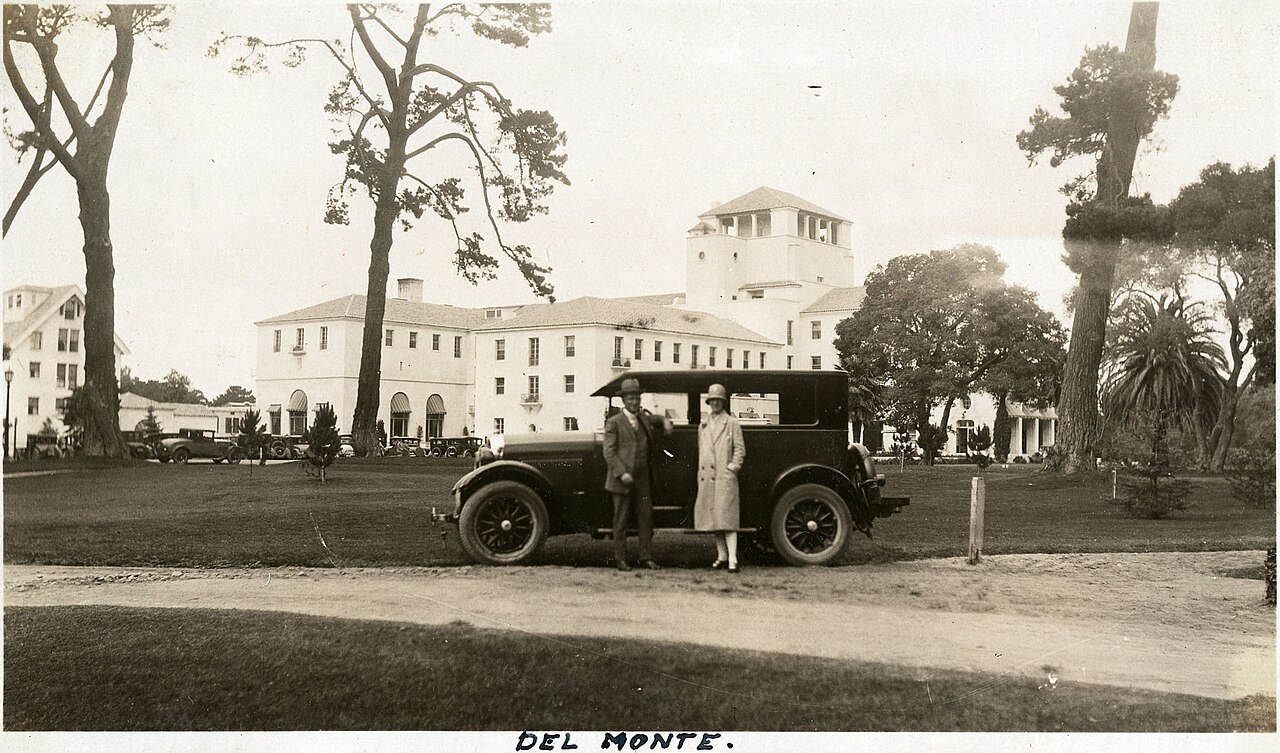
Hotel Del Monte
1 University Cir, Monterey, CA
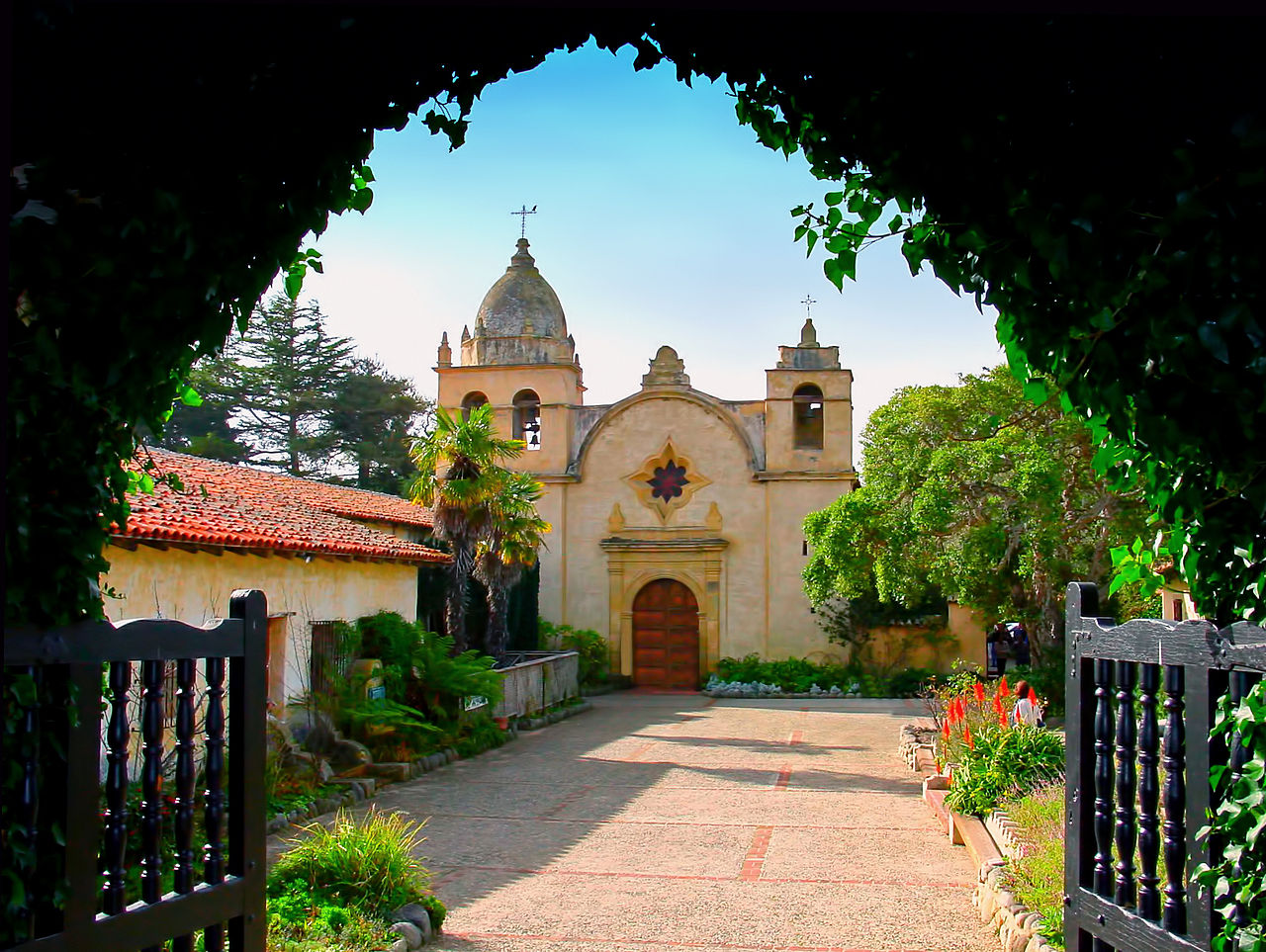
Carmel Mission
3080 Rio Rd, Carmel-by-the-Sea, CA
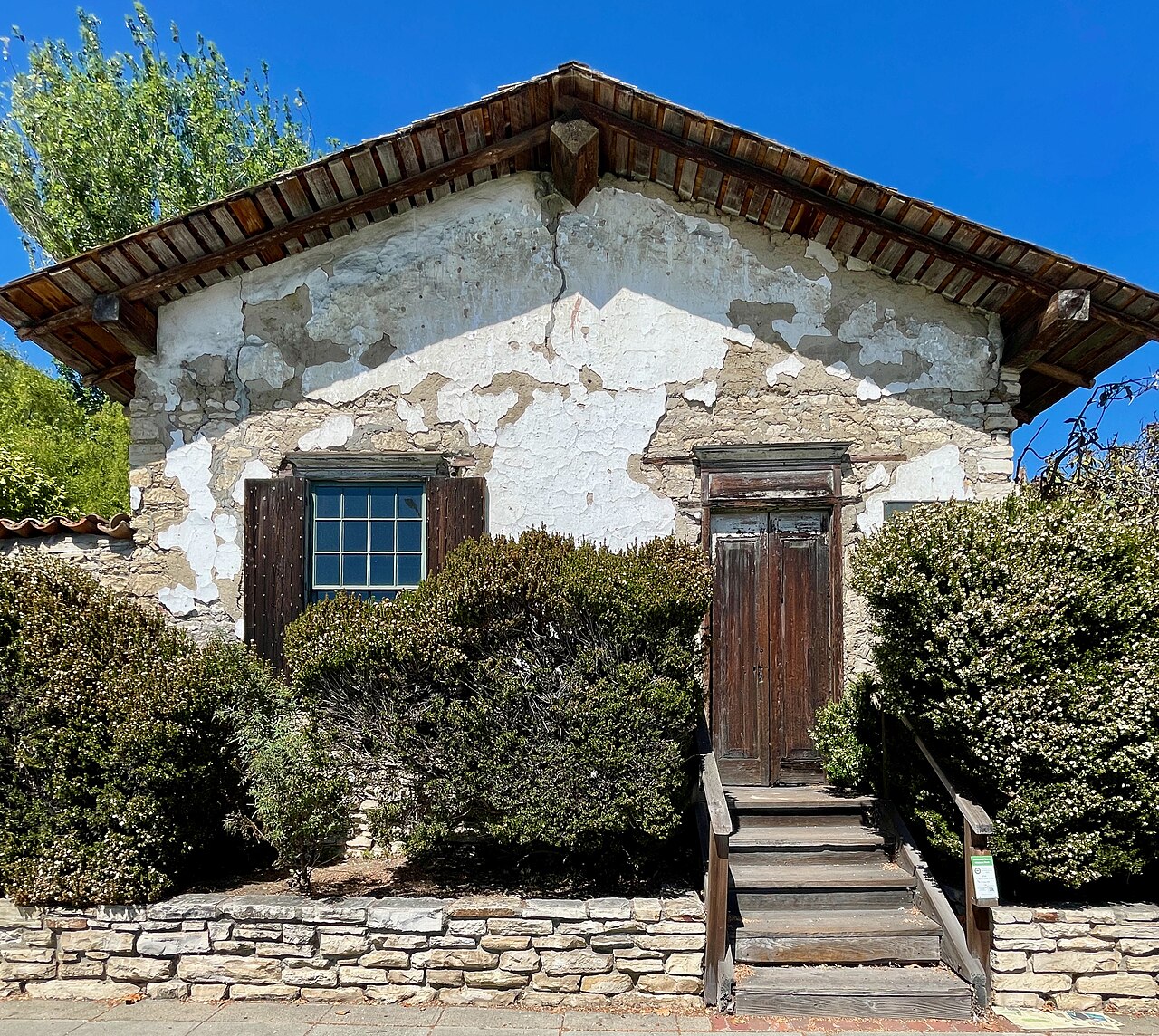
Sherman Quarters
510 Calle Principal, Monterey, CA
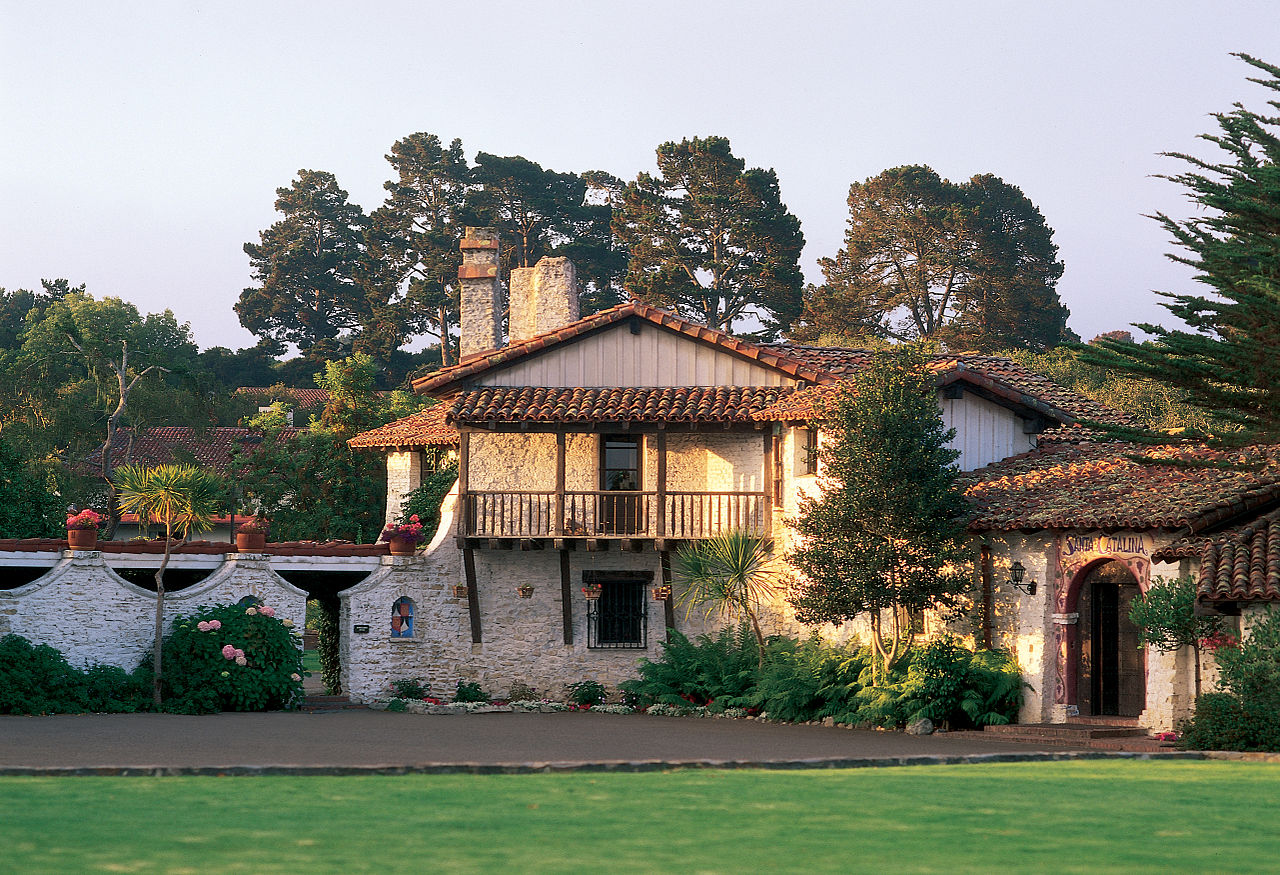
Santa Catalina School
1500 Mark Thomas Dr, Monterey, CA
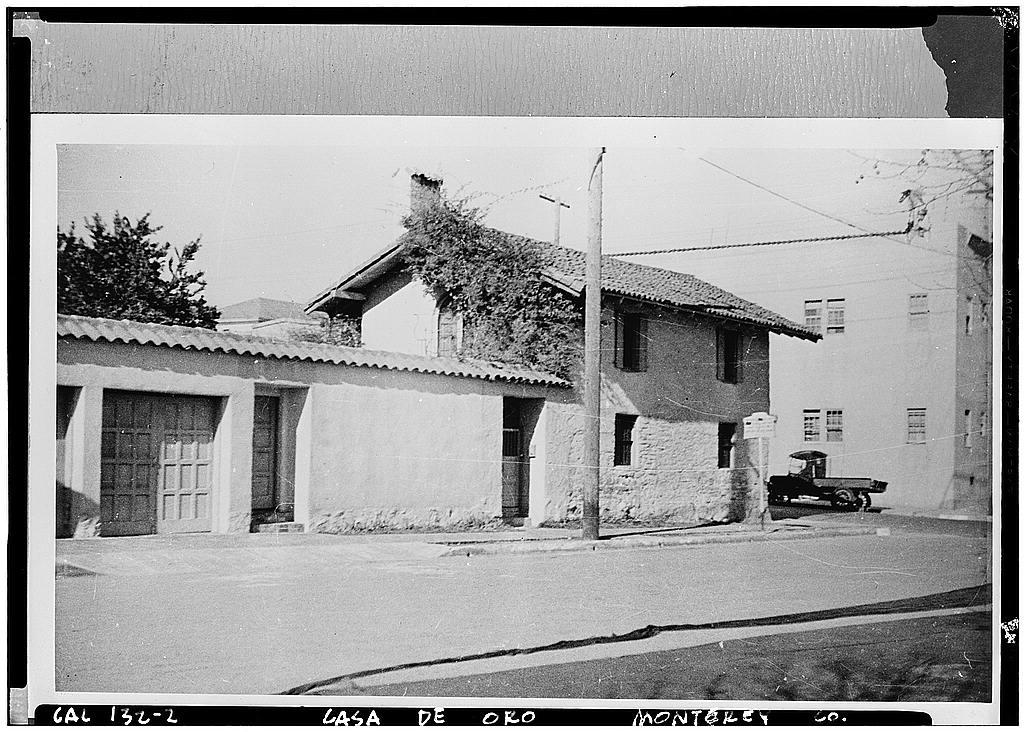
Casa del Oro
210 Olivier St, Monterey, CA
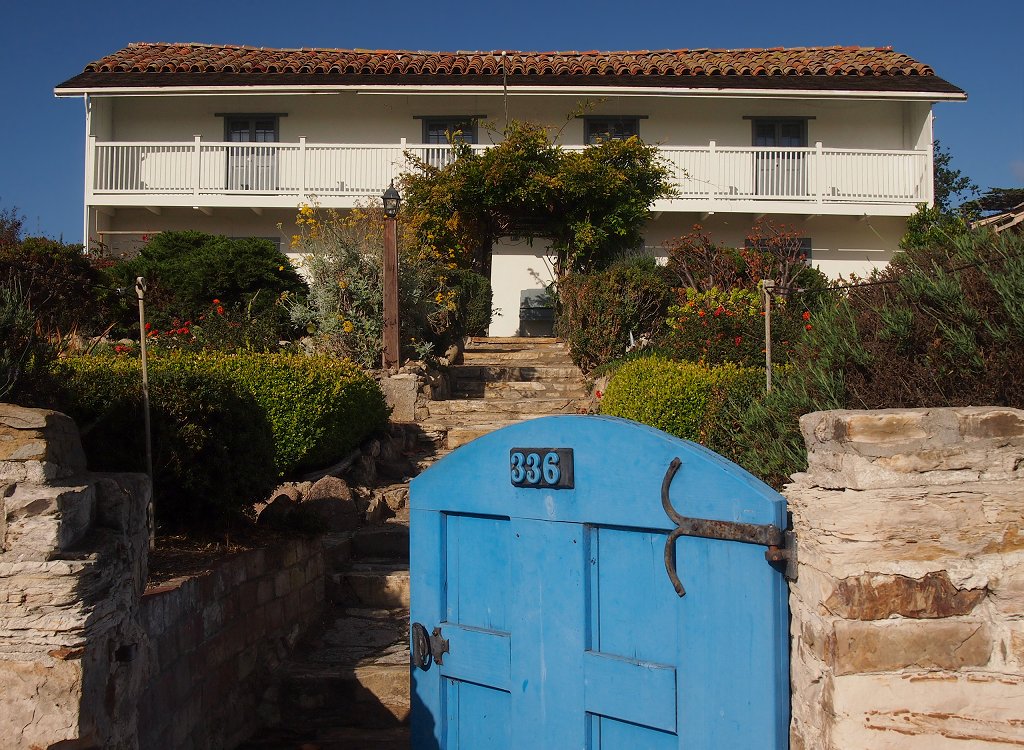
Casa Soberanes
336 Pacific St, Monterey, CA
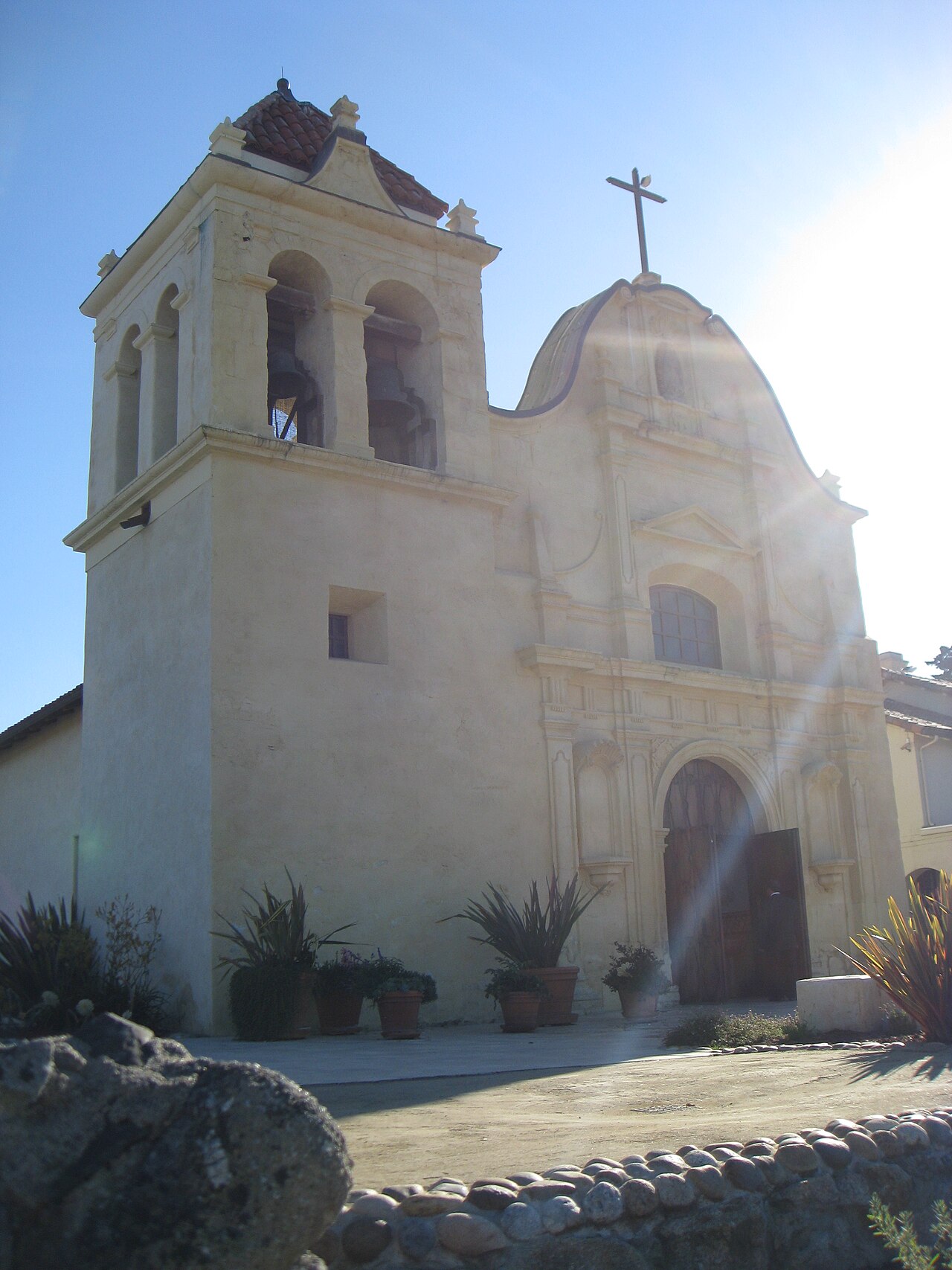
Royal Presidio Chapel
550 Church St, Monterey, CA
Where to Find Mediterranean Revival Architecture
Related Styles
Why Mediterranean Revival Matters Today
Mediterranean Revival created a uniquely American architectural fantasy — a sun-soaked lifestyle architecture that shaped the identity of entire cities and regions. Its enduring popularity demonstrates architecture's power to create aspirational environments that blur the line between reality and romance.