Miami stands where neon meets ocean, where Art Deco pastels catch Caribbean light, and where architectural innovation has flourished for over a century. From the world's largest concentration of Art Deco buildings in South Beach to cutting-edge contemporary towers, Miami represents America's most tropical architectural laboratory.
Architectural Timeline
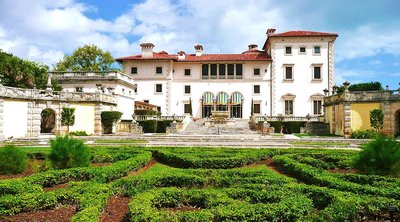
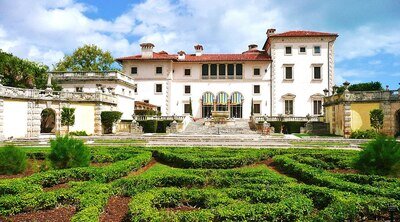
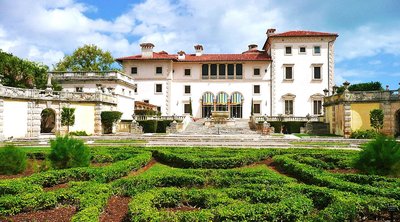
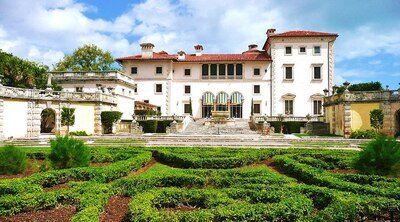
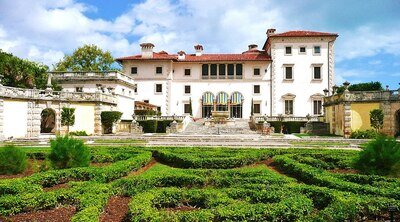
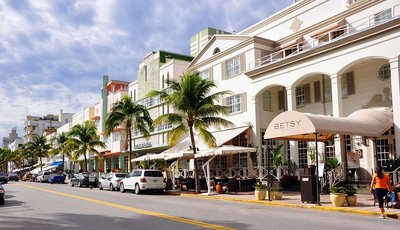
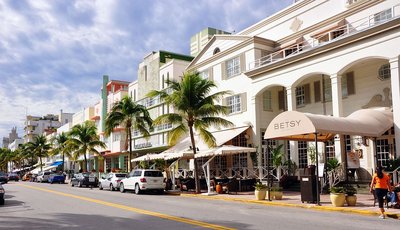
Miami's architectural story begins in the 1920s with Mediterranean Revival mansions like Vizcaya, James Deering's Venetian palace that introduced European grandeur to Biscayne Bay. The boom continued through the Art Deco movement of the 1930s, when South Beach became a canvas for Streamline Moderne hotels painted in mint green, flamingo pink, and powder blue.
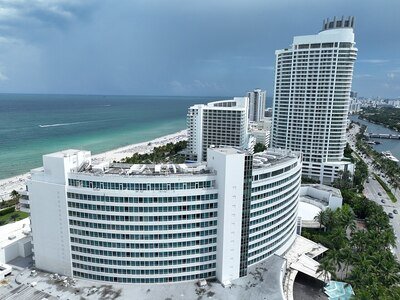
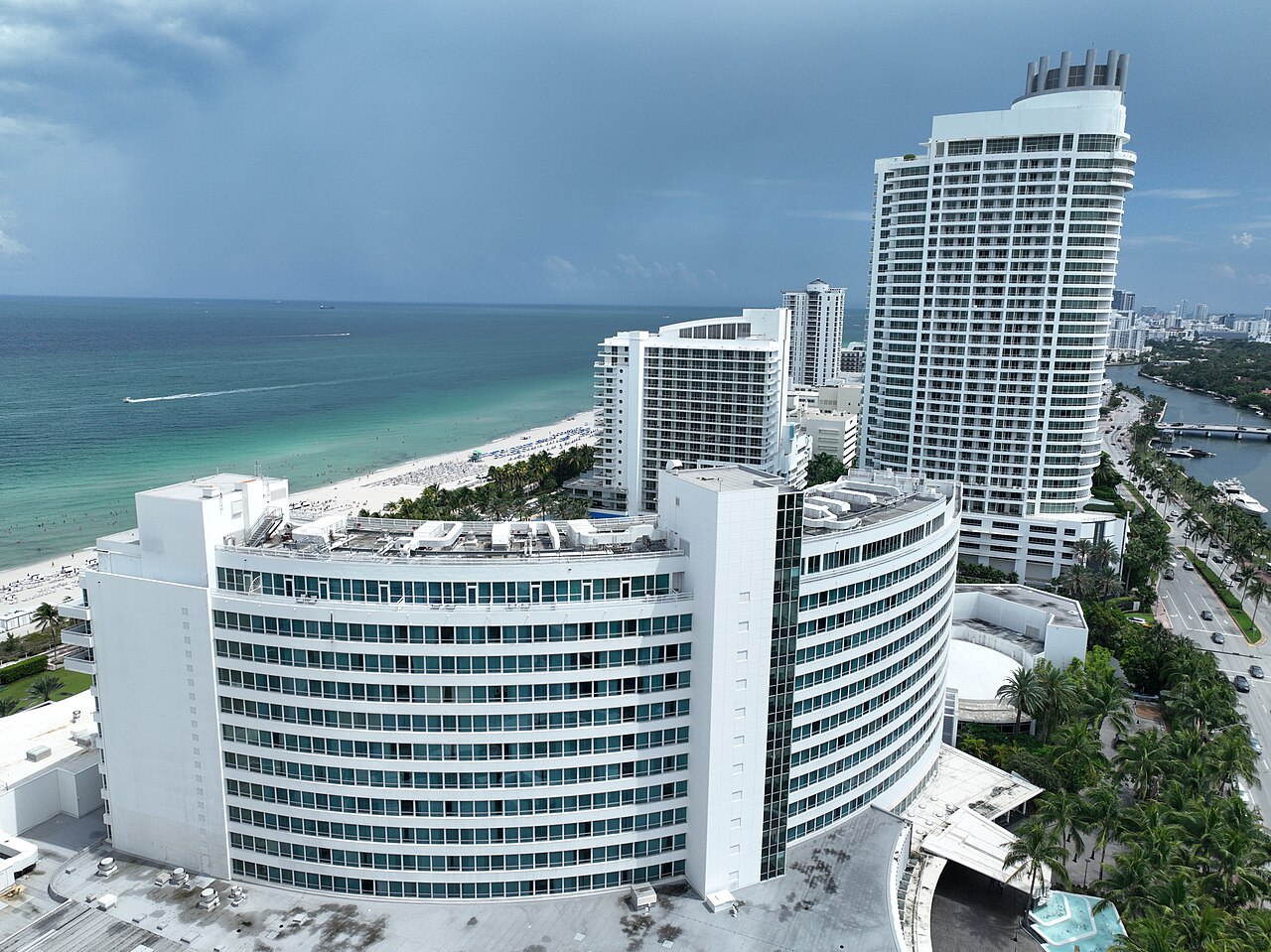
The 1950s brought Miami Modern (MiMo) architecture, epitomized by Morris Lapidus's Fontainebleau hotel, where sweeping curves and dramatic cantilevers redefined resort design. This period saw architects embracing Florida's climate with deep overhangs, jalousie windows, and terrazzo floors that sparkled like the bay.
Contemporary Miami embraces bold experimentation. Herzog & de Meuron's Perez Art Museum Miami rises on stilts like Stiltsville houses, while Norman Foster and Zaha Hadid have left their marks on the city's evolving skyline. Each generation has added its voice to Miami's architectural conversation.
Key Neighborhoods
South Beach Art Deco Historic District
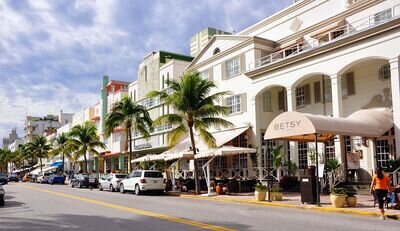
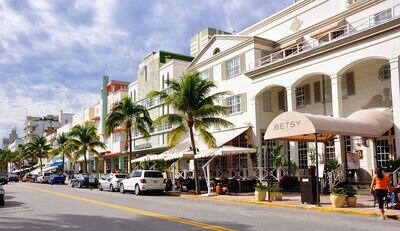
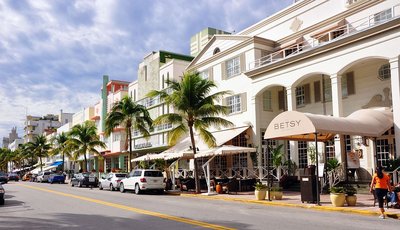
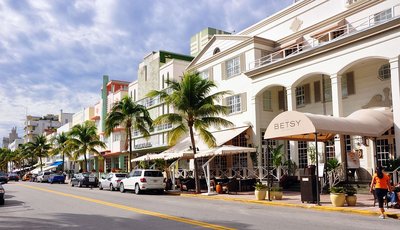
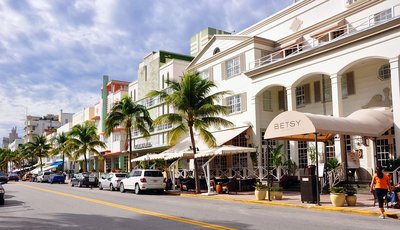
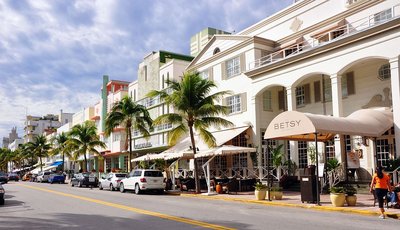
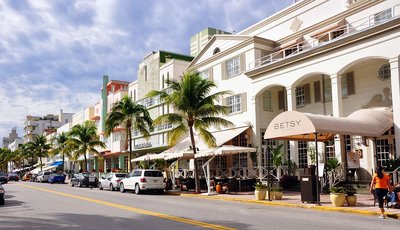
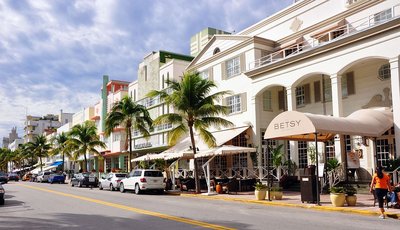
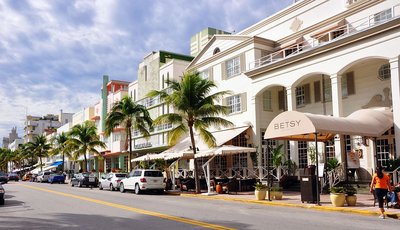
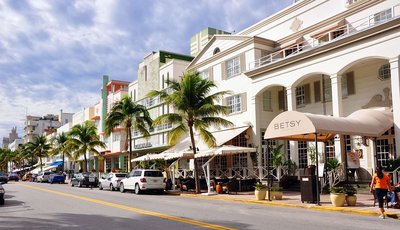
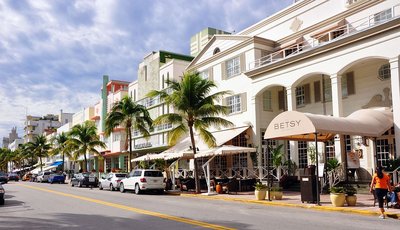
The world's largest collection of Art Deco buildings lines Ocean Drive, where hotels like the Colony, Cardozo, and Breakwater display the style's signature features: porthole windows, racing stripes, eyebrow awnings, and corner towers that echo ocean liner design.
Downtown and Brickell
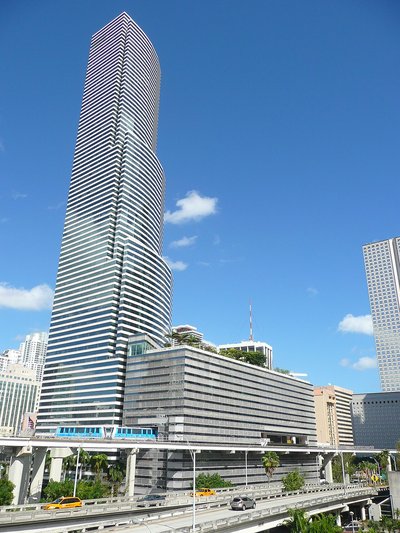
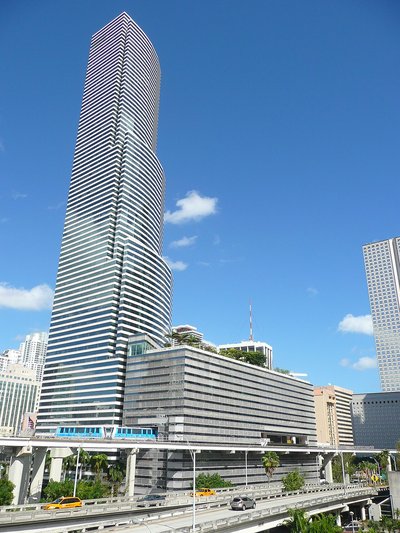
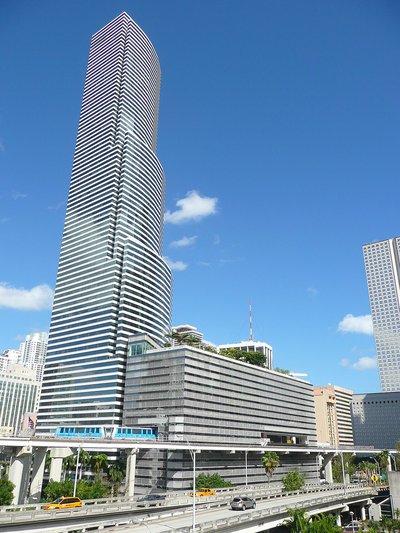
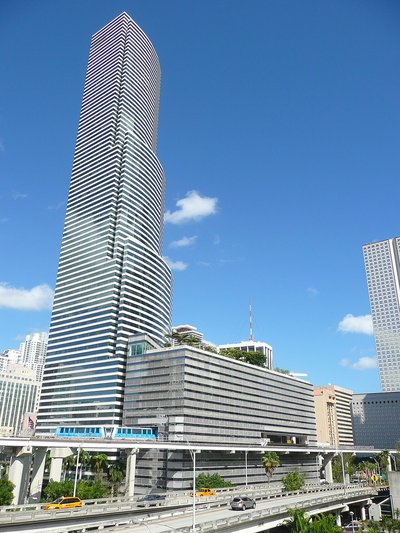
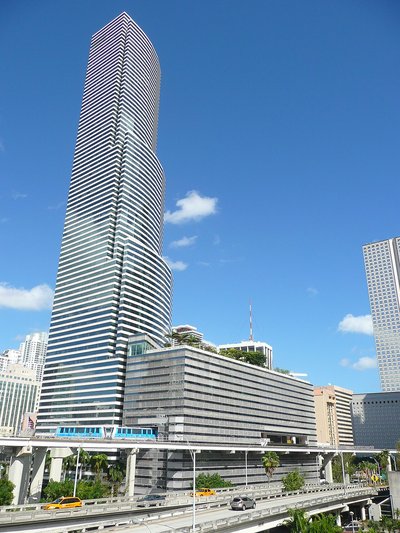
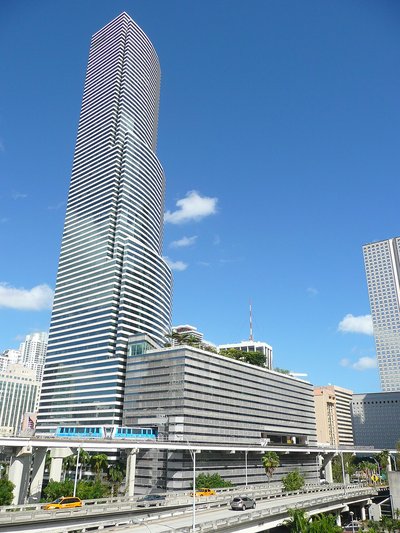
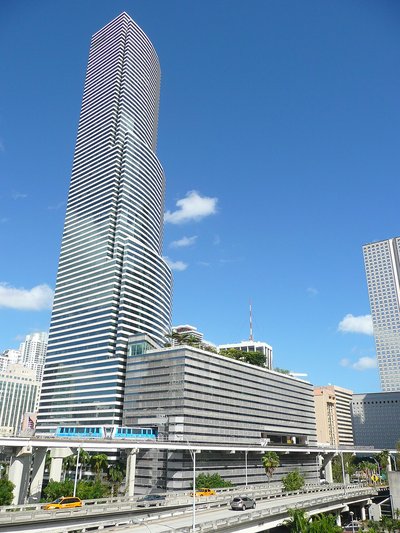
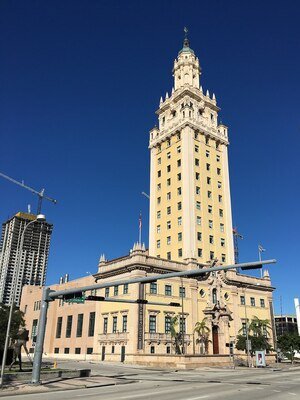
Miami's urban core mixes historic buildings like the Freedom Tower with contemporary high-rises. The Adrienne Arsht Center anchors the cultural district, while Brickell Avenue has become a wall of glass towers overlooking the bay.
Coral Gables
George Merrick's 1920s master-planned community showcases Mediterranean Revival architecture on a civic scale. The Biltmore Hotel and Coral Gables City Hall demonstrate how Spanish and Italian influences adapted to subtropical Florida.
Design District
Once an industrial area, the Design District now hosts flagship stores and galleries in converted warehouses alongside new buildings that celebrate Miami's role as a bridge between North and South America.
Coconut Grove
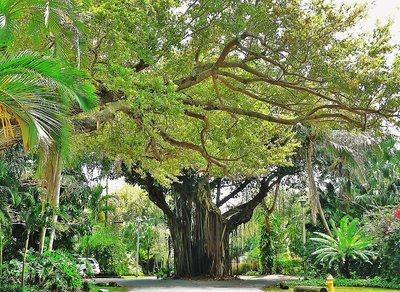
Miami's oldest settlement retains a bohemian character with Vizcaya as its crown jewel. The area blends historic structures with modern interventions, all shaded by ancient banyan trees.
Notable Architects
Morris Lapidus transformed hotel design with his "architecture of joy" at the Fontainebleau and Eden Roc, creating spaces that felt like stage sets for tropical dreams. His use of sweeping staircases, dramatic lighting, and unexpected curves influenced resort architecture worldwide.
L. Murray Dixon designed dozens of Art Deco hotels in South Beach, developing a vocabulary of nautical elements that captured the romance of ocean travel. His work at the Breakwater and other hotels helped establish South Beach's distinctive character.
Robert Swartburg continued the Art Deco tradition with buildings that emphasized horizontal lines and geometric ornament. His designs helped bridge the gap between 1930s Streamline Moderne and post-war modernism.
Contemporary architects like Herzog & de Meuron have brought international perspectives to Miami, creating buildings that respond to both global architectural trends and local climate conditions.
What to Notice
Miami's architecture celebrates color and light. Art Deco buildings glow in pastel shades that complement the ocean and sky, while terrazzo floors sparkle with chips of local coral and limestone. Look for the signature elements: porthole windows that frame views like ships' portholes, eyebrow awnings that provide shade while adding sculptural interest, and the way buildings step back from the street to create outdoor rooms.
The city's relationship with water shapes everything. Buildings rise on stilts to catch breezes and avoid flooding. Deep overhangs protect against intense sun while creating outdoor living spaces. Jalousie windows allow air to flow while screening harsh light. Even the newest towers respond to Miami's unique position between ocean and bay.
Miami architecture tells the story of a young city that embraced each new architectural movement with enthusiasm. From Mediterranean fantasy to Art Deco glamour to MiMo optimism to contemporary innovation, each era added layers to a cityscape that remains uniquely its own.