Chicago School Architecture — A Guide
Overview
The Chicago School gave the world the modern skyscraper. After the Great Fire of 1871 leveled much of the city, Chicago became a laboratory for architectural innovation. Engineers and architects developed steel-frame construction, enabling buildings to rise far beyond the limits of load-bearing masonry. The result was a new building type that would reshape the skylines of cities worldwide.
Architects like William Le Baron Jenney, Daniel Burnham, John Root, and Louis Sullivan pioneered steel-frame construction and the 'Chicago window' — a large fixed pane flanked by narrower operable sashes. Sullivan's dictum 'form follows function' became the rallying cry of modern architecture. The Home Insurance Building (1885), often called the first skyscraper, used a metal frame to support its walls, fundamentally changing how buildings were conceived and constructed.
Key Characteristics
- Steel-frame construction enabling unprecedented height
- Large plate glass windows (the 'Chicago window')
- Restrained but elegant ornamental programs
- Tripartite facade composition: base, shaft, and capital
- Flat roofs and clean rectangular profiles
- Sullivan's organic ornamental terracotta work
Famous Examples Worldwide
Rookery Building
Chicago, 1888
Monadnock Building
Chicago, 1893
Carson Pirie Scott Building
Chicago, 1899
Reliance Building
Chicago, 1895
Buildings in Our Library (16)
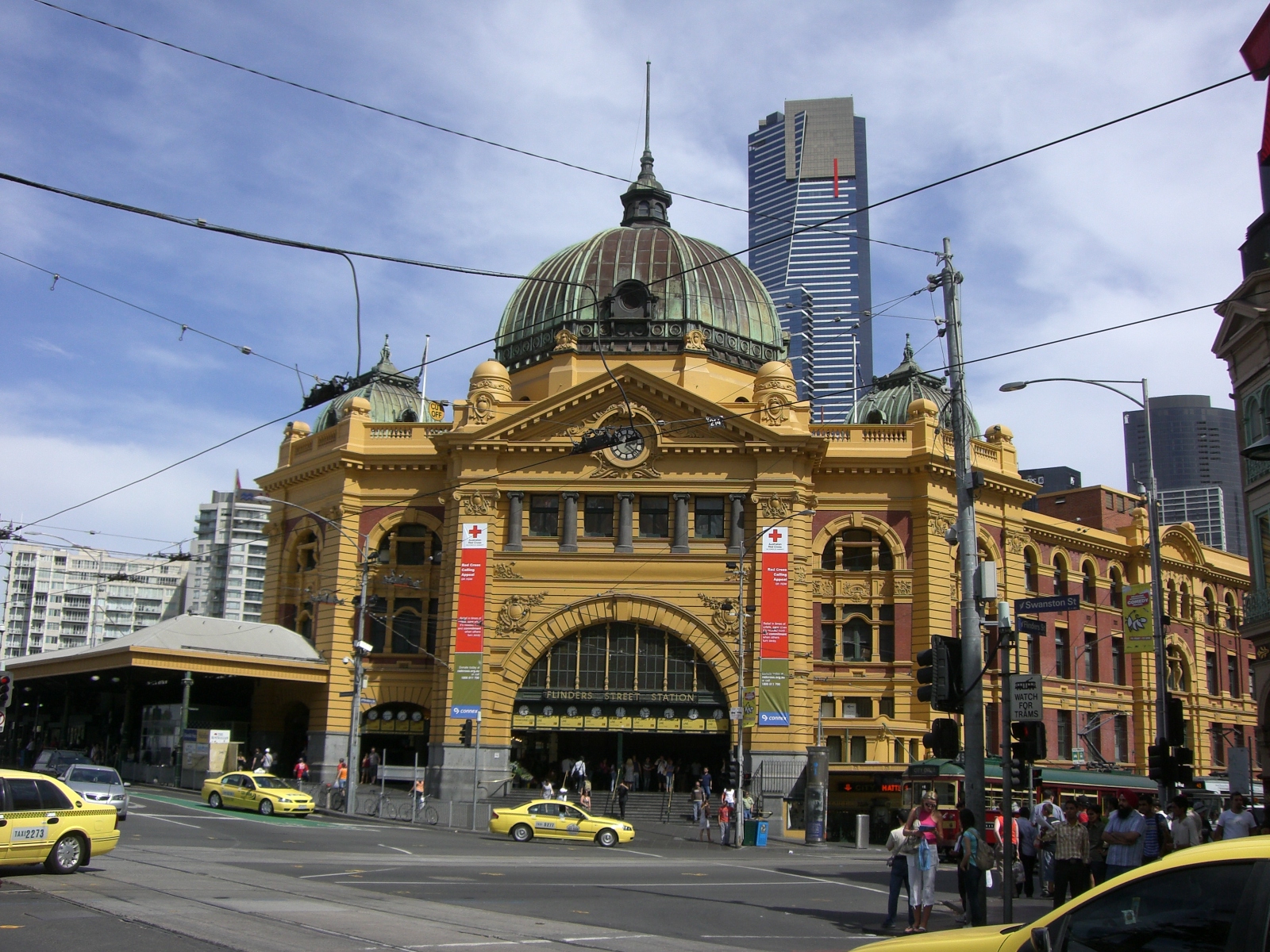
Flinders Street Station
Corner Flinders & Swanston Streets, Melbourne, VIC 3000
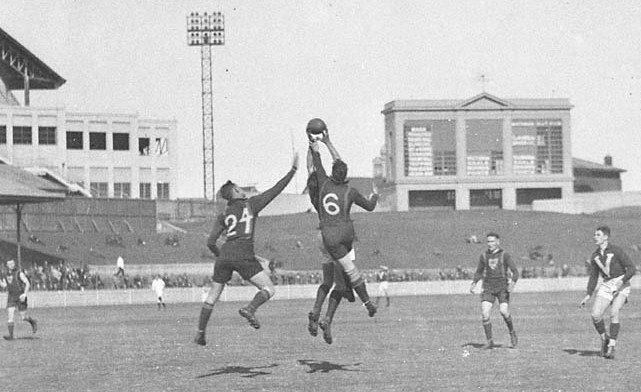
Sydney Cricket Ground
Driver Avenue, Moore Park, Sydney NSW 2021, Australia
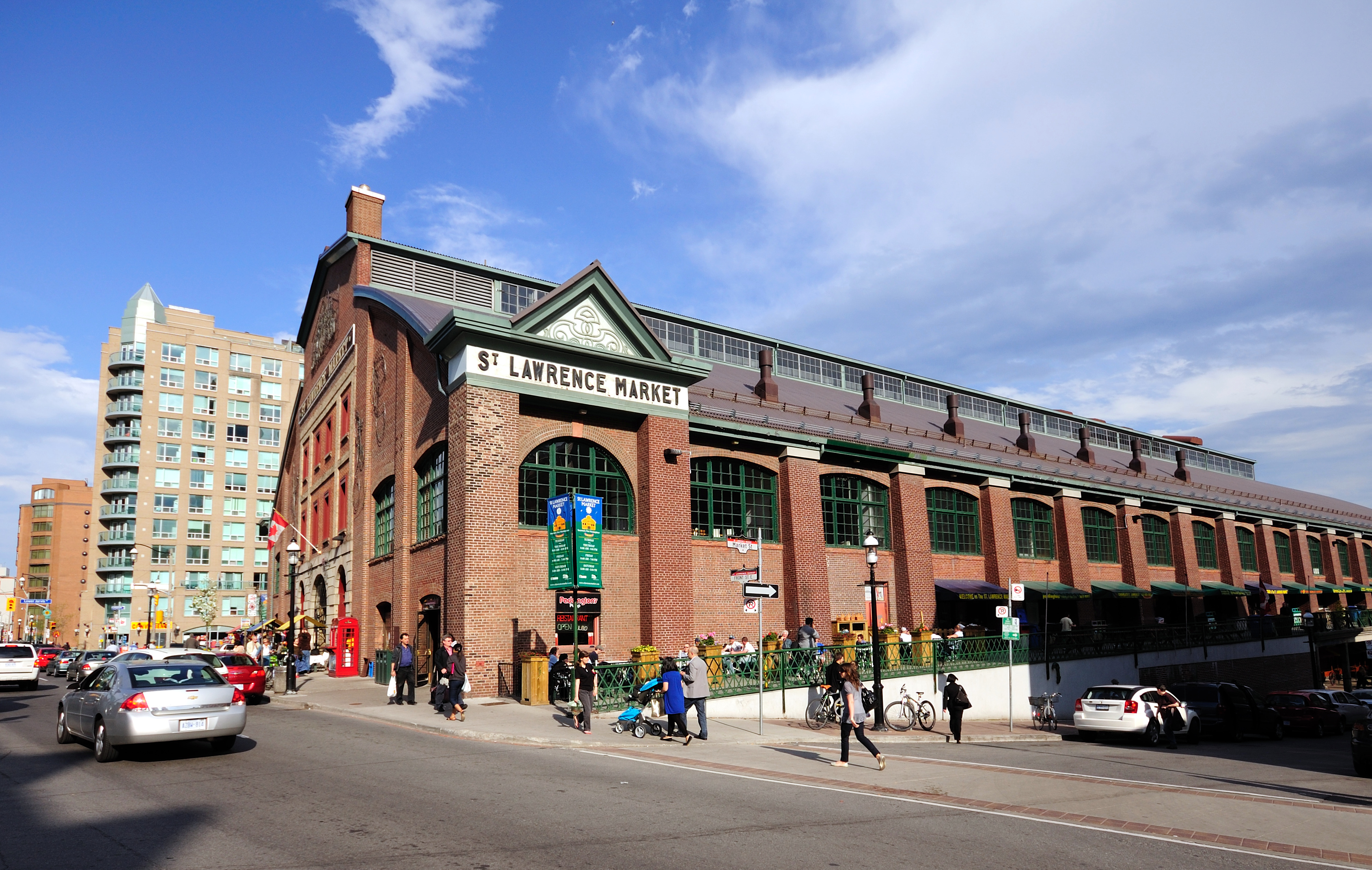
St. Lawrence Market South Building
92-95 Front St E, Toronto, ON M5E 1C2
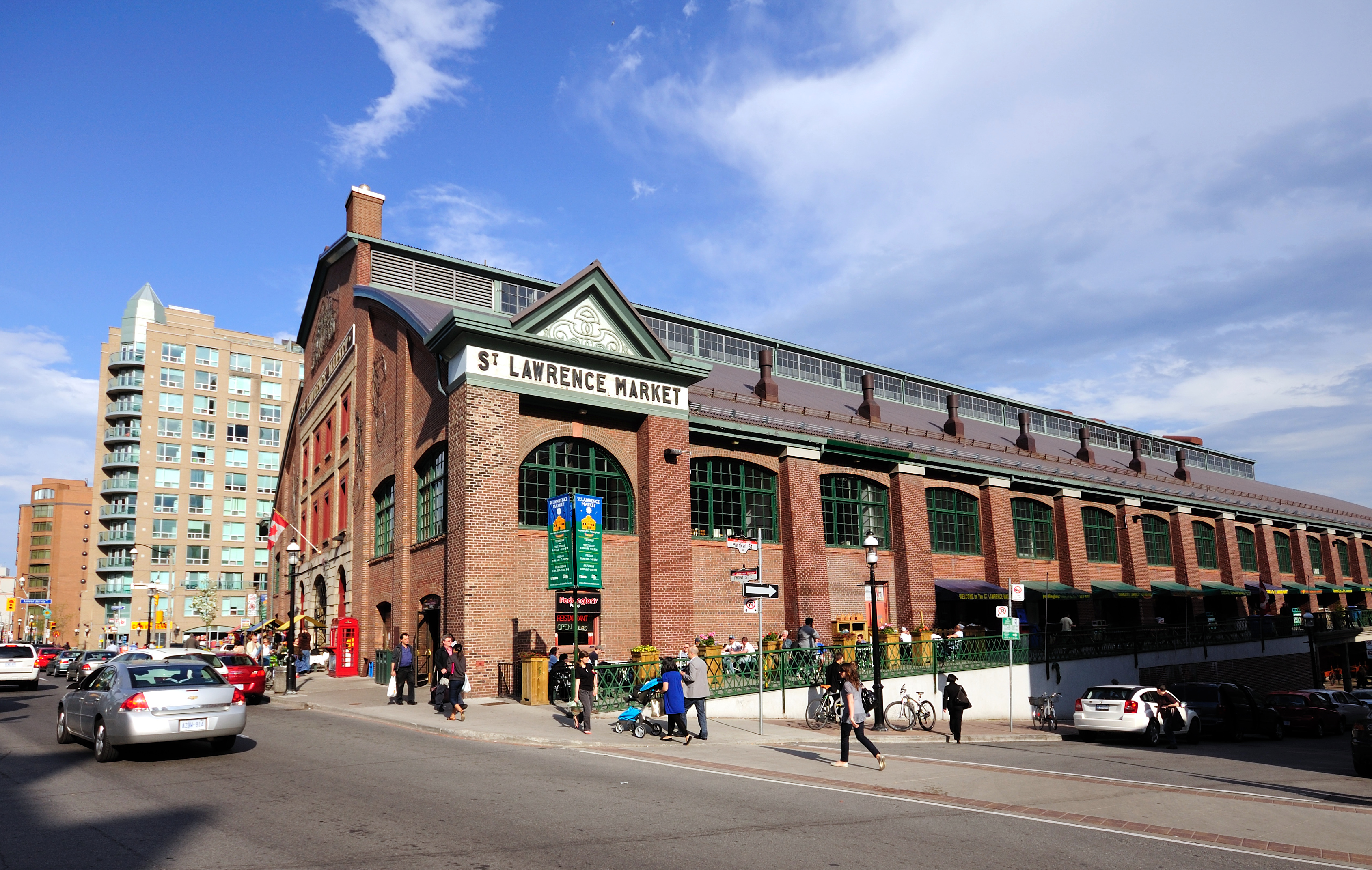
St. Lawrence Market
92-95 Front St E, Toronto, ON M5E 1C2
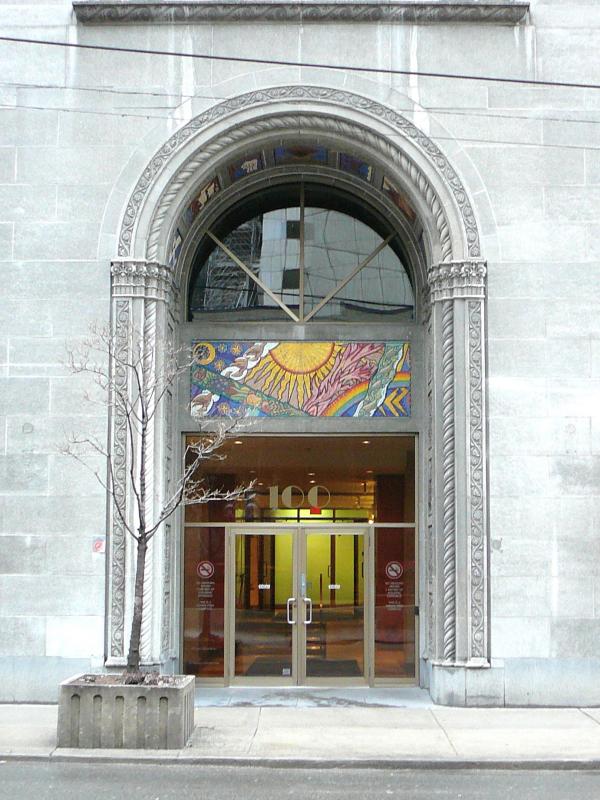
Concourse Building
100 Adelaide St W, Toronto, ON
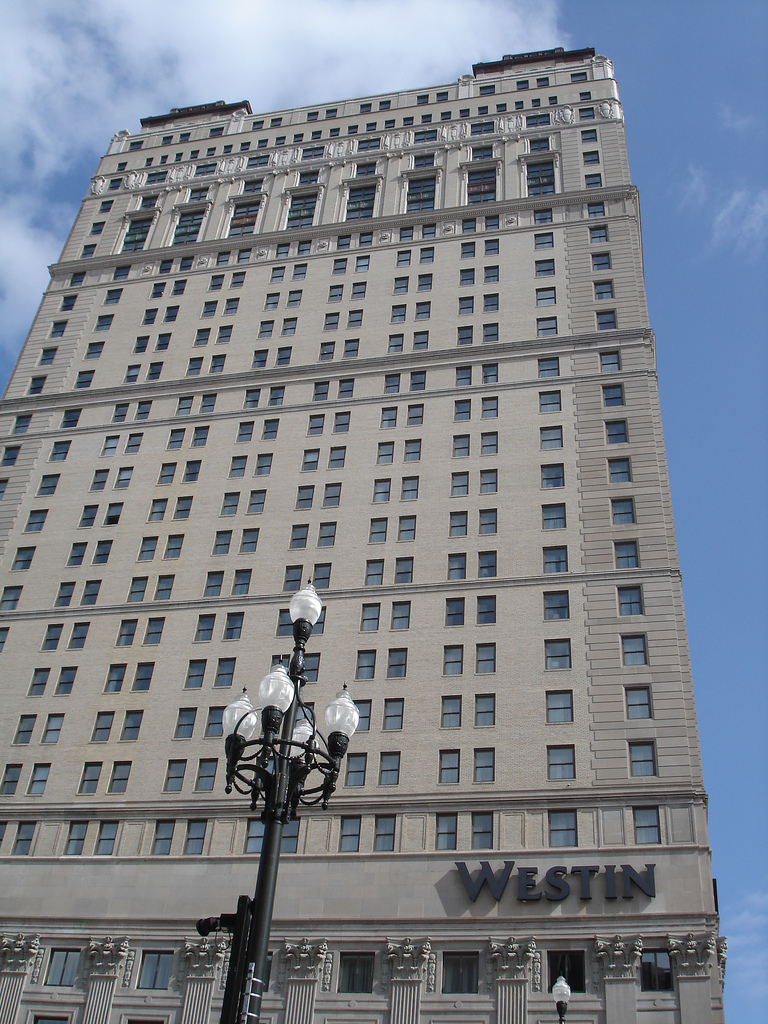
Book-Cadillac Hotel
1114 Washington Blvd, Detroit, MI 48226
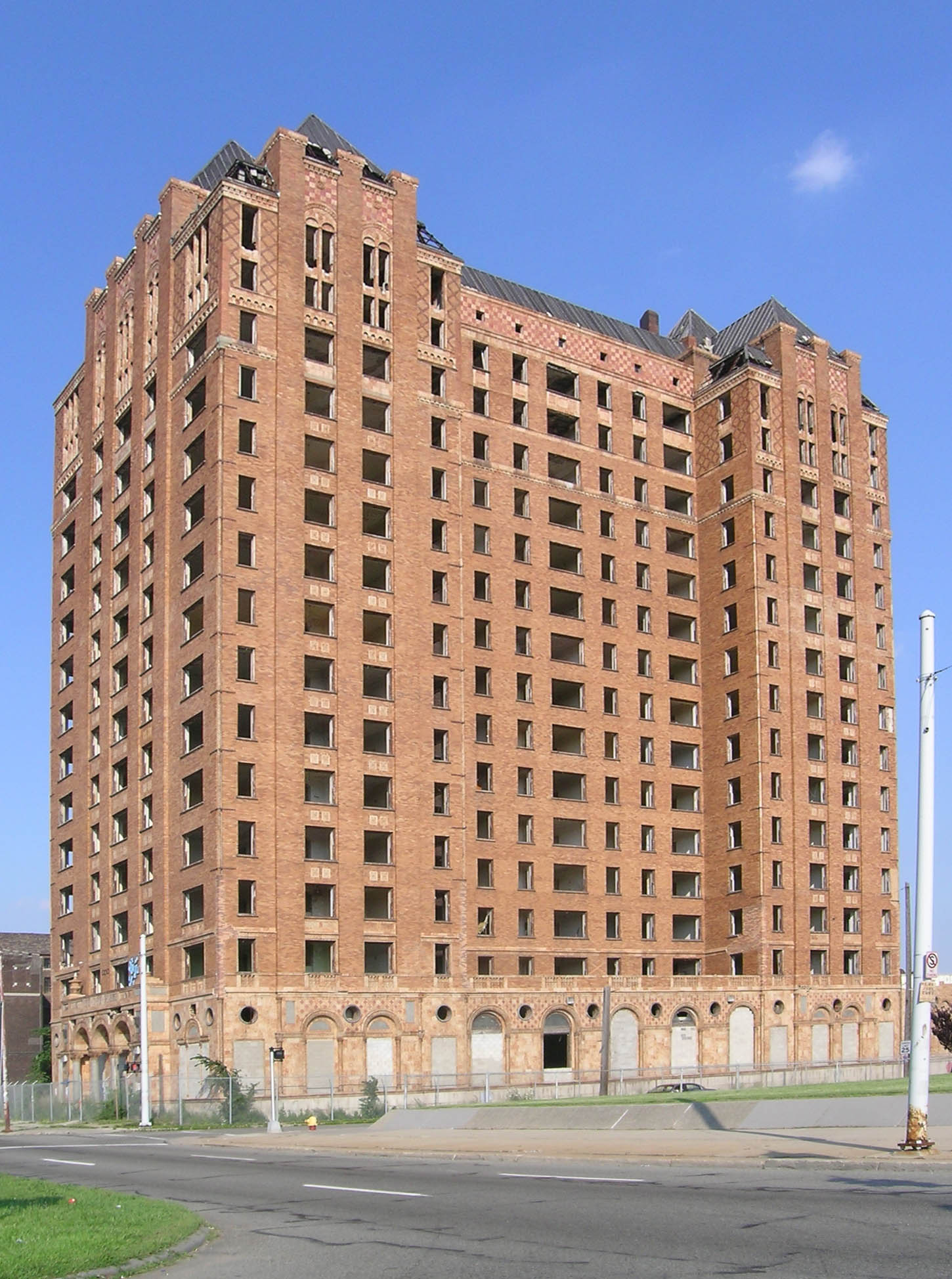
Lee Plaza
2240 W Grand Blvd, Detroit, MI 48208
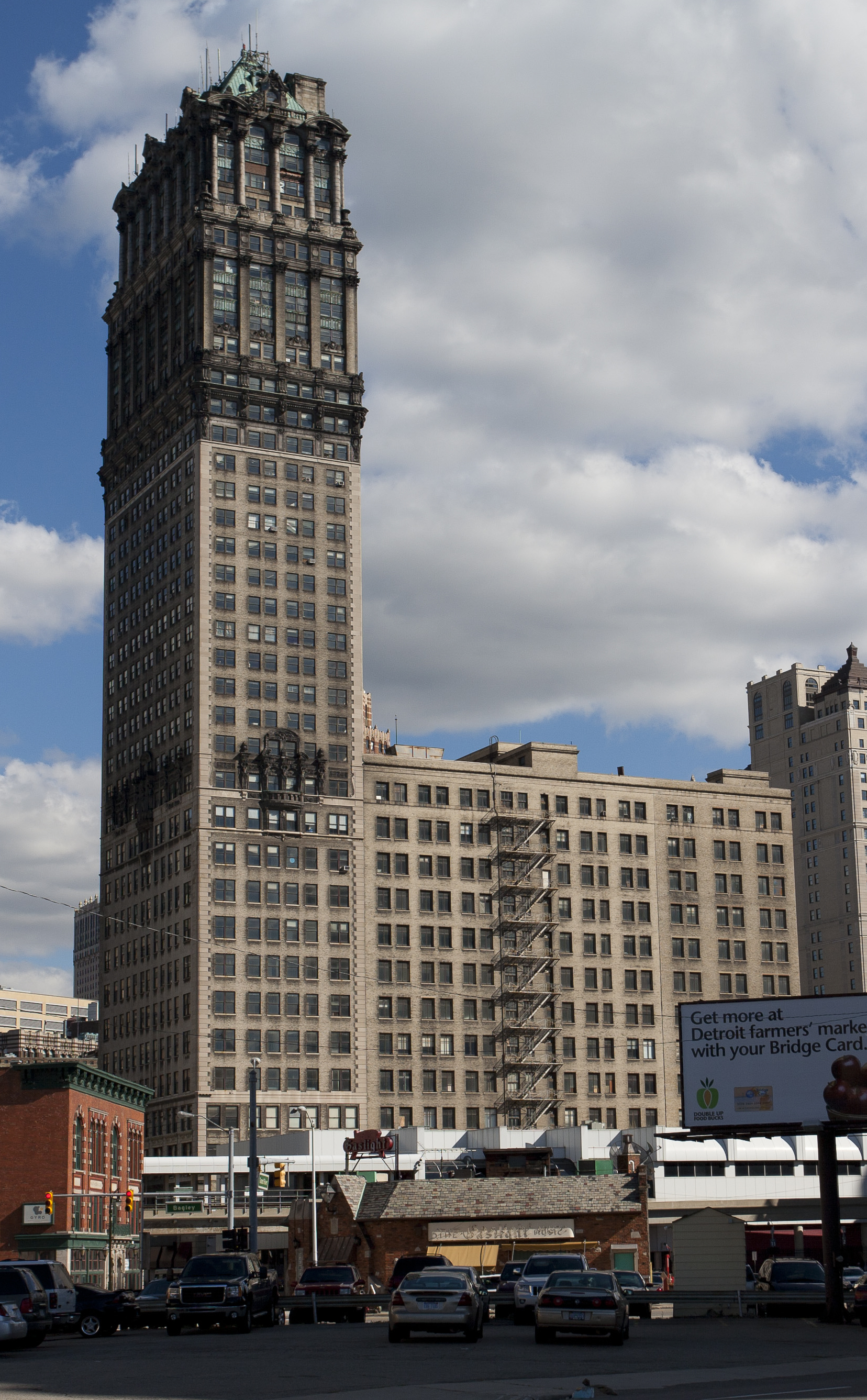
Book Tower
1265 Washington Blvd, Detroit, MI 48226
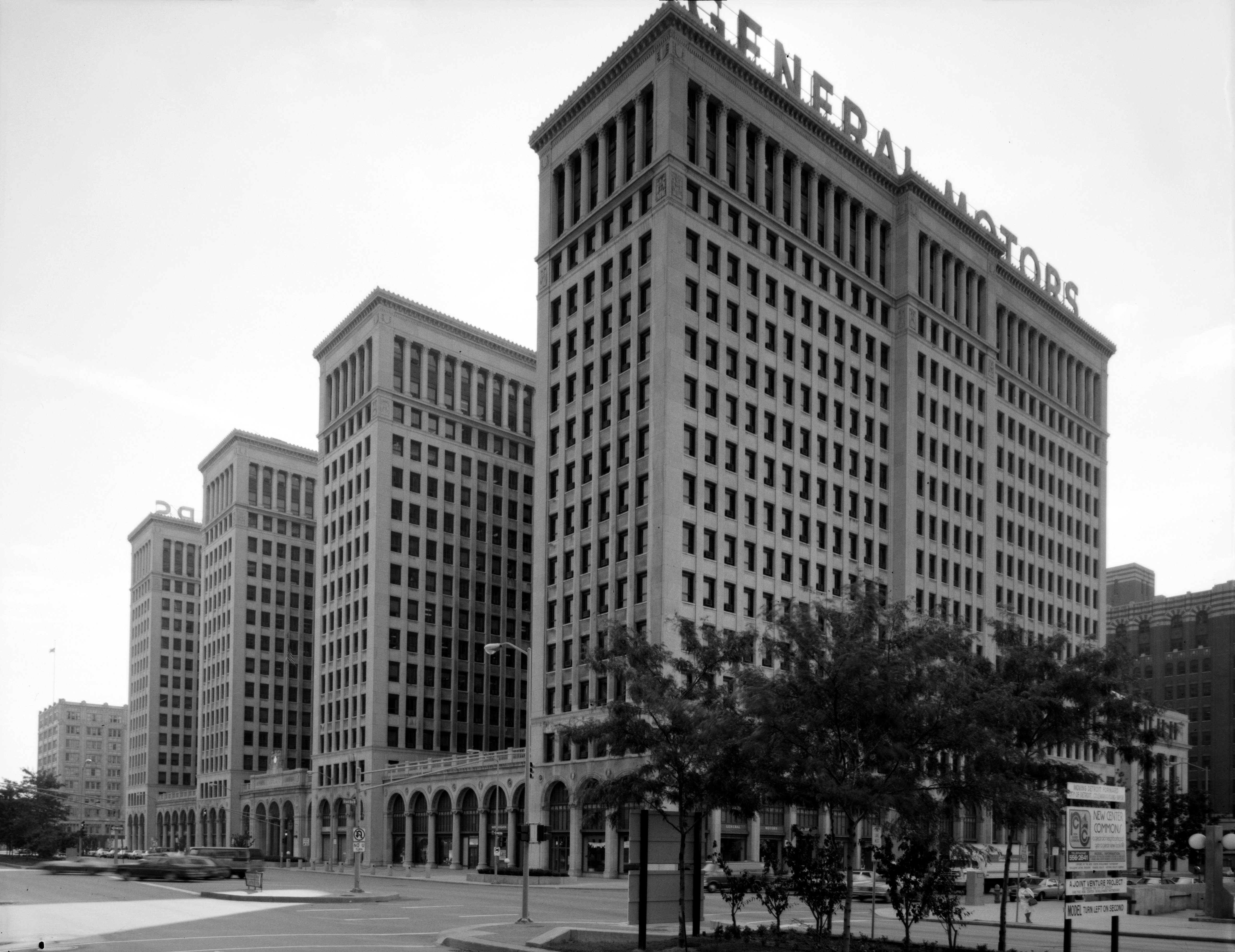
Cadillac Place
3044 W Grand Blvd, Detroit, MI 48202
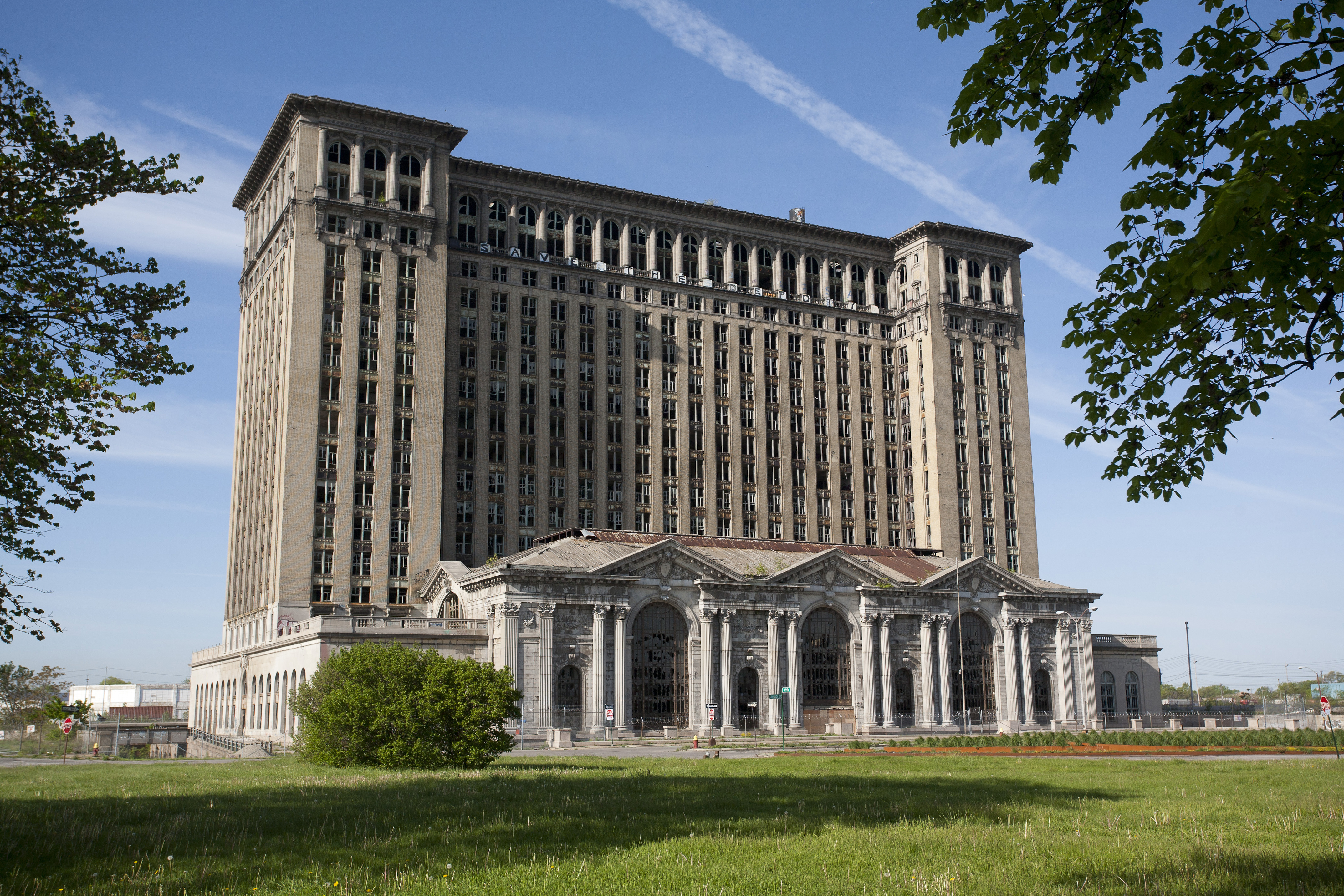
Michigan Central Station
2001 15th St, Detroit, MI 48216
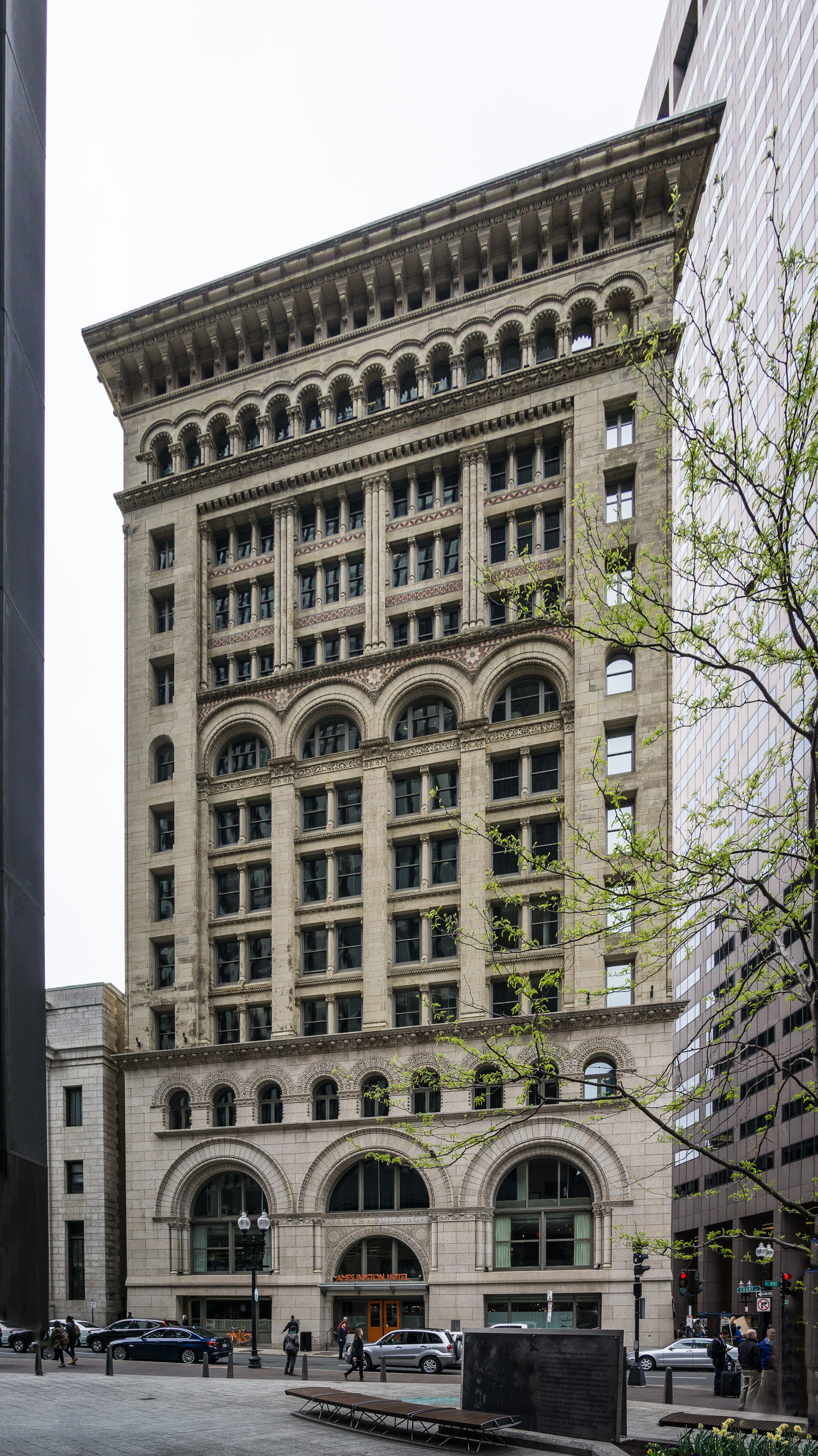
Ames Building
1 Court St, Boston, MA 02108
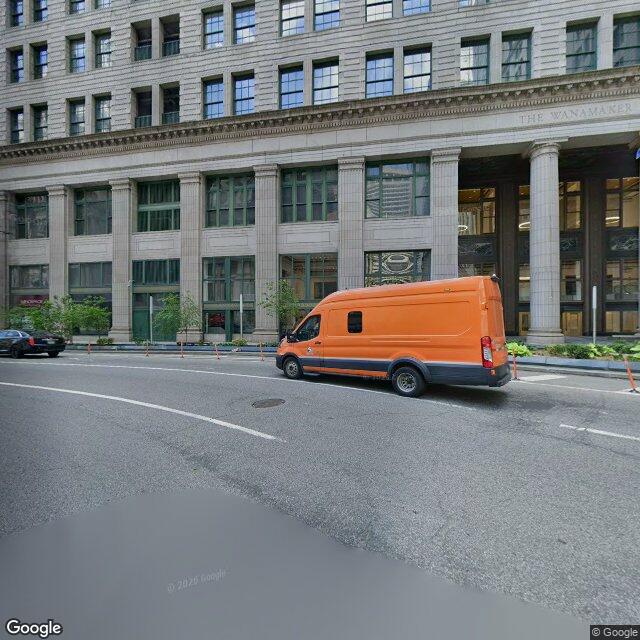
Wanamaker Building
100 Penn Square E, Philadelphia, PA 19107
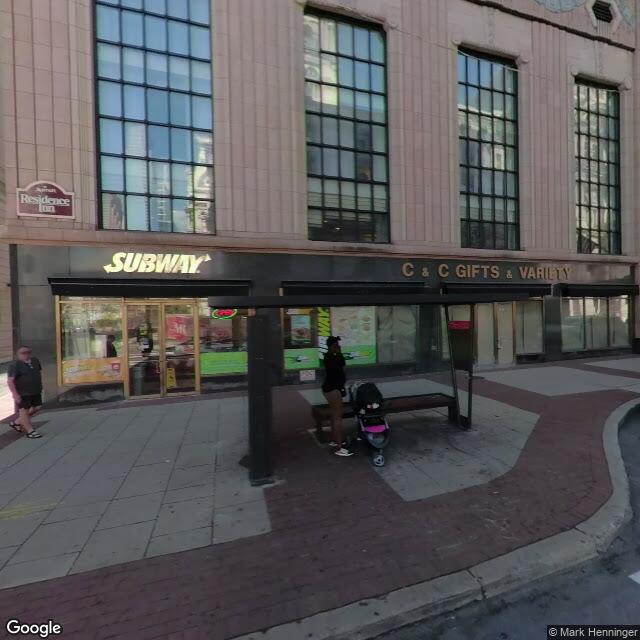
Philadelphia City Hall
1 Penn Square, Philadelphia, PA 19107
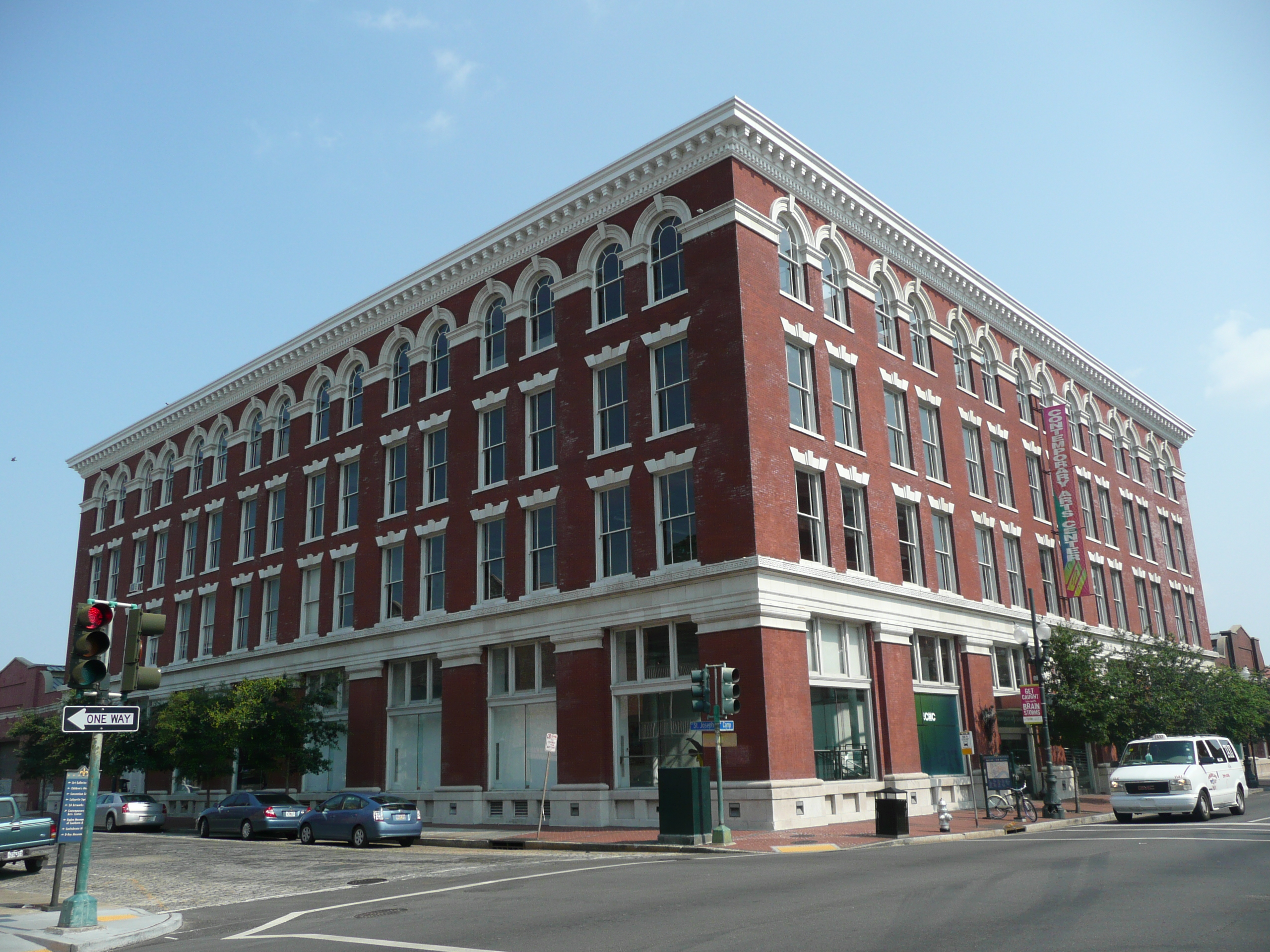
900 Camp St
900 Camp St, New Orleans, LA


Where to Find Chicago School Architecture
Related Styles
Why Chicago School Matters Today
The Chicago School invented the tall office building and, with it, the modern city. Its innovations in structural engineering, its aesthetic principles, and its belief that commercial architecture could aspire to art laid the foundation for everything from the International Style to today's supertall towers.