Hospital de Sant Pau — Architecture Helper

Hospital de Sant Pau

Lluís Domènech i Montaner Built 1902 Carrer de Sant Antoni Maria Claret, 167, 08025 Barcelona, Spain
Hospital de Sant Pau
Building Library
  • Catalan Modernisme 95%
  • Gothic Revival 80%
  • Renaissance 75%

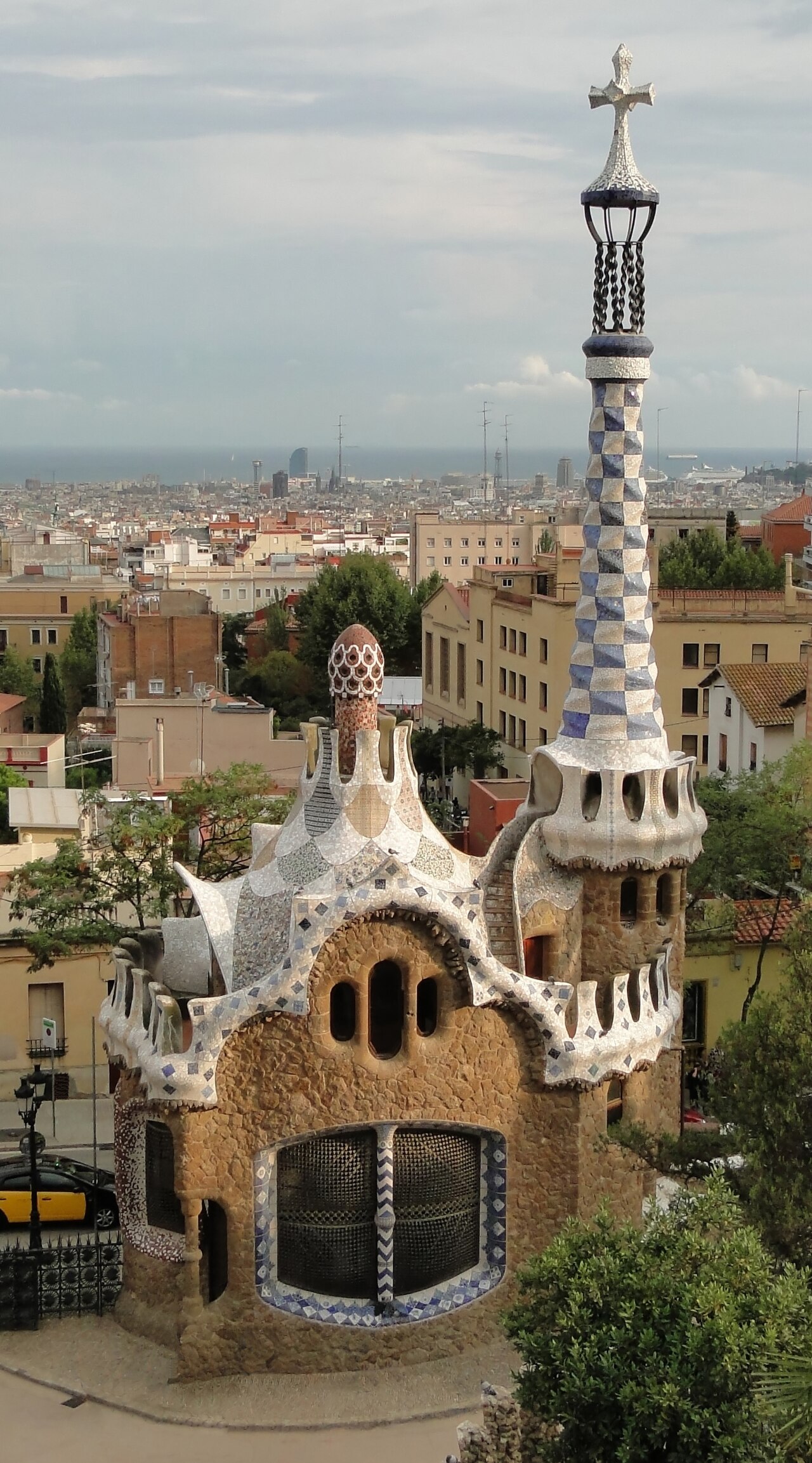
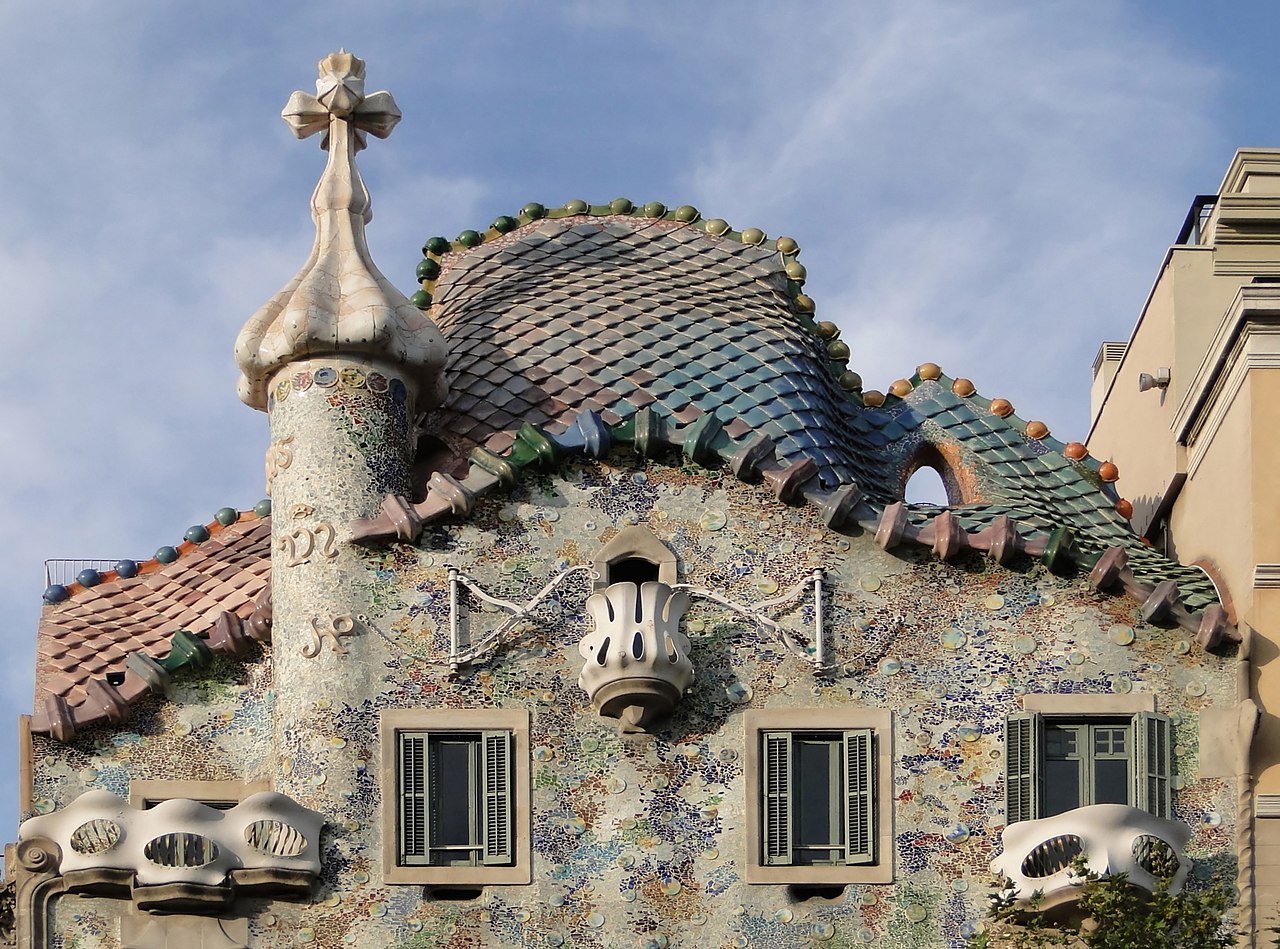
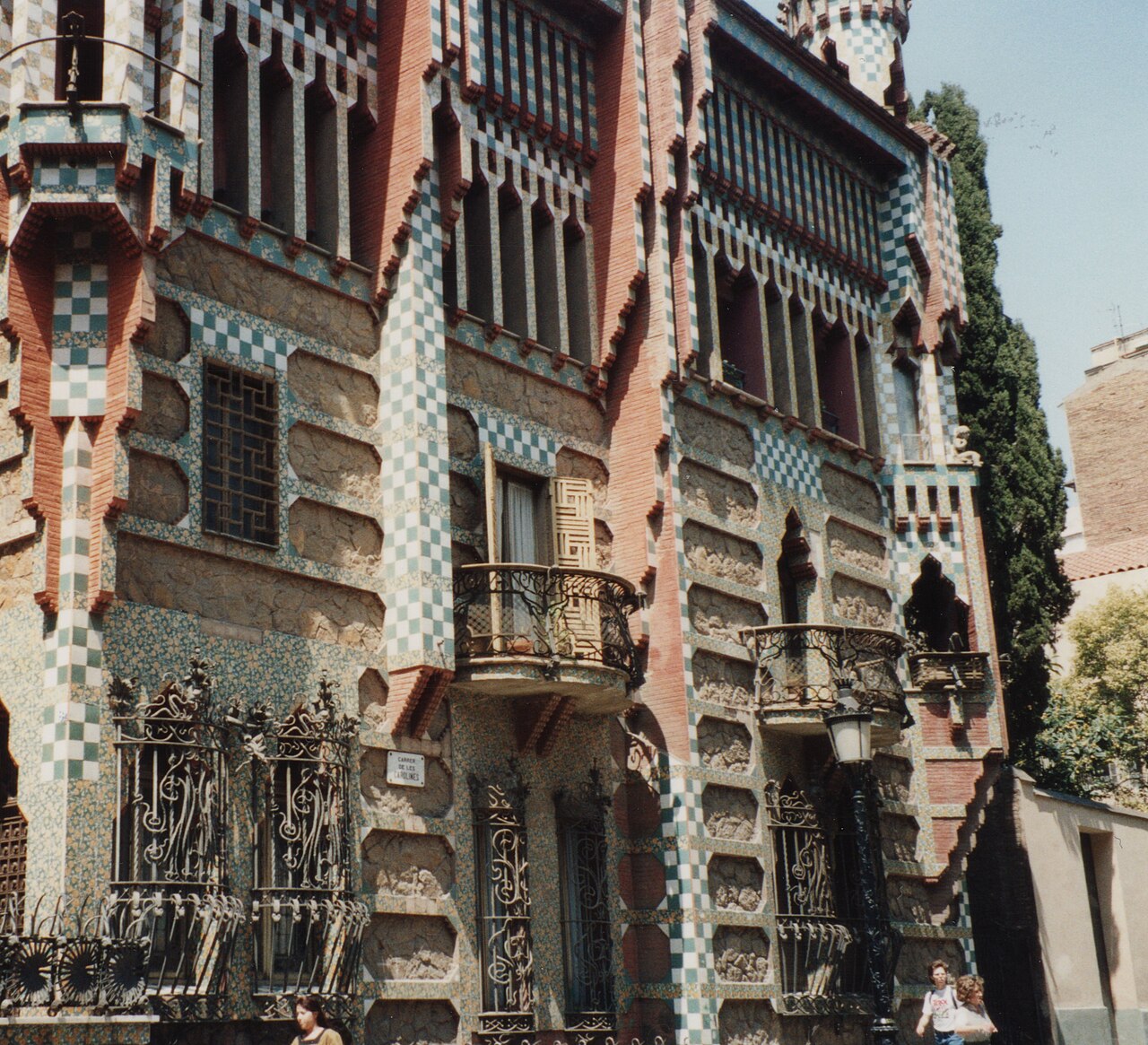
The Hospital de Sant Pau is a UNESCO World Heritage site renowned for its exquisite modernist architecture. It serves as a prime example of the Catalan Modernisme movement, characterized by elaborate tile work and a fusion of artistic styles.

Architectural Styles

Catalan Modernisme

95%

This style is evident through the use of rich ornamental details, vibrant colors, and organic forms that blend with structural elements. Unique features include intricate mosaics, stained glass windows, and sculptures that enhance the building's narrative.

  • Curvilinear forms
  • Colorful mosaics
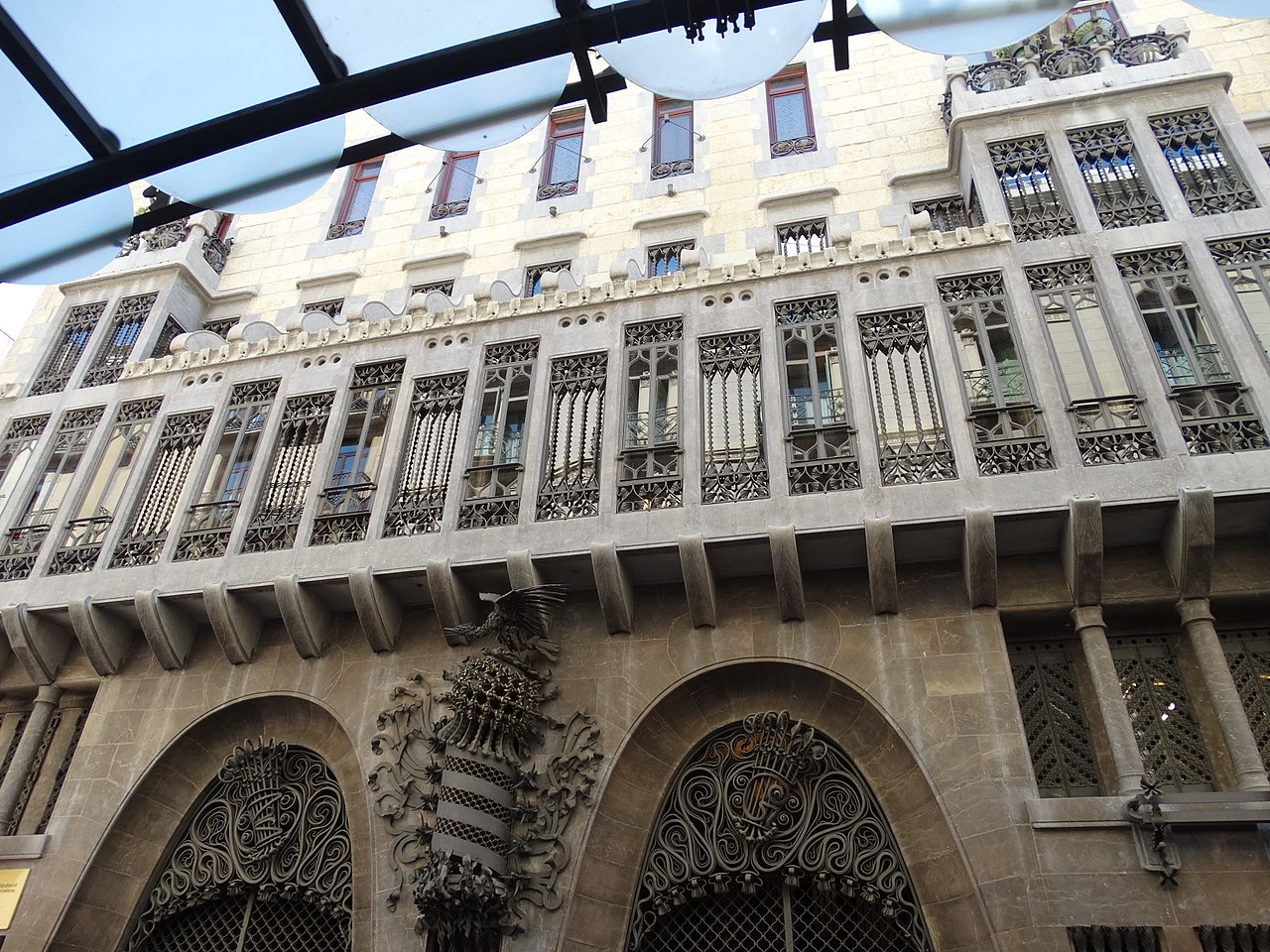
  • Artistic ironwork
  • Stained glass windows
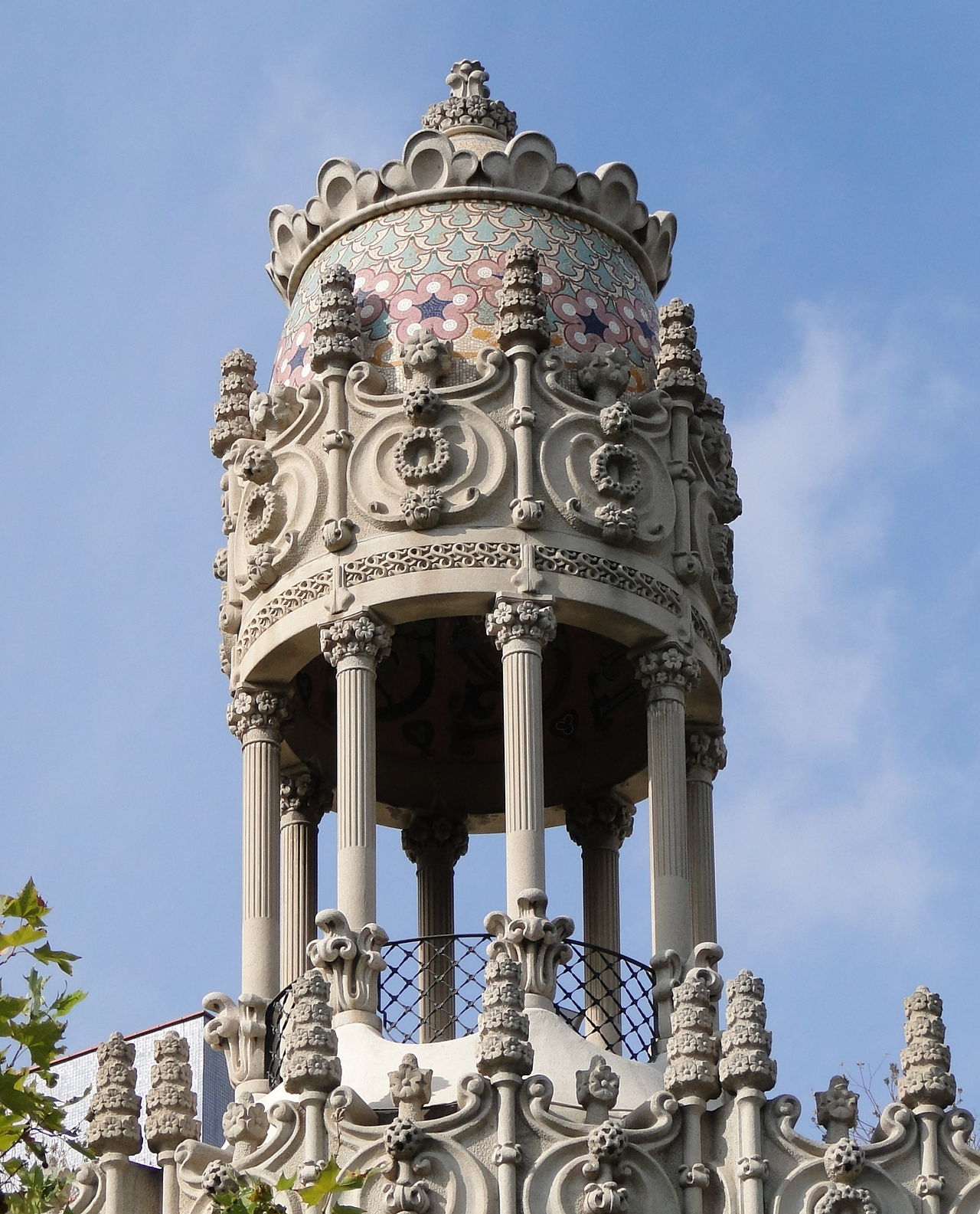
  • Sculptural decorations
Explore more Catalan Modernisme buildings →

Gothic Revival

80%

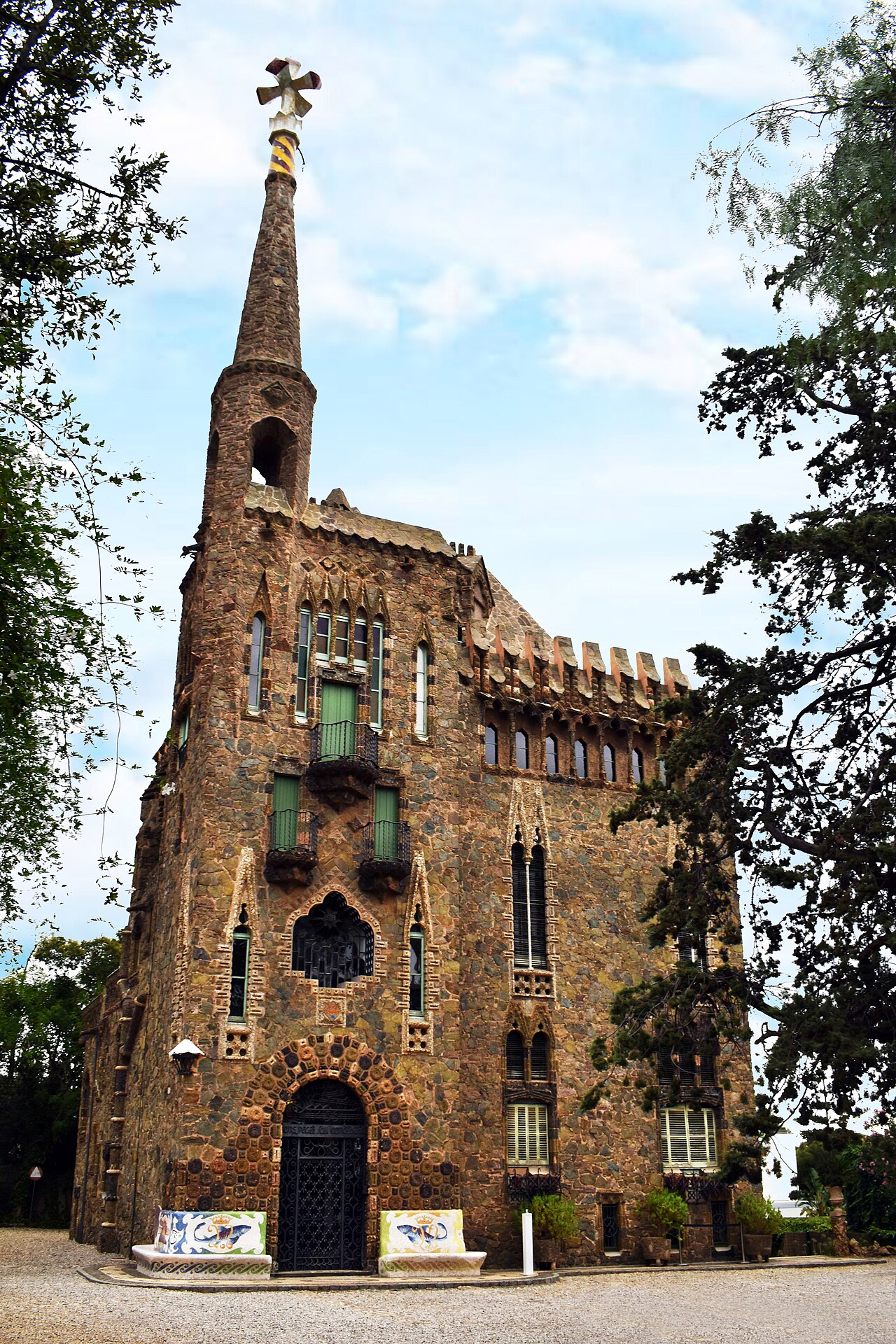
Gothic Revival elements are apparent in the pointed arches, ribbed vaults, and elaborate façade detailing. This influence contributes to the building's dramatic vertical emphasis and rich decorative schemes.

  • Pointed arches
  • Ornate spires
  • Decorative gables
  • Ribbed vaults
  • Stone carvings
Explore more Gothic Revival buildings →

Renaissance

75%

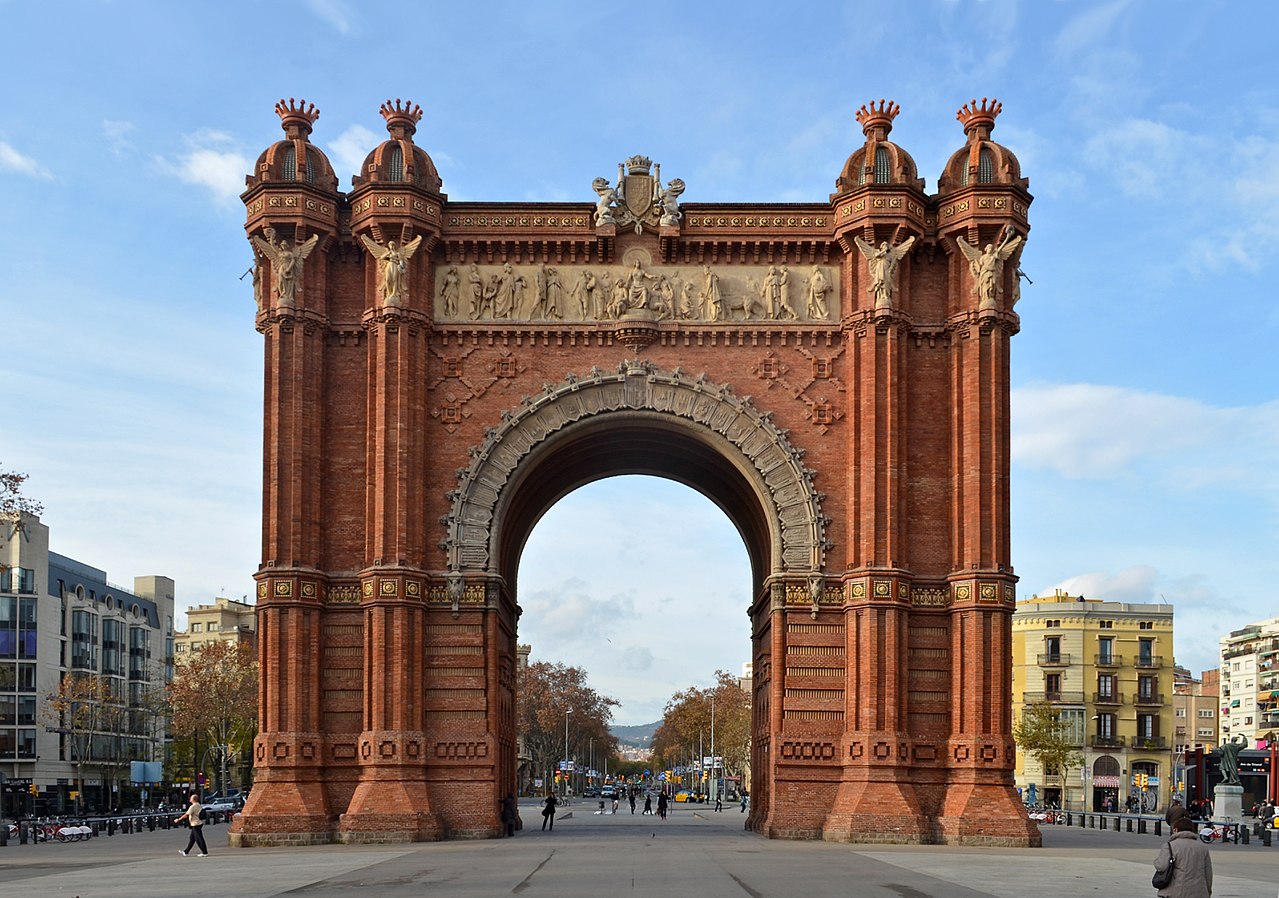
Renaissance characteristics are represented through symmetry and proportion, emphasizing balanced harmony within the overall design. The use of classical motifs in the ornamentation also reflects this style.

  • Symmetric layout
  • Classical motifs
  • Horizontal emphasis
  • Recessed entries
  • Pilasters
Explore more Renaissance buildings →

Notable Features

Historical Context

Built as a hospital complex in the early 20th century, the Hospital de Sant Pau reflects the modernization of healthcare and architecture in the industrial era. Its design was intended to create a healing environment through beauty and functionality, marking a shift in architectural intentions.

Fun Facts

  • The hospital was operational until 2009 and is now a cultural and architectural center.
  • Lluís Domènech i Montaner is recognized as a pioneer of Catalan Modernisme, influencing many subsequent architects.
  • The complex covers over 12 acres and consists of 27 pavilions interconnected by underground tunnels.
📍 Update Location

Similar Style Buildings

Buildings in the Same Area

Explore by Style