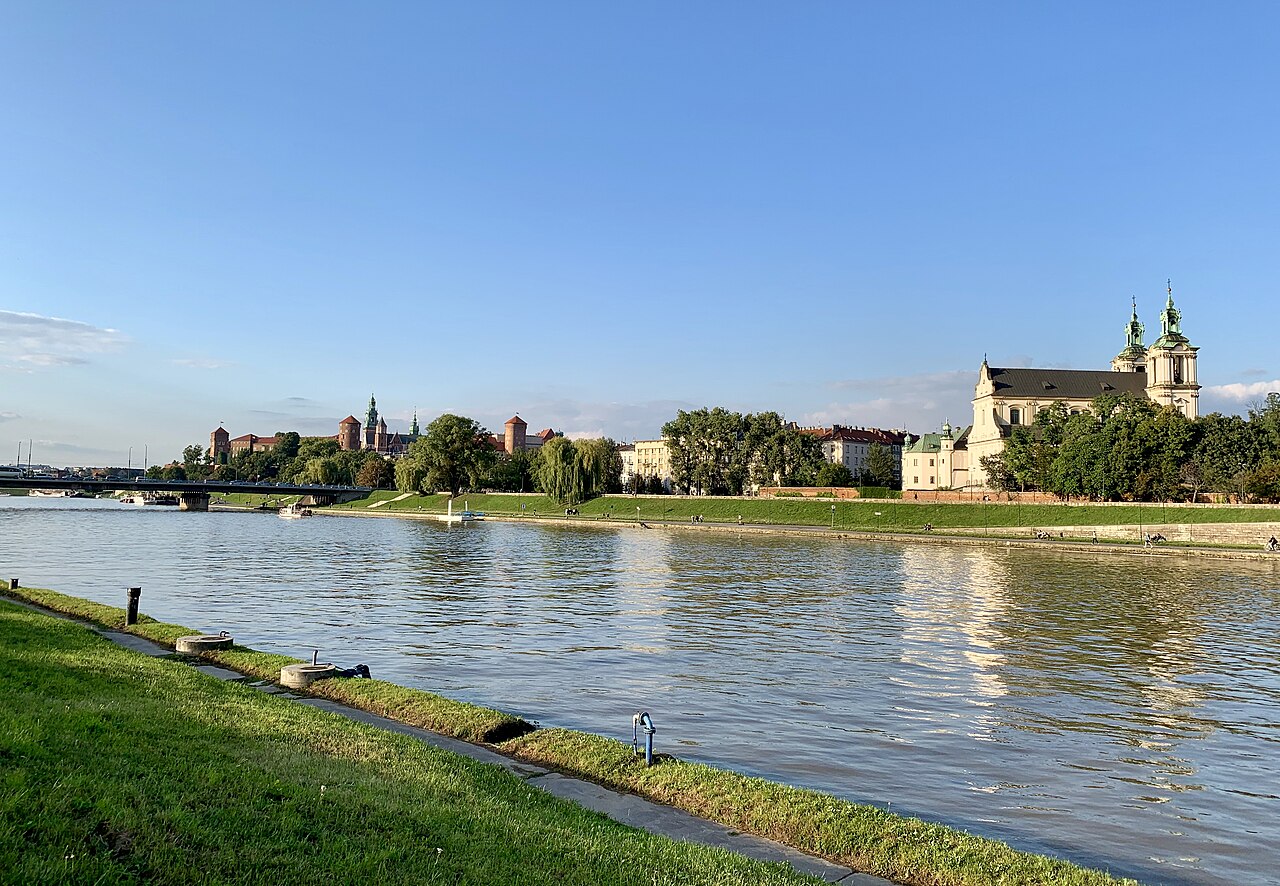
Wawel Castle, located in Kraków, Poland, is a stunning example of the convergence of various architectural styles over centuries. It serves as a symbol of Polish national identity and has significant historical and cultural importance.
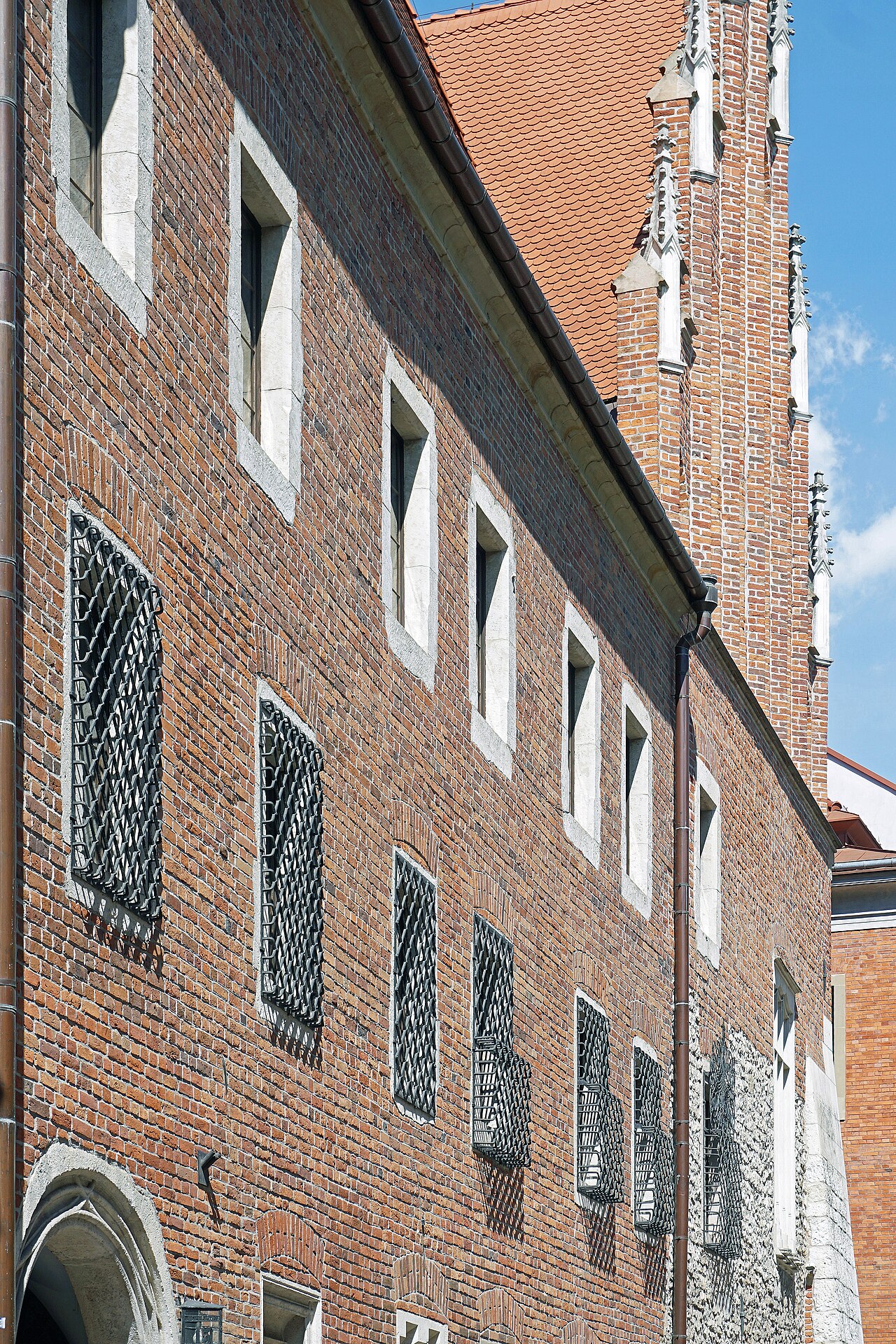
The Gothic style is evident in the pointed arches, ribbed vaults, and flying buttresses found throughout Wawel Castle. These elements emphasize verticality and light, creating an ethereal atmosphere within the structure.
The Renaissance influence at Wawel Castle is visible through its symmetrical proportions, use of columns, and classical motifs. This style reflects a revival of classical antiquity, which was embraced by the Polish nobility.
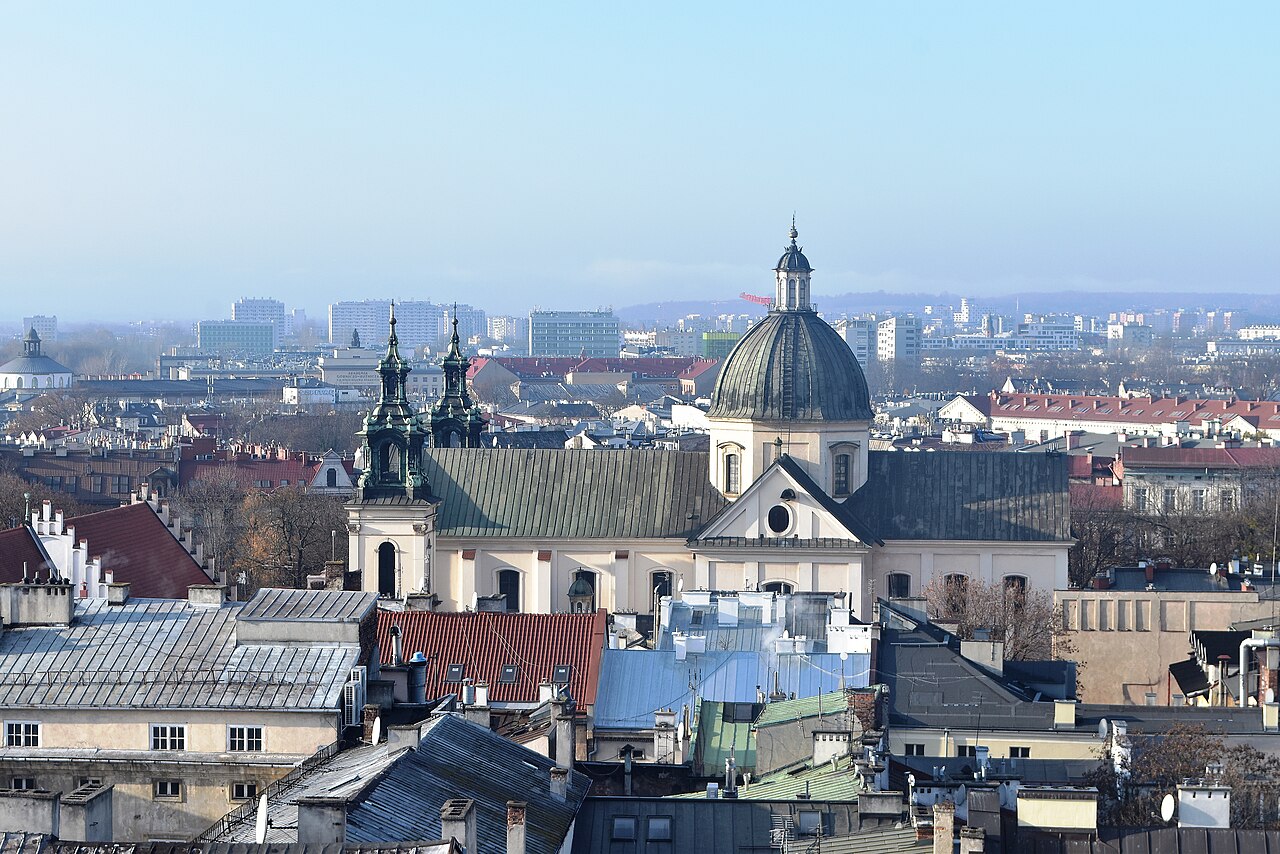
Elements of Baroque architecture can be seen in the dramatic use of space, grand staircases, and elaborate decoration. This style aims to impress and convey power, manifesting in the castle's facade and interior design.
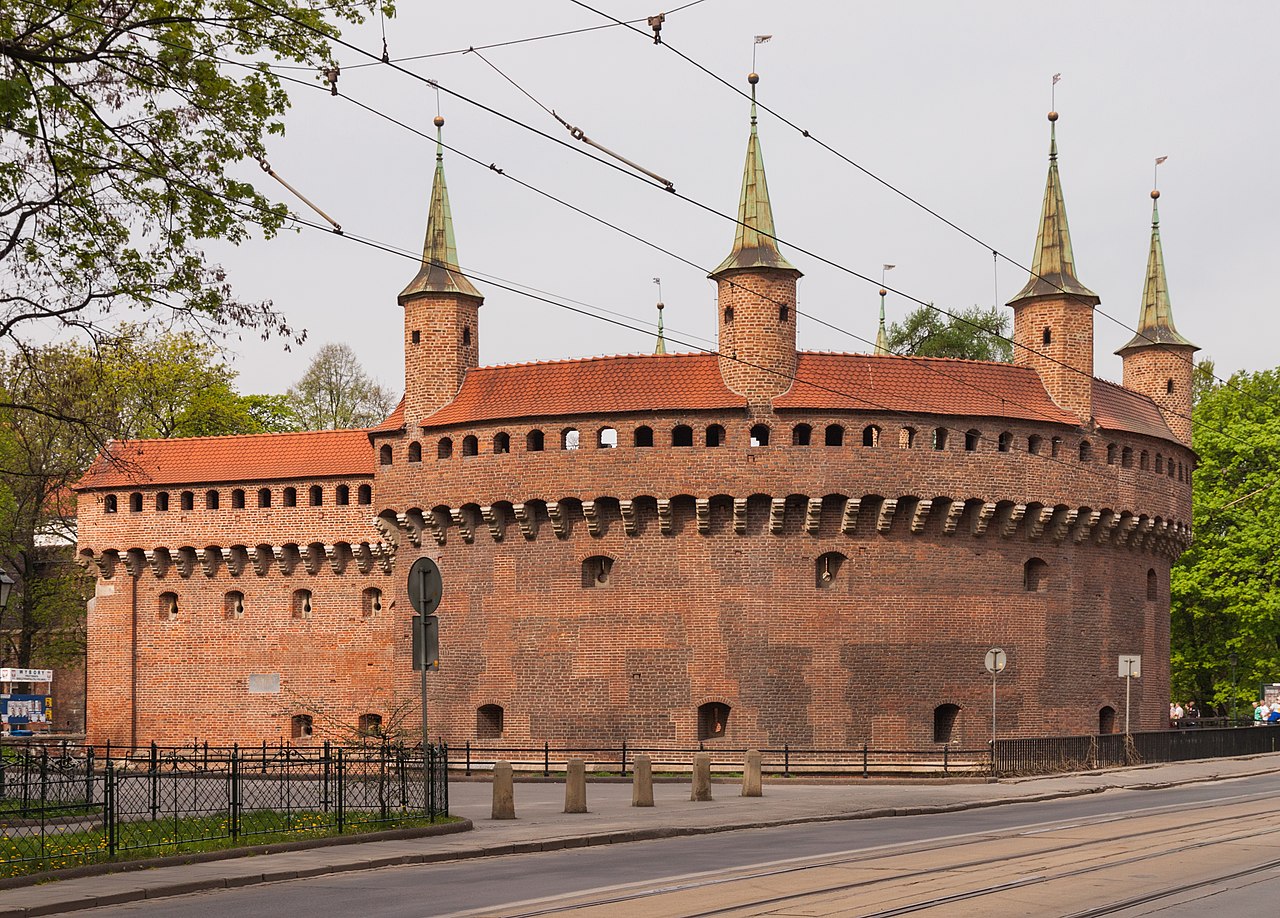
The Romanesque influence appears in the rounded arches and thick walls, which convey a sense of strength and stability. The castle's early phases reflect this robust architectural style.
Wawel Castle has been a royal residence since the 14th century, witnessing significant events in Polish history. It was the seat of the Polish kings and played a crucial role in the development of the nation, serving as a cultural and political center.
Explore 17 buildings across 7 styles →