Romanesque Architecture — A Guide
Overview
Romanesque architecture is the sturdy, fortress-like predecessor to Gothic. With its thick walls, round arches, massive towers, and powerful sense of enclosure, Romanesque buildings communicate permanence and protection. They were built during a turbulent period of European history, and their architecture reflects a world where churches and monasteries served as both spiritual refuges and physical fortresses.
The Romanesque style developed in the 10th and 11th centuries as Europe emerged from the early medieval period. Monasteries — particularly those of the Benedictine and Cluniac orders — were the primary patrons, building vast abbey churches along the pilgrimage routes to Santiago de Compostela. Romanesque builders experimented with vaulting techniques and sculptural decoration, gradually developing the structural innovations that would culminate in the Gothic revolution.
Key Characteristics
- Thick load-bearing walls with few and small windows
- Round arches in arcades, doorways, and windows
- Barrel and groin vaults covering nave and aisles
- Massive, fortress-like towers and buttresses
- Sculptural decoration concentrated on portals and capitals
- Geometric and zoomorphic carved ornament
Famous Examples Worldwide
Durham Cathedral
Durham, 1133
Basilica of Saint-Sernin
Toulouse, 1120
Speyer Cathedral
Speyer, 1106
Buildings in Our Library (88)
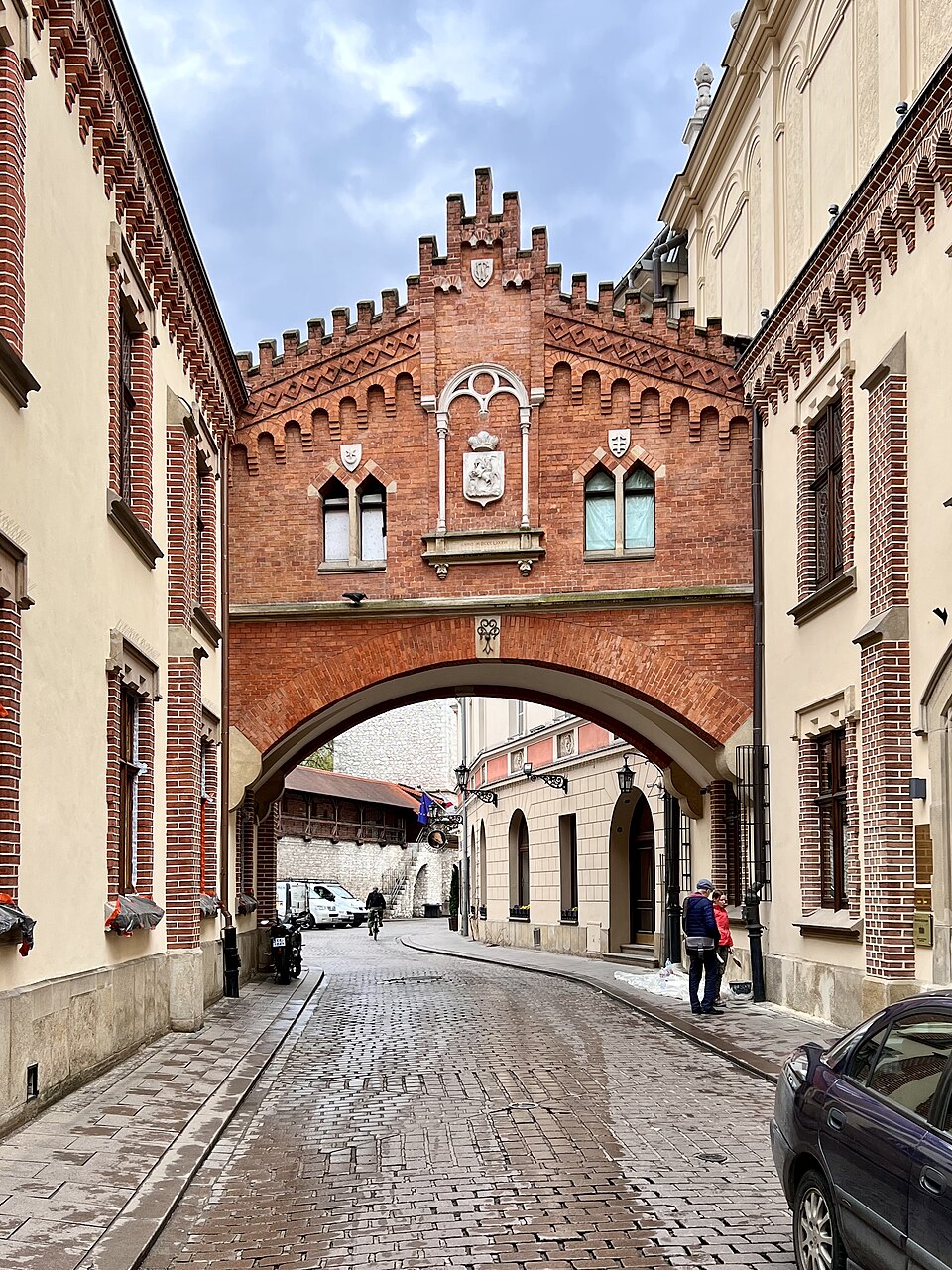
Czartoryski Museum
Pijarska 15, 31-015 Kraków, Poland
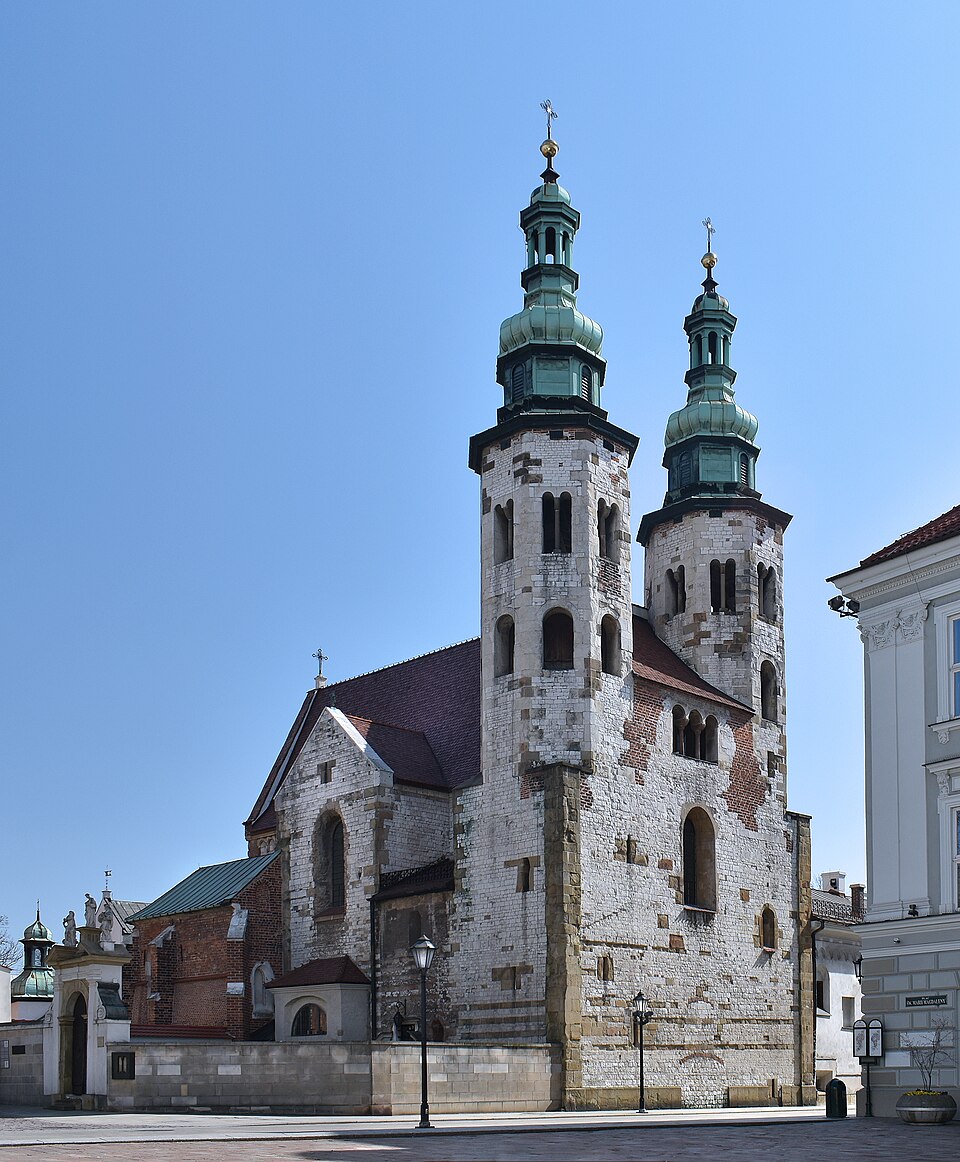
Church of St. Andrew the Apostle
Grodzka 54, 31-044 Kraków, Poland
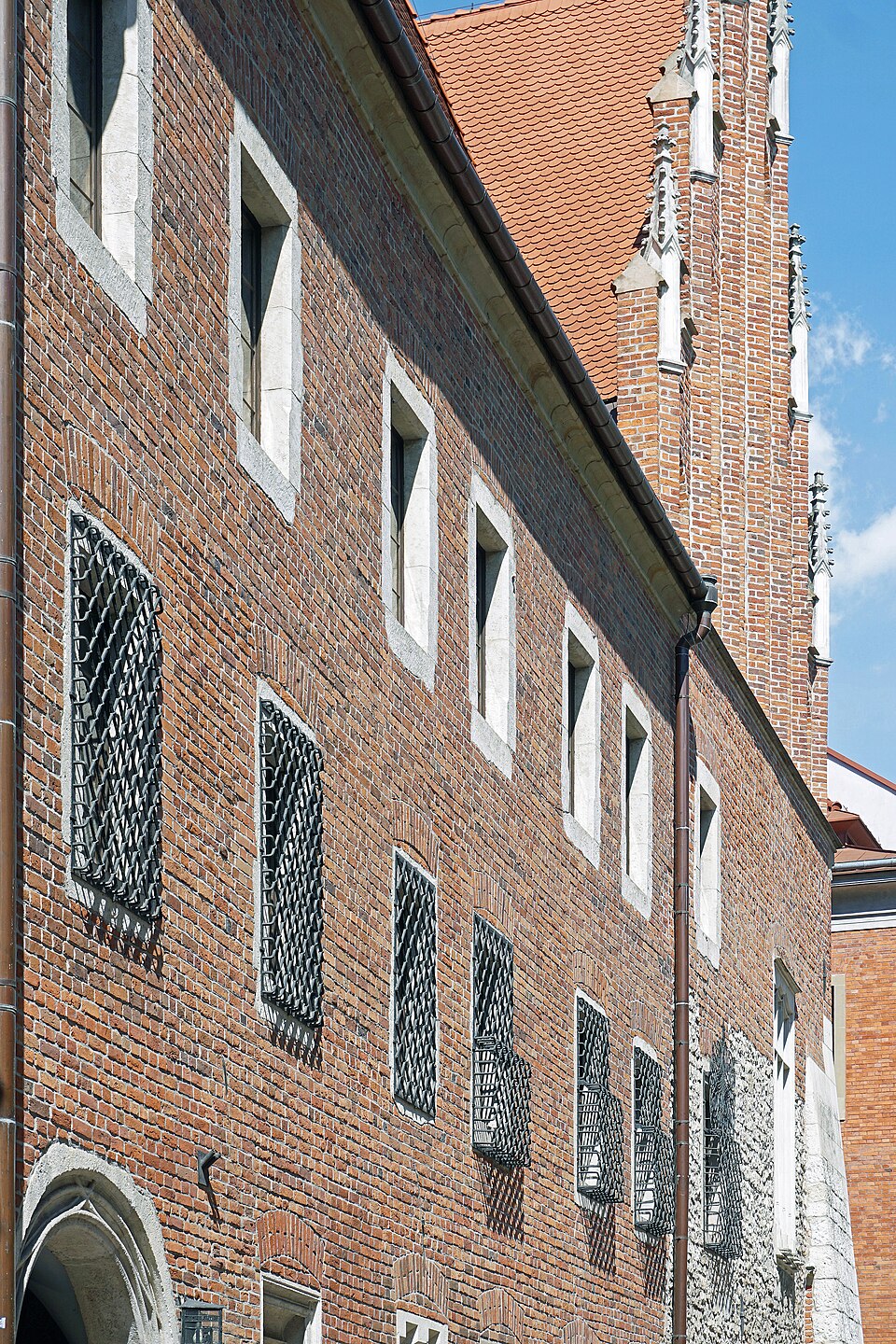
Collegium Maius
Jagiellońska 15, 31-010 Kraków, Poland
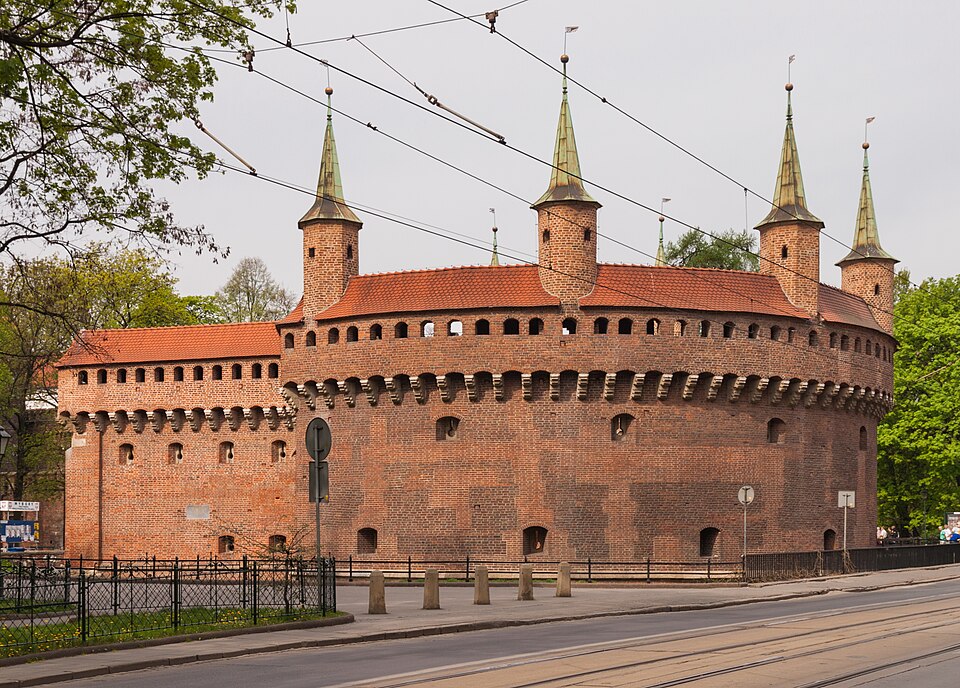
Barbican of Kraków
Basztowa, 31-143 Kraków, Poland
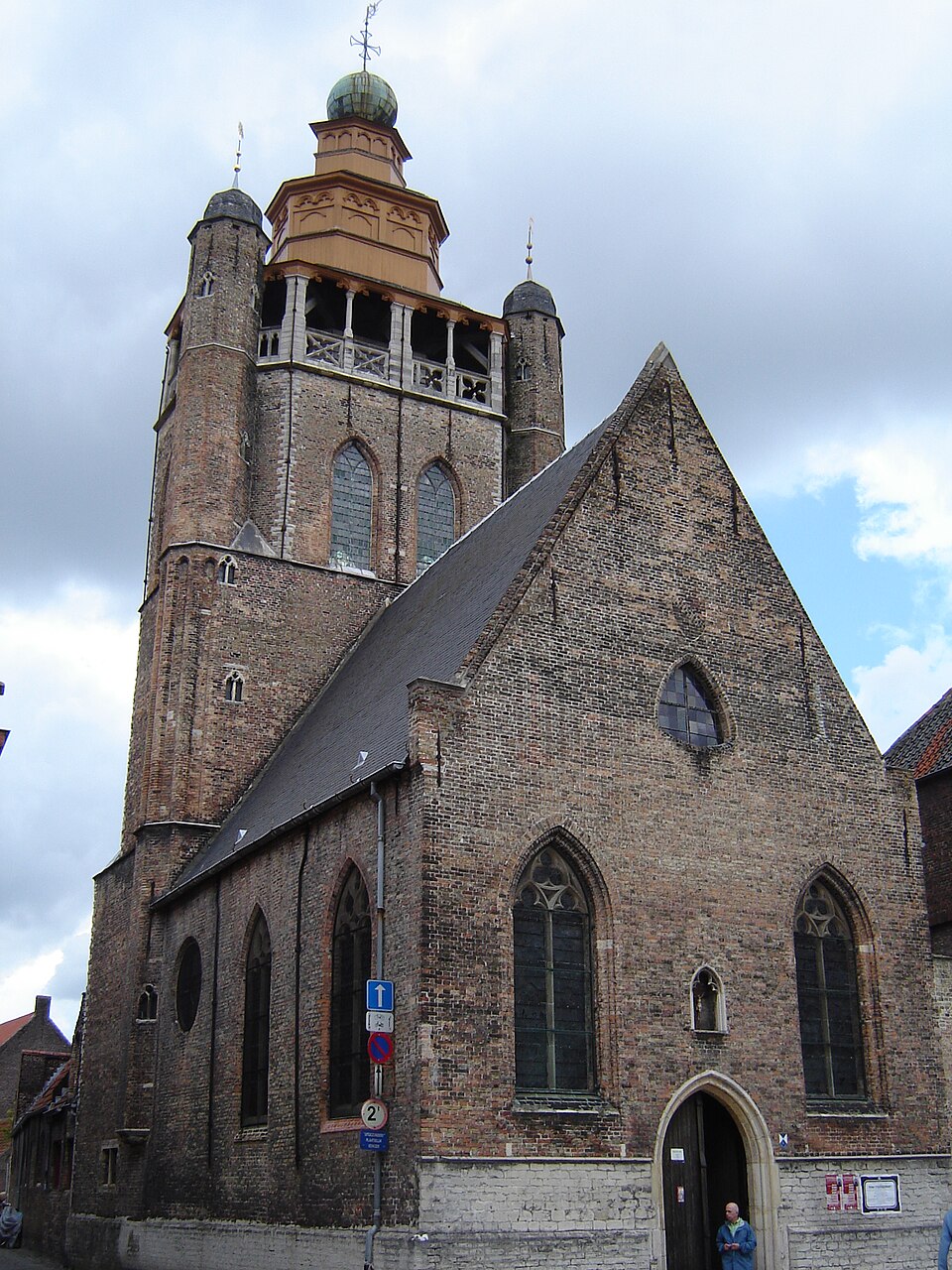
Jerusalem Chapel Bruges
Peperstraat 3A, 8000 Brugge, Belgium
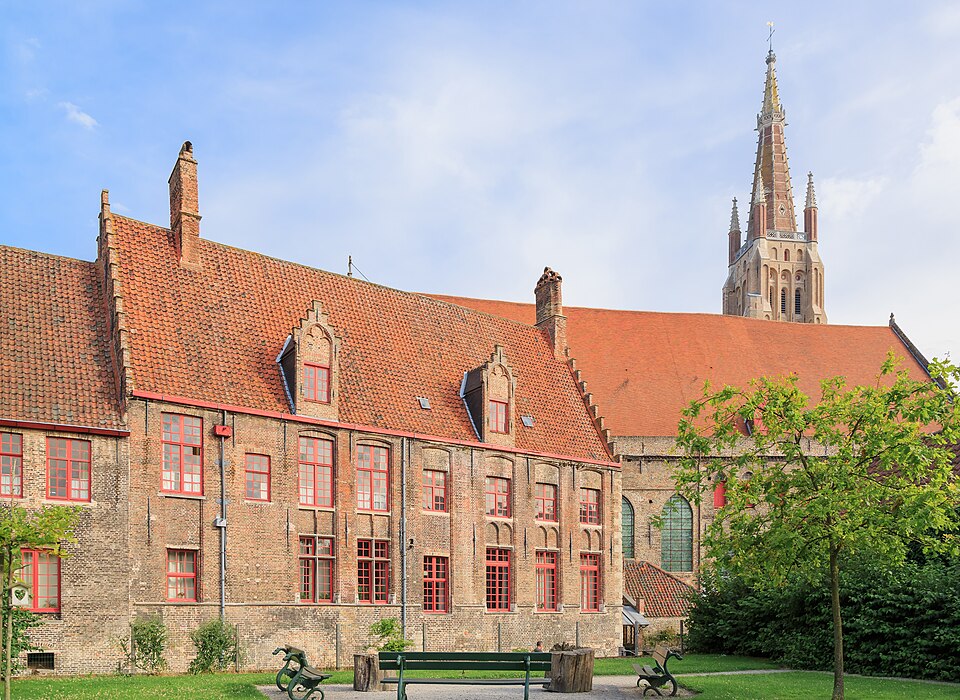
Memling Museum
Mariastraat 38, 8000 Brugge, Belgium
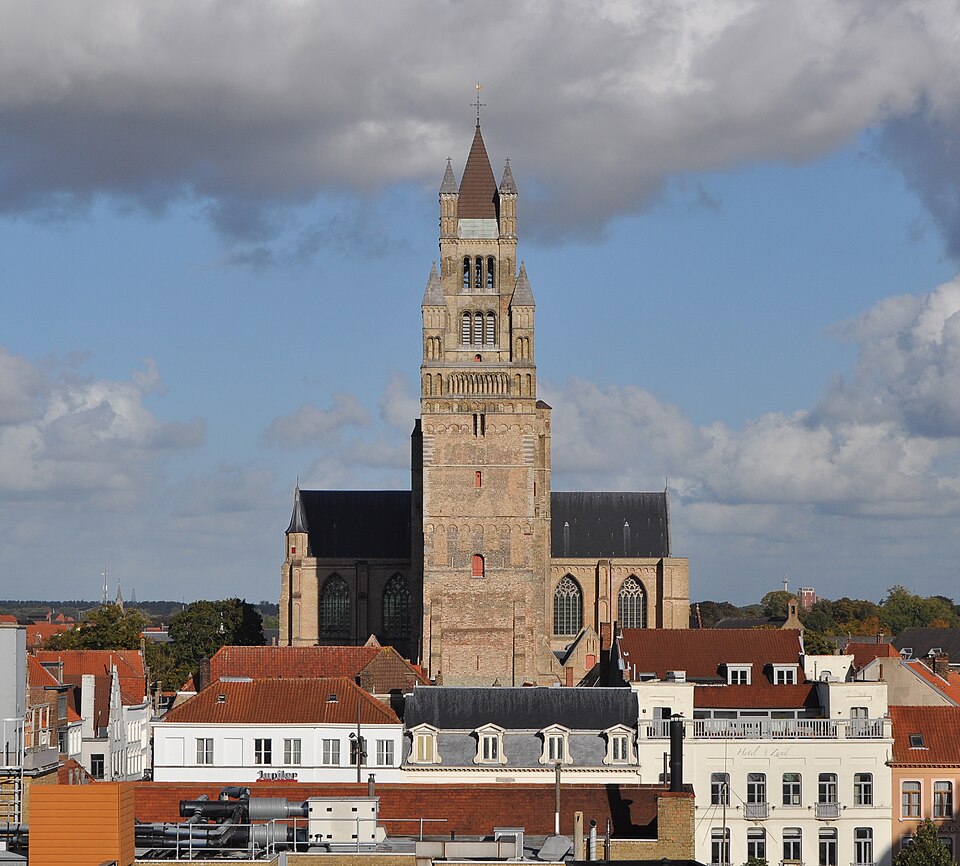
Holy Saviour Cathedral
Steenstraat 1, 8000 Brugge, Belgium
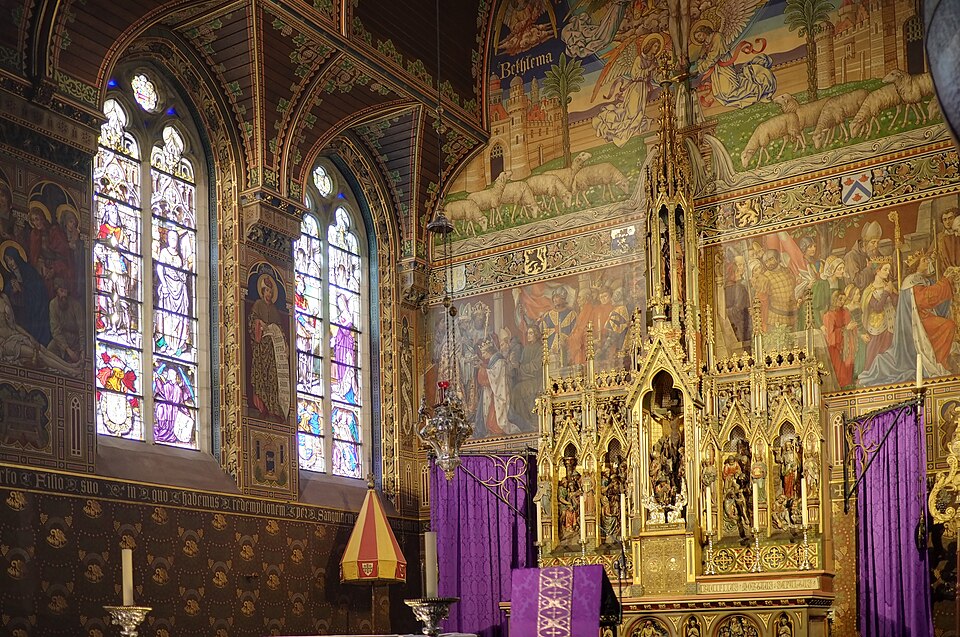
Basilica of the Holy Blood
Burg 13, 8000 Brugge, Belgium
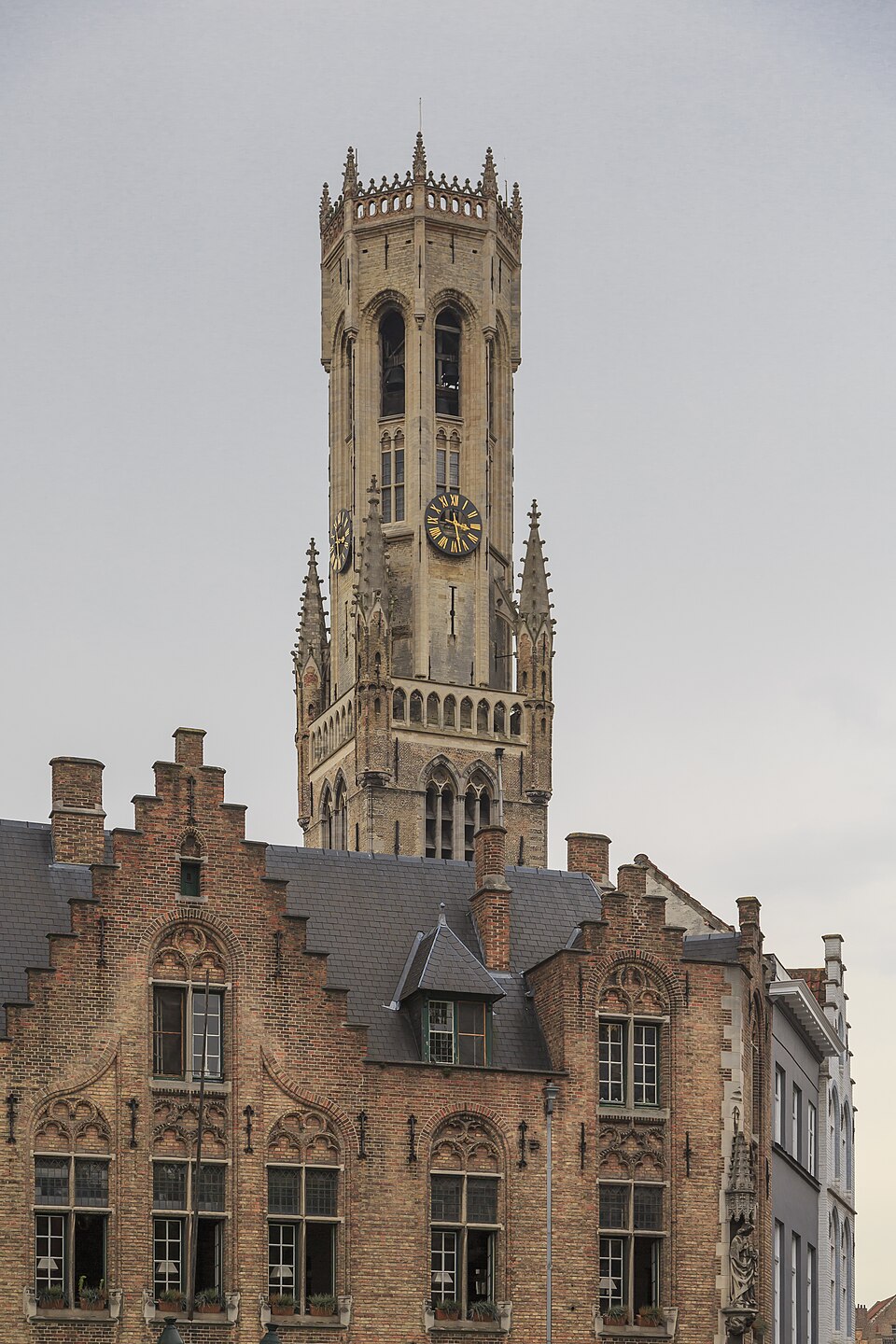
Belfry of Bruges
Markt 7, 8000 Brugge, Belgium
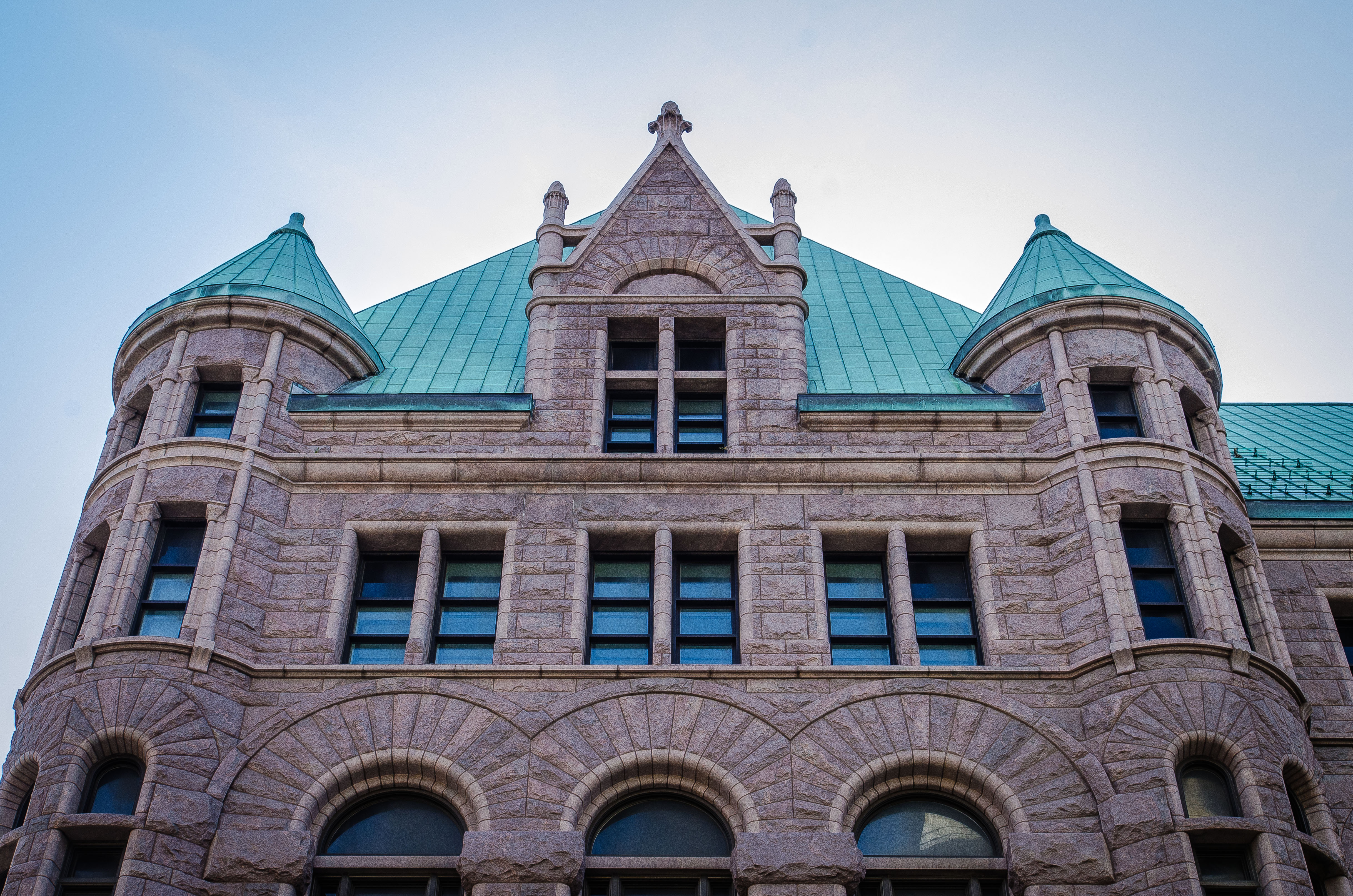
Minneapolis City Hall
350 S 5th Street, Minneapolis, MN 55415
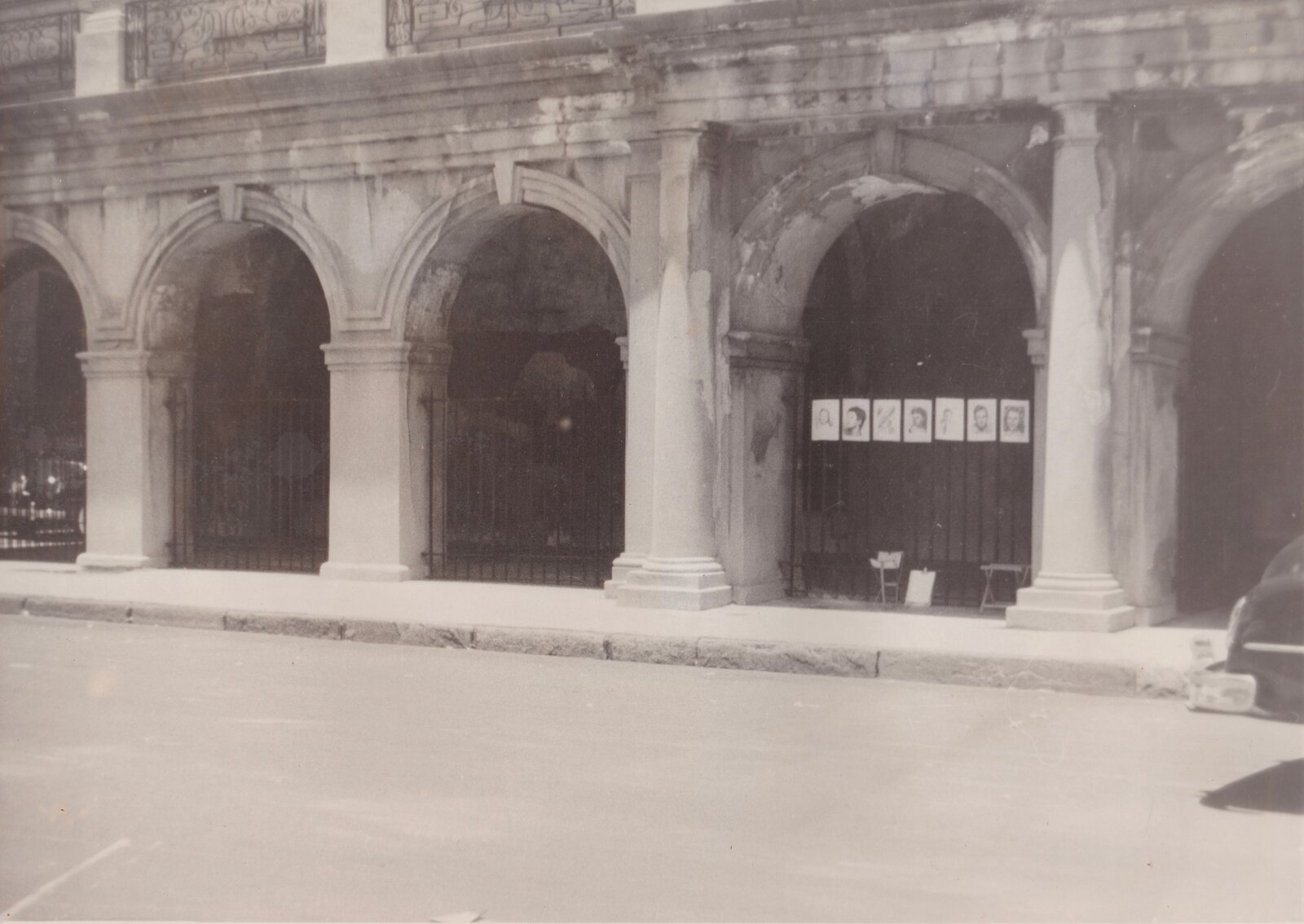
The Cabildo
701 Chartres Street, New Orleans, LA 70116
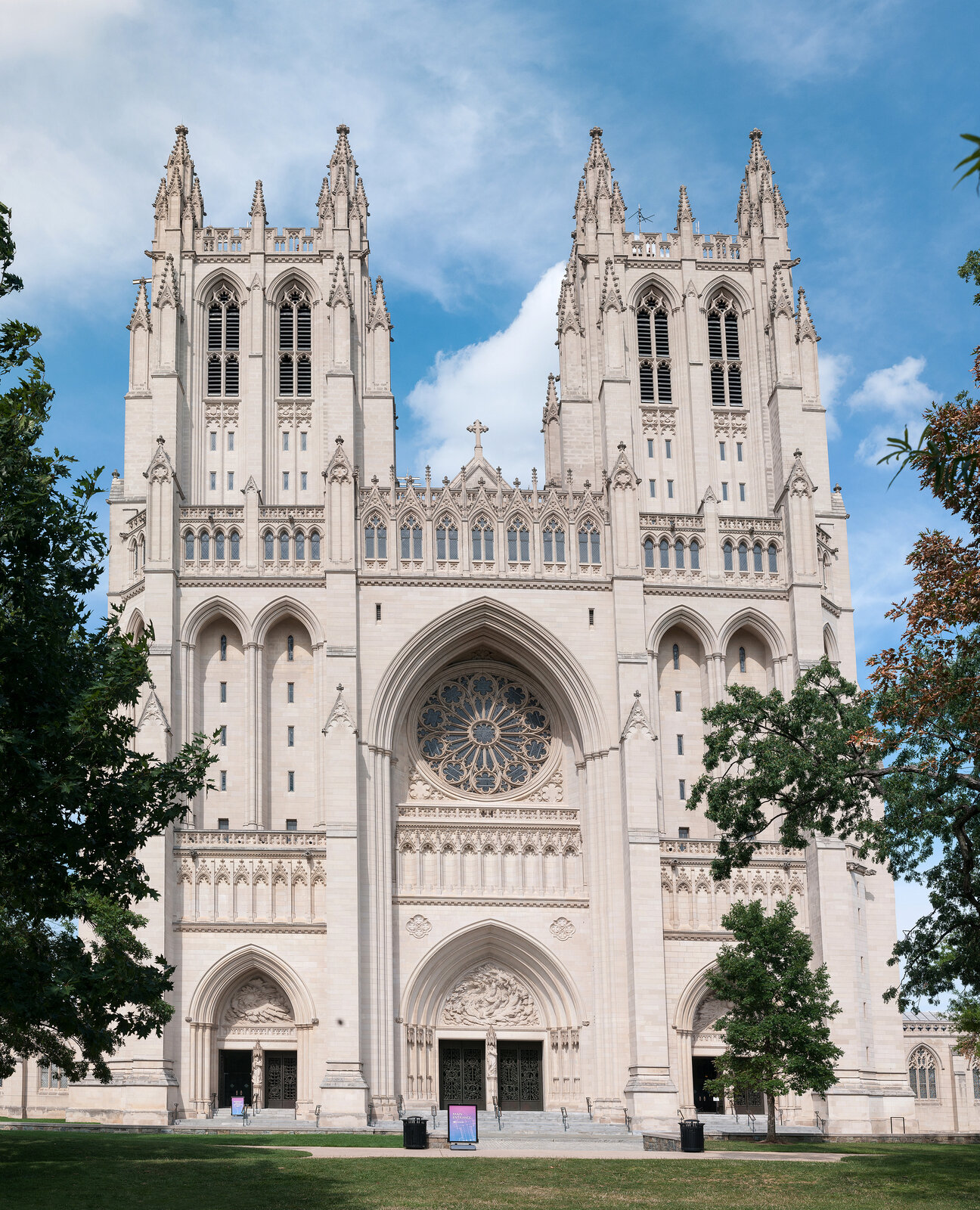
Washington National Cathedral
3101 Wisconsin Avenue NW, Washington, DC 20016
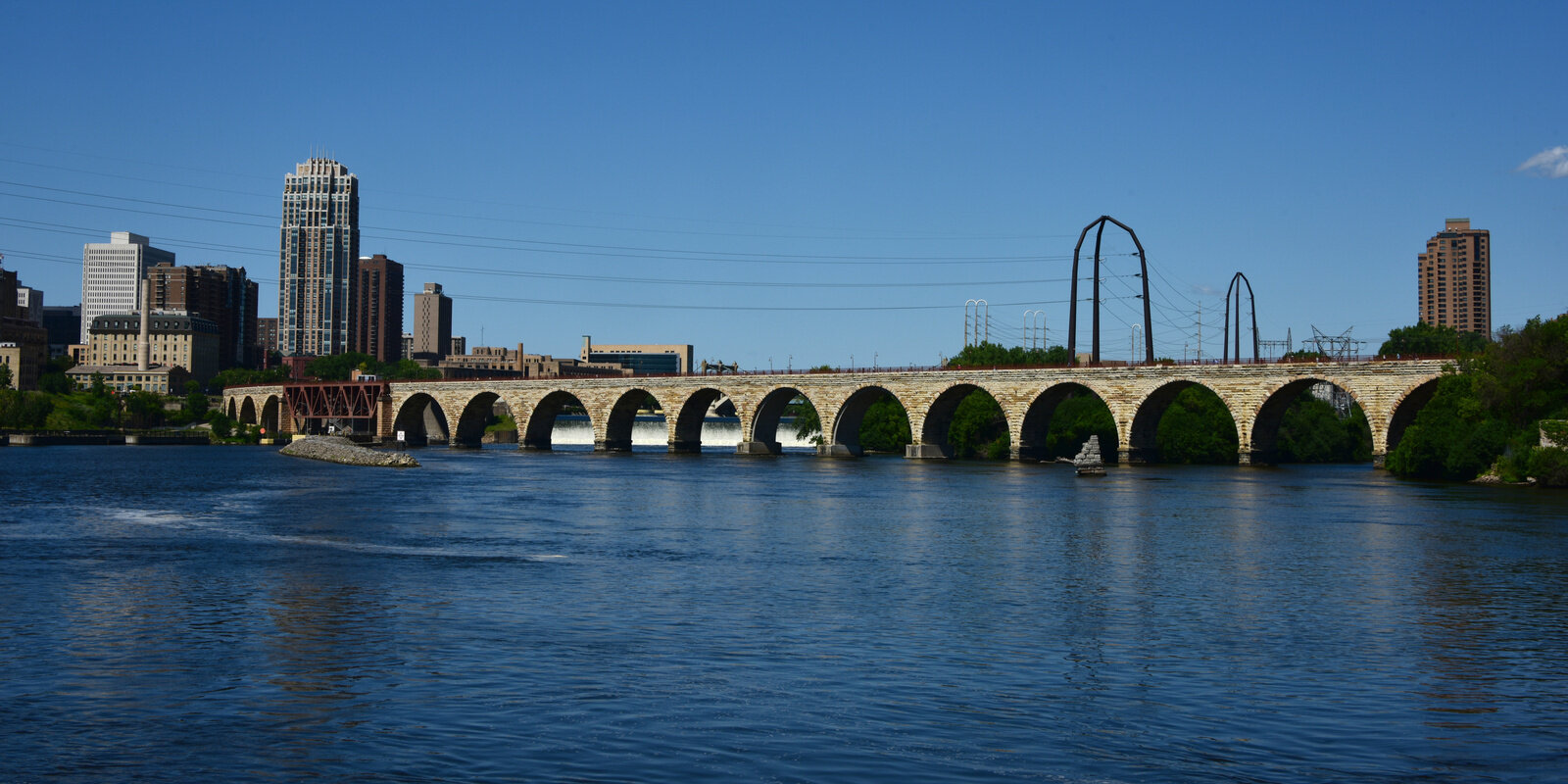
Grain Belt Brewery Complex
79 13th Avenue SE, Minneapolis, MN 55414
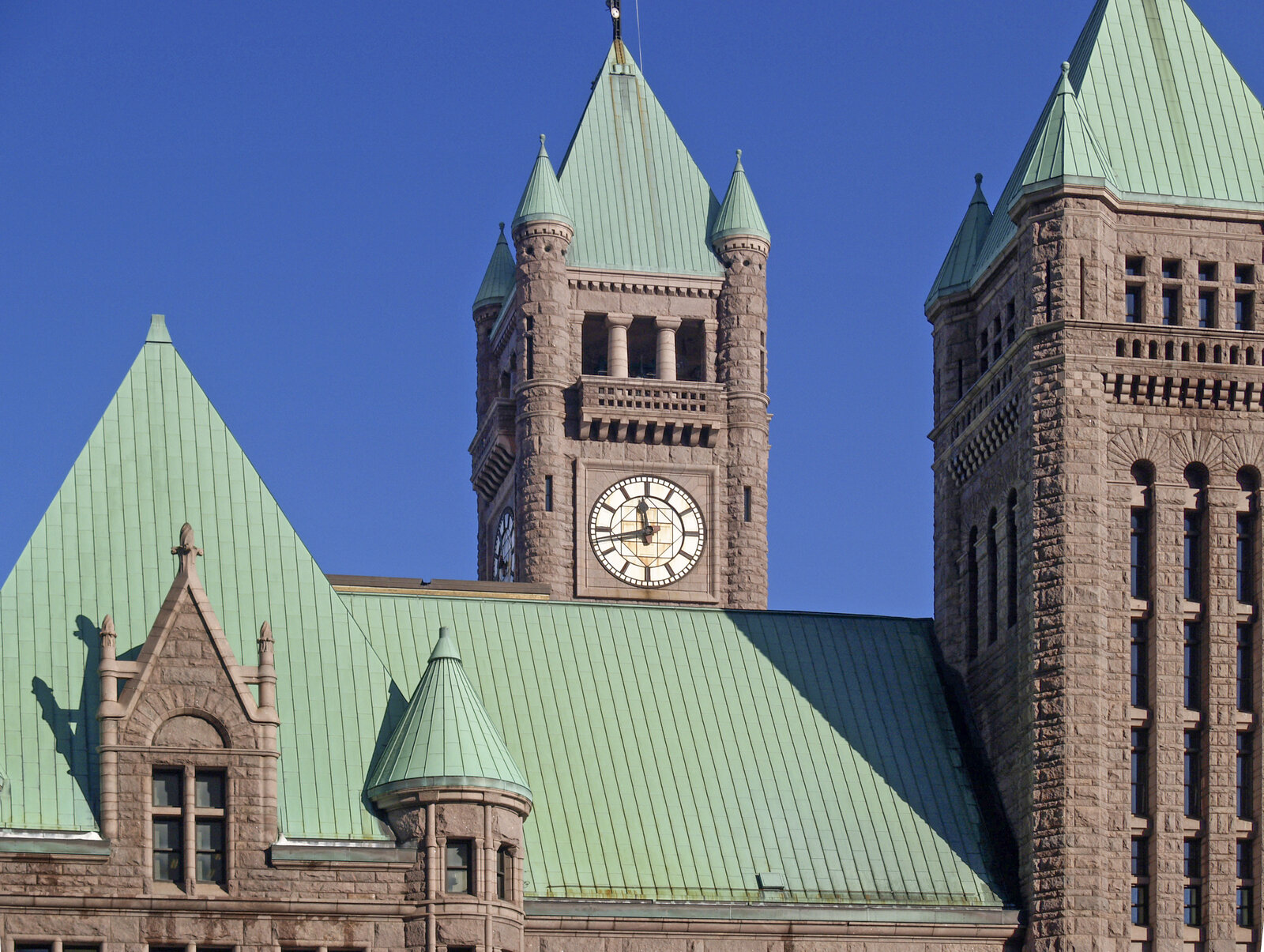
Minneapolis City Hall
350 S 5th Street, Minneapolis, MN 55415
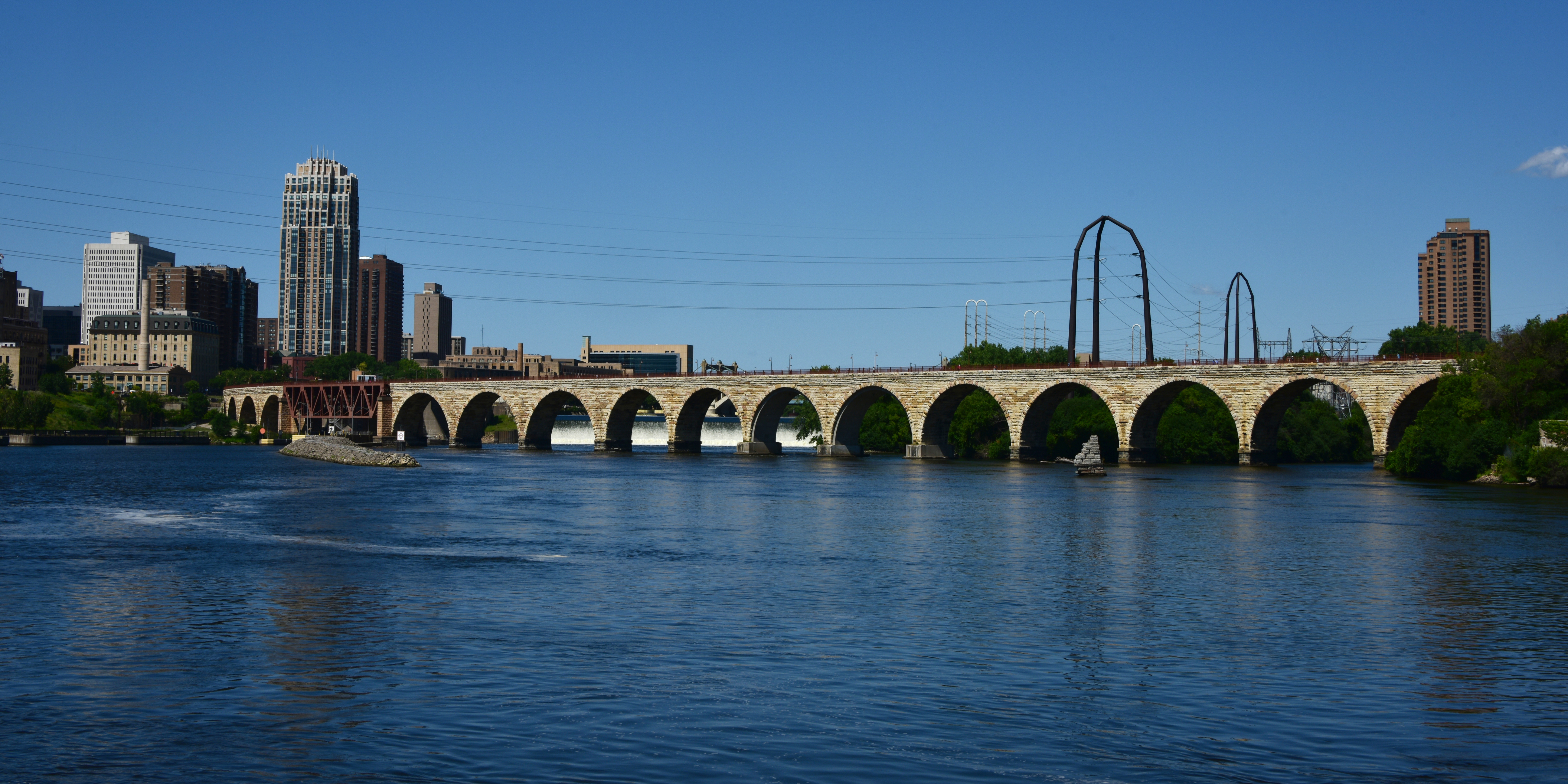
Stone Arch Bridge
Stone Arch Bridge, Minneapolis, MN 55401
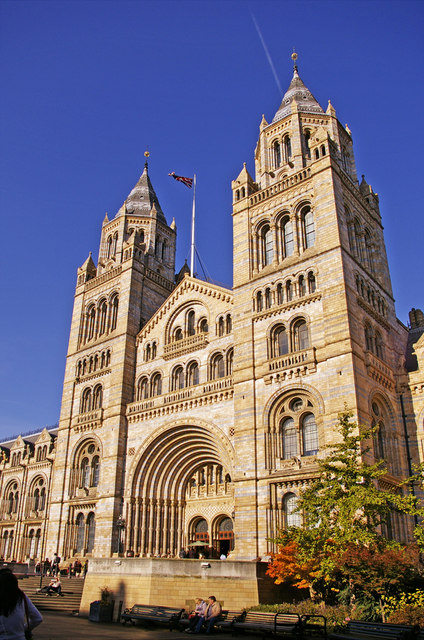
Natural History Museum
Cromwell Road, South Kensington, London SW7 5BD
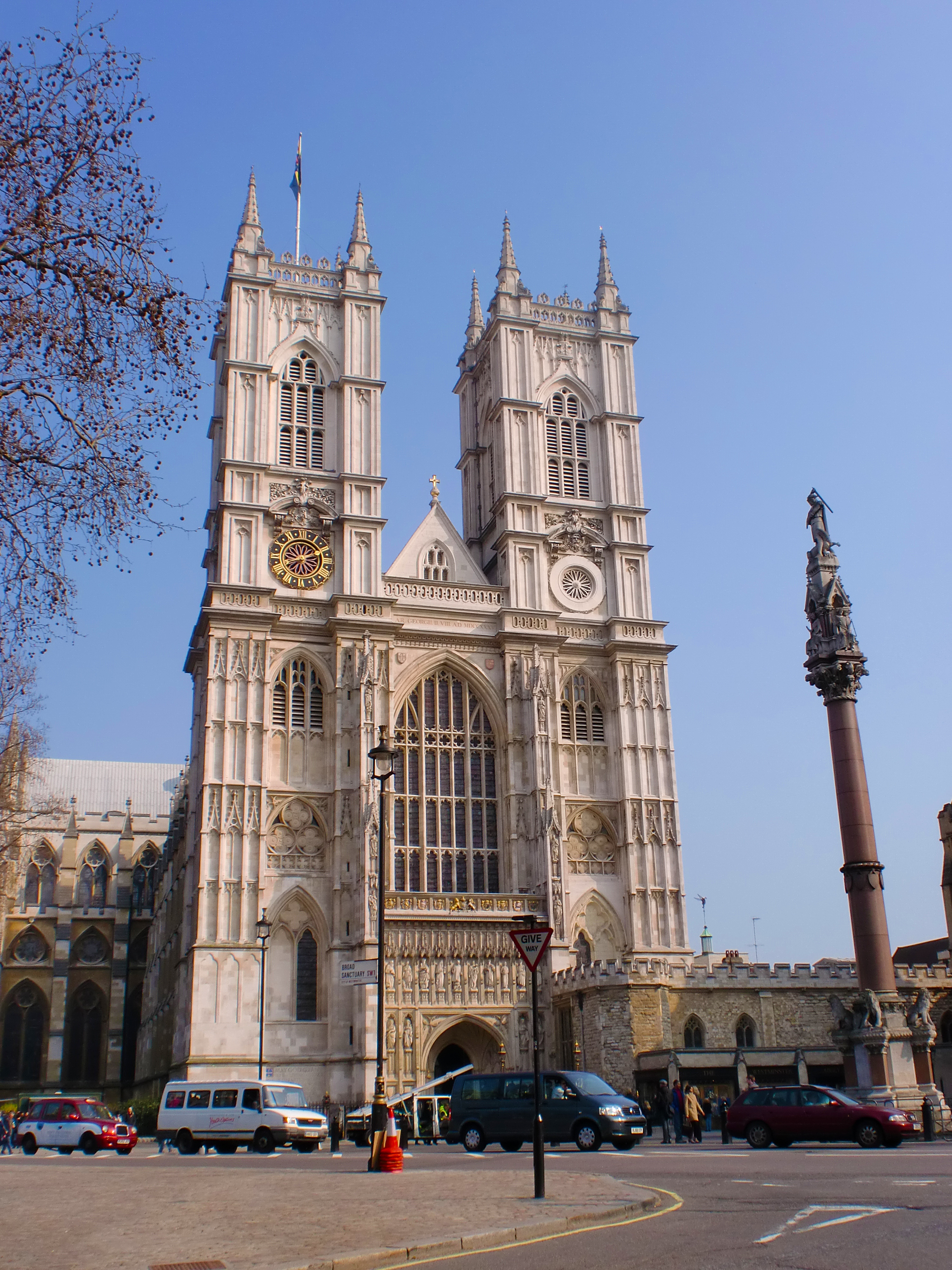
Westminster Abbey
20 Deans Yard, Westminster, London SW1P 3PA
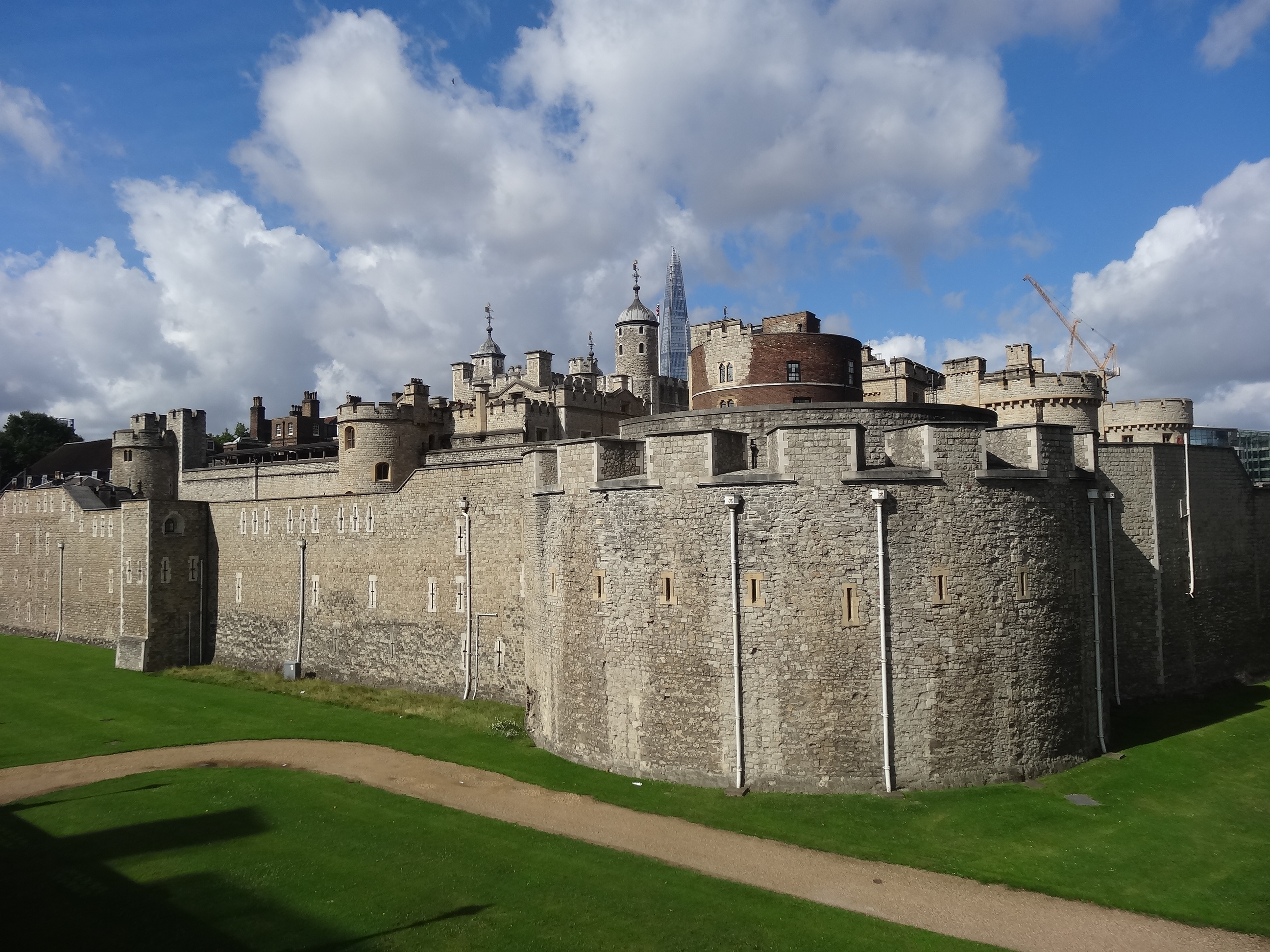
Tower of London
Tower of London, London EC3N 4AB
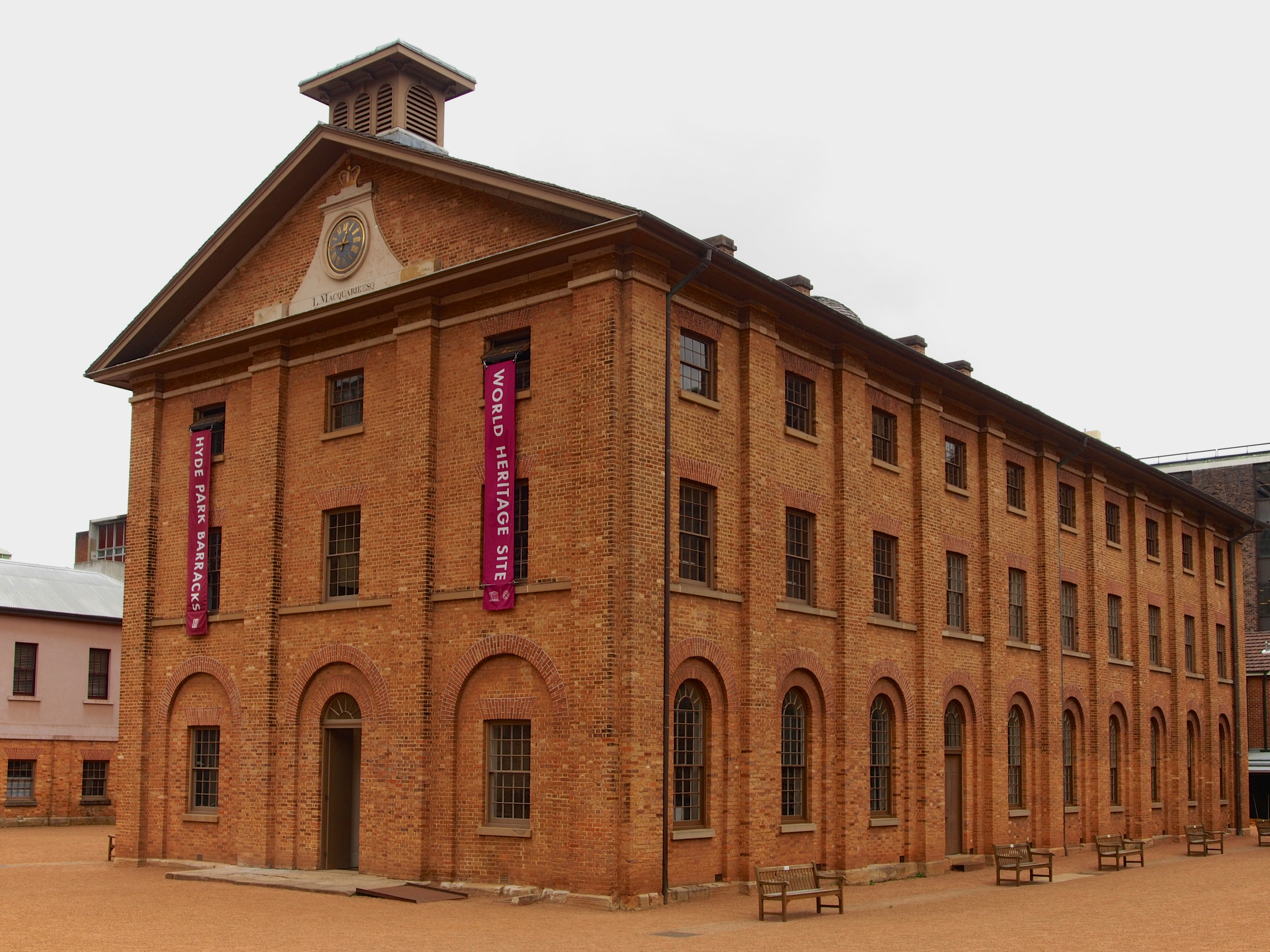
Hyde Park Barracks
Queens Square, Macquarie Street, Sydney NSW 2000, Australia
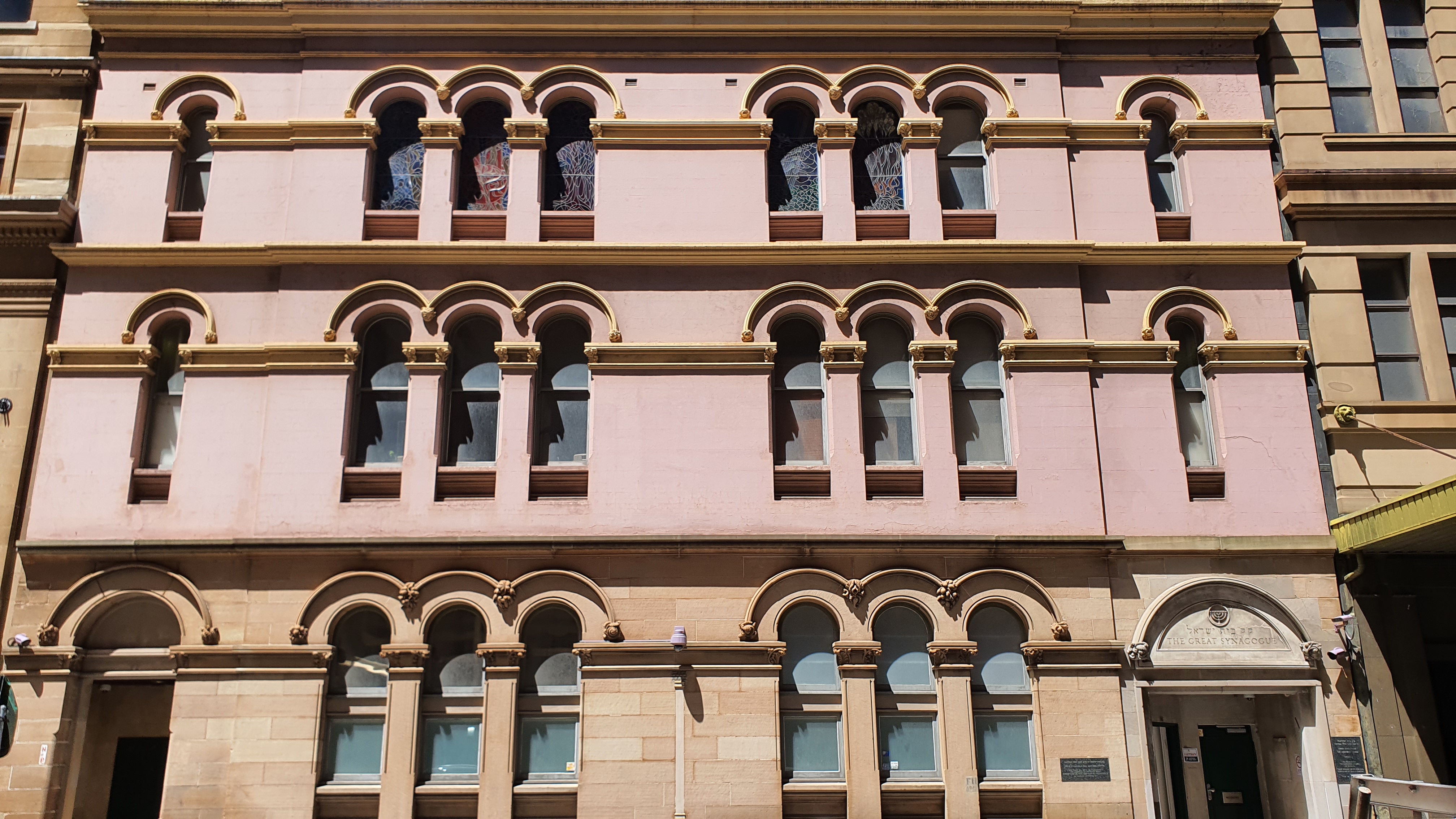
Great Synagogue
166 Castlereagh Street, Sydney NSW 2000, Australia
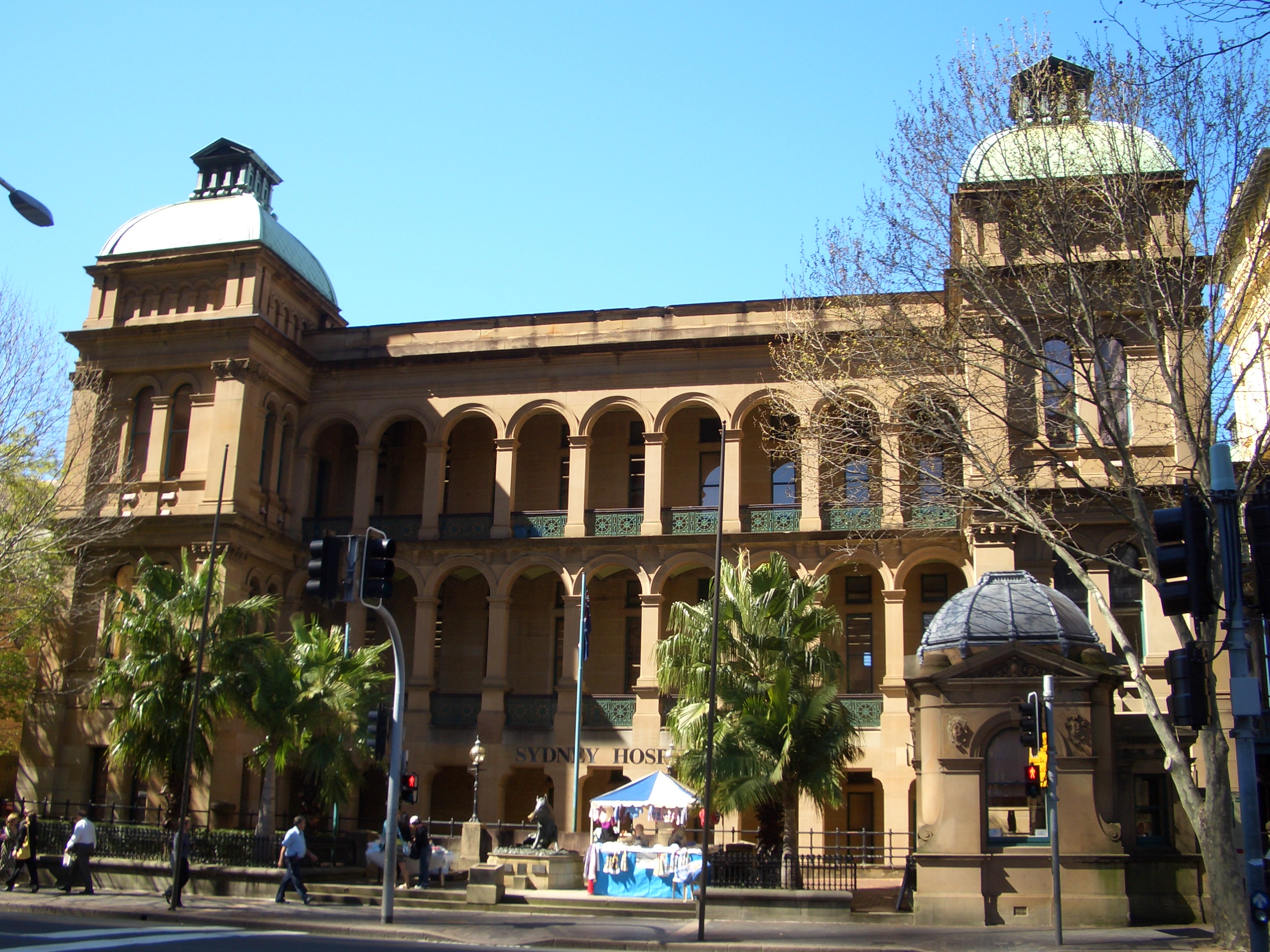
Sydney Hospital
8 Macquarie St, Sydney NSW 2000
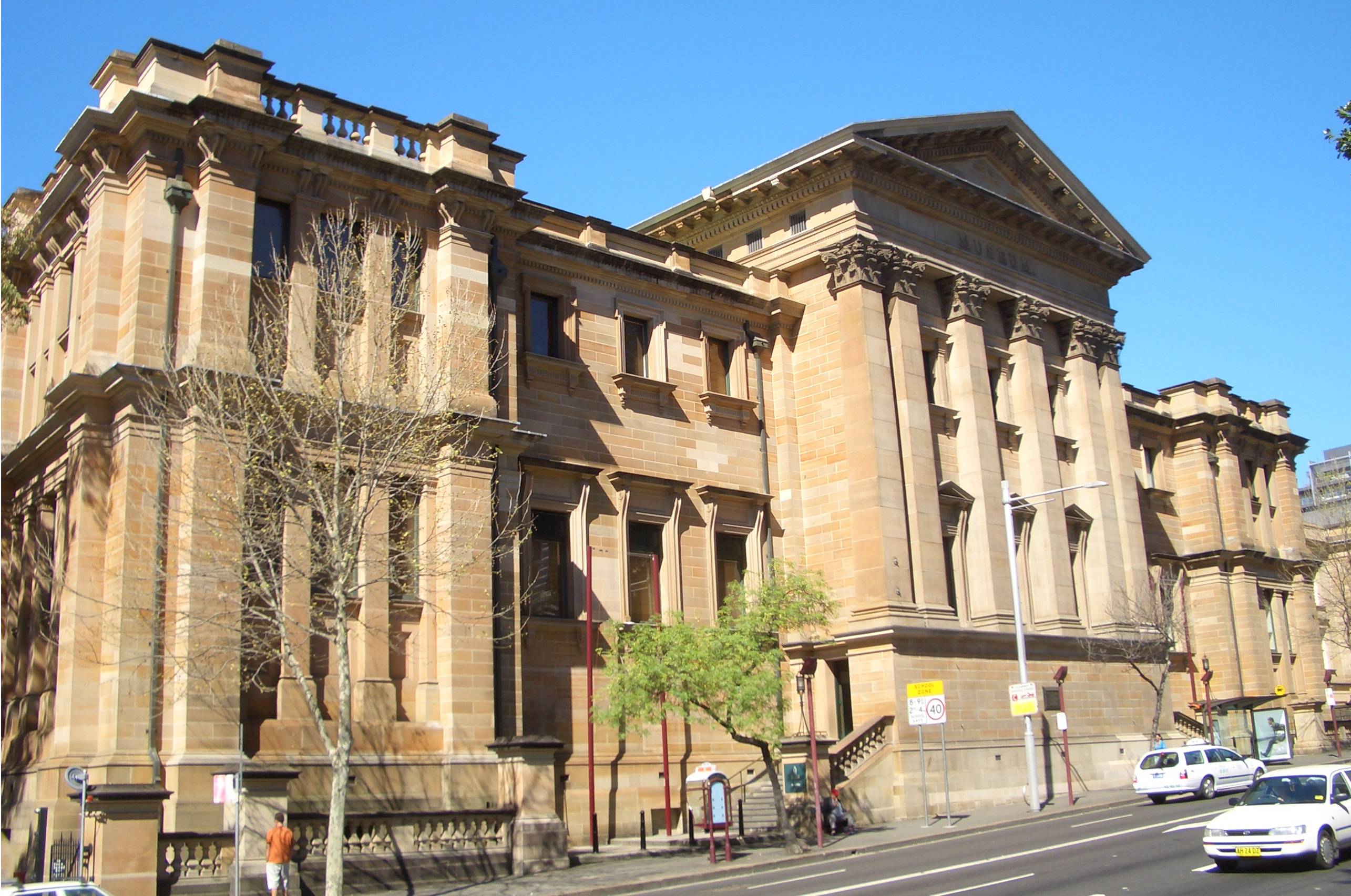
Australian Museum
1 William St, Sydney NSW 2010
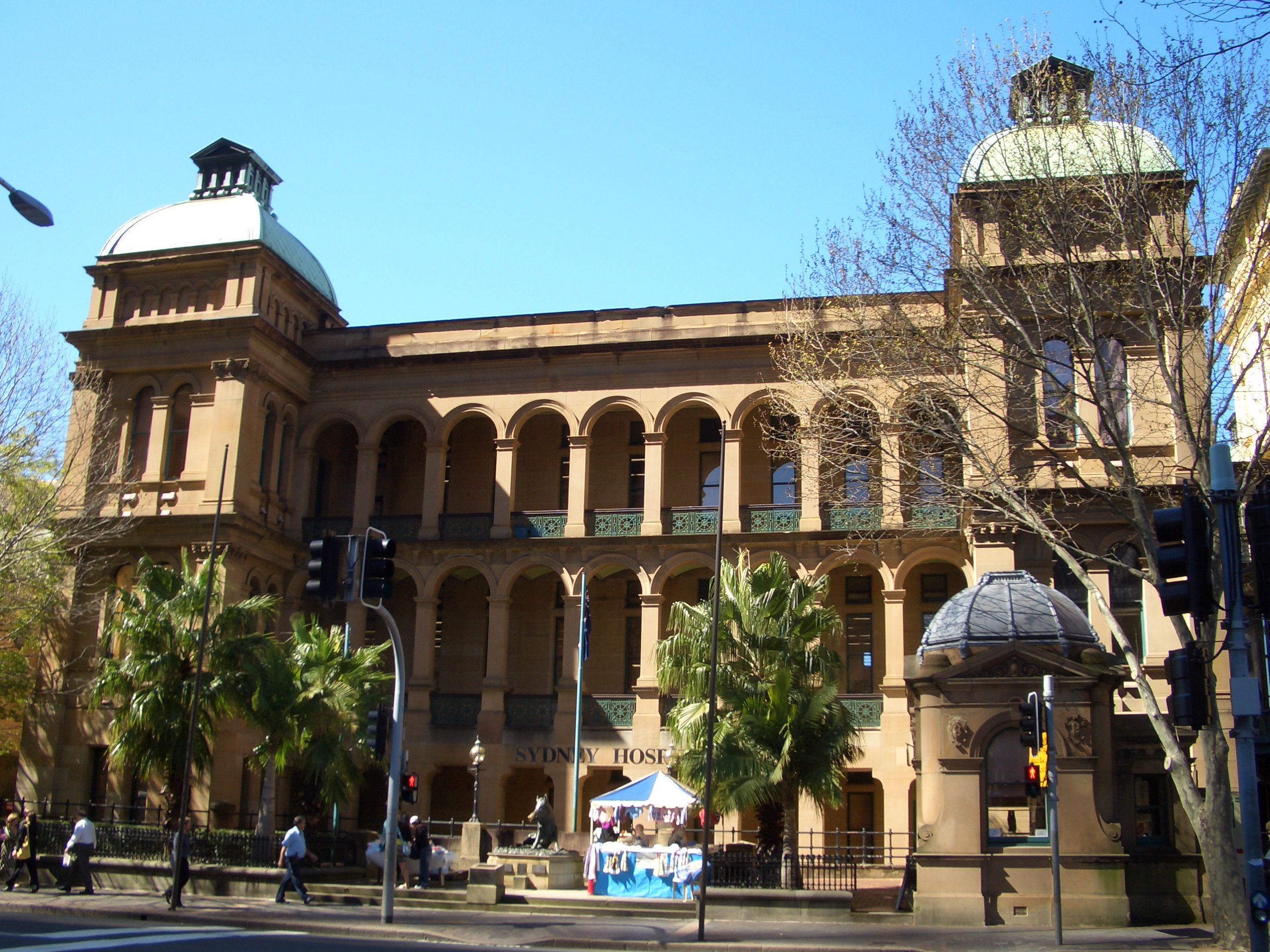
Sydney Hospital
8 Macquarie St, Sydney NSW 2000
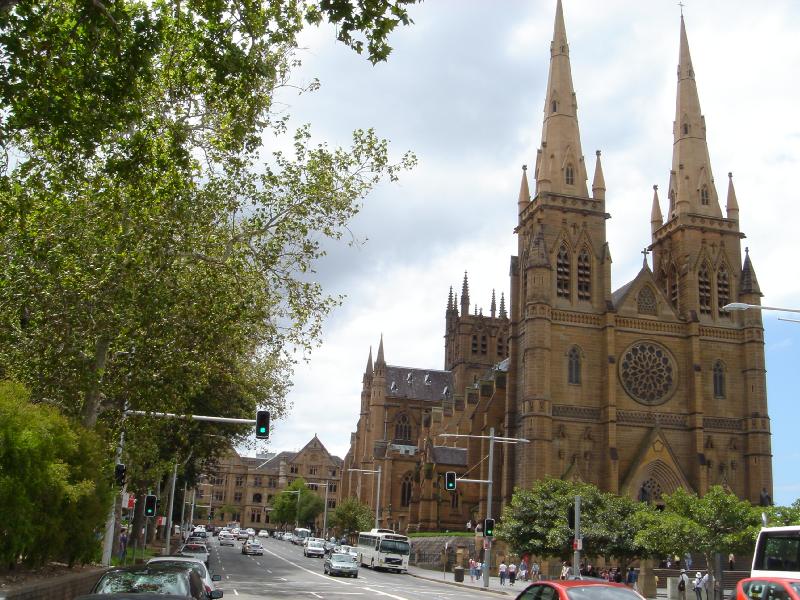
St Mary's Cathedral
St Marys Rd, Sydney NSW 2000
Where to Find Romanesque Architecture
Related Styles
Why Romanesque Matters Today
Romanesque architecture achieved grandeur through sheer material presence — mass, weight, and the power of stone. Its buildings possess a primal authority that more refined styles cannot match, reminding us that architecture's most basic act is creating shelter and enclosure.