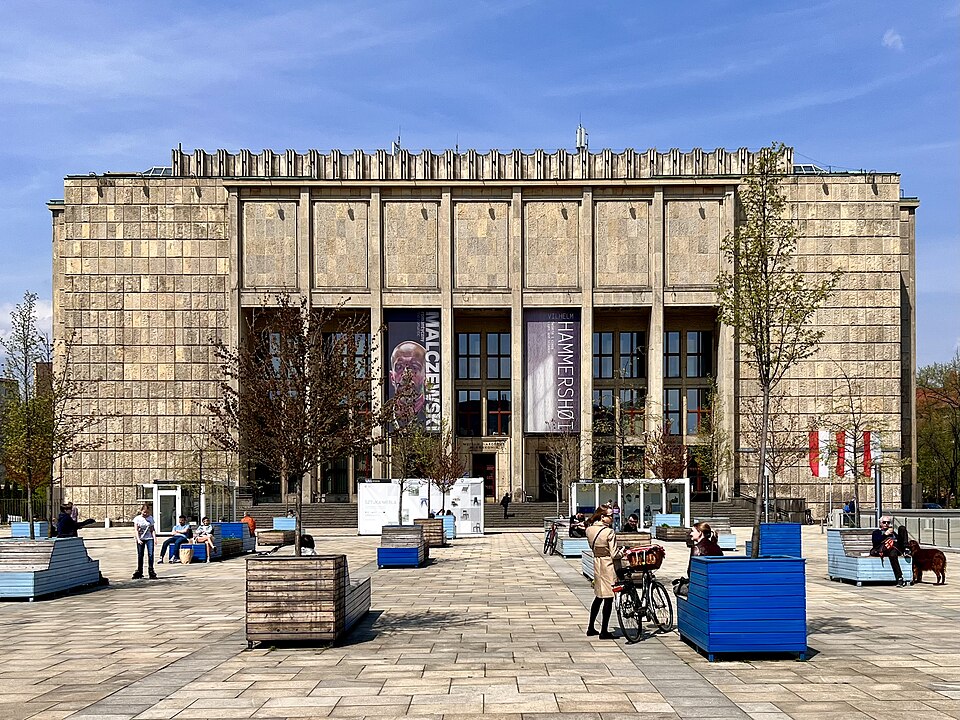
Unnamed Church Complex
-
Baroque 80%
-
Renaissance 70%
-
Gothic Revival 60%
This church complex showcases a blend of various architectural elements typical of ecclesiastical structures. Its significant presence in the landscape reflects both religious and community functions, embodying historical and cultural narratives of the region.
Architectural Styles
Baroque
80%The Baroque style is evident in the building's grandeur and dramatic forms, characterized by dynamic shapes and ornate detailing. The use of domes and towers, along with the intricate ornamentation on facades, highlights the emphasis on artistic expression typical of Baroque architecture.
- Curved forms
- Ornate decoration
- Dramatic contrasts of light and shadow
- Use of domes and towers
- Integrative landscape positioning
Renaissance
70%Renaissance influences are apparent in the symmetrical layouts and proportionate structures. The attention to classical orders and the balanced proportions in the facade design reflect a return to classical ideals, showcasing harmony and clarity.
- Symmetrical design
- Proportionality
- Use of classical orders
- Focus on symmetry
- Geometric shapes
Gothic Revival
60%Gothic Revival features are noted in the pointed arches and intricate details on window designs. This style aims to revive medieval Gothic architecture, bringing back elements like spires and various decorative motifs that offer a historical connection.
- Pointed arches
- Spires and pinnacles
- Decorative tracery
- Complex rooflines
- Verticality in design
Notable Features
- Prominent domes
- Decorative spires
- Lush surrounding gardens
Historical Context
The church complex reflects the socio-religious dynamics of its time, serving as a central point for community gatherings and worship. Built during a period of architectural revival, it signifies the blend of modern needs with historical appreciation in ecclesiastical architecture.
Fun Facts
- The building is often used for local festivals and events.
- It features unique artworks that display the region's history.
- Local legends surround the site, adding to its cultural significance.
Similar Style Buildings

Paleisstraat 2b, 2514 JA Den Haag
Gothic
N/A
Baroque
N/A
Gothic
N/A
Gothic
N/A
Norman
N/A
Gothic
N/A
Art Deco
N/A
NeoclassicalNearby Buildings
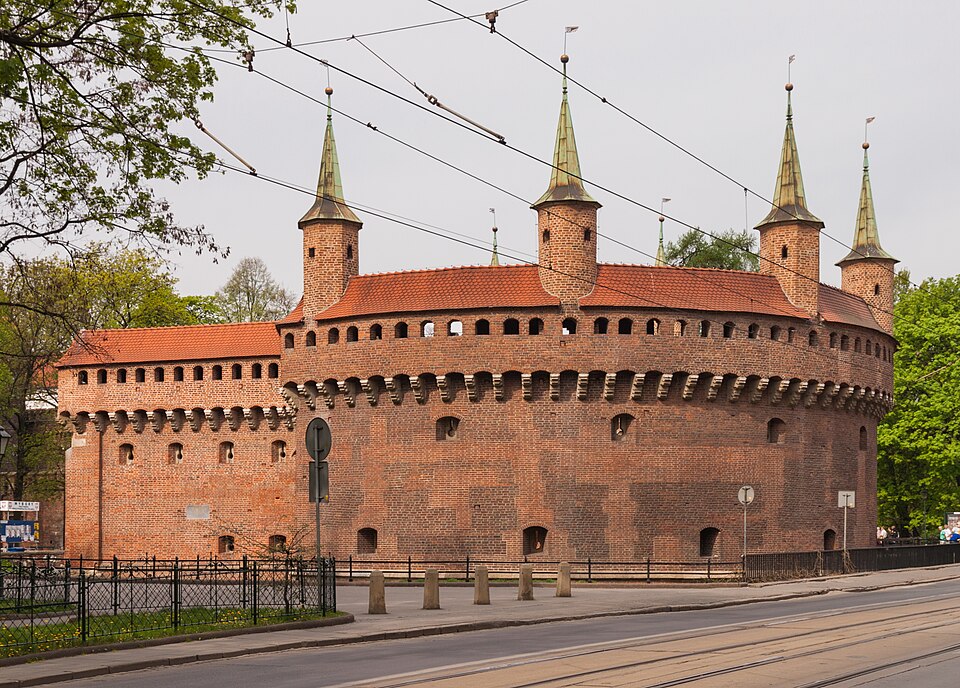
Barbican of Kraków
Gothic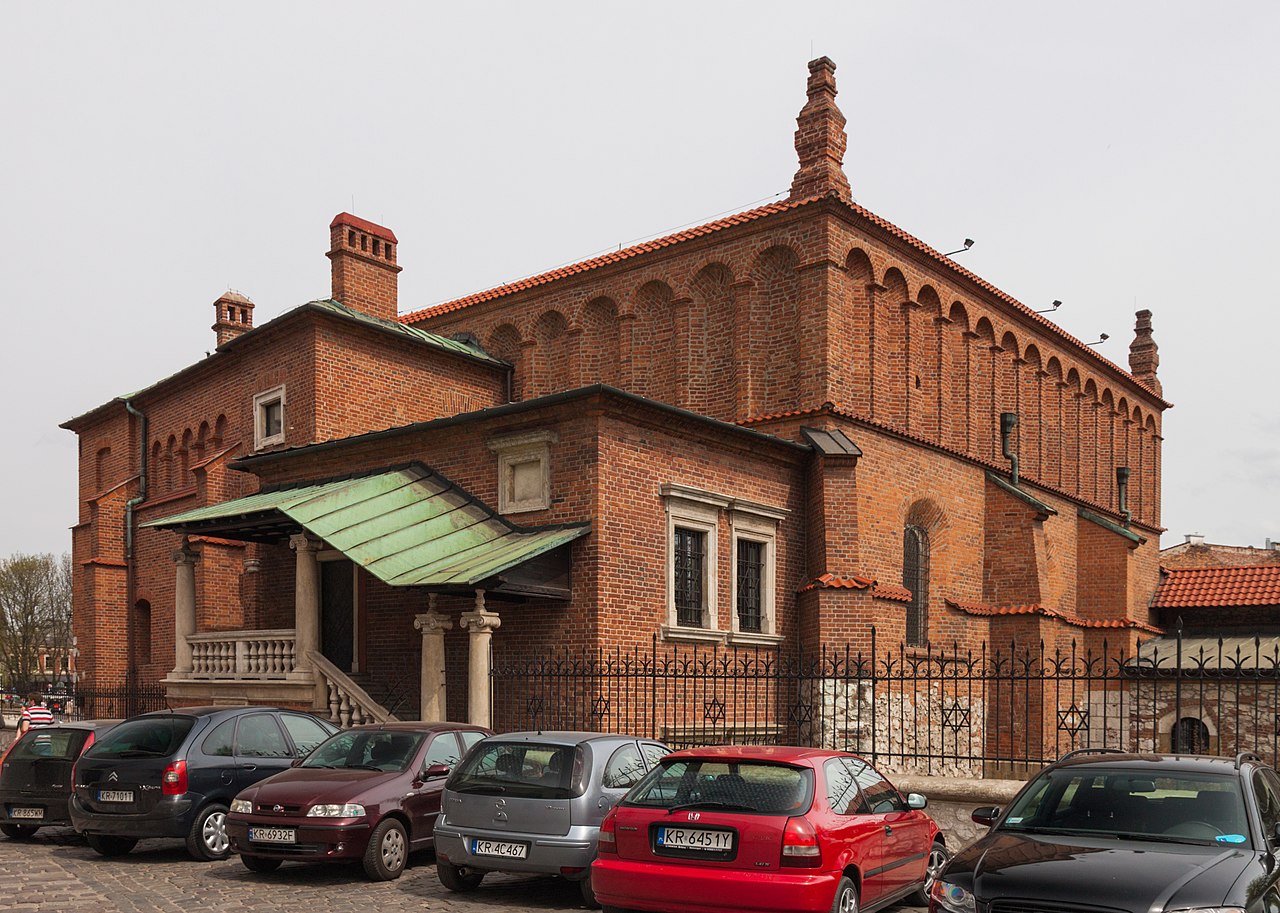
Old Synagogue, Kraków
Romanesque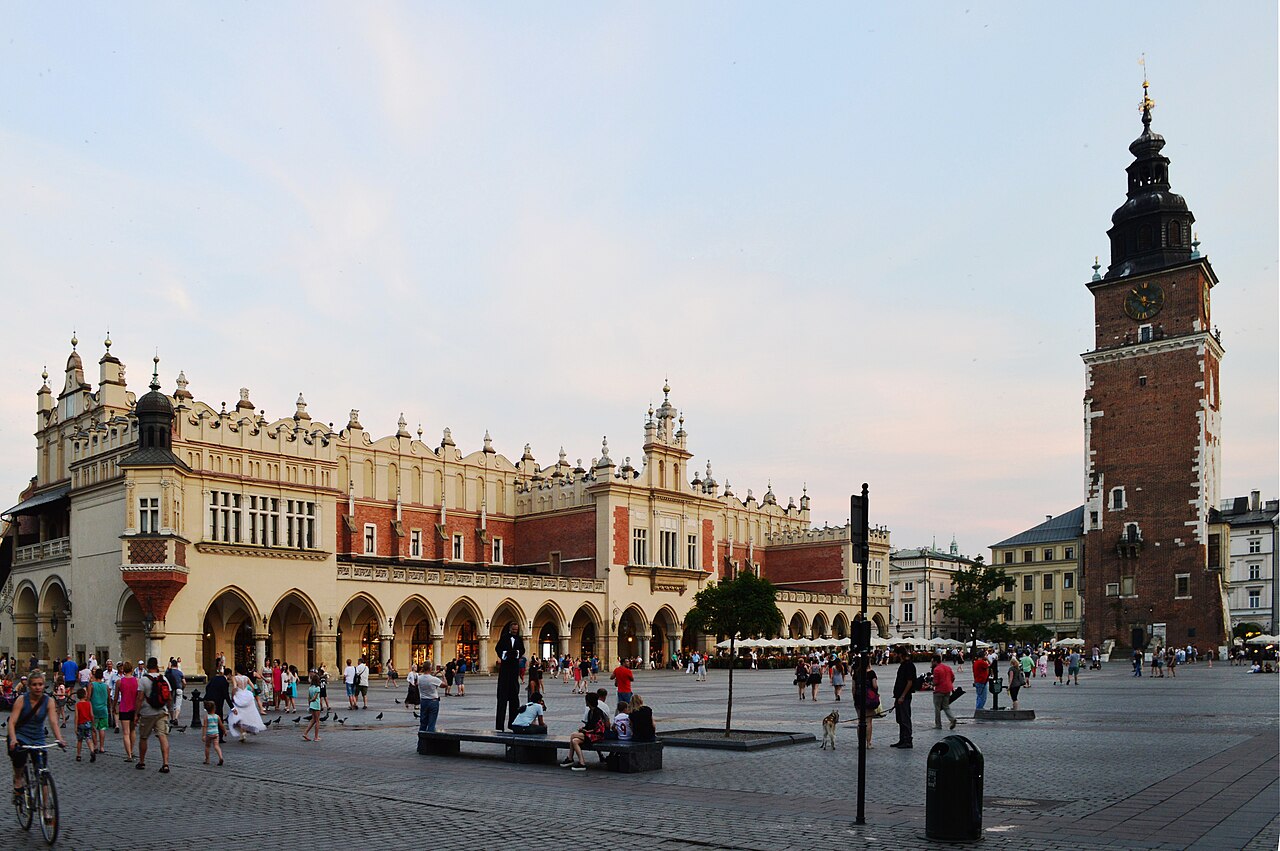
Cloth Hall
Renaissance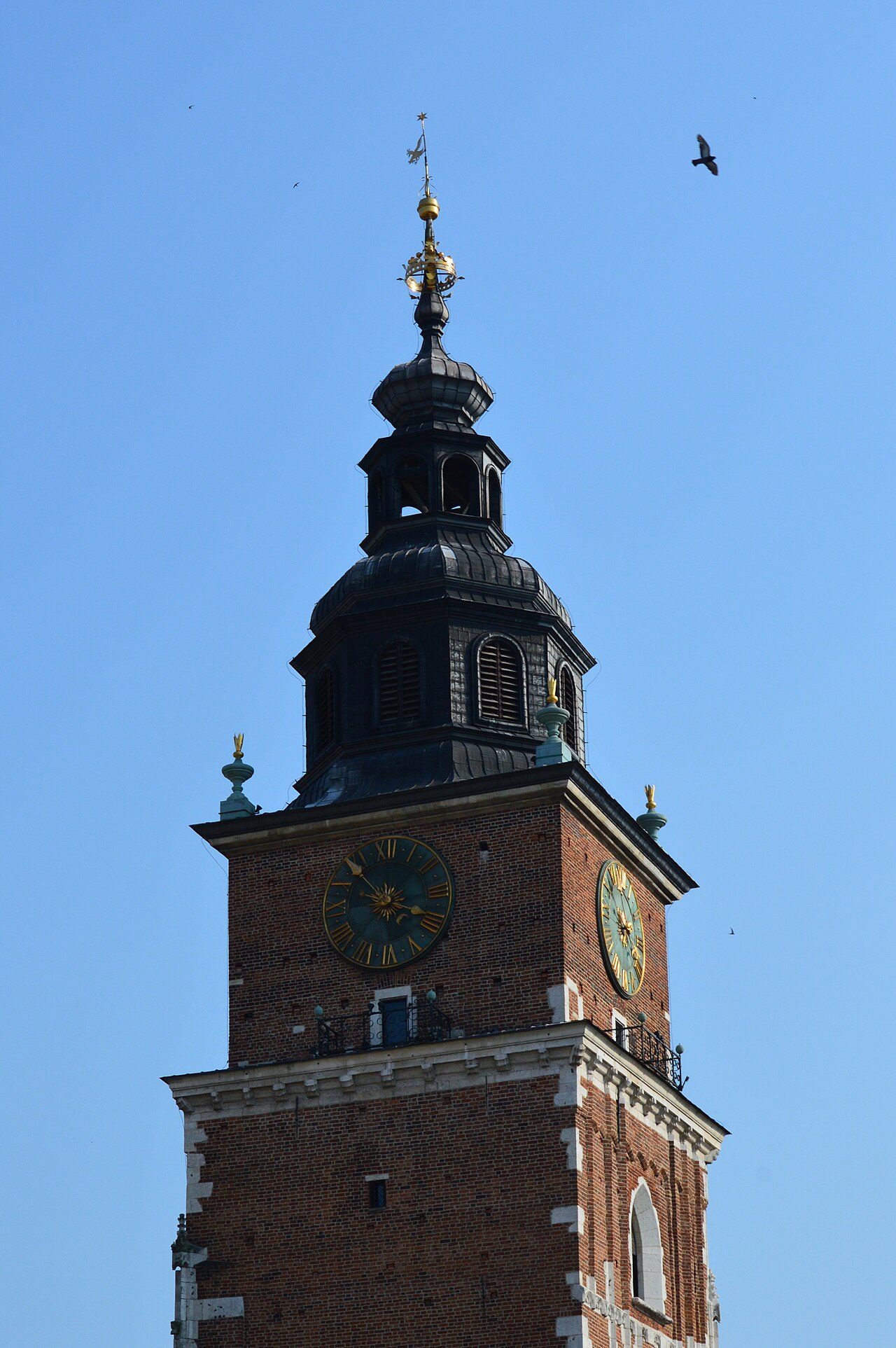
St. Mary's Basilica
Gothic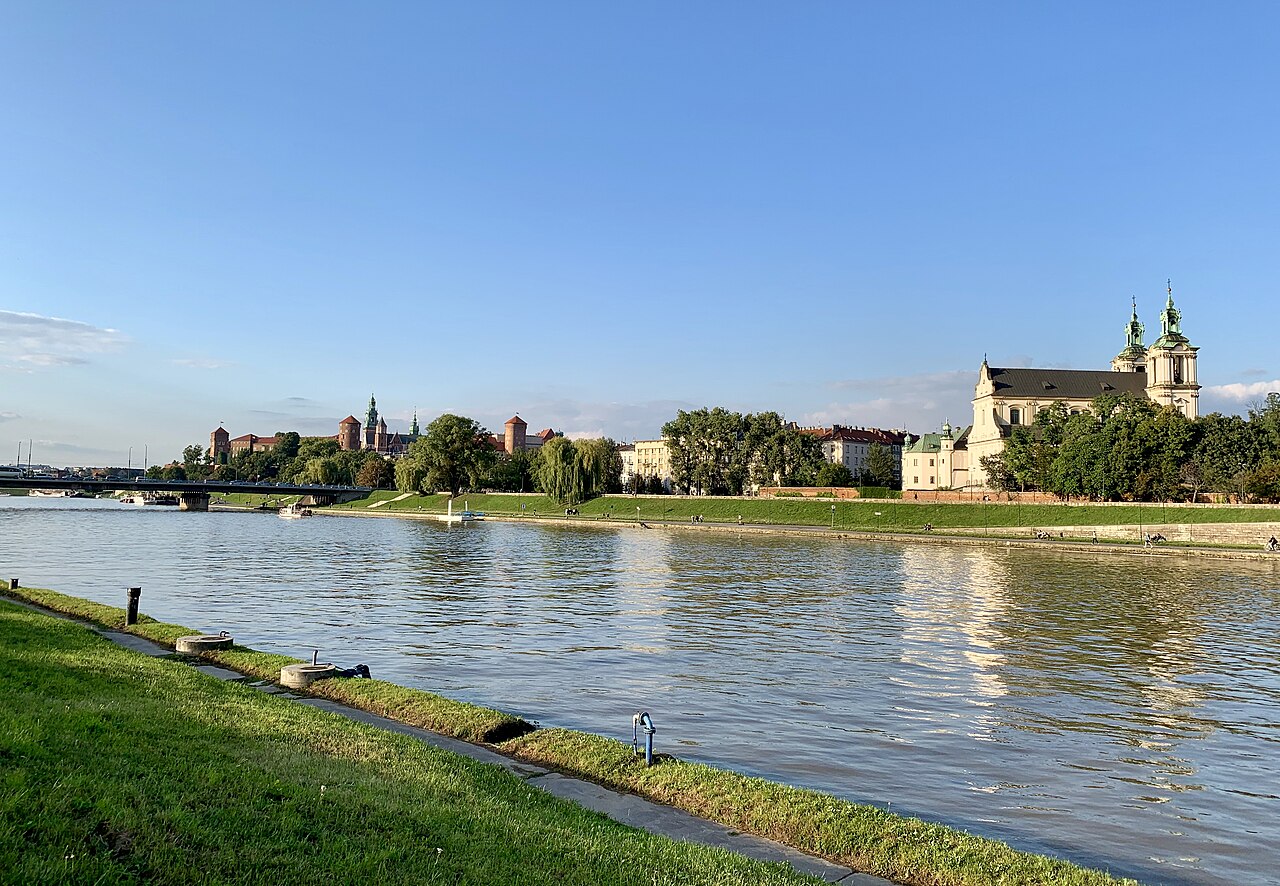
Wawel Castle
Renaissance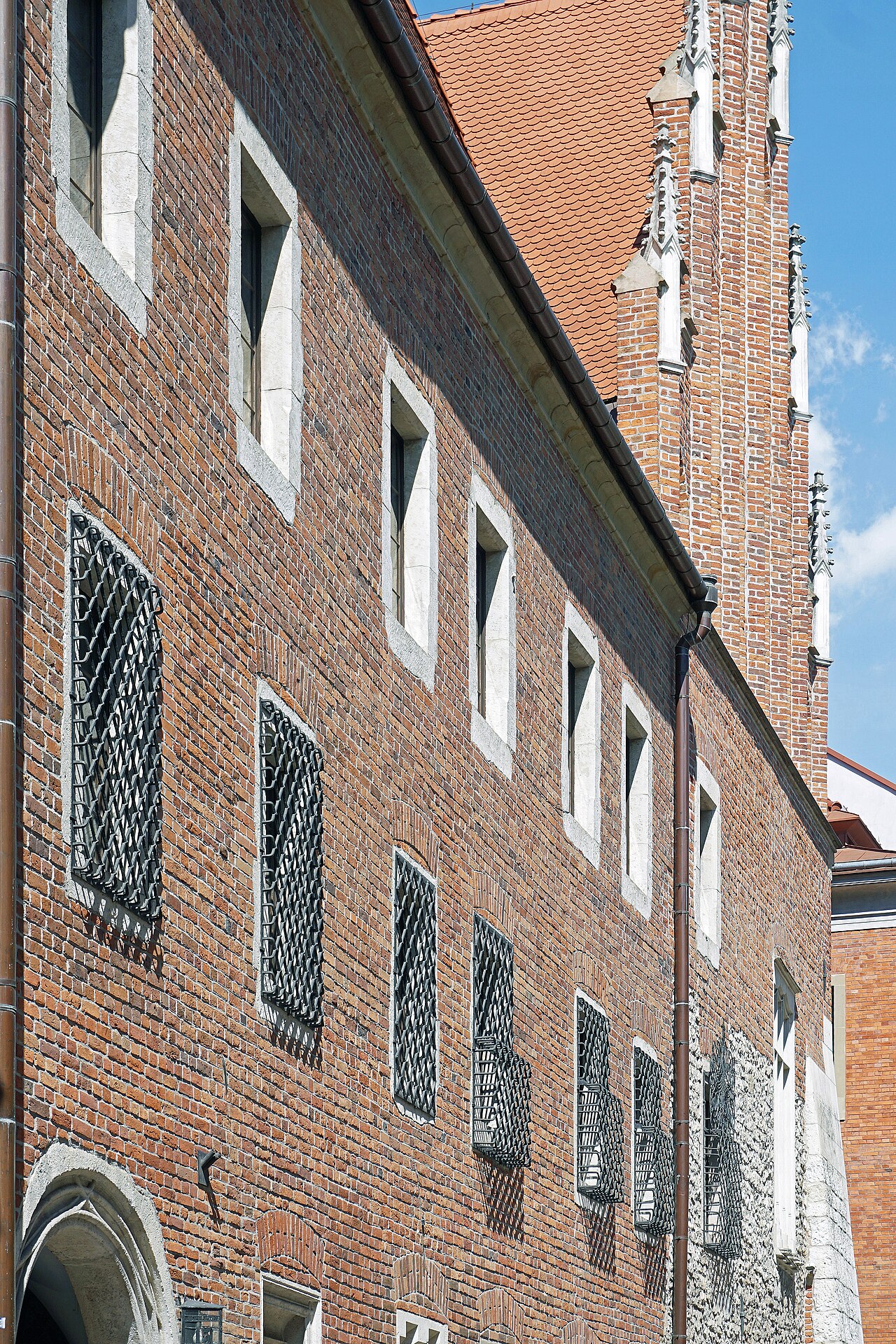
Collegium Maius
Gothic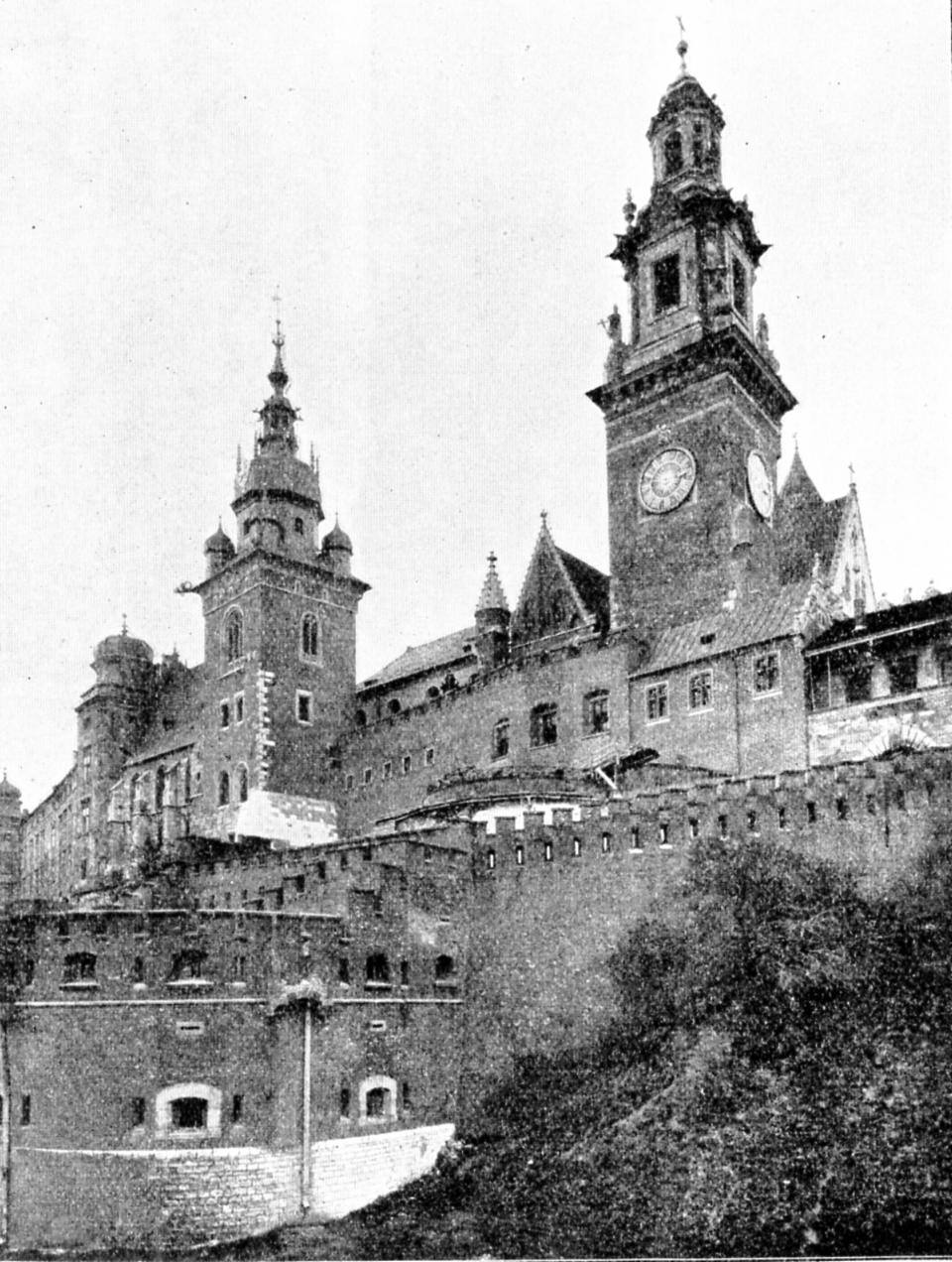
Wawel Cathedral
Gothic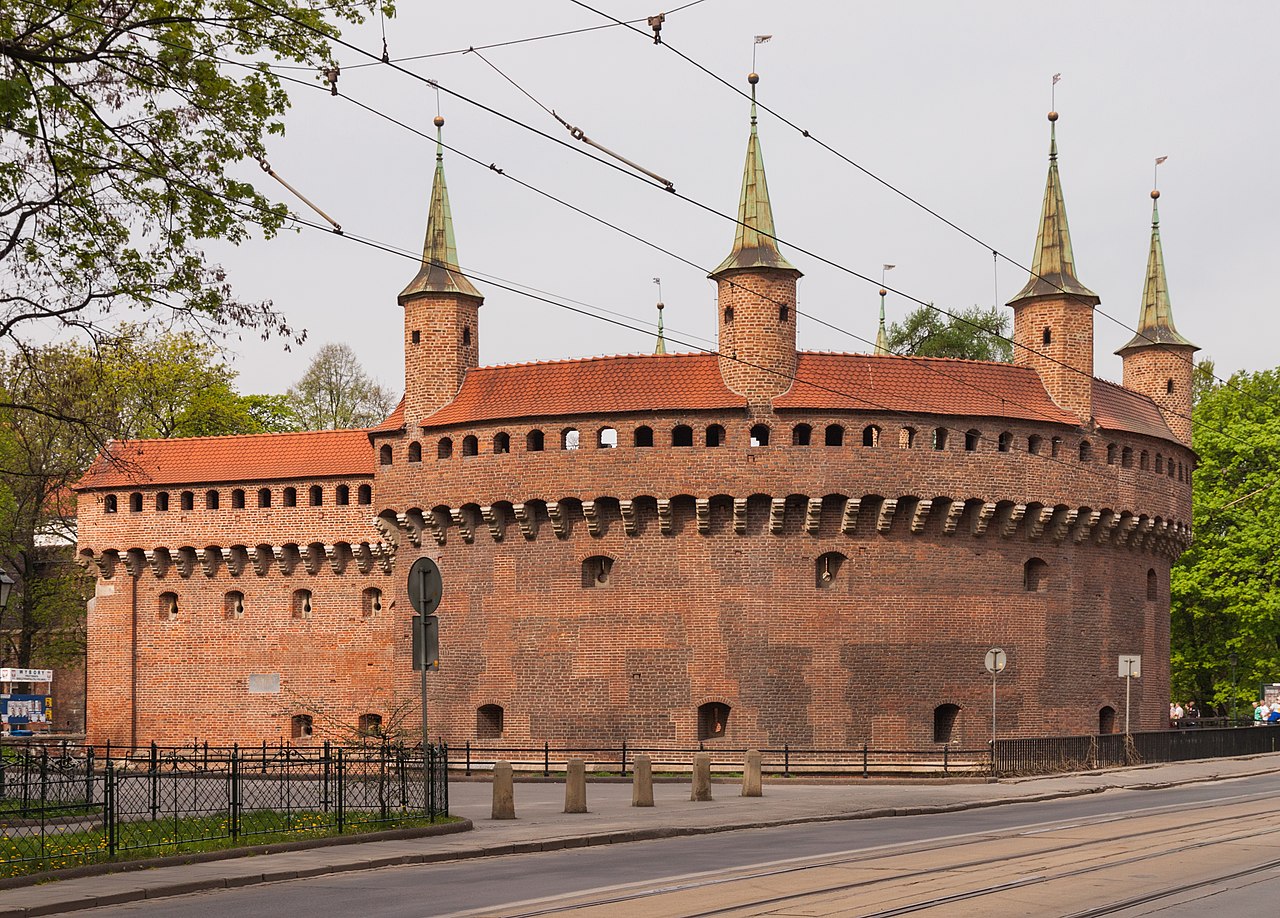
Barbican of Kraków
RenaissanceExplore This City
Kraków Architecture Guide
Explore 27 buildings across 16 styles →