Beaux-Arts Architecture — A Guide
Overview
Beaux-Arts architecture represents the pinnacle of academic classical design. Taught at the prestigious École des Beaux-Arts in Paris, this style combined Greek and Roman architectural forms with Renaissance planning principles and modern engineering to create buildings of extraordinary grandeur. In America, Beaux-Arts became the chosen style for institutions that wanted to project permanence, culture, and civic pride.
American architects who studied in Paris — including Richard Morris Hunt, Charles McKim, and Daniel Burnham — brought the Beaux-Arts approach back to the United States, where it flourished from the 1880s through the 1920s. The 1893 World's Columbian Exposition in Chicago, with its gleaming 'White City,' established Beaux-Arts as the style of American aspiration. Grand railway stations, public libraries, museums, and government buildings across the country adopted its monumental vocabulary.
Key Characteristics
- Symmetrical facades with grand axial planning
- Classical columns, pilasters, and entablatures at monumental scale
- Elaborate sculptural decoration and allegorical figures
- Grand staircases, arched openings, and rusticated bases
- Rich materials: marble, bronze, gilt, and polished stone
- Mansard roofs, balustrades, and cartouches
Famous Examples Worldwide
Palais Garnier
Paris, 1875
Grand Central Terminal
New York City, 1913
New York Public Library
New York City, 1911
San Francisco City Hall
San Francisco, 1915
Buildings in Our Library (169)
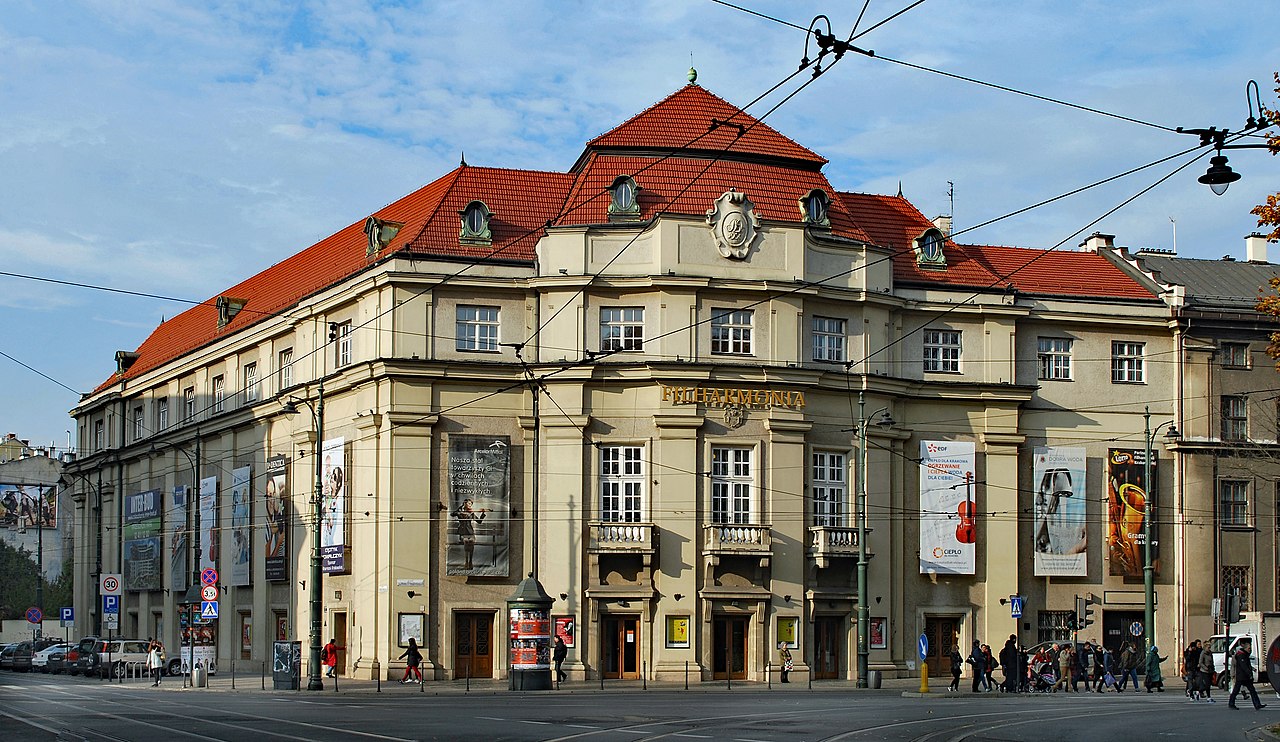
Kraków Philharmonic
Zwierzyniecka 1, 31-103 Kraków, Poland
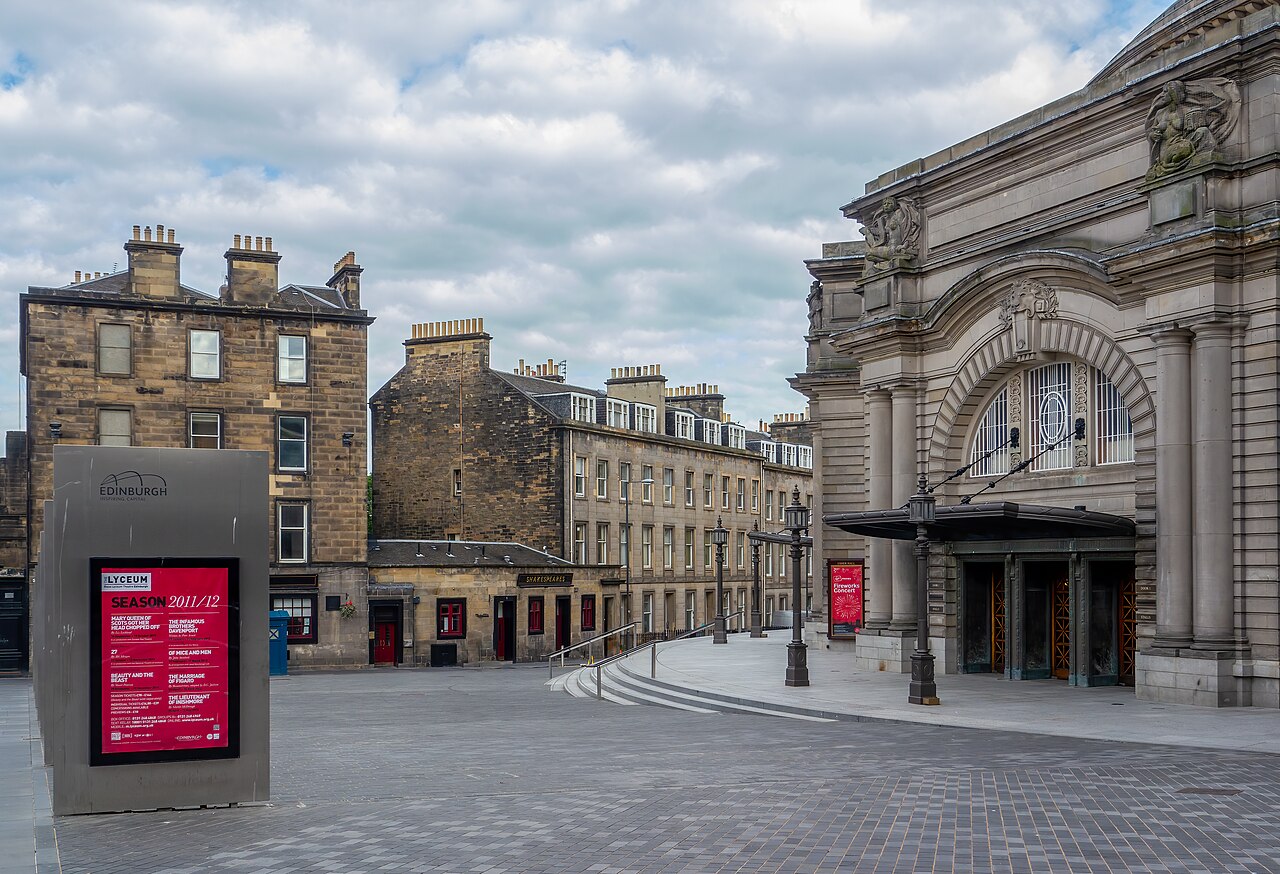
Usher Hall
Lothian Road, Edinburgh EH1 2EA, UK
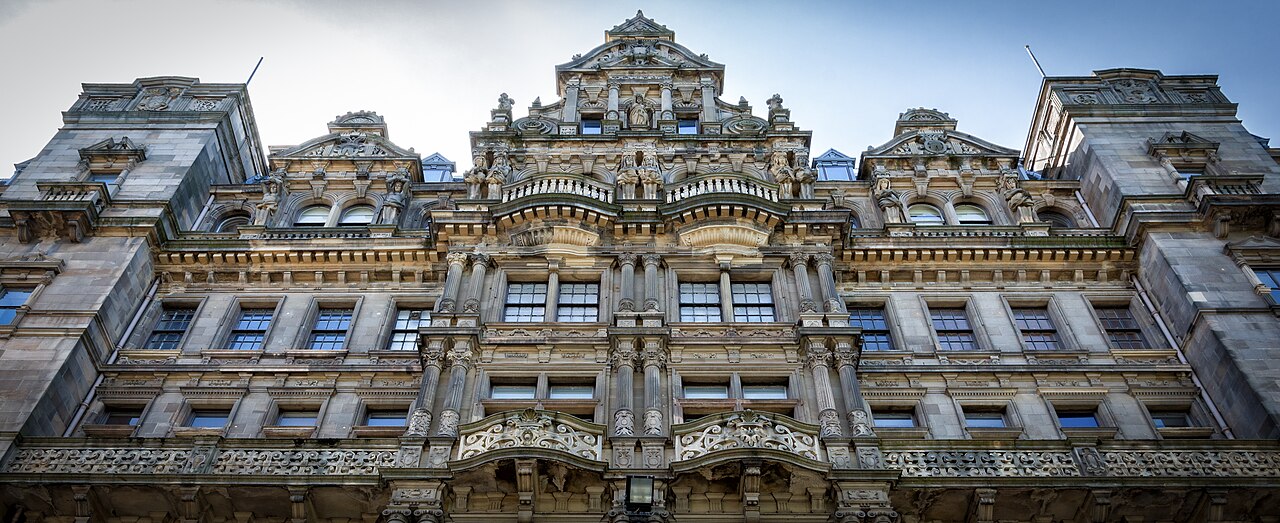
Jenners Building
47 Princes Street, Edinburgh EH2 2DG, UK
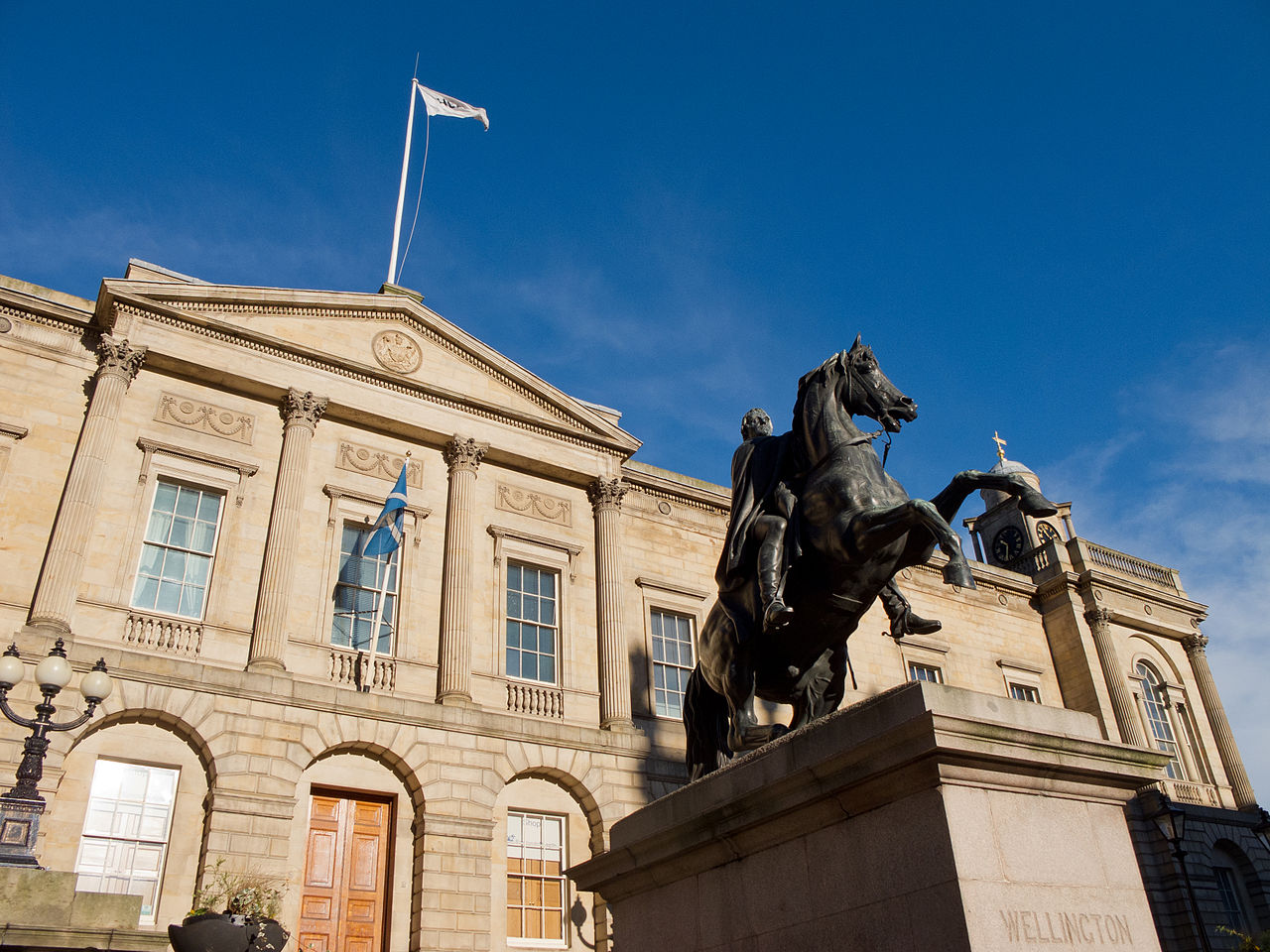
General Register House
2 Princes Street, Edinburgh EH1 3YY, UK
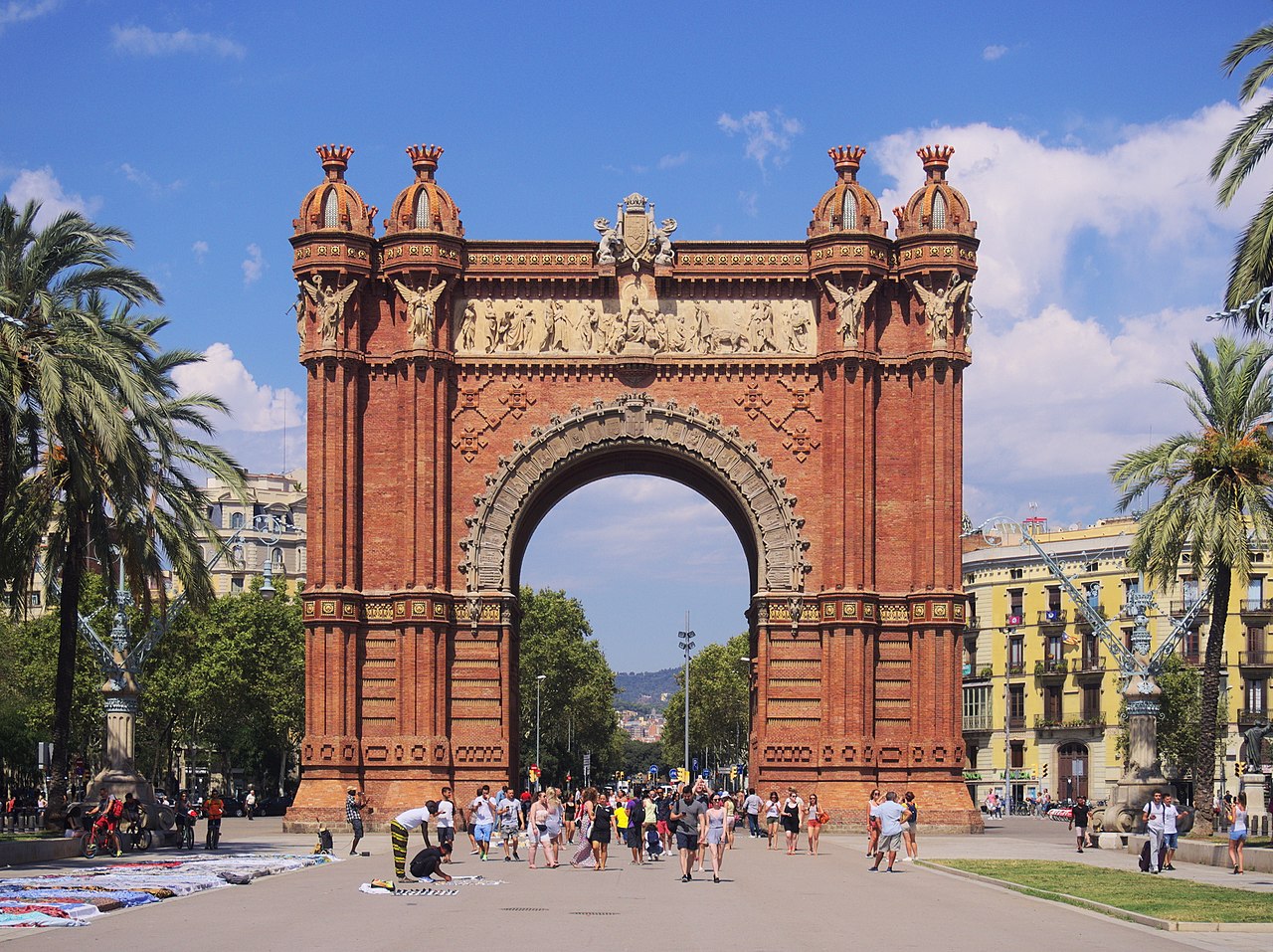
Arc de Triomf
Passeig de Lluís Companys, Barcelona, Spain
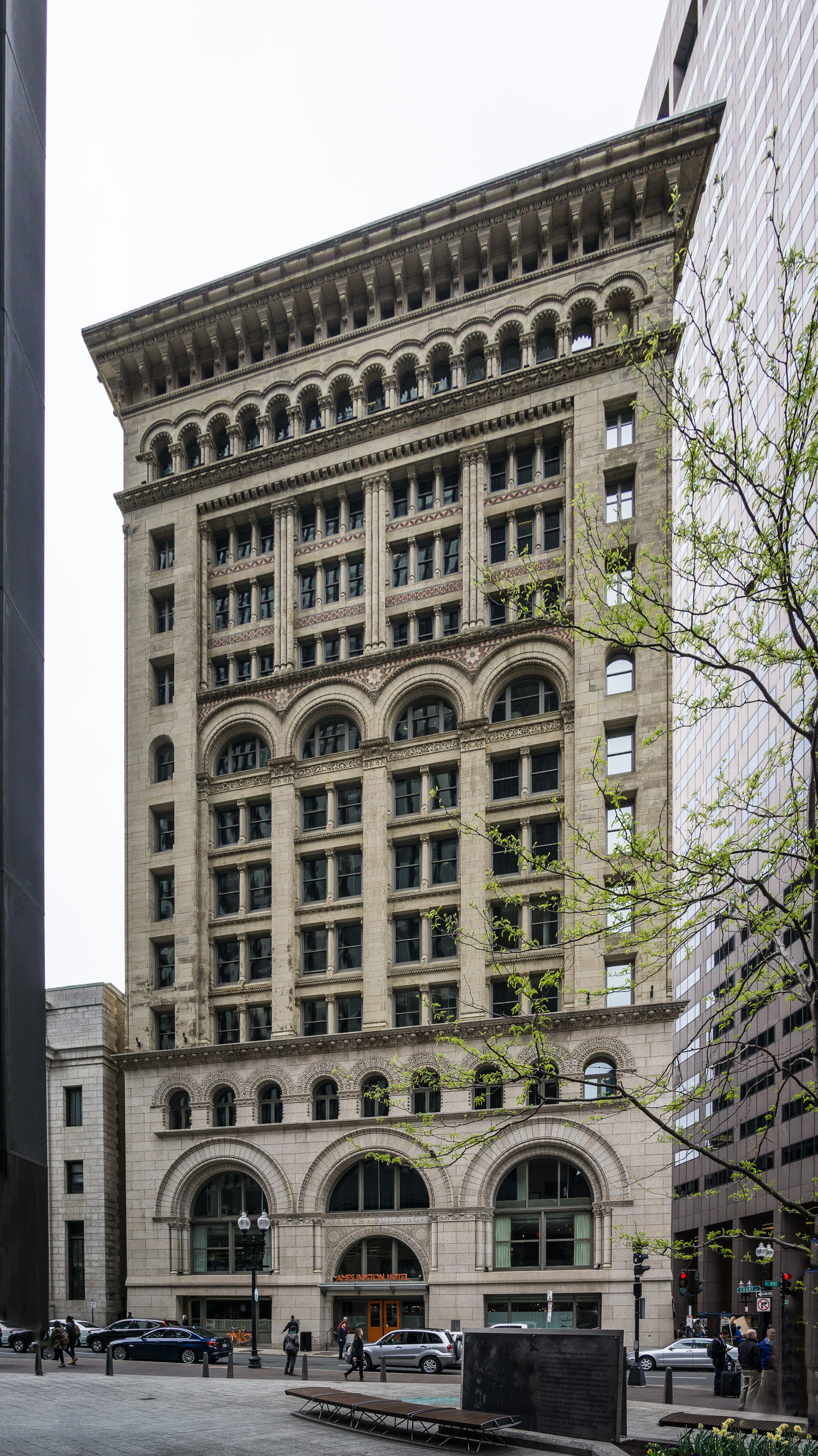
Ames Building
1 Court St, Boston, MA 02108
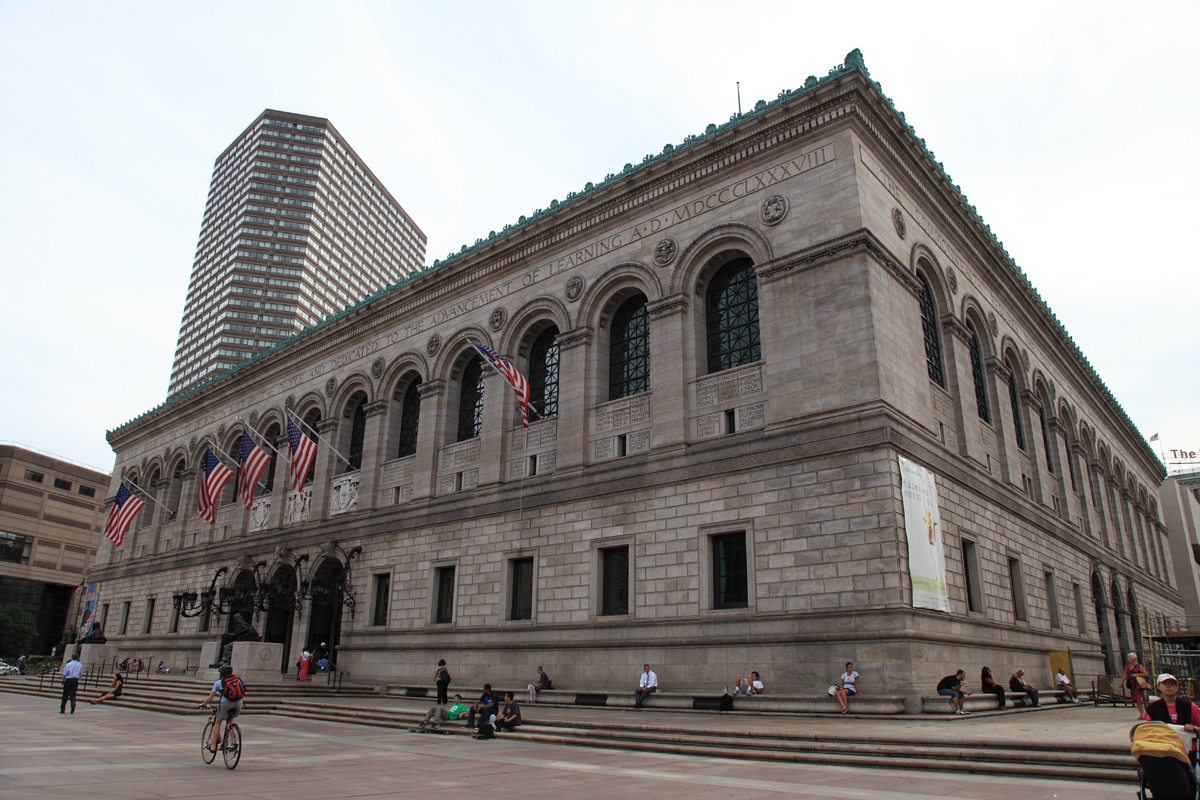
Boston Public Library
700 Boylston St, Boston, MA 02116
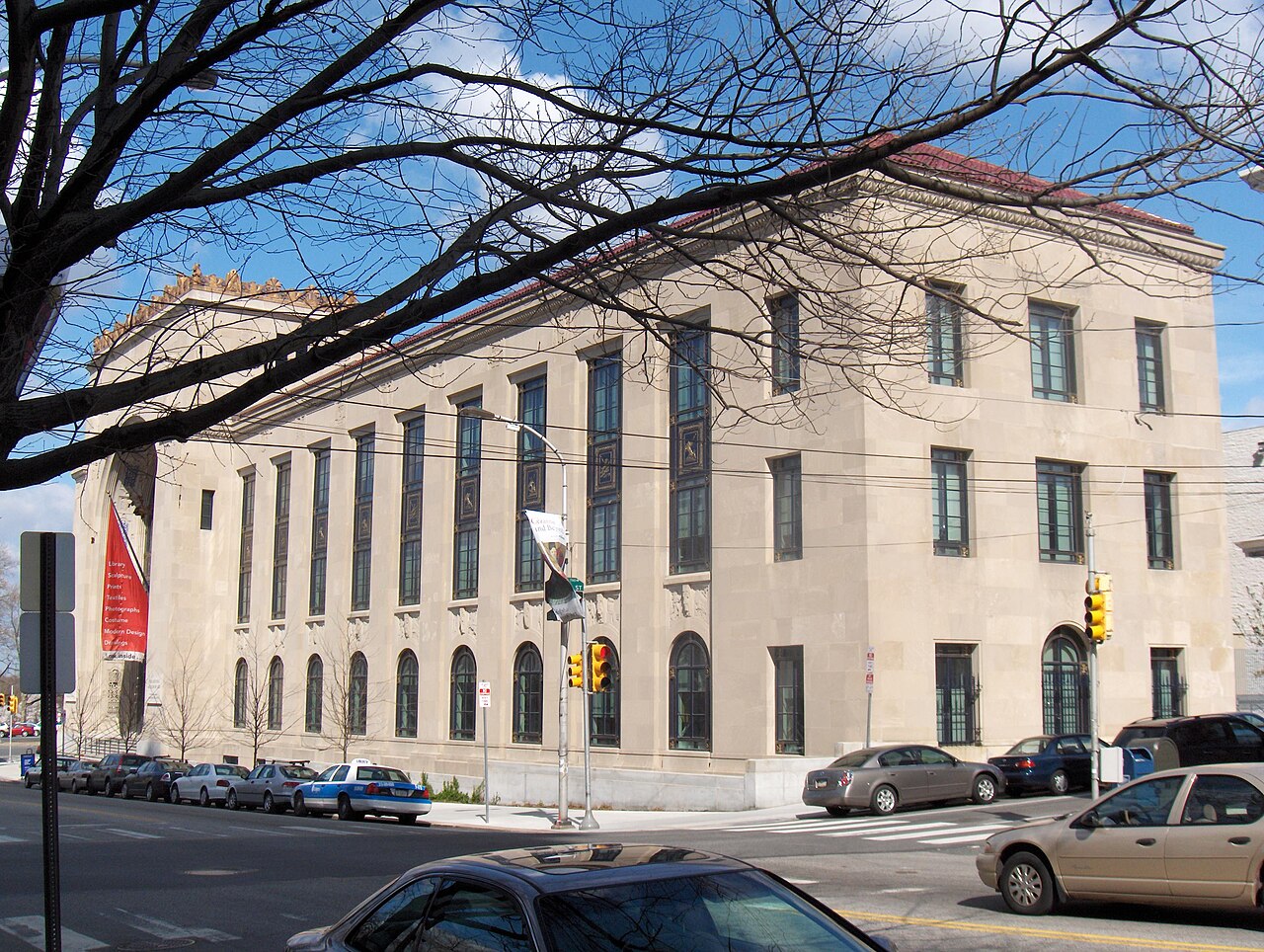
Philadelphia Museum of Art
2600 Benjamin Franklin Pkwy, Philadelphia, PA 19130
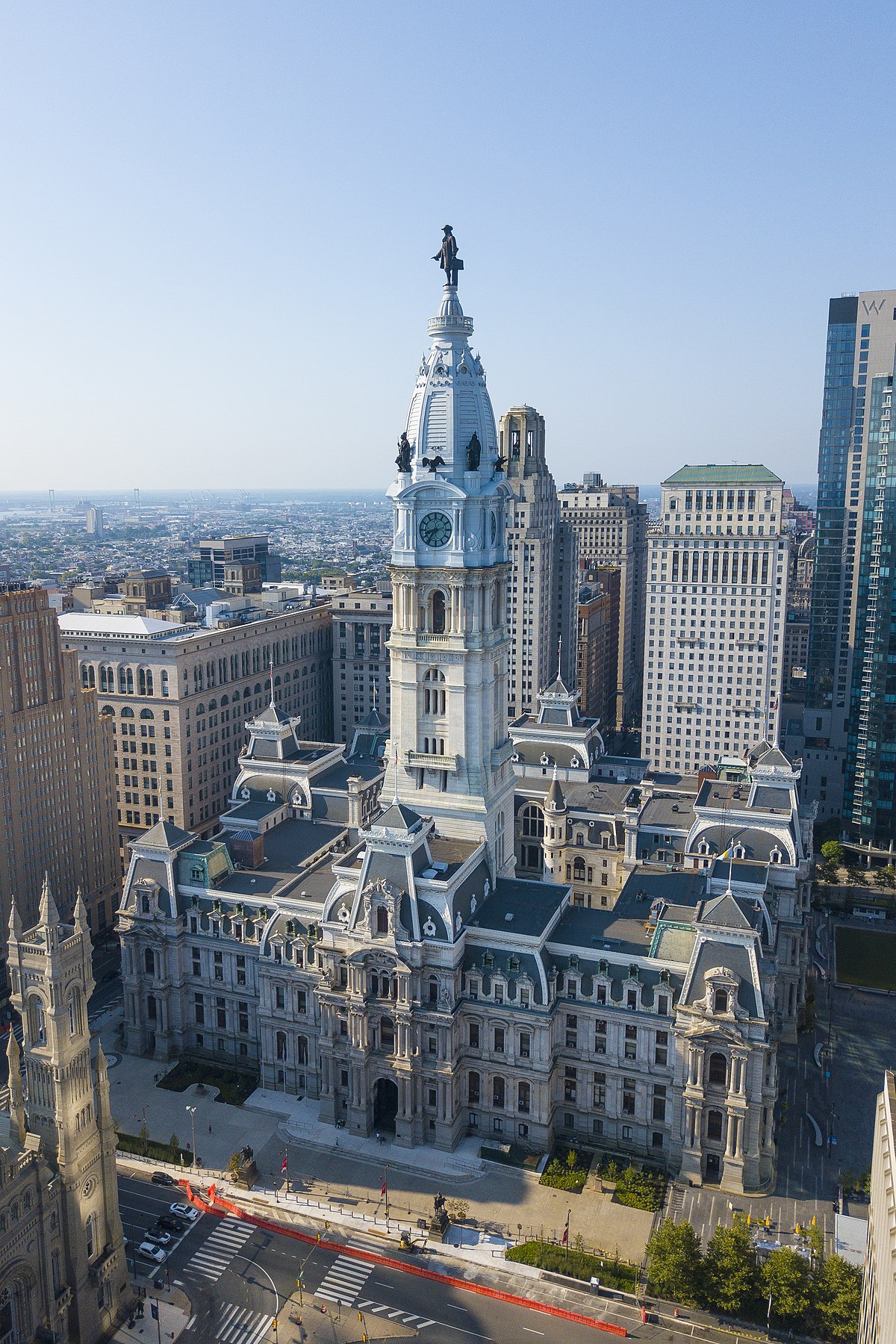
Philadelphia City Hall
1 Penn Square, Philadelphia, PA 19107
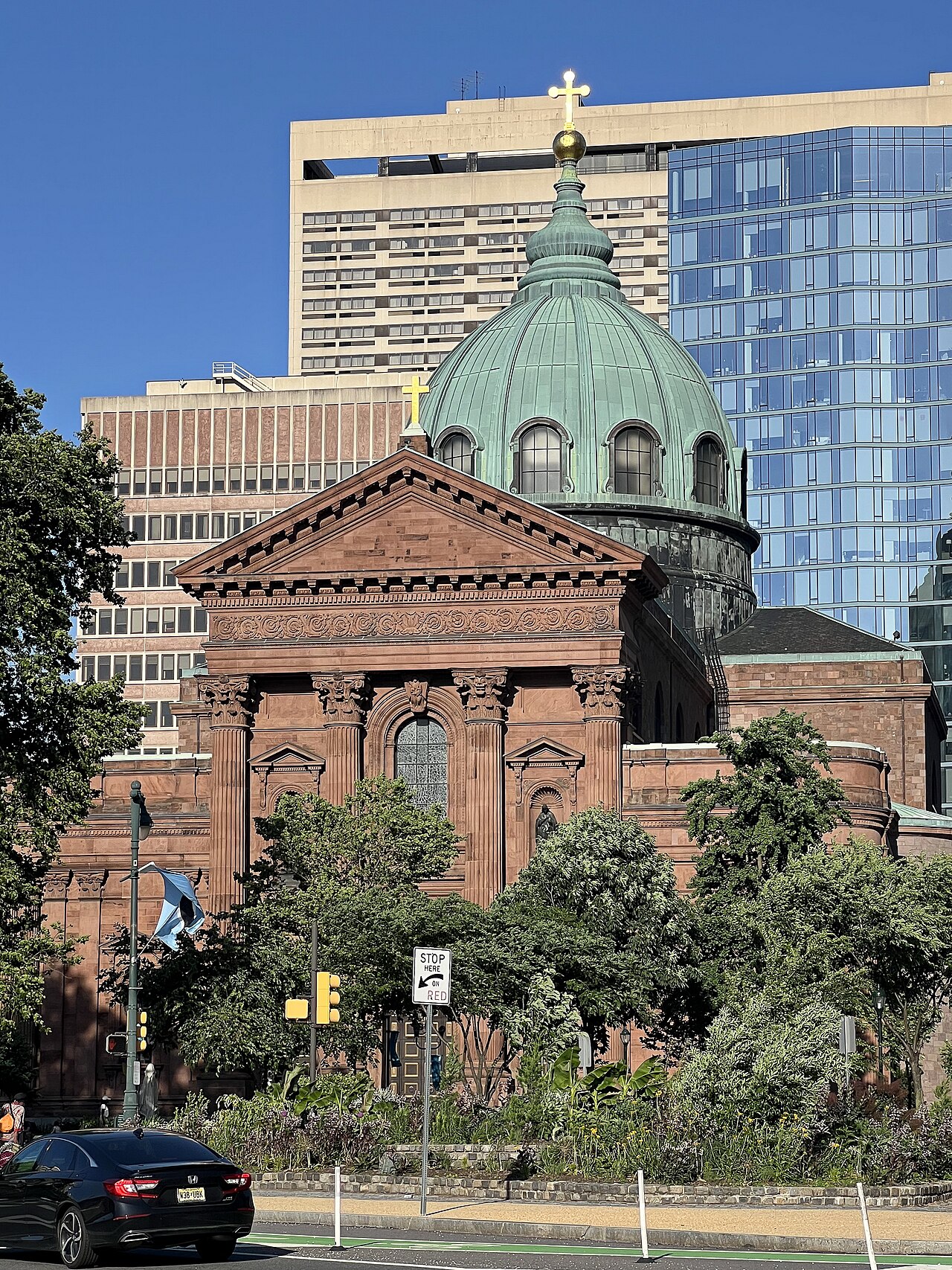
Cathedral Basilica of Saints Peter and Paul
1723 Race St, Philadelphia, PA 19103
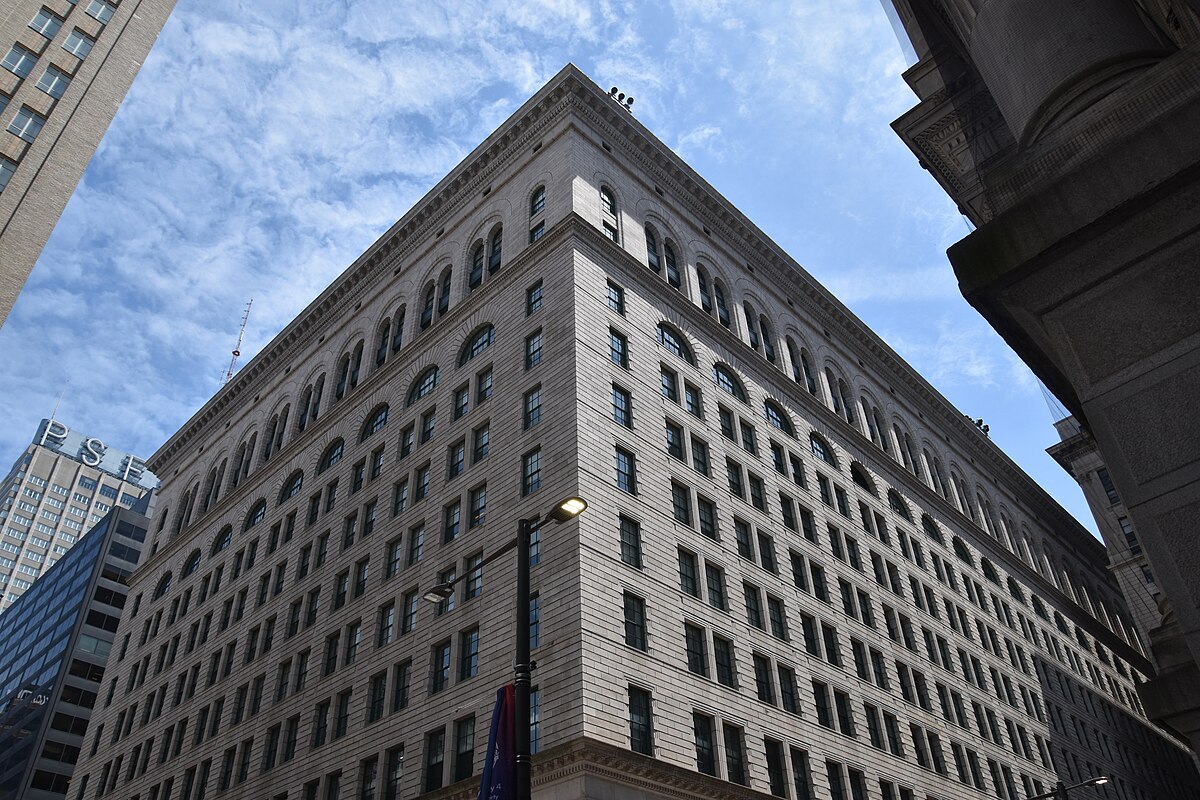
Wanamaker Building
100 Penn Square E, Philadelphia, PA 19107
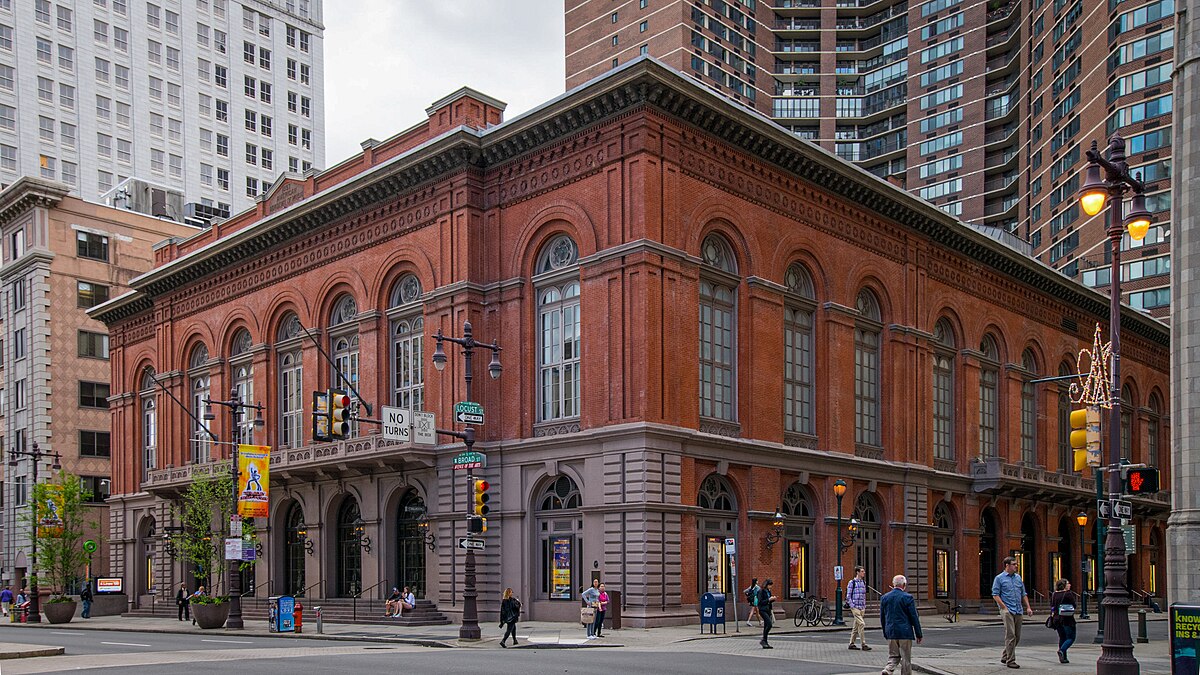
Academy of Music
240 S Broad St, Philadelphia, PA 19102
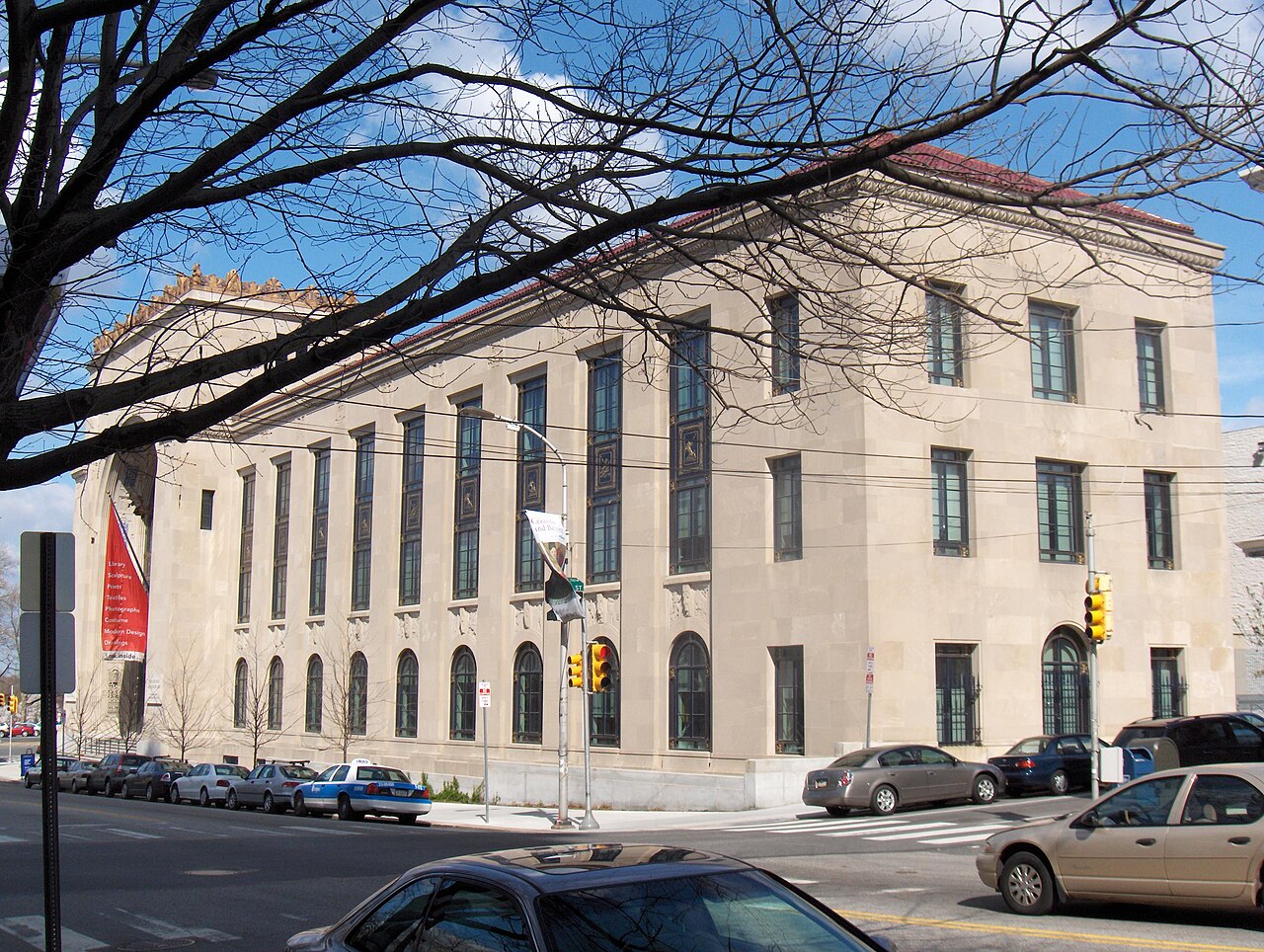
Philadelphia Museum of Art
2600 Benjamin Franklin Pkwy, Philadelphia, PA 19130
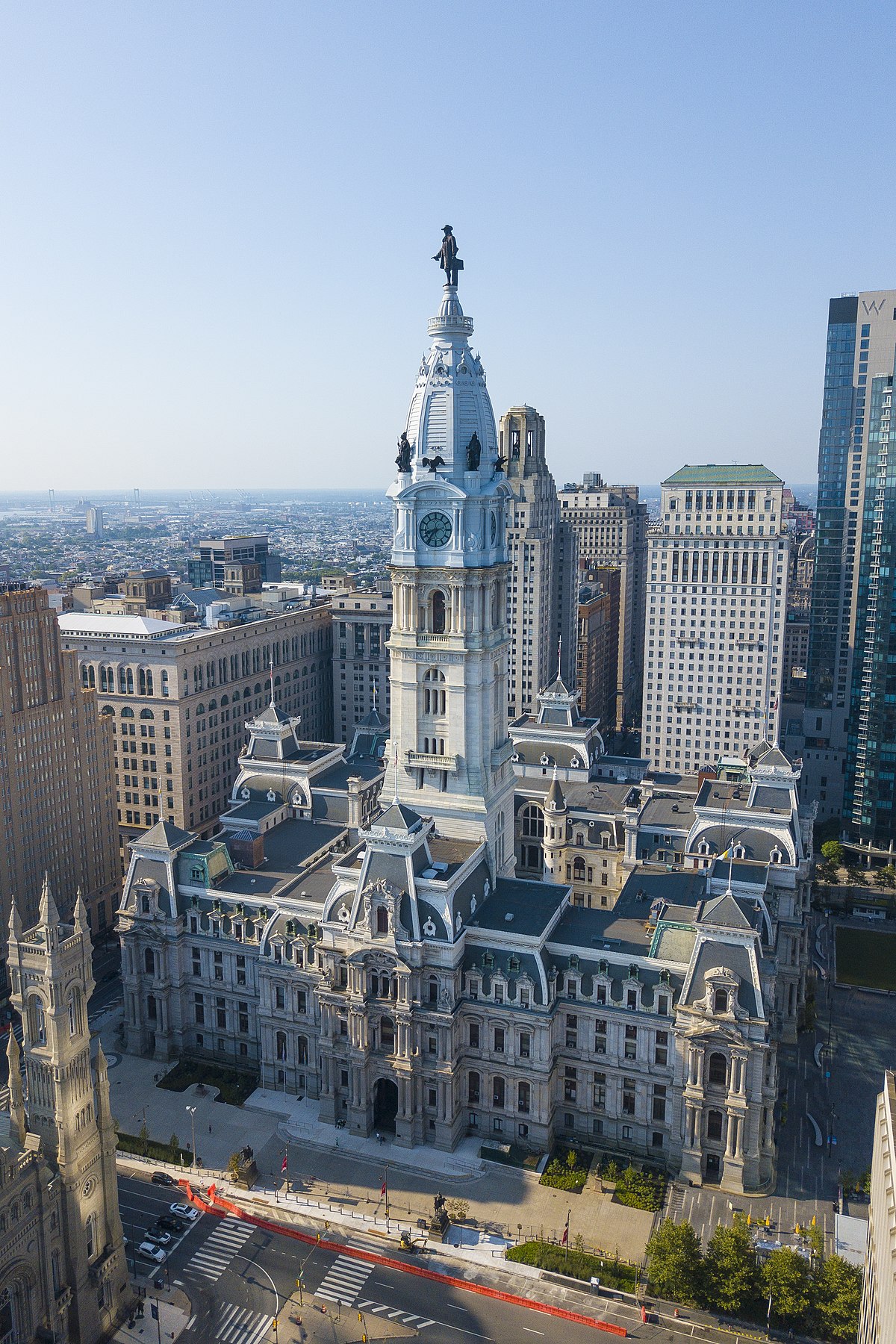
Philadelphia City Hall
1 Penn Square, Philadelphia, PA 19107
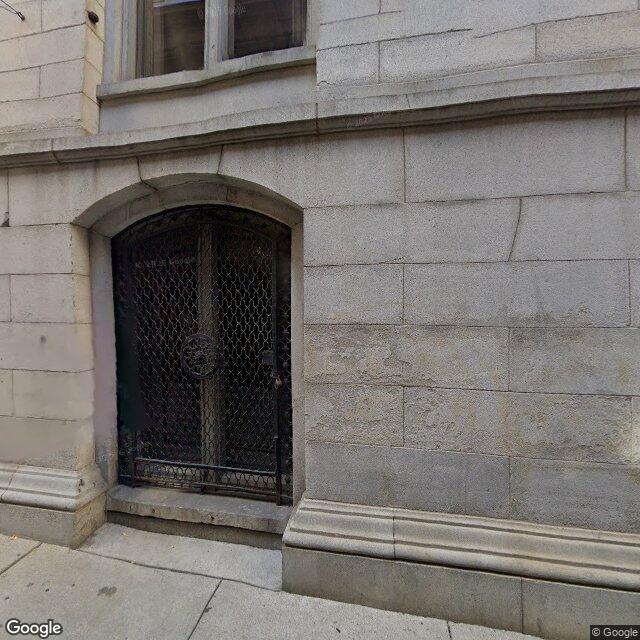
Boston City Hall
1 City Hall Square, Boston, MA 02201
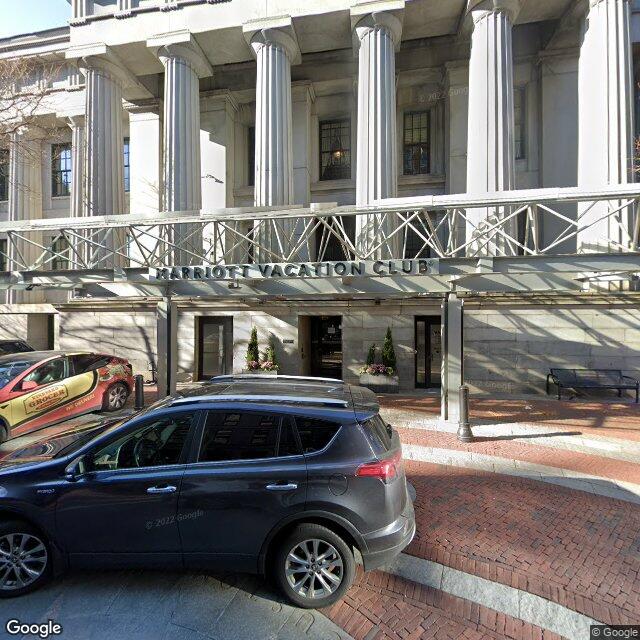
Custom House Tower
3 McKinley Square, Boston, MA 02109
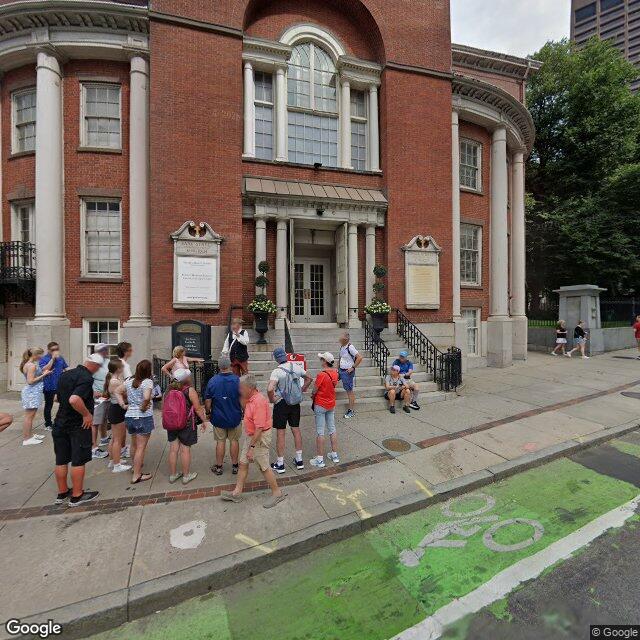
Park Street Church
1 Park St, Boston, MA 02108
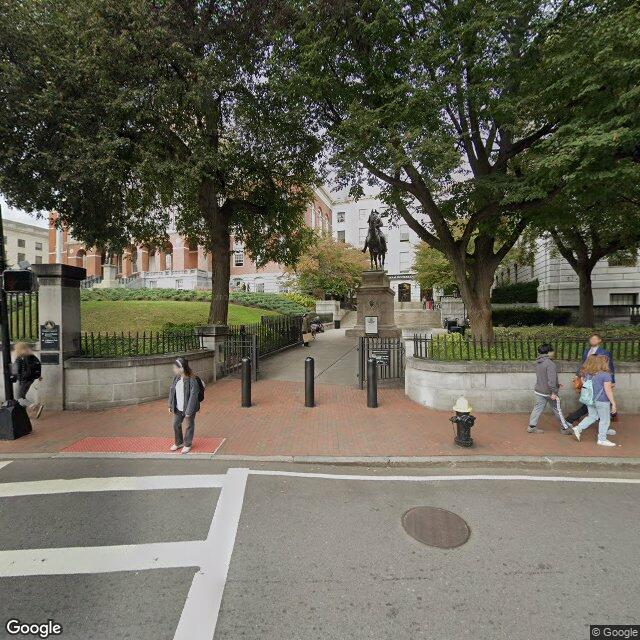
Massachusetts State House
24 Beacon St, Boston, MA 02133
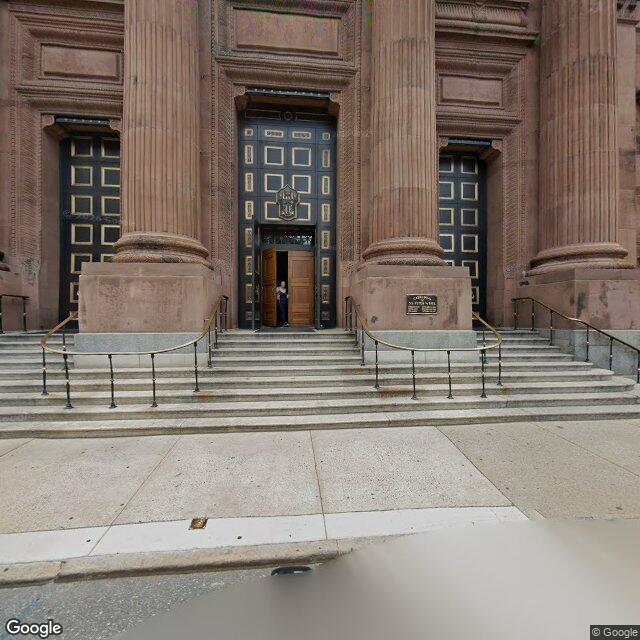
Cathedral Basilica of Saints Peter and Paul
1723 Race St, Philadelphia, PA 19103
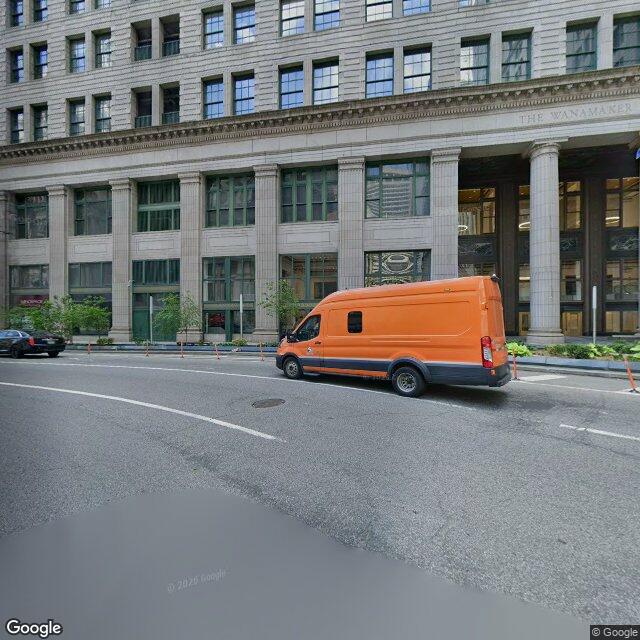
Wanamaker Building
100 Penn Square E, Philadelphia, PA 19107
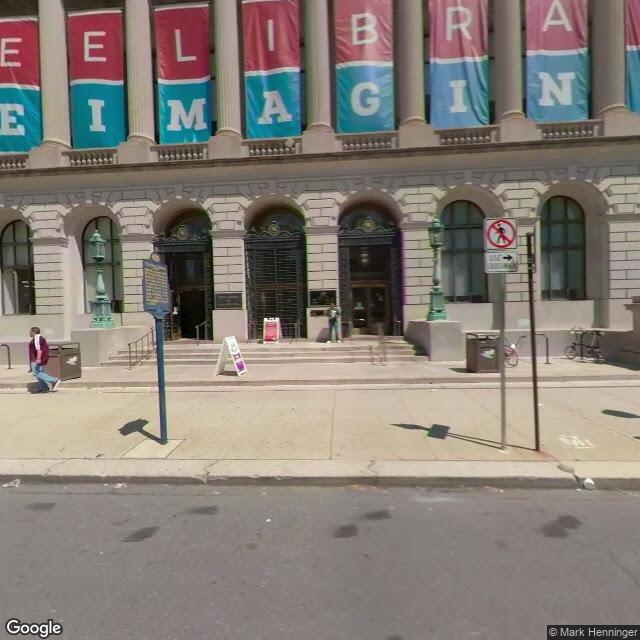
Free Library of Philadelphia
1901 Vine St, Philadelphia, PA 19103
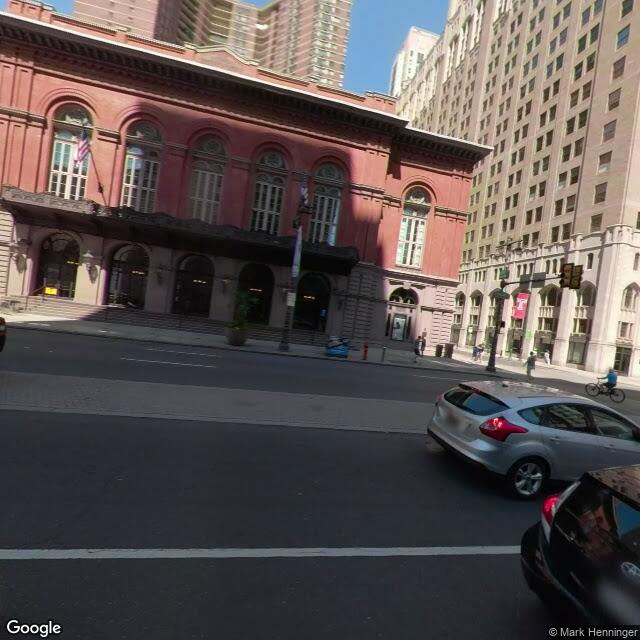
Academy of Music
240 S Broad St, Philadelphia, PA 19102
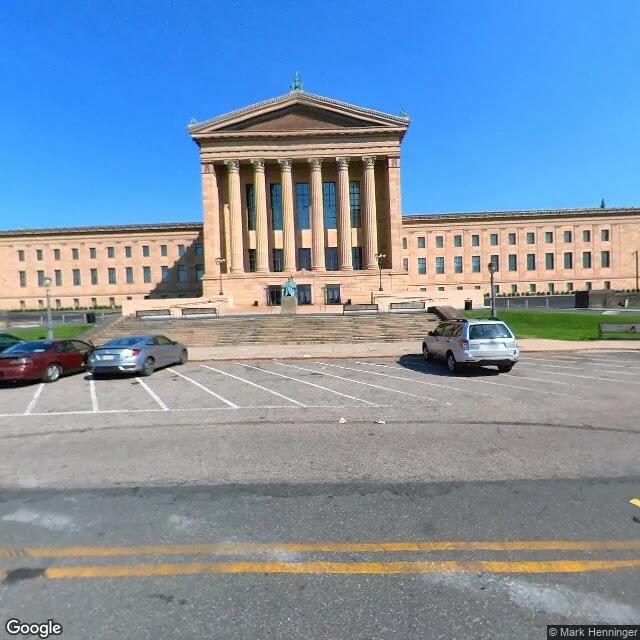
Philadelphia Museum of Art
2600 Benjamin Franklin Pkwy, Philadelphia, PA 19130
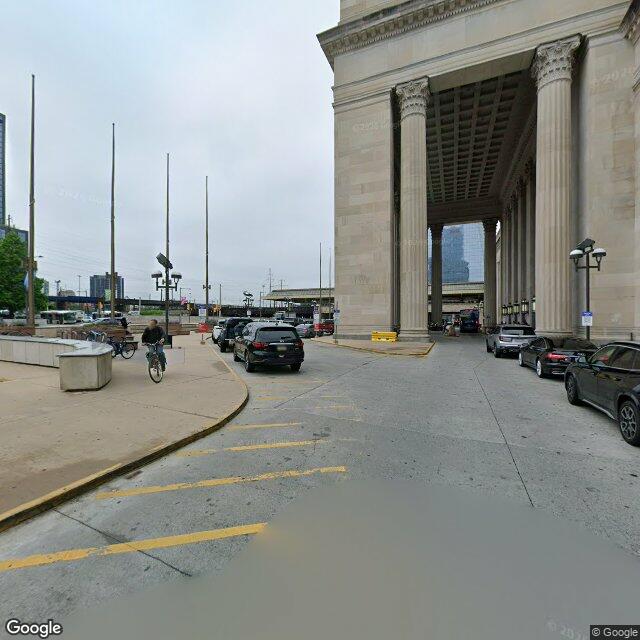
30th Street Station
2955 Market St, Philadelphia, PA 19104
Where to Find Beaux-Arts Architecture
Related Styles
Why Beaux-Arts Matters Today
Beaux-Arts architecture created some of the most beloved public spaces in the world. Its emphasis on civic grandeur, beautiful materials, and human-scaled monumentality offers lessons for contemporary architects seeking to create public buildings that inspire pride and belonging.