Beaux-Arts Architecture — A Guide
Overview
Beaux-Arts architecture represents the pinnacle of academic classical design. Taught at the prestigious École des Beaux-Arts in Paris, this style combined Greek and Roman architectural forms with Renaissance planning principles and modern engineering to create buildings of extraordinary grandeur. In America, Beaux-Arts became the chosen style for institutions that wanted to project permanence, culture, and civic pride.
American architects who studied in Paris — including Richard Morris Hunt, Charles McKim, and Daniel Burnham — brought the Beaux-Arts approach back to the United States, where it flourished from the 1880s through the 1920s. The 1893 World's Columbian Exposition in Chicago, with its gleaming 'White City,' established Beaux-Arts as the style of American aspiration. Grand railway stations, public libraries, museums, and government buildings across the country adopted its monumental vocabulary.
Key Characteristics
- Symmetrical facades with grand axial planning
- Classical columns, pilasters, and entablatures at monumental scale
- Elaborate sculptural decoration and allegorical figures
- Grand staircases, arched openings, and rusticated bases
- Rich materials: marble, bronze, gilt, and polished stone
- Mansard roofs, balustrades, and cartouches
Famous Examples Worldwide
Palais Garnier
Paris, 1875
Grand Central Terminal
New York City, 1913
New York Public Library
New York City, 1911
San Francisco City Hall
San Francisco, 1915
Buildings in Our Library (169)
Wormsloe Historic Site Gate
7601 Skidaway Rd, Savannah, GA 31406
Massie Heritage Center
207 E Gordon St, Savannah, GA 31401
Savannah Theatre
222 Bull St, Savannah, GA 31401
Factors Walk
River St area, Savannah, GA 31401
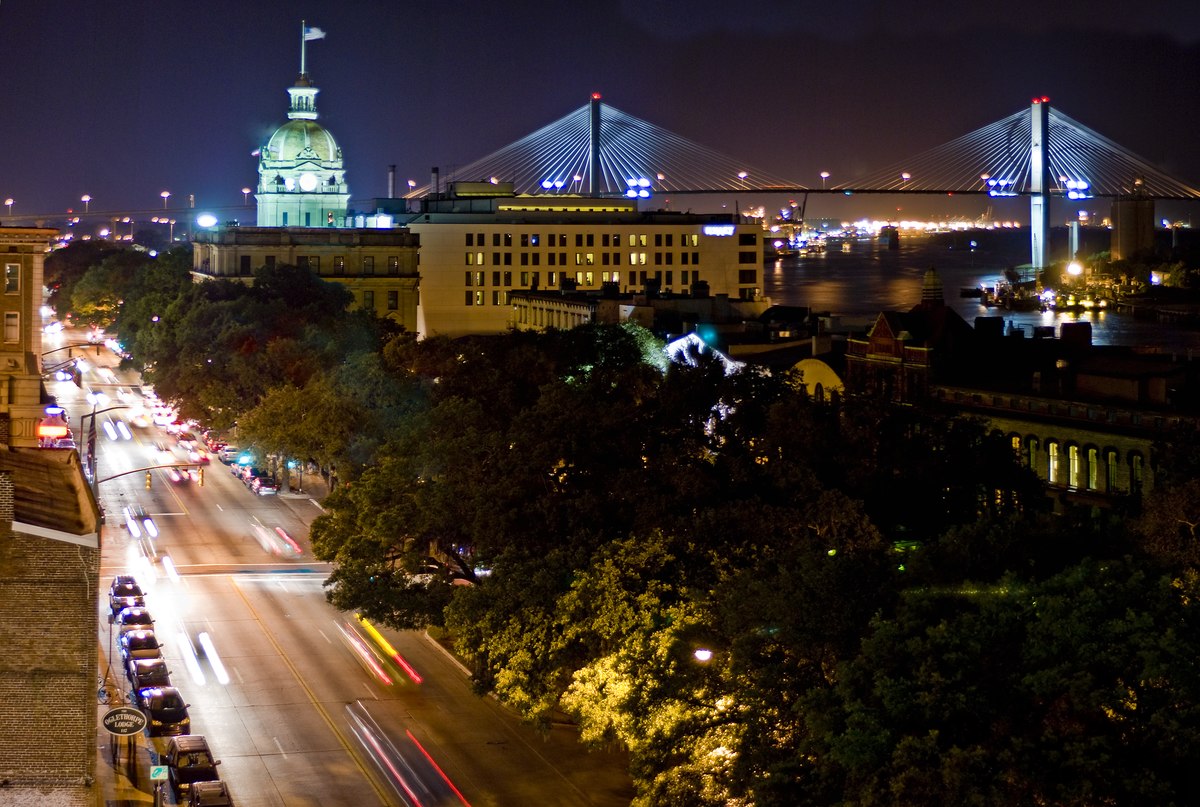
Olde Pink House
23 Abercorn St, Savannah, GA 31401
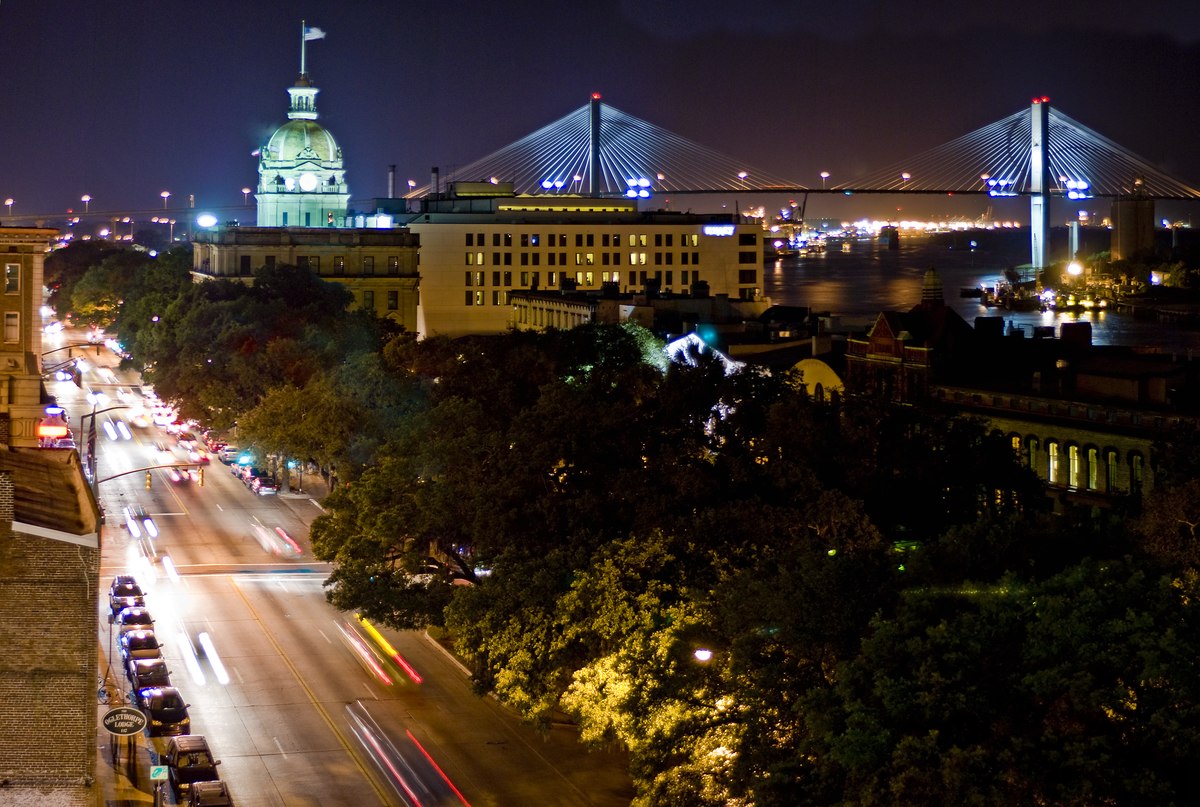
Kehoe House
123 Habersham St, Savannah, GA 31401
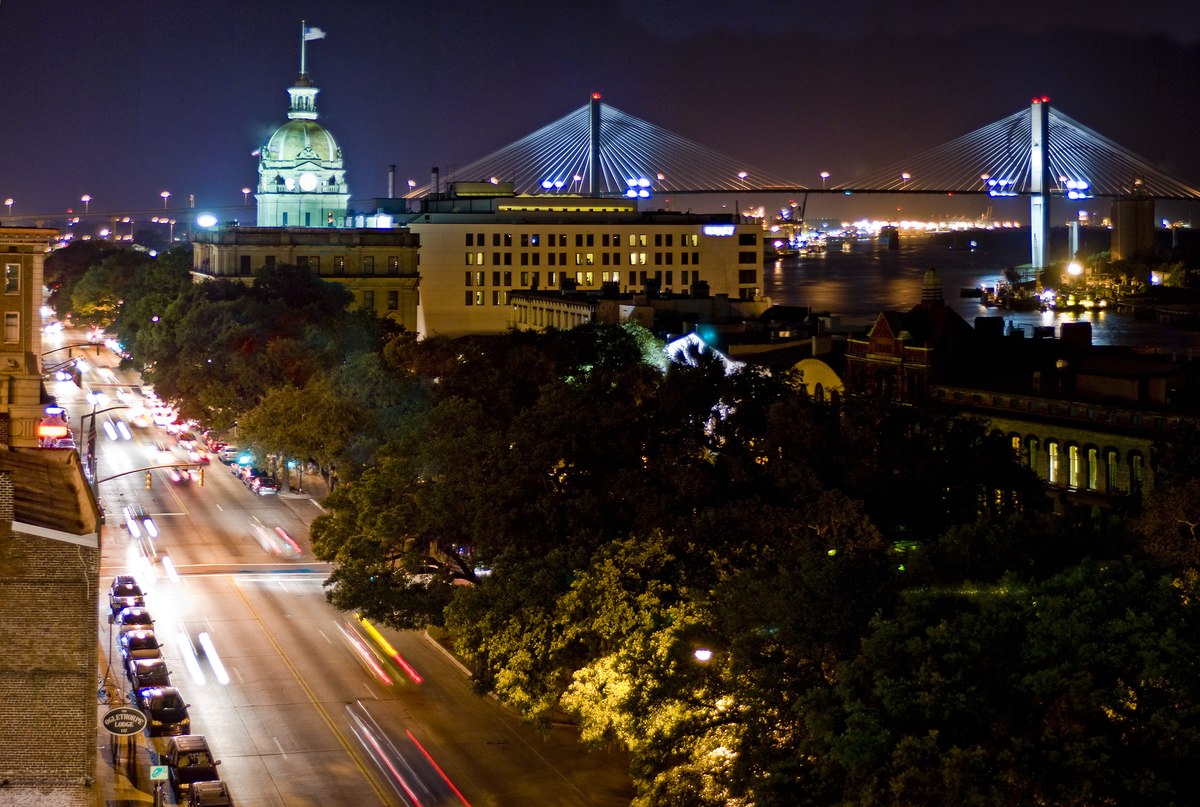
Wesley Monumental Church
429 Abercorn St, Savannah, GA 31401
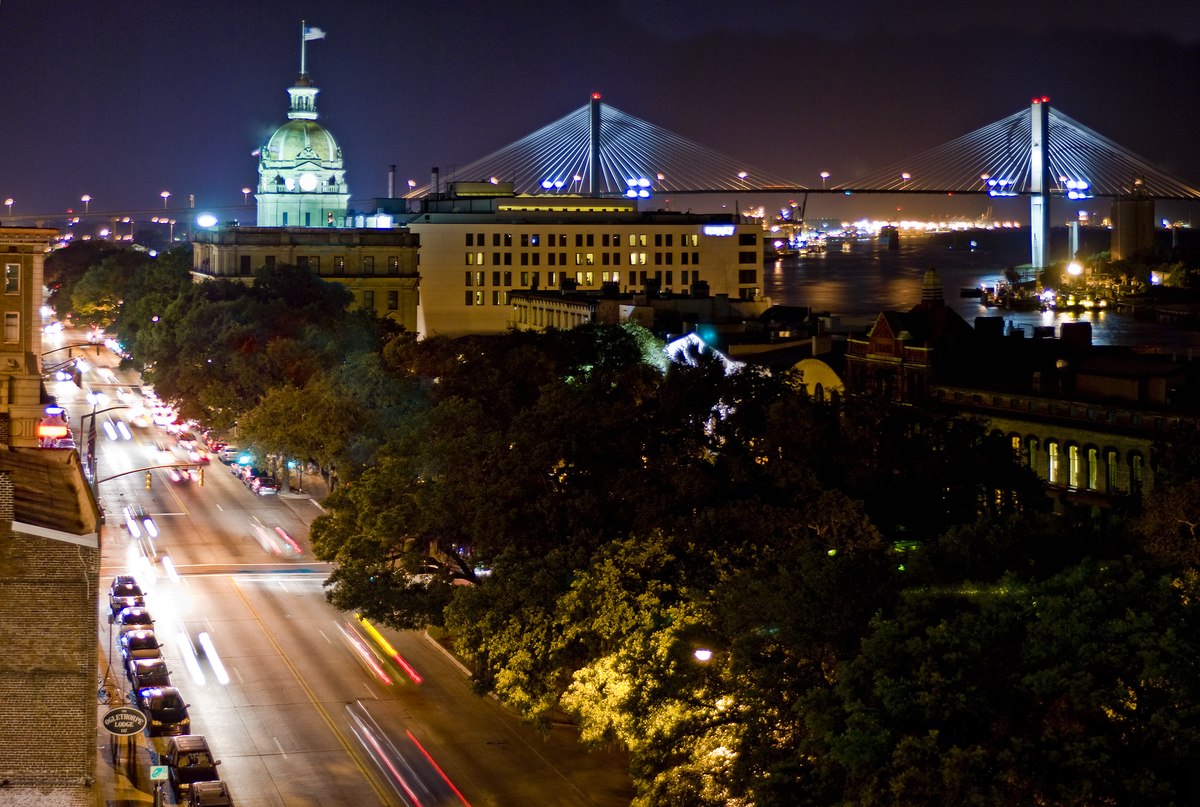
Temple Mickve Israel
20 E Gordon St, Savannah, GA 31401
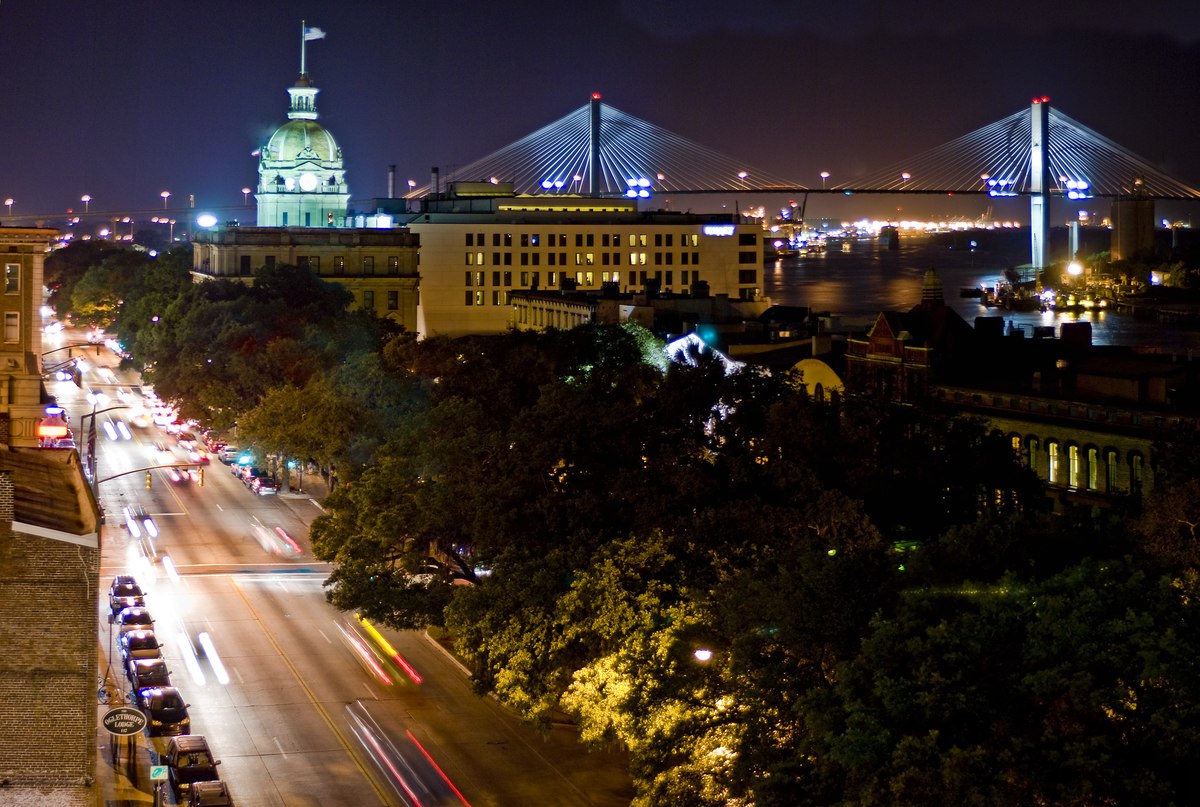
Cathedral of St. John the Baptist
222 E Harris St, Savannah, GA 31401
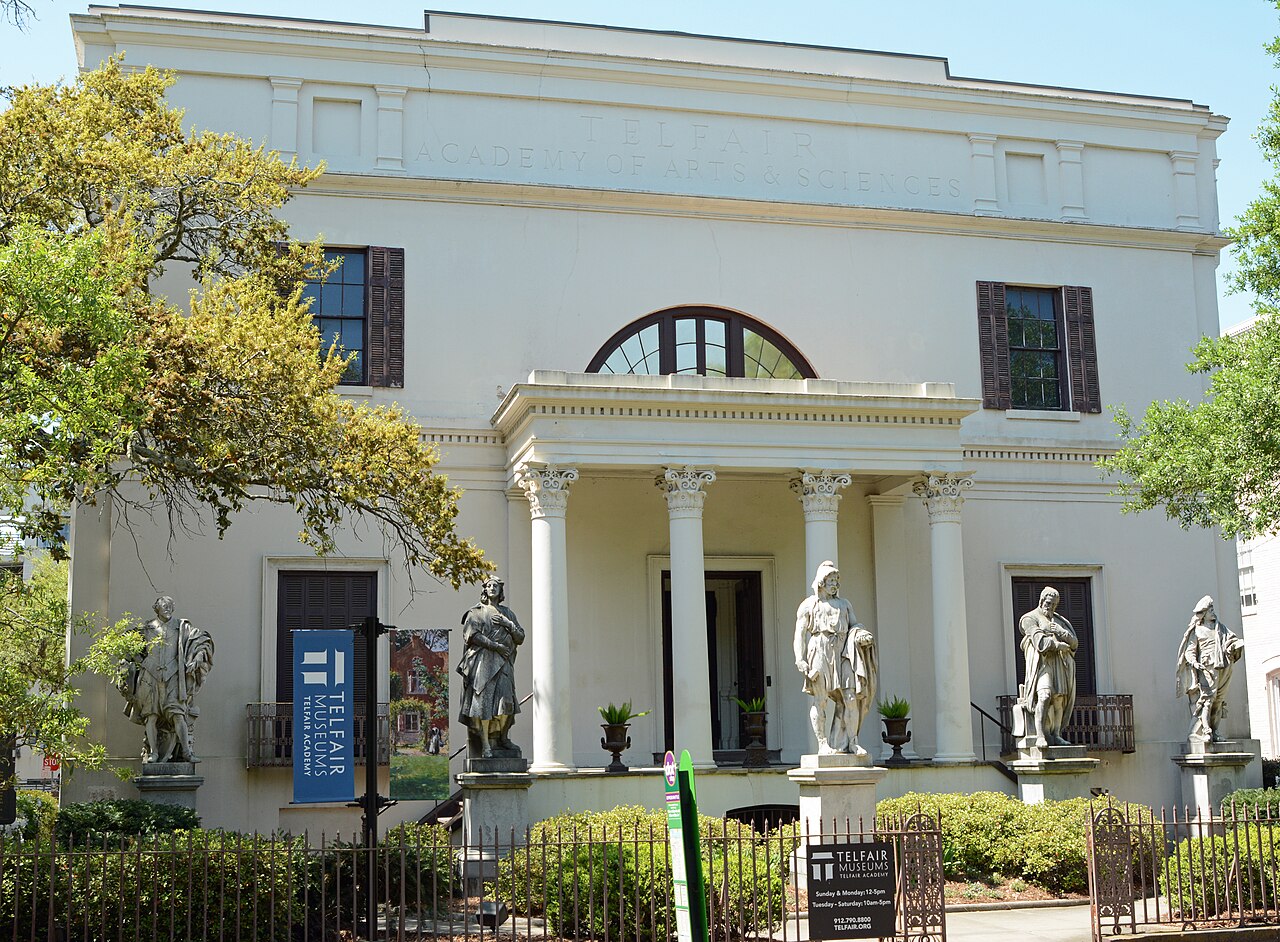
Sorrel-Weed House
6 W Harris St, Savannah, GA 31401
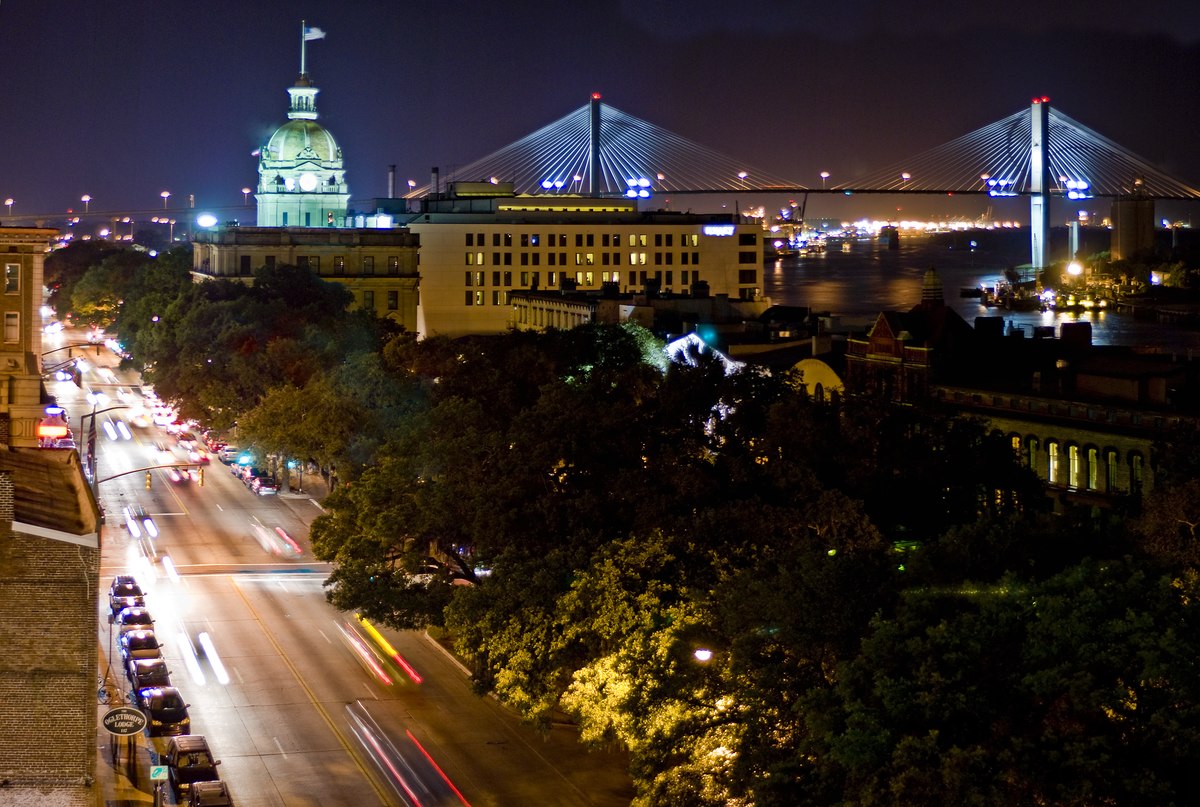
Hamilton-Turner Inn
330 Abercorn St, Savannah, GA 31401
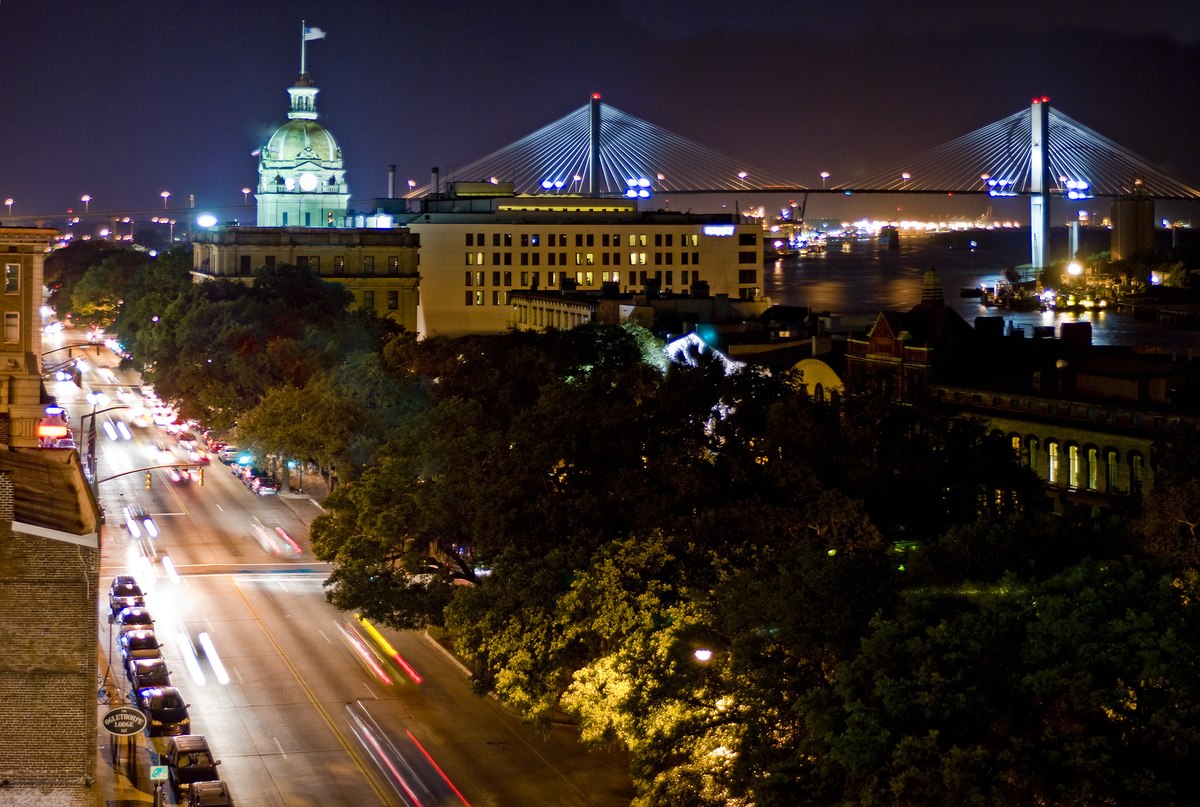
Cotton Exchange
100 E Bay St, Savannah, GA 31401
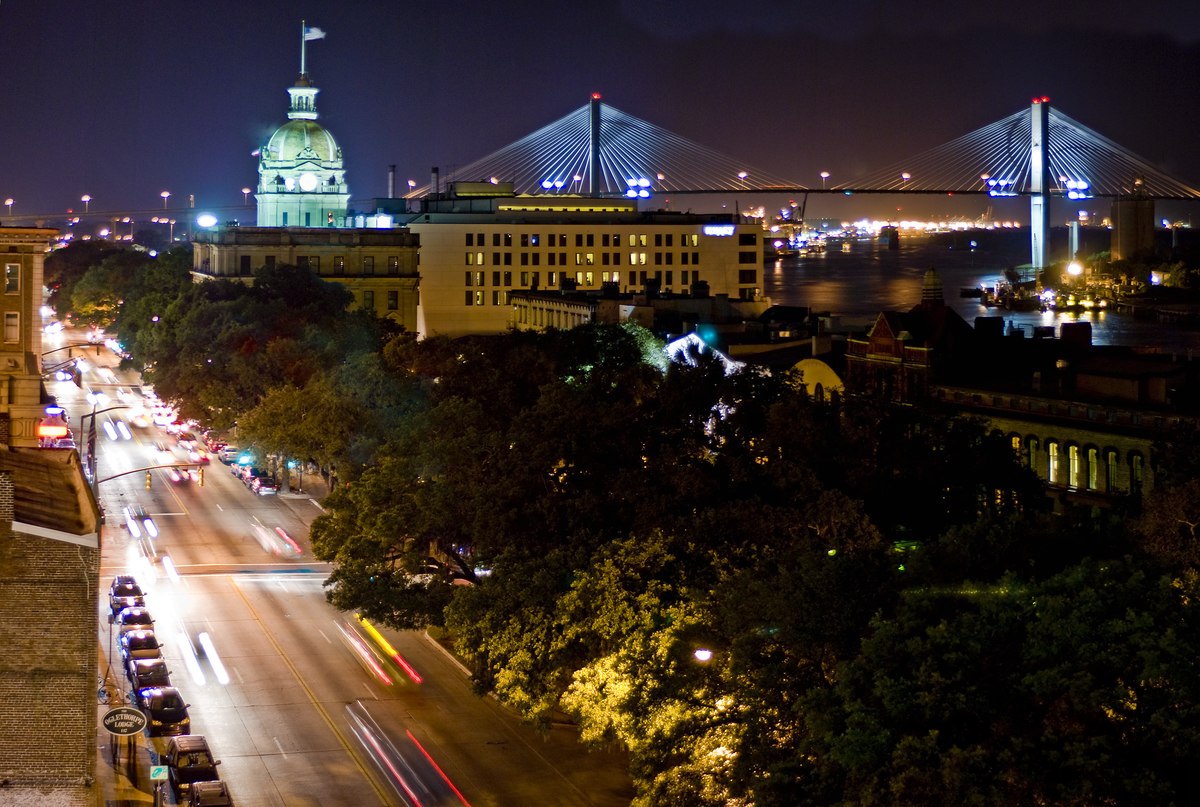
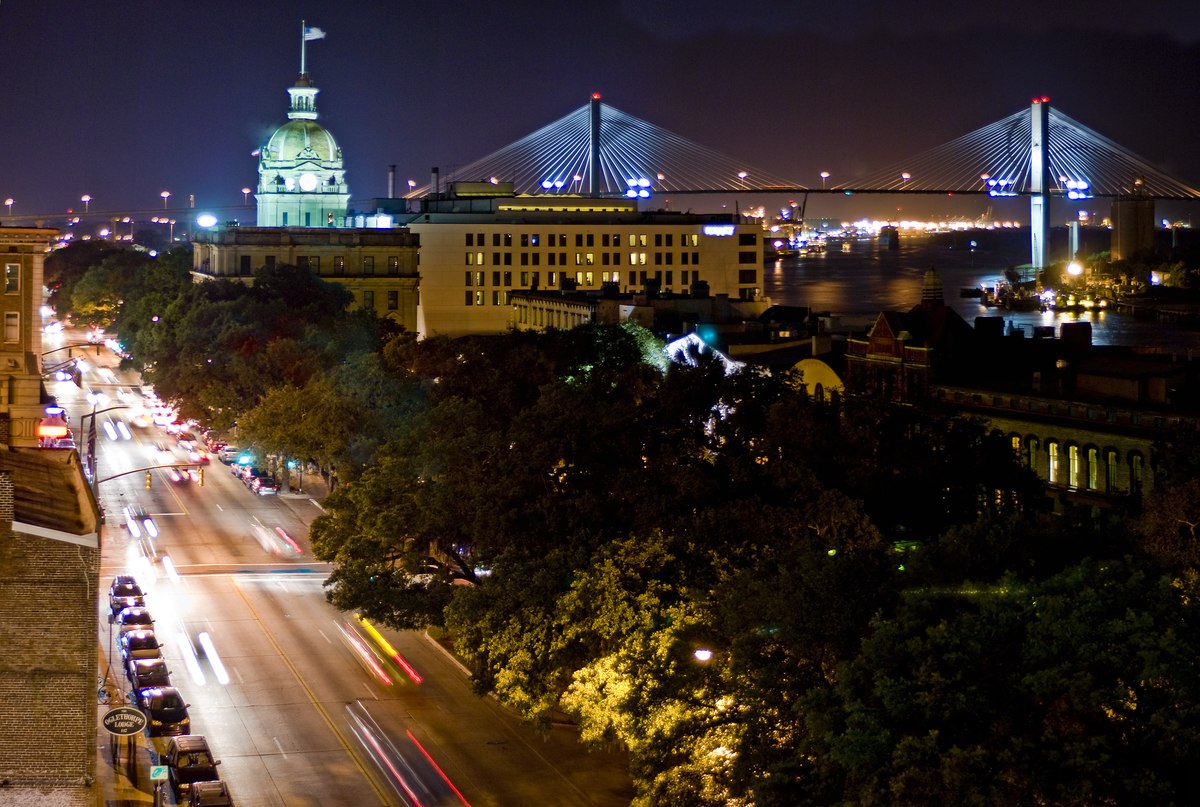
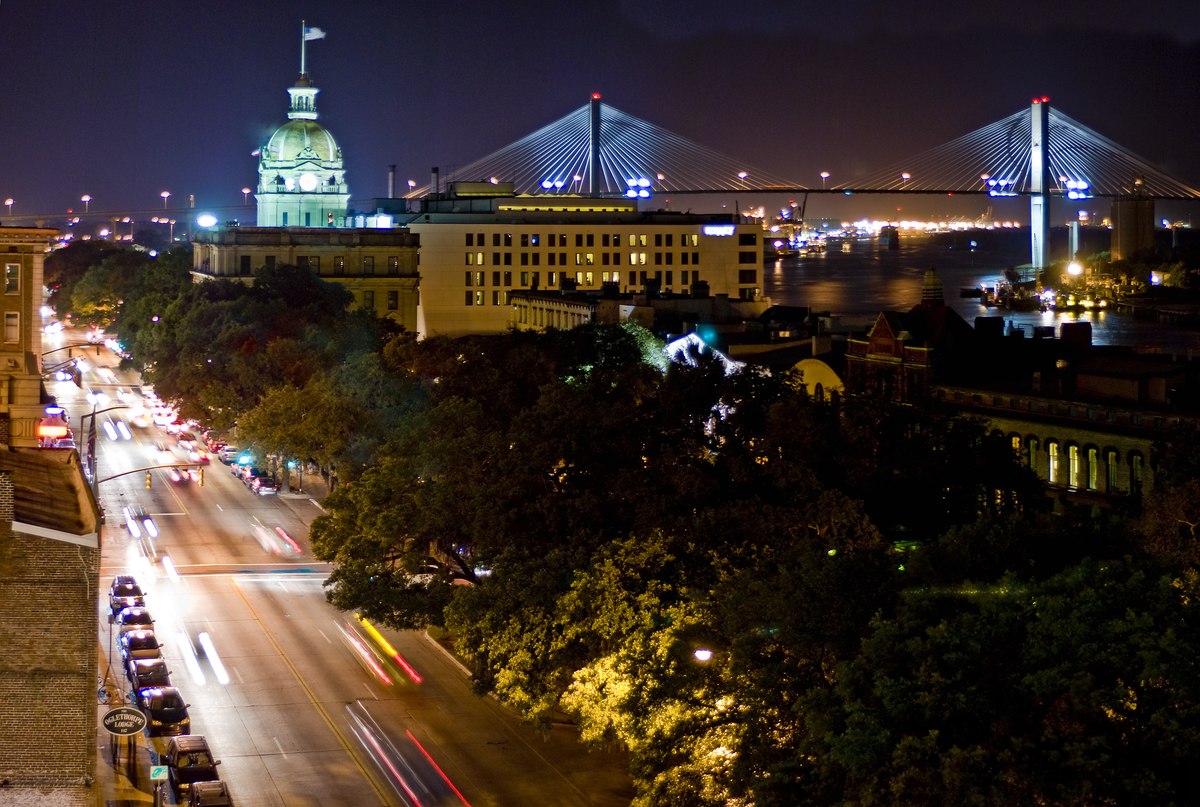
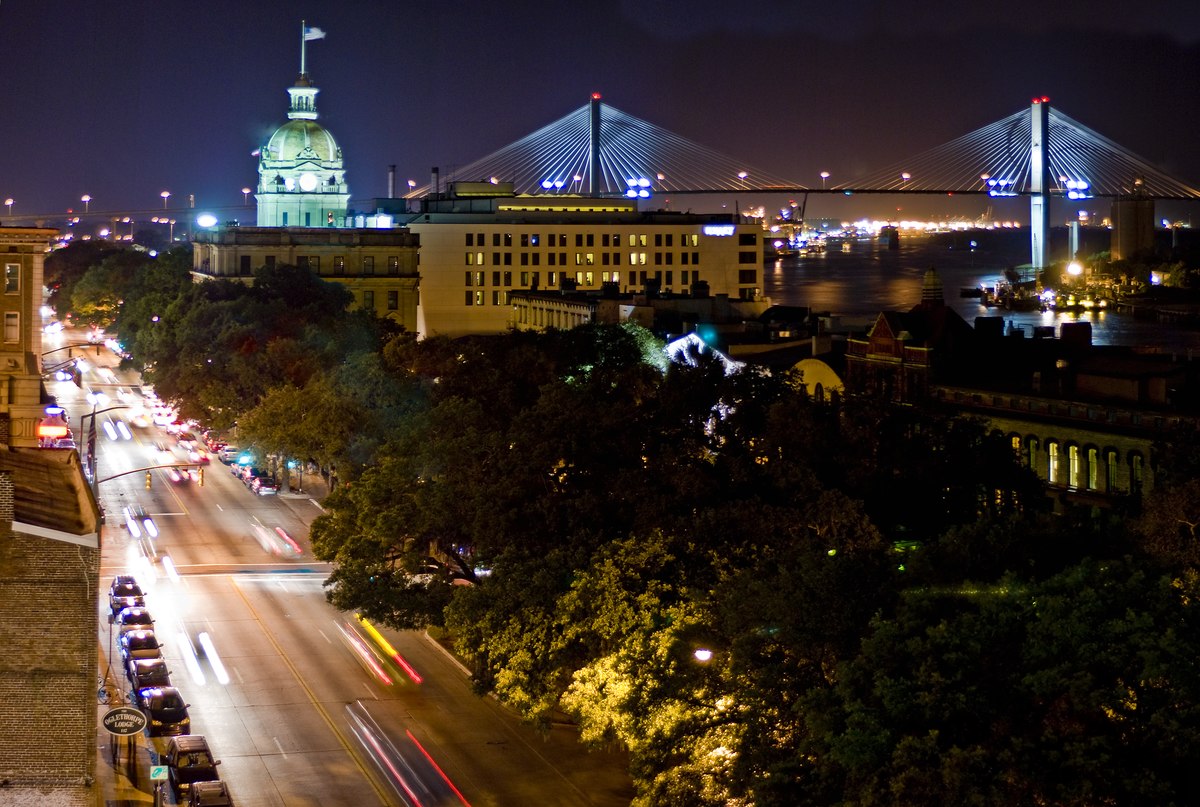
Savannah City Hall
2 E Bay St, Savannah, GA 31401
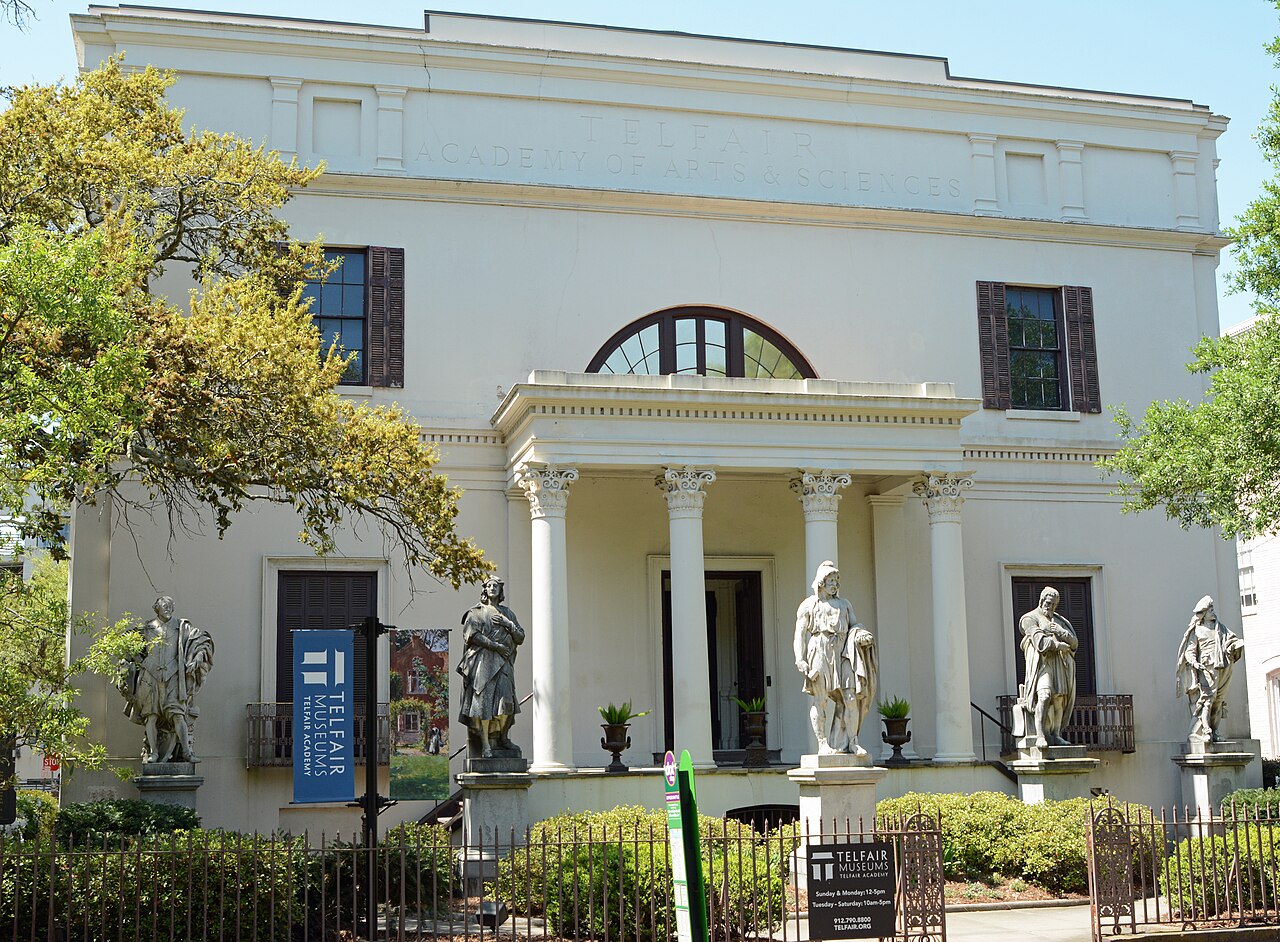
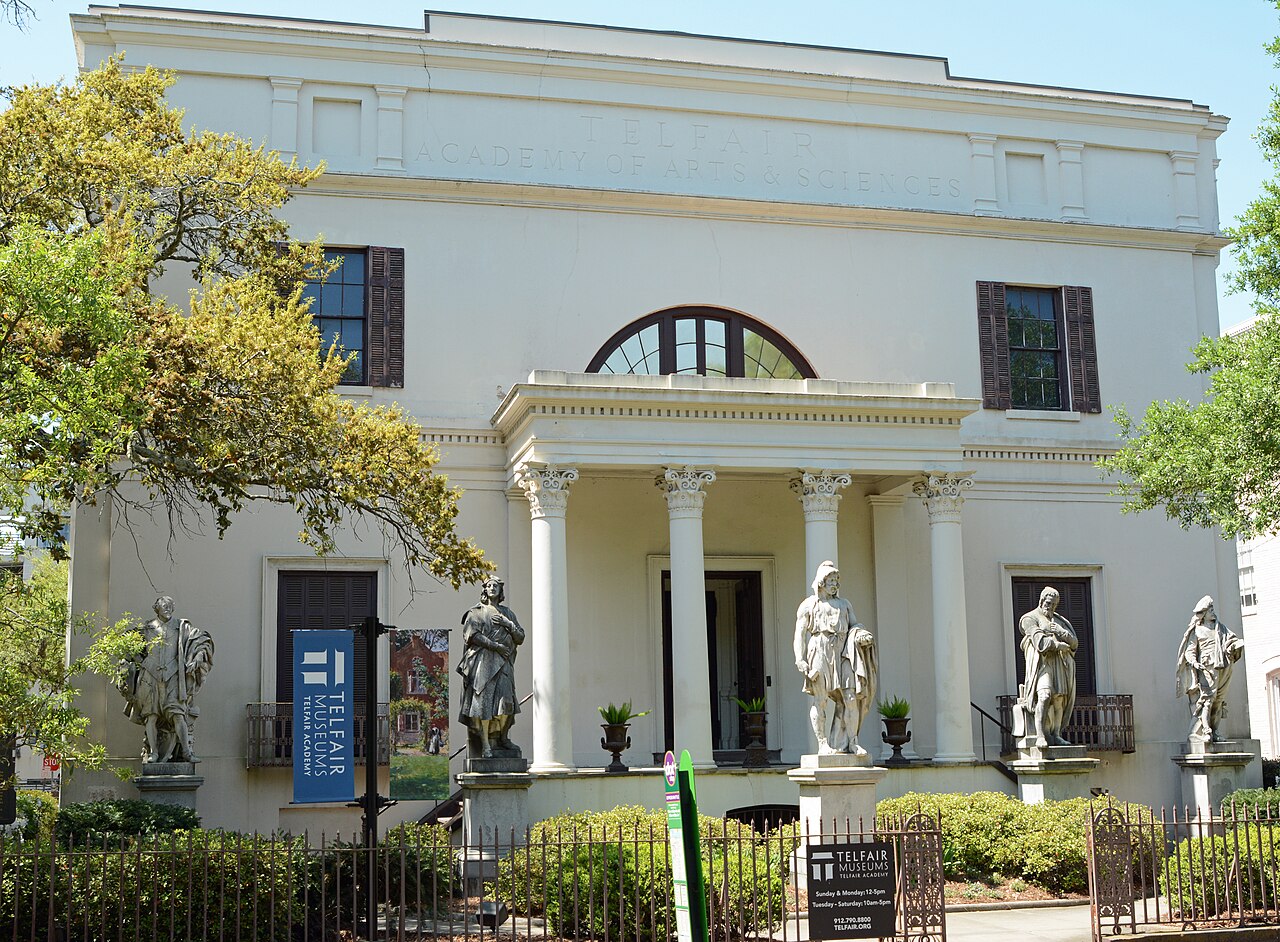
Telfair Academy
121 Barnard St, Savannah, GA 31401
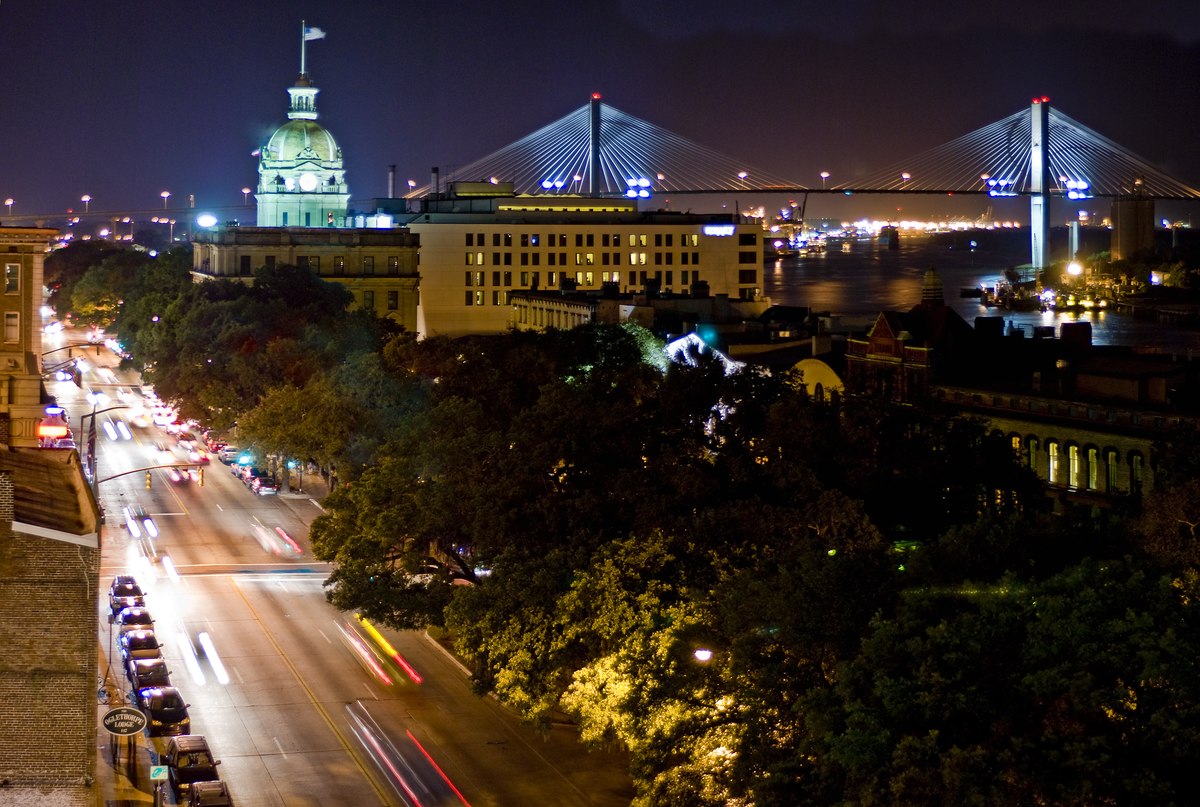
Green-Meldrim House
1 W Macon St, Savannah, GA 31401
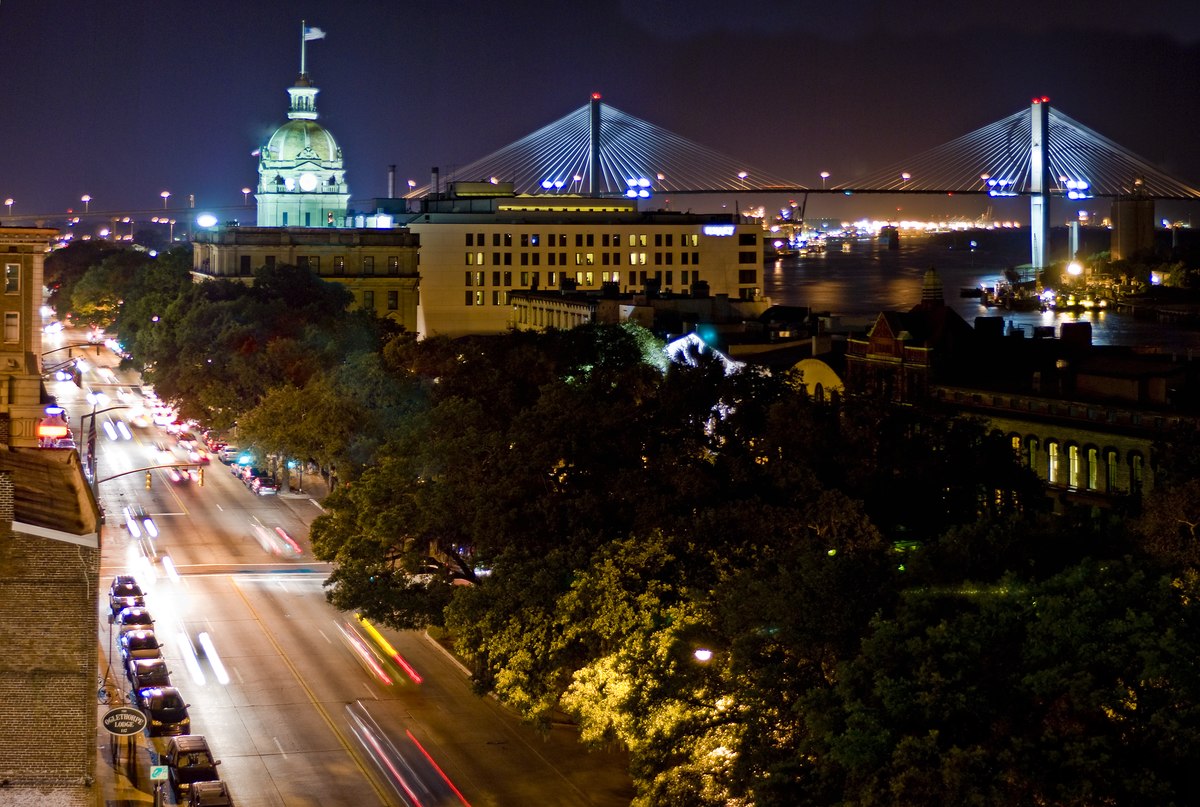
Andrew Low House
329 Abercorn St, Savannah, GA 31401
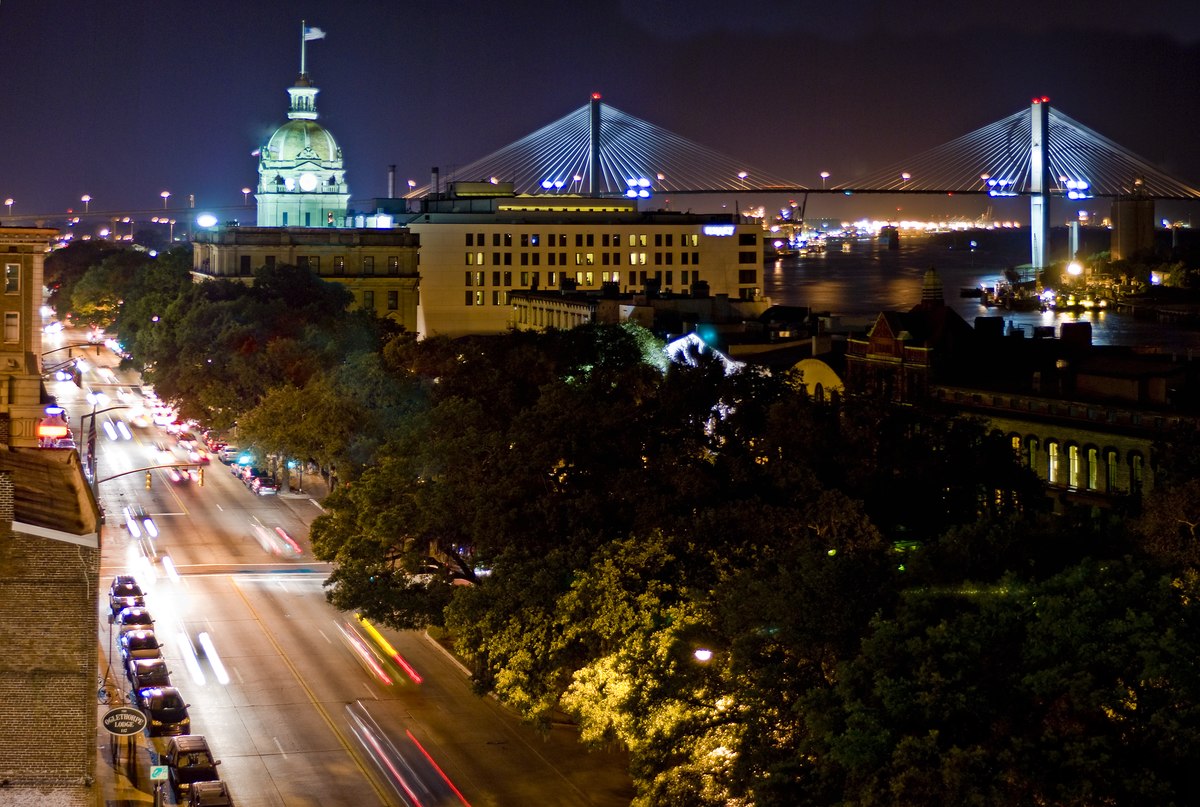
Davenport House
324 E State St, Savannah, GA 31401
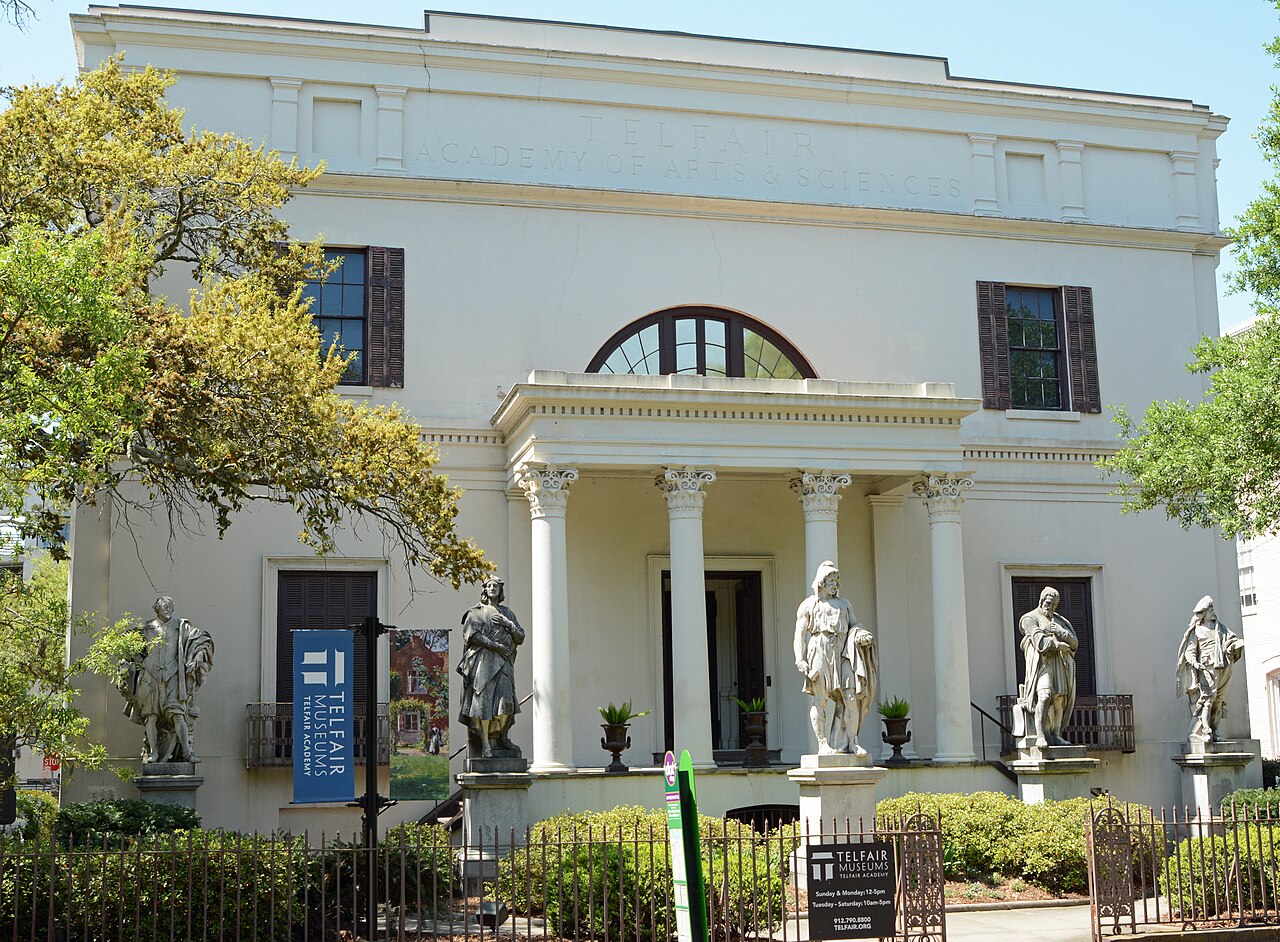
Owens-Thomas House
124 Abercorn St, Savannah, GA 31401
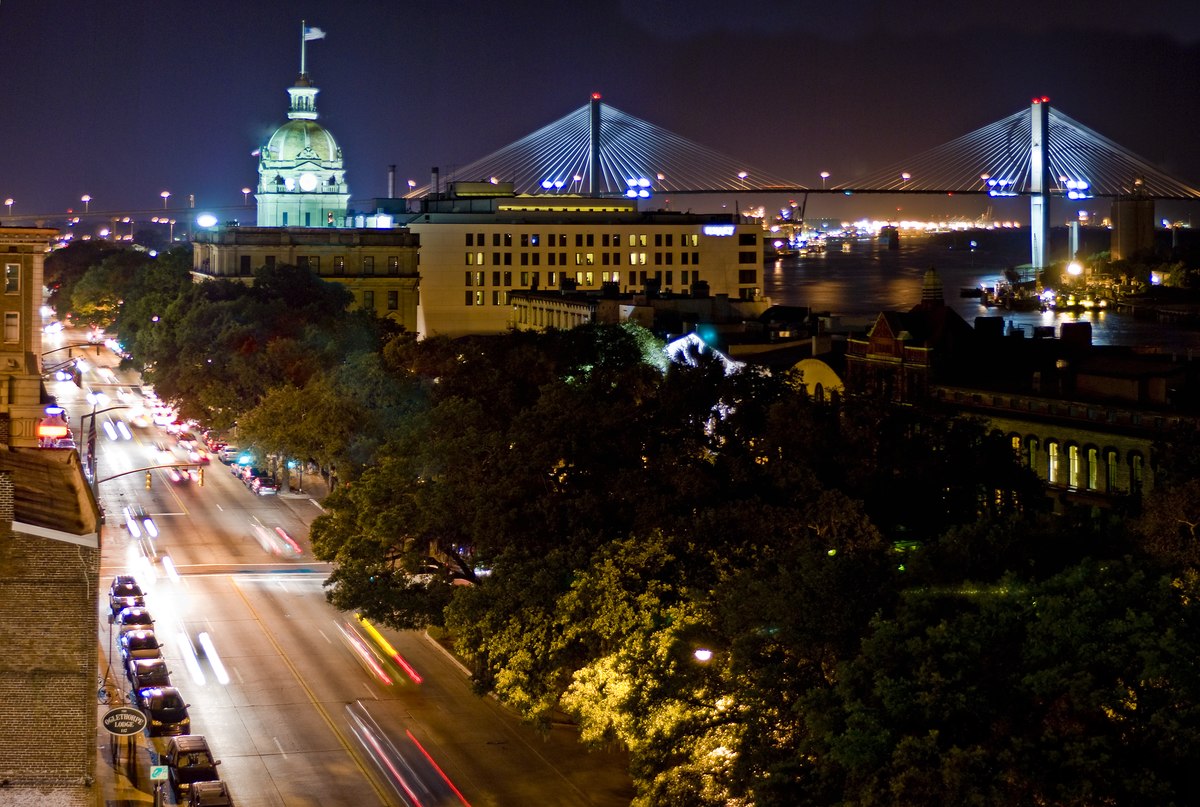
Mercer-Williams House
429 Bull St, Savannah, GA 31401
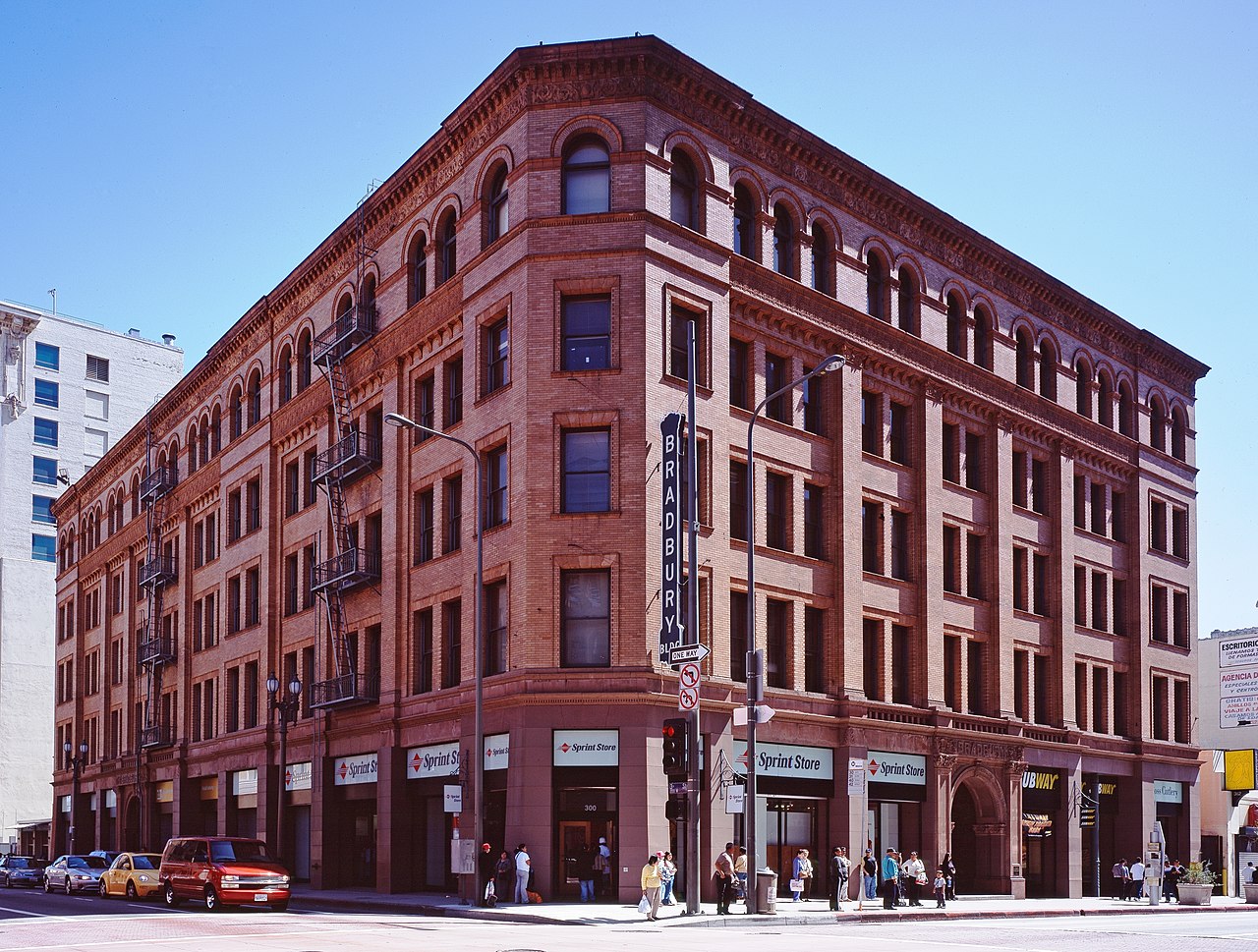
Bradbury Building
304 S Broadway
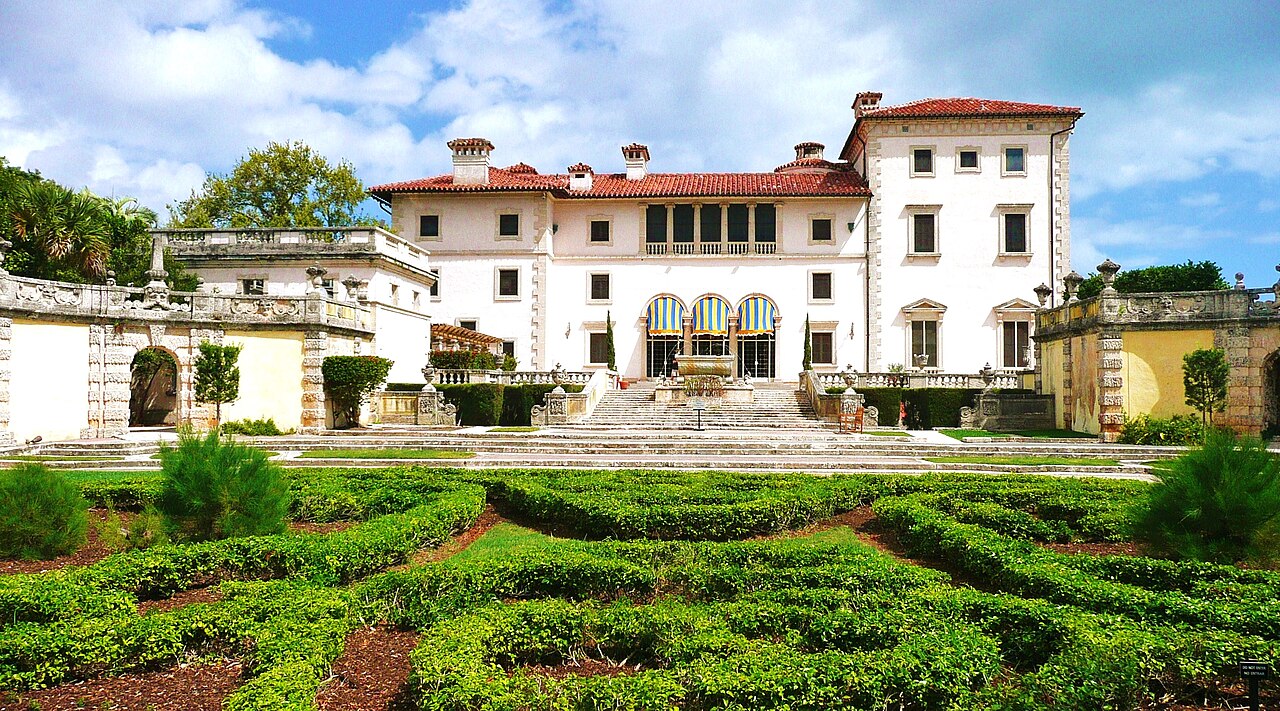
Stiltsville Historic District
Biscayne Bay, Miami, FL 33149
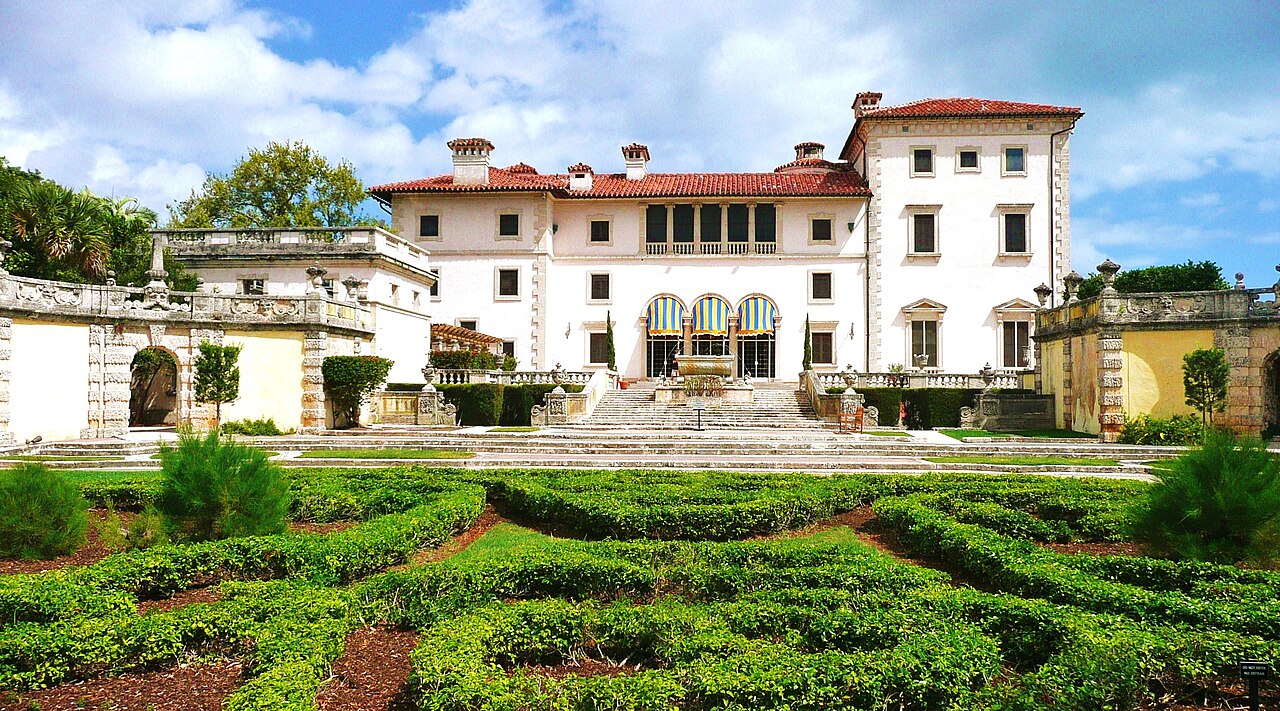
Seaquarium Entrance
4400 Rickenbacker Cswy, Key Biscayne, FL 33149
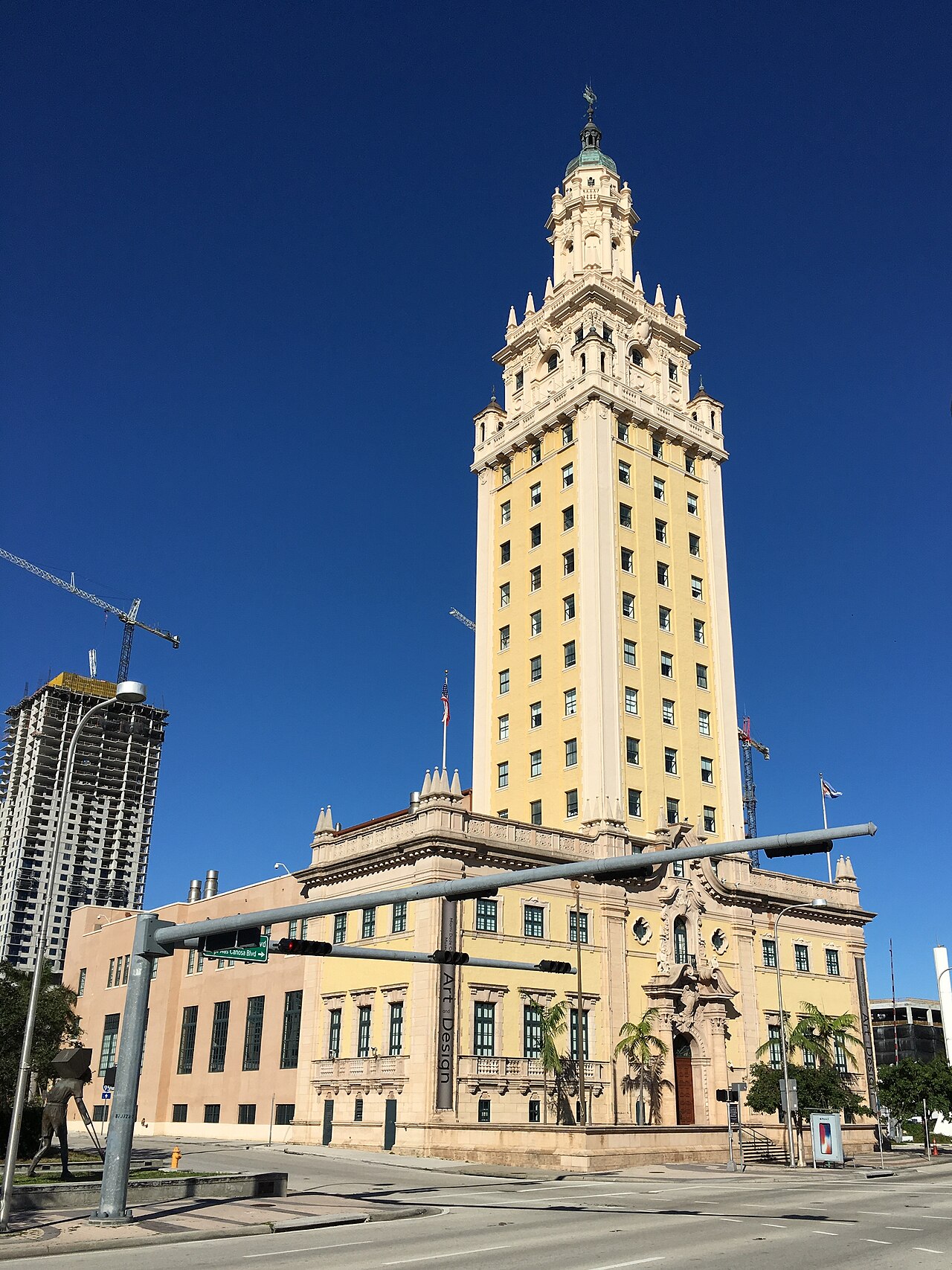
Freedom Tower
600 Biscayne Blvd, Miami, FL 33132
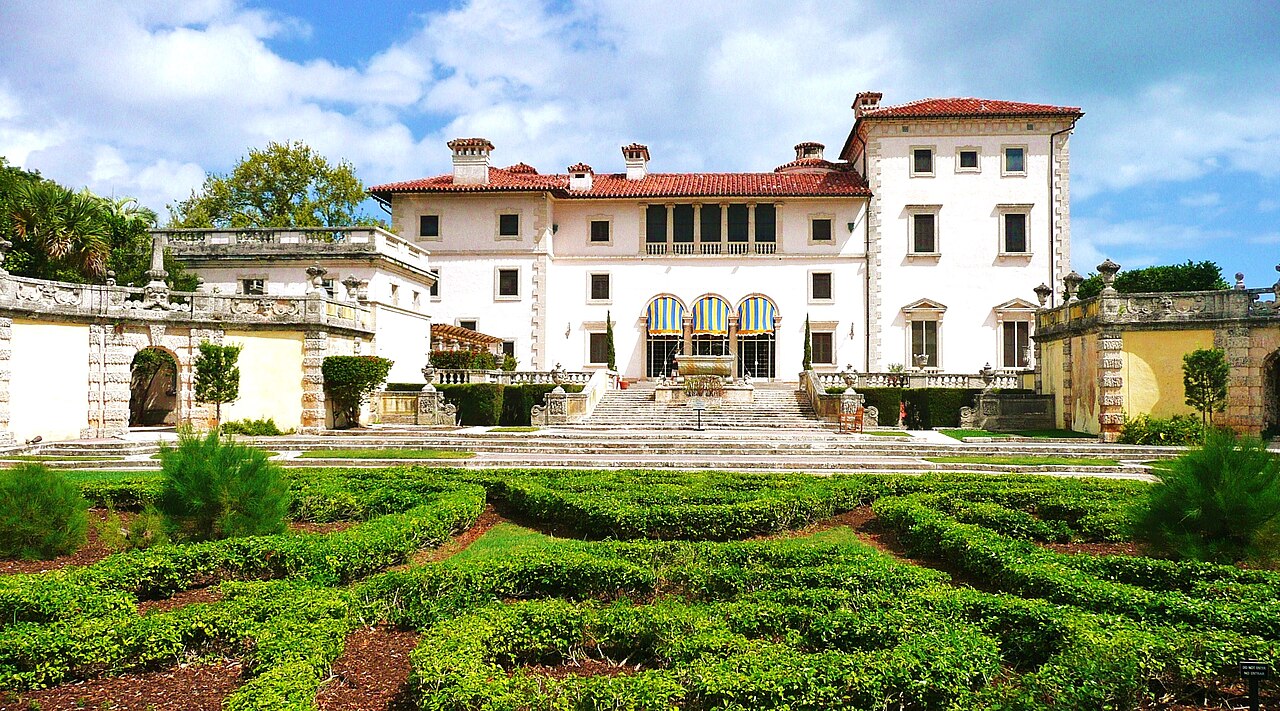
Vizcaya Museum and Gardens
3251 S Miami Ave, Miami, FL 33129
Where to Find Beaux-Arts Architecture
Related Styles
Why Beaux-Arts Matters Today
Beaux-Arts architecture created some of the most beloved public spaces in the world. Its emphasis on civic grandeur, beautiful materials, and human-scaled monumentality offers lessons for contemporary architects seeking to create public buildings that inspire pride and belonging.