Toronto's skyline tells the story of a city that has transformed from a colonial outpost into one of North America's most architecturally dynamic metropolises. From the Gothic Revival grandeur of Casa Loma to the crystalline modernism of the ROM's Libeskind addition, Canada's largest city showcases nearly two centuries of architectural evolution, shaped by waves of immigration, economic booms, and bold civic vision.
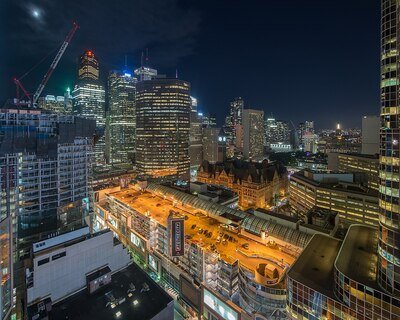
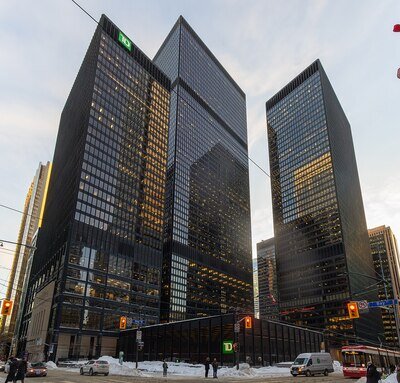
The city's architectural character emerges from its unique position as both a British colonial settlement and a cosmopolitan gateway to the continent. Victorian-era buildings like St. Michael's Cathedral Basilica and the Richardsonian Romanesque Old City Hall anchor downtown with their solid stone presence, while gleaming towers of glass and steel—including Ludwig Mies van der Rohe's only major Canadian work, the Toronto-Dominion Centre—create one of North America's most impressive financial districts. This juxtaposition of old and new defines Toronto's built environment, where heritage buildings are preserved and celebrated alongside cutting-edge contemporary design.
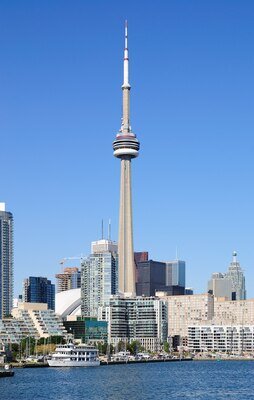
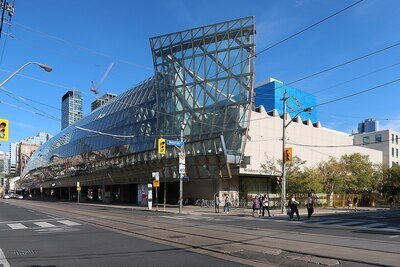
Perhaps no single structure embodies Toronto's architectural ambition better than the CN Tower, which dominated the skyline from 1976 until recently challenged by a forest of condominium towers. Yet the city's architectural story extends far beyond its most famous landmark, encompassing everything from the adaptive reuse triumph of the Distillery District—North America's largest collection of Victorian industrial architecture—to Frank Gehry's hometown expansion of the Art Gallery of Ontario, which demonstrates how world-class architecture can transform established cultural institutions.
Architectural Timeline and Major Periods
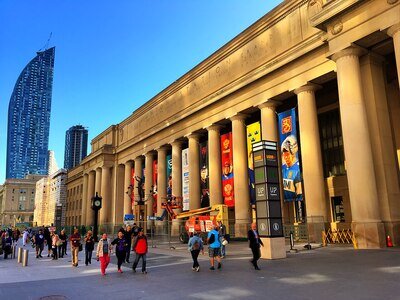
Toronto's built environment reflects distinct waves of development, each shaped by the city's growing confidence and changing role in the world. The earliest surviving structures date to the 1820s, when buildings like the Osgoode Hall and Union Station established the neoclassical and Beaux-Arts traditions that would influence civic architecture for decades. These buildings, with their limestone facades and classical proportions, created a template for institutional architecture that persists in contemporary projects.
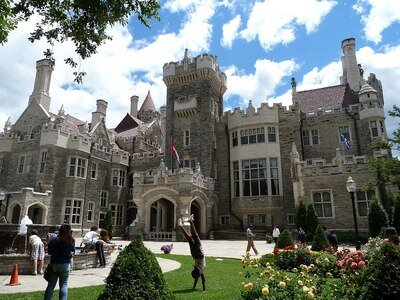
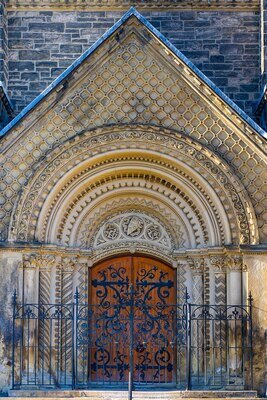
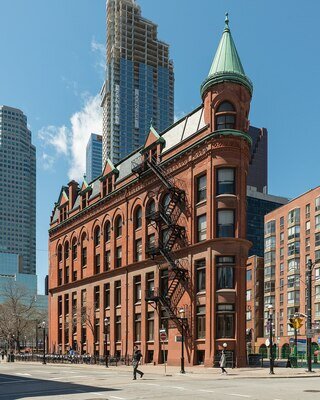
The late 19th and early 20th centuries brought an explosion of Victorian and Edwardian construction, exemplified by Casa Loma's Gothic Revival fantasy and the robust Richardsonian Romanesque of buildings like the Gooderham Building. This period also saw the construction of remarkable cultural institutions like Massey Hall, whose Victorian concert hall design has been carefully preserved through a recent restoration that maintained its historic character while upgrading its acoustics and facilities.
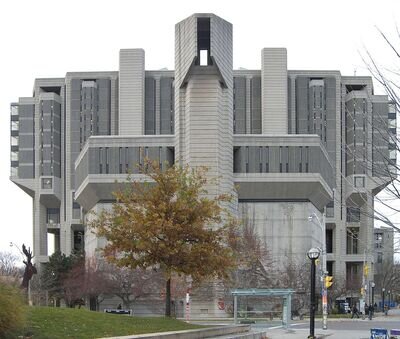
Mid-century modernism arrived with particular force in Toronto, producing iconic structures like Viljo Revell's New City Hall with its curved twin towers embracing Nathan Phillips Square, and the uncompromisingly Brutalist Robarts Library, whose fortress-like concrete form has earned it the nickname "Fort Book." The 1970s brought the CN Tower, an engineering marvel that served as both communications infrastructure and symbol of the city's growing international prominence.
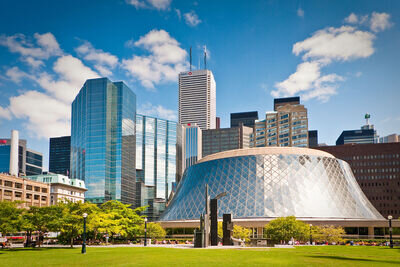
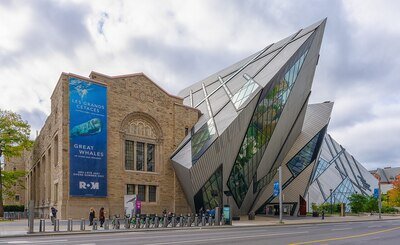
The contemporary period has been marked by increasing sophistication and international recognition, with projects like the Royal Ontario Museum's Michael Lee-Chin Crystal by Daniel Libeskind and the Art Gallery of Ontario's expansion by Frank Gehry demonstrating Toronto's willingness to embrace bold architectural statements. The Four Seasons Centre for the Performing Arts represents the more refined end of contemporary design, with its glass-and-brick facade creating an elegant home for opera and ballet.
Key Neighborhoods and Districts
Financial District
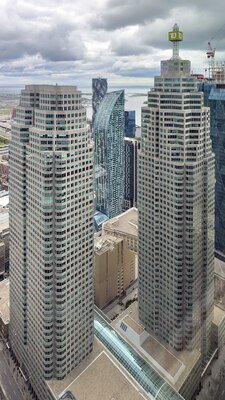
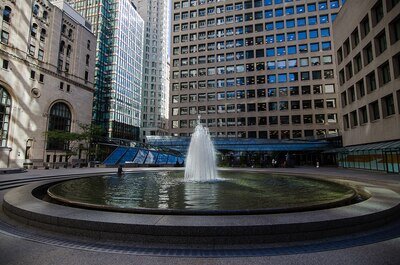
Toronto's Financial District showcases the city's evolution from colonial town to international business center. The district's architectural timeline runs from Union Station's 1927 Beaux-Arts grandeur through Mies van der Rohe's minimalist black towers of the Toronto-Dominion Centre to contemporary skyscrapers like Scotia Plaza. The area demonstrates how Toronto learned to build tall while maintaining human-scale streetscapes, with many towers featuring retail and restaurant spaces at ground level that keep sidewalks active throughout the day.
Queen Street West and the Cultural Corridor
The Queen Street West area contains some of Toronto's most significant institutional architecture, from the Gothic Revival St. Michael's Cathedral to the modernist City Hall. This district showcases the city's commitment to civic architecture, with buildings like Osgoode Hall demonstrating how neoclassical principles adapted to Canadian conditions. The area also includes the Art Gallery of Ontario, where Frank Gehry's 2008 expansion created a dynamic dialogue between heritage and contemporary design.
Distillery District
The Distillery District represents one of North America's most successful heritage preservation projects, transforming the former Gooderham and Worts distillery into a pedestrian-only cultural precinct. The Victorian industrial buildings, with their red brick facades and timber-frame construction, create an atmospheric setting that demonstrates how adaptive reuse can breathe new life into historic structures while maintaining their authentic character.
Notable Architects and Their Legacy
Toronto's architectural identity has been shaped by both local masters and international stars. E.J. Lennox, often called the city's first great architect, designed both Casa Loma and Old City Hall, establishing a tradition of bold, historically-informed design that influenced generations of Toronto architects. His work demonstrates how European architectural traditions could be adapted to Canadian conditions and civic ambitions.
The mid-20th century brought international recognition to Toronto through projects by world-renowned architects. Ludwig Mies van der Rohe's Toronto-Dominion Centre remains one of his most pure expressions of the International Style, with its black steel and bronze glass creating a timeless modernist statement. Finnish architect Viljo Revell's City Hall introduced Scandinavian modernism to the city, proving that contemporary civic architecture could be both functionally sophisticated and emotionally engaging.
The contemporary period has seen Toronto attract leading global architects for major cultural projects. Daniel Libeskind's Royal Ontario Museum addition and Frank Gehry's Art Gallery of Ontario expansion demonstrate how the city has gained confidence in commissioning bold architectural statements. Local firms like Diamond Schmitt Architects have also gained international recognition, with projects like the Four Seasons Centre showing how Toronto-based practices can compete on the global stage.
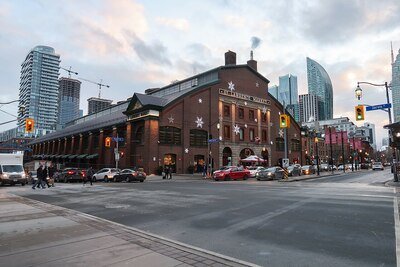
The influence of these architects extends beyond individual buildings to shape the city's overall approach to design. Toronto has learned to value both preservation and innovation, creating a built environment where historic structures like St. Lawrence Market coexist comfortably with contemporary landmarks like the CN Tower.
What to Notice: Materials, Details, and Urban Context
Toronto's architecture rewards close observation, revealing how local materials and building traditions create a distinctive sense of place. The city's preference for brick construction—evident in everything from Victorian houses to contemporary condominiums—creates visual continuity across different eras and architectural styles. Red brick, in particular, appears throughout the city's most significant buildings, from the Distillery District's industrial structures to modern institutional buildings that reference this traditional material.
Stone plays an equally important role, with Ontario limestone appearing in major civic buildings like Union Station and Osgoode Hall. This local material, quarried from Credit River valley sites, develops a warm patina over time and connects Toronto's architecture to its regional geology. Contemporary buildings often incorporate stone in their facades to maintain this connection to local building traditions.
Toronto's urban planning reveals a sophisticated understanding of how buildings relate to their surroundings. The city's wide streets and frequent parks create breathing room that allows architectural details to be appreciated, while the underground PATH system demonstrates how infrastructure can be integrated into urban design without compromising street-level activity. The relationship between buildings and Lake Ontario also influences design, with many structures oriented to take advantage of waterfront views and cooling breezes.
Climate considerations shape architectural details throughout the city, from the deep eaves and solid walls that protect against winter weather to the generous windows and outdoor spaces that take advantage of brief but intense summers. Contemporary buildings increasingly incorporate green roofs and energy-efficient systems, showing how Toronto's architectural tradition continues to evolve in response to environmental challenges while maintaining the city's commitment to design excellence.