Detroit's architecture tells the story of American ambition on a grand scale. In the early twentieth century, the automobile industry transformed this city into one of the wealthiest in the world, and that wealth poured into buildings of extraordinary quality and craftsmanship. The great skyscrapers of the 1920s were designed not merely as office space but as monuments to industrial progress, clad in limestone and terra cotta, decorated with Pewabic tile and bronze, and crowned with ornamental towers that still define the skyline.
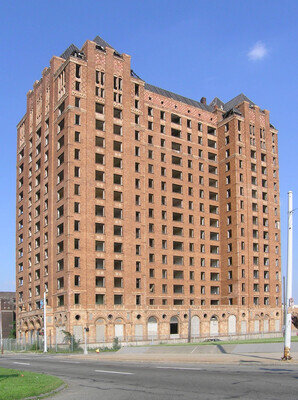
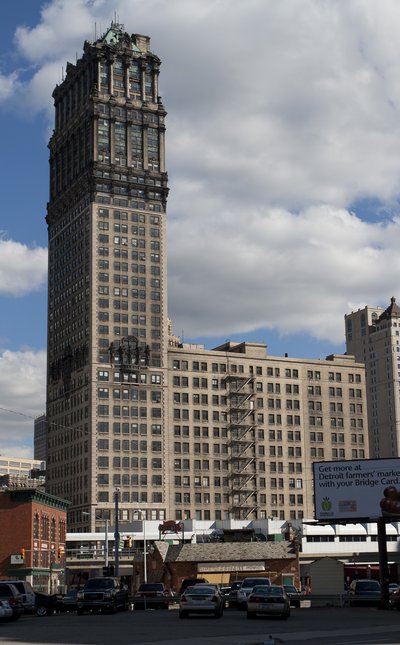
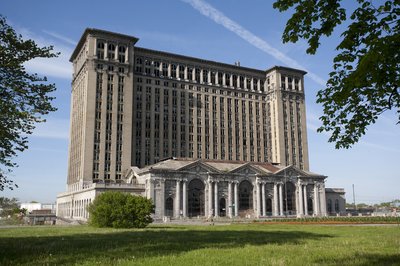
The decades that followed brought profound challenges. As industry declined and population shifted, many of Detroit's finest buildings stood vacant for years, their futures uncertain. Yet the architecture endured. In recent years, a remarkable wave of restoration has swept through the city. Michigan Central Station, abandoned for decades, has been meticulously restored by Ford Motor Company. The Book Tower has been brought back to life after years of emptiness. Capitol Park, once ringed by neglected storefronts, is now one of the most vibrant corners of downtown.
Walking through Detroit today means encountering architecture that spans from Romanesque Revival mansions to soaring Art Deco towers to bold modernist complexes. Few American cities offer such a concentrated lesson in how buildings reflect the ambitions, struggles, and resilience of the people who build them.
Architectural Timeline
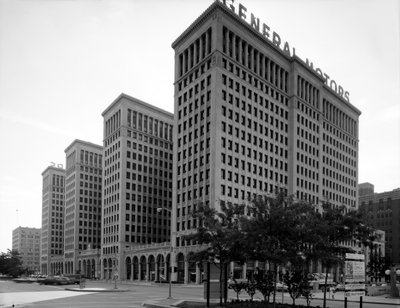
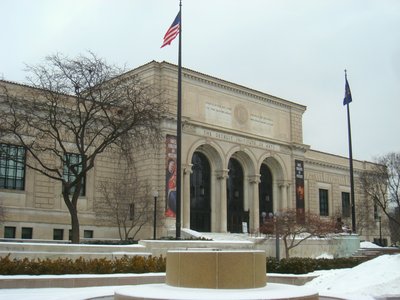
Detroit's earliest grand buildings drew on the Beaux-Arts tradition that dominated American civic architecture at the turn of the twentieth century. The Detroit Institute of Arts, designed by Paul Cret and completed in 1927, presents a stately marble facade along Woodward Avenue. Cadillac Place, originally the General Motors headquarters, is among the largest office buildings of its era, stretching along West Grand Boulevard in the New Center district with its imposing limestone exterior.
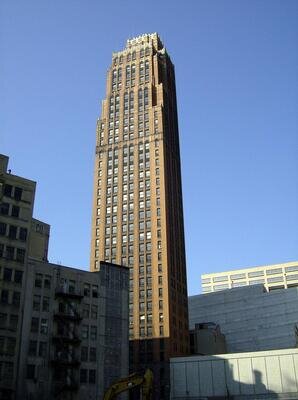
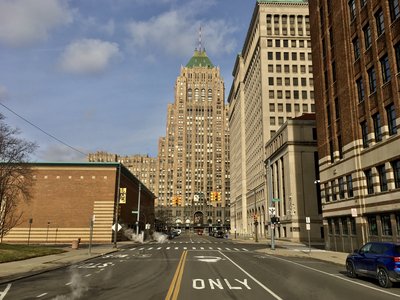
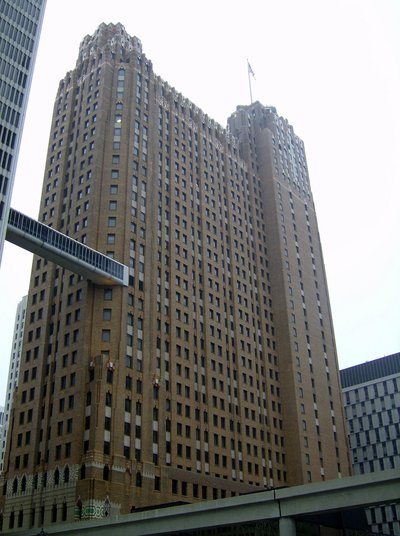
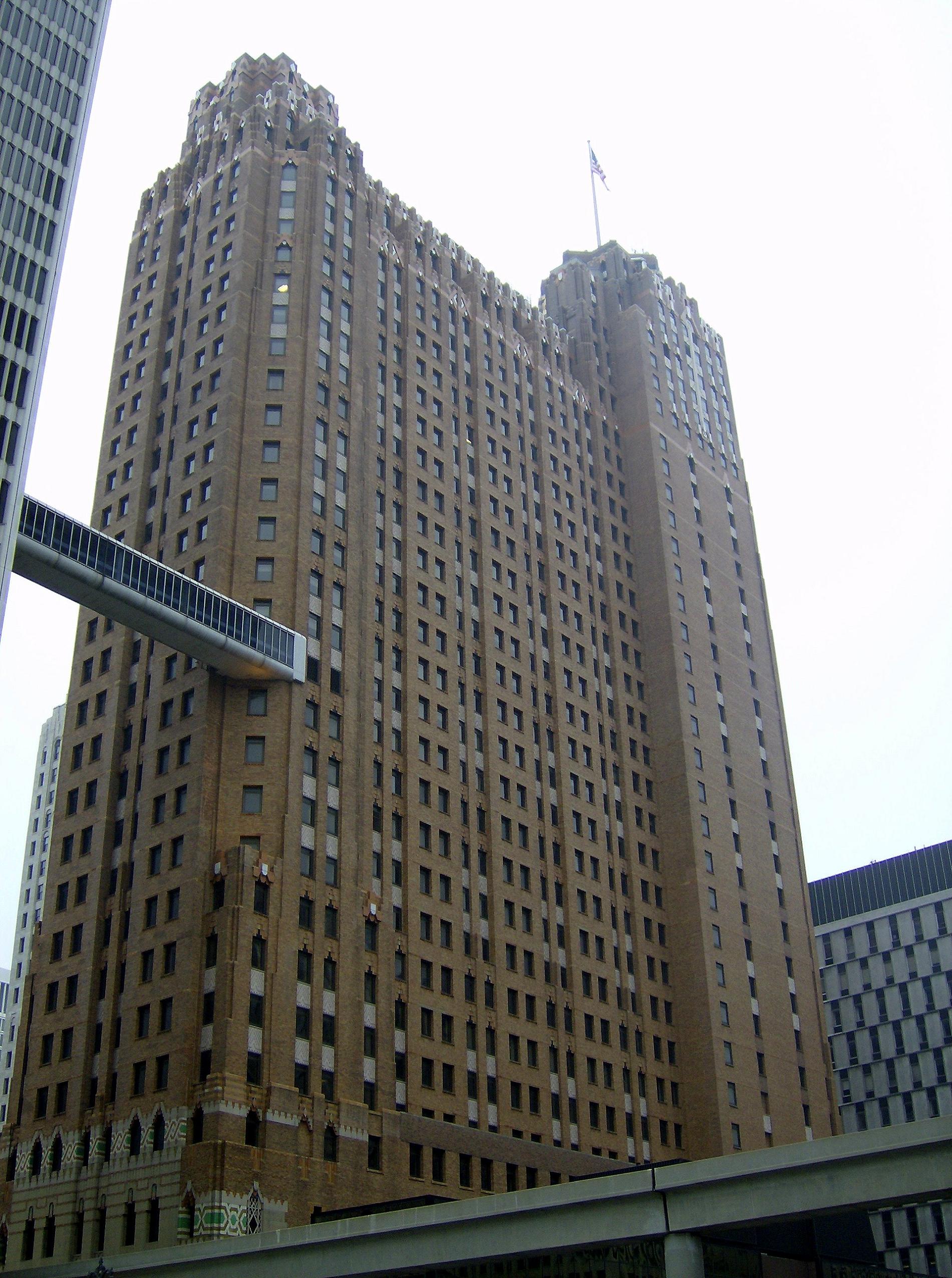
The city's golden age of construction arrived in the 1920s, when Detroit became the Art Deco capital of America. The Guardian Building, completed in 1929 and designed by Wirt Rowland of Smith, Hinchman and Grylls, is widely considered one of the finest Art Deco buildings in the world. Its exterior of orange brick and polychrome tile gives way to a lobby of extraordinary color and geometric ornament. The Fisher Building, also from 1928, was called "Detroit's largest art object" and features a golden tower visible across the city. The Penobscot Building, the David Stott Building, and the Book Tower all rose during this same remarkable period, giving Detroit a skyline that rivaled any city in America.
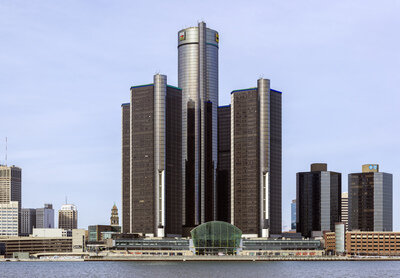
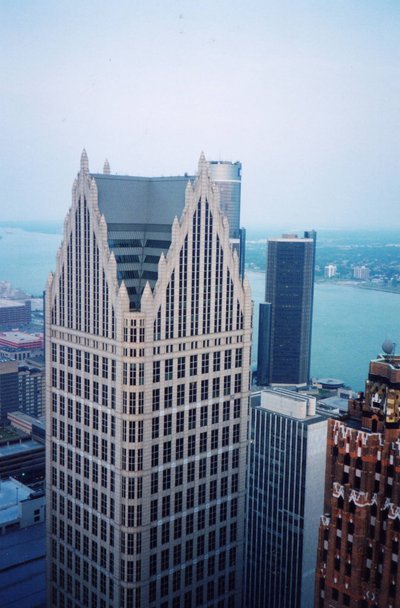
Mid-century brought new forms. The Renaissance Center, designed by John Portman and completed in 1977, introduced a cluster of glass cylinders along the Detroit River waterfront. One Detroit Center, completed in 1993 and designed by John Burgee and Philip Johnson, brought postmodern neo-Gothic styling to the skyline. More recently, adaptive reuse has become the defining architectural story, with historic structures finding new life as hotels, apartments, and cultural venues.
Key Neighborhoods
Downtown and Capitol Park
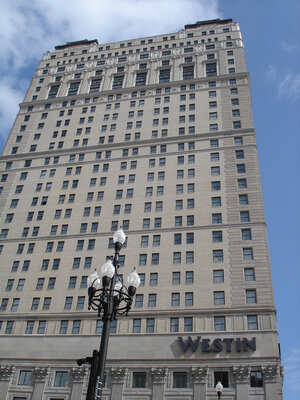
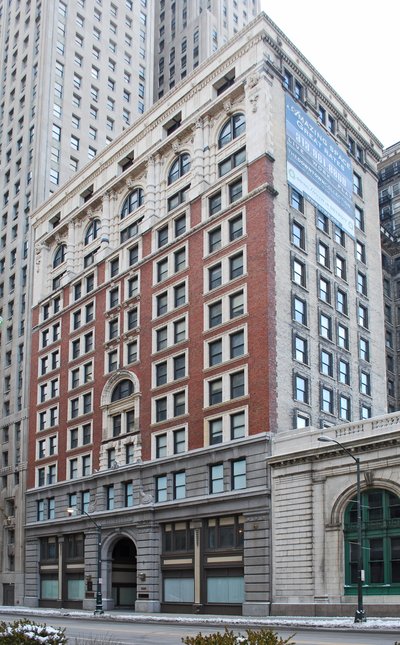
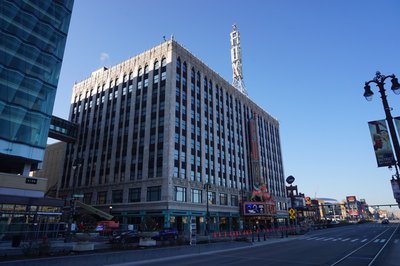
The dense core of Detroit's skyline is concentrated along Woodward Avenue, Griswold Street, and Washington Boulevard. Here you will find the Guardian Building, Penobscot Building, David Stott Building, Book Tower, and Book-Cadillac Hotel all within a few blocks of each other. Capitol Park, at the intersection of Griswold and State streets, has become a focal point of downtown revitalization. The Fox Theatre anchors the northern end of the Woodward corridor downtown, its exotic marquee a beacon on the avenue.
Midtown and the Cultural Center
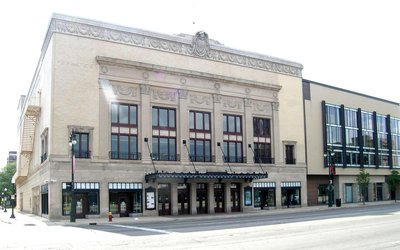
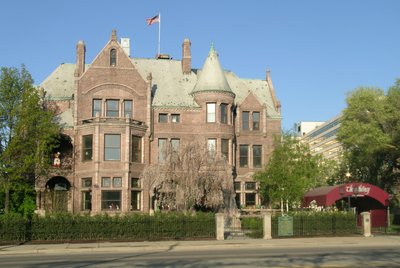
Woodward Avenue north of the highway leads to Detroit's Cultural Center, anchored by the Detroit Institute of Arts, the Detroit Public Library, and the Detroit Historical Museum. The Whitney, a Romanesque Revival mansion built for lumber baron David Whitney Jr. in 1894, stands on Woodward as one of the city's most beloved landmarks. Orchestra Hall and the Max M. Fisher Music Center are home to the Detroit Symphony Orchestra, combining a lovingly restored 1919 concert hall with a striking modern glass addition.
New Center
A few miles north of downtown, the New Center district was developed in the 1920s as an alternative commercial hub. The Fisher Building and Cadillac Place face each other across West Grand Boulevard, creating a monumental urban corridor. The Albert Kahn Building and other structures in the area reflect the ambitions of the auto industry executives who built this district.
Corktown
Detroit's oldest surviving neighborhood is home to Michigan Central Station, the massive Beaux-Arts train depot that closed in 1988 and sat empty for over three decades before Ford Motor Company undertook its restoration. The station's eighteen-story office tower, designed by the same architects who created Grand Central Terminal in New York, once again stands as a symbol of Detroit's ability to reinvent itself.
Notable Architects
Albert Kahn is the architect most closely associated with Detroit. His firm designed hundreds of buildings in the city, from the industrial plants that powered the auto industry to grand commercial and institutional structures. Cadillac Place, the Fisher Building, and numerous factories and residences throughout the region bear his mark. Kahn pioneered reinforced concrete construction in factory design and brought a refined classical sensibility to his commercial work.
Wirt Rowland, working at the firm of Smith, Hinchman and Grylls, created the Guardian Building, one of the most important Art Deco structures in America. His innovative use of color, tile, and geometric ornament set a new standard for commercial architecture. The Penobscot Building is also attributed to his design leadership.
The firm of Warren and Wetmore, famous for Grand Central Terminal, designed Michigan Central Station in 1913. George D. Mason designed the Masonic Temple and numerous other Detroit landmarks. C. Howard Crane designed the Fox Theatre in 1928, bringing exotic ornamentation to one of the largest movie palaces ever built. Minoru Yamasaki, who would go on to design the World Trade Center, was based in the Detroit area and contributed several notable buildings to the region.
What to Notice
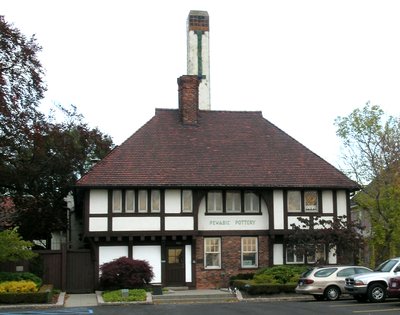
Pewabic tile appears throughout Detroit's most important buildings. Founded by Mary Chase Perry Stratton in 1903, Pewabic Pottery produced iridescent glazed tiles that adorn the Guardian Building, the Detroit Institute of Arts, and many churches and public buildings across the city. The pottery itself, on East Jefferson Avenue, is a National Historic Landmark and still produces tile using traditional methods. Look for the distinctive shimmering surfaces in lobbies, archways, and facade details throughout the city.
Detroit's Art Deco buildings reward close observation. The Guardian Building's exterior features bands of orange brick alternating with polychrome terra cotta in geometric patterns. The Fisher Building's golden roof tiles catch afternoon light. The David Stott Building's stepped massing and vertical lines demonstrate how Art Deco architects used setbacks required by zoning laws as opportunities for dramatic sculptural form.
The scale of ambition in Detroit's architecture is striking. These were not buildings designed for a modest regional city. The Book-Cadillac Hotel was the tallest hotel in the world when it opened in 1924. The Fisher Building lobby was designed to rival the finest spaces in Europe. Michigan Central Station's waiting room was modeled after a Roman bathhouse. Even in periods of decline, the grandeur of these buildings spoke to what Detroit believed it could be, and what it is once again becoming.