Mediterranean Revival Architecture — A Guide
Overview
Mediterranean Revival architecture captured the American imagination during the 1920s boom years, evoking the warmth, romance, and leisure of Southern European living. Blending Spanish, Italian, and Moorish influences, the style created a fantasy of Mediterranean life perfectly suited to the sun-drenched climates of Florida, California, and the American Southwest.
Architect Addison Mizner is credited with popularizing the style in Palm Beach, Florida, beginning in 1918 with the Everglades Club. His romantic, loosely historical designs — featuring arched loggias, tiled courtyards, and ornamental ironwork — established a template that was widely copied throughout Florida and Southern California. The style experienced a major revival in the 1980s–2000s as a popular choice for upscale residential development.
Key Characteristics
- Stucco walls in white, cream, or earth tones
- Red clay barrel-tile roofs
- Arched windows, doorways, and loggias
- Wrought iron balconies, railings, and light fixtures
- Interior courtyards with fountains and lush planting
- Asymmetrical massing with towers and varied rooflines
Famous Examples Worldwide
Everglades Club
Palm Beach, 1919
Coral Gables
Miami, 1920s
Santa Barbara County Courthouse
Santa Barbara, 1929
Buildings in Our Library (47)
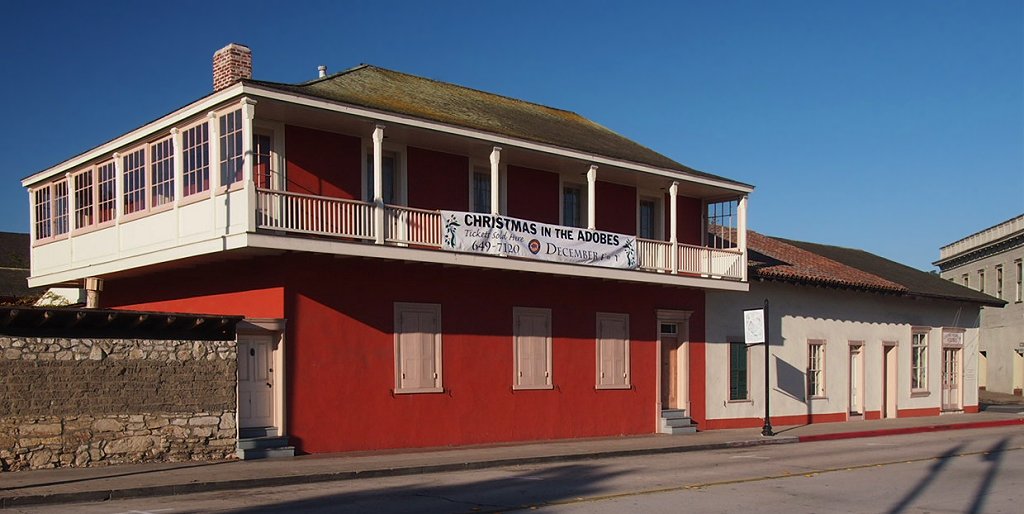
Cooper-Molera Adobe
525 Polk St, Monterey, CA
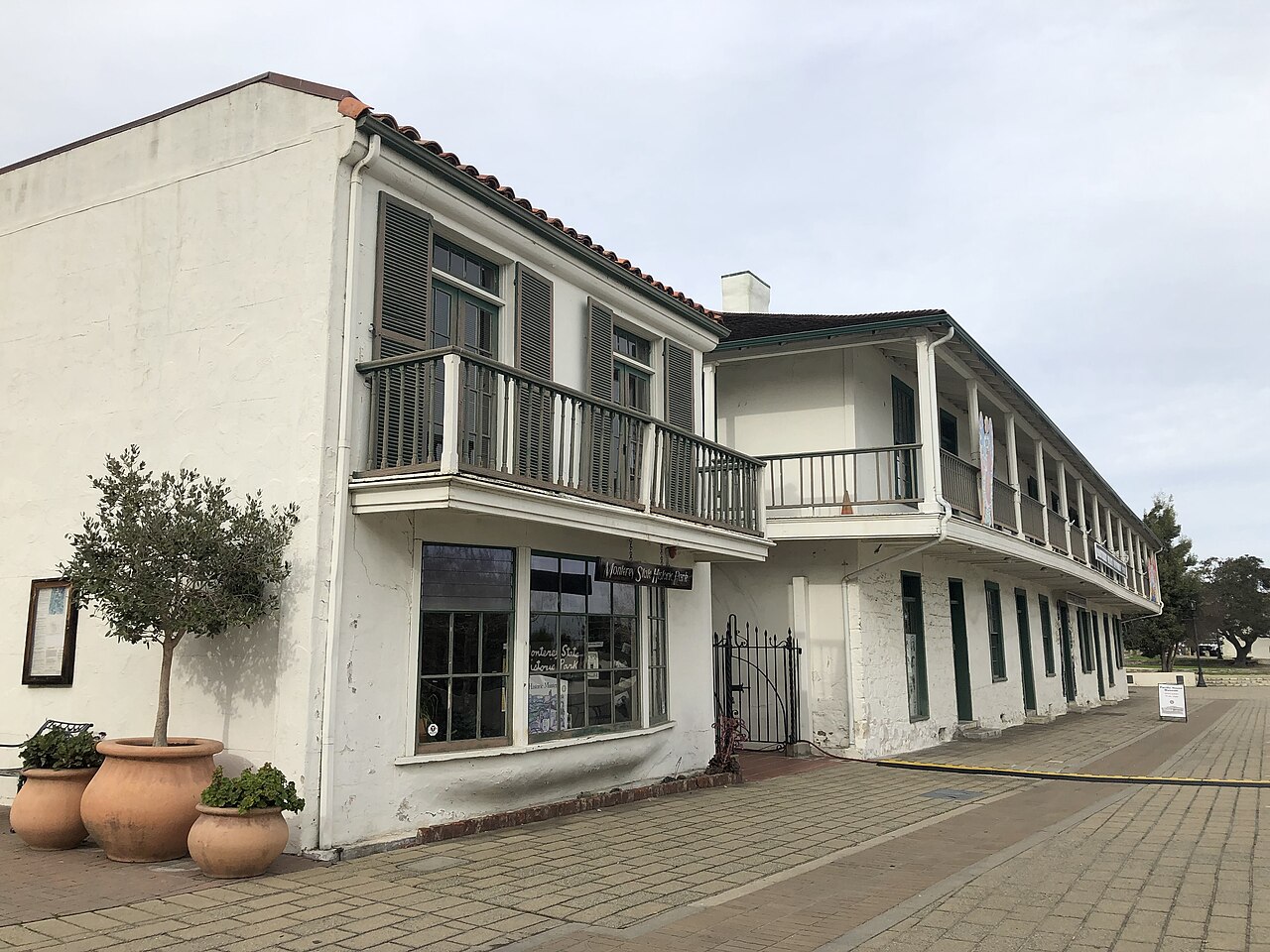
Pacific House
10 Custom House Plaza, Monterey, CA
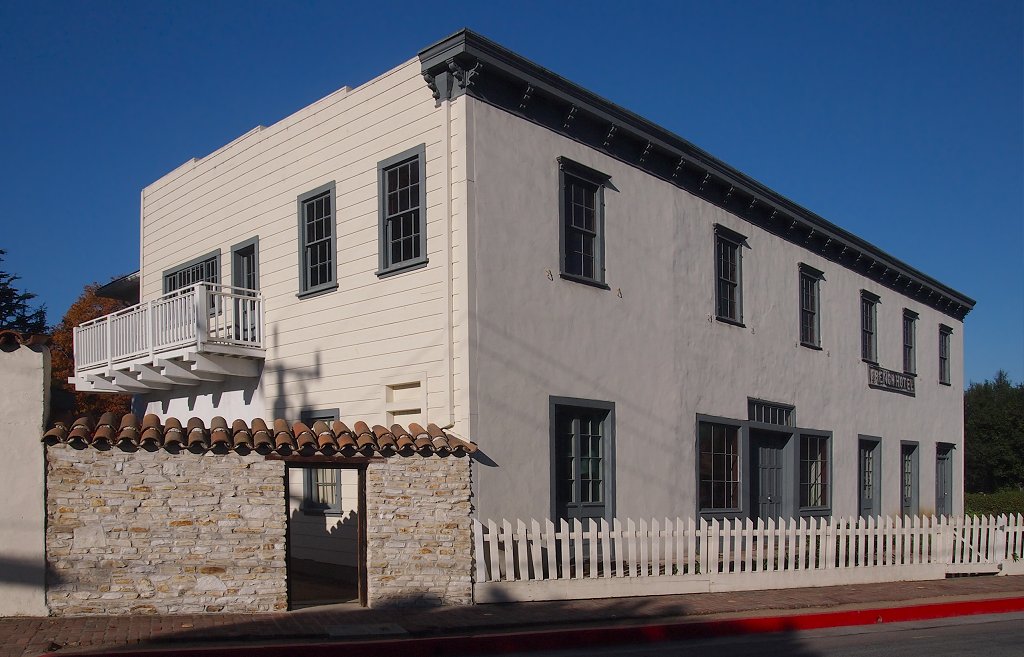
Stevenson House
530 Houston St, Monterey, CA
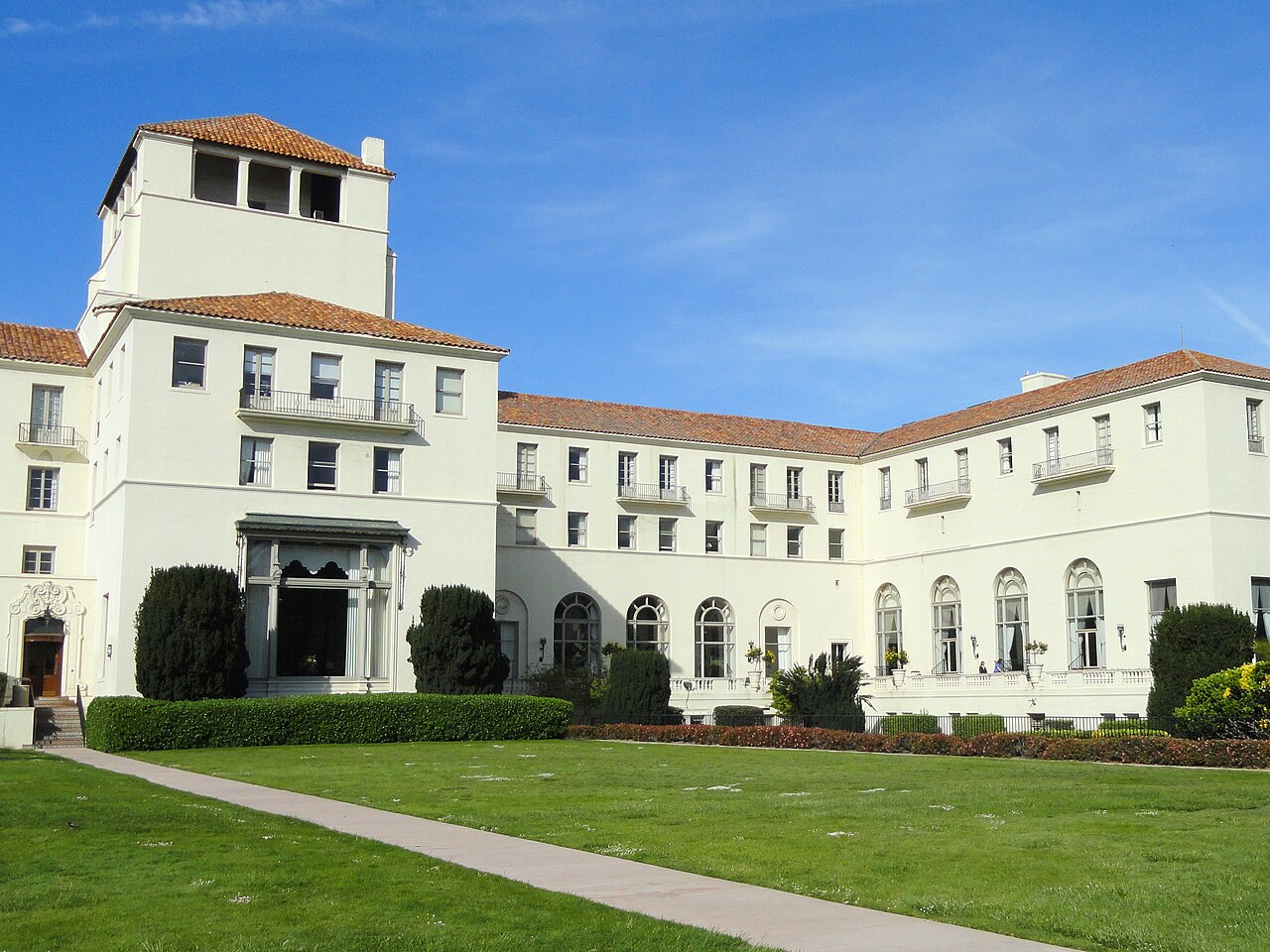
Herrmann Hall
1 University Cir, Monterey, CA
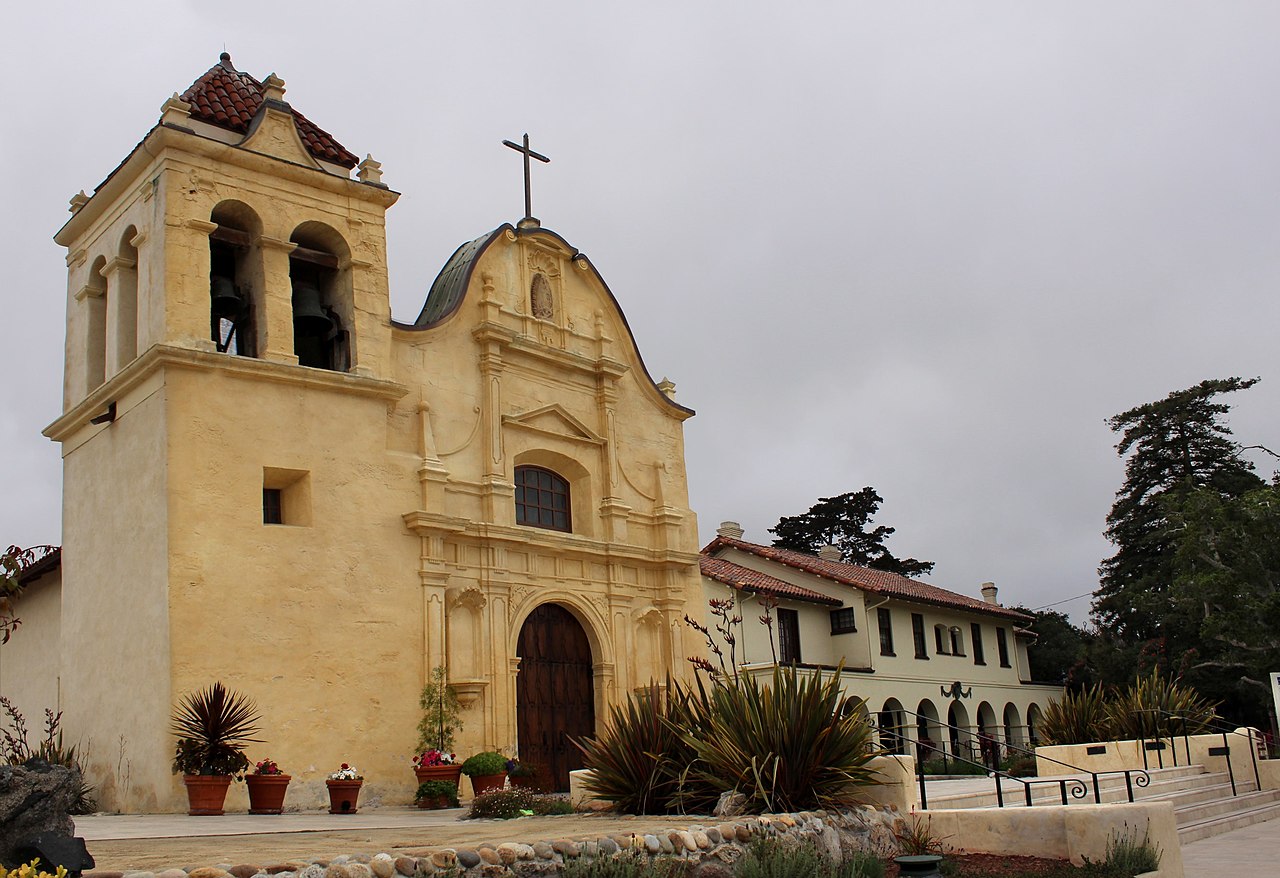
Cathedral of San Carlos Borromeo
500 Church St, Monterey, CA
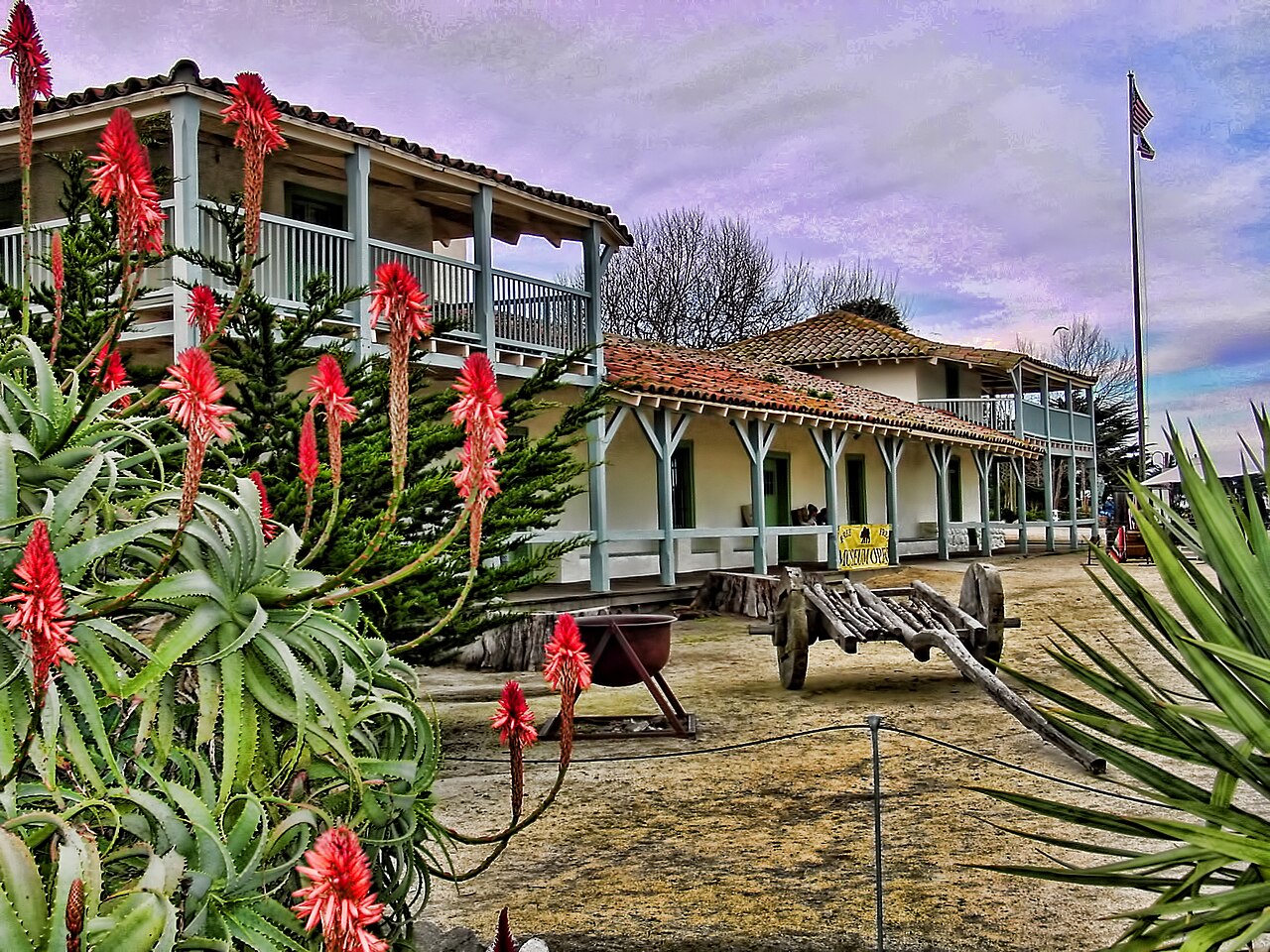
Custom House
20 Custom House Plaza, Monterey, CA
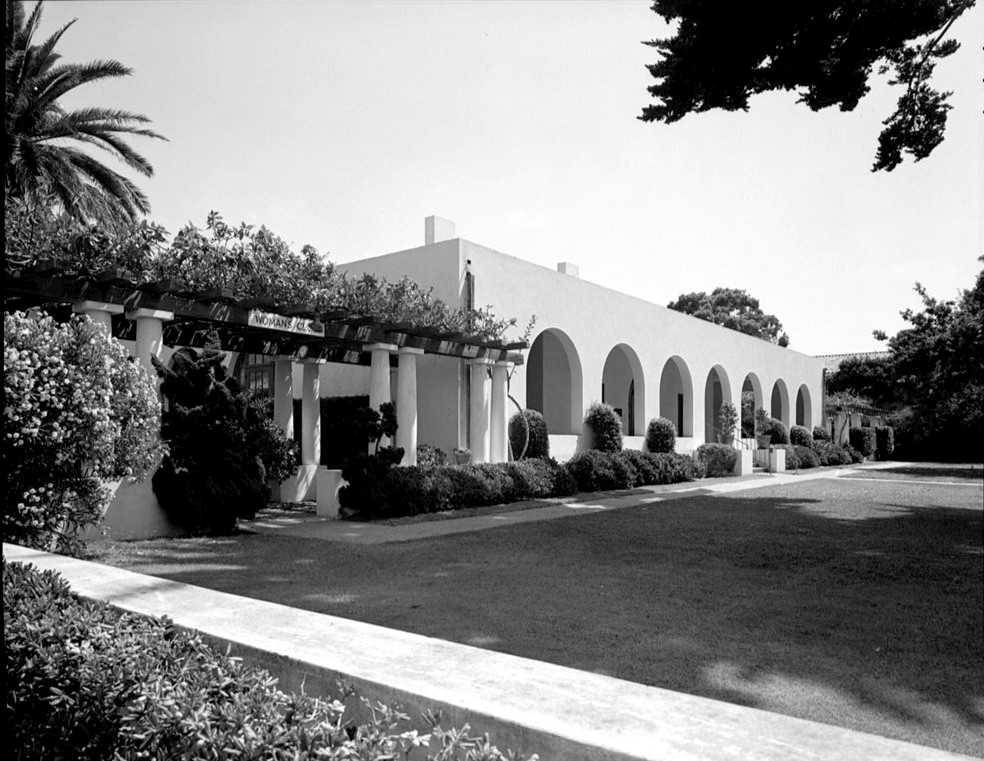
La Jolla Woman's Club
715 Silverado St, La Jolla, CA 92037
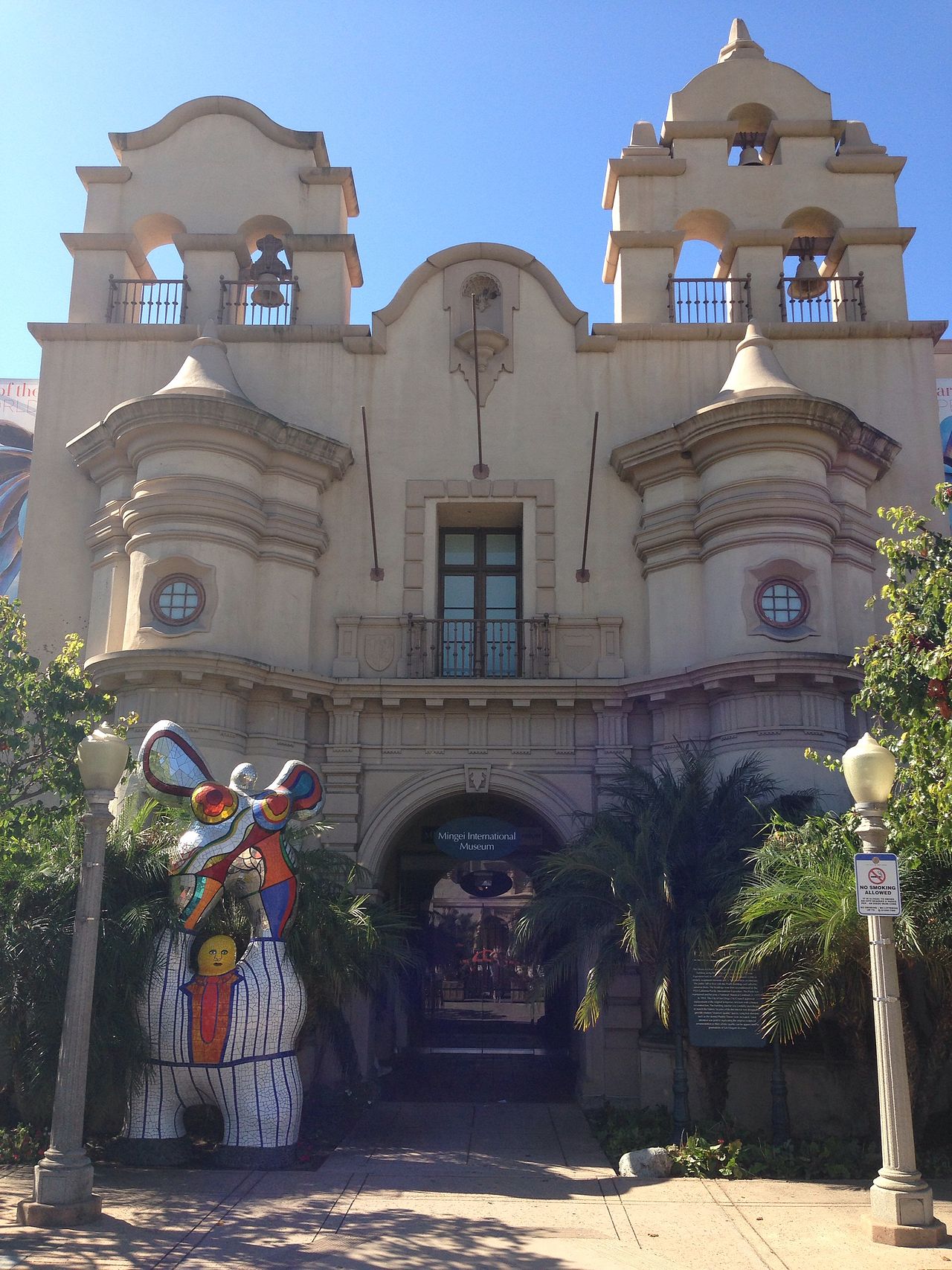
Mingei International Museum
1439 El Prado, San Diego, CA 92101
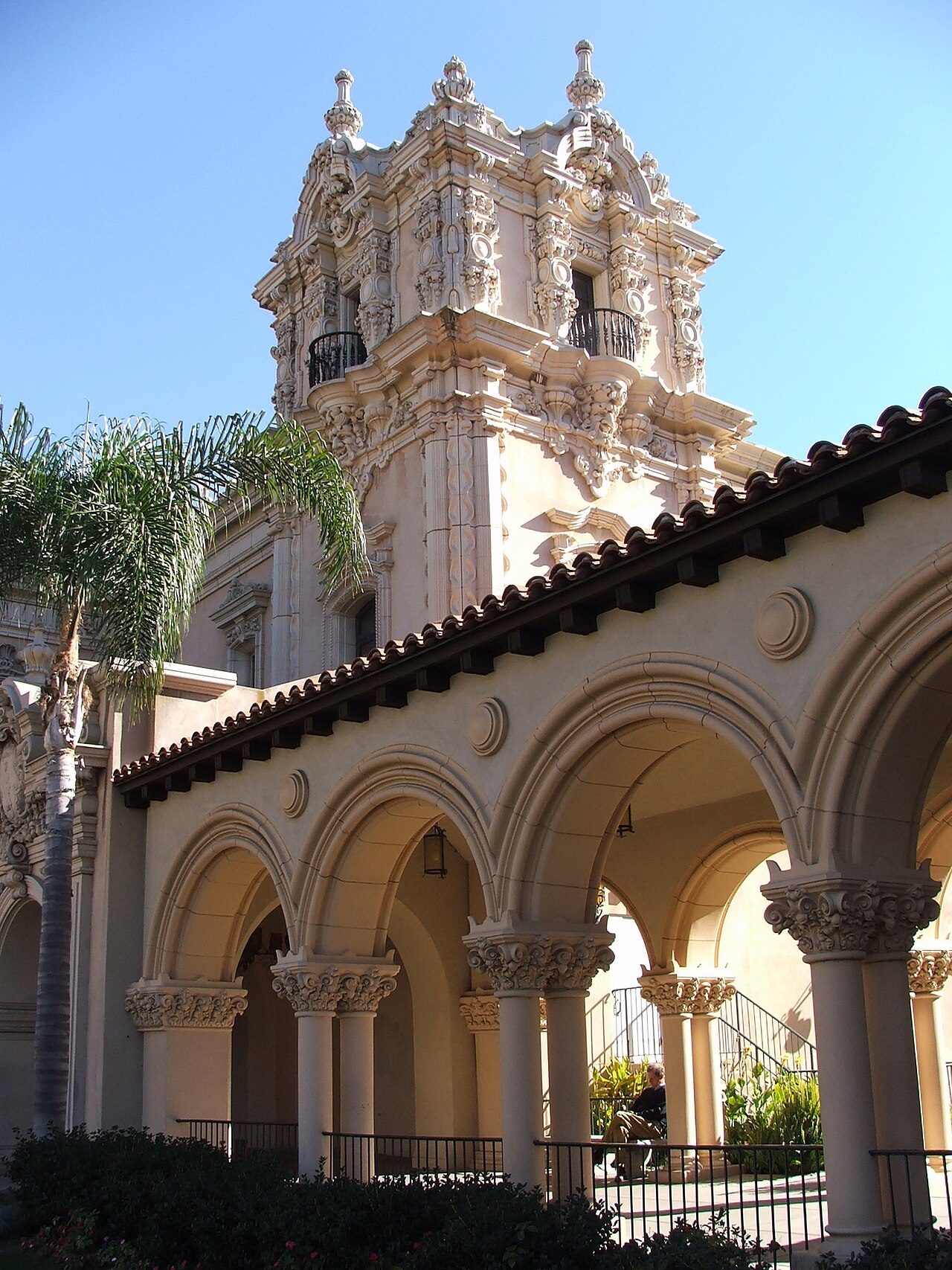
Casa de Balboa
1649 El Prado, San Diego, CA 92101
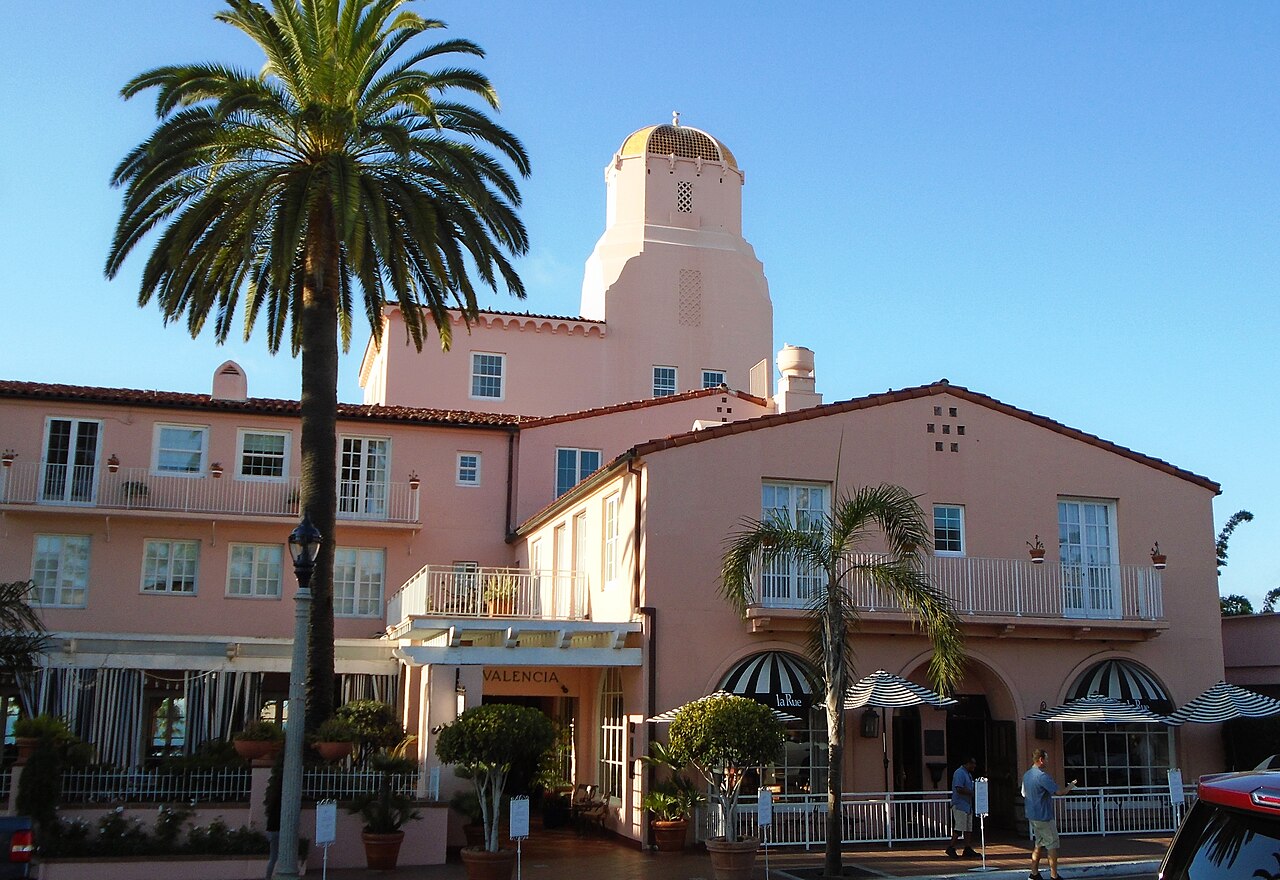
La Valencia Hotel
1132 Prospect St, La Jolla, CA 92037
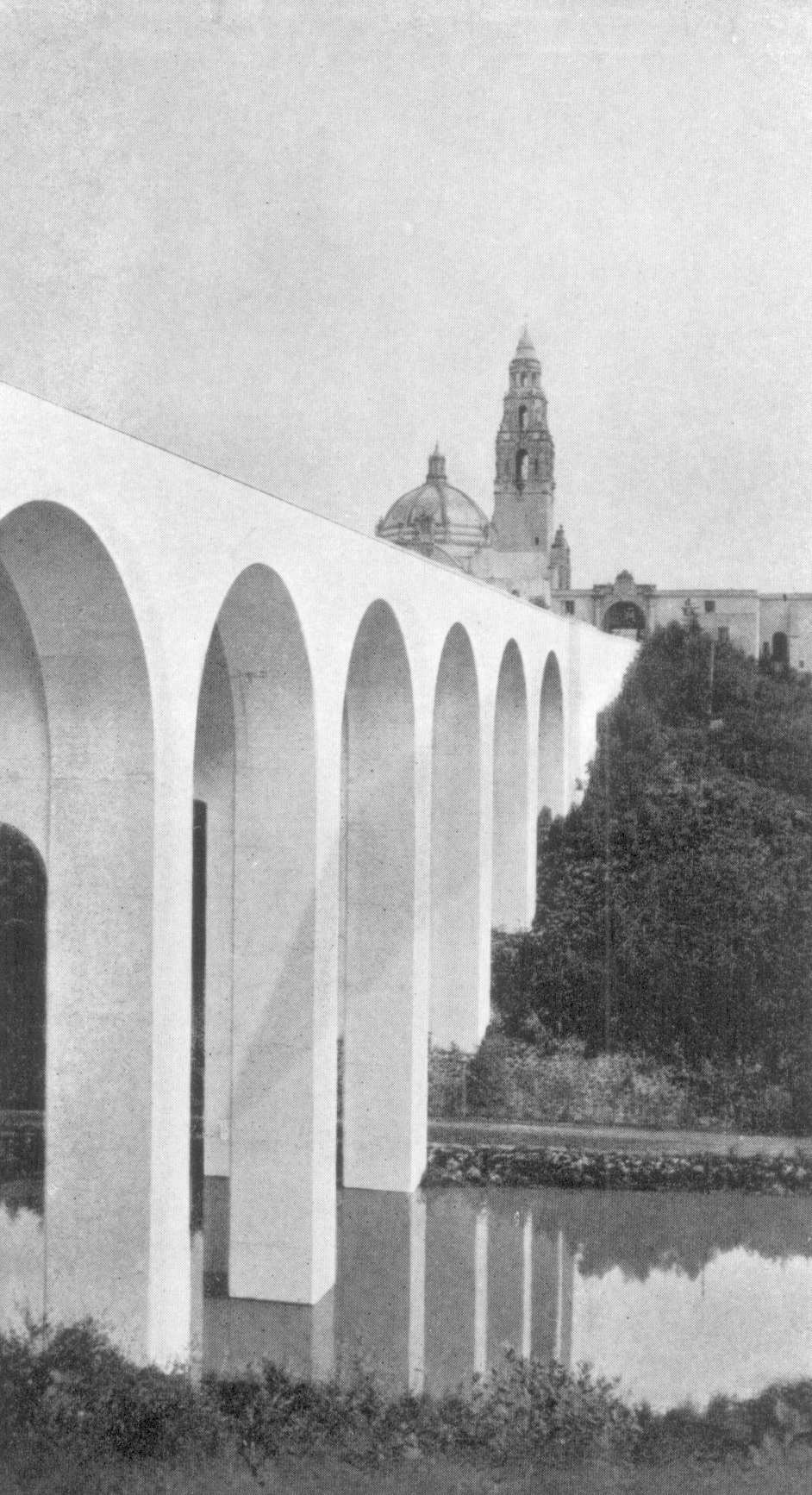
Cabrillo Bridge
Cabrillo Bridge, Balboa Park, San Diego, CA 92101
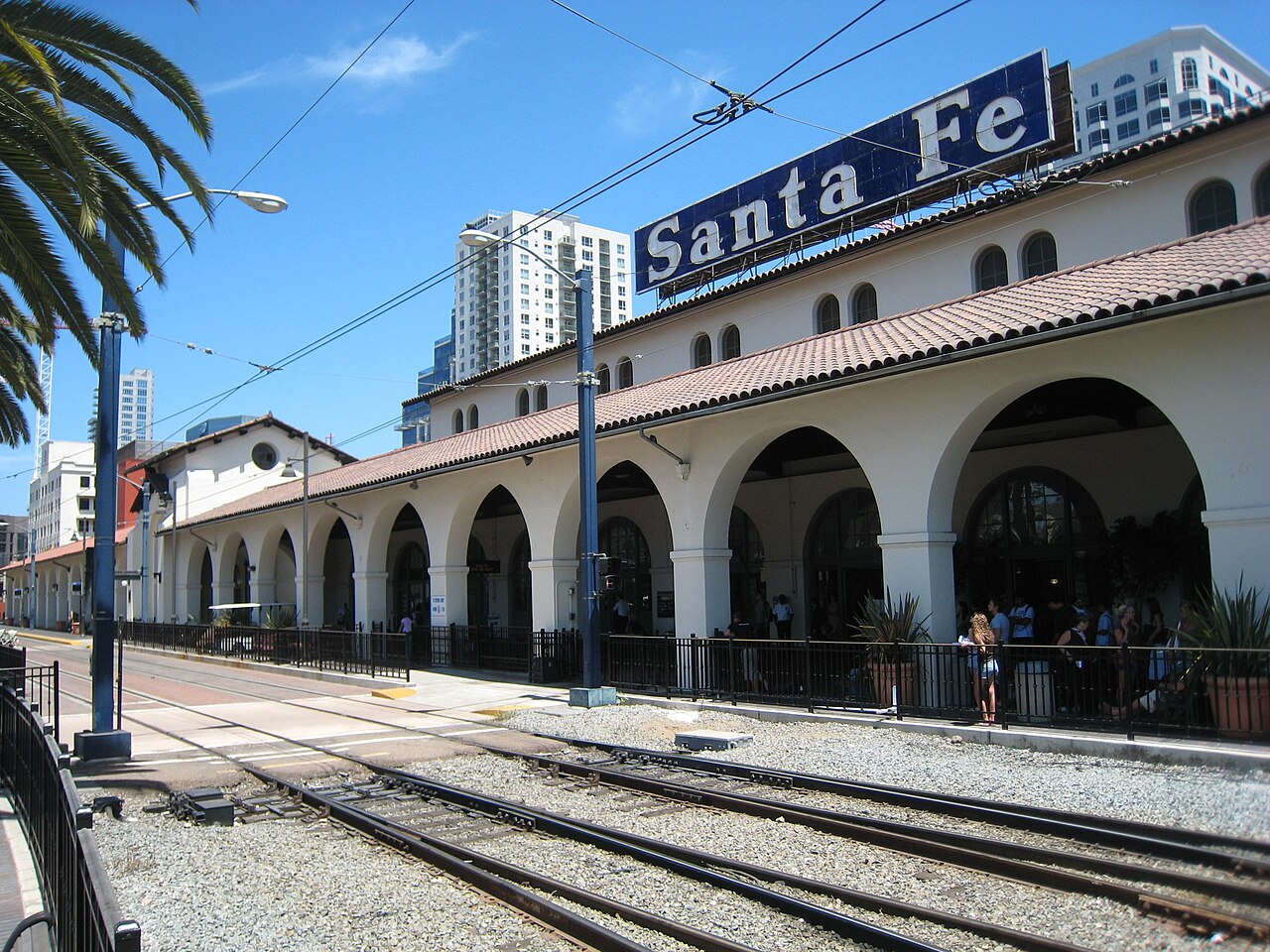
Santa Fe Depot
1050 Kettner Blvd, San Diego, CA 92101
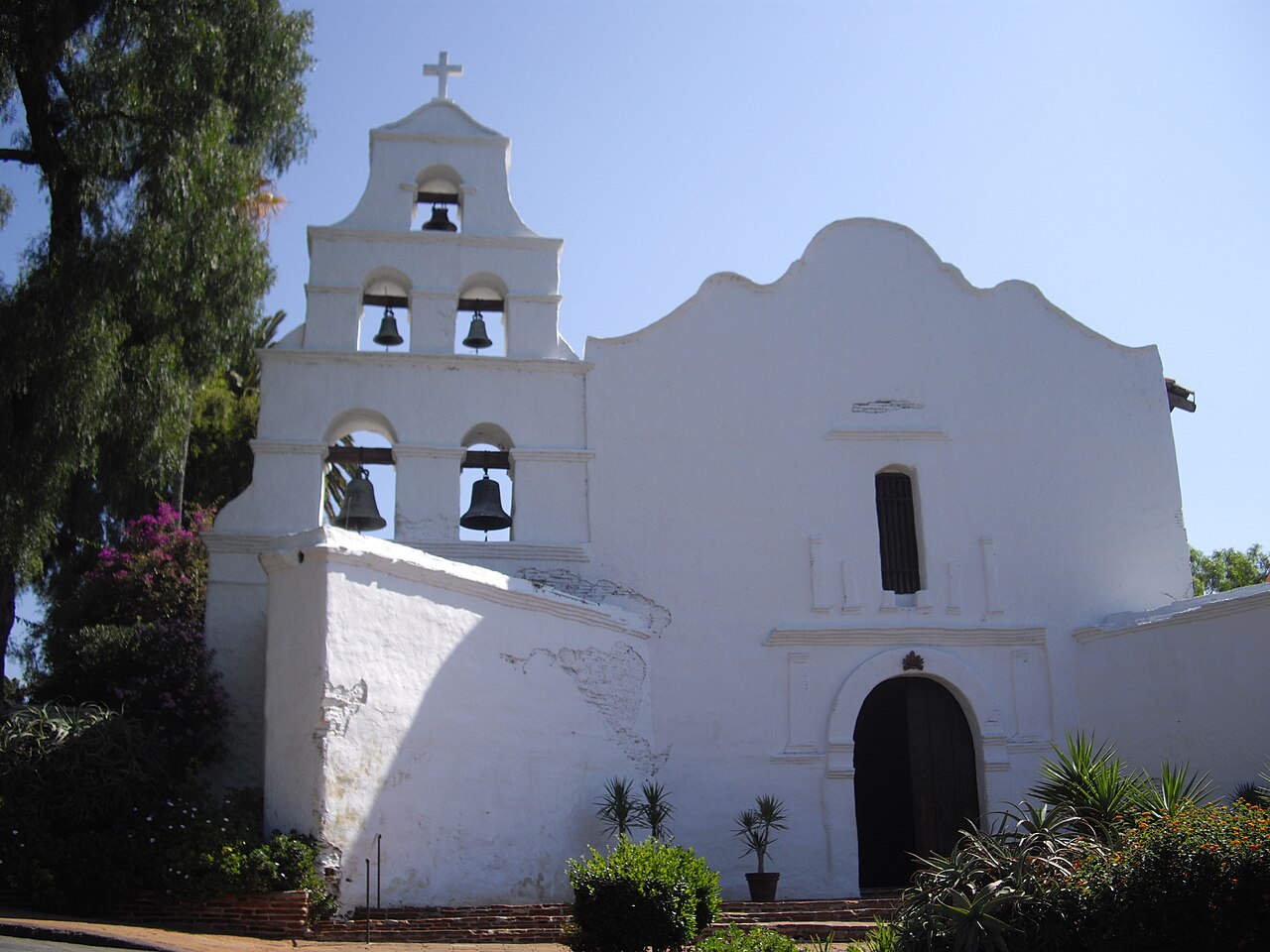
Mission San Diego de Alcalá
10818 San Diego Mission Rd, San Diego, CA 92108
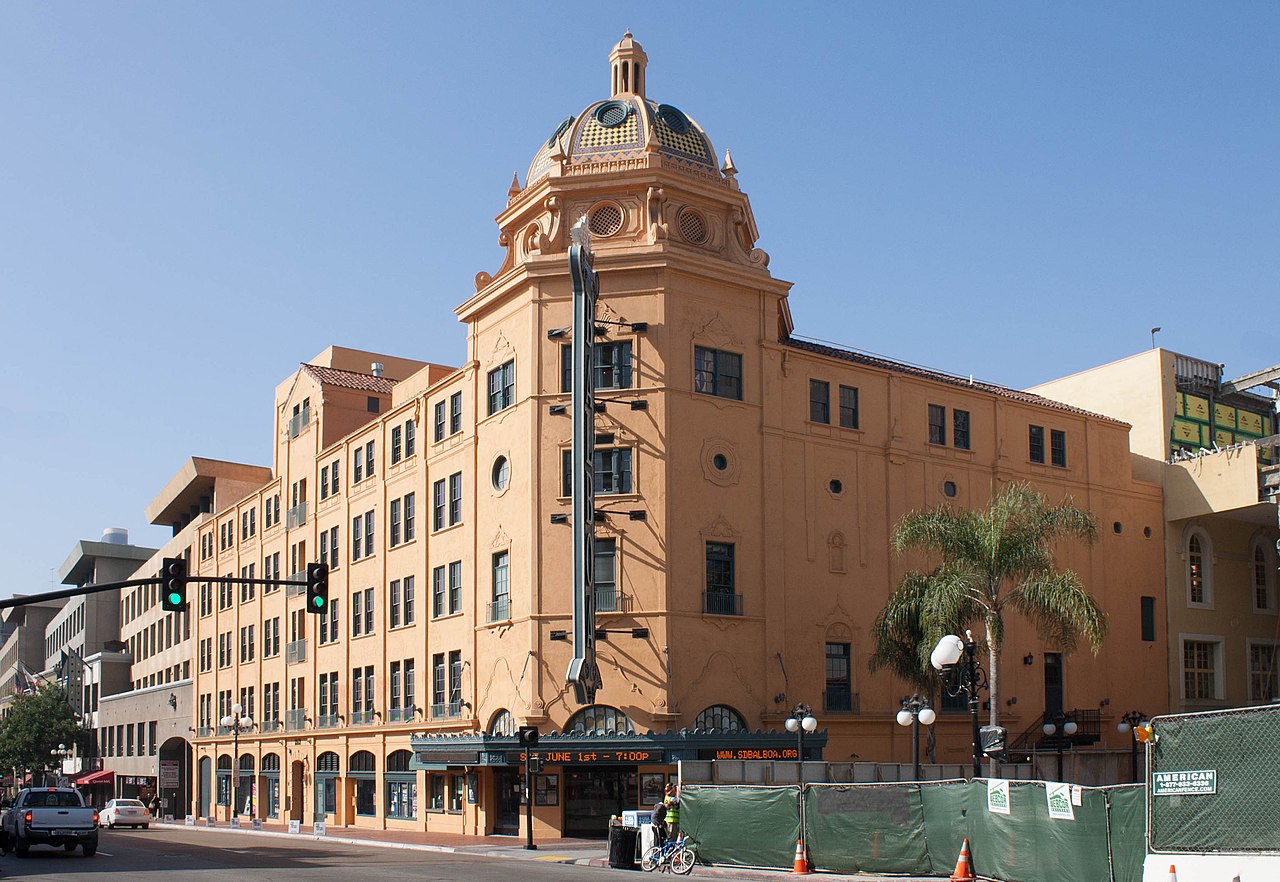
Balboa Theatre
868 Fourth Ave, San Diego, CA 92101
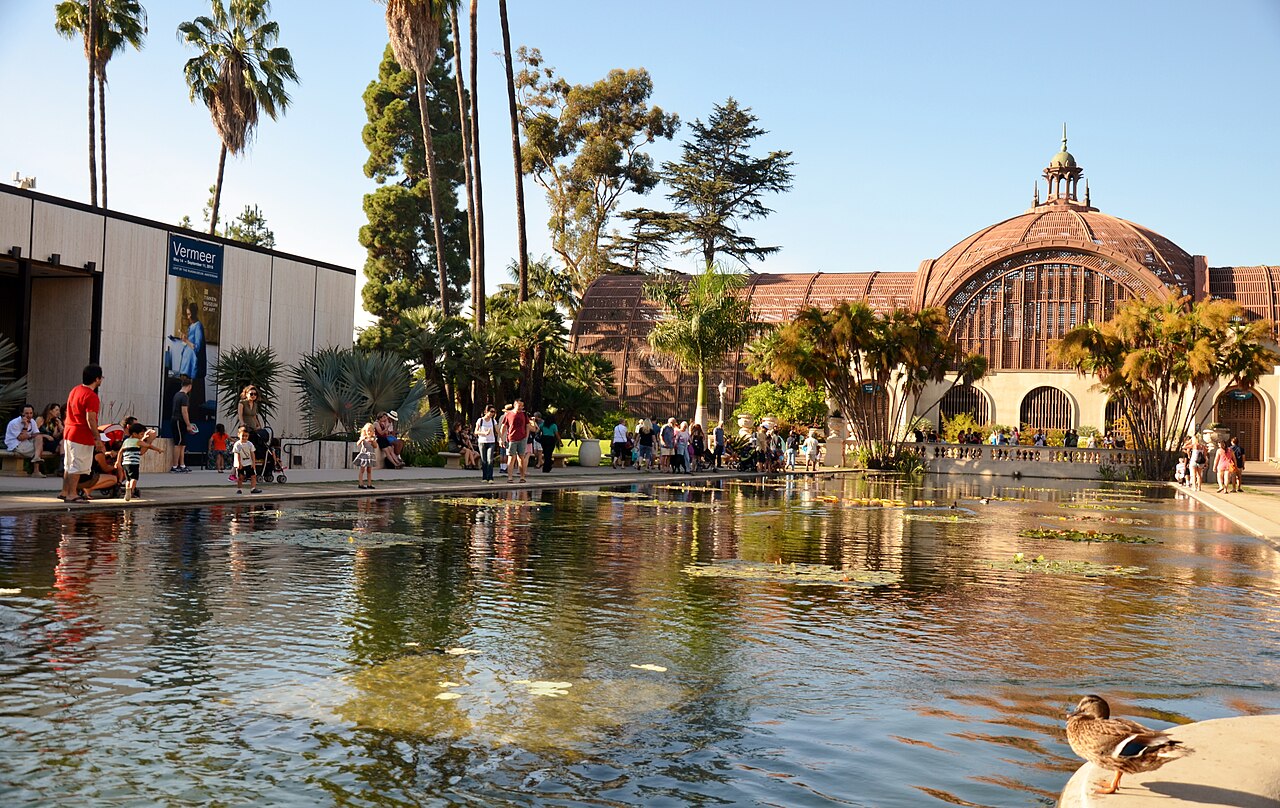
San Diego Museum of Art
1450 El Prado, Balboa Park, San Diego, CA 92101
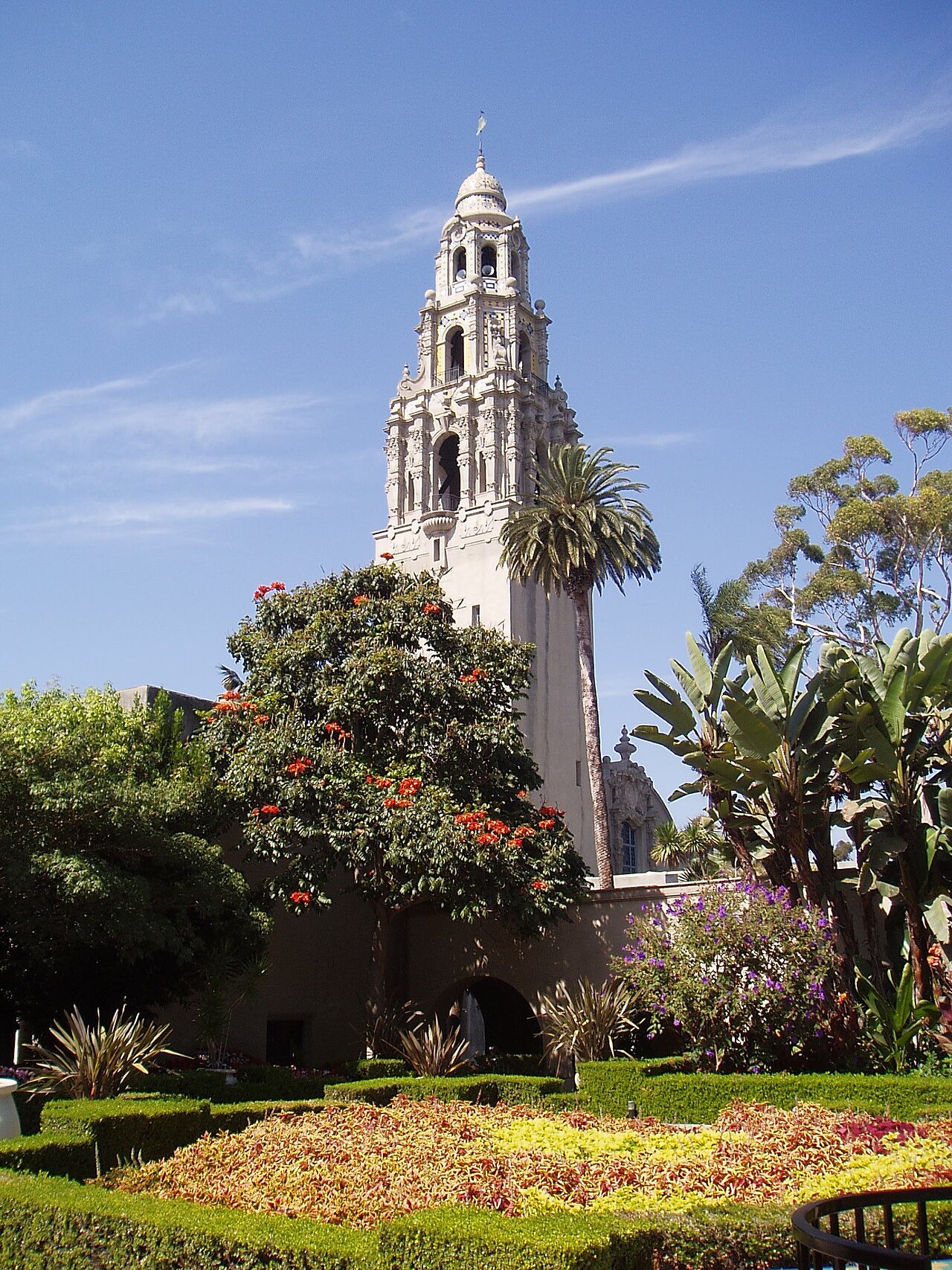
California Building
1350 El Prado, Balboa Park, San Diego, CA 92101
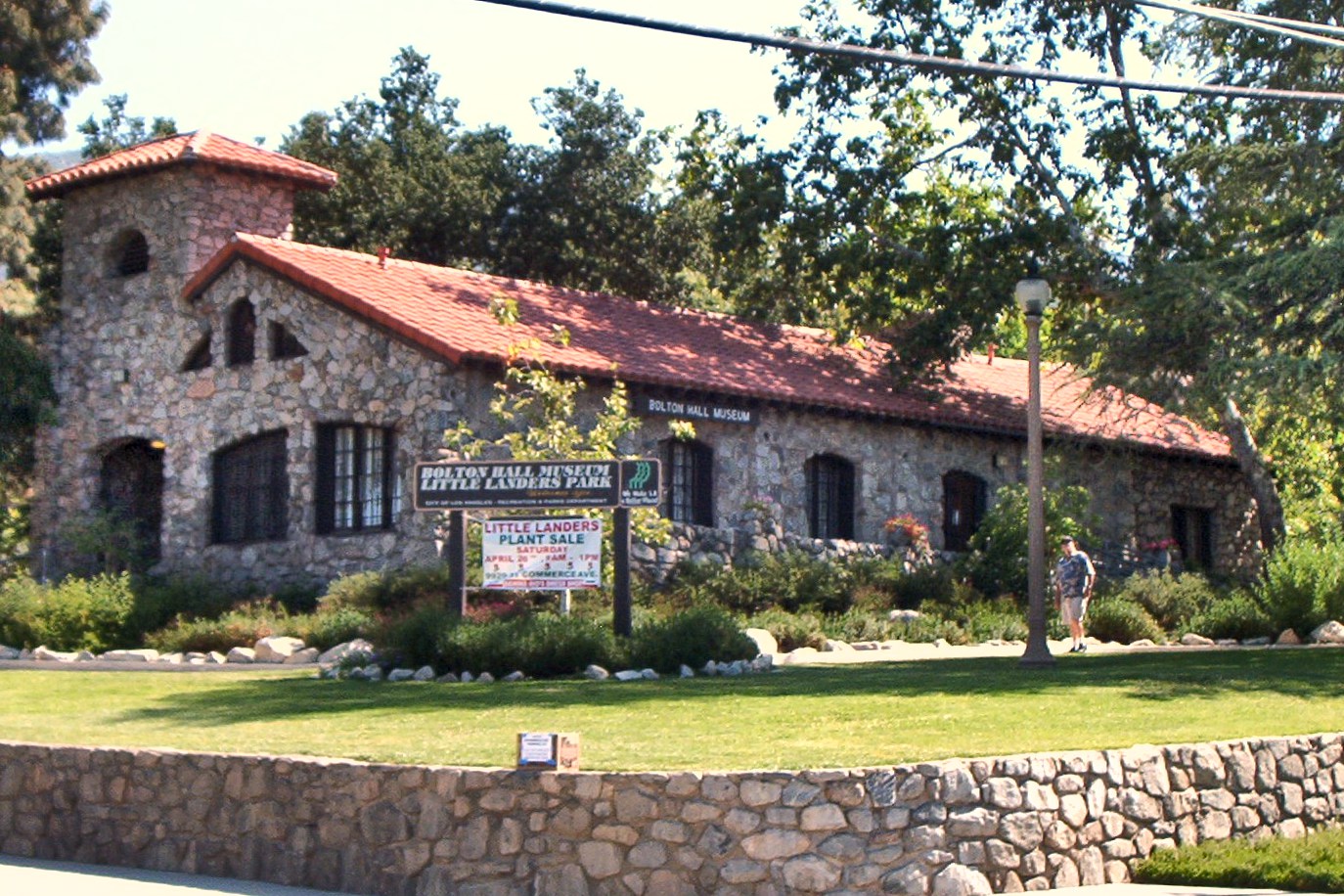
Bolton Hall
10110 Commerce Ave, Tujunga, CA 91042
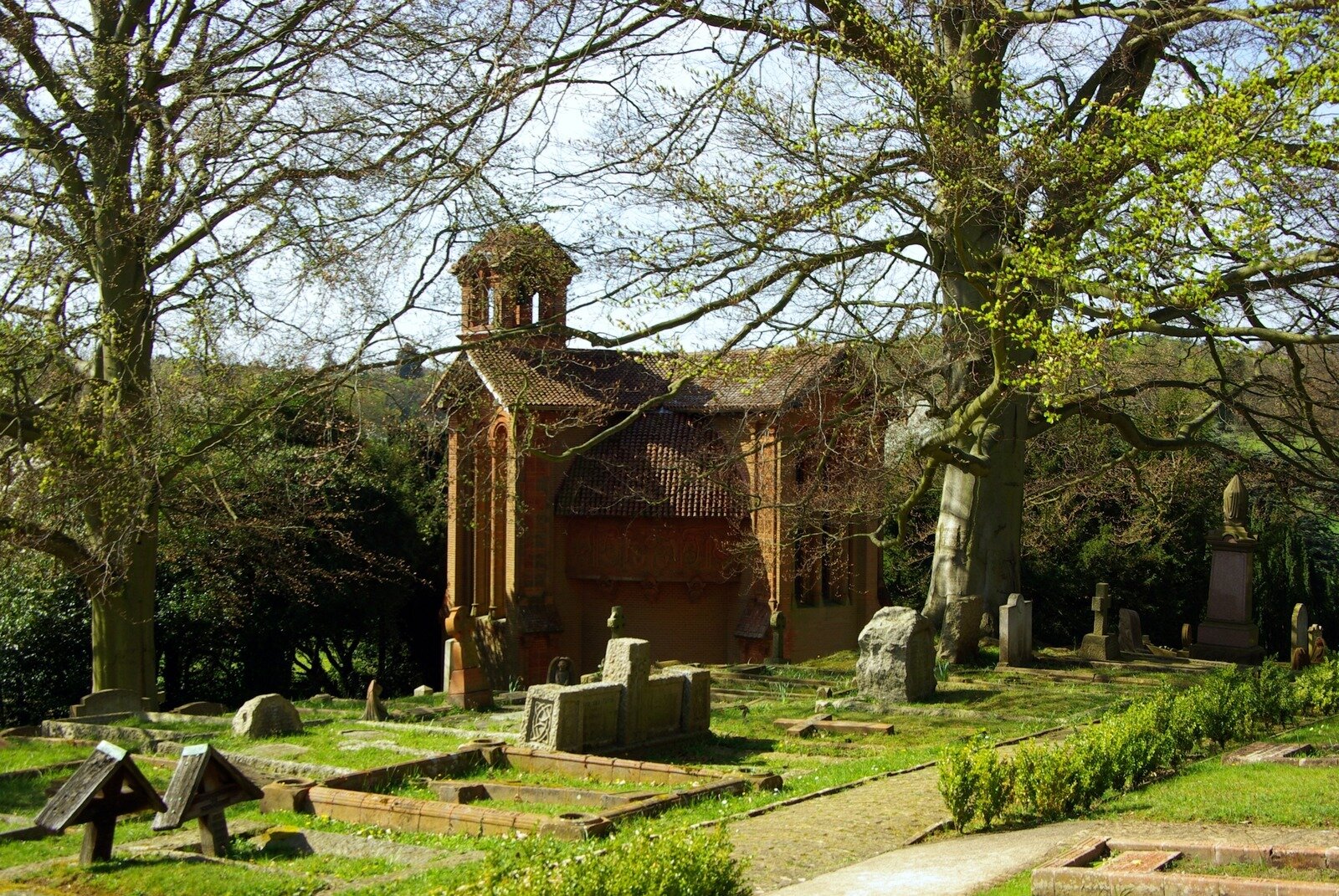
Watts Chapel
Down Lane, Compton, Guildford GU3 1DQ, UK
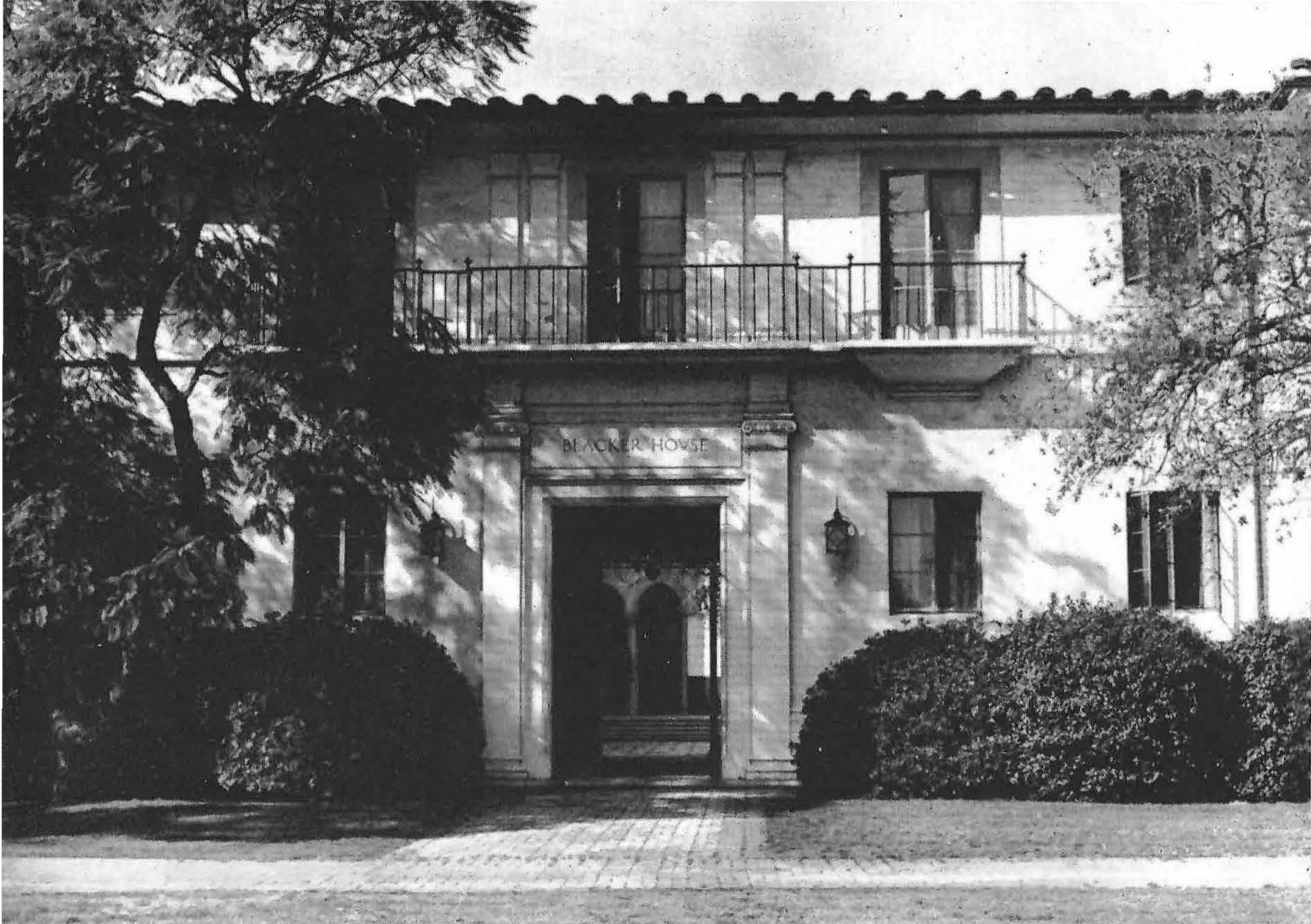
Robert R. Blacker House
1177 Hillcrest Ave, Pasadena, CA 91106
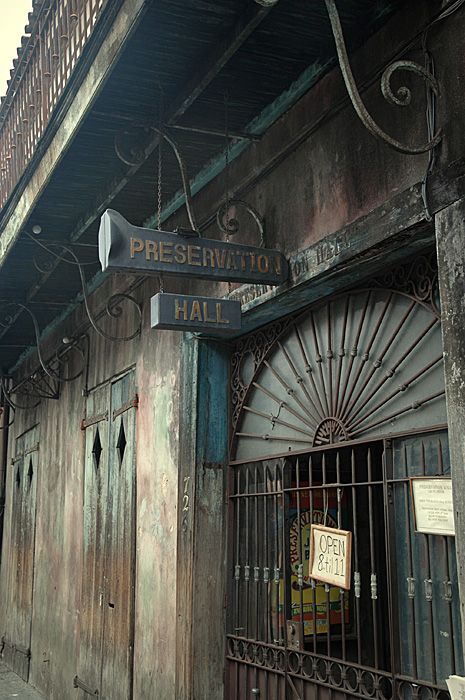
726 St Peter St
726 St Peter St, New Orleans, LA


Denver
Denver, Colorado. USA
Where to Find Mediterranean Revival Architecture
Related Styles
Why Mediterranean Revival Matters Today
Mediterranean Revival created a uniquely American architectural fantasy — a sun-soaked lifestyle architecture that shaped the identity of entire cities and regions. Its enduring popularity demonstrates architecture's power to create aspirational environments that blur the line between reality and romance.