Italianate Architecture — A Guide
Overview
Italianate architecture brought the romance of the Italian countryside to the streets of Victorian-era cities and towns. Inspired by the informal villas of Tuscany, the style offered an alternative to the strict symmetry of Greek Revival — more relaxed, more picturesque, and perfectly suited to the aspirations of a prosperous middle class.
The style originated in Britain during the 1830s as part of the Picturesque movement, popularized by architects like Charles Barry (who designed the Italianate Reform Club in London). American architect Alexander Jackson Davis and landscape designer Andrew Jackson Downing brought it to the United States, where it became enormously popular for both urban brownstones and rural villas from the 1850s through the 1880s.
Key Characteristics
- Low-pitched roofs with wide, overhanging eaves
- Decorative brackets (corbels) beneath the eaves
- Tall, narrow windows with elaborate hoods or crowns
- Cupolas or square towers on larger examples
- Quoined corners and rusticated first floors
- Cast-iron facades on commercial buildings
Famous Examples Worldwide
Reform Club
London, 1841
Morse-Libby House
Portland, Maine, 1860
SoHo Cast Iron District
New York City, 1860s
Buildings in Our Library (10)
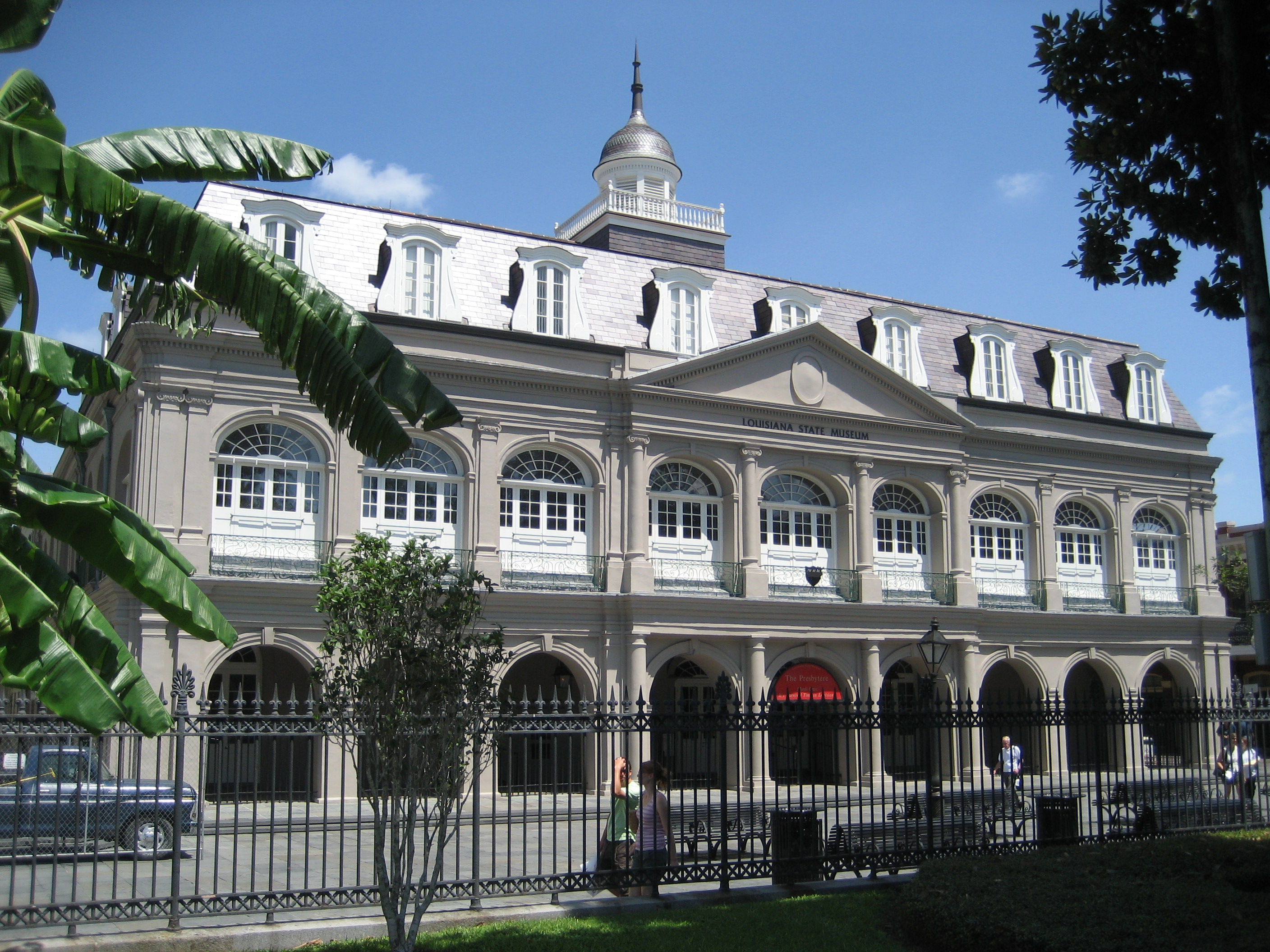
The Presbytère
751 Chartres Street, New Orleans, LA 70116
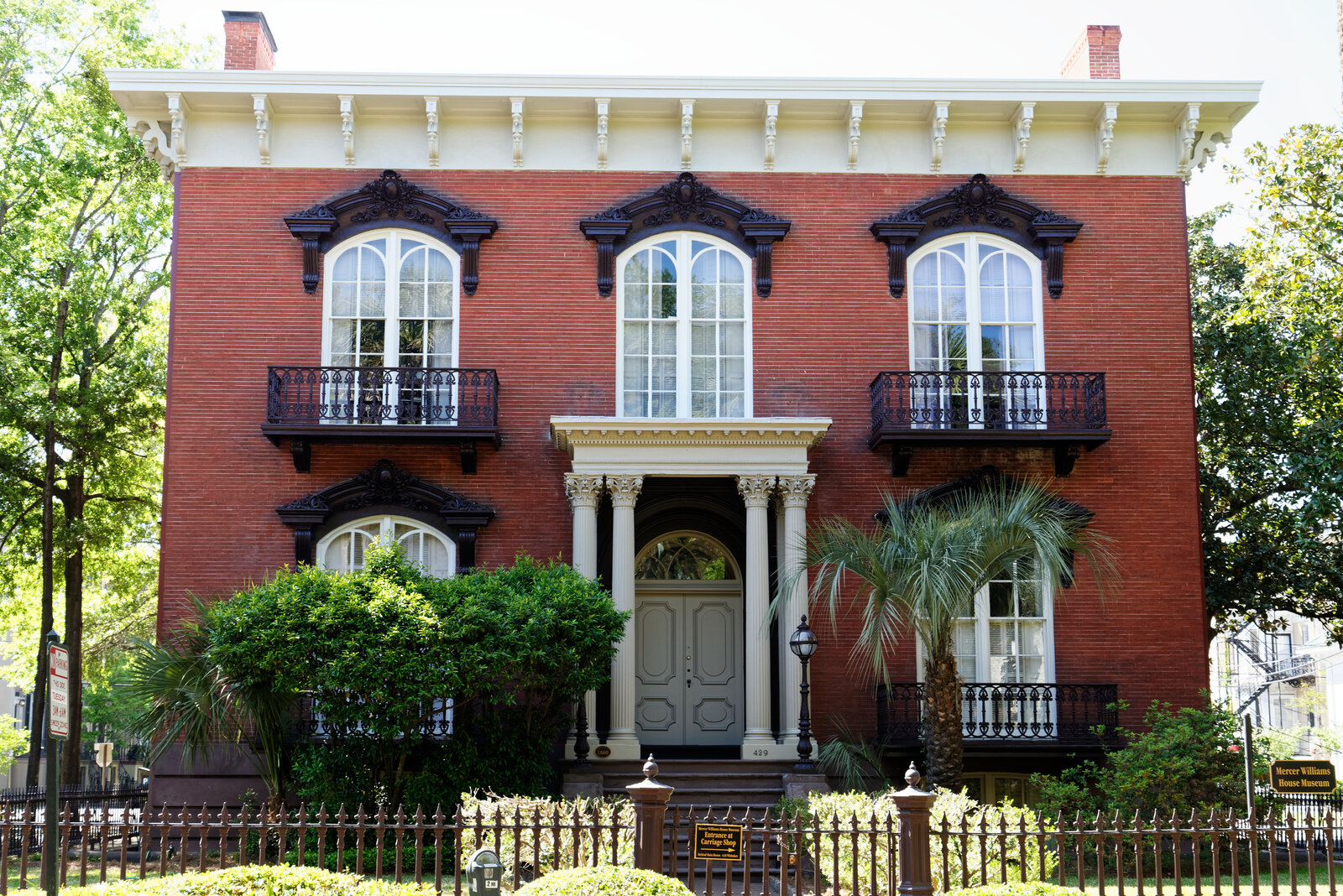
Mercer Williams House
429 Bull Street, Savannah, GA 31401
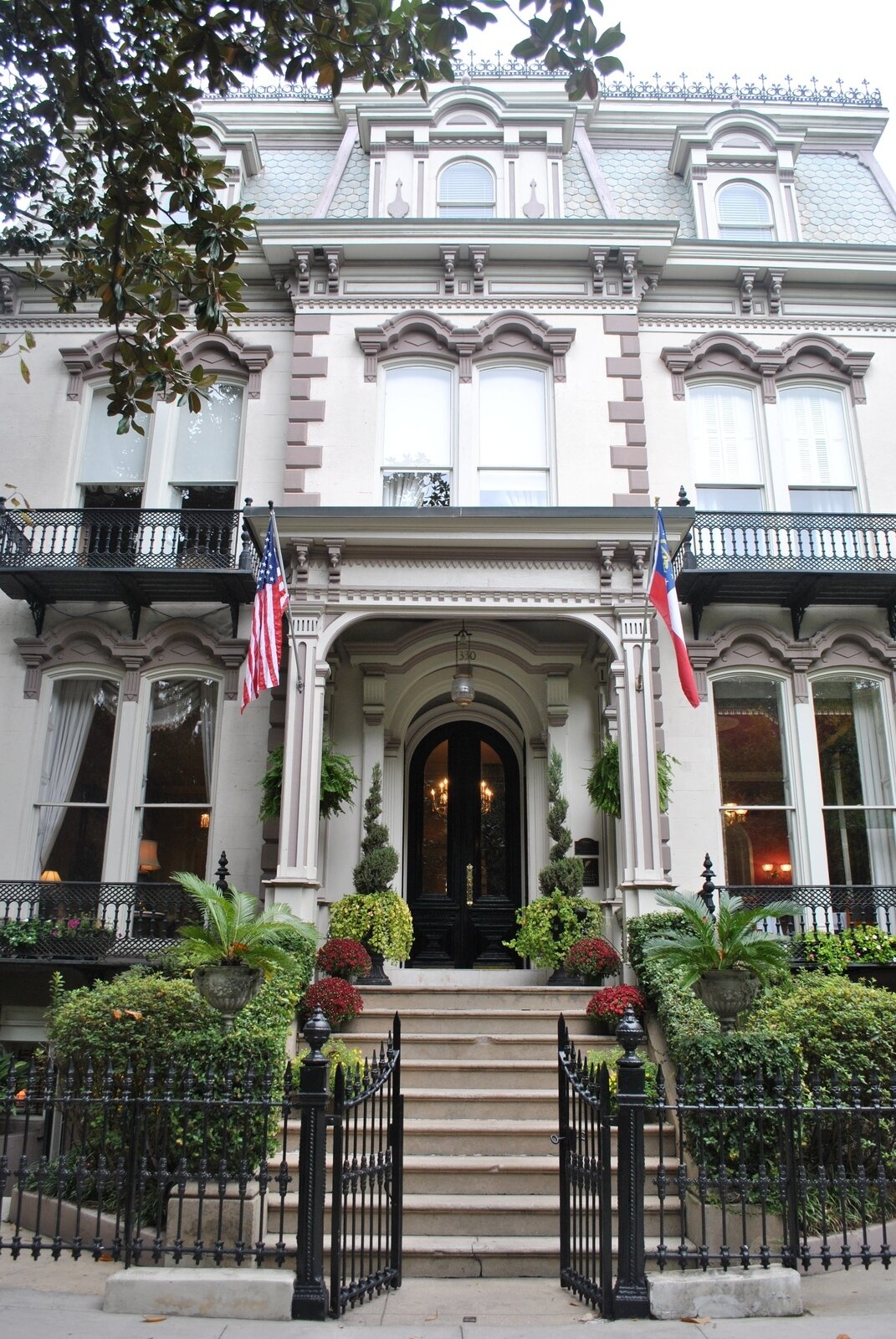
Hamilton-Turner Inn
330 Abercorn Street, Savannah, GA 31401
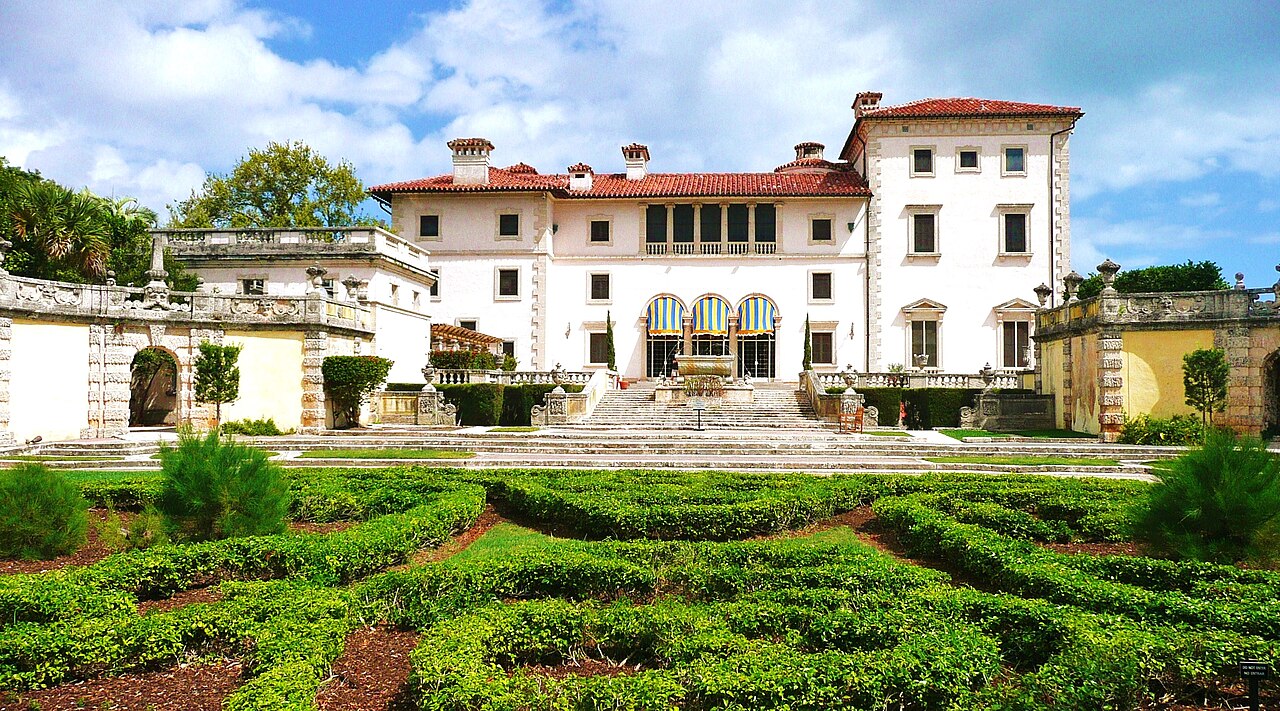
Olympia Theater
174 E Flagler St, Miami, FL 33131
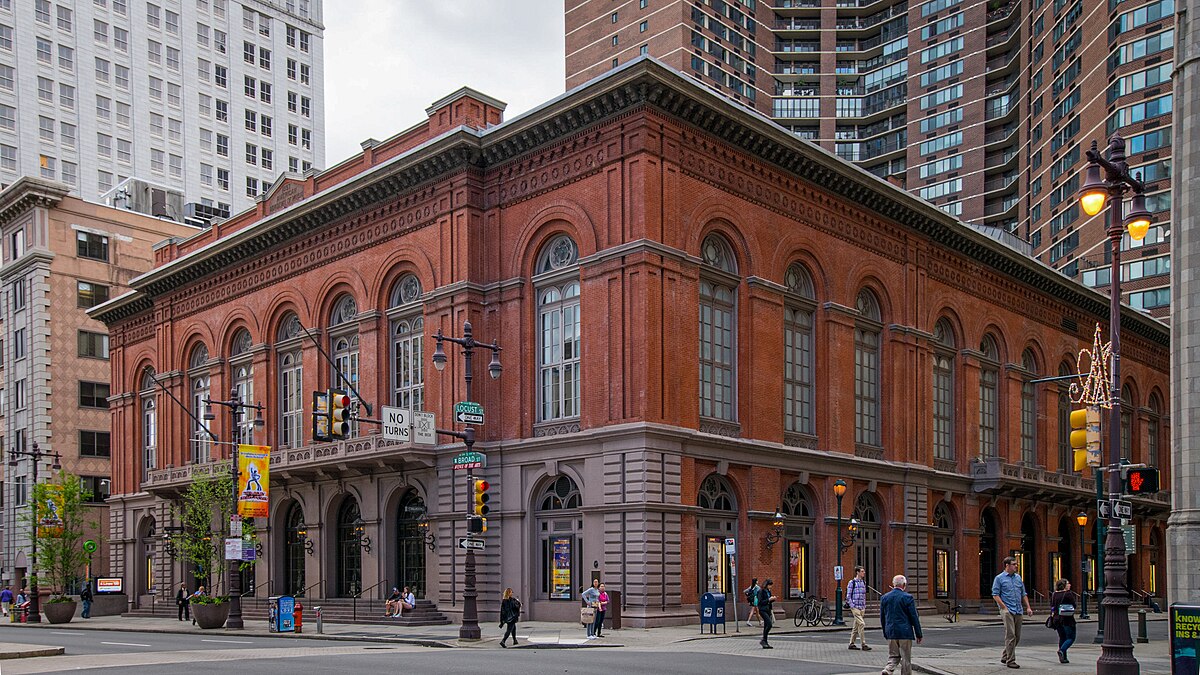
Academy of Music
240 S Broad St, Philadelphia, PA 19102
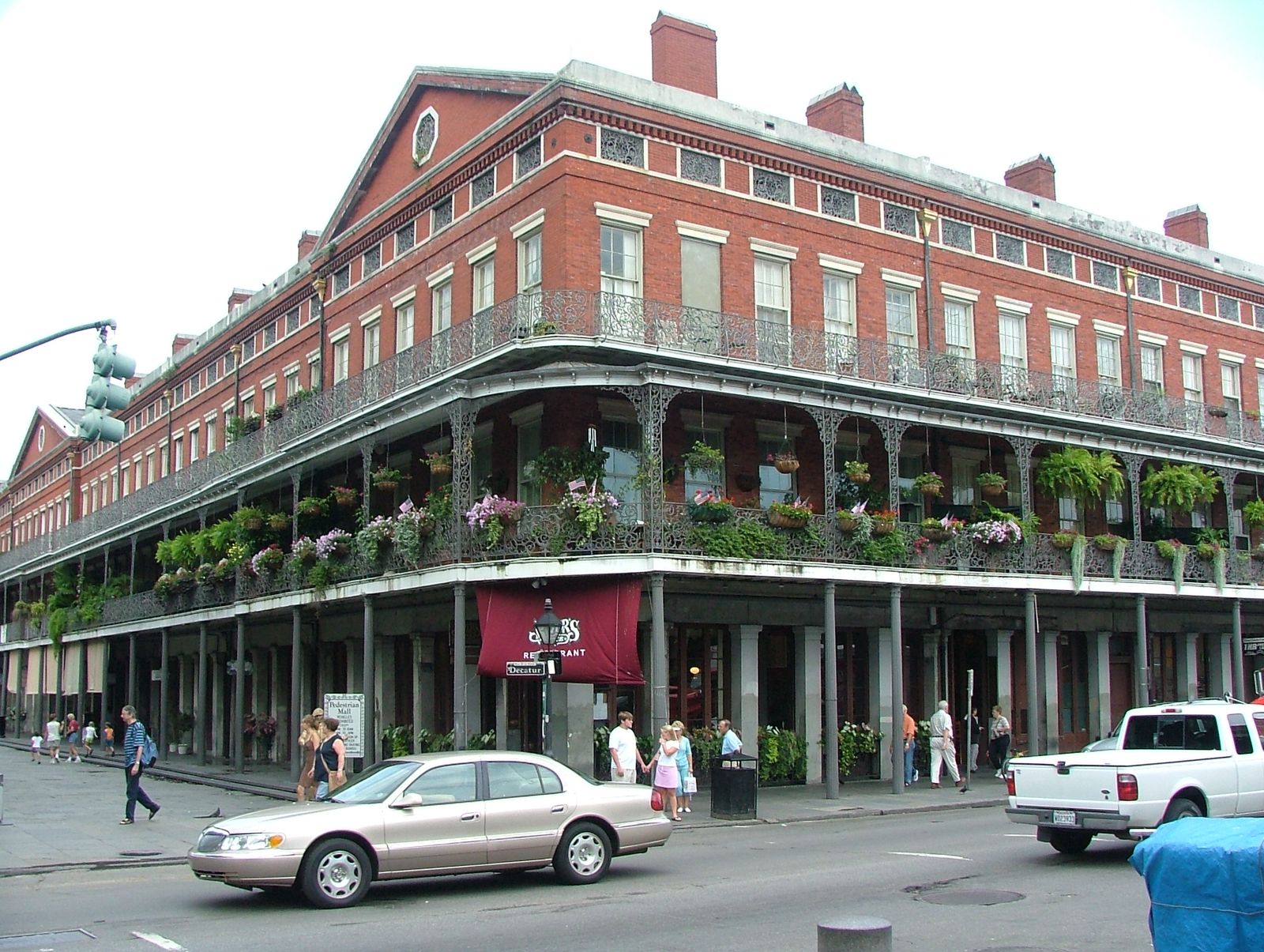
500 St Ann St
500 St Ann St, New Orleans, LA


Where to Find Italianate Architecture
Related Styles
Why Italianate Matters Today
Italianate architecture democratized elegance. Its adaptable forms worked equally well for grand mansions and modest row houses, proving that picturesque beauty could be achieved at every economic level. The style's distinctive brackets and tall windows remain instantly recognizable in American towns from coast to coast.