Victorian Architecture — A Guide
Overview
Victorian architecture is less a single style than an entire era of architectural experimentation, encompassing Gothic Revival, Italianate, Second Empire, Queen Anne, Romanesque Revival, and more. What unites these diverse approaches is a shared love of ornament, a delight in new materials and technologies, and a Victorian confidence that more — more decoration, more color, more complexity — was always better.
Queen Victoria's long reign (1837–1901) coincided with Britain's industrial revolution, imperial expansion, and unprecedented prosperity. New materials (cast iron, plate glass, machine-made terracotta) and new technologies (railways, prefabrication) enabled architects to build faster, taller, and with more decorative complexity than ever before. The era produced everything from the Crystal Palace to Gothic Revival churches to elaborate painted-lady row houses, reflecting a society that valued progress, propriety, and visual richness.
Key Characteristics
- Elaborate ornamental detail — millwork, brackets, finials, and cresting
- Asymmetrical facades with complex rooflines and varied textures
- Rich use of color, often in polychrome schemes
- Bay windows, turrets, towers, and verandas
- Eclectic mixing of historical styles and periods
- New materials: cast iron, pressed metal, encaustic tiles
Famous Examples Worldwide
Crystal Palace
London, 1851
St Pancras Station
London, 1868
Painted Ladies
San Francisco, 1890s
Royal Albert Hall
London, 1871
Buildings in Our Library (253)
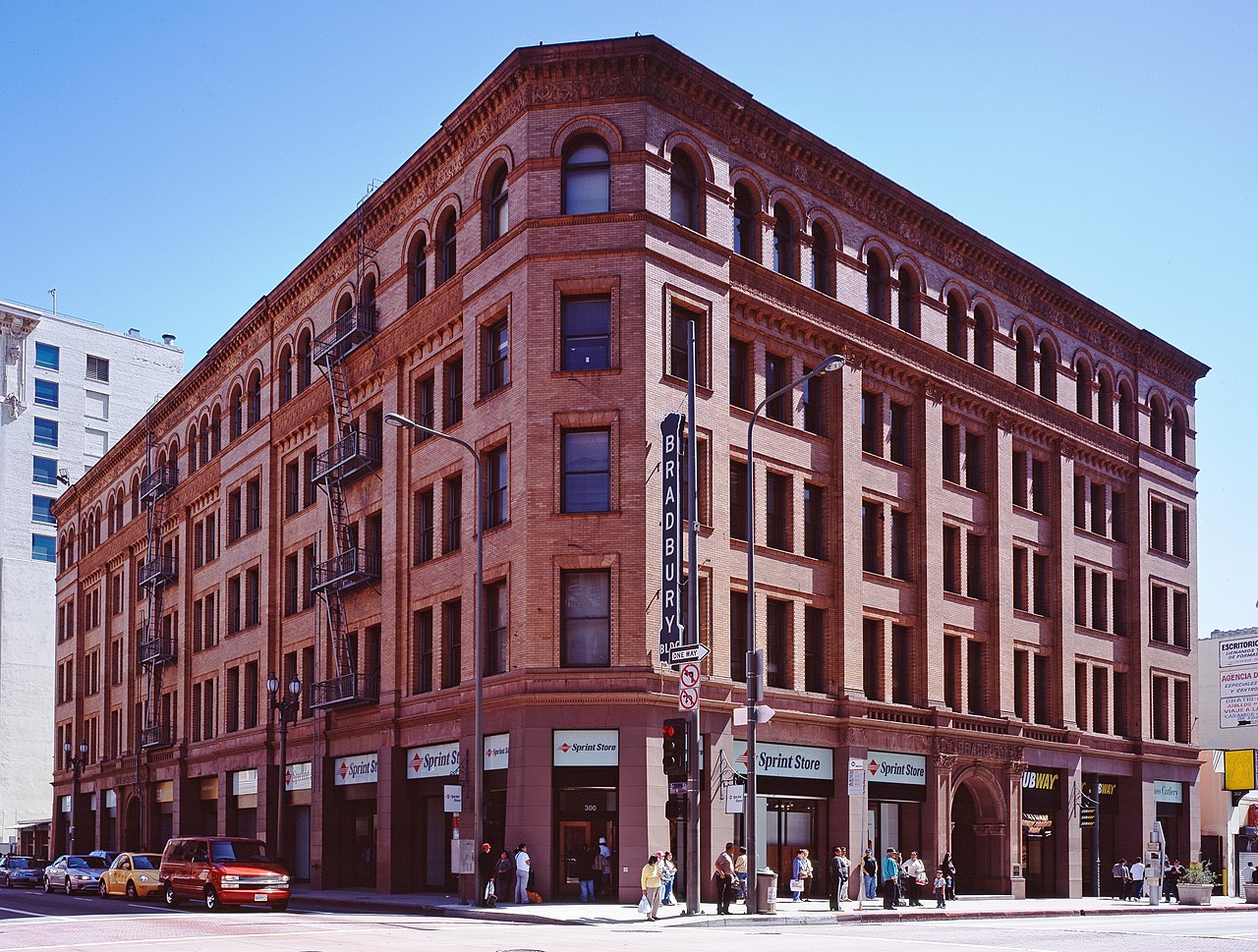
Bradbury Building
304 S Broadway, Los Angeles, CA 90013
Pulaski Monument
Monterey Square, Savannah, GA 31401
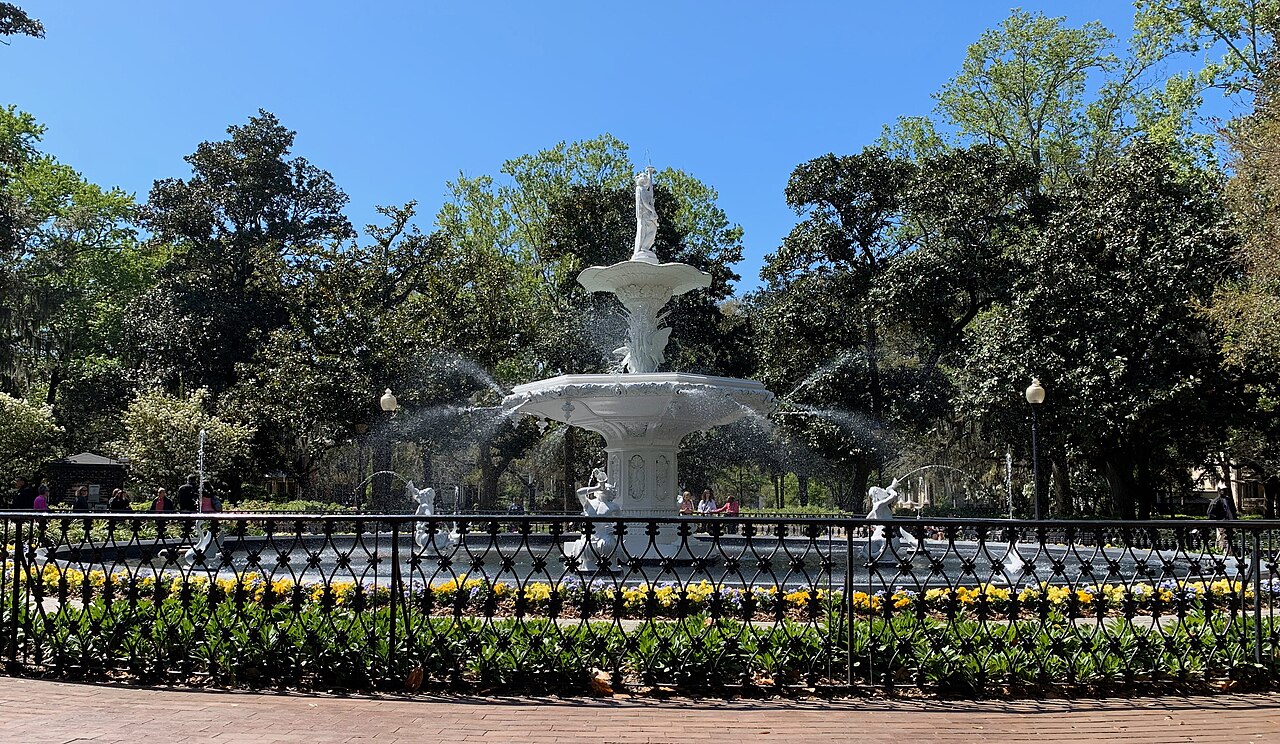
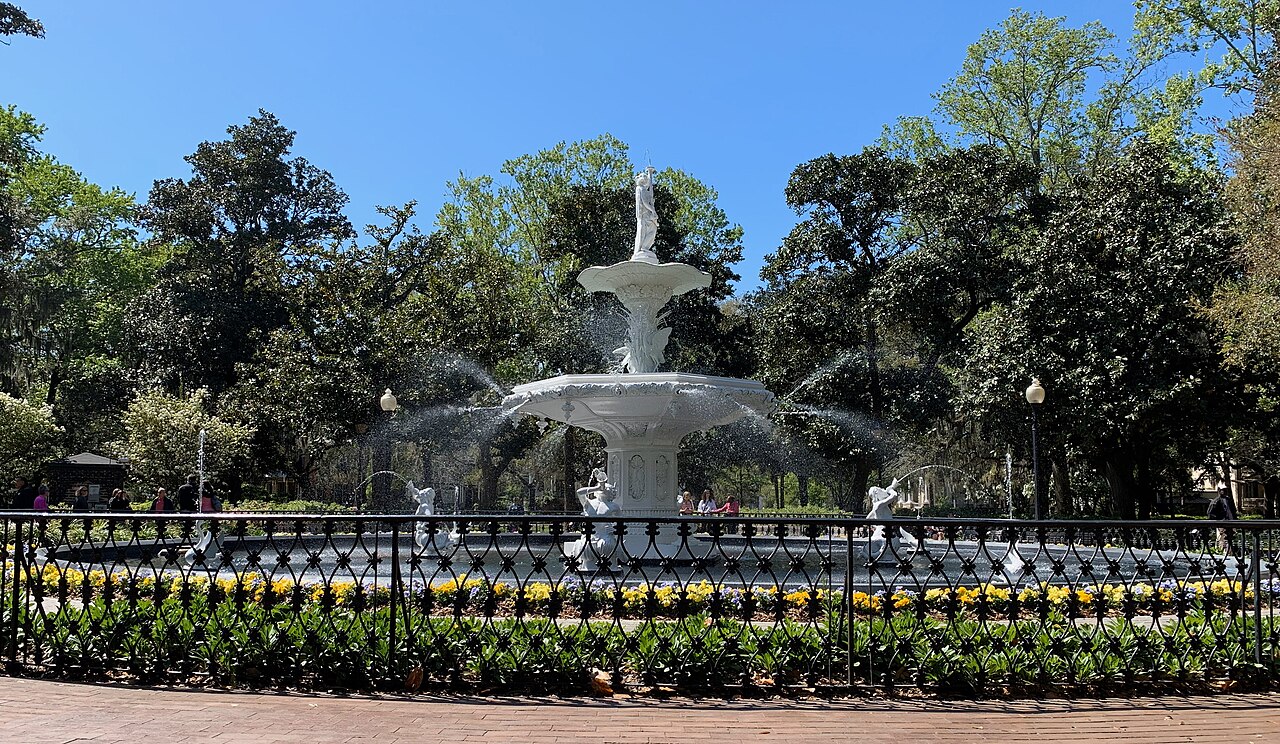
Forsyth Park Fountain
Forsyth Park, Savannah, GA 31401
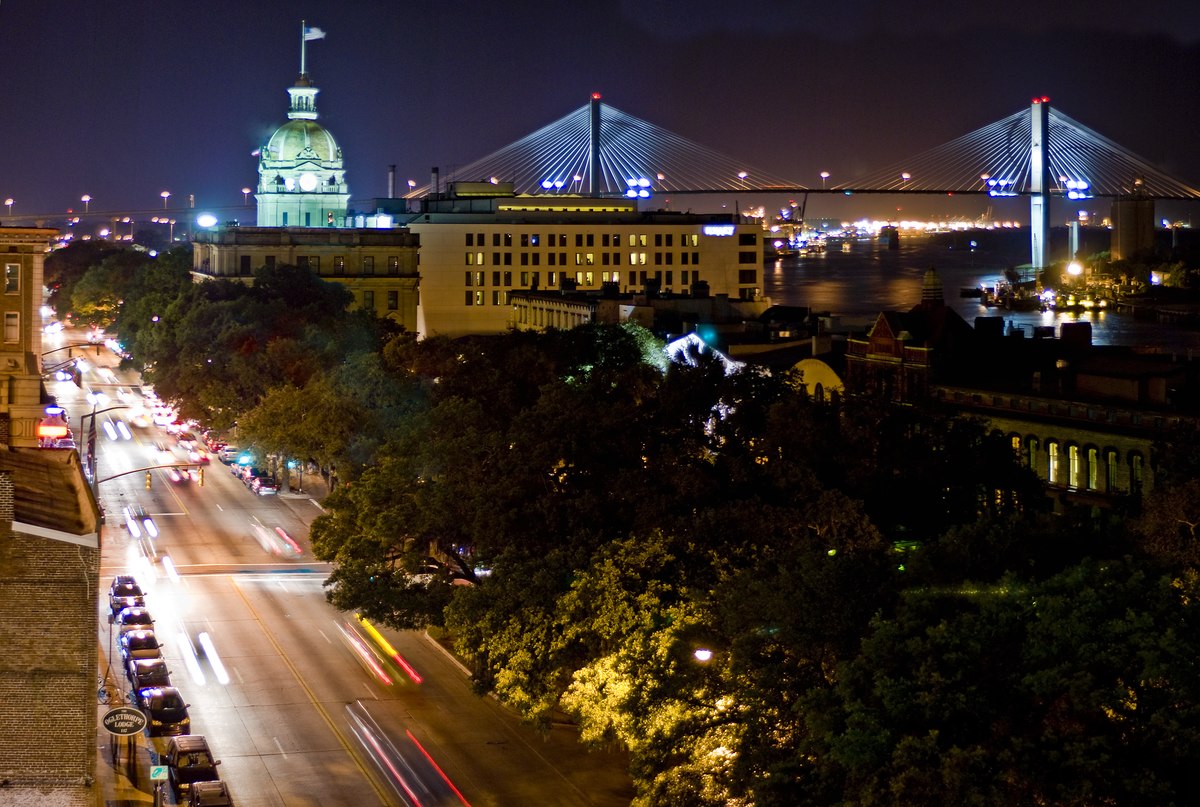
Hamilton-Turner Inn
330 Abercorn St, Savannah, GA 31401
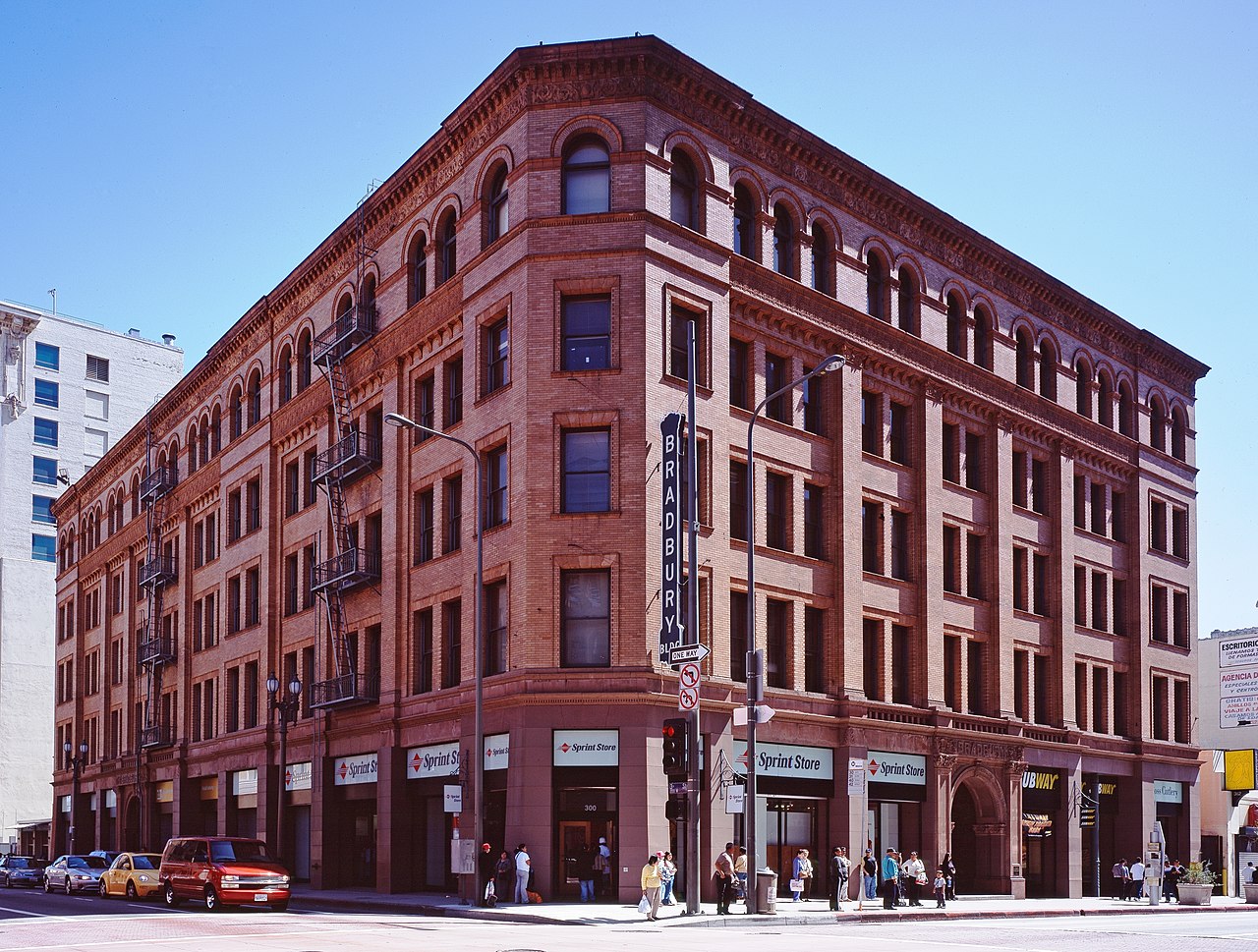
Bradbury Building
304 S Broadway
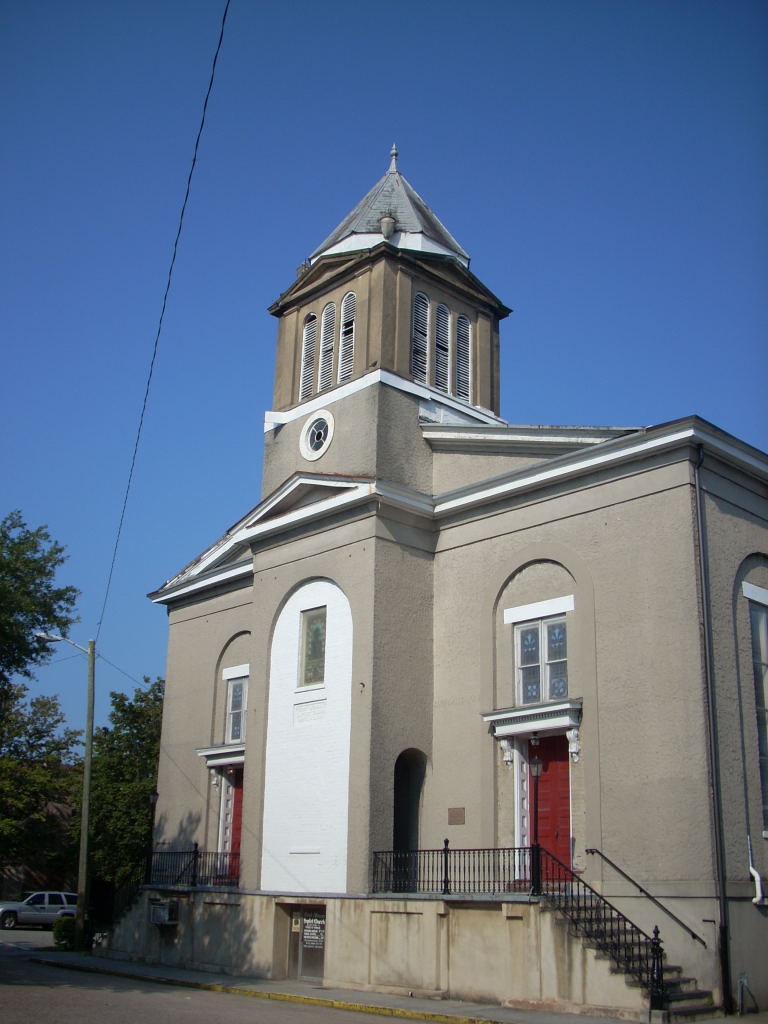
First African Baptist Church
23 Montgomery Street, Savannah, GA 31401

Anna Scripps Whitcomb Conservatory
Belle Isle, Detroit, MI 48207
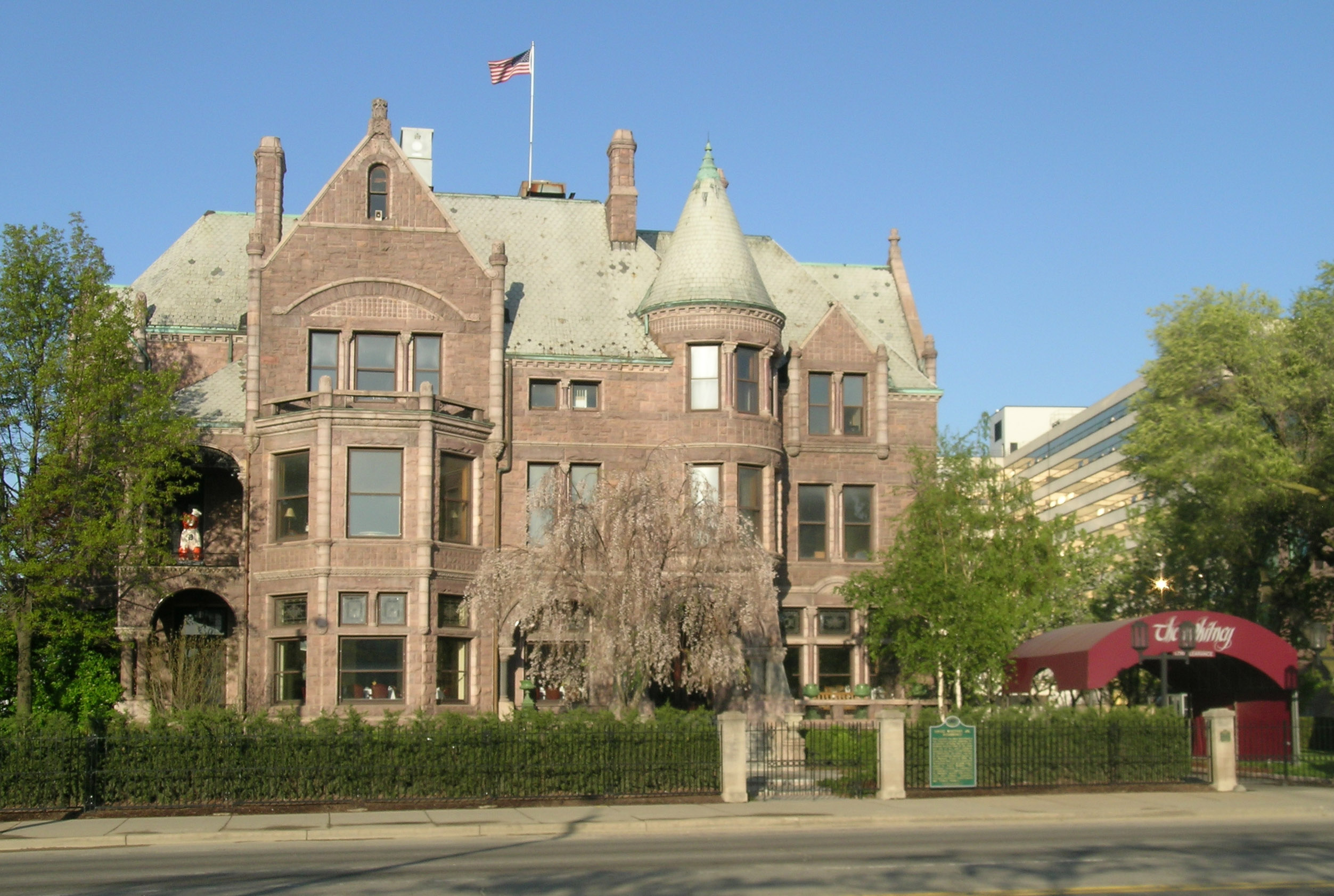
The Whitney
4421 Woodward Ave, Detroit, MI 48201
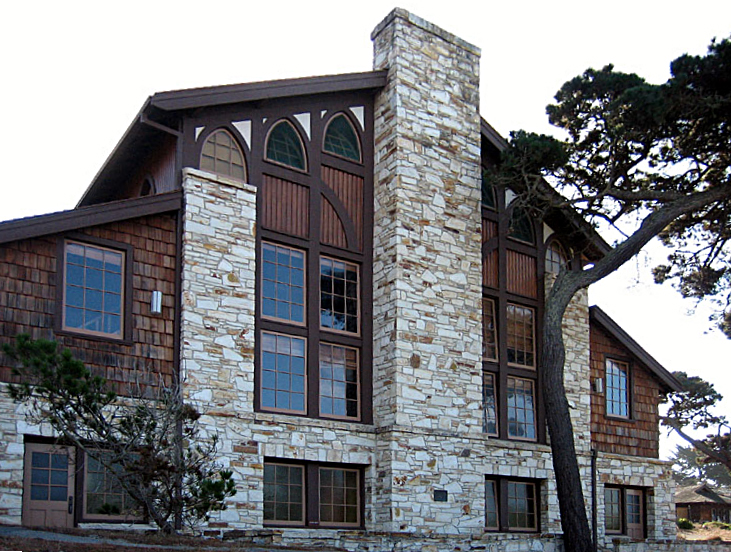
Asilomar Conference Grounds
800 Asilomar Blvd, Pacific Grove, CA
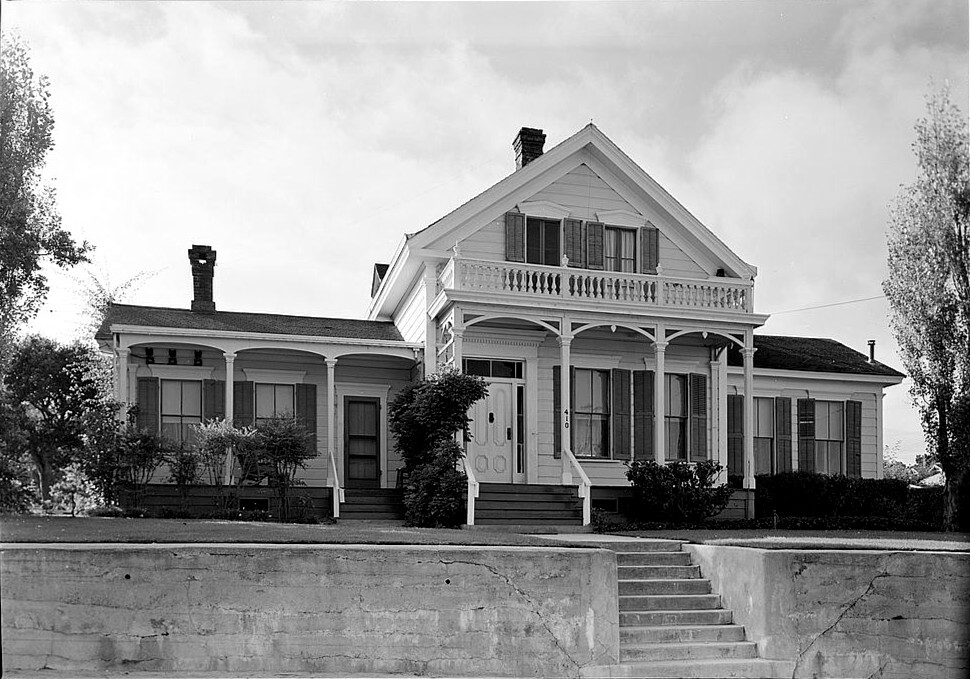
Finch House
410 Monroe St, Monterey, CA
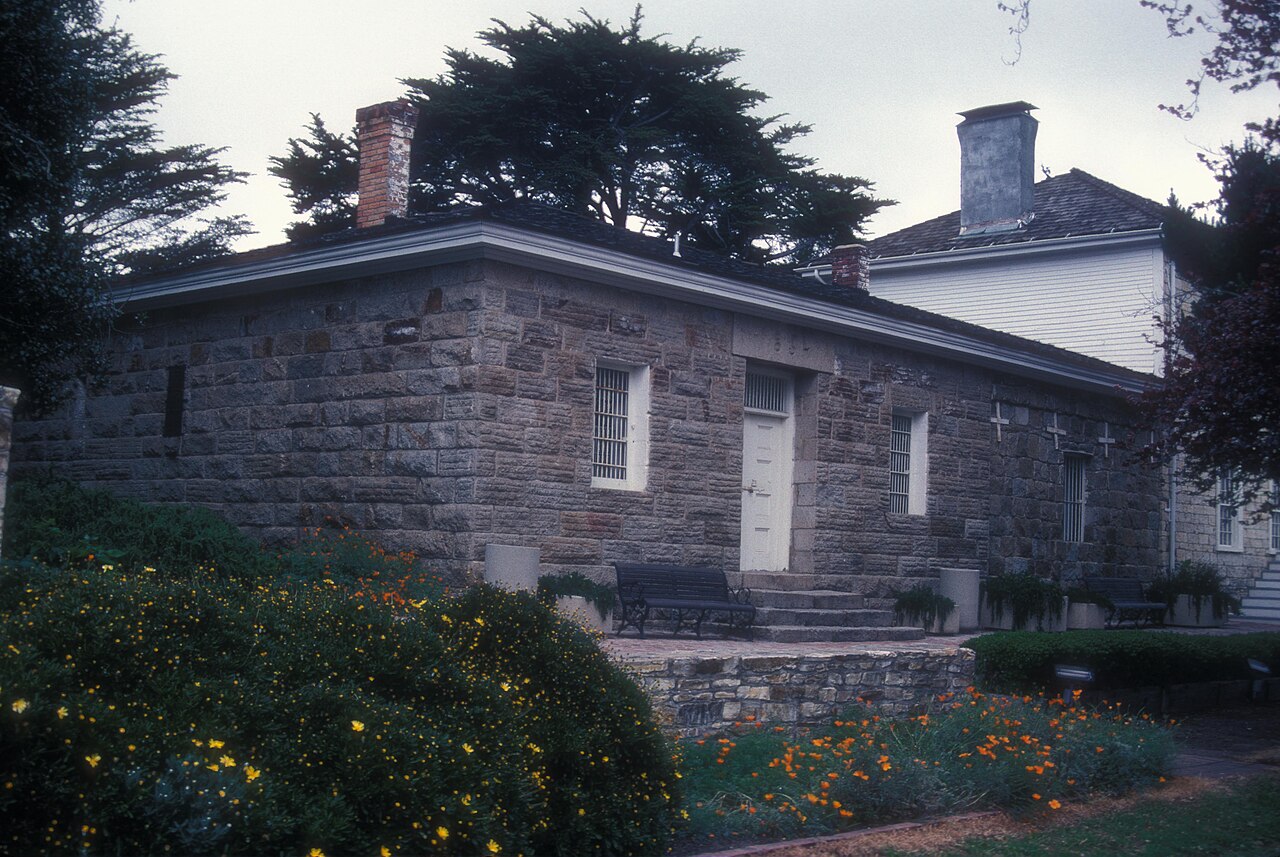
Old Monterey Jail
580 Pacific St, Monterey, CA
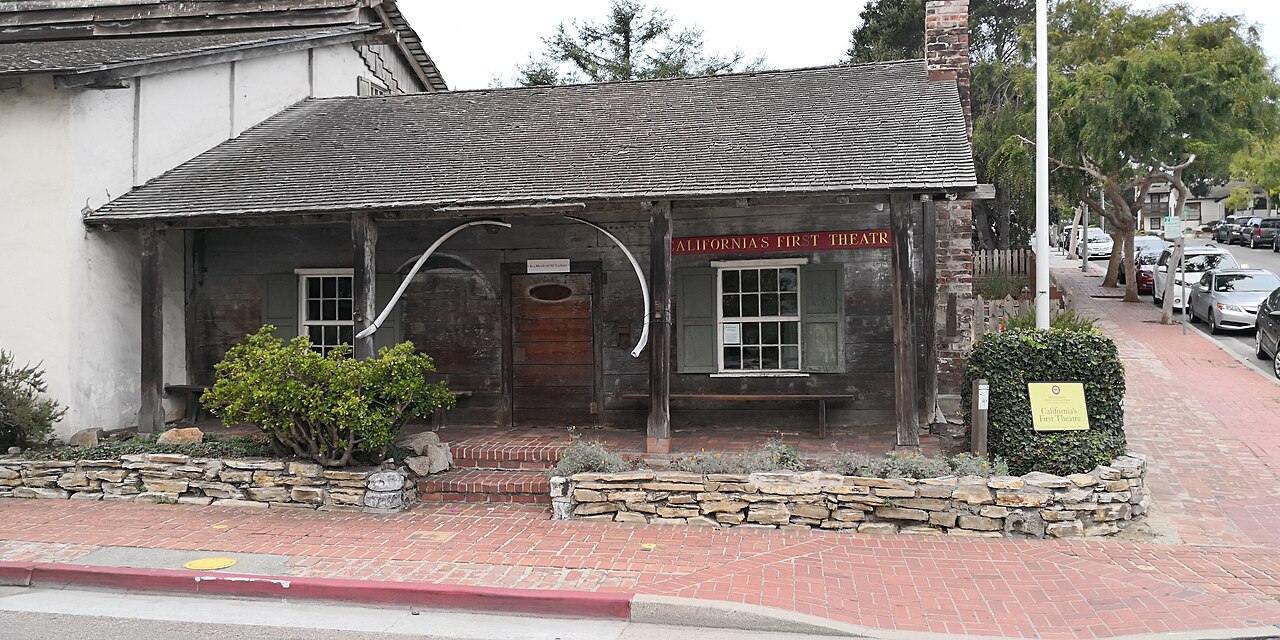
First Theatre of California
Scott & Pacific St, Monterey, CA
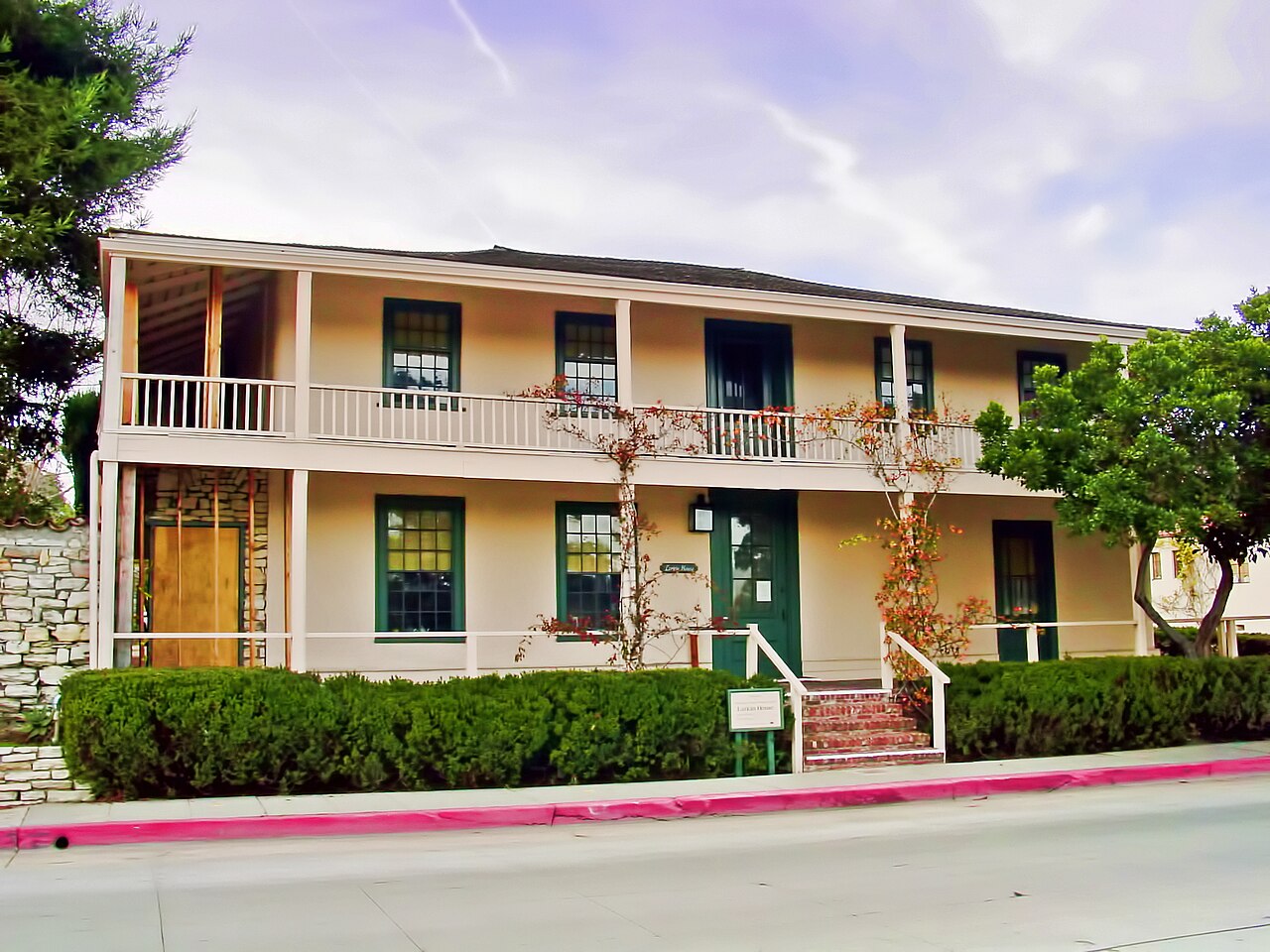
Larkin House
464 Calle Principal, Monterey, CA
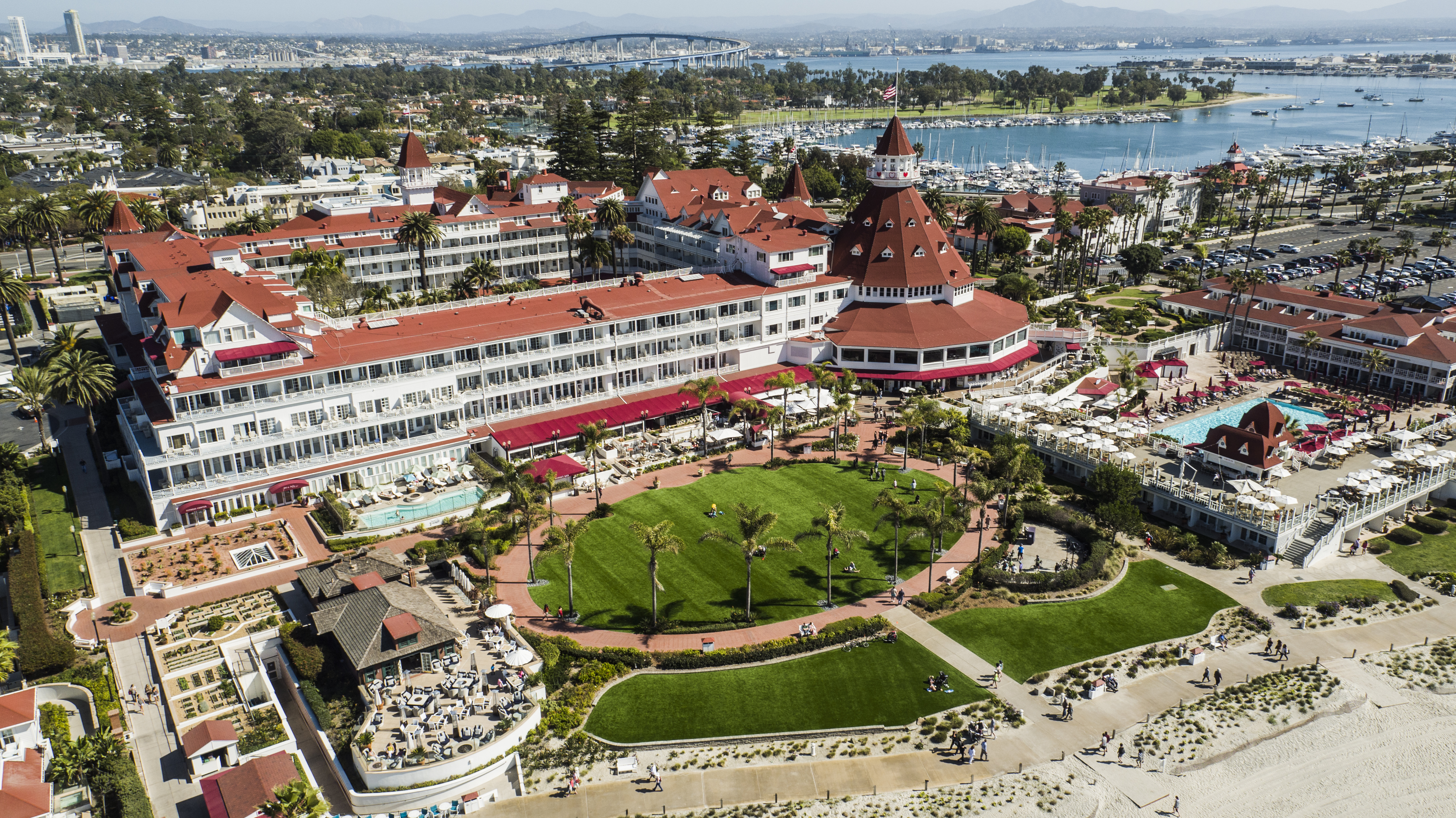
Hotel del Coronado
1500 Orange Avenue, Coronado, California
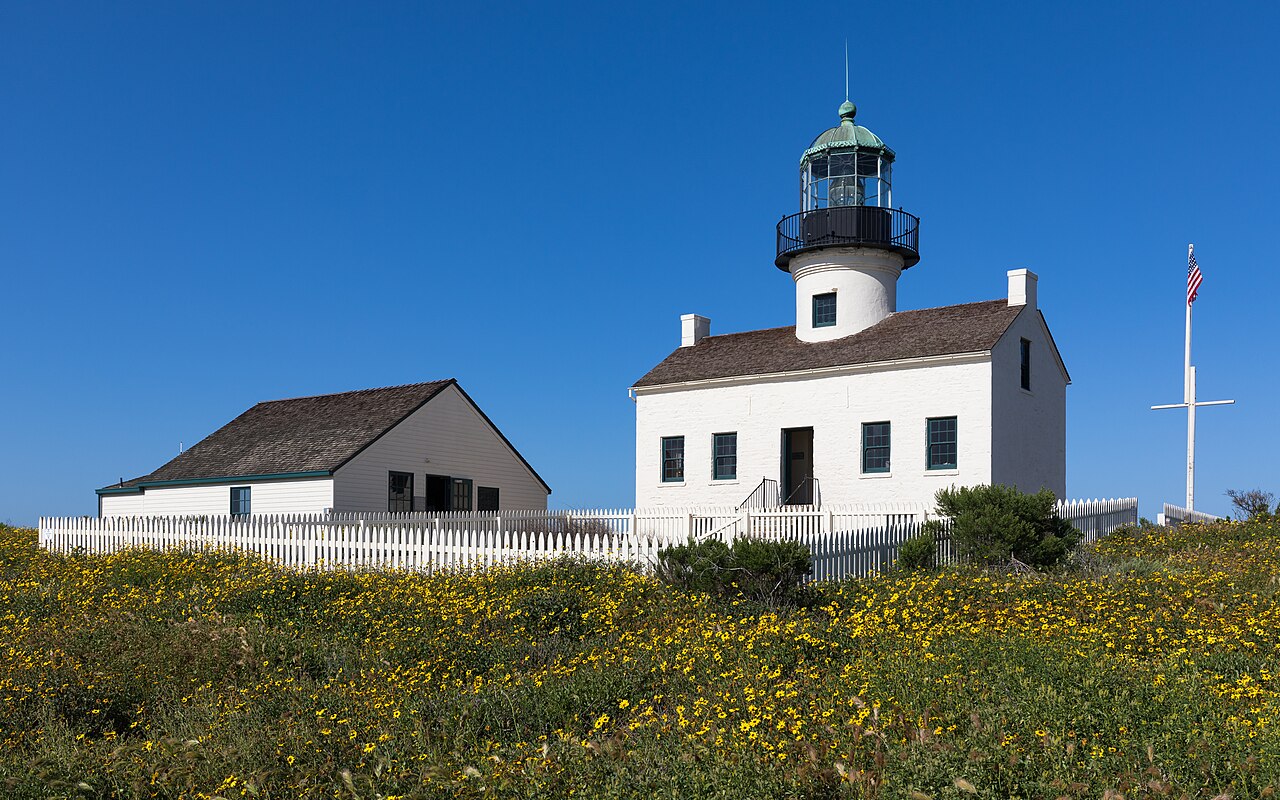
Old Point Loma Lighthouse
1800 Cabrillo Memorial Dr, San Diego, CA 92106
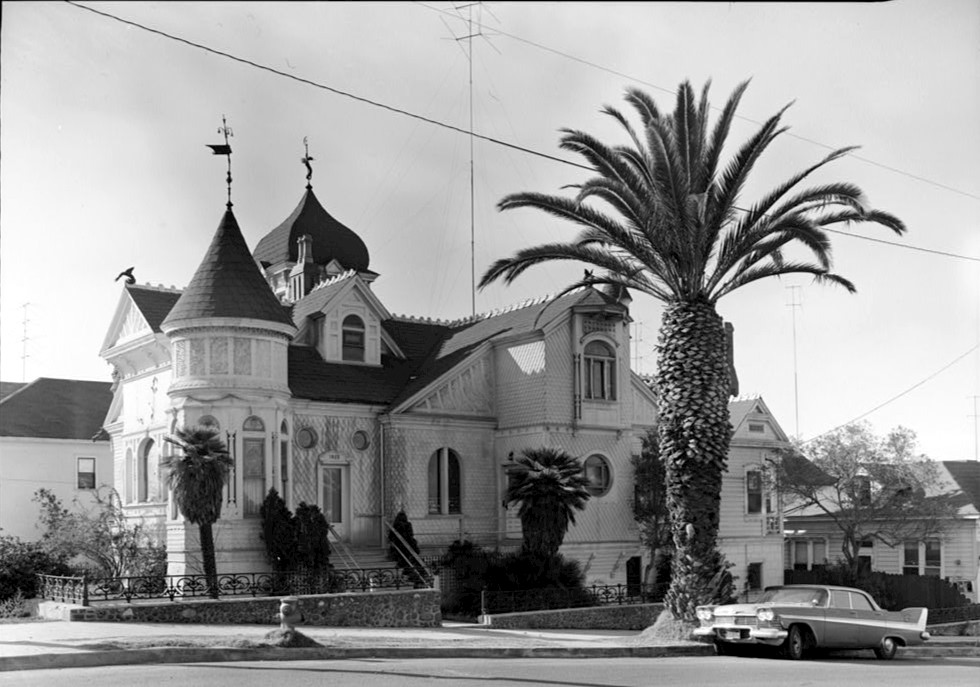
Villa Montezuma
1925 K St, San Diego, CA 92102
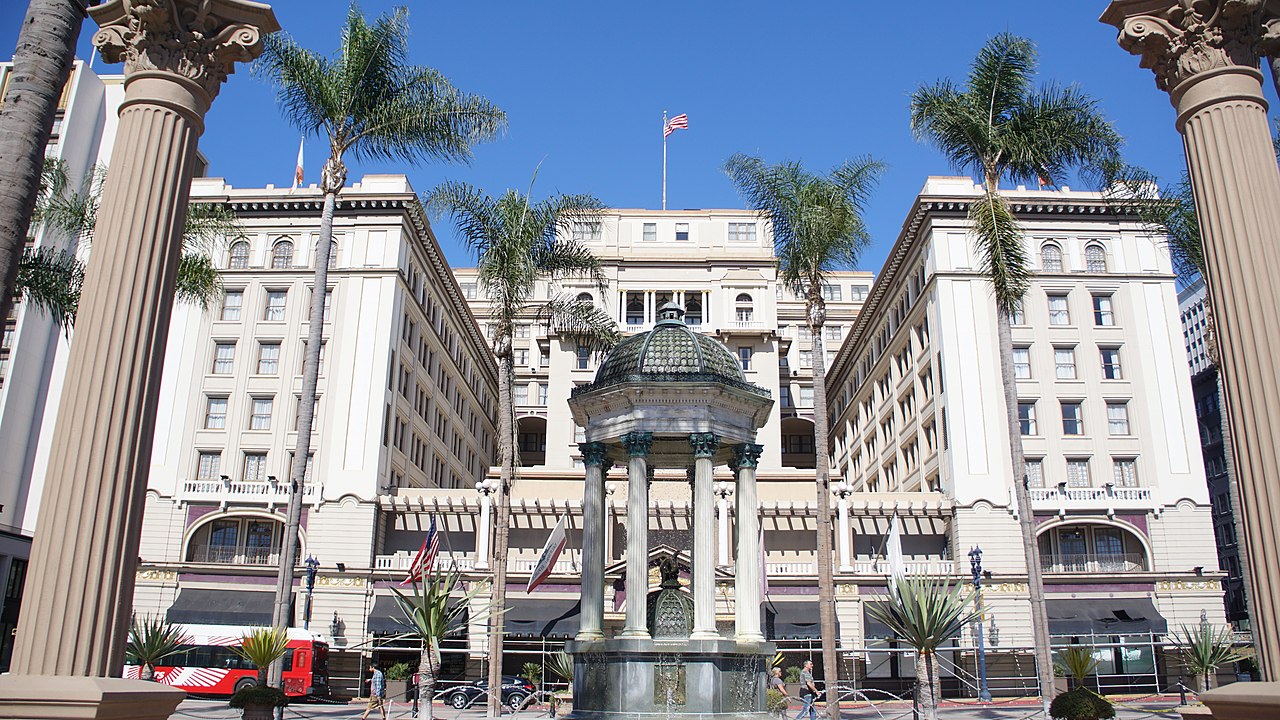
U.S. Grant Hotel
326 Broadway, San Diego, CA 92101
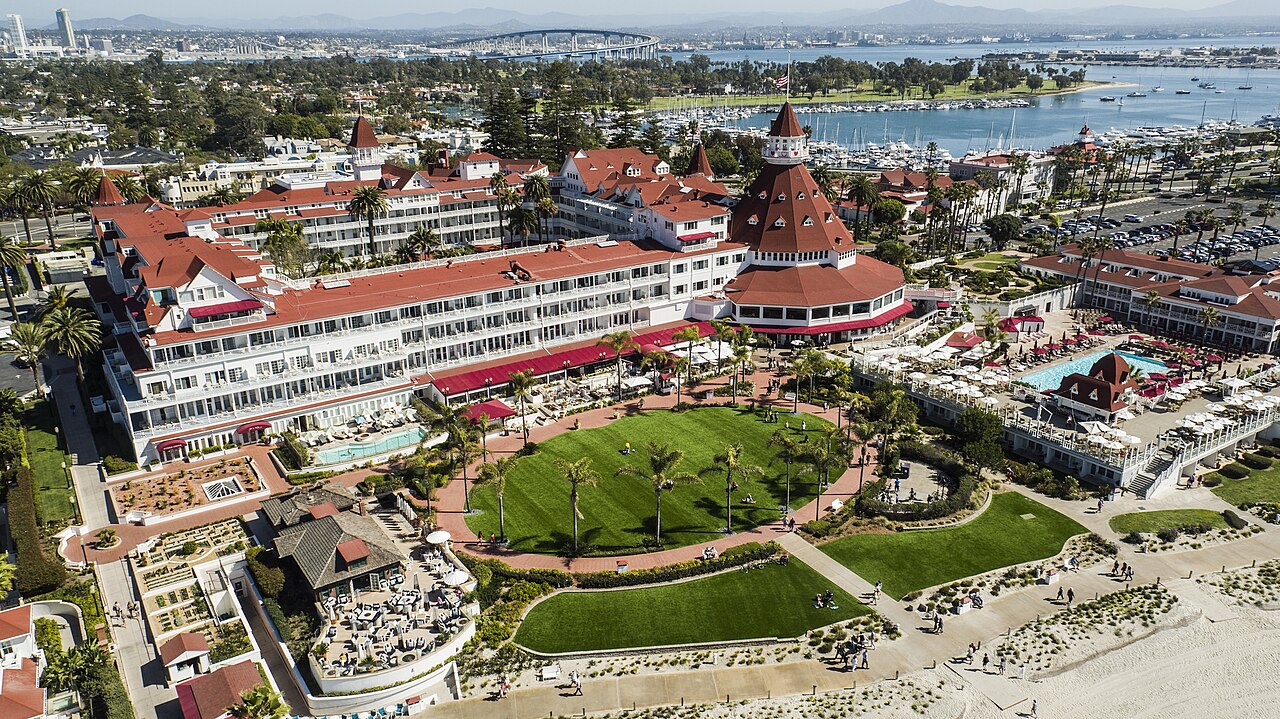
Hotel del Coronado
1500 Orange Ave, Coronado, CA 92118
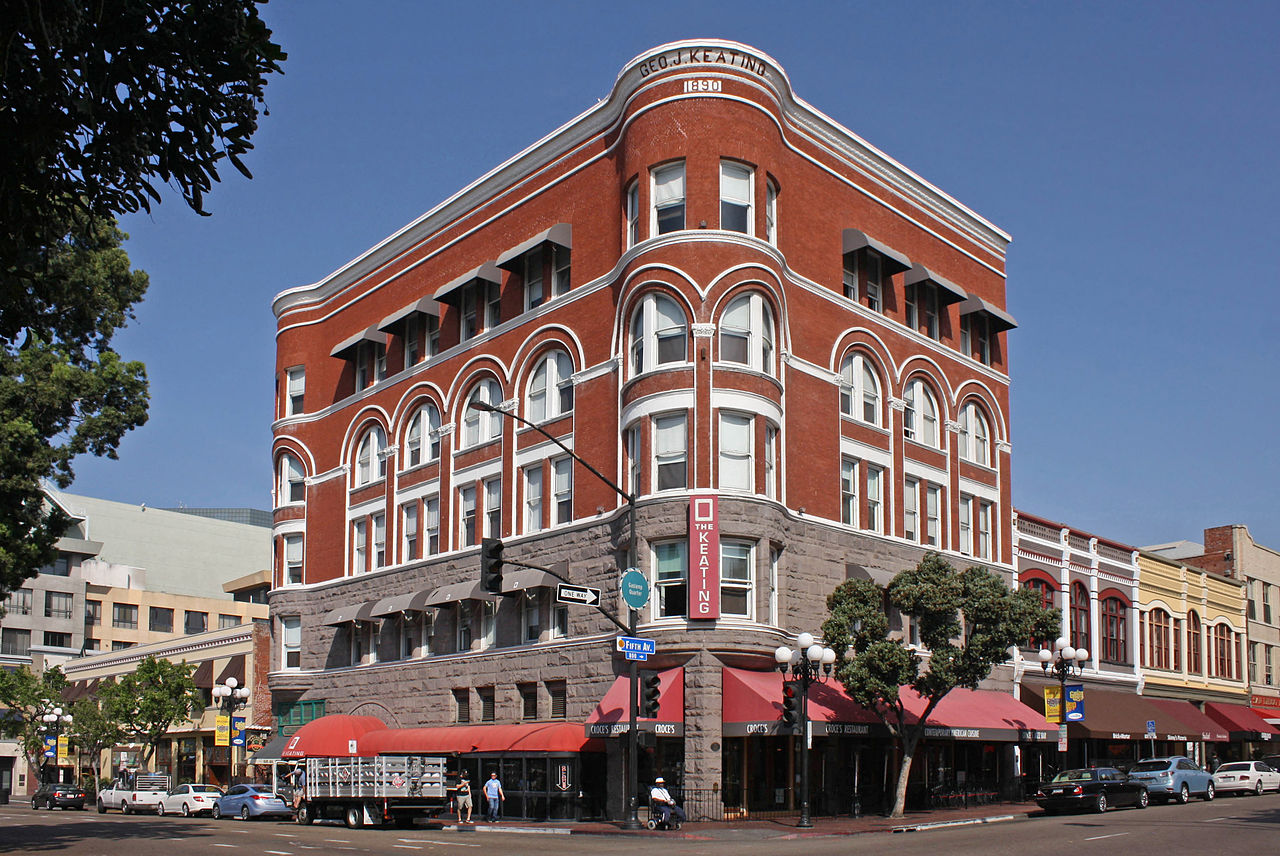
Keating Building
432 F St, San Diego, CA 92101
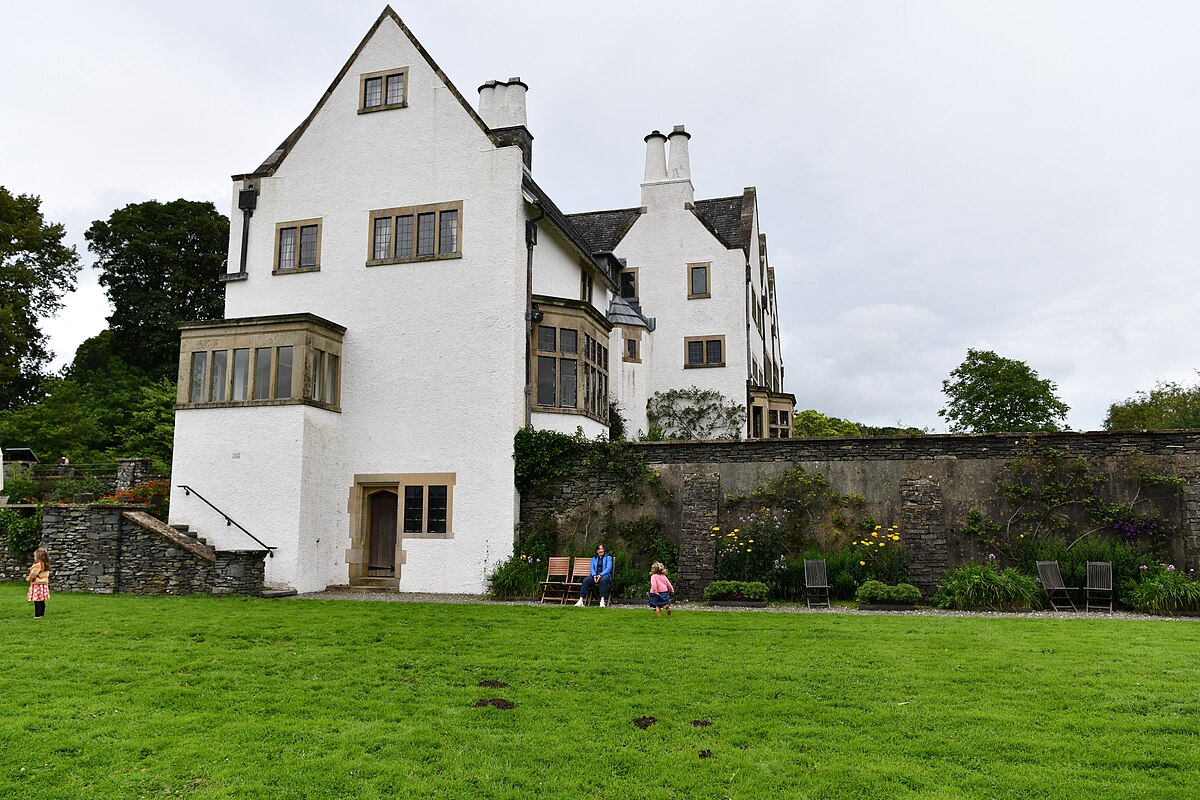
Blackwell, The Arts and Crafts House
Blackwell, Bowness-on-Windermere LA23 3JT, UK
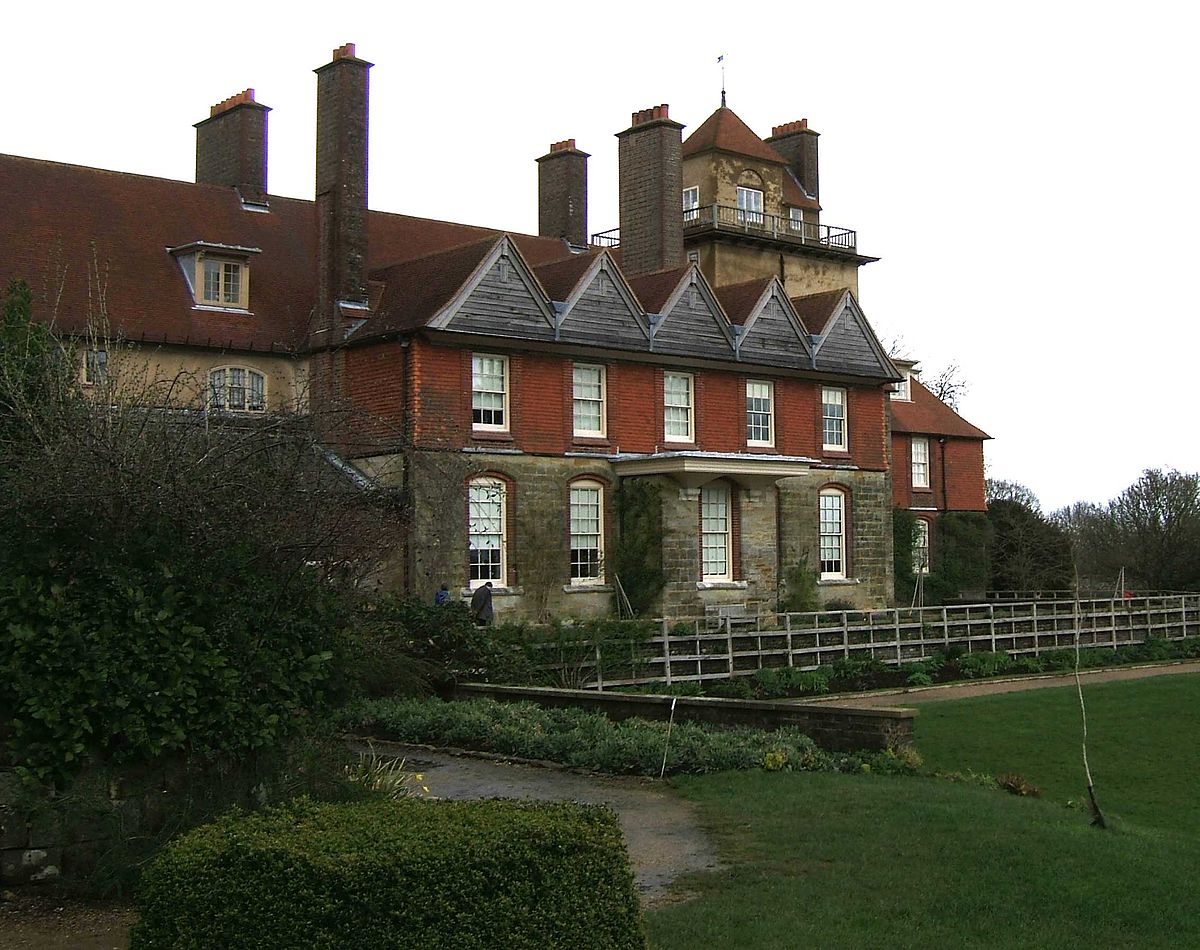
Standen House
Standen, West Hoathly Rd, East Grinstead RH19 4NE, UK
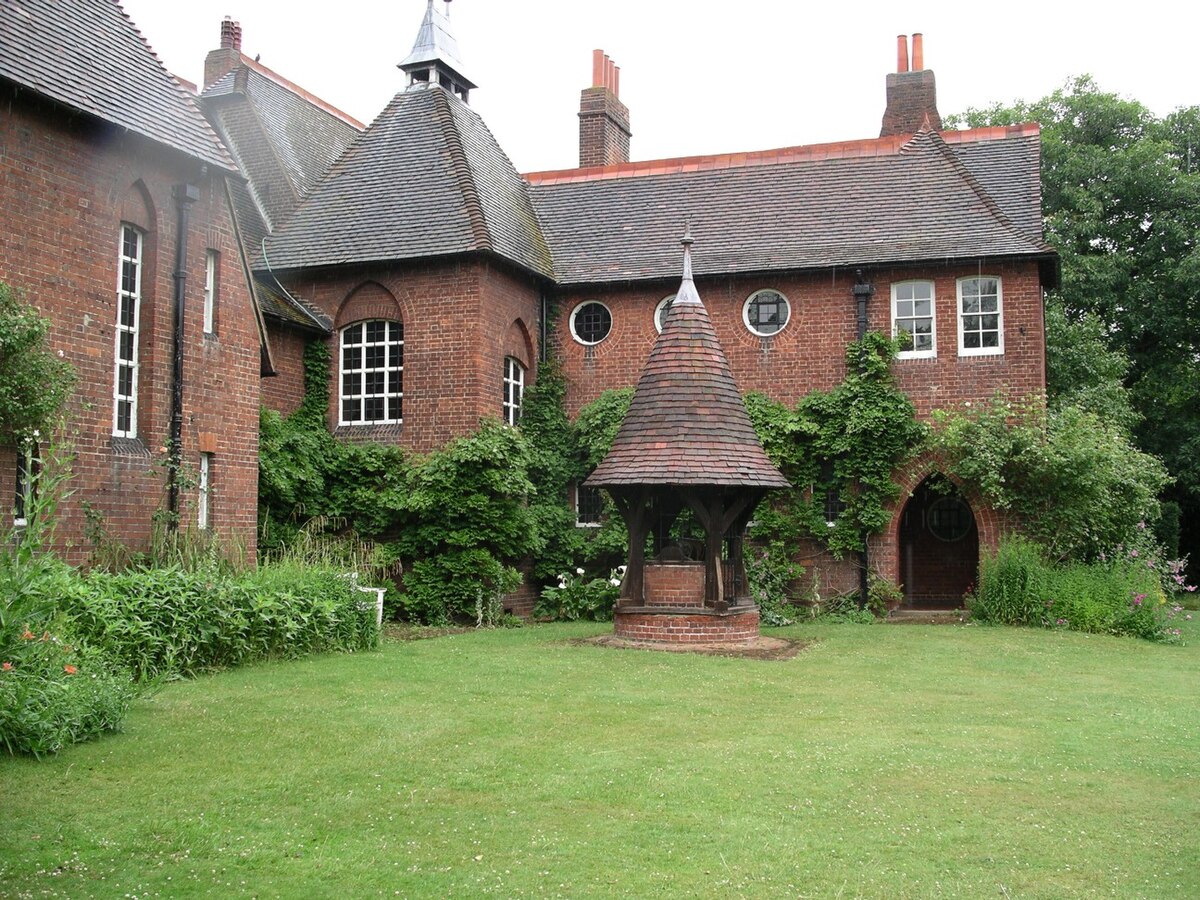
Red House
Red House Lane, Bexleyheath DA6 8JF, UK
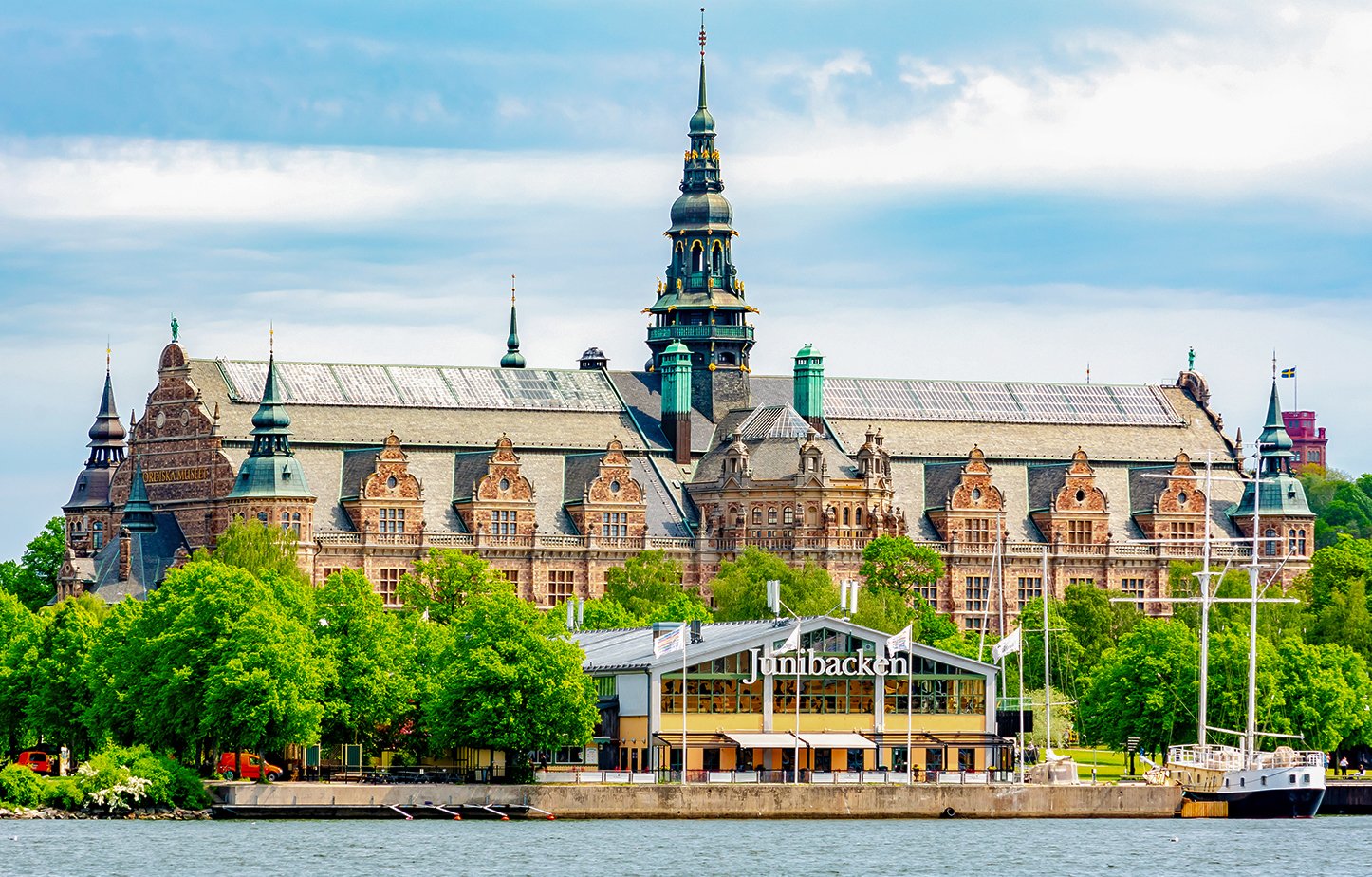
Nordiska Museet
Djurgårdsvägen 6-16, 115 93 Stockholm, Sweden
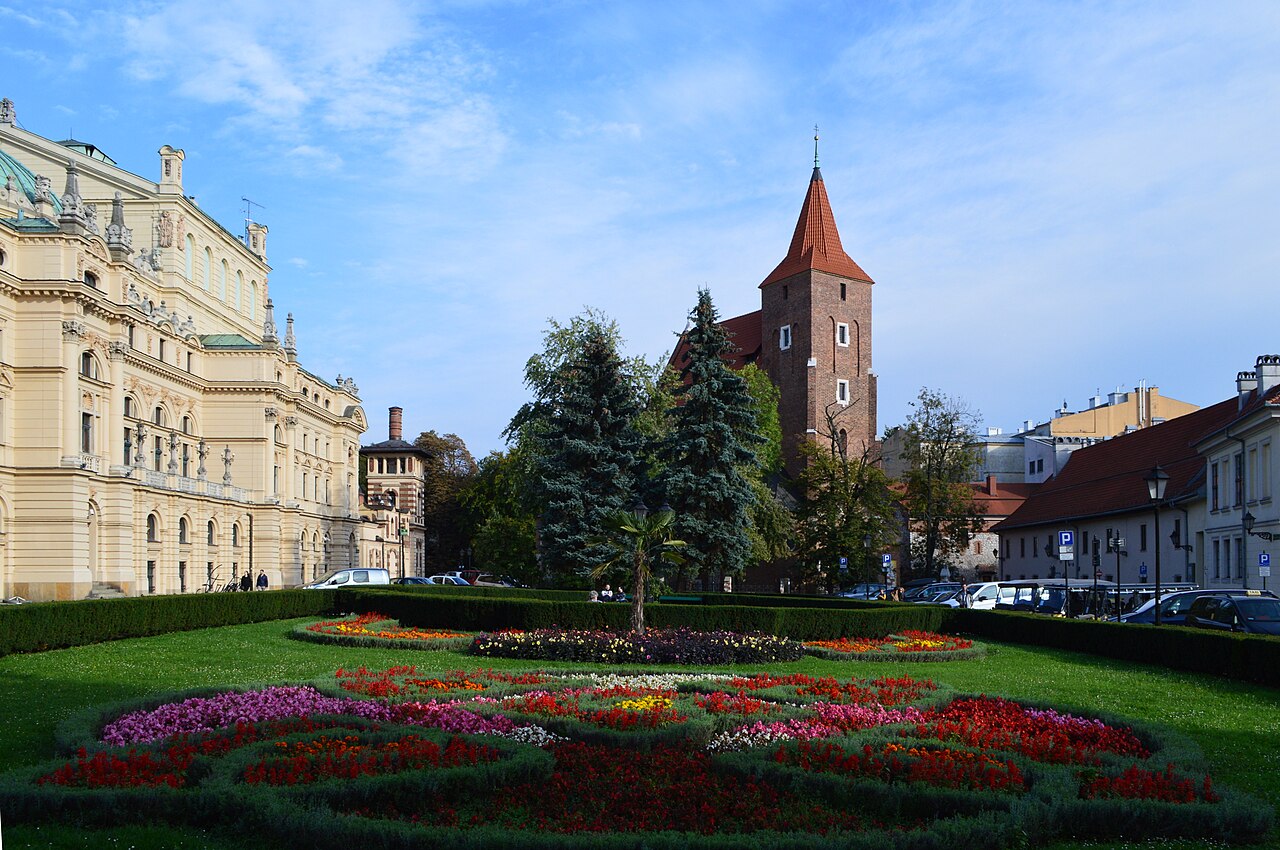
Juliusz Słowacki Theatre
Plac Świętego Ducha 1, 31-023 Kraków, Poland
Where to Find Victorian Architecture
Related Styles
Why Victorian Matters Today
The Victorian era demonstrated that architectural innovation and ornamental richness are not opposites. Its buildings — beloved for their character, craftsmanship, and individuality — remind us that architecture can be simultaneously progressive and decorative, functional and delightful.