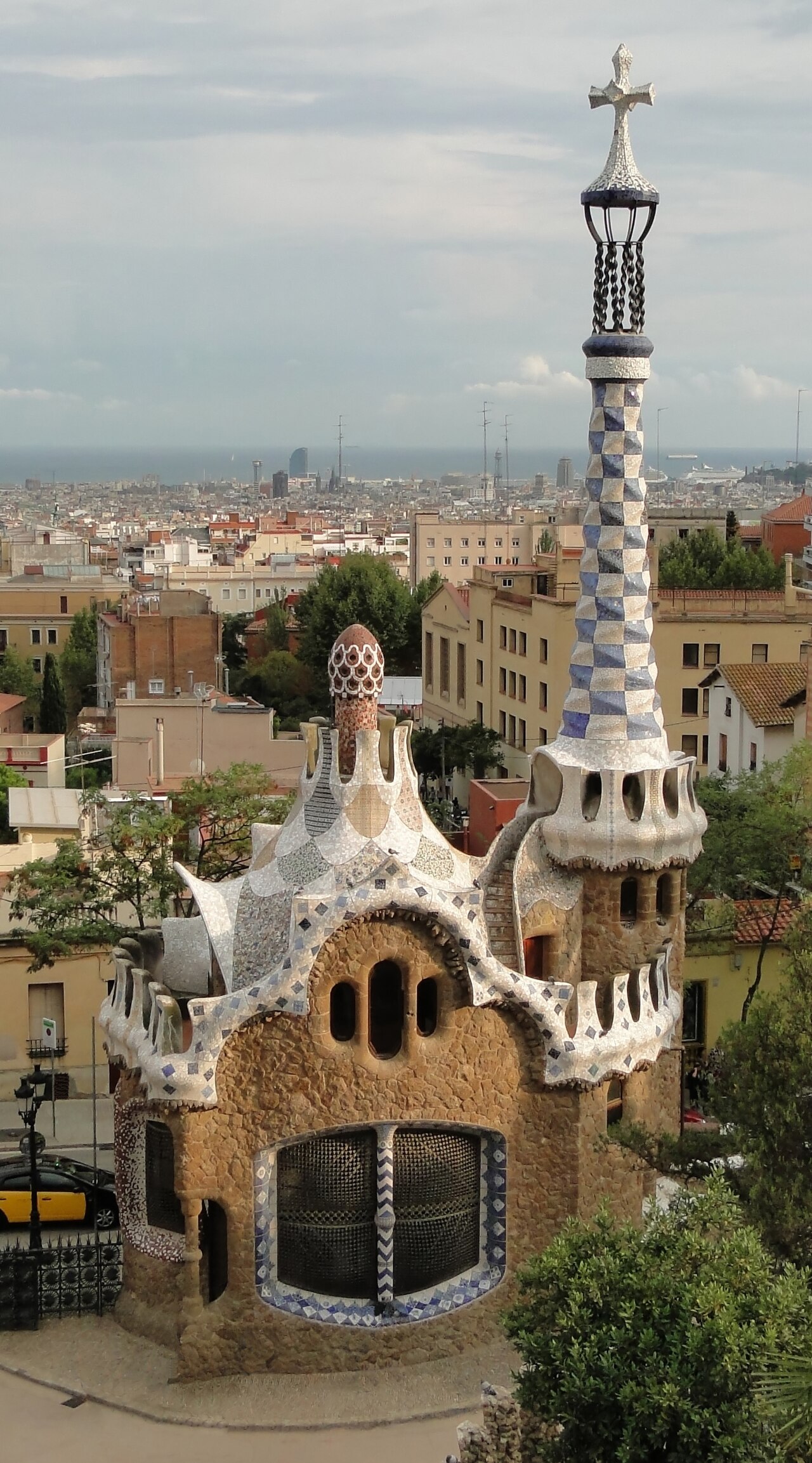
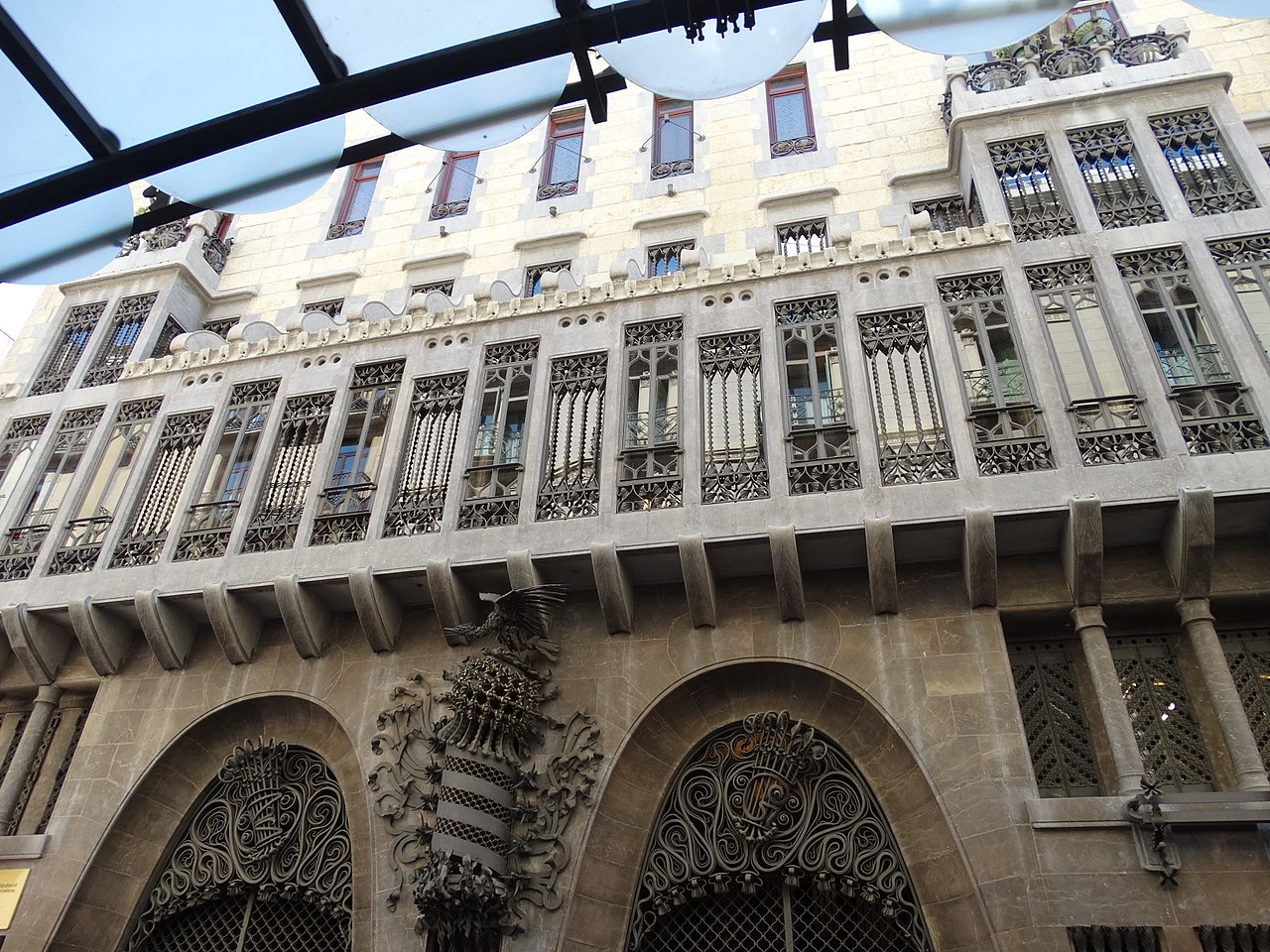
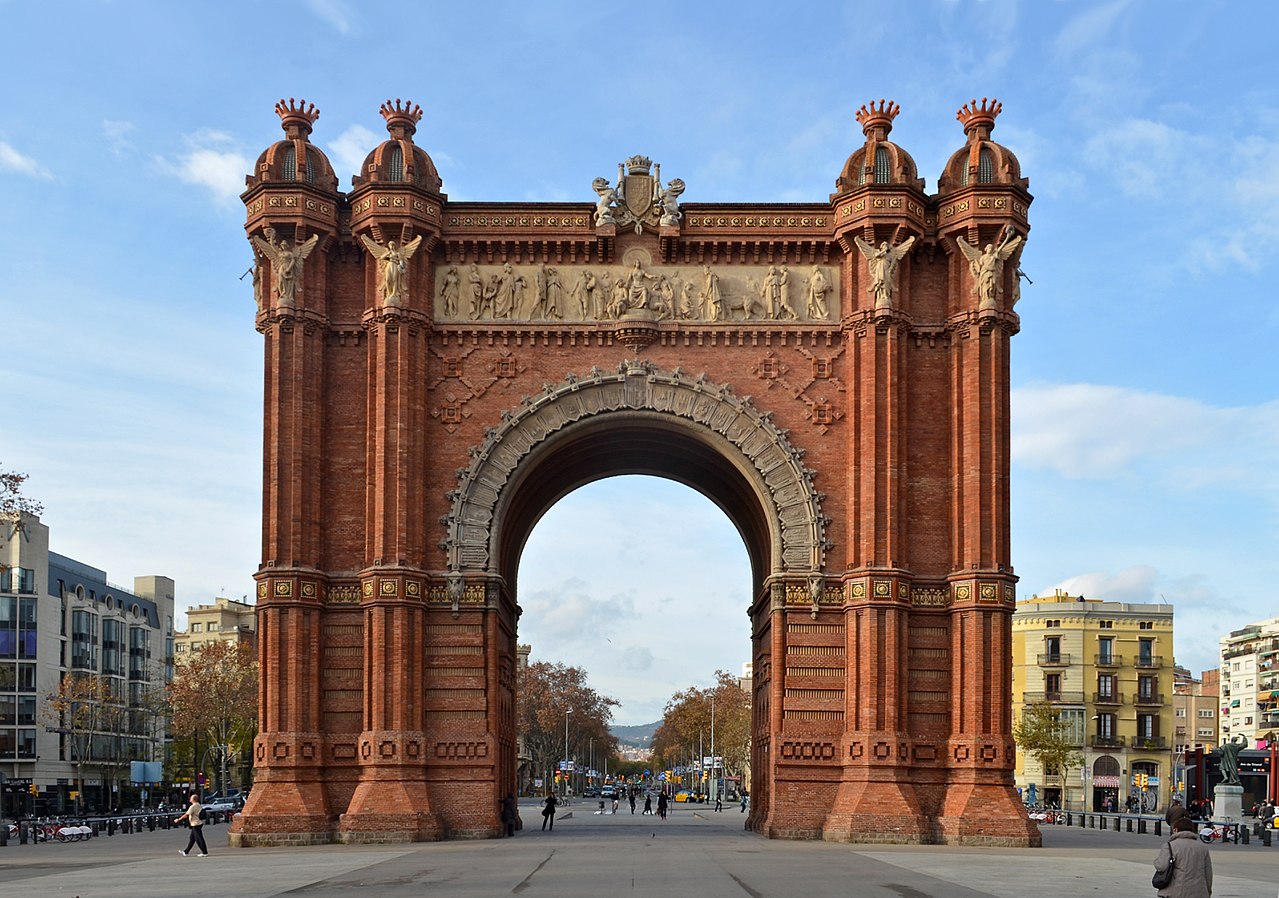
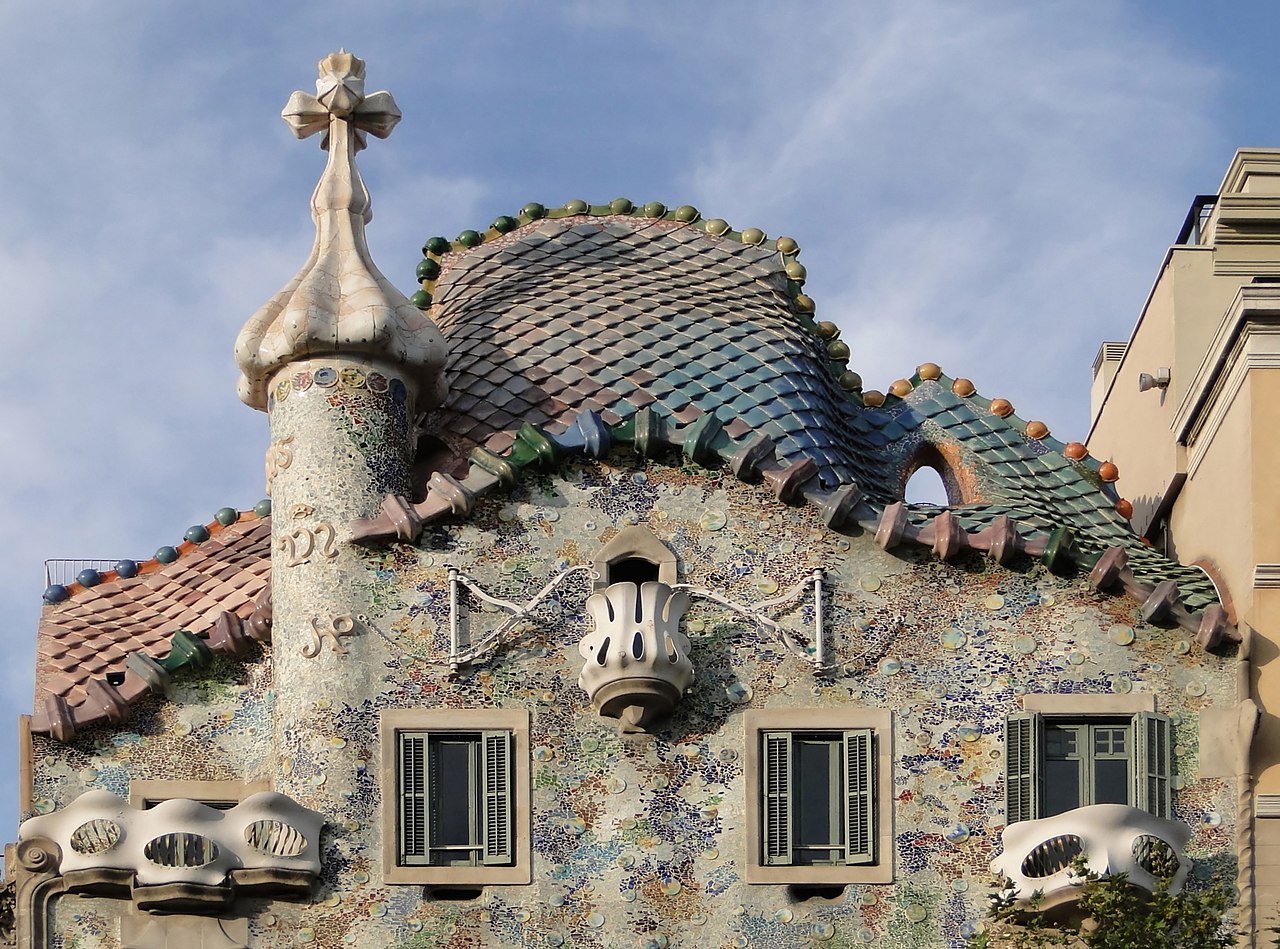
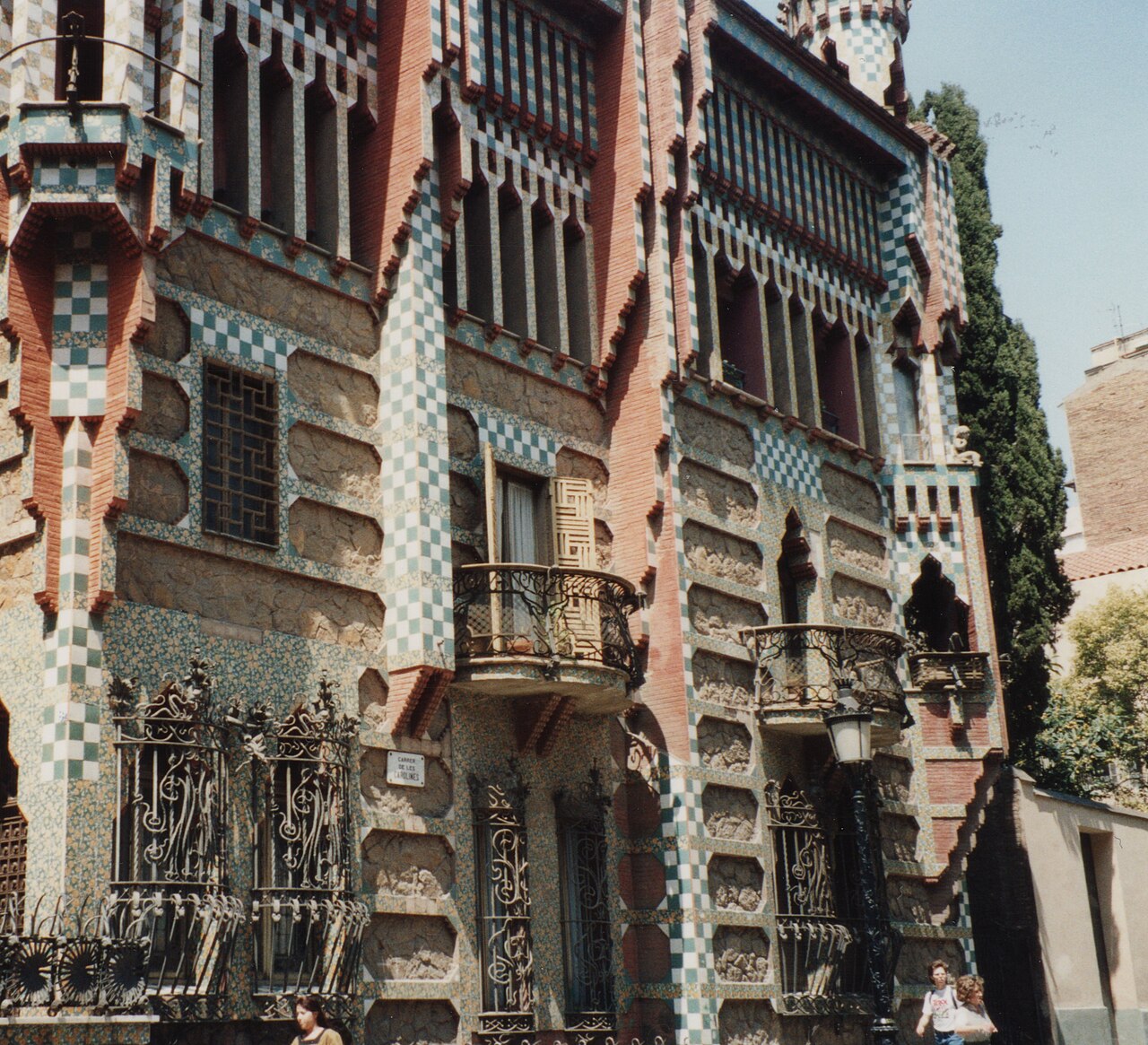
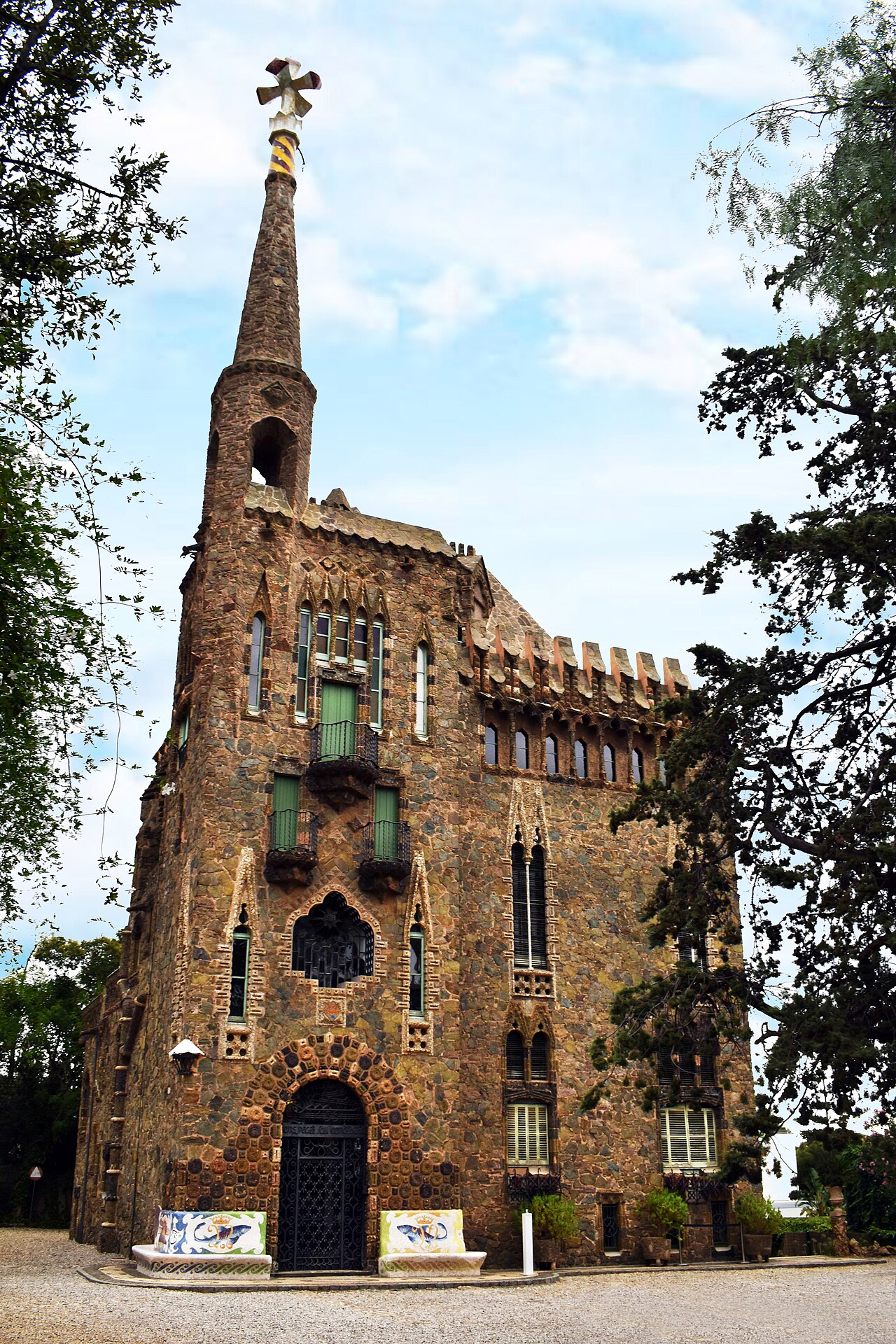
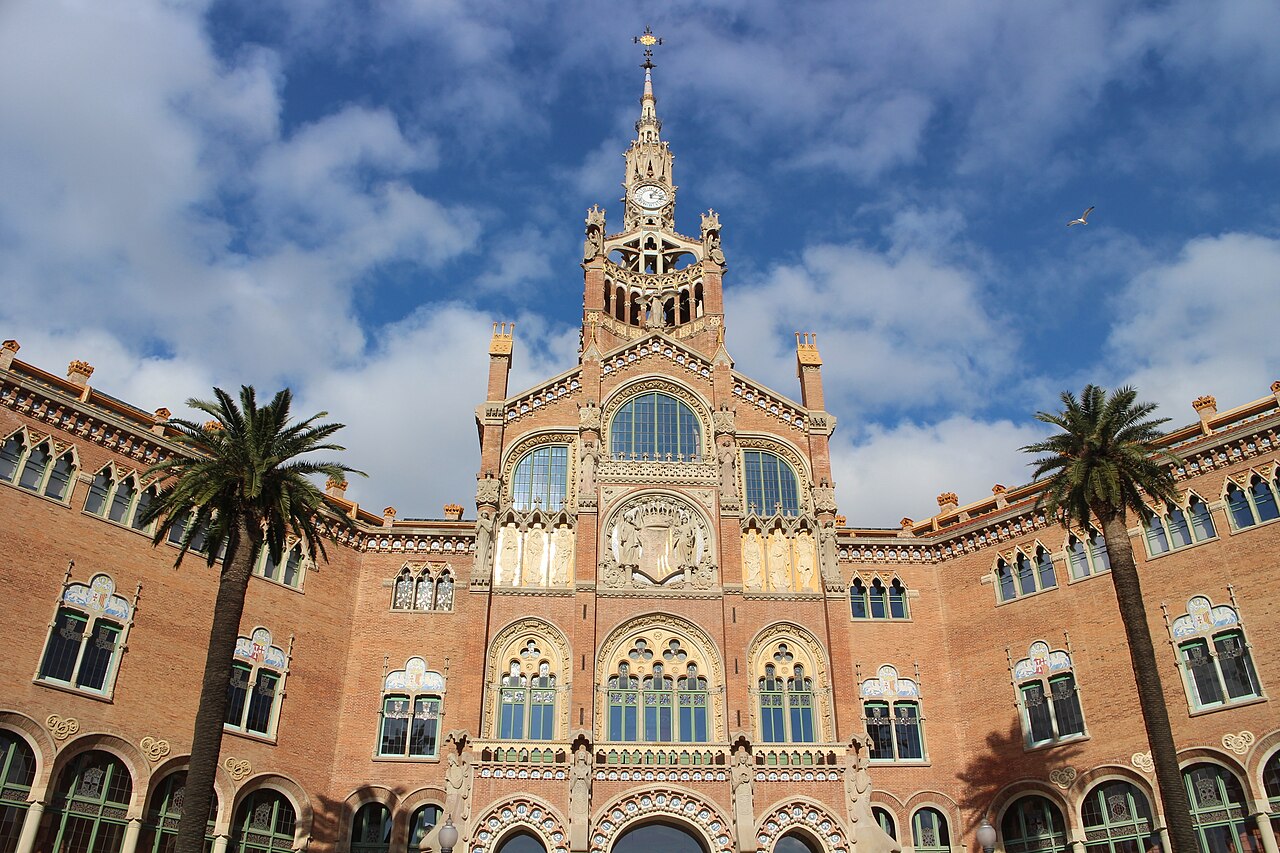
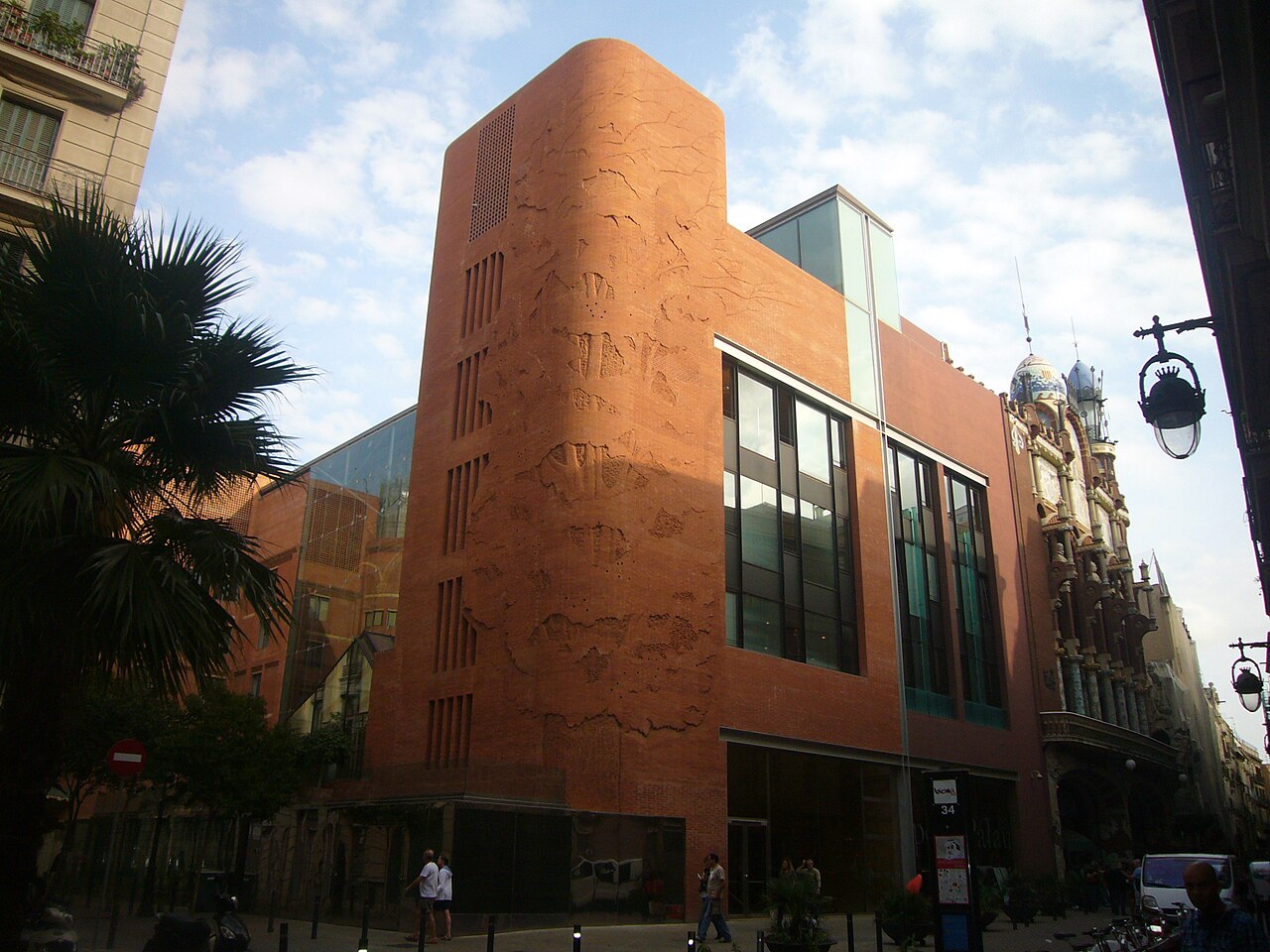
This building features an ornate tower characterized by intricate stonework and decorative elements that celebrate artistic craftsmanship. Its unique design reflects a blend of influences that infuse it with cultural significance and aesthetic charm.
The tower exhibits distinct Art Nouveau characteristics with its flowing lines, elaborate organic motifs, and decorative detailing. This style is evident in the intricate floral patterns and sculptural elements that seem to emerge from the structure itself, creating a harmonious relationship between the building and its environment.
Elements of the Gothic Revival are present in the building's pointed arches and vertical emphasis, lending it a sense of grandeur and historical reference. The decorative work showcases elements reminiscent of Gothic spires and tracery, reinforcing the connection to traditional Gothic architecture.
The building incorporates Neoclassical features in its use of columns and symmetry, which provide a sense of order and formality. This classical influence is reflected in the structured composition and the use of classical motifs that contrast with the more playful aspects of Art Nouveau.
This building, likely constructed during the late 19th to early 20th century, reflects a period of eclectic architectural revival where various styles were combined to create unique expressions of identity. It stands as an example of the artistic movements of its time, showcasing the blend of technology and artistry that defined the era.
Explore 25 buildings across 19 styles →