Art Deco Building
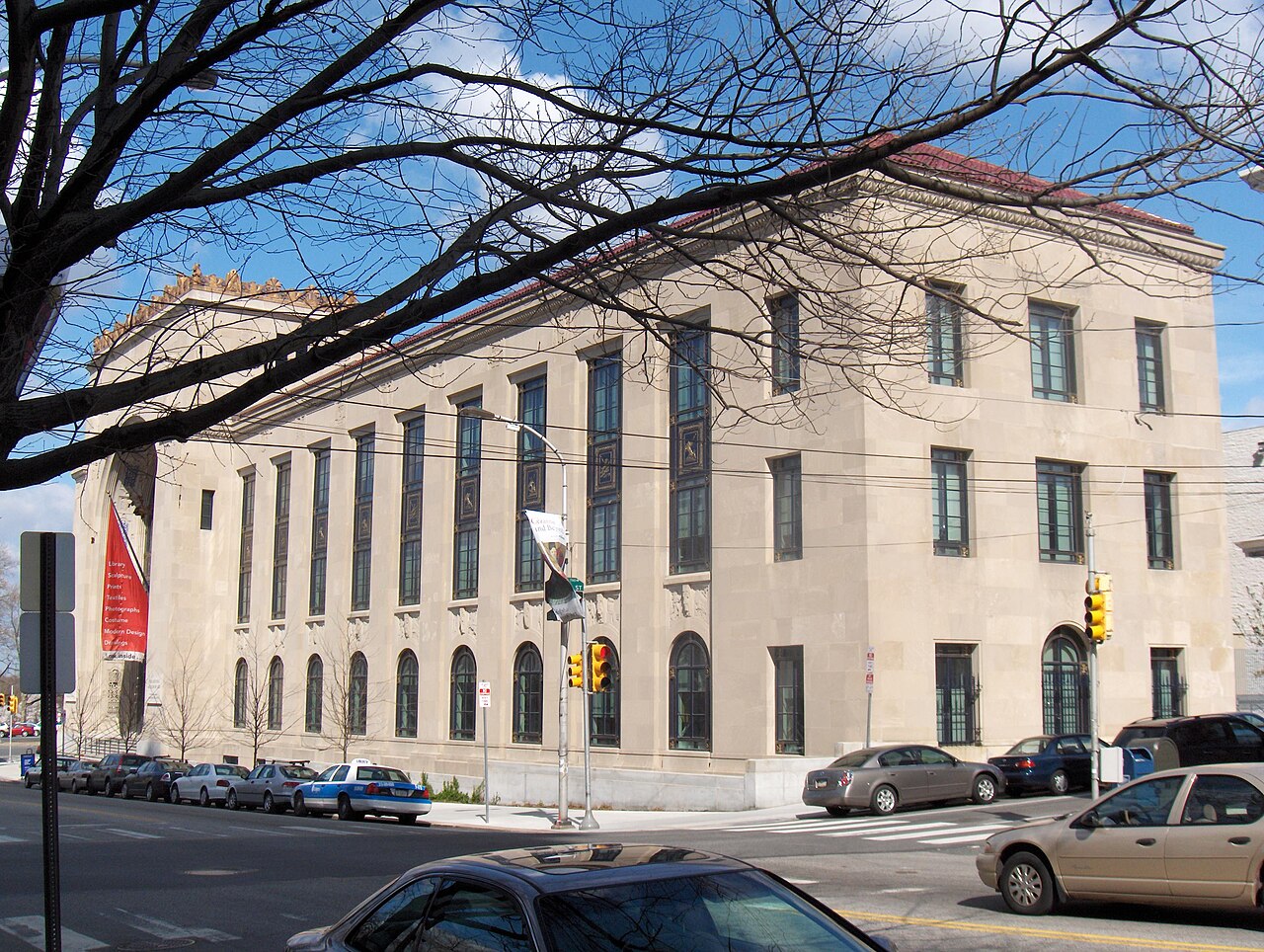
-
Art Deco 85%
-
Beaux-Arts 75%
-
Neoclassical 65%
This building represents a classical approach to Art Deco architecture, characterized by its clean lines and geometric forms. Its facade displays decorative elements that nod to modernity while maintaining a sense of permanence and stability.
Architectural Styles
Art Deco
85%The Art Deco style is evident in the building's angular shapes, bold ornamentation, and use of contrasting materials. The symmetrically designed windows and intricate detailing at the roofline showcase typical Art Deco motifs, which emphasize both elegance and functionality.
- Geometric shapes
- Decorative motifs
- Symmetrical facade
- Contrasting materials
Beaux-Arts
75%Elements of the Beaux-Arts style are seen in the grand scale of the building and its emphasis on ornamental detail. The use of classical columns and pilasters contributes to a sense of historical reverence, aligning with this late 19th-century architectural movement.
- Ornamental detailing
- Grand scale
- Classical columns
Neoclassical
65%The Neoclassical influence appears in the building’s symmetrical proportions and the stone facade that evokes the grandeur of ancient architecture. This reflects a revival of classical forms meant to convey stability and democracy.
- Symmetrical proportions
- Stone facade
- Classical references
Notable Features
- Intricate roofline decoration
- Symmetrical window arrangement
- Geometric facade patterns
Historical Context
Constructed during the early 20th century, this building reflects the cultural shift toward modernism while still embracing historical design elements. It embodies the transitional phase in architectural history, where traditional styles began to influence more progressive movements.
Fun Facts
- The building once housed a prominent local institution.
- Art Deco is considered a reaction against the ornate styles that preceded it.
- This building is often featured in architectural tours of the area.
Similar Style Buildings

De Constant Rebecquestraat 55, 2518 RC Den Haag
Art Deco
N/A
Postmodernism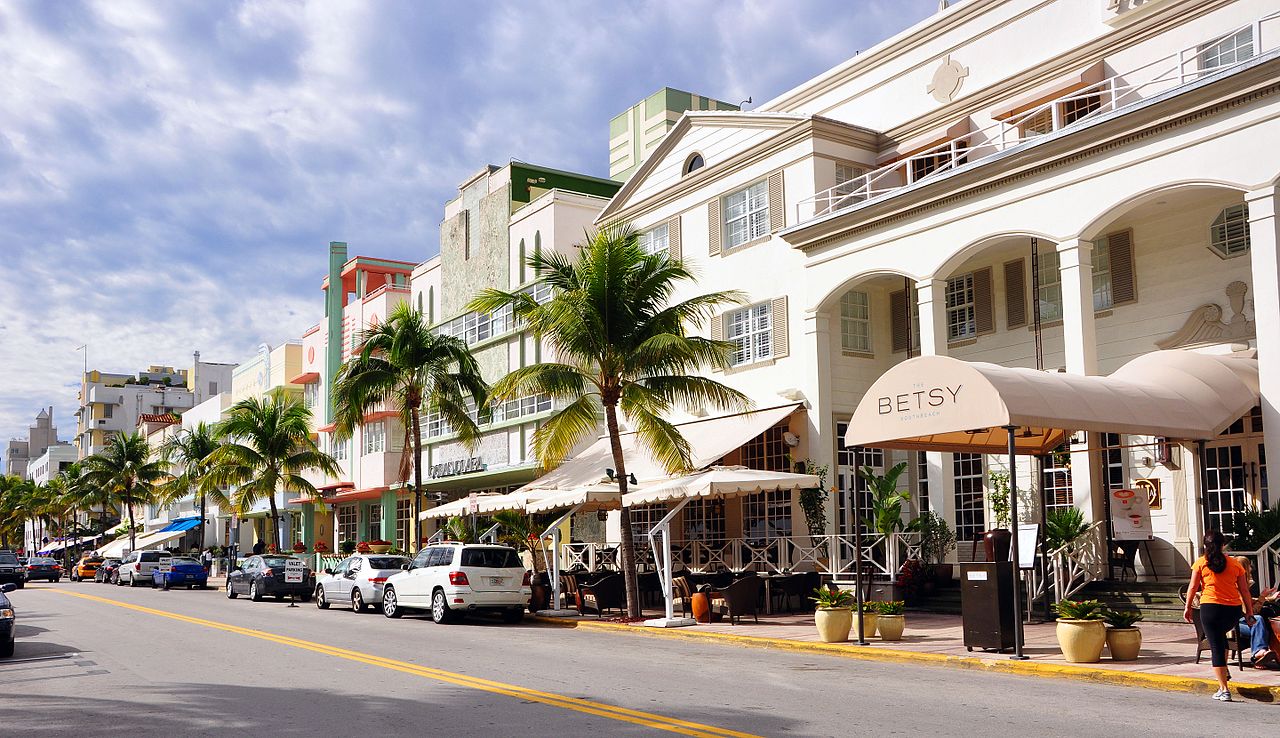
Vagabond Hotel
Art Deco
Kneuterdijk 8, 2514 EN Den Haag
Art Deco
AI
Art Deco
N/A
Gothic
N/A
Art Deco
N/A
Beaux-ArtsNearby Buildings
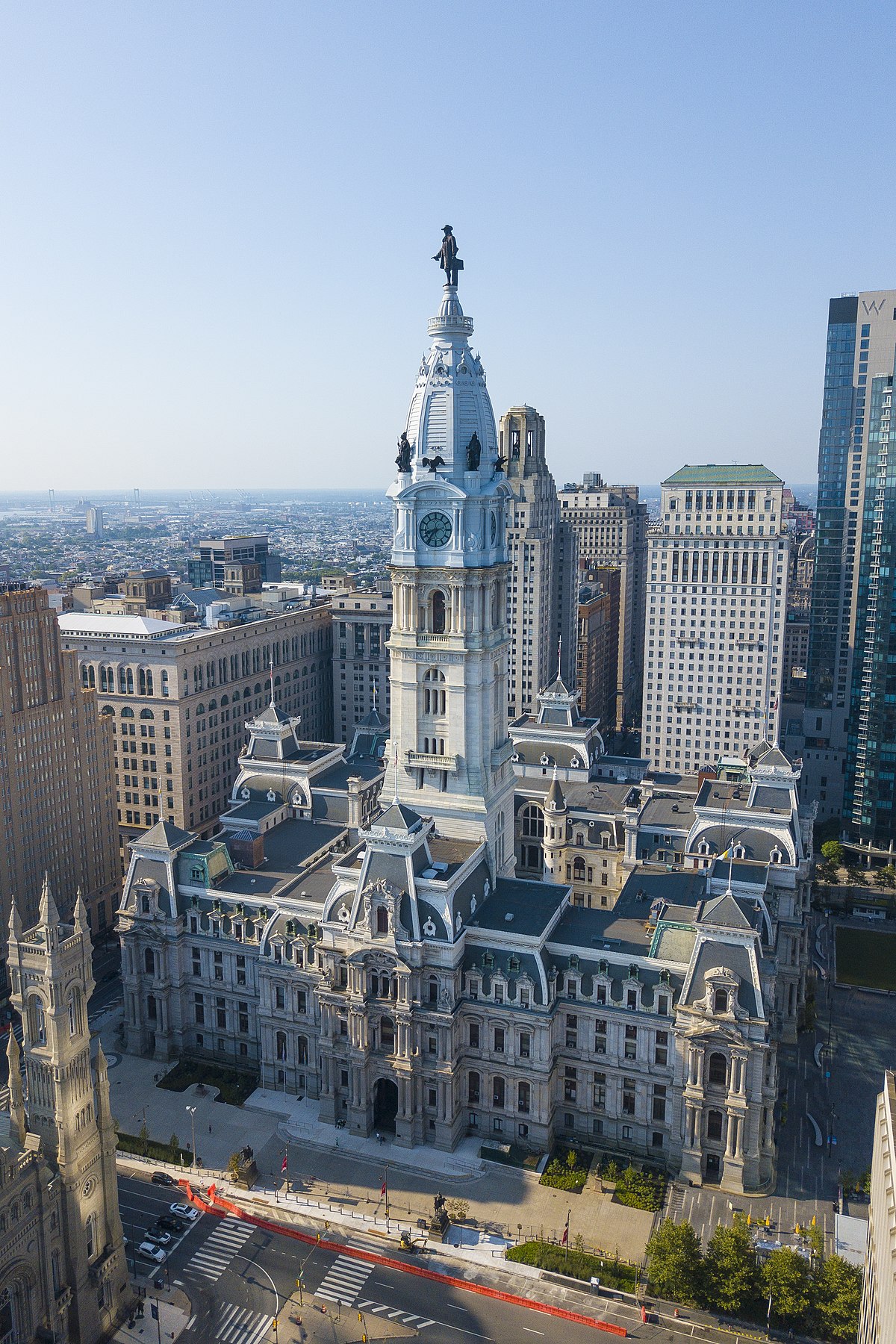
Philadelphia City Hall
Victorian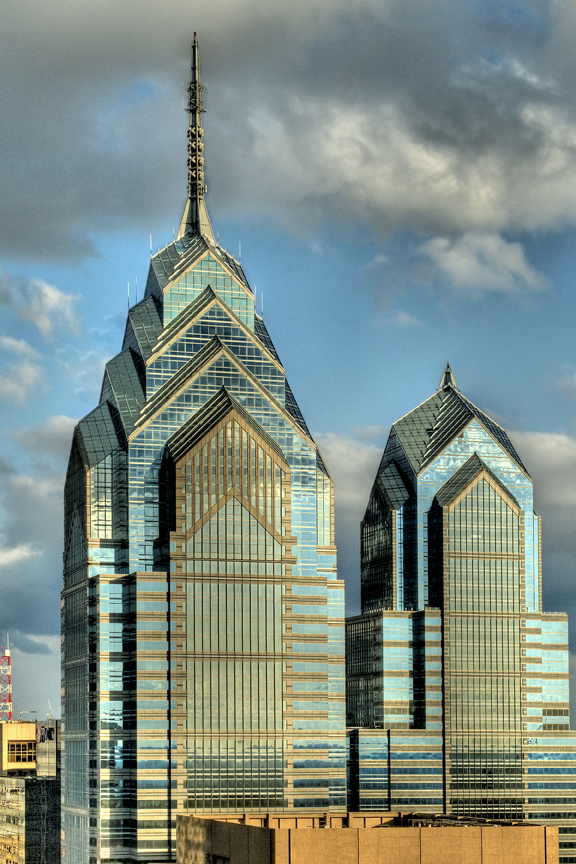
One Liberty Place
Modernism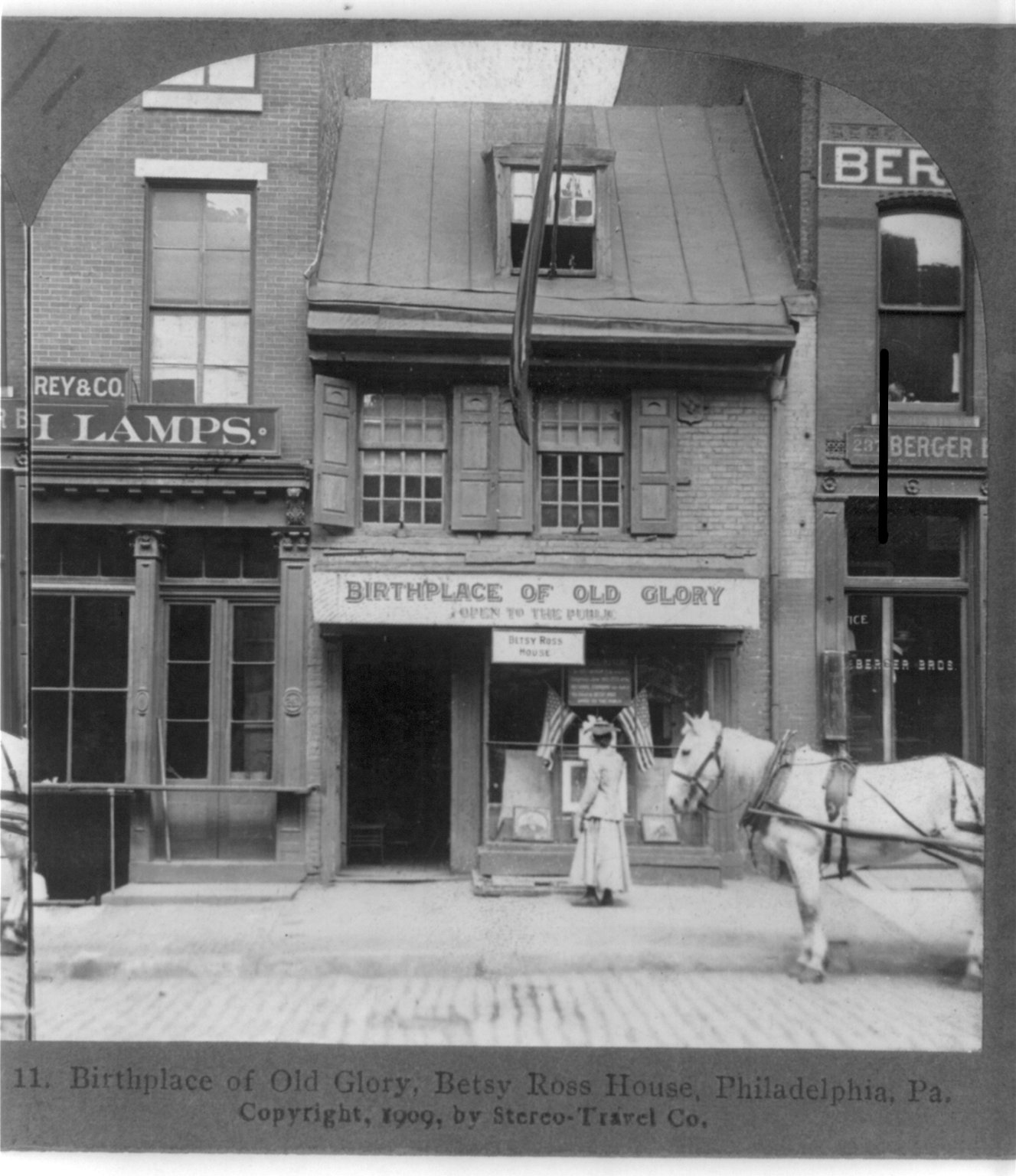
Betsy Ross House
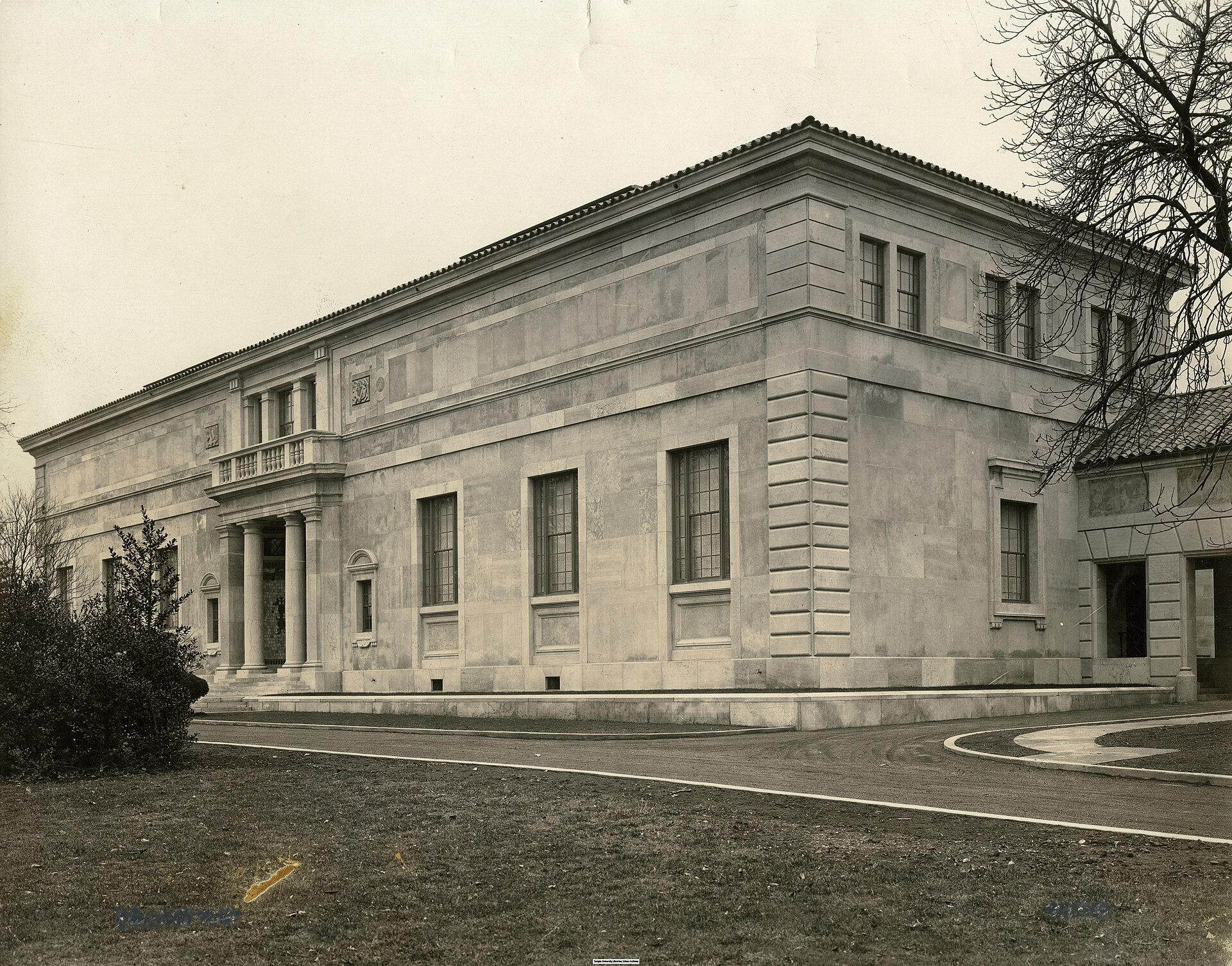
Barnes Foundation
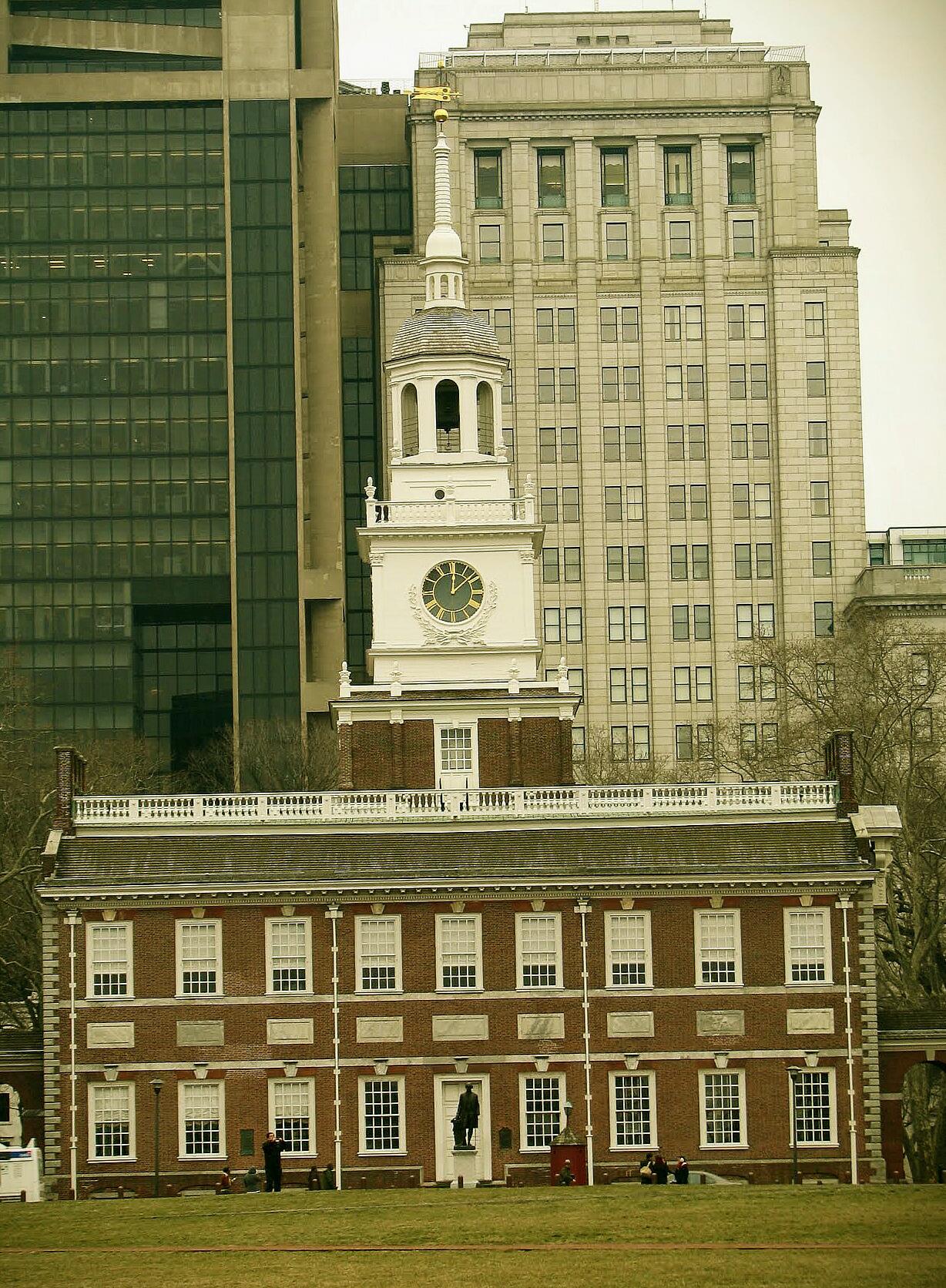
Independence Hall
Colonial Revival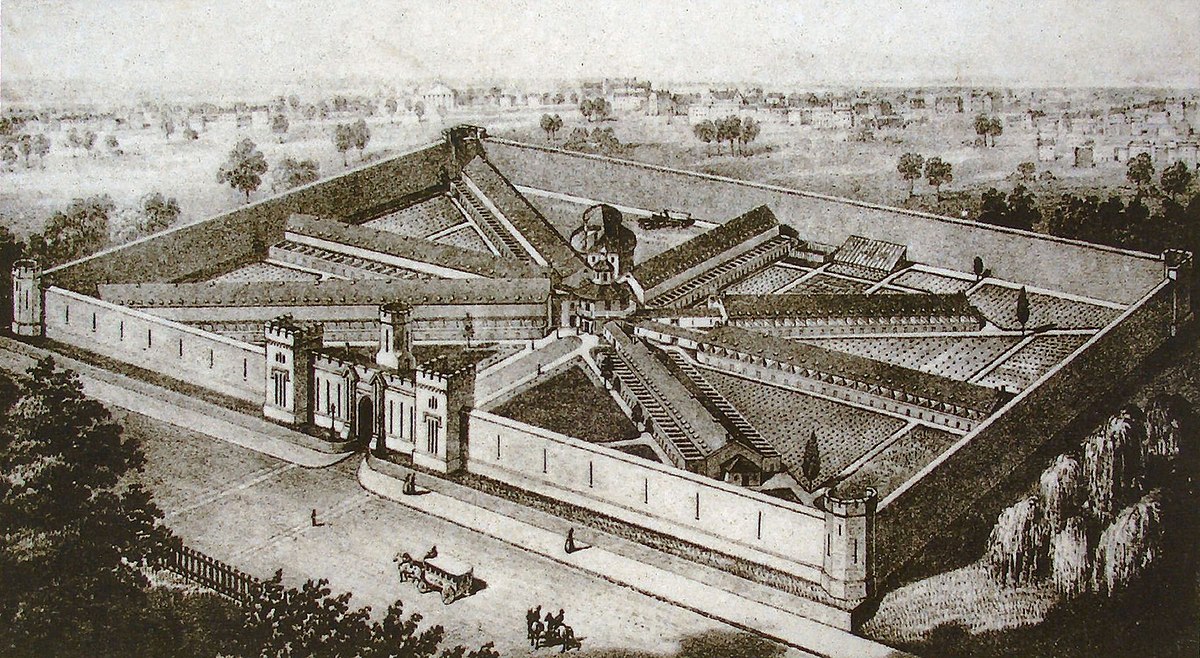
Eastern State Penitentiary
Victorian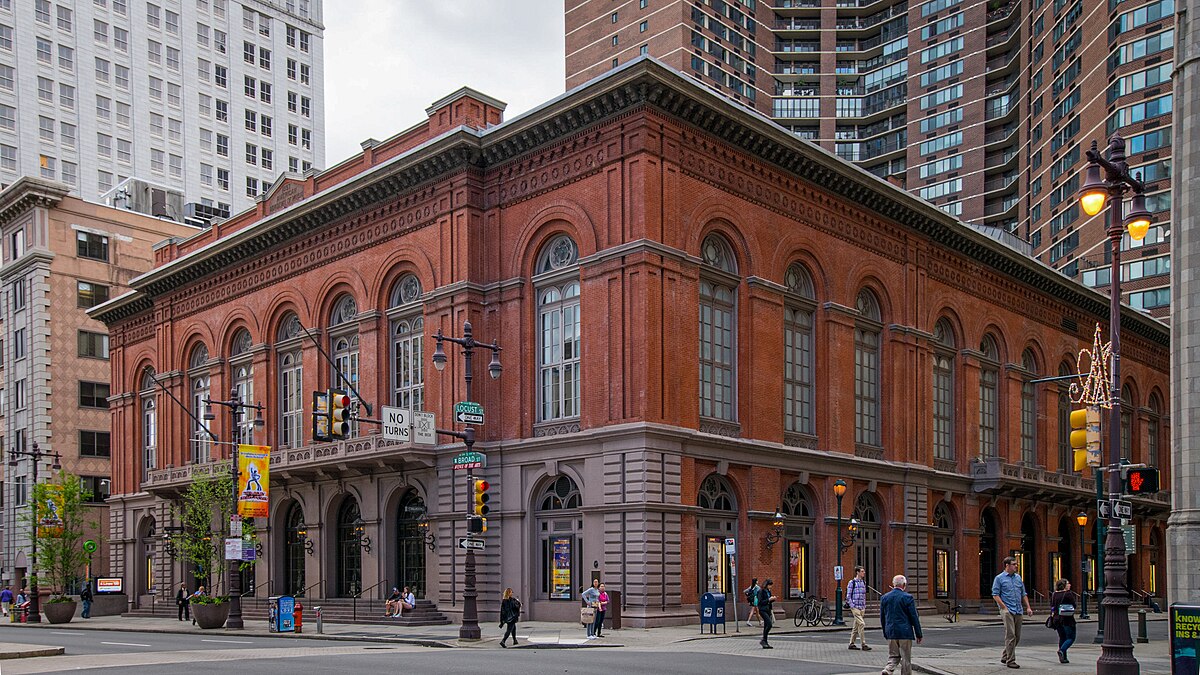
Academy of Music
Italianate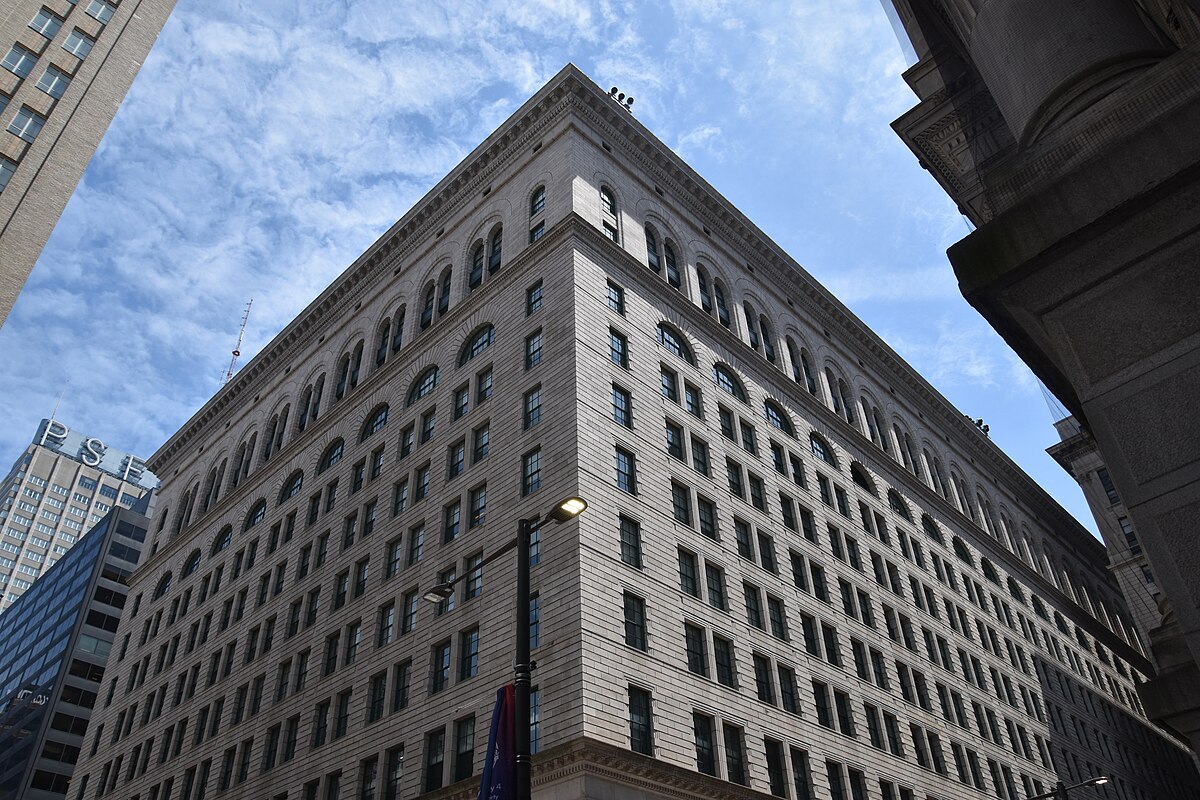
Wanamaker Building
Beaux-ArtsExplore This City
Philadelphia Architecture Guide
Explore 39 buildings across 21 styles →