Mid-Century Modern Architecture — A Guide
Overview
Mid-Century Modern architecture captured the optimism of the postwar era in glass, steel, and sunlight. These buildings — with their clean lines, organic curves, and seamless connection between indoor and outdoor spaces — represented a new way of living: casual, democratic, open to nature, and confidently modern. Today, Mid-Century Modern is among the most collected, photographed, and beloved architectural styles in the world.
The style emerged from the Case Study House program (1945–1966), which commissioned architects like Charles and Ray Eames, Pierre Koenig, and Richard Neutra to design affordable, innovative modern homes for postwar living. Simultaneously, Eero Saarinen created expressive public buildings like the TWA Flight Center and the Gateway Arch. In Scandinavia, Alvar Aalto and Arne Jacobsen developed a warmer, more organic variant. Palm Springs, California became the style's spiritual home, filled with iconic houses by Albert Frey, Donald Wexler, and William Krisel.
Key Characteristics
- Clean lines and gentle organic curves
- Walls of glass connecting interior and exterior spaces
- Post-and-beam construction with minimal interior walls
- Flat or low-pitched butterfly and shed roofs
- Integration with landscape through patios, atriums, and gardens
- Natural materials (wood, stone) combined with industrial ones (steel, glass)
Famous Examples Worldwide
Farnsworth House
Plano, Illinois, 1951
Case Study House #22
Los Angeles, 1960
TWA Flight Center
New York City, 1962
Kaufmann Desert House
Palm Springs, 1946
Buildings in Our Library (10)

Savannah Theatre
222 Bull Street, Savannah, GA 31401
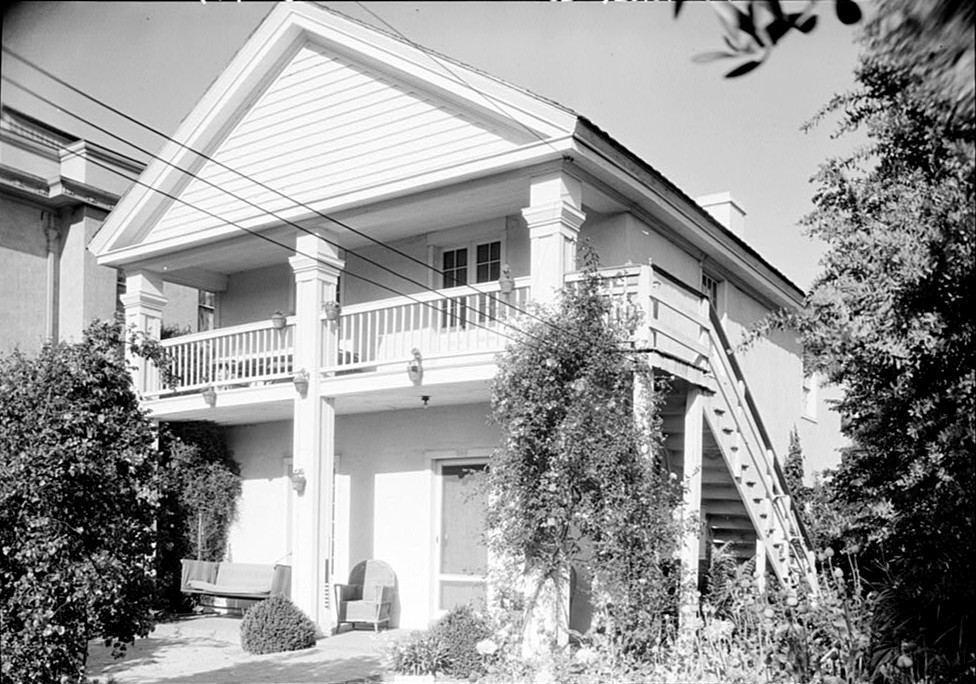
Merritt House
386 Pacific St, Monterey, CA
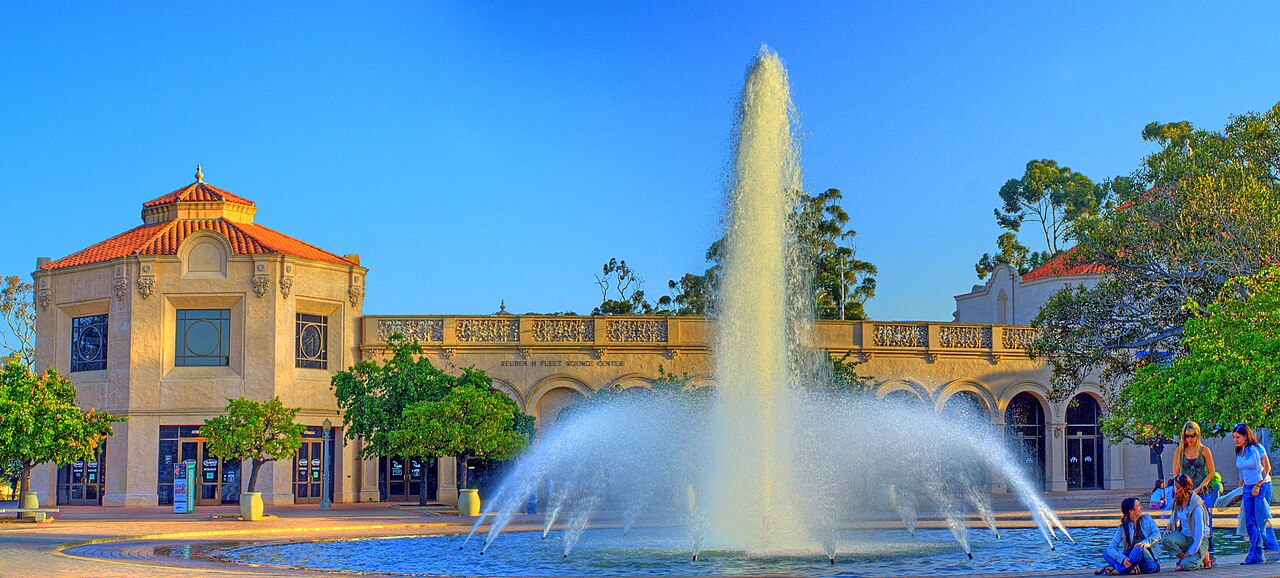
Fleet Science Center
1875 El Prado, Balboa Park, San Diego, CA 92101
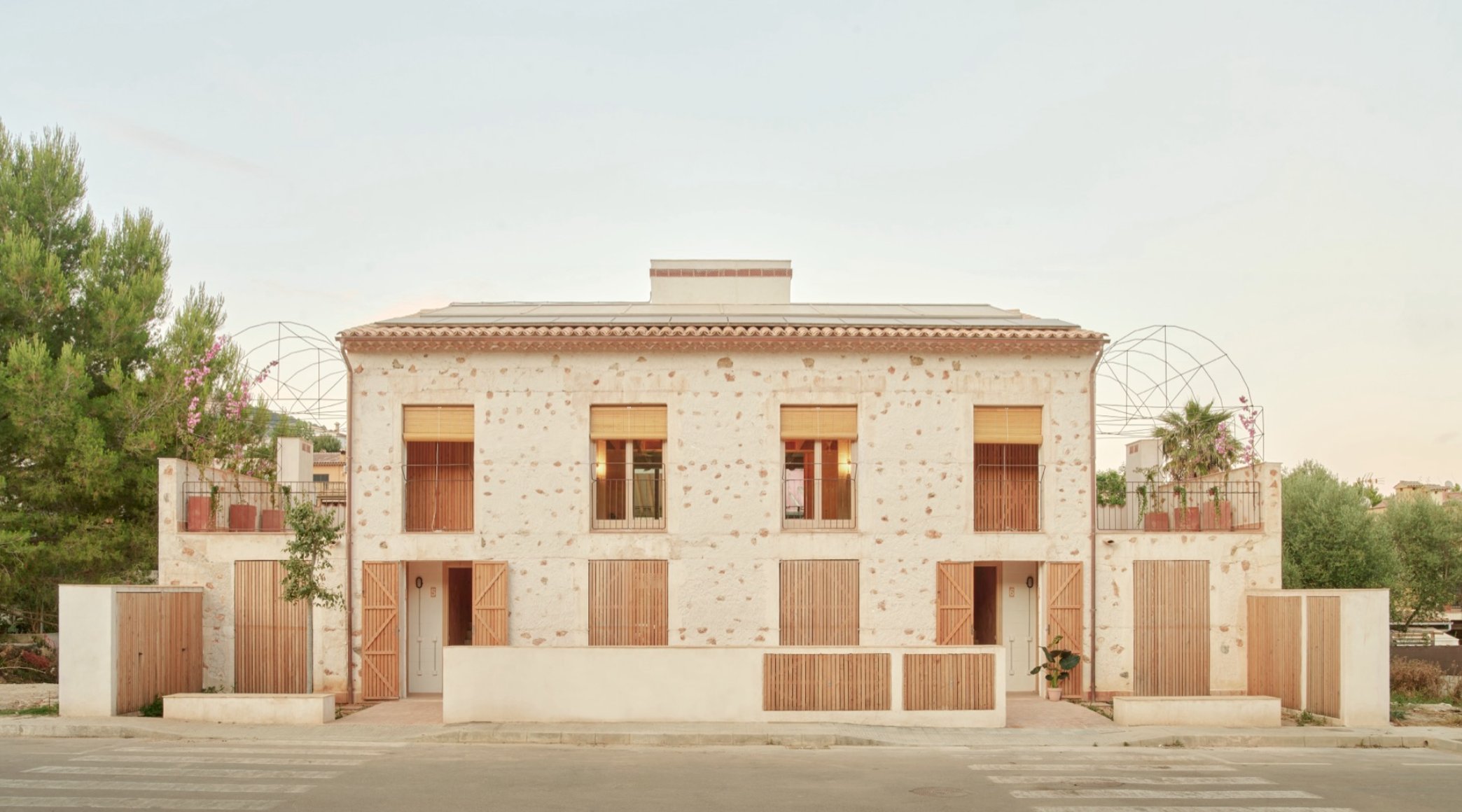


1973 S Saint Paul St
1973 S Saint Paul St, Denver, CO 80210

2405 S Dahlia Ln
2405 S Dahlia Ln, Denver, CO 80222
Where to Find Mid-Century Modern Architecture
Related Styles
Why Mid-Century Modern Matters Today
Mid-Century Modern architecture demonstrated that modernism could be warm, livable, and deeply connected to nature. Its emphasis on indoor-outdoor living, natural light, and open plans anticipated contemporary sustainable design, while its optimistic spirit remains irresistibly appealing.