Undetermined Building
-
Beaux-Arts 90%
-
Classical Revival 80%
-
Renaissance 75%
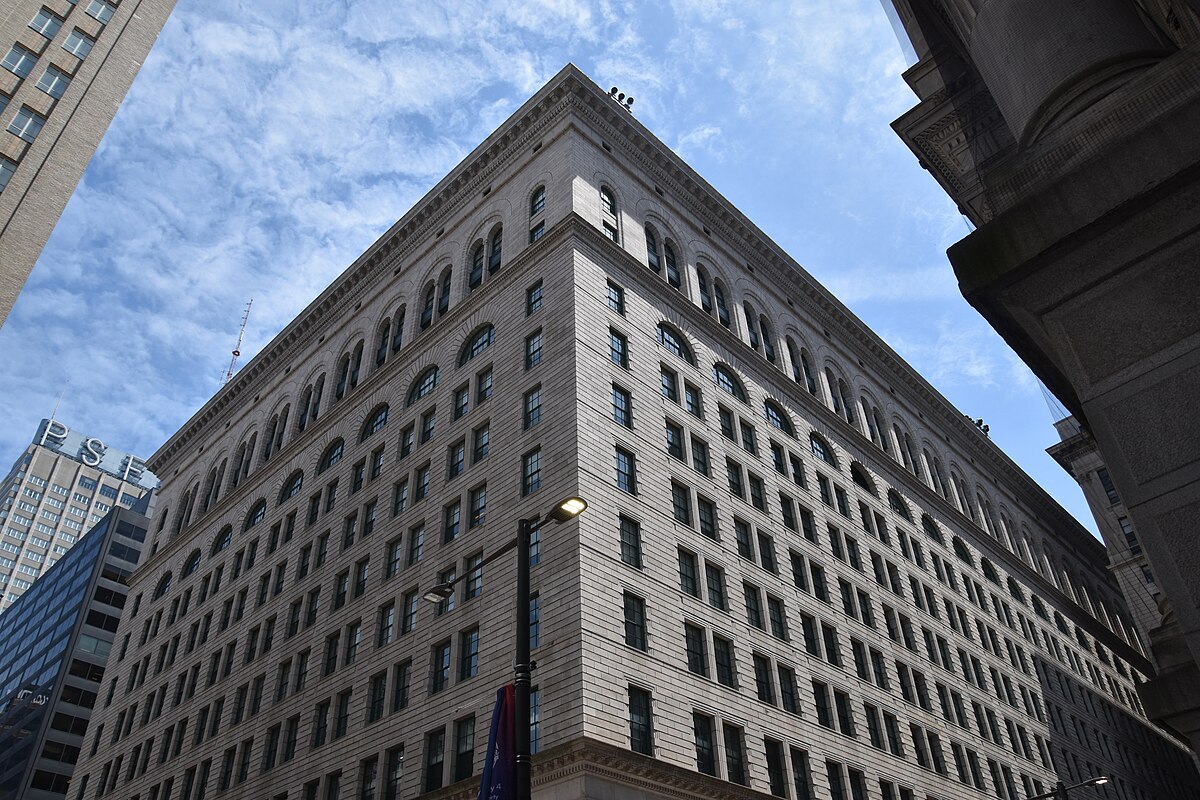
This building exemplifies the Beaux-Arts architectural style, characterized by its grandiosity and ornate details. Its use of symmetry and classical elements reflects the desire for order and grandeur in urban architecture during the early 1900s.
Architectural Styles
Beaux-Arts
90%The Beaux-Arts style is manifested in the building through its classical proportions, elaborate detailing, and the use of arched windows. The facade is symmetrical and features an intricate cornice, emphasizing horizontal lines.
- Symmetrical facade
- Arched windows
- Elaborate cornice
- Decorative moldings
- Use of classical columns
Classical Revival
80%Reflecting elements of Classical Revival, the building showcases traditional Greek and Roman influences, particularly in its column usage and ornamental details.
- Columned entrance
- Pilasters
- Friezes with motifs
- Use of decorative stonework
- Emphasis on verticality
Renaissance
75%The Renaissance influence is evident in the building’s attention to symmetry and proportion, especially in the arrangement of windows and decorations, reminiscent of Renaissance palaces.
- Symmetrically arranged windows
- Decorative stone carvings
- Balustraded parapets
- Use of arches
- Widespread use of brick and stone
Notable Features
- Intricate cornice detailing
- Large arched windows
- Symmetrical exterior layout
- Ornamental stone carvings
- Raised ground floor
Historical Context
The building was constructed during a period of rapid urban growth and economic expansion in the early 20th century, symbolizing the architectural aspirations of the time. It represents the growing trend of using classical styles in commercial buildings, aiming to convey stability and prestige.
Fun Facts
- Many Beaux-Arts buildings were designed to reflect opulence and grandeur as cities expanded.
- This architectural style often utilized the latest technologies of the time, including reinforced concrete.
- Beaux-Arts became a prominent style for civic buildings, museums, and grand hotels.
Similar Style Buildings

N/A
Norman
N/A
Beaux-Arts
N/A
Colonial Revival
N/A
Neoclassical
N/A
Renaissance
N/A
Neoclassical
N/A
Neoclassical
N/A
NeoclassicalNearby Buildings
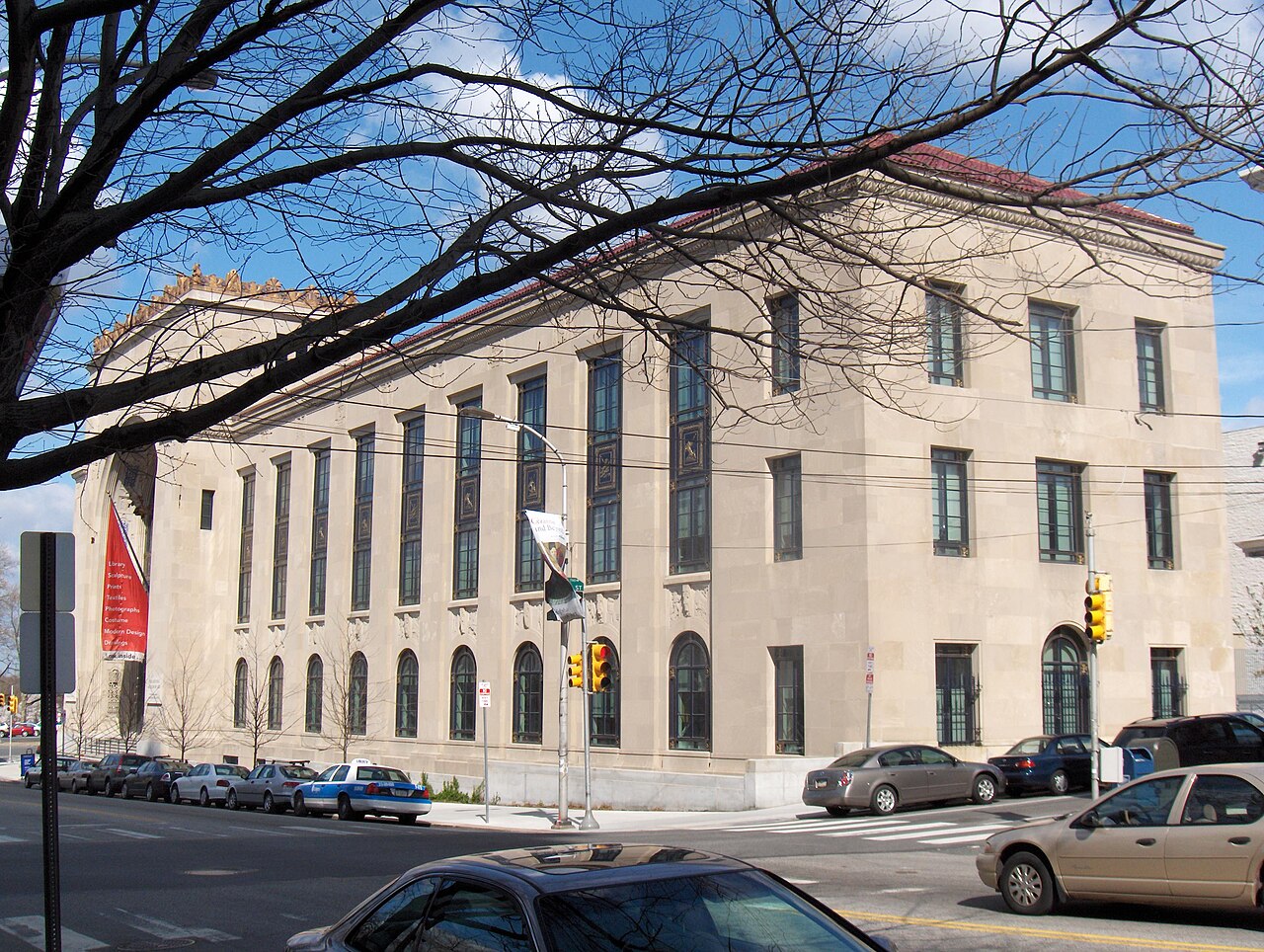
Philadelphia Museum of Art
Art Deco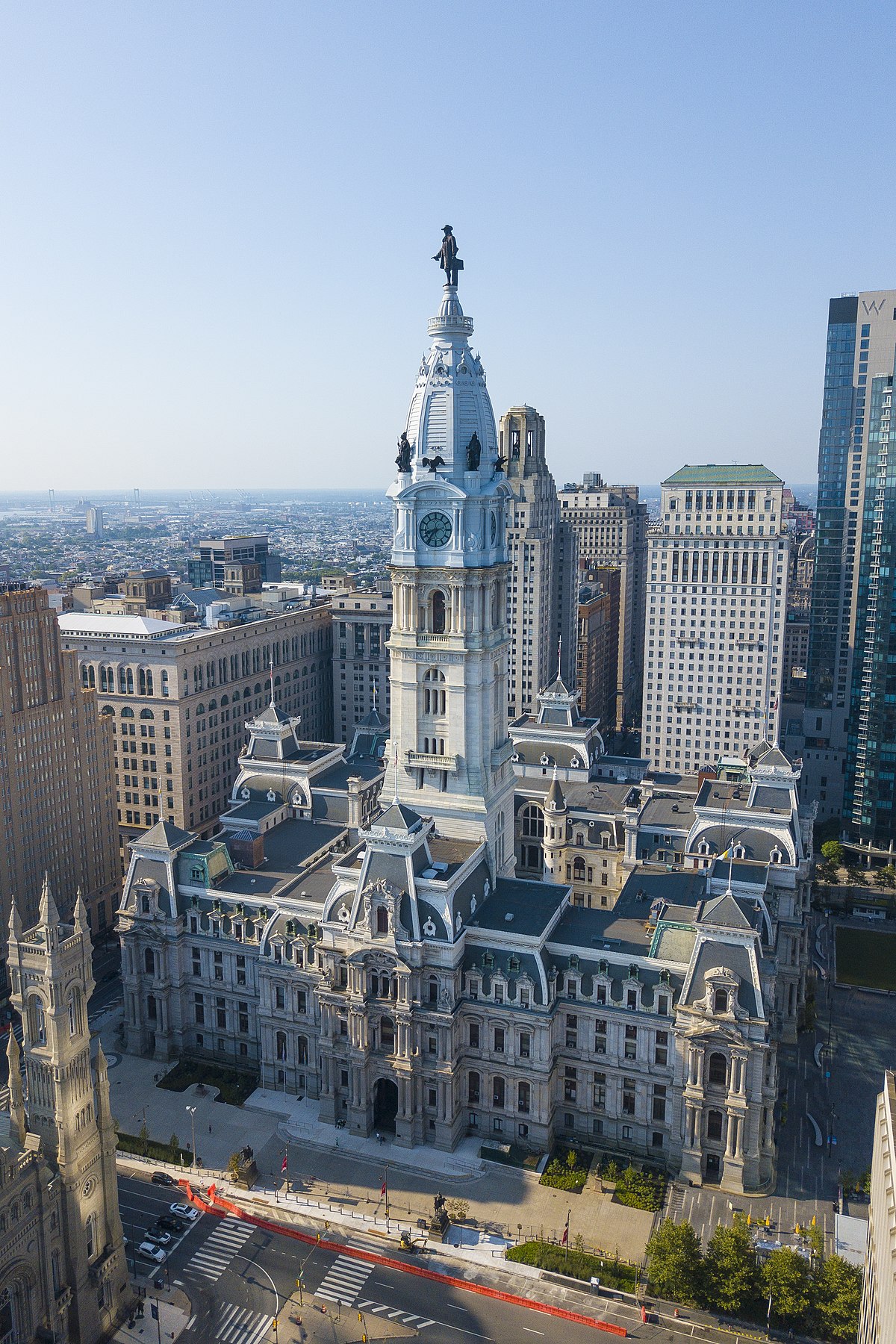
Philadelphia City Hall
Victorian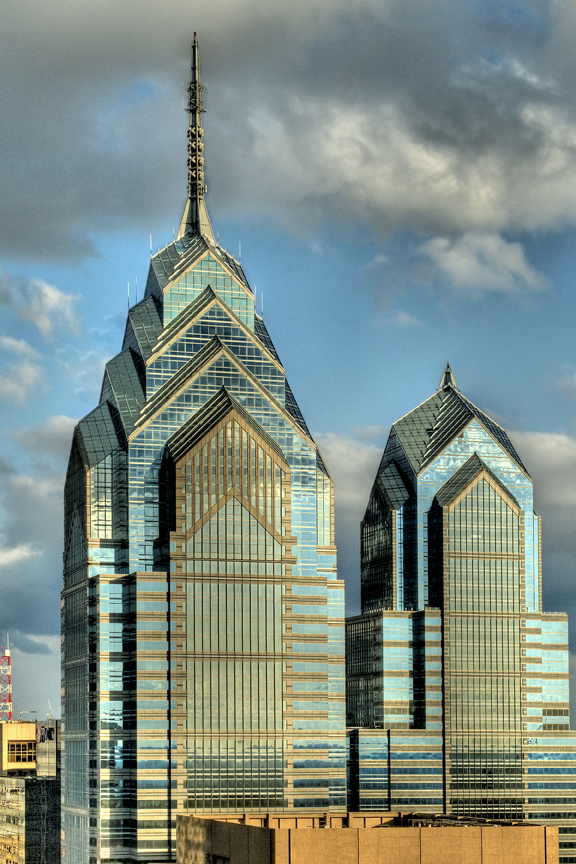
One Liberty Place
Modernism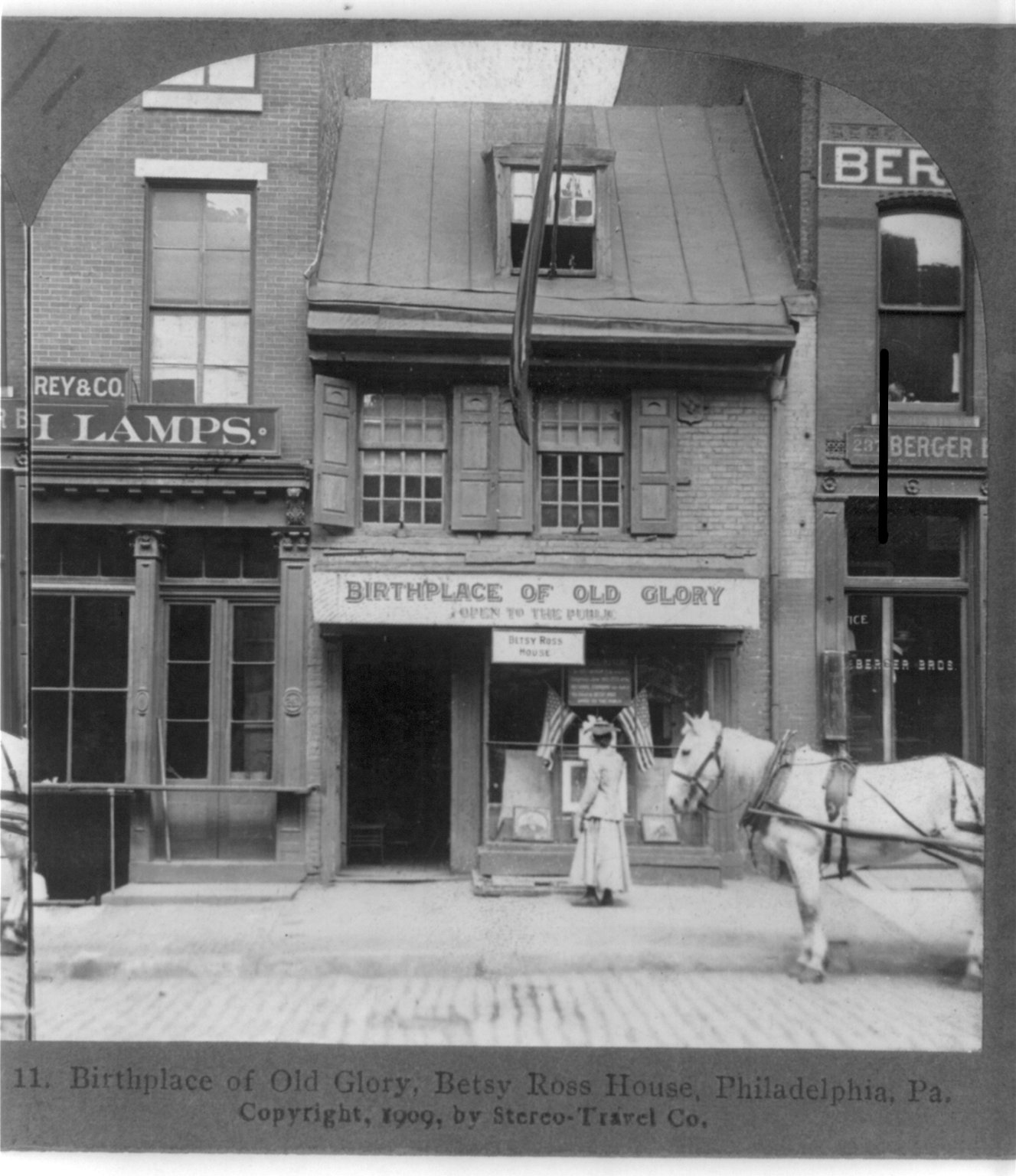
Betsy Ross House
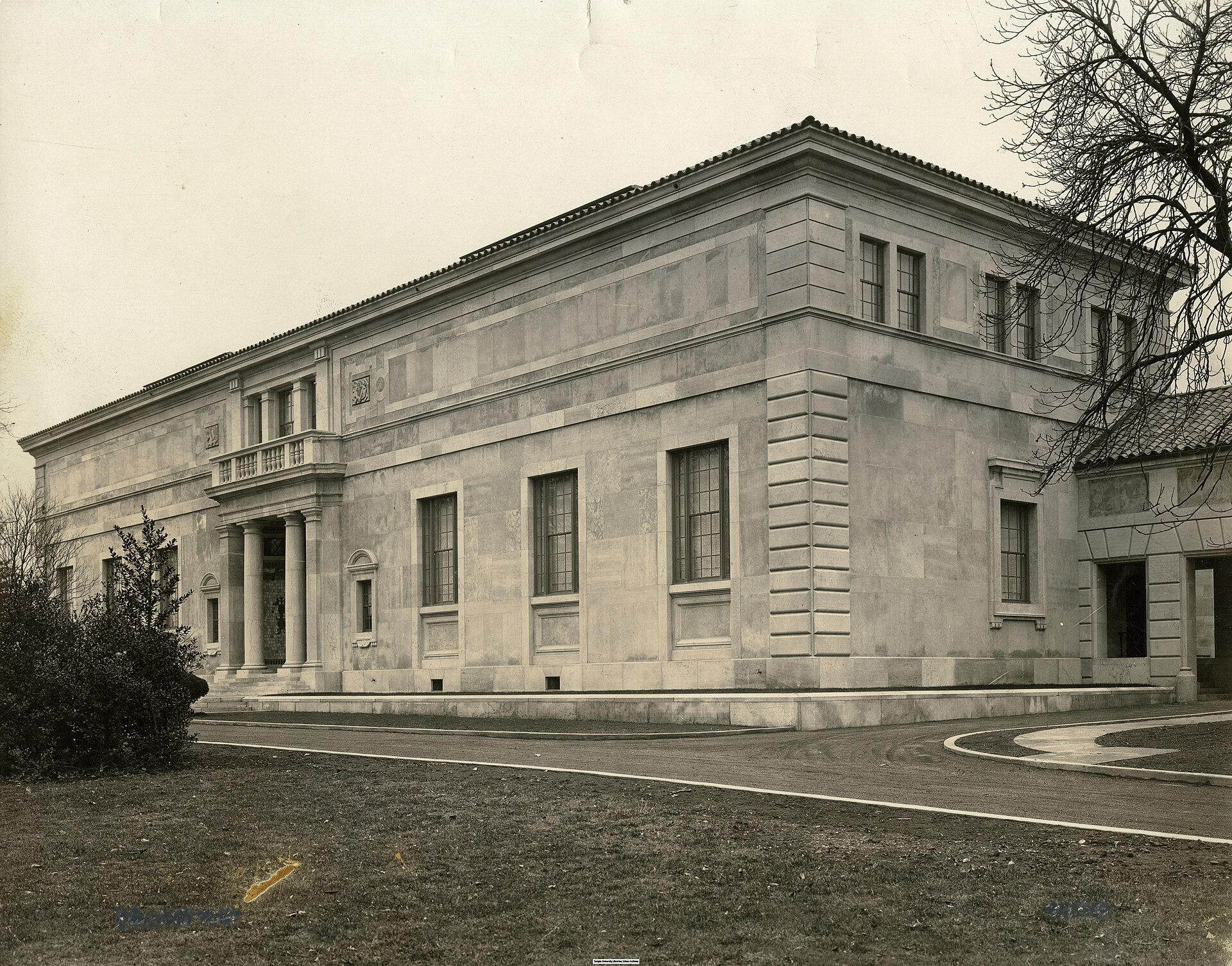
Barnes Foundation
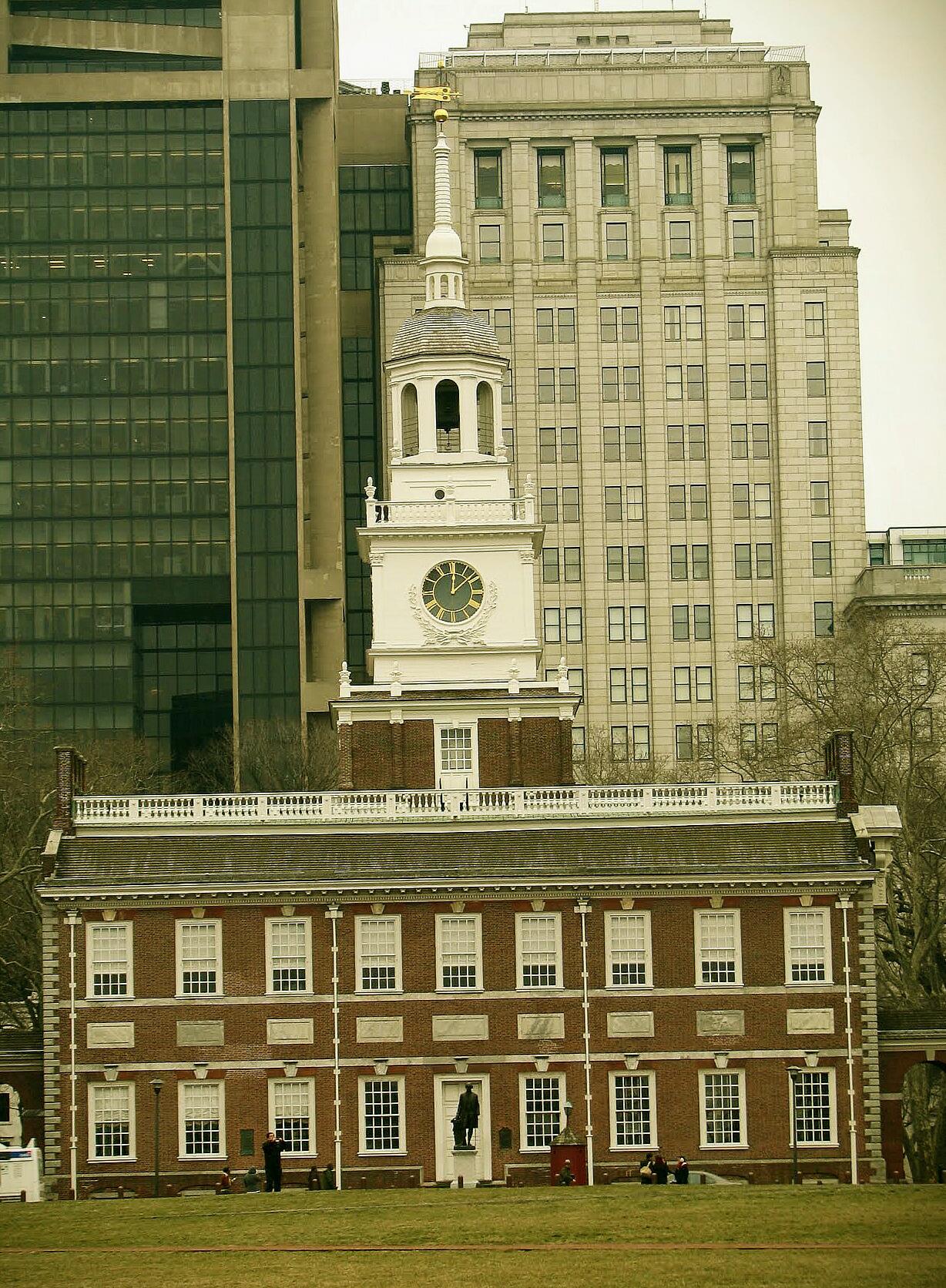
Independence Hall
Colonial Revival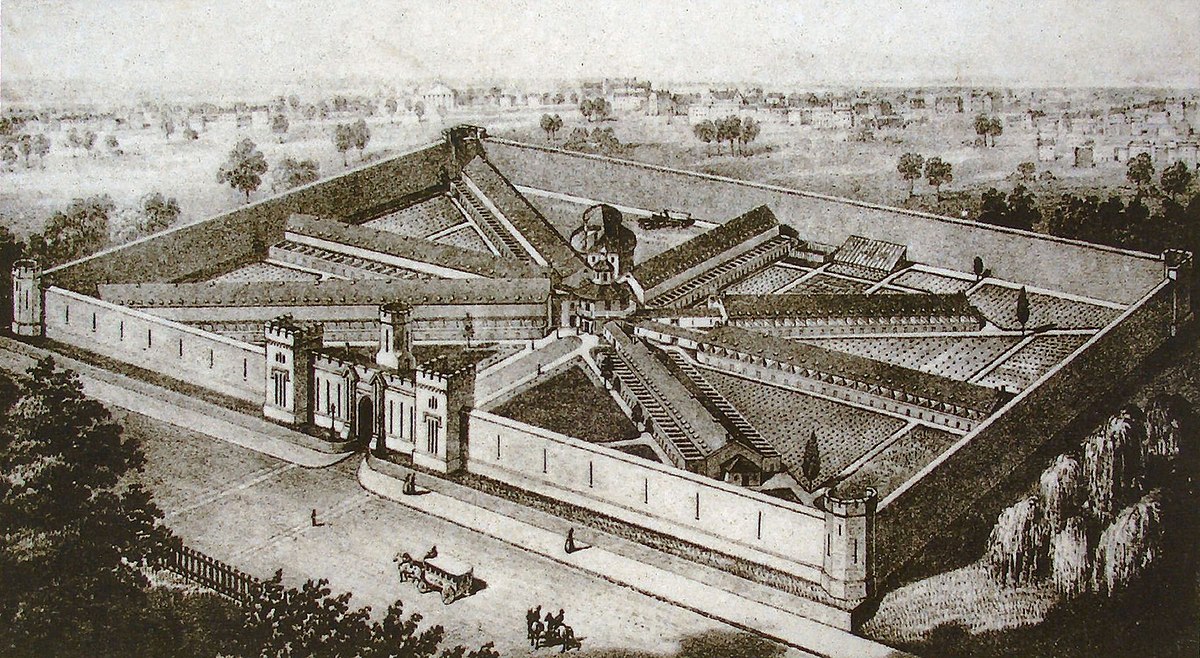
Eastern State Penitentiary
Victorian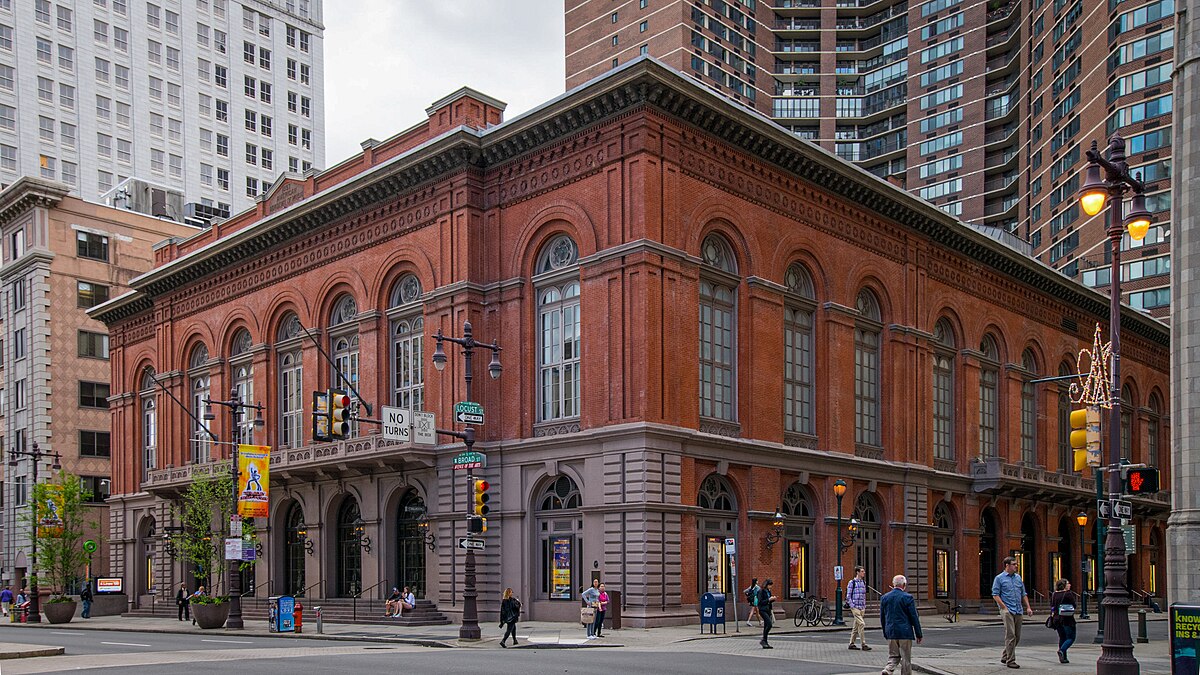
Academy of Music
ItalianateExplore This City
Philadelphia Architecture Guide
Explore 39 buildings across 21 styles →