Gothic Architecture — A Guide
Overview
Gothic architecture represents one of humanity's most audacious structural achievements. For four centuries, master builders across Europe competed to create churches of ever-greater height, flooding their interiors with colored light through vast stained-glass windows. The result was a body of work — the great cathedrals — that remains among the most sublime achievements of human civilization.
The Gothic style was born at the Abbey Church of Saint-Denis near Paris around 1140, when Abbot Suger employed pointed arches, ribbed vaults, and large windows to create an architecture of luminous transcendence. The innovations spread rapidly: Notre-Dame de Paris, Chartres, Reims, Amiens, Cologne, and Salisbury cathedrals followed in a building campaign that lasted centuries. Each generation pushed the structural system further, achieving ever-greater height and transparency.
Key Characteristics
- Pointed arches distributing weight more efficiently than round arches
- Ribbed vaults creating skeletal ceiling structures
- Flying buttresses transferring roof thrust to external supports
- Vast stained-glass windows filling interiors with colored light
- Soaring vertical proportions emphasizing height and aspiration
- Elaborate stone tracery, pinnacles, and sculptural programs
Famous Examples Worldwide
Notre-Dame de Paris
Paris, 1345
Chartres Cathedral
Chartres, 1220
Cologne Cathedral
Cologne, 1880
Salisbury Cathedral
Salisbury, 1258
Buildings in Our Library (128)
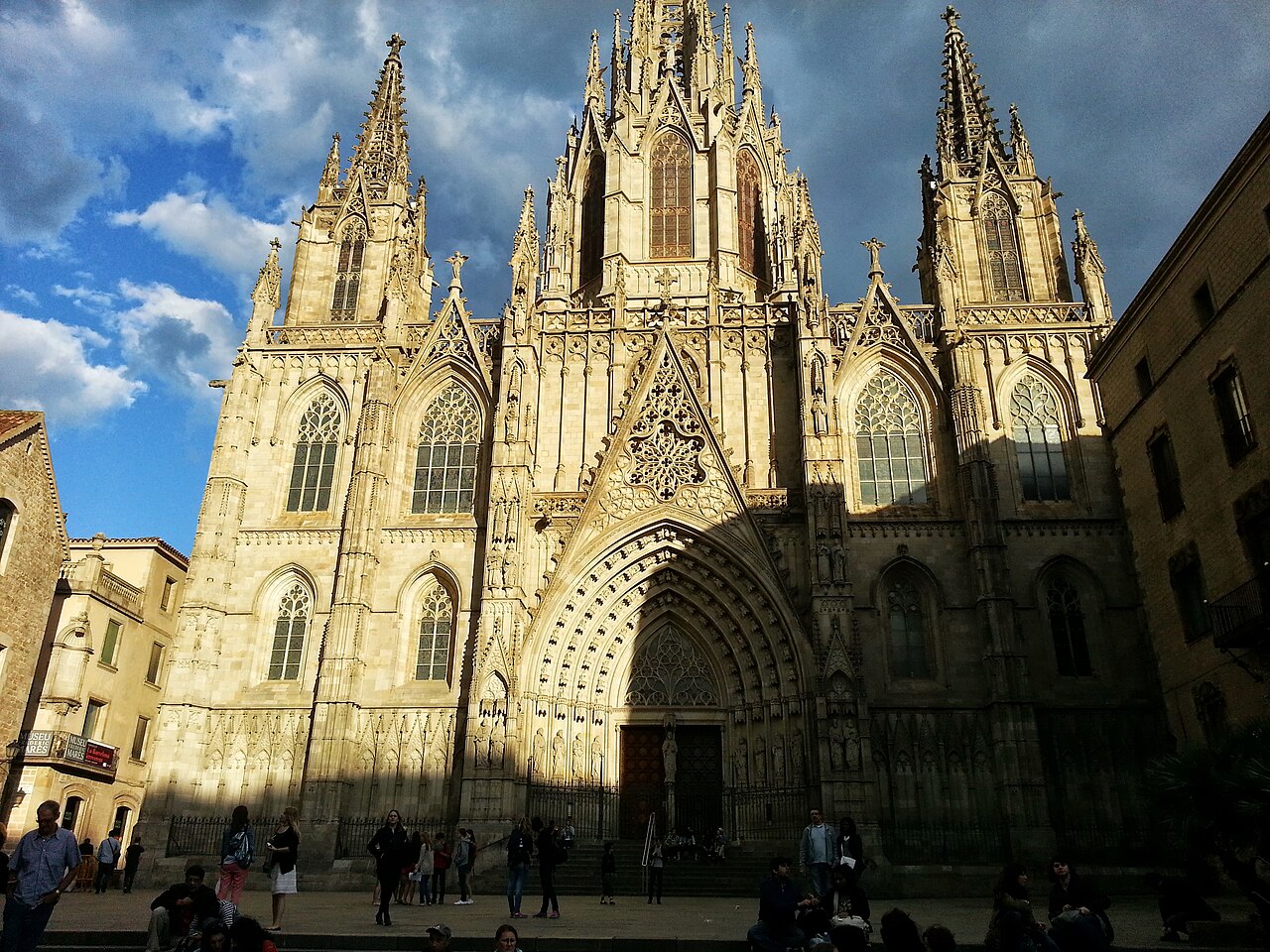
Barcelona Cathedral
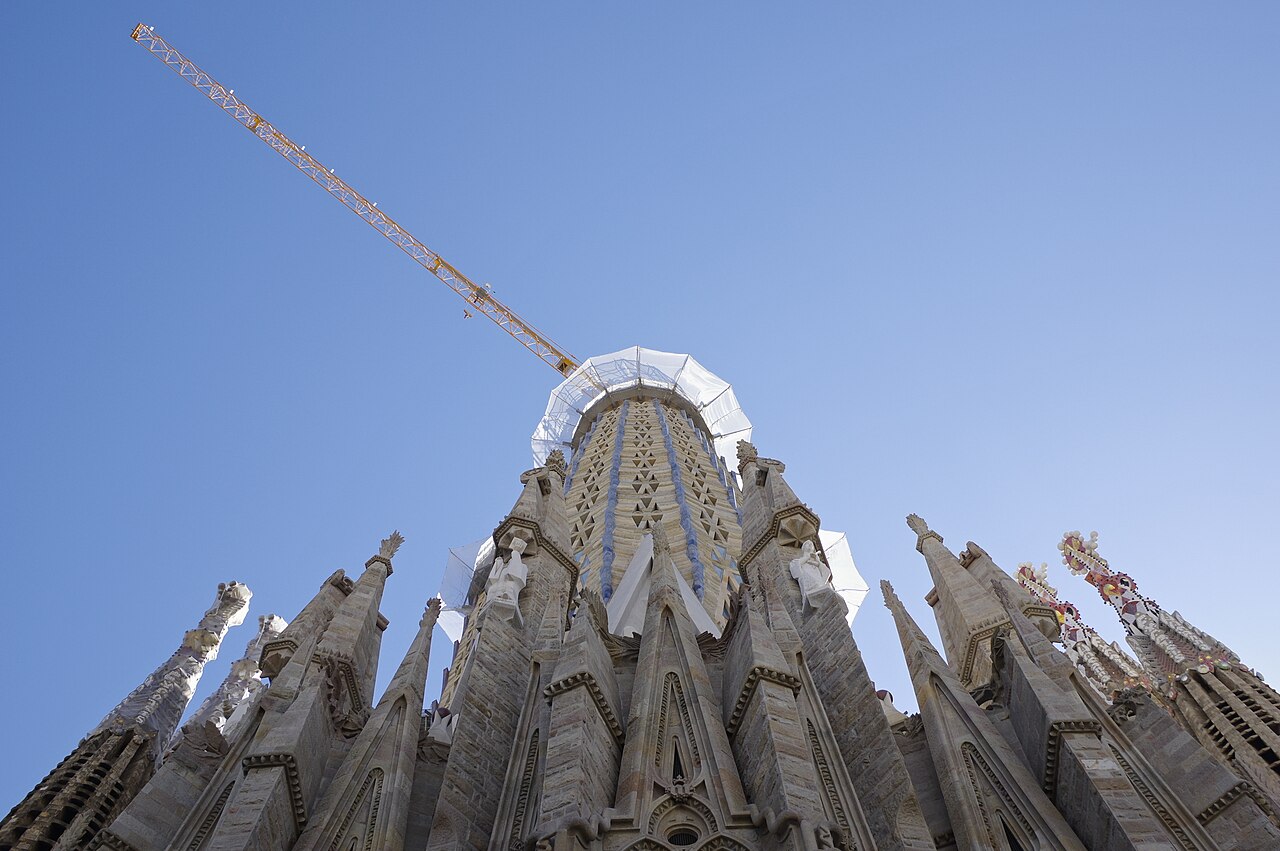
Sagrada Família
Carrer de Mallorca 401, 08013 Barcelona, Spain
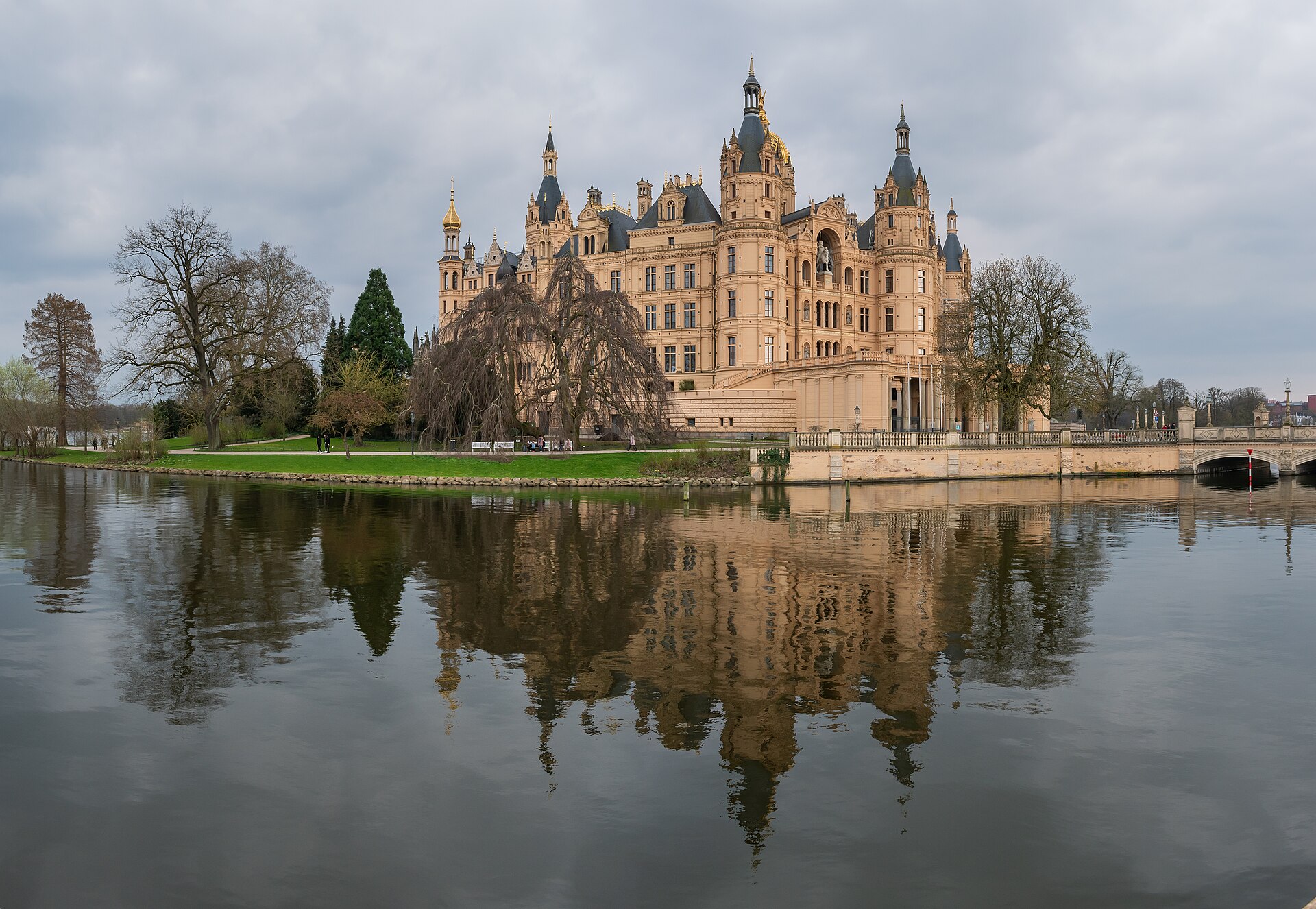
Lennéstraße 1
Lennéstraße 1, 19053 Schwerin, Germany
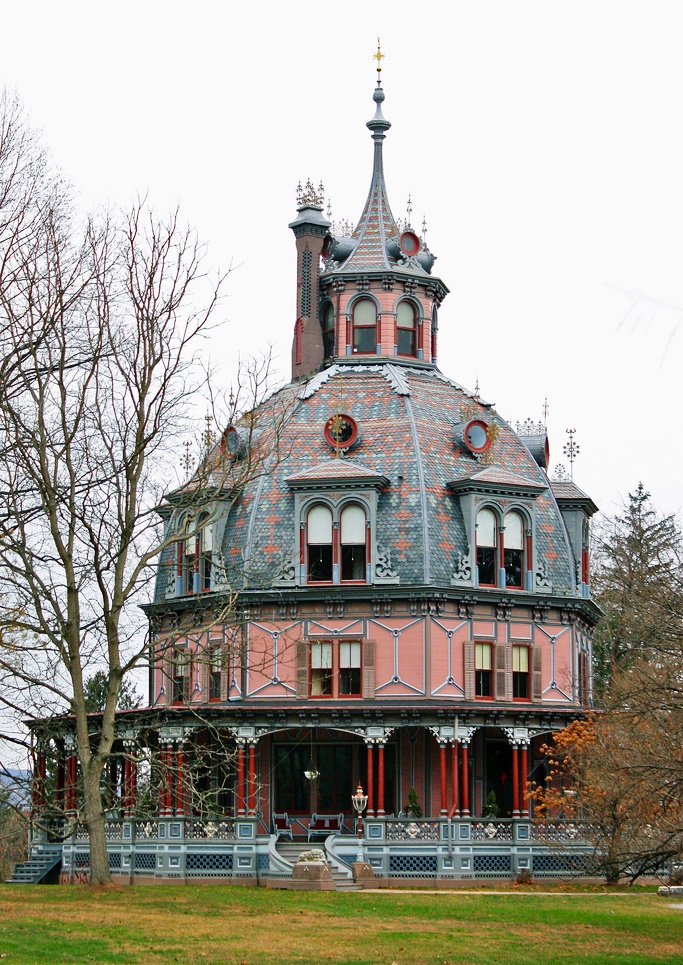
45 West Clinton Avenue
45 West Clinton Avenue, Irvington, NY 10533
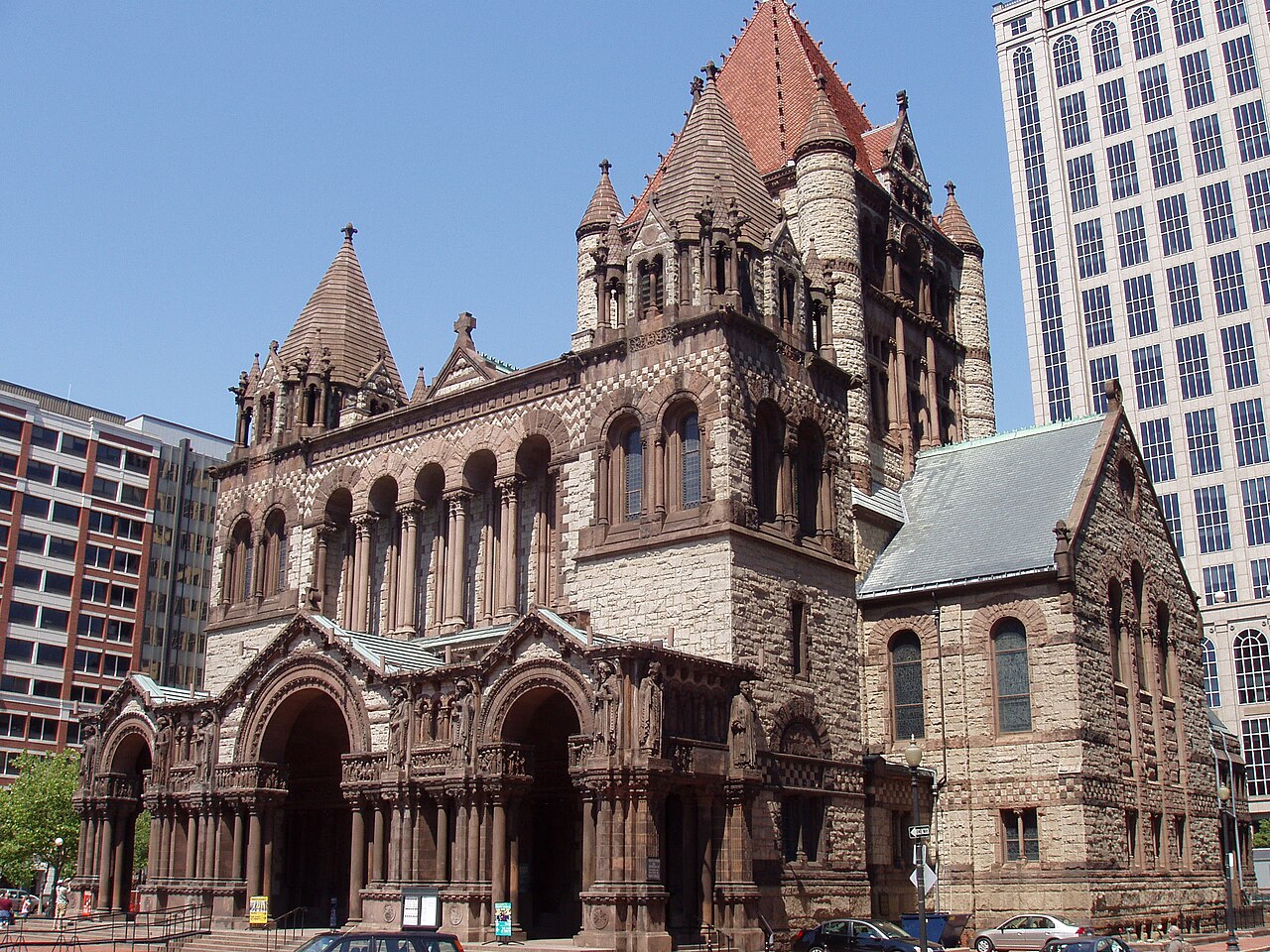
Trinity Church
206 Clarendon St, Boston, MA 02116
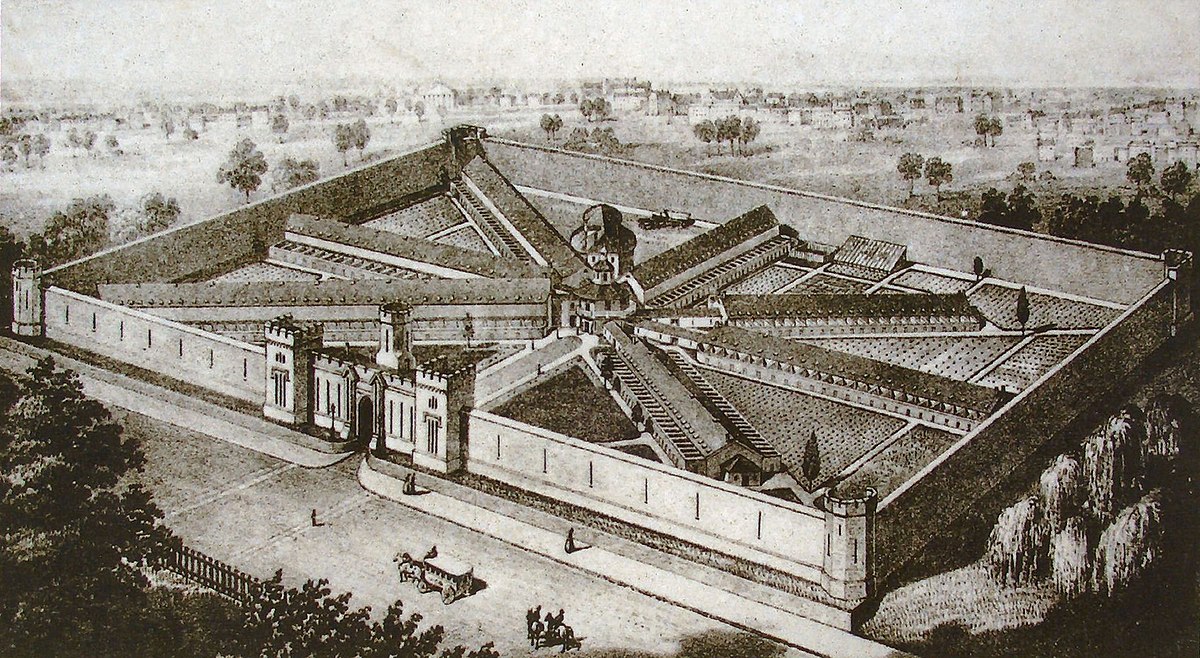
Eastern State Penitentiary
2027 Fairmount Ave, Philadelphia, PA 19130
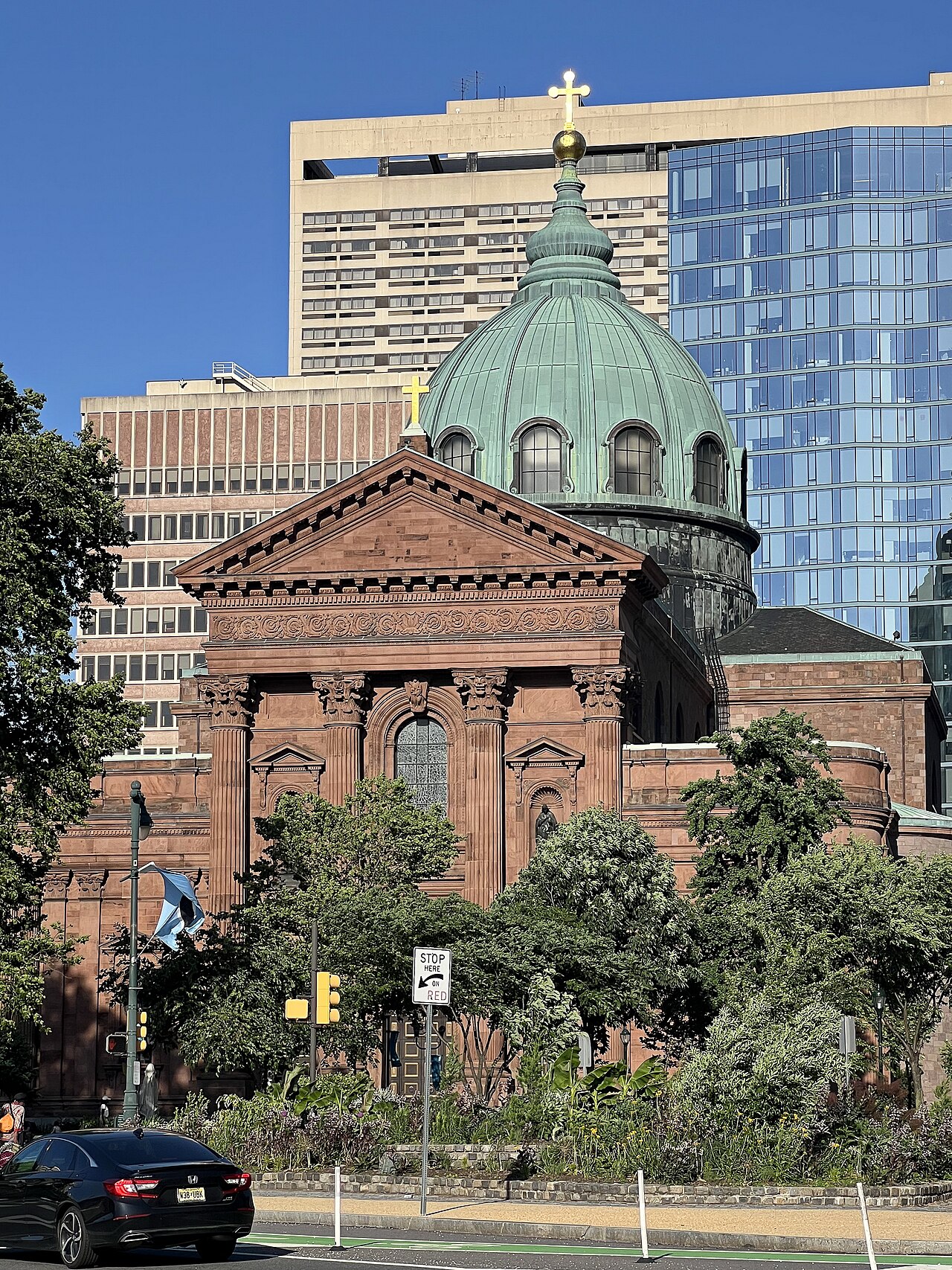
Cathedral Basilica of Saints Peter and Paul
1723 Race St, Philadelphia, PA 19103
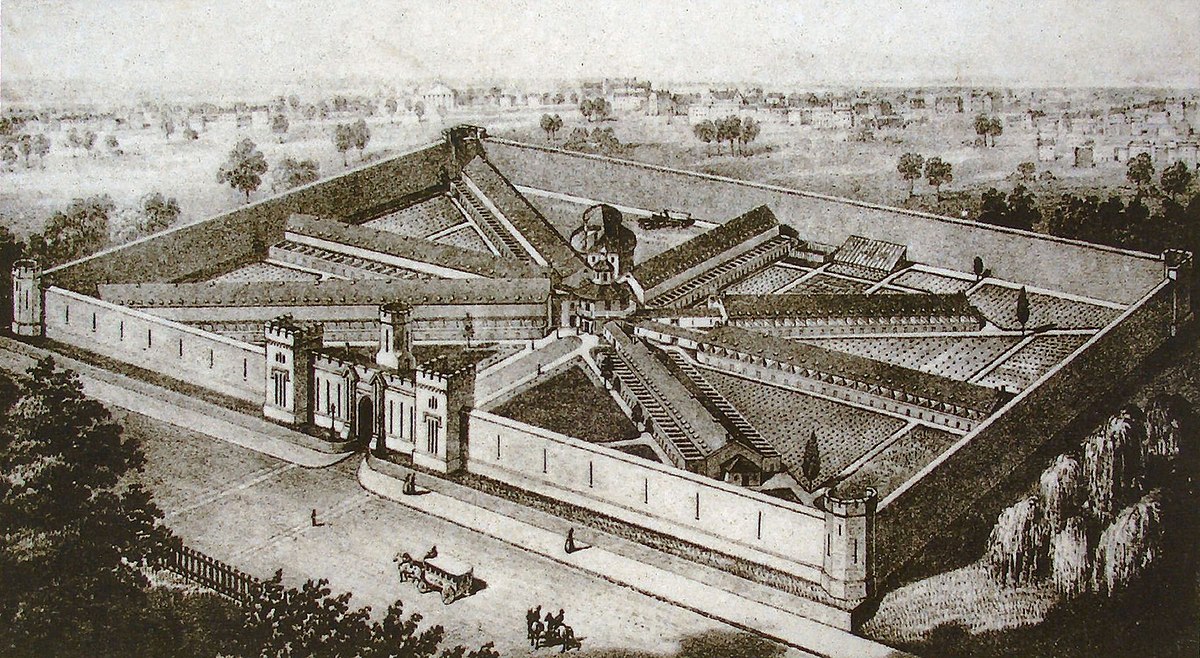
Eastern State Penitentiary
2027 Fairmount Ave, Philadelphia, PA 19130
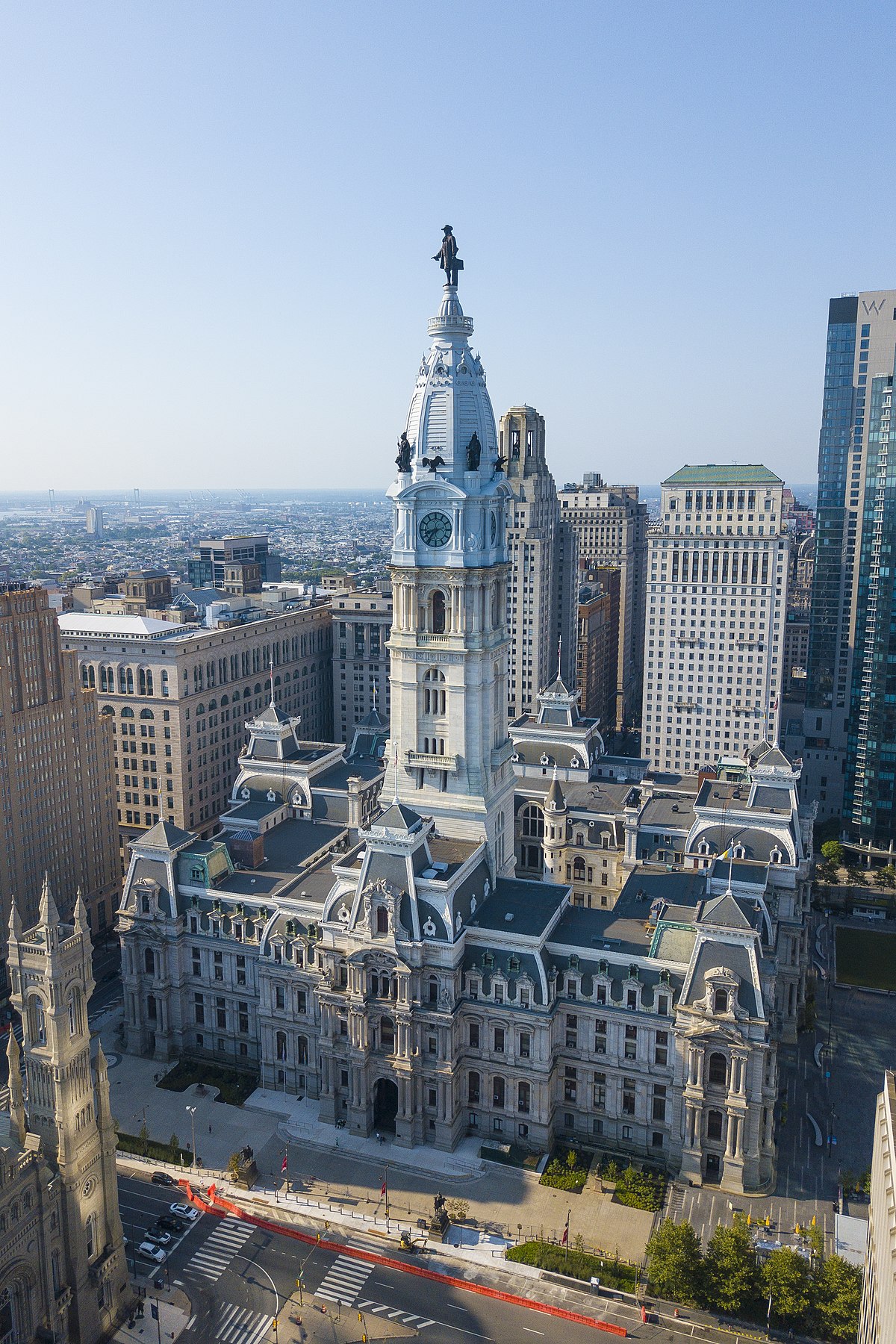
Philadelphia City Hall
1 Penn Square, Philadelphia, PA 19107
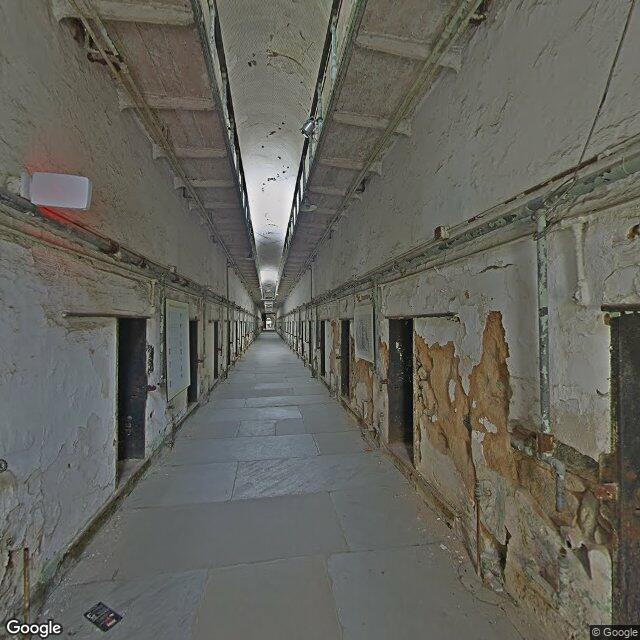
Eastern State Penitentiary
2027 Fairmount Ave, Philadelphia, PA 19130
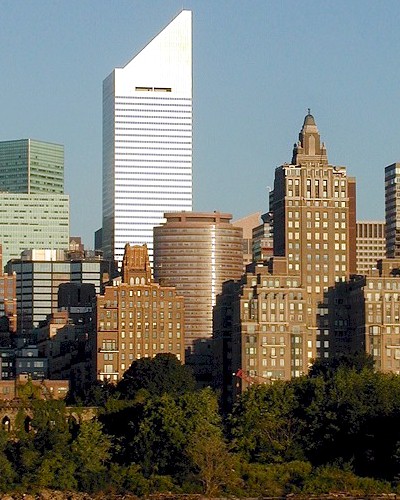
Citigroup Center
601 Lexington Ave, New York, NY 10022
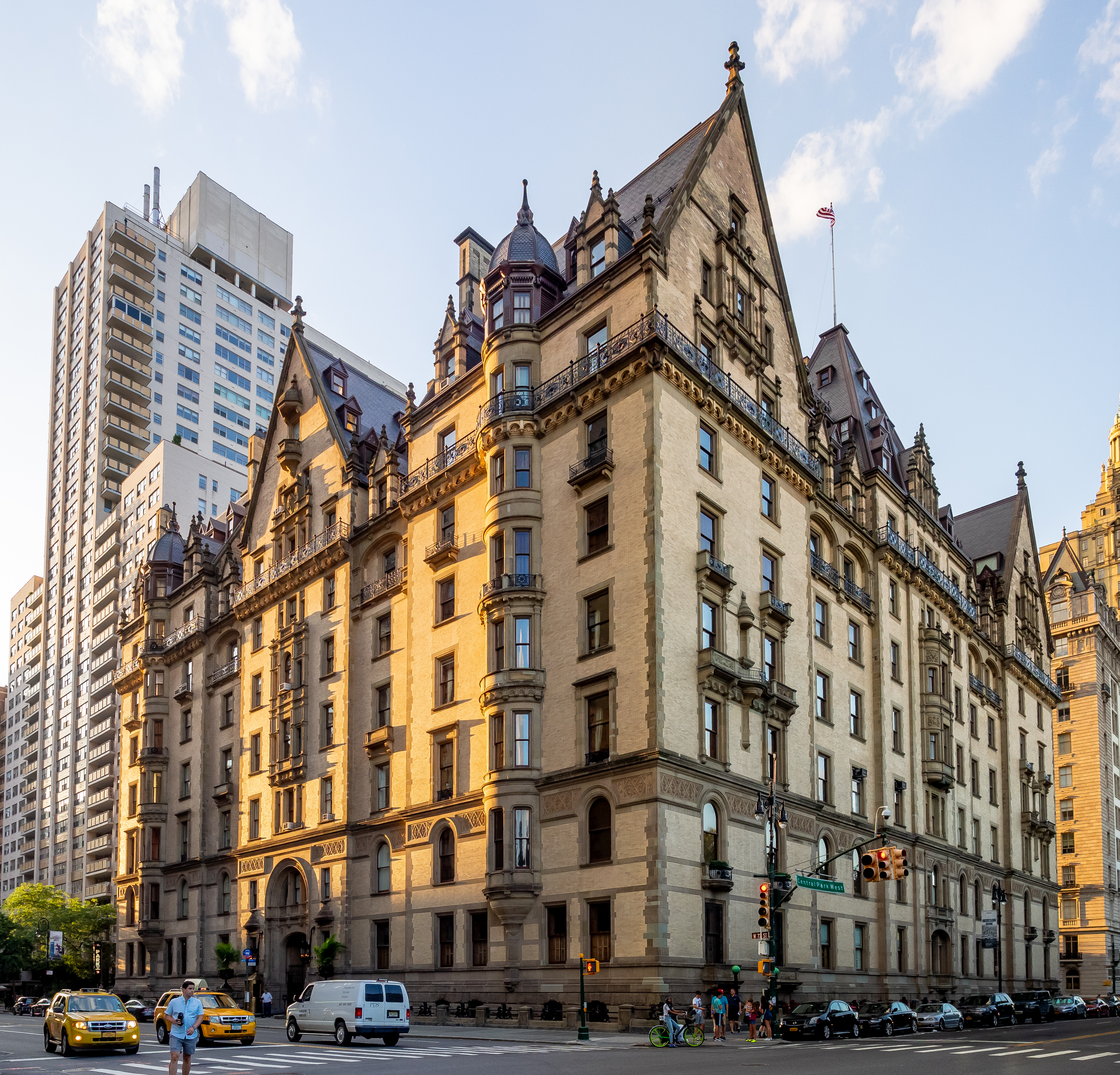
The Dakota
1 W 72nd St, New York, NY 10023
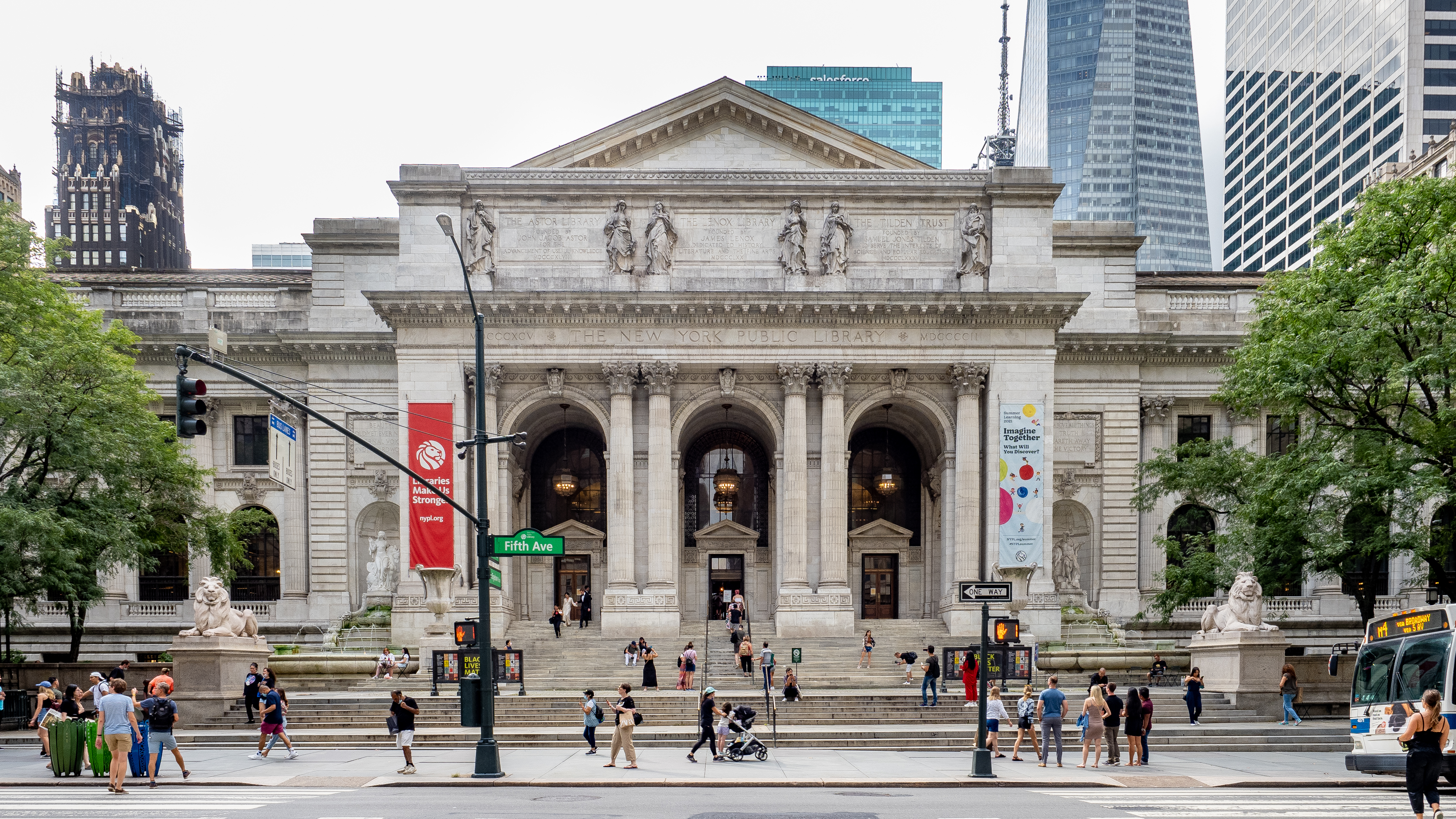
New York Public Library
476 5th Ave, New York, NY 10018

Brooklyn Bridge
Brooklyn Bridge, New York, NY 10038
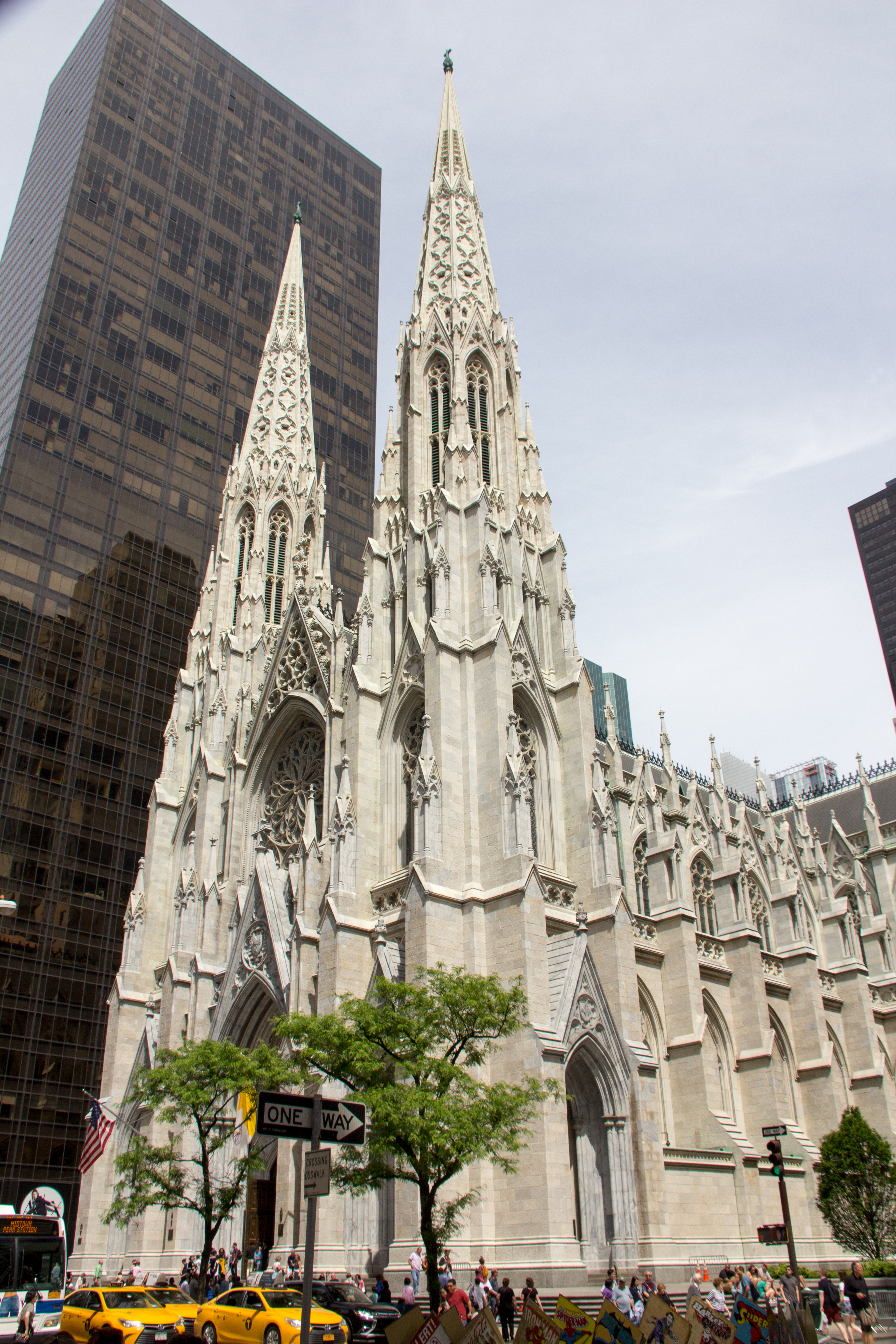
St. Patricks Cathedral
5th Ave & 50th St, New York, NY 10022

233 Broadway
233 Broadway, New York, NY 10007
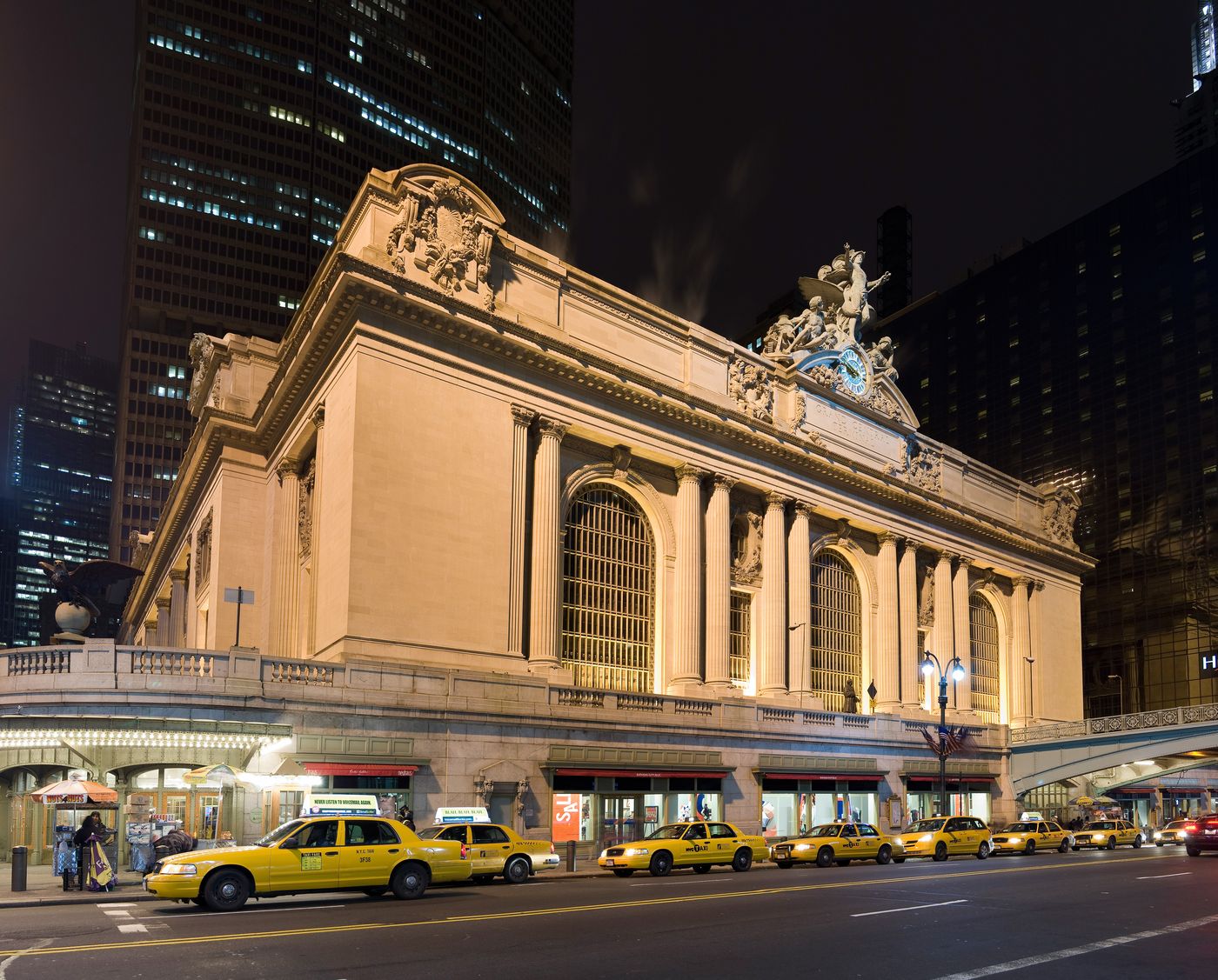
89 E 42nd St
89 E 42nd St, New York, NY 10017
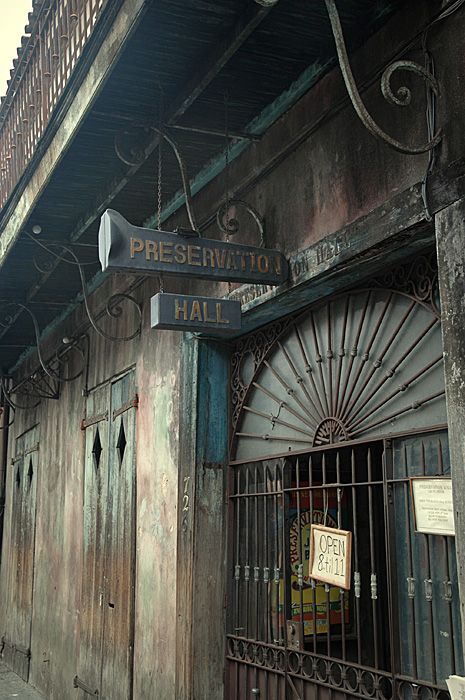
726 St Peter St
726 St Peter St, New Orleans, LA
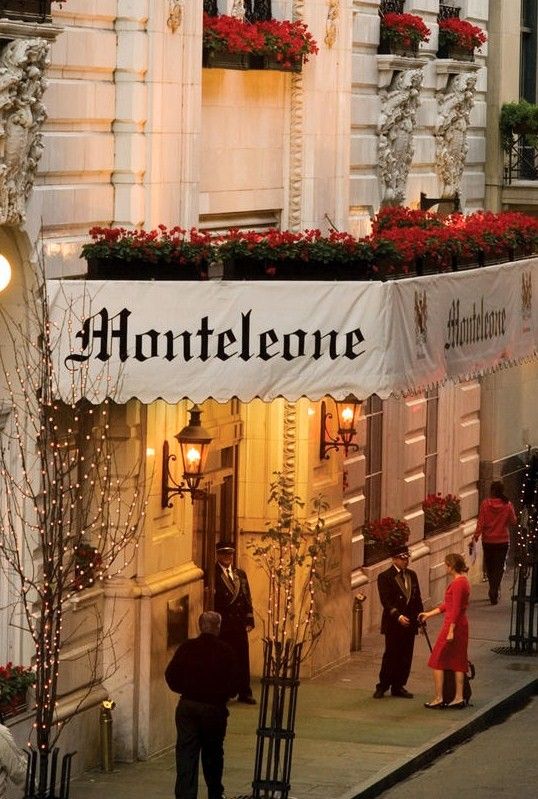
214 Royal St
214 Royal St, New Orleans, LA
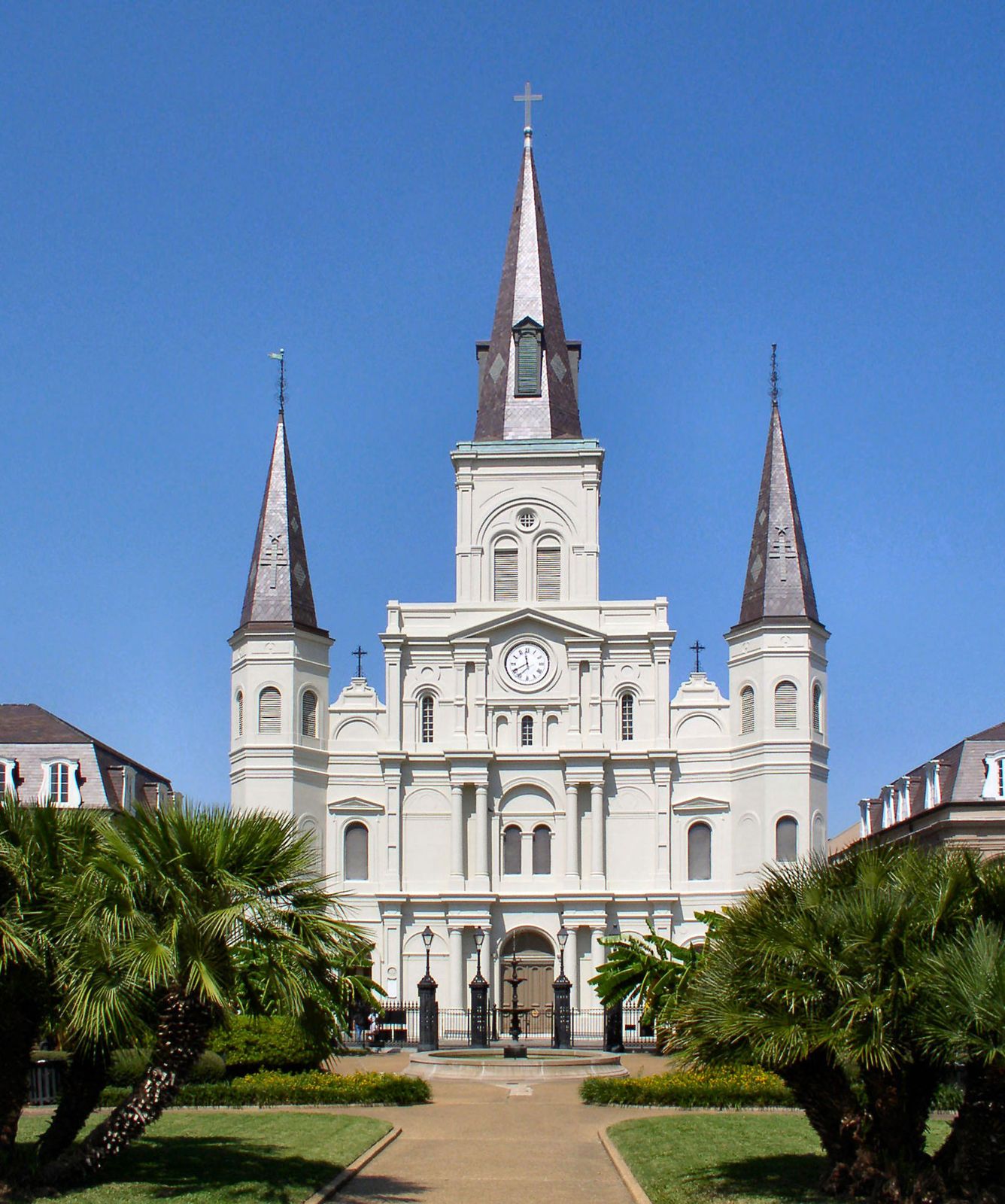
615 Pere Antoine Alley
615 Pere Antoine Alley, New Orleans, LA
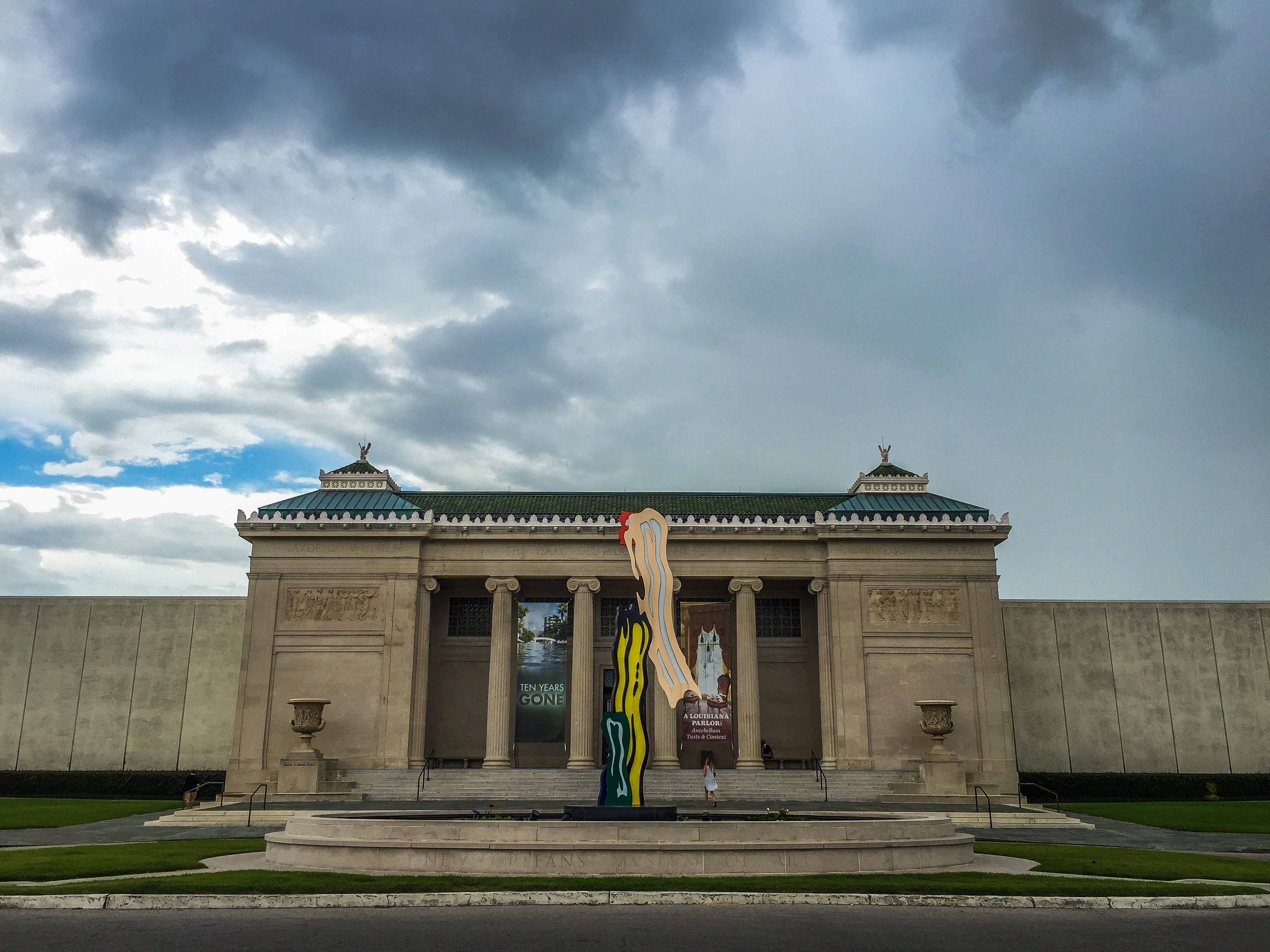
1 Collins C Diboll Circle
1 Collins C Diboll Circle, New Orleans, LA
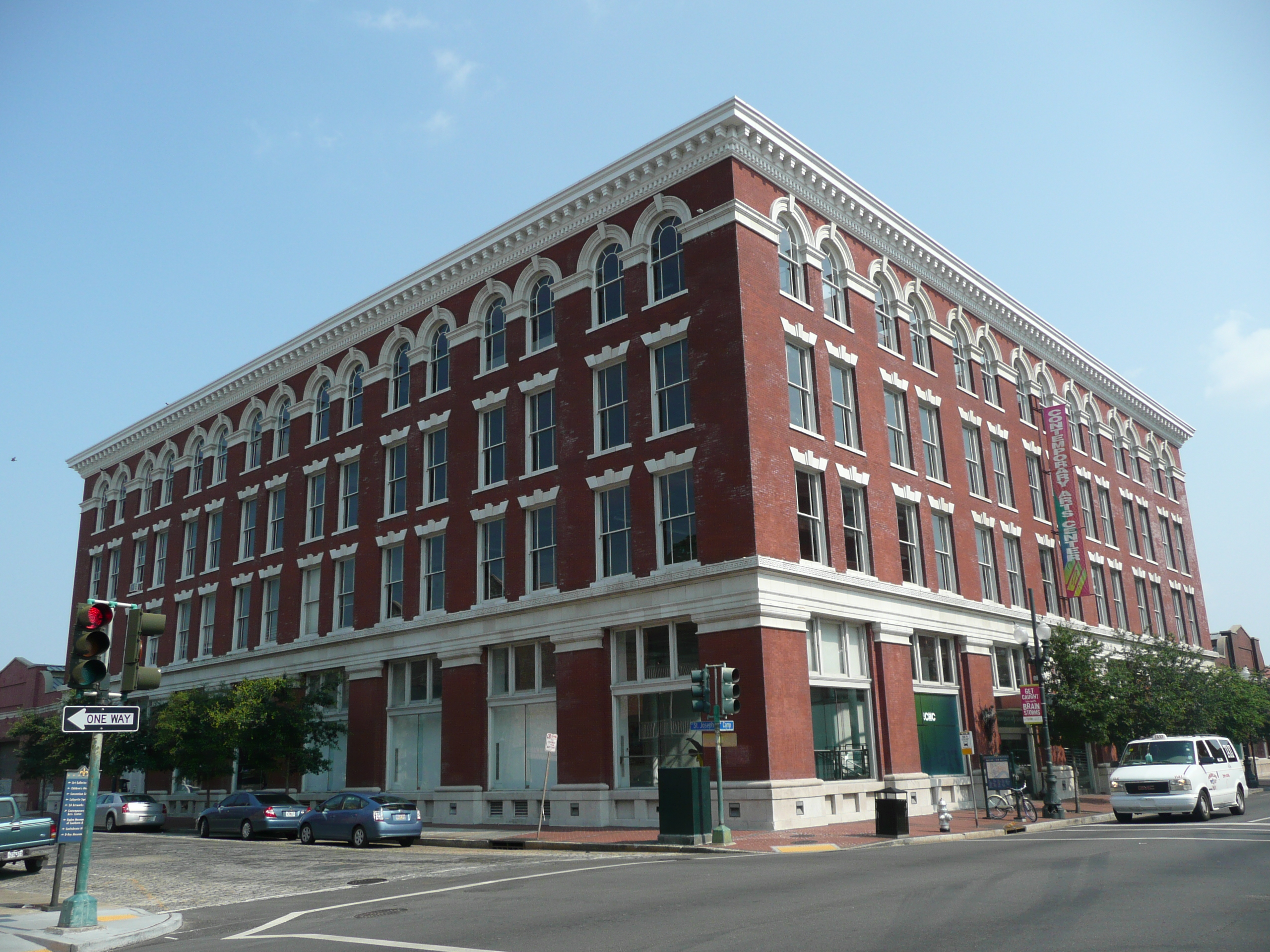
900 Camp St
900 Camp St, New Orleans, LA
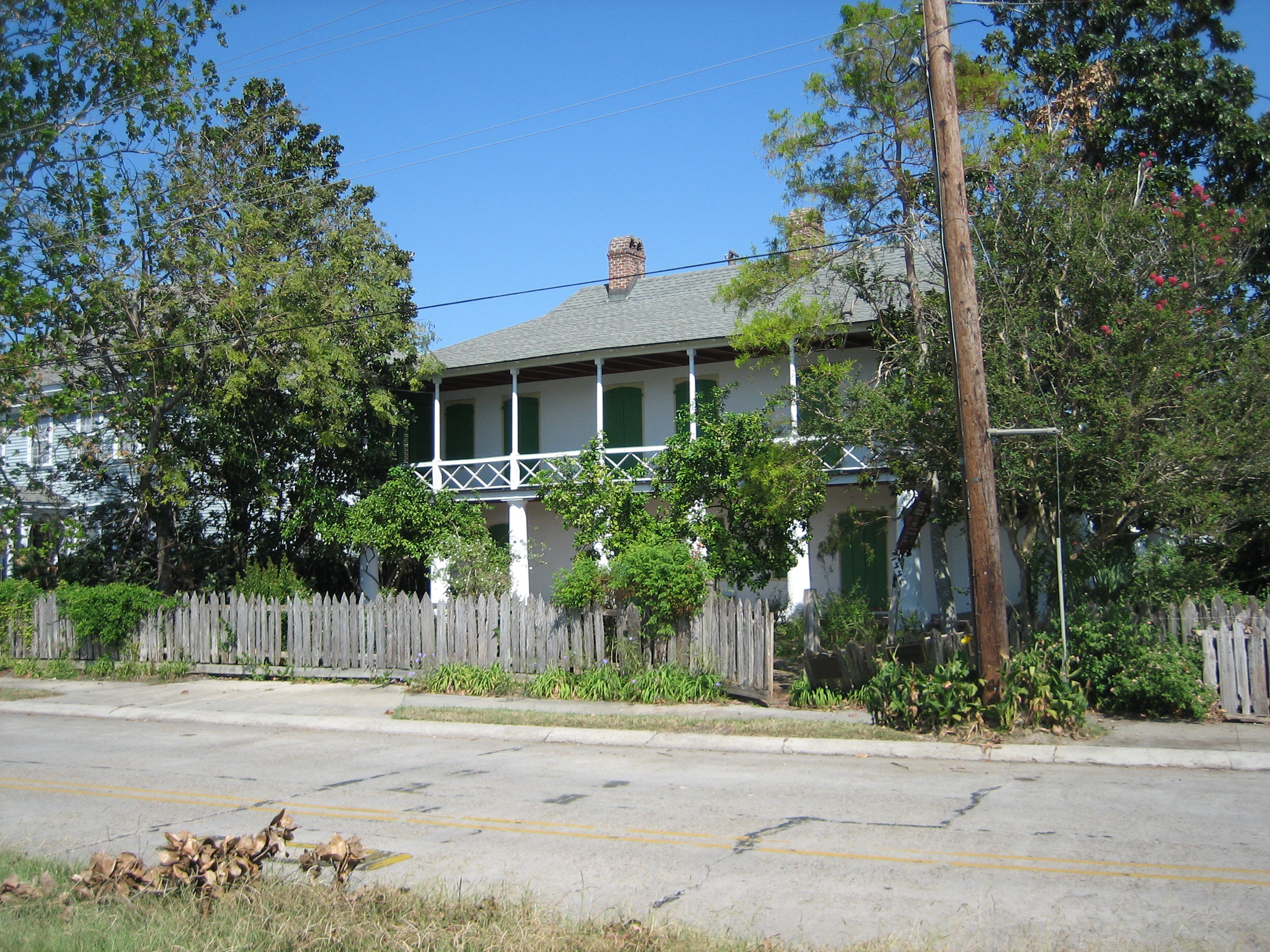
1440 Moss St
1440 Moss St, New Orleans, LA
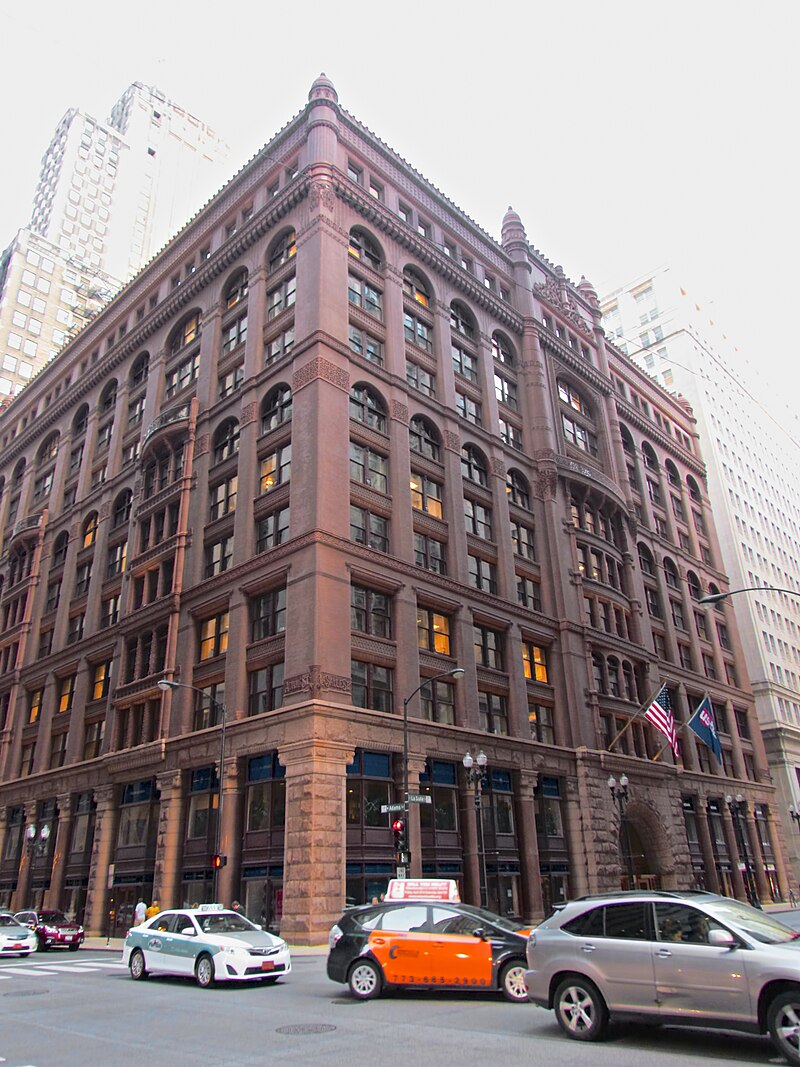
209 S LaSalle St
209 S LaSalle St, Chicago, IL 60604
Where to Find Gothic Architecture
Related Styles
Why Gothic Matters Today
Gothic architecture pushed the boundaries of what was structurally possible with pre-industrial materials, creating spaces of transcendent beauty that continue to inspire awe. Its lesson — that engineering and artistry are inseparable — remains profoundly relevant.