Brutalism Architecture — A Guide
Overview
No architectural style provokes stronger reactions than Brutalism. Its massive concrete forms, raw textures, and uncompromising geometry inspire fierce devotion and visceral dislike in roughly equal measure. Born from postwar idealism and a belief that architecture could reshape society, Brutalism produced some of the 20th century's most powerful and controversial buildings.
The term derives from the French béton brut (raw concrete), championed by Le Corbusier in his Unité d'Habitation in Marseille (1952). In Britain, architects Alison and Peter Smithson theorized 'New Brutalism' as an ethical stance: honest expression of materials and structure, rejection of prettiness, and commitment to social housing and civic infrastructure. The style spread worldwide, becoming the default for universities, government buildings, and social housing complexes from London to São Paulo to Chandigarh.
Key Characteristics
- Exposed raw concrete (béton brut) as the primary material
- Massive, sculptural geometric forms
- Bold structural expression — the building's bones are visible
- Repetitive modular elements creating rhythmic patterns
- Elevated structures on pilotis, with covered walkways
- Minimal surface decoration — texture comes from formwork patterns
Famous Examples Worldwide
Barbican Centre
London, 1982
Habitat 67
Montreal, 1967
National Theatre
London, 1976
Unité d'Habitation
Marseille, 1952
Buildings in Our Library (43)
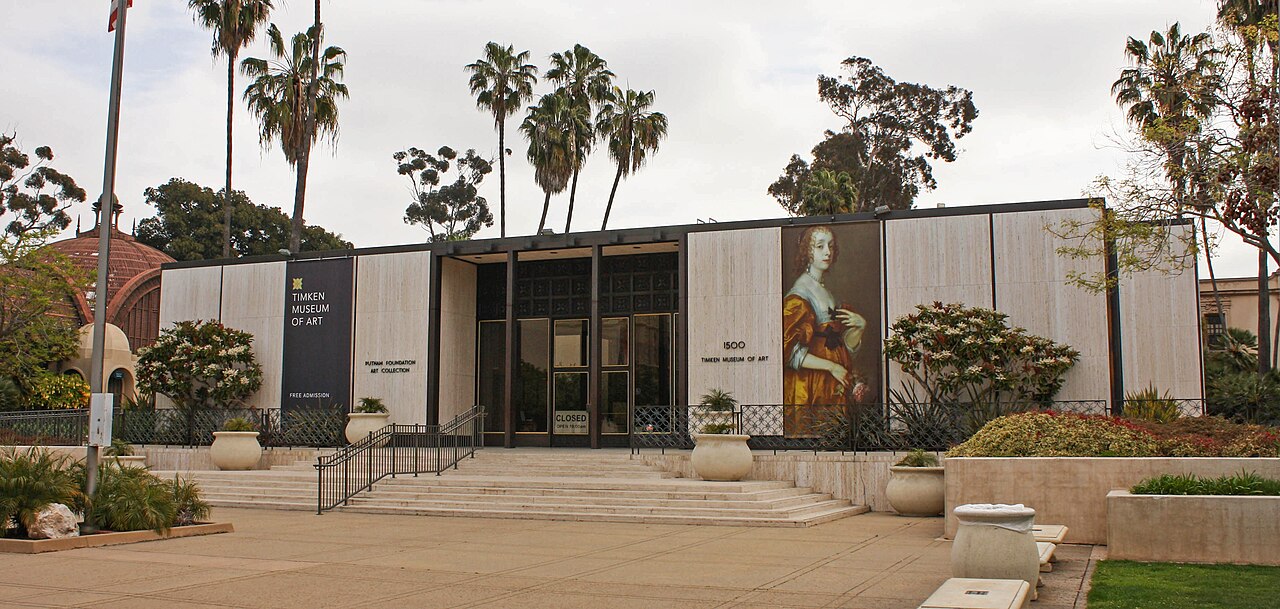
Timken Museum of Art
1500 El Prado, San Diego, CA 92101
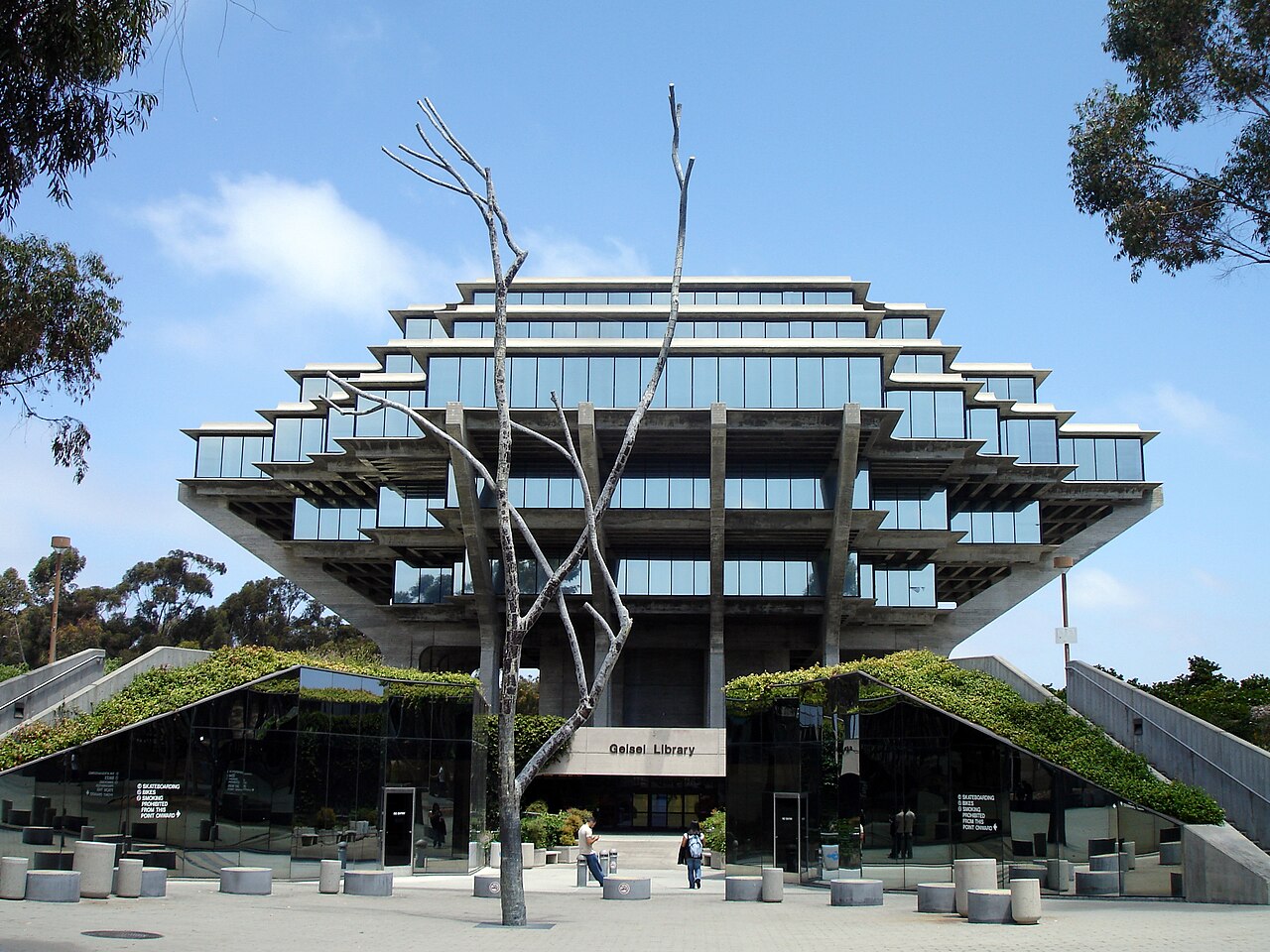
Geisel Library
9500 Gilman Dr, La Jolla, CA 92093
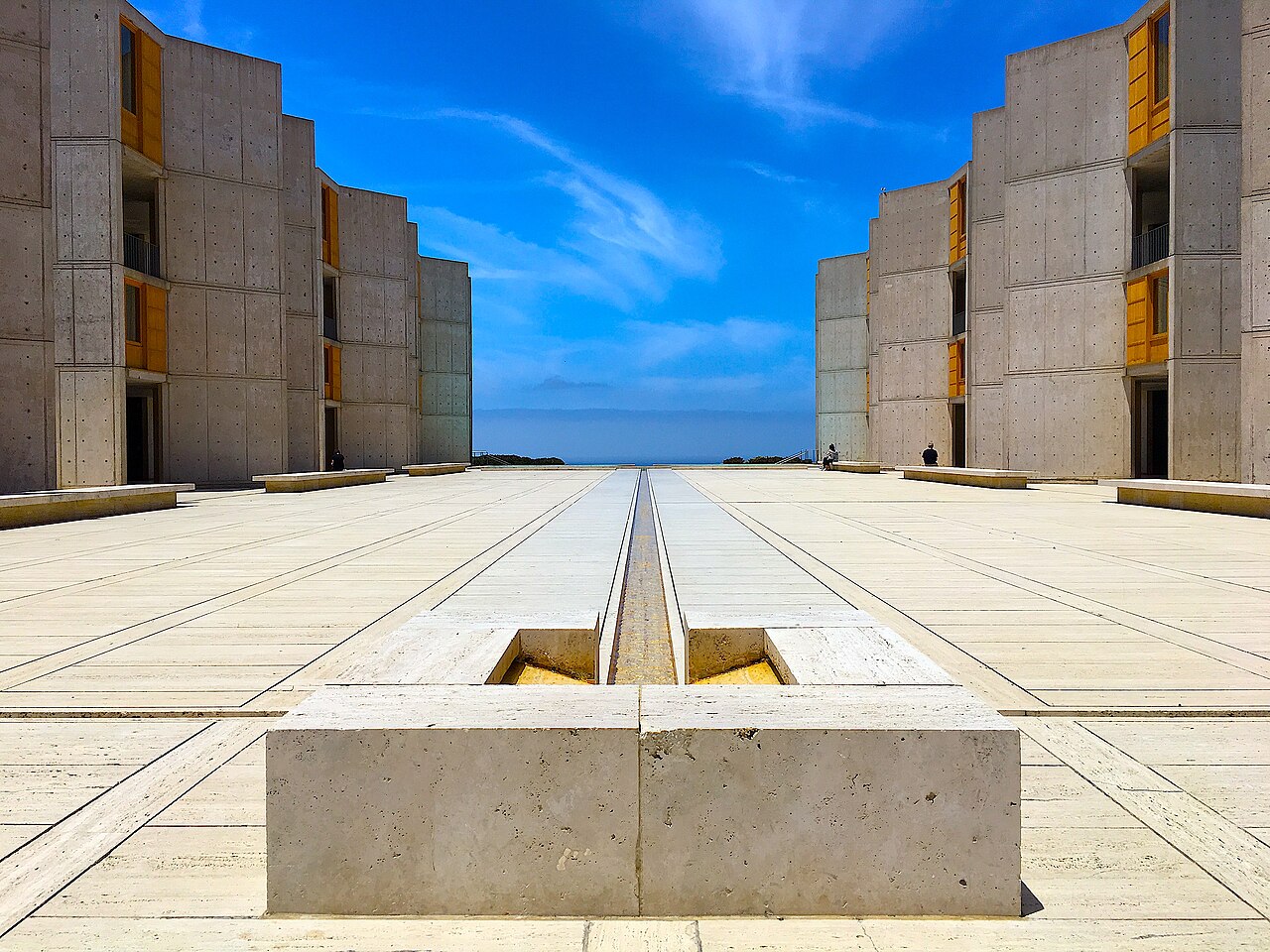
Salk Institute
10010 N Torrey Pines Rd, La Jolla, CA 92037
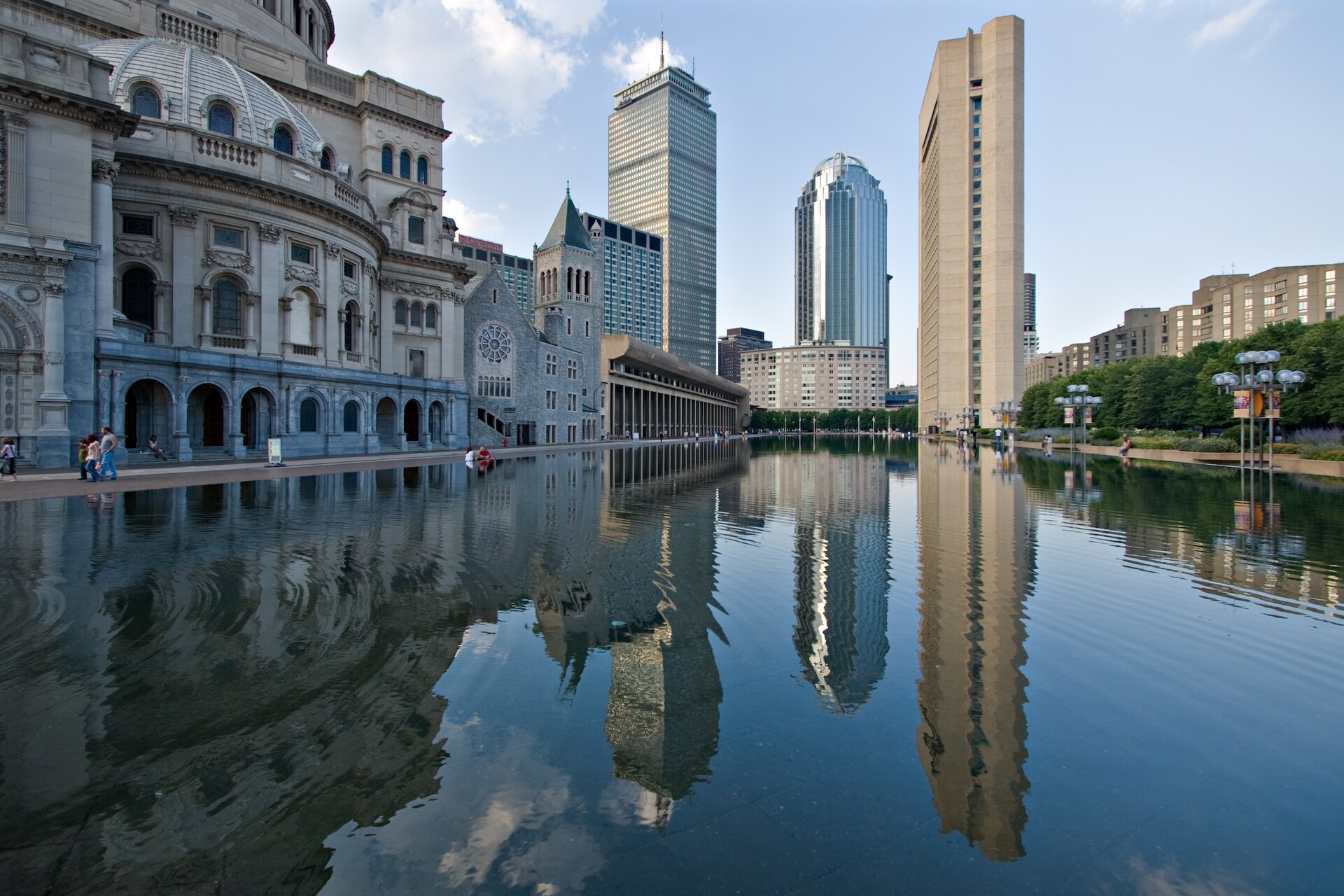
Christian Science Center
250 Massachusetts Ave, Boston, MA 02115
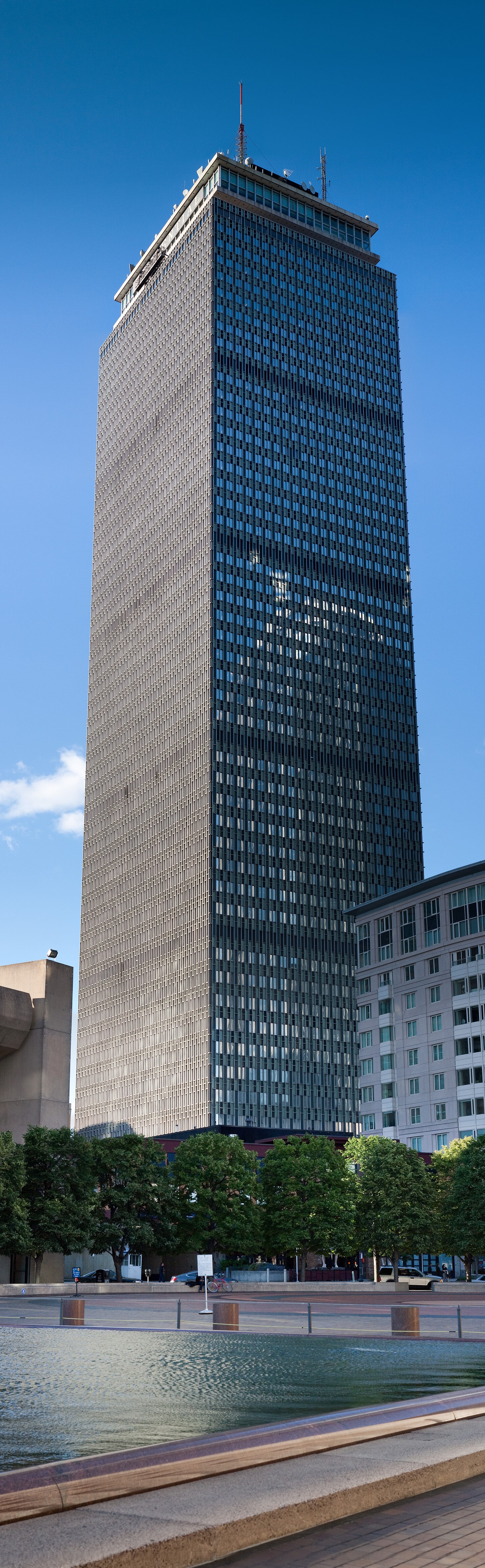
Prudential Tower
800 Boylston St, Boston, MA 02199
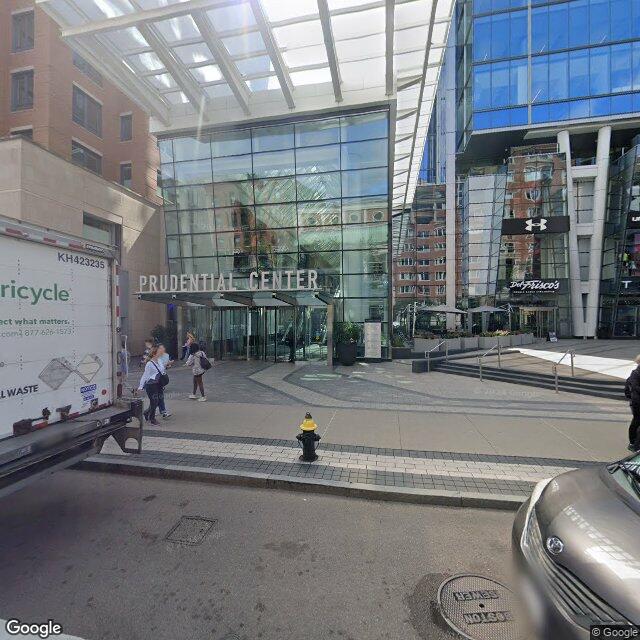
Prudential Tower
800 Boylston St, Boston, MA 02199
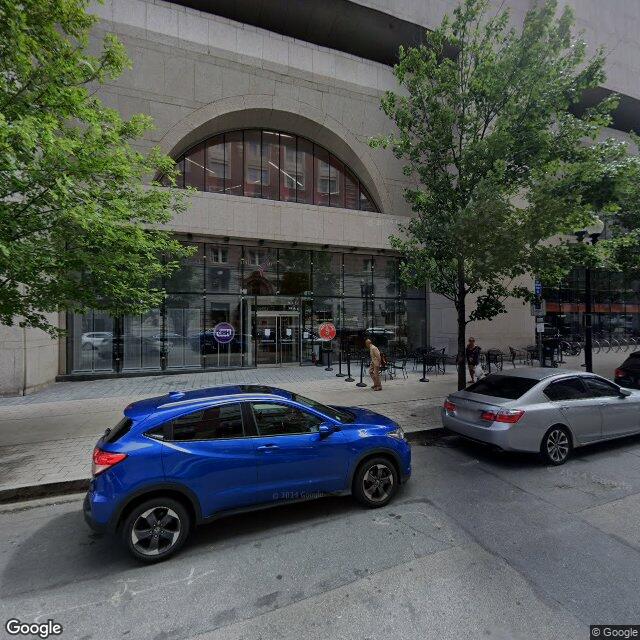
Boston Public Library
700 Boylston St, Boston, MA 02116
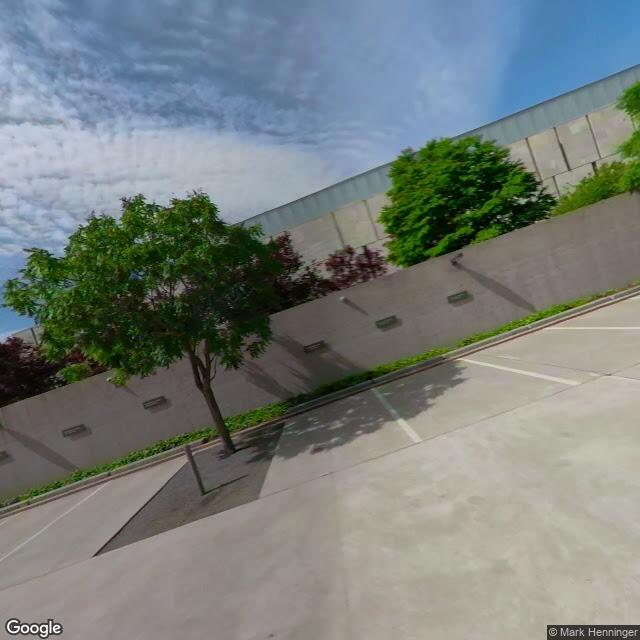
Barnes Foundation
2025 Benjamin Franklin Pkwy, Philadelphia, PA 19130
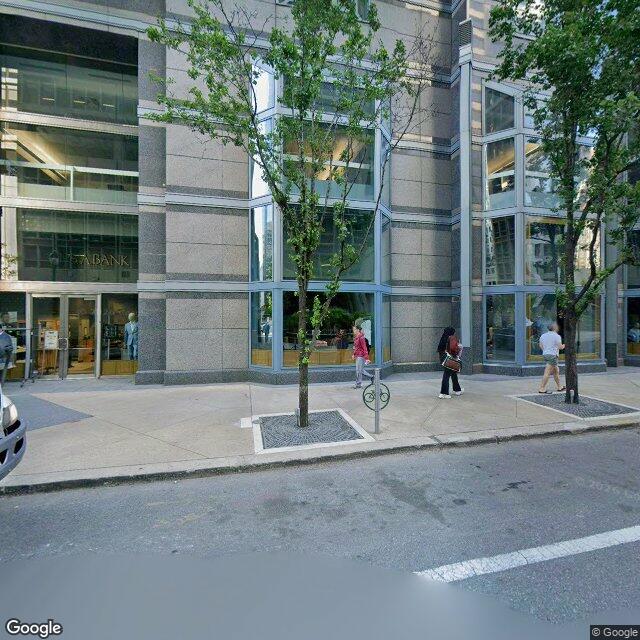
One Liberty Place
1650 Market St, Philadelphia, PA 19103
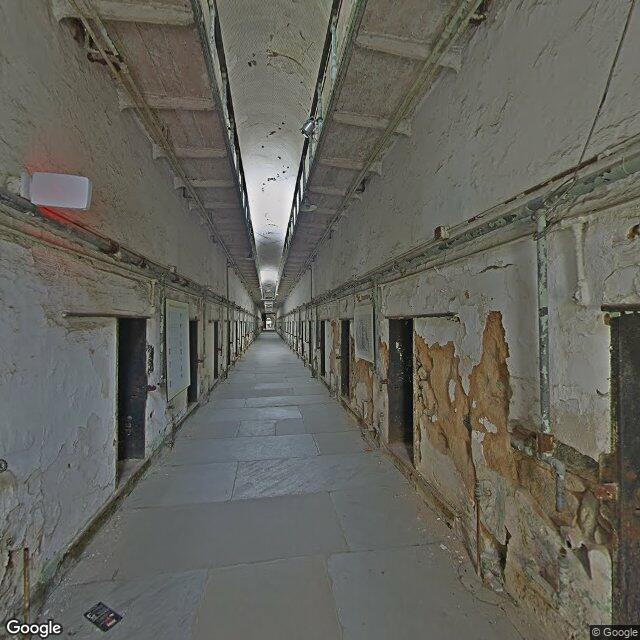
Eastern State Penitentiary
2027 Fairmount Ave, Philadelphia, PA 19130
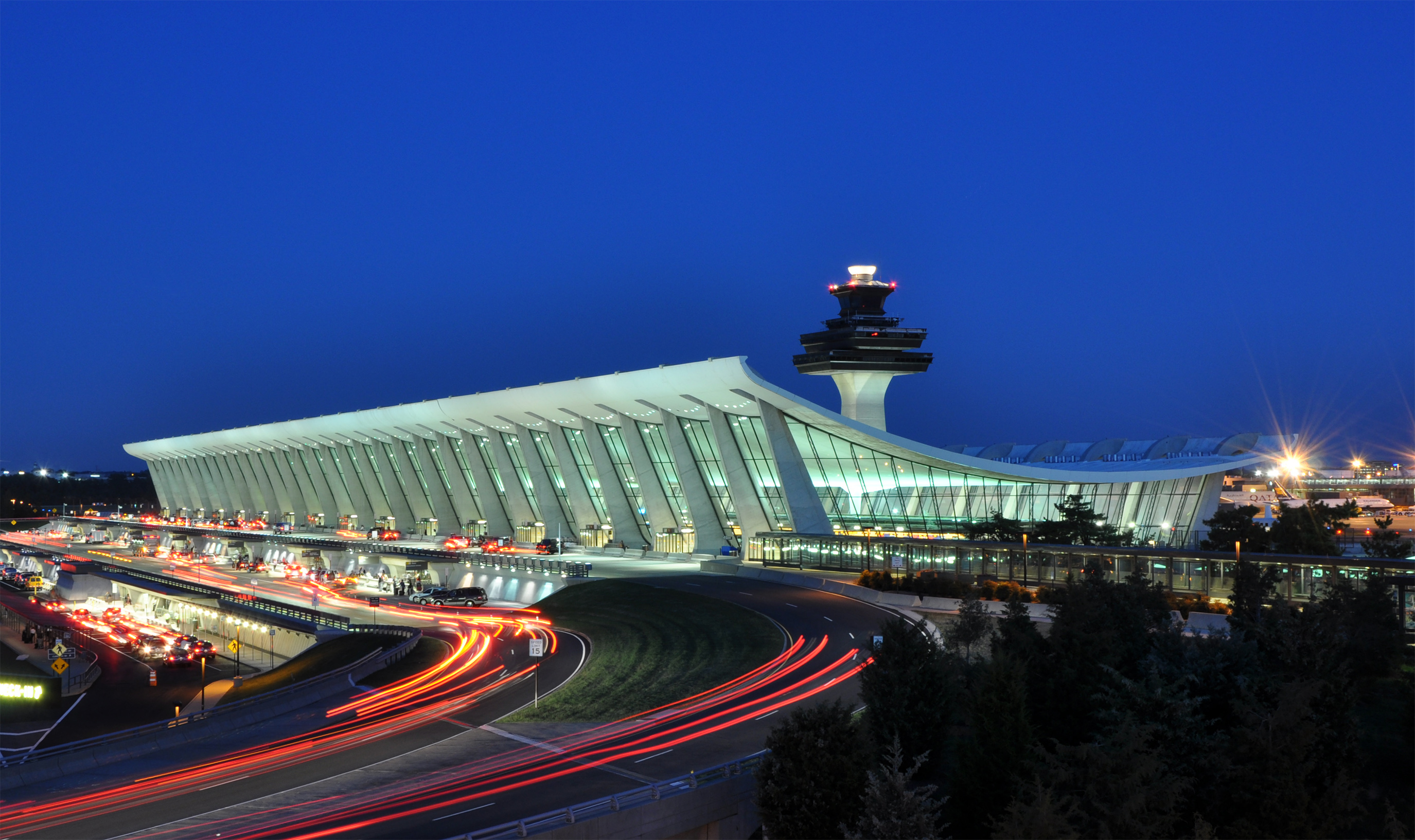
Washington Dulles International Airport
1 Saarinen Circle, Dulles, VA 20166
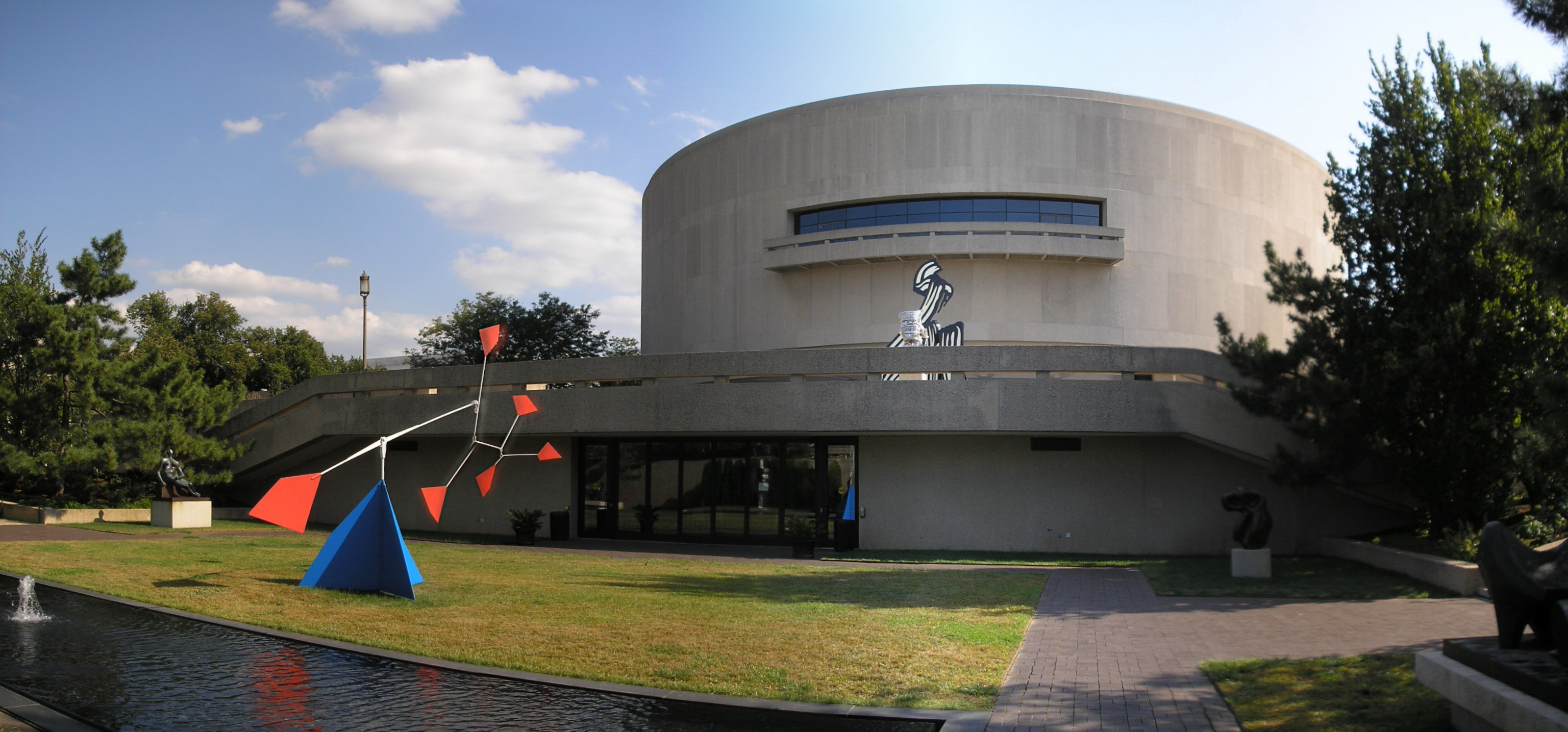
Hirshhorn Museum and Sculpture Garden
Independence Ave SW & 7th St SW, Washington, DC 20560
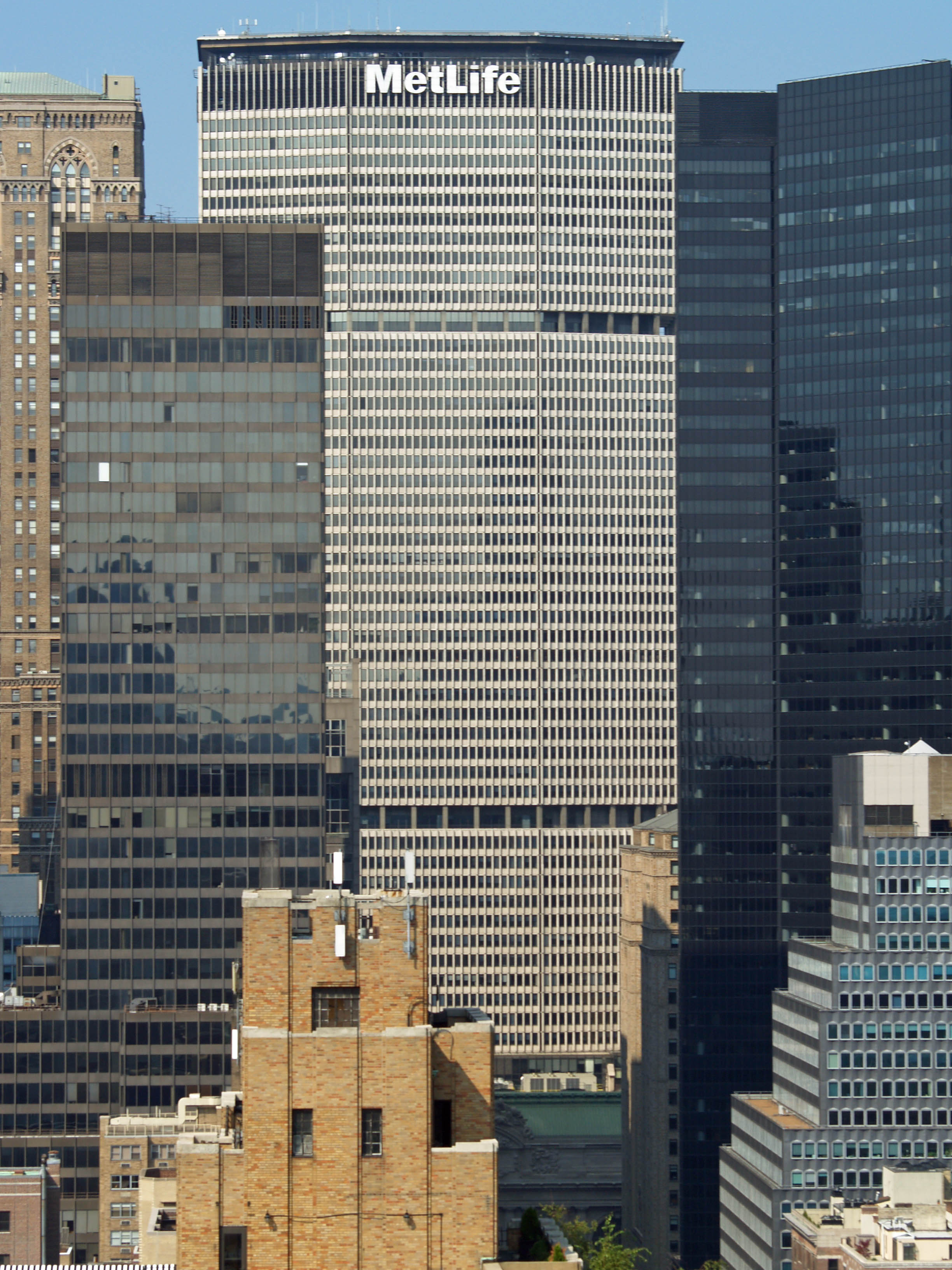
MetLife Building
200 Park Ave, New York, NY 10166
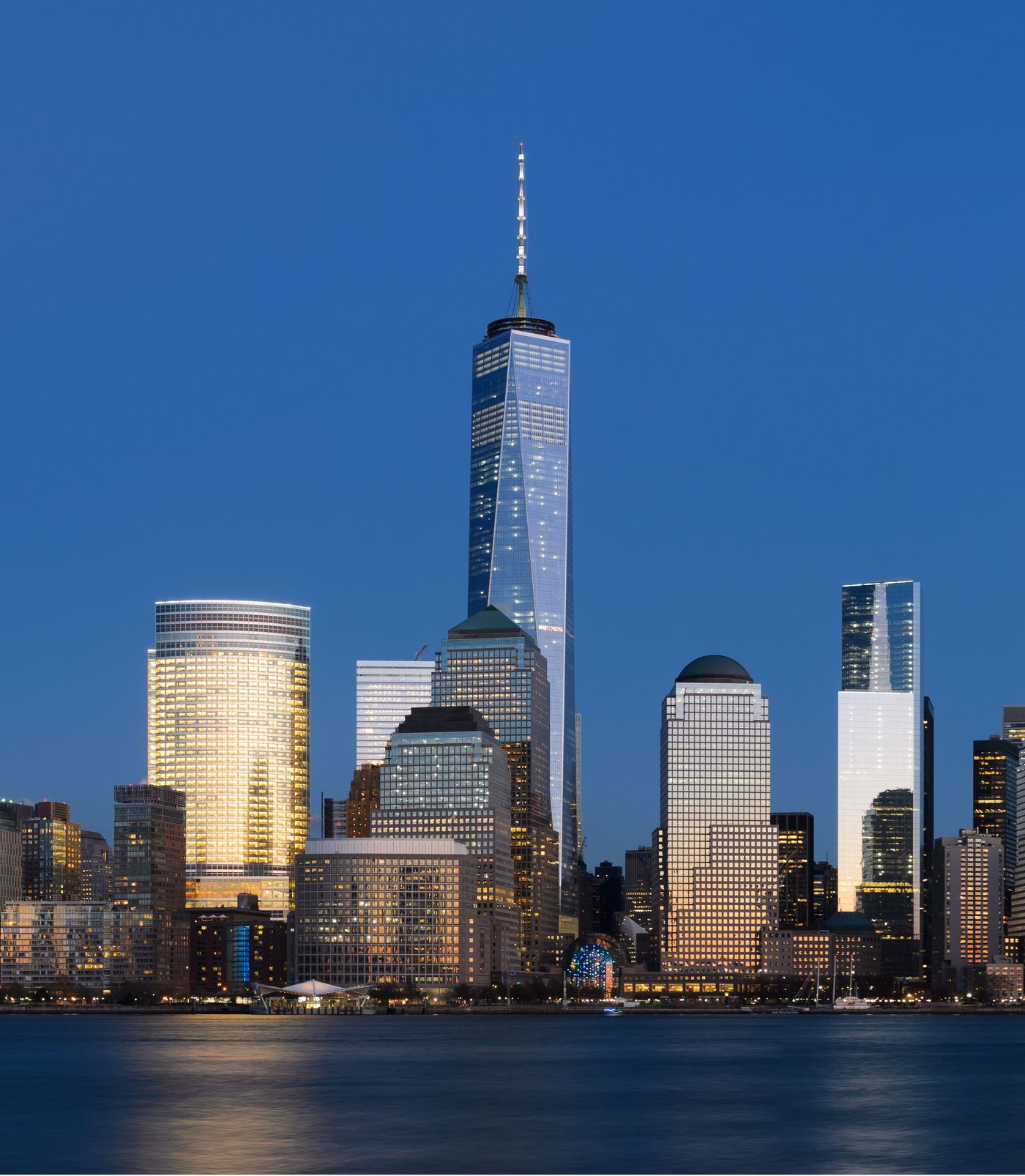
285 Fulton St
285 Fulton St, New York, NY 10007


Denver
Denver, Colorado. USA

Where to Find Brutalism Architecture
Related Styles
Why Brutalism Matters Today
Brutalism's radical honesty challenged architecture's tendency toward concealment and decoration. Today, a growing preservation movement celebrates Brutalist buildings as bold artistic statements and important social artifacts. The style's emphasis on structural expression and material truth continues to influence contemporary architects who reject superficiality.