Building Architecture Analysis
Architecture and Design Analysis
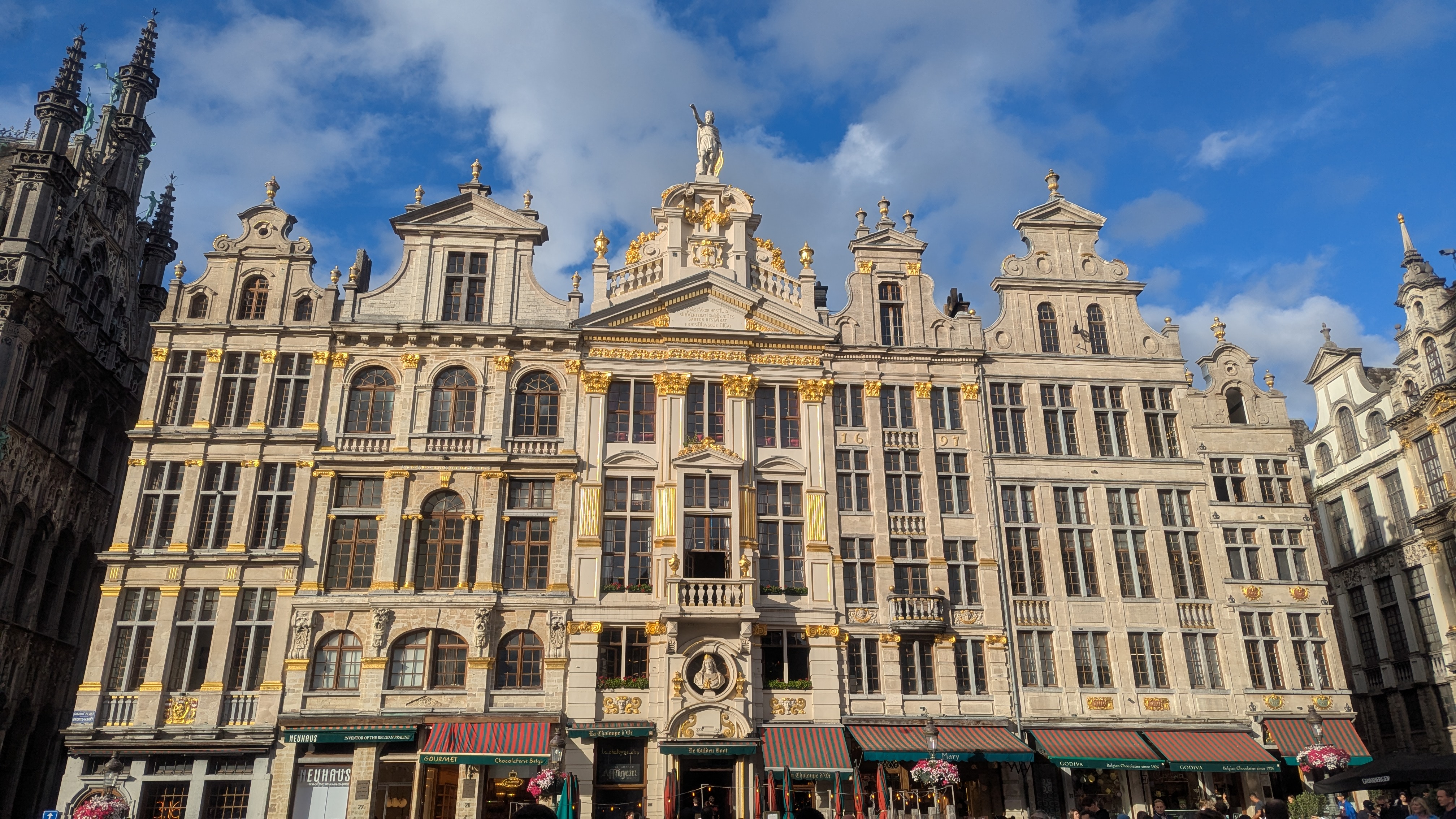
The building depicted in the image showcases characteristics of traditional European church architecture, blending elements from various historical styles.
Baroque Influence
- Grand facade: The bold, decorated front with dynamic shapes and figures is typical of the Baroque style.
- Ornamental detail: The use of statues and gilded ornaments demonstrates the rich and elaborate detailing found in Baroque design.
- Focus on light: The white surface and reflective materials are designed to harness and enhance natural light, a common Baroque trait.
Real-life example: St. Peter's Basilica, Vatican City
Classical Influence
- Order and symmetry: The building exhibits a clear sense of balance and proportion, drawing from classical architecture principles.
- Pediments: The triangular pediments above the entrance are reminiscent of classical Greek and Roman temples.
Real-life example: Pantheon, Rome
Rococo Influence
- Delicate ornamentation: While not as extravagant as Baroque, the playful and ornate elements suggest Rococo influence, particularly seen in the gold accents and stucco details.
Real-life example: Amalienburg in Munich, Germany