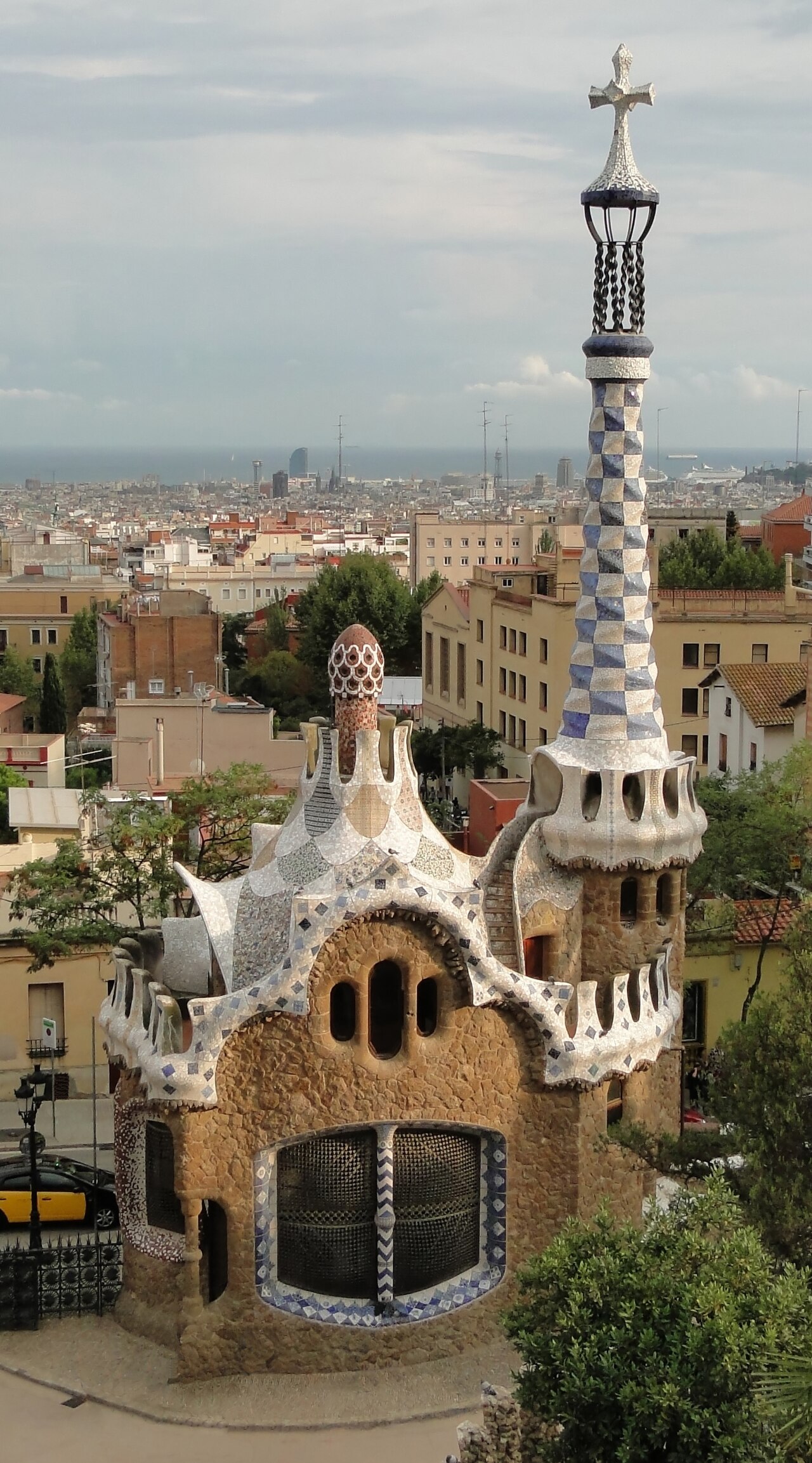
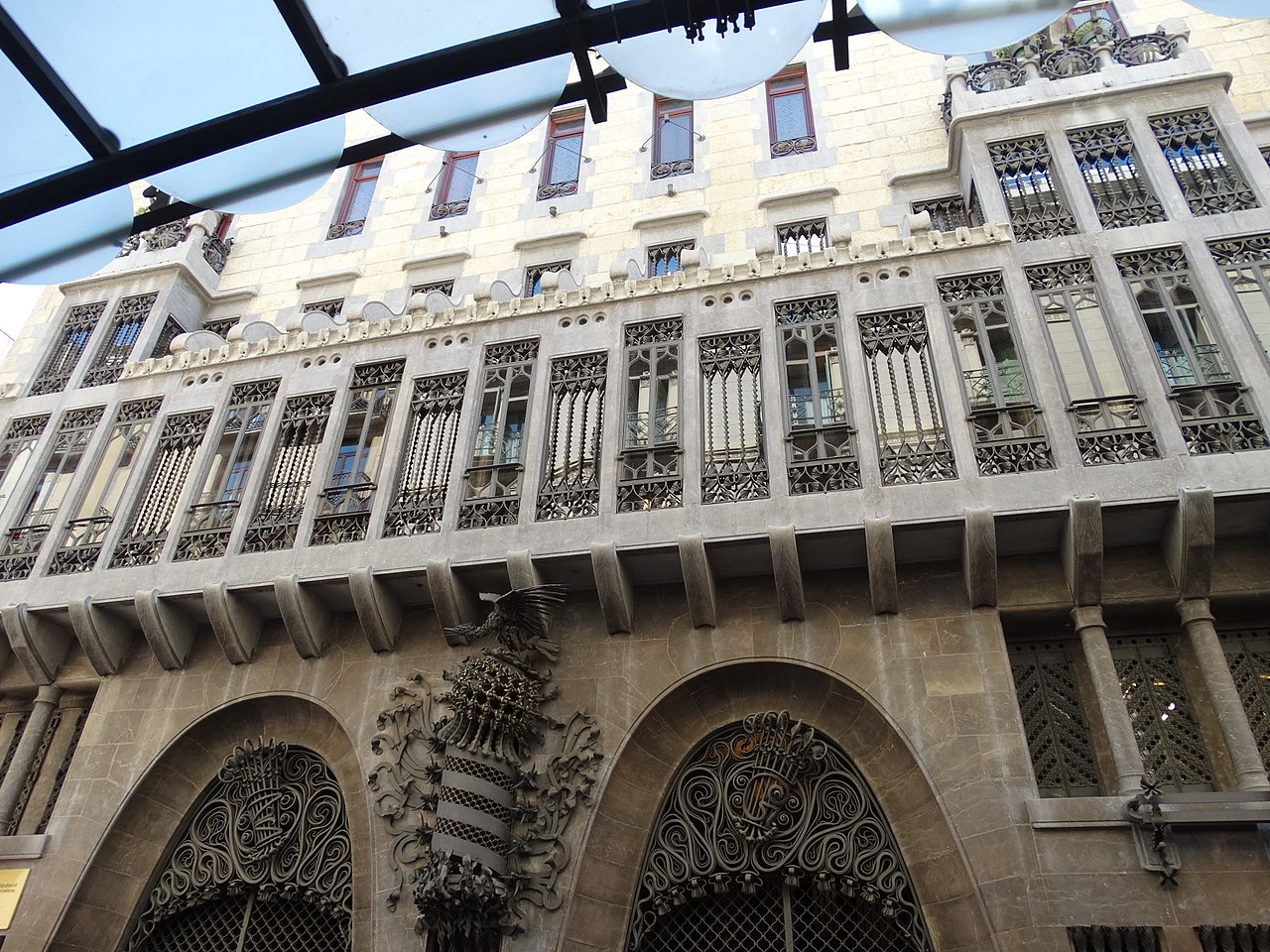
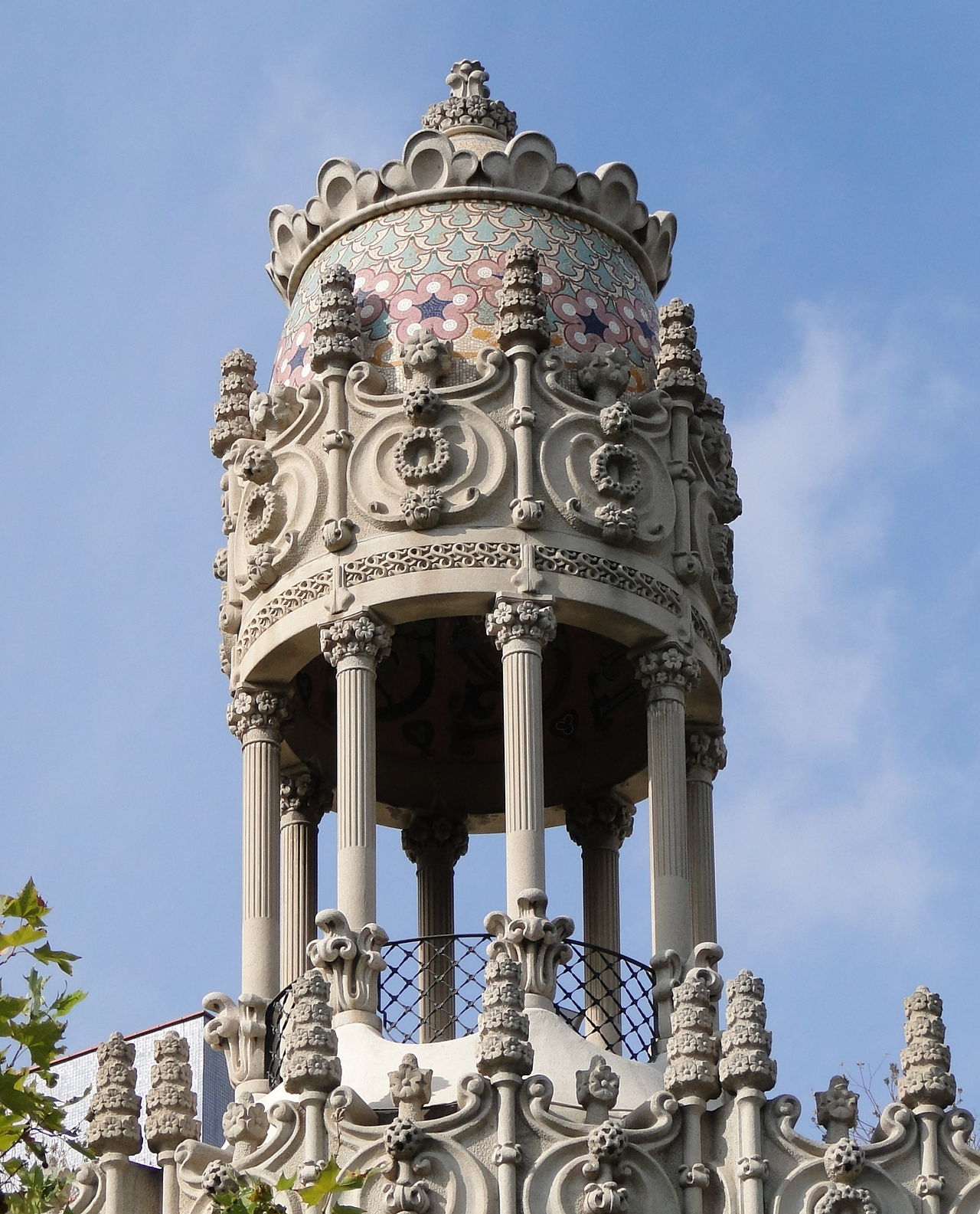
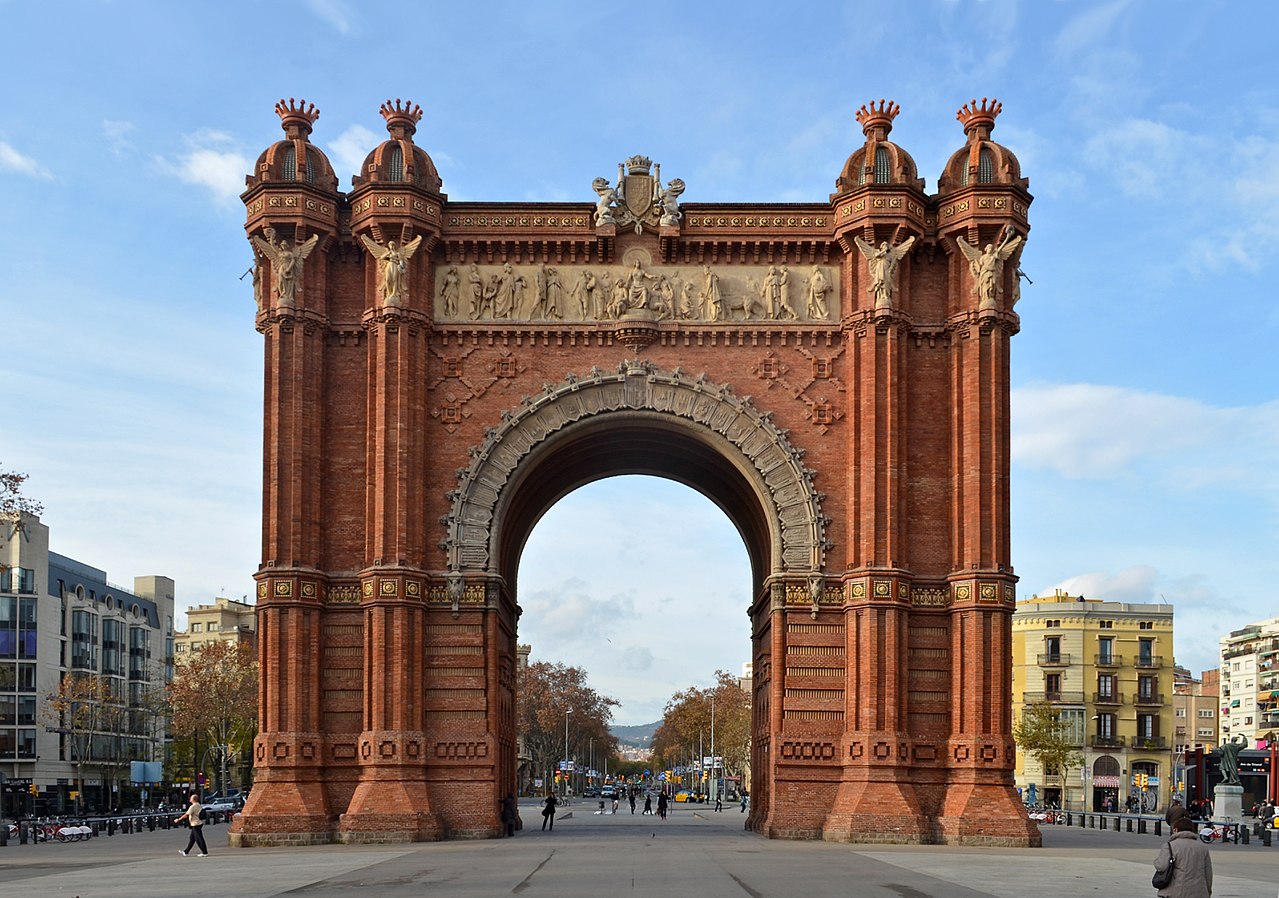
The Sagrada Família is an iconic basilica in Barcelona, known for its unique blend of Gothic and Art Nouveau architectural styles. Gaudí's visionary design includes intricate facades and towering spires that reflect deep religious symbolism and a connection to nature.
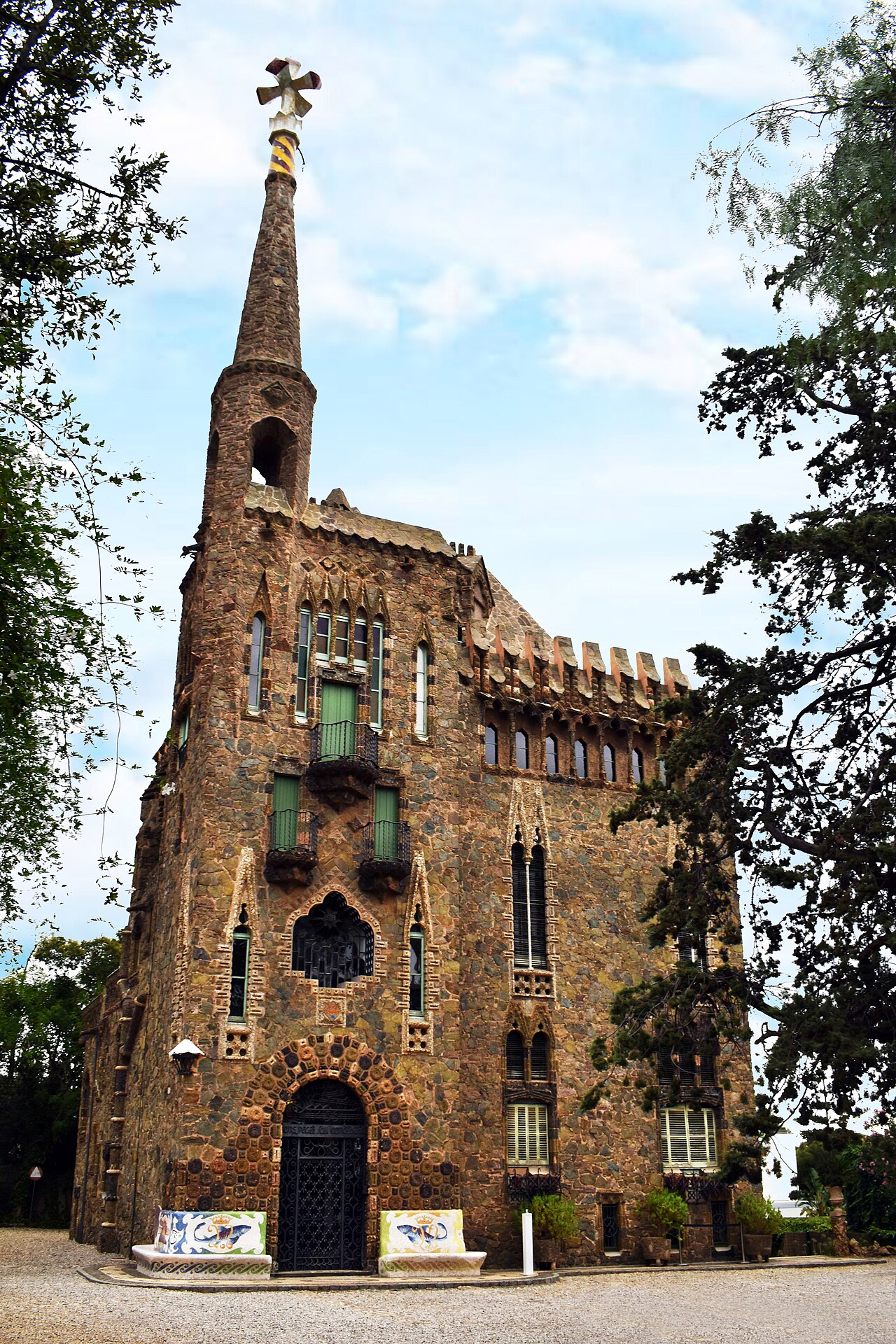
The architectural elements of the Sagrada Família heavily incorporate Gothic characteristics, evident in its pointed arches, ribbed vaults, and flying buttresses. The verticality of the structure is enhanced by the soaring spires that define the skyline of Barcelona.
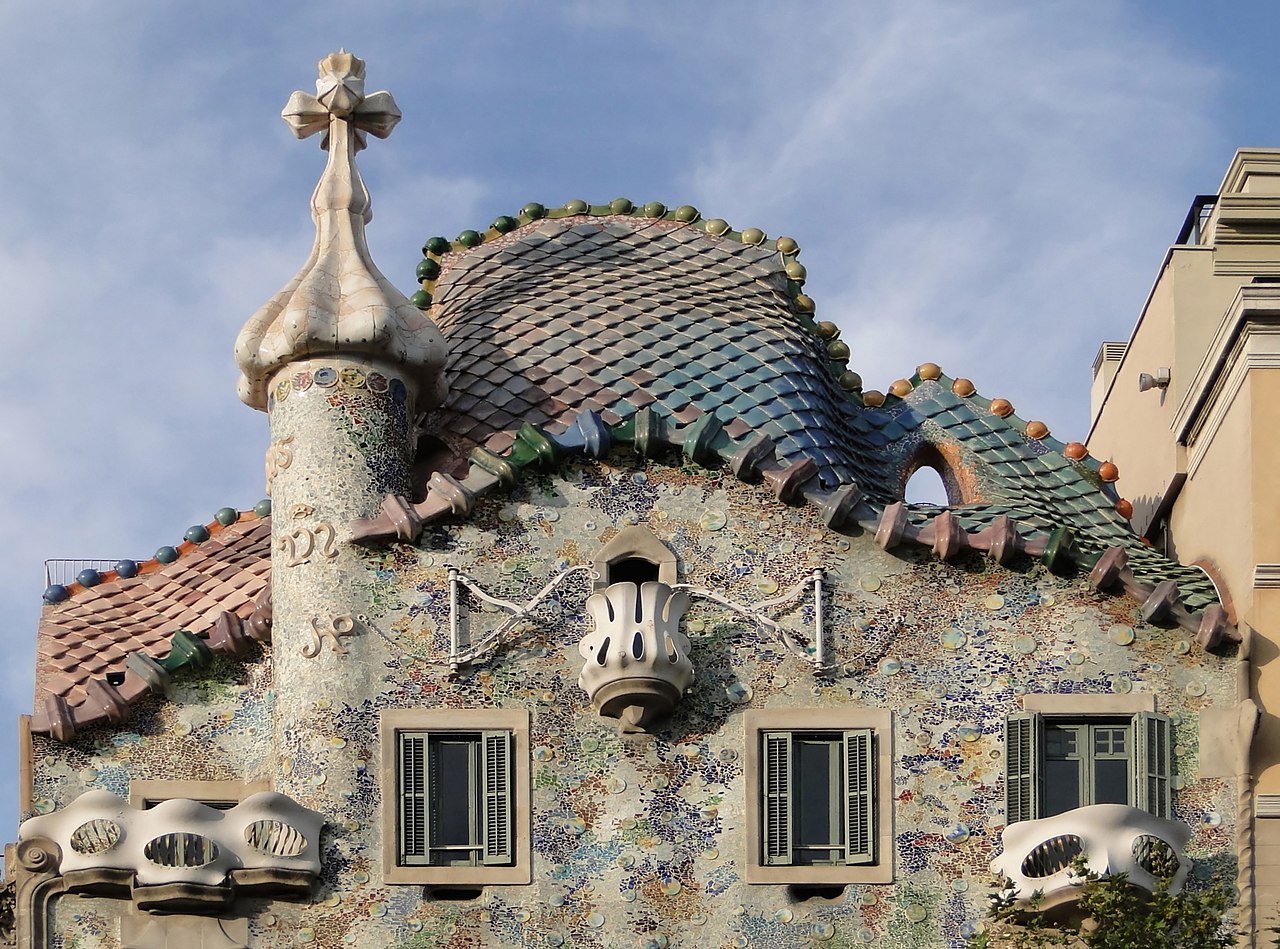
Antoni Gaudí's work is a hallmark of Art Nouveau, celebrated for its organic forms and the use of materials that mimic natural shapes. The Sagrada Família showcases flowing lines and a harmonious integration with the surrounding landscape.
The design of the Sagrada Família reflects Expressionist tendencies through its emotive forms and symbolic structures. This style allows Gaudí to express complex theological concepts visually, creating a building that communicates spiritual narratives.
Construction of the Sagrada Família began in 1882, intended as a large-scale basilica embodying Gaudí's vision of a temple combining nature and faith. Over the decades, it has become a symbol of Catalan identity and a UNESCO World Heritage Site, reflecting the evolution of architectural styles.
Explore 25 buildings across 19 styles →