Victorian Architecture — A Guide
Overview
Victorian architecture is less a single style than an entire era of architectural experimentation, encompassing Gothic Revival, Italianate, Second Empire, Queen Anne, Romanesque Revival, and more. What unites these diverse approaches is a shared love of ornament, a delight in new materials and technologies, and a Victorian confidence that more — more decoration, more color, more complexity — was always better.
Queen Victoria's long reign (1837–1901) coincided with Britain's industrial revolution, imperial expansion, and unprecedented prosperity. New materials (cast iron, plate glass, machine-made terracotta) and new technologies (railways, prefabrication) enabled architects to build faster, taller, and with more decorative complexity than ever before. The era produced everything from the Crystal Palace to Gothic Revival churches to elaborate painted-lady row houses, reflecting a society that valued progress, propriety, and visual richness.
Key Characteristics
- Elaborate ornamental detail — millwork, brackets, finials, and cresting
- Asymmetrical facades with complex rooflines and varied textures
- Rich use of color, often in polychrome schemes
- Bay windows, turrets, towers, and verandas
- Eclectic mixing of historical styles and periods
- New materials: cast iron, pressed metal, encaustic tiles
Famous Examples Worldwide
Crystal Palace
London, 1851
St Pancras Station
London, 1868
Painted Ladies
San Francisco, 1890s
Royal Albert Hall
London, 1871
Buildings in Our Library (226)
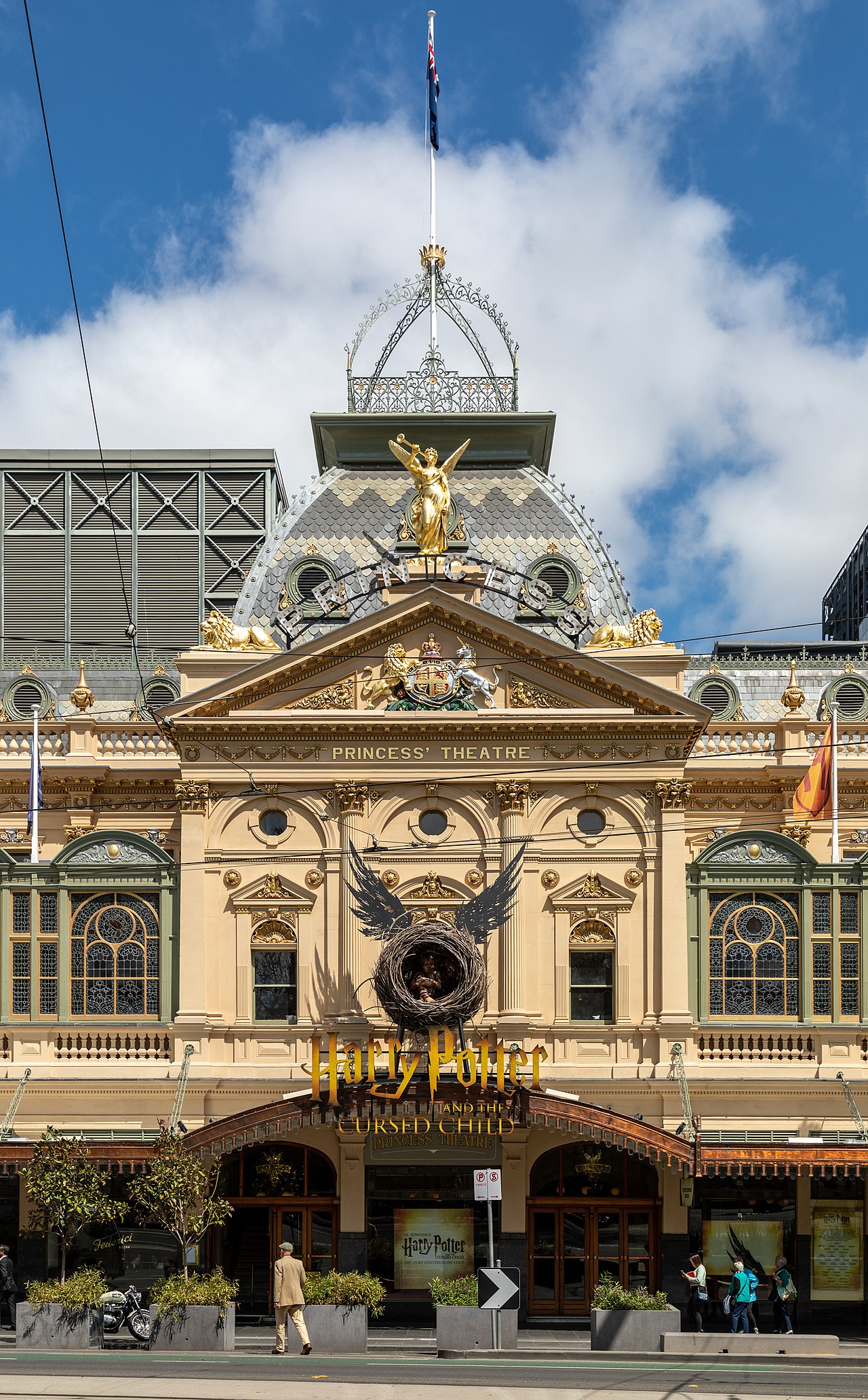
Princess Theatre
163 Spring St, Melbourne VIC 3000, Australia
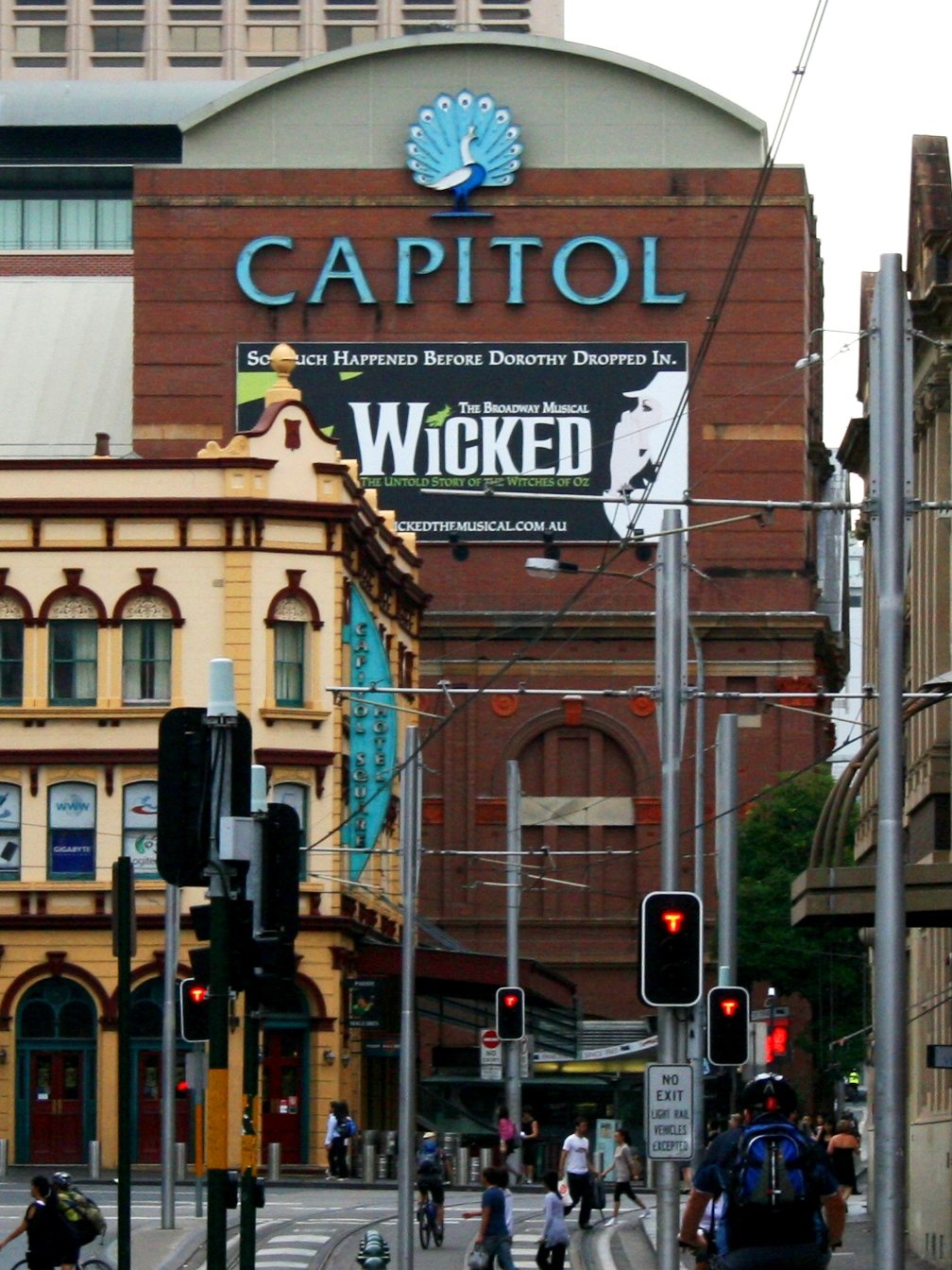
Capitol Theatre
13 Campbell St, Haymarket NSW 2000, Australia
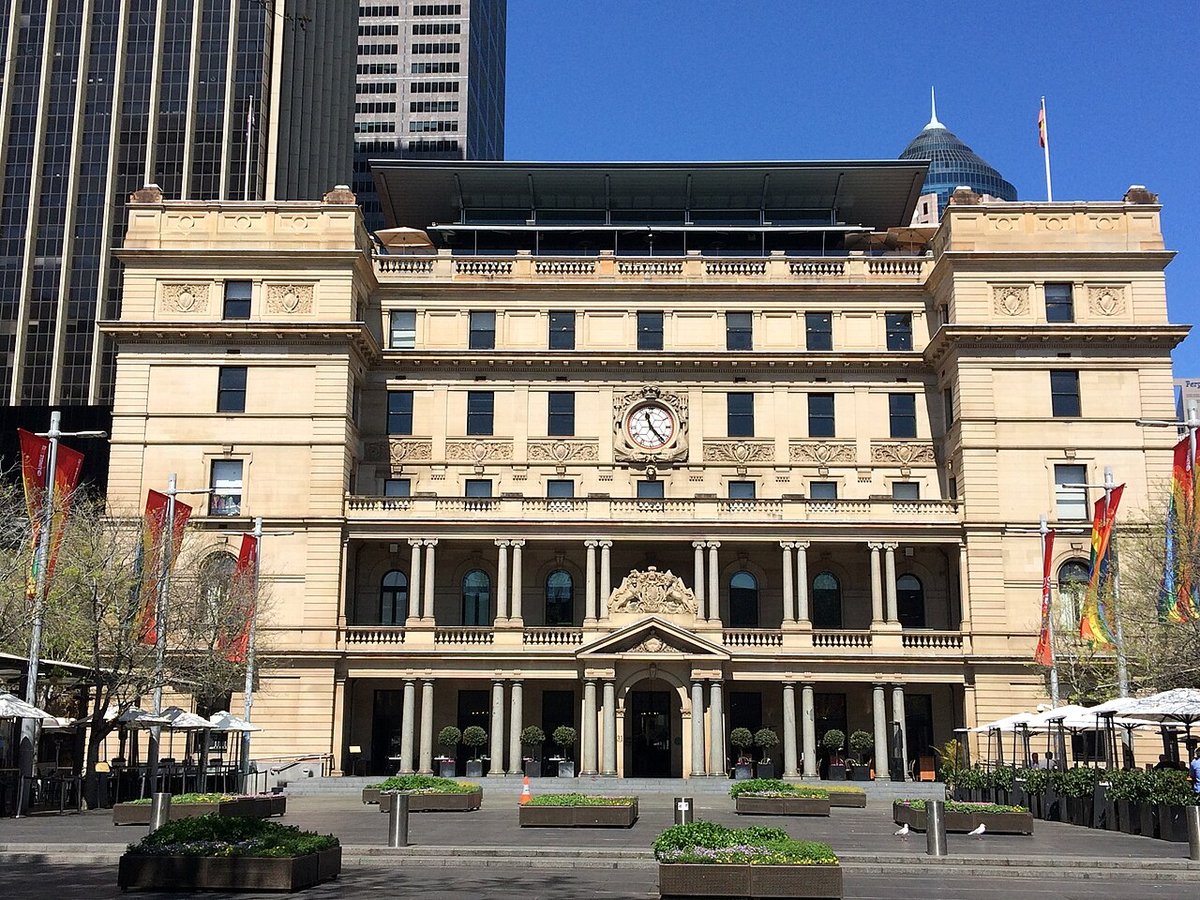
Customs House
31 Alfred St, Circular Quay NSW 2000, Australia
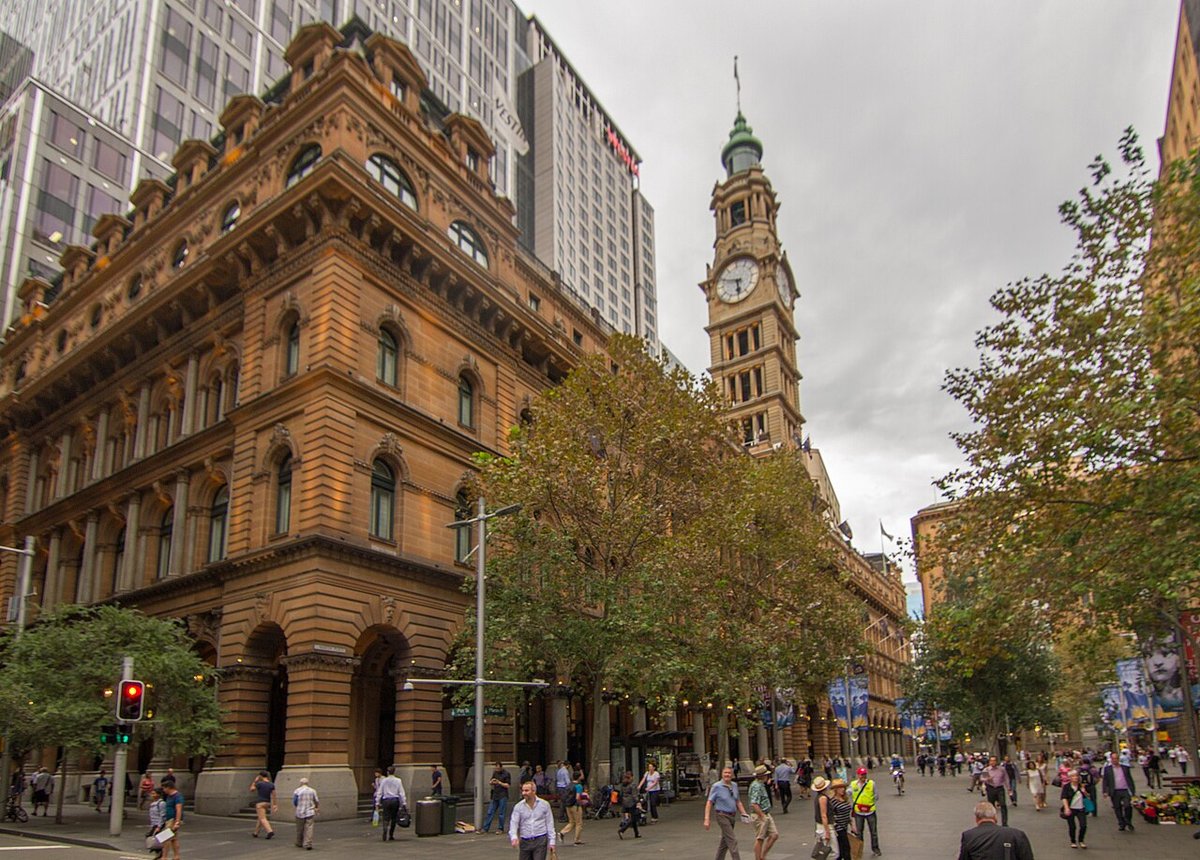
General Post Office Sydney
1 Martin Pl, Sydney NSW 2000, Australia
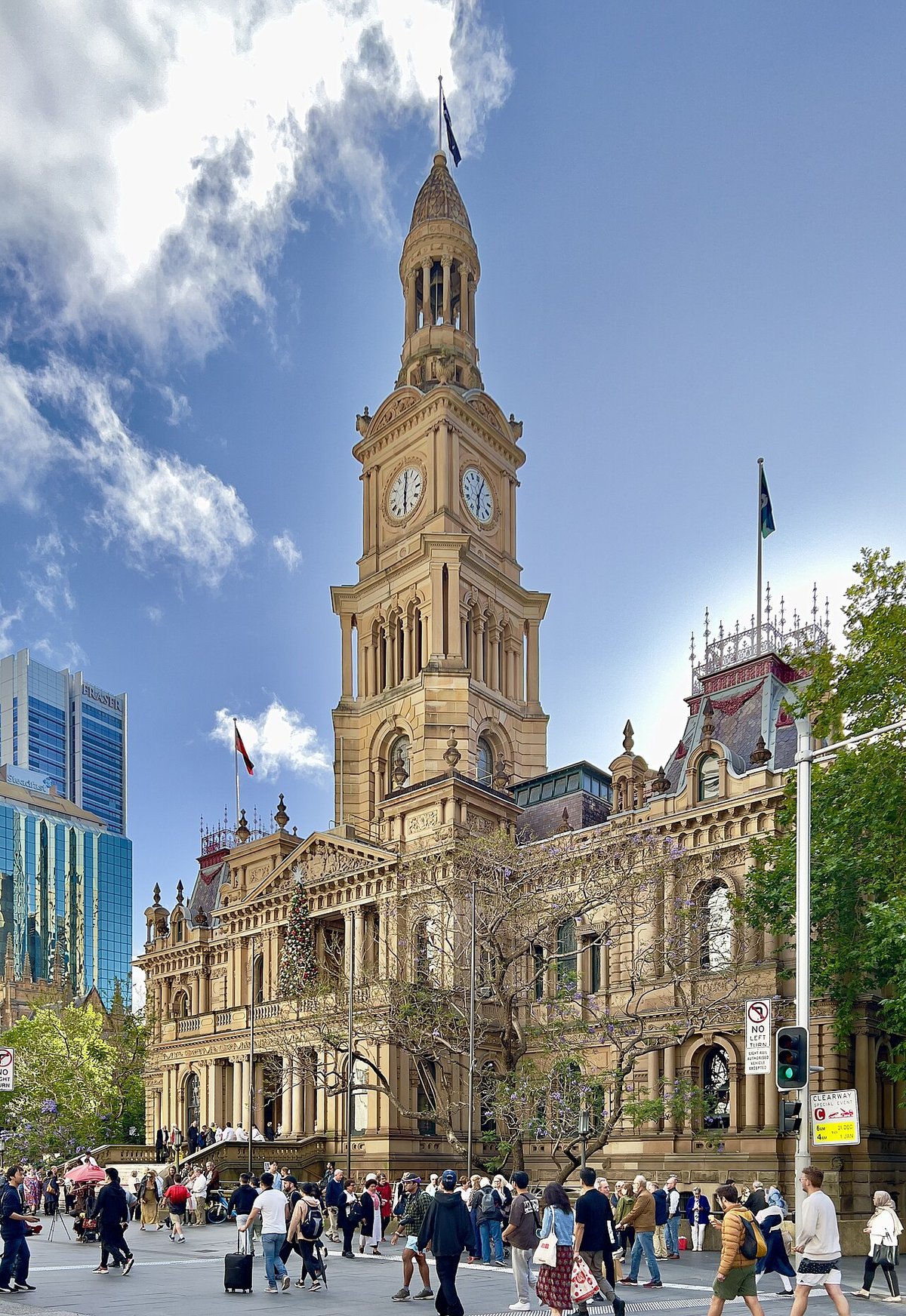
Sydney Town Hall
483 George St, Sydney NSW 2000, Australia
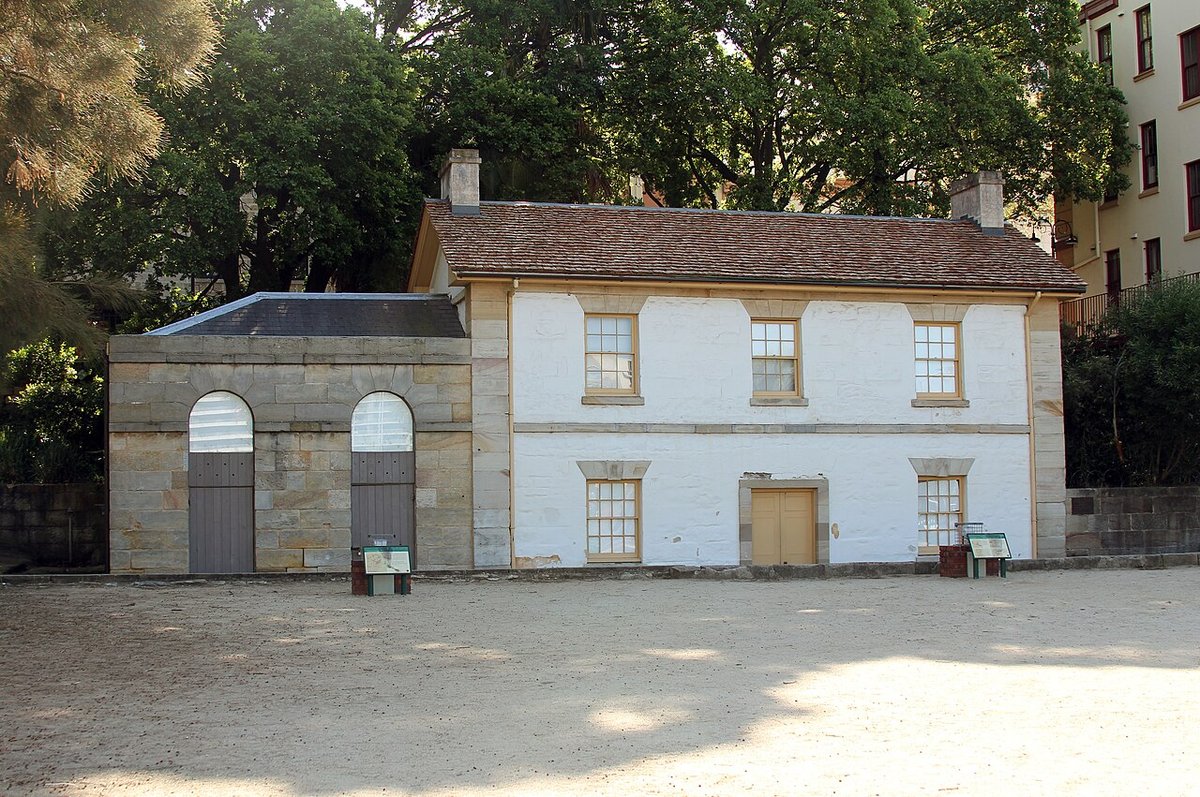
Cadmans Cottage
110 George St, The Rocks NSW 2000, Australia
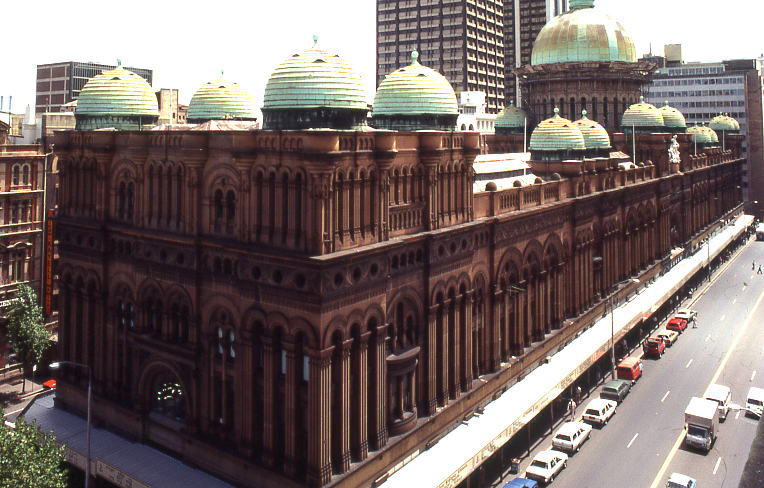
Queen Victoria Building
455 George St, Sydney NSW 2000, Australia
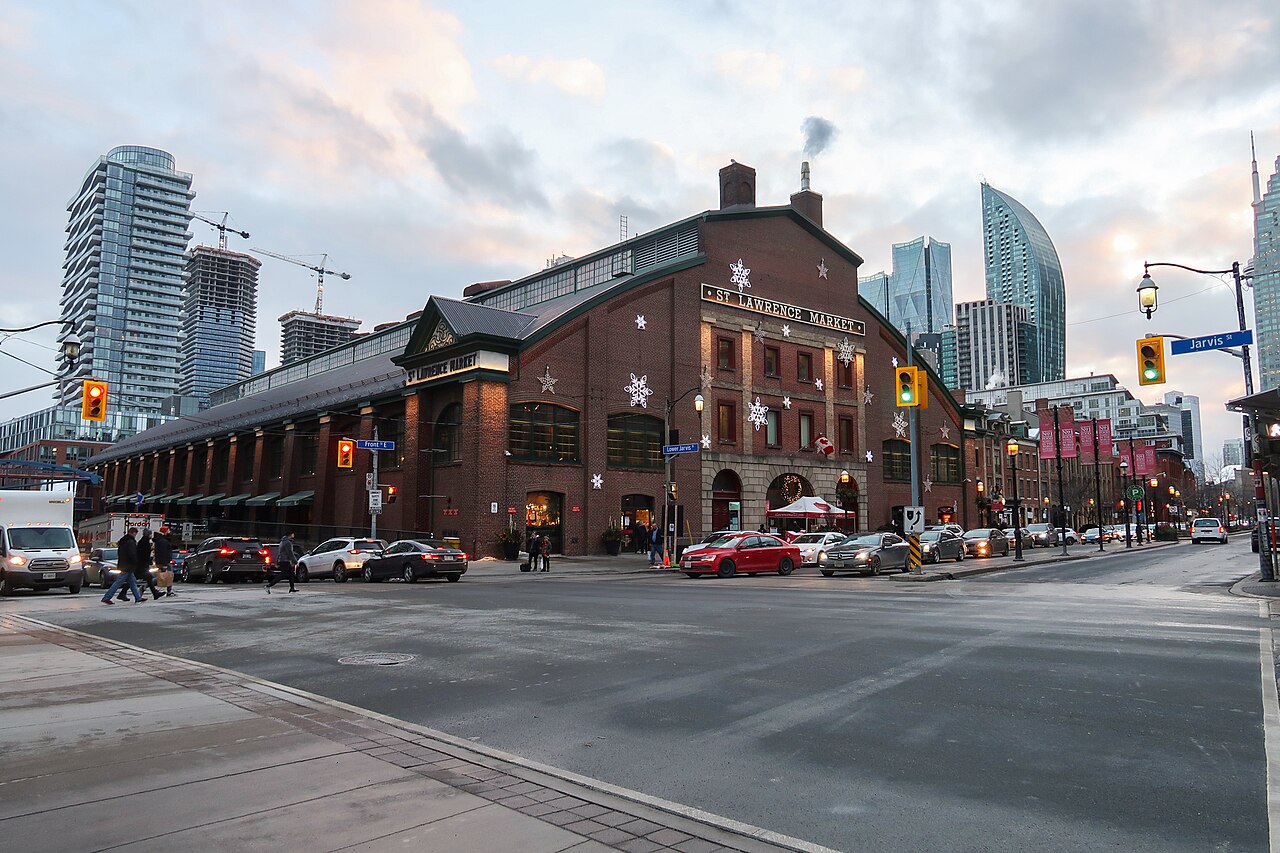
St. Lawrence Market
93 Front St E, Toronto, ON
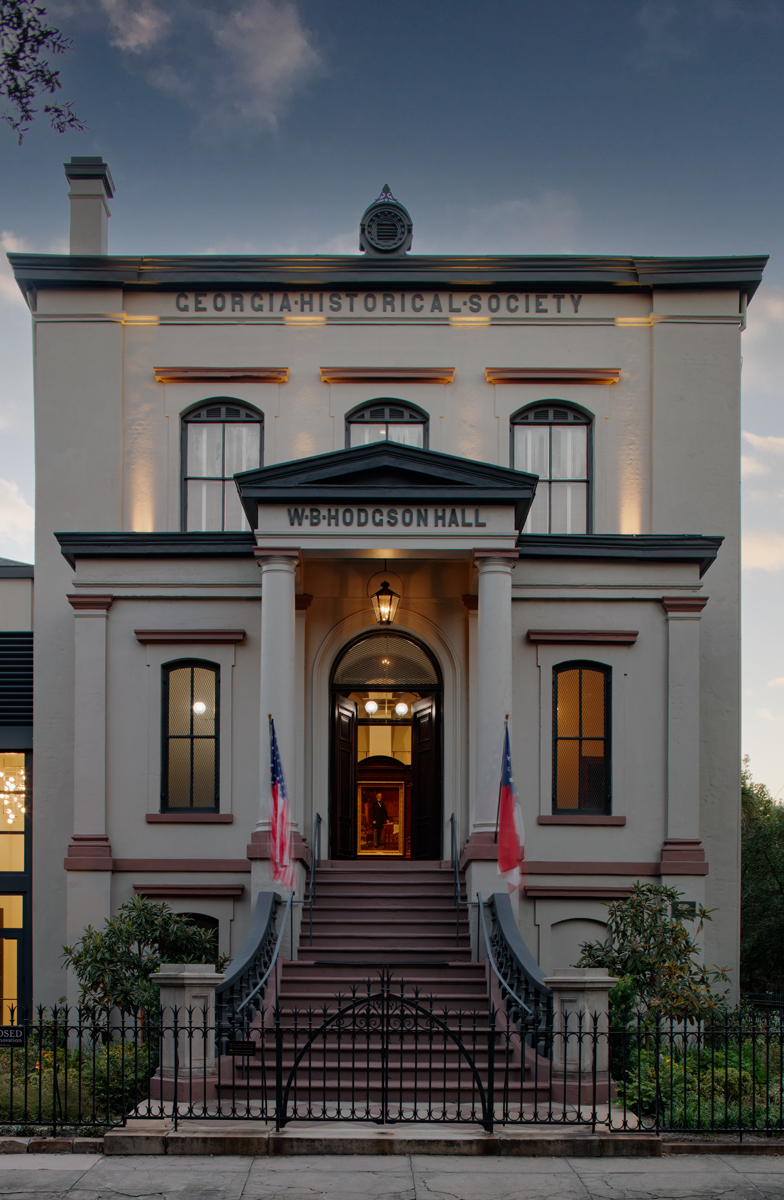
Hodgson Hall
501 Whitaker St, Savannah, GA 31401
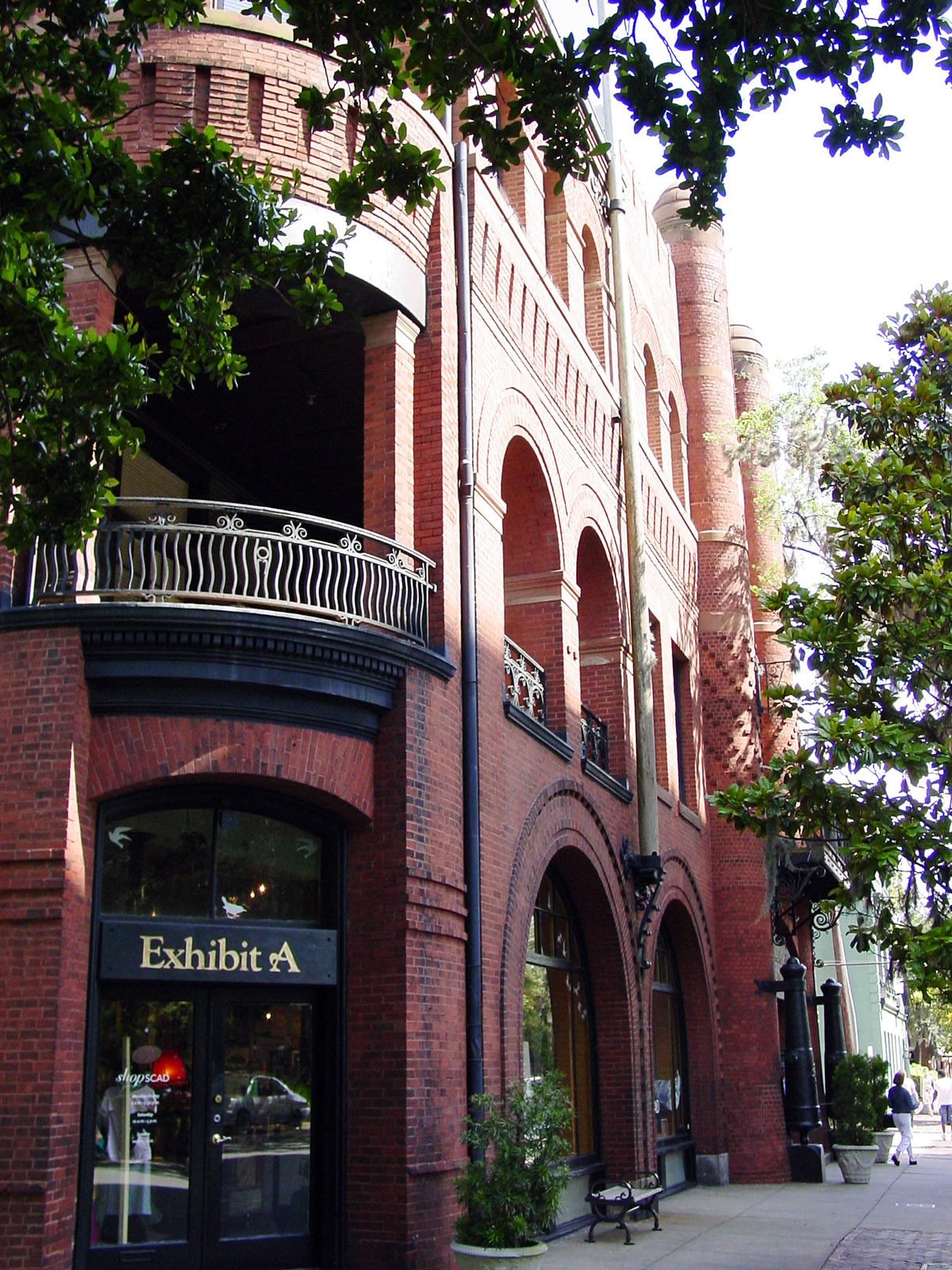
Poetter Hall (Volunteer Guards Armory)
340 Bull St, Savannah, GA 31401
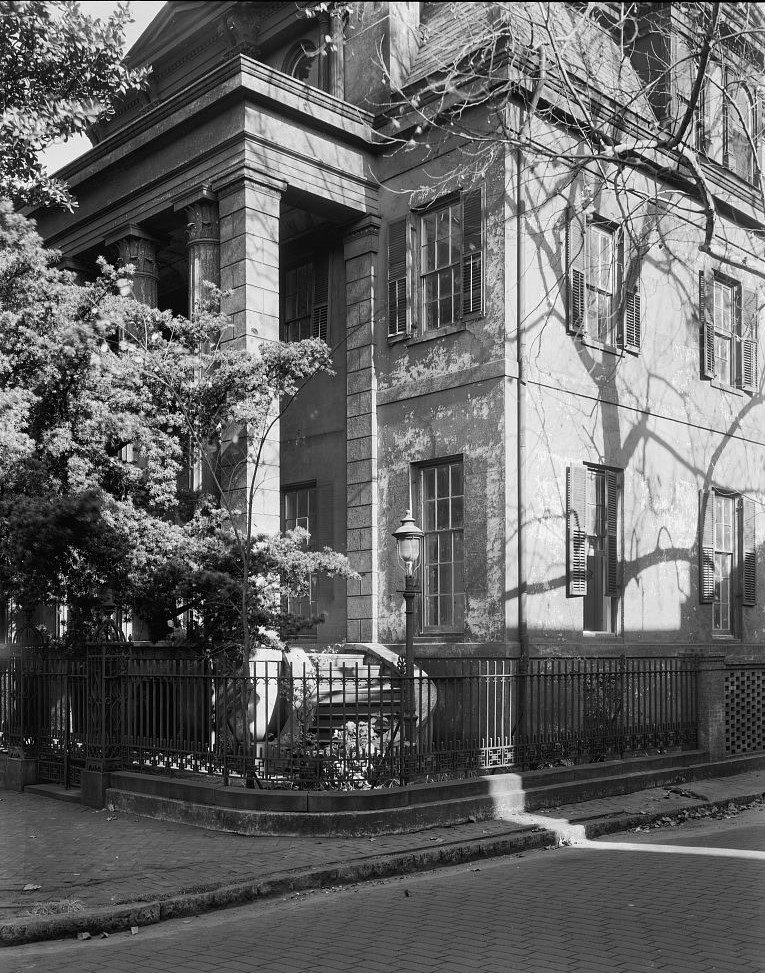
Harper Fowlkes House
230 Barnard St, Savannah, GA 31401
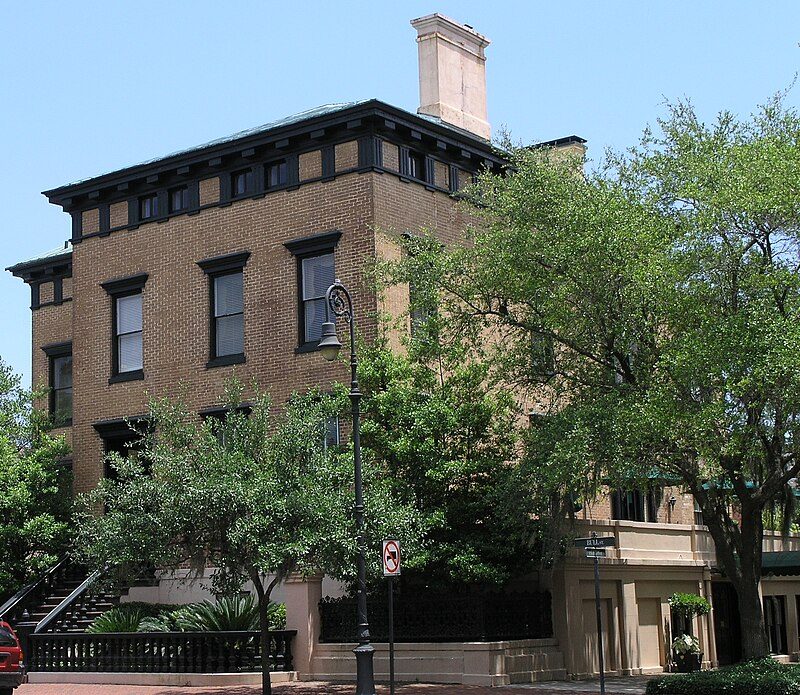
Oglethorpe Club
450 Bull St, Savannah, GA 31401
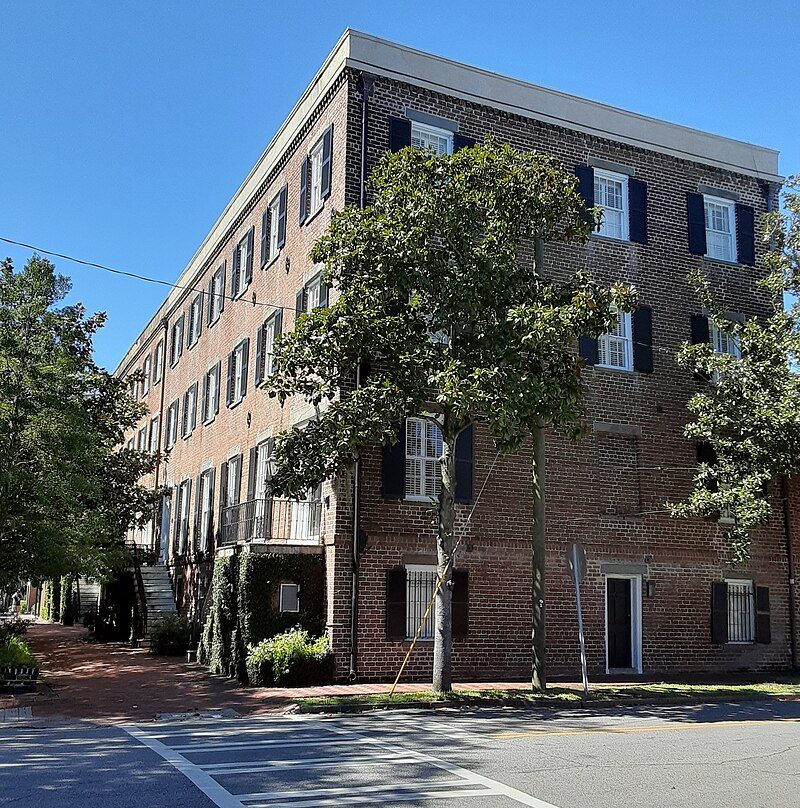
Mary Marshall Row
230 E Oglethorpe Ave, Savannah, GA 31401
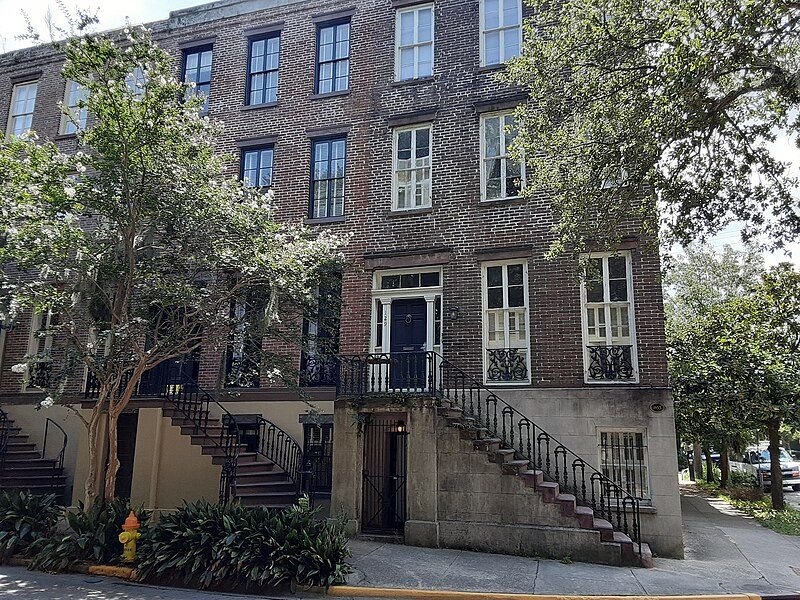
Gordon Row
101-129 W Gordon St, Savannah, GA 31401
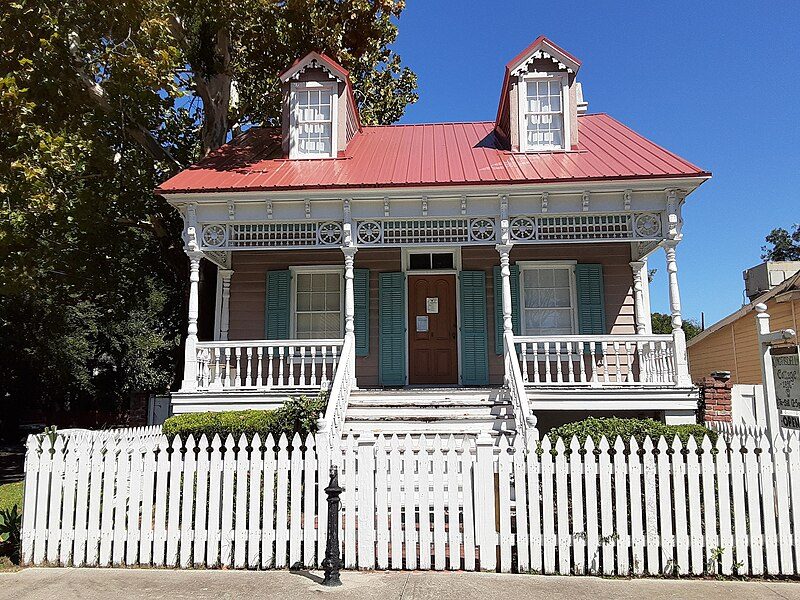
King-Tisdell Cottage
514 E Huntingdon St, Savannah, GA 31401
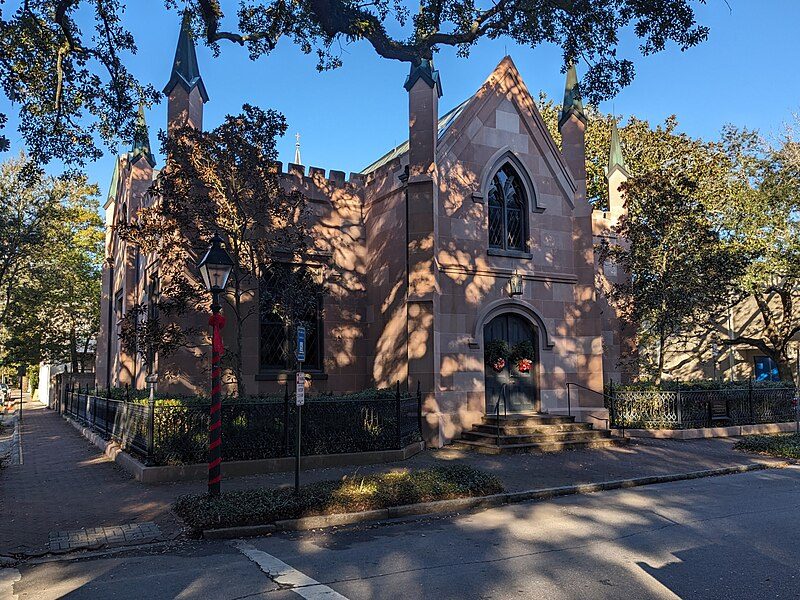
Unitarian Universalist Church of Savannah
313 E Harris St, Savannah, GA 31401
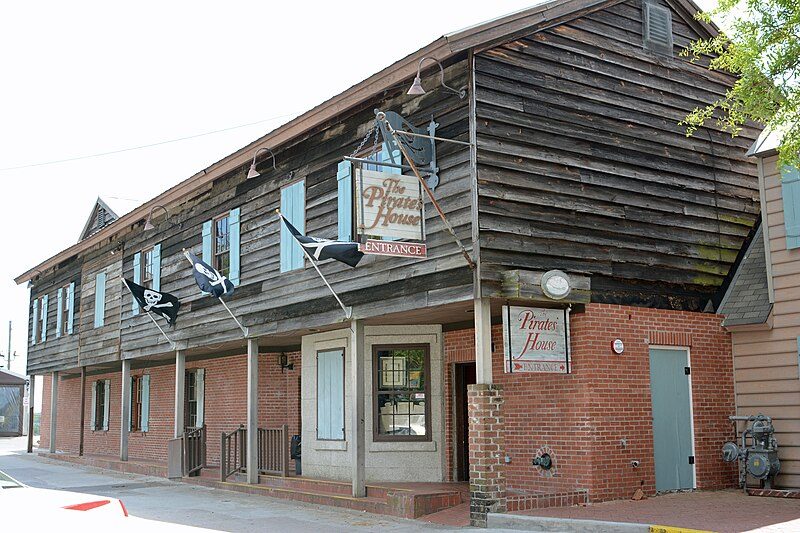
Pirates' House
20 E Broad St, Savannah, GA 31401
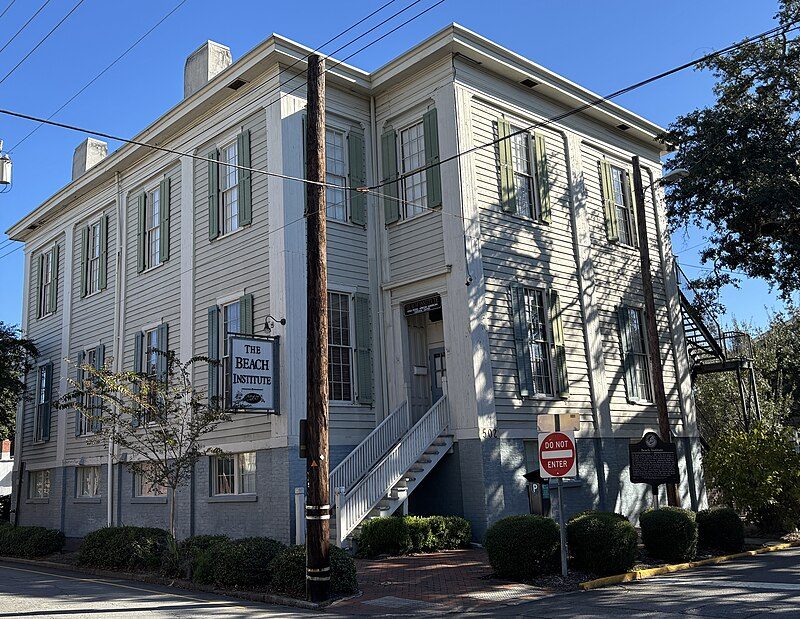
Beach Institute
502 E Harris St, Savannah, GA 31401
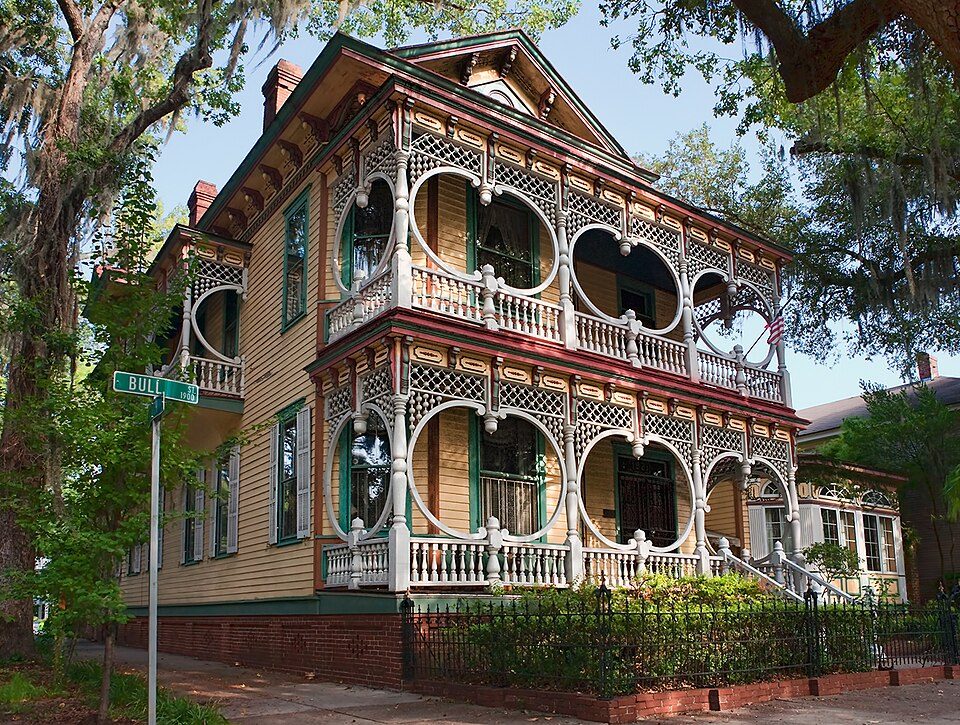
Gingerbread House
1921 Bull St, Savannah, GA 31401
Typical North American House
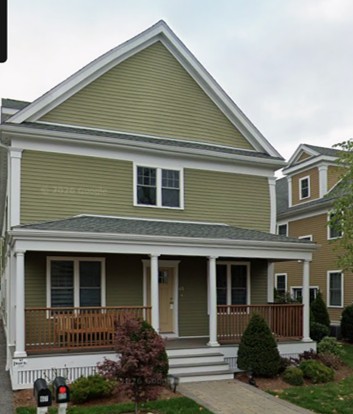
Residential House
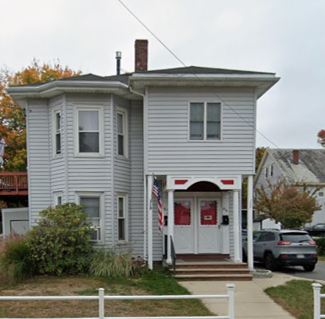
Small Residential House
Descriptive Residential Home
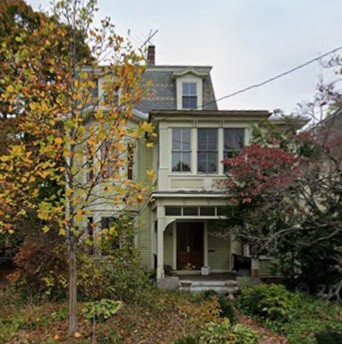
Victorian House
Where to Find Victorian Architecture
Related Styles
Why Victorian Matters Today
The Victorian era demonstrated that architectural innovation and ornamental richness are not opposites. Its buildings — beloved for their character, craftsmanship, and individuality — remind us that architecture can be simultaneously progressive and decorative, functional and delightful.