Architecture and Design Analysis
Building Influences
Modern Movement: 85% 85%
- Characterized by simplicity and functionality.
- Predominantly used materials like glass, steel, and concrete.
- Emphasis on open spaces and natural light.
Mid-Century Modern: 78% 78%
- Features organic forms and integration with nature.
- Use of large windows and open floor plans.
- Focus on functionality and ease of living.
Sustainable Architecture: 90% 90%
- Design aimed at minimizing environmental impact.
- Incorporation of natural materials and energy-efficient systems.
- Focus on harmony with the surrounding environment.
Neo-Vernacular: 75% 75%
- Utilizes local building materials and traditional styles.
- Adapts designs based on region and culture.
- Emphasizes sustainability and local identity.
Influence Descriptions
Modern Movement
This style emerged in the early to mid-20th century, promoting innovation in materials and design. Notable examples include the Villa Savoye by Le Corbusier and the Barcelona Pavilion by Mies van der Rohe.
Mid-Century Modern
Popular from the 1940s to 1960s, this style integrates indoor and outdoor spaces. Iconic buildings include the Glass House by Philip Johnson and the Eames House by Charles and Ray Eames.
Sustainable Architecture
This architectural movement focuses on eco-friendly designs, with famous examples like the Bosco Verticale in Milan and the Bullitt Center in Seattle.
Neo-Vernacular
This style incorporates local architectural traditions. Examples include the work of architect John D. Habraken in the Netherlands, emphasizing regionalism and functional elements.
Add the address to discover nearby architecture and connect this building to its city.
Similar Style Buildings

2405 S Dahlia Ln, Denver, CO 80222
Mid-Century Modern
1973 S Saint Paul St, Denver, CO 80210
Mid-Century Modern
N/A
Mid-Century Modern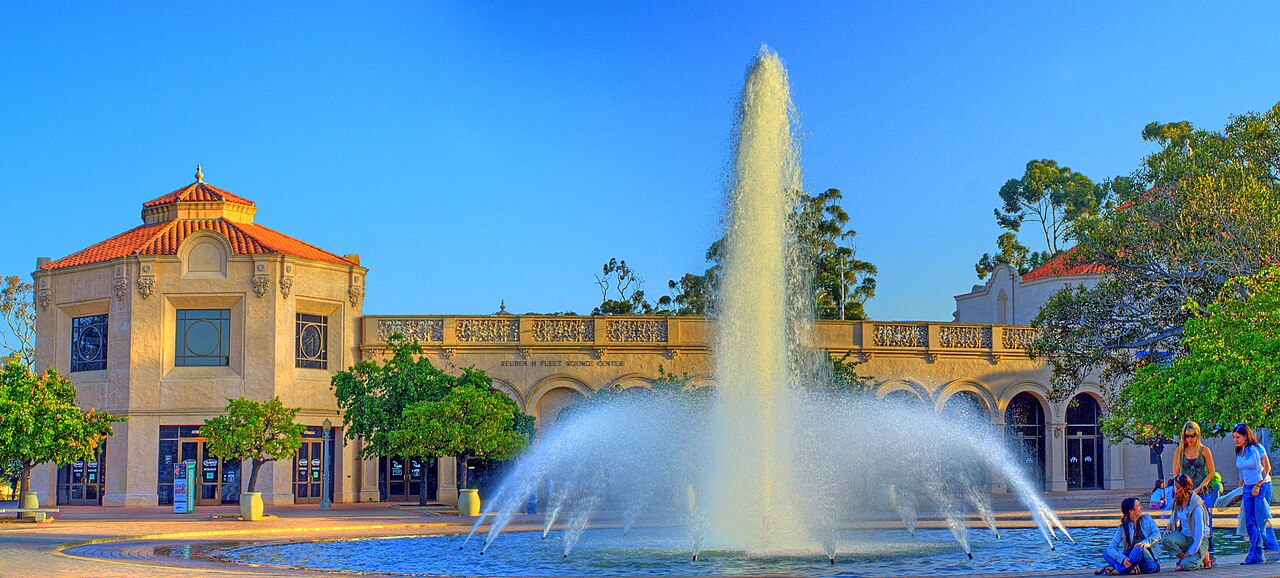
Fleet Science Center
Mid-Century Modern
N/A
Mid-Century Modern
N/A
Mid-Century Modern
N/A
Mid-Century Modern