Art Deco Architecture — A Guide
Overview
Art Deco is one of the most visually distinctive architectural styles of the 20th century. Born from a desire to celebrate modernity, technological progress, and luxury, it transformed cityscapes around the world with its bold geometric forms, lavish materials, and unmistakable sense of confidence. From the soaring skyscrapers of Manhattan to the pastel-hued hotels of Miami Beach, Art Deco buildings command attention and admiration nearly a century after their creation.
The style takes its name from the 1925 Exposition Internationale des Arts Décoratifs et Industriels Modernes in Paris, though its roots extend back to the pre-war experiments of Viennese and French designers. In the United States, Art Deco became the language of aspiration during the Roaring Twenties and persisted through the Depression era, when streamlined variants emerged. The style absorbed influences from ancient Egyptian art (spurred by the 1922 discovery of Tutankhamun's tomb), Cubism, Futurism, and indigenous American motifs, fusing them into a cosmopolitan aesthetic that felt simultaneously ancient and futuristic.
Key Characteristics
- Bold geometric patterns and angular forms
- Stepped or ziggurat-like profiles and setback massing
- Rich materials: chrome, marble, exotic woods, lacquer, and terracotta
- Stylized natural motifs — sunbursts, chevrons, fountains, and flora
- Vertical emphasis with strong horizontal banding
- Elaborate lobby interiors with murals, metalwork, and ornamental ceilings
- Integration of sculpture and bas-relief into facades
Famous Examples Worldwide
Chrysler Building
New York City, 1930
Empire State Building
New York City, 1931
Guardian Building
Detroit, 1929
Eastern Columbia Building
Los Angeles, 1929
Palacio de Bellas Artes
Mexico City, 1934
Buildings in Our Library (106)
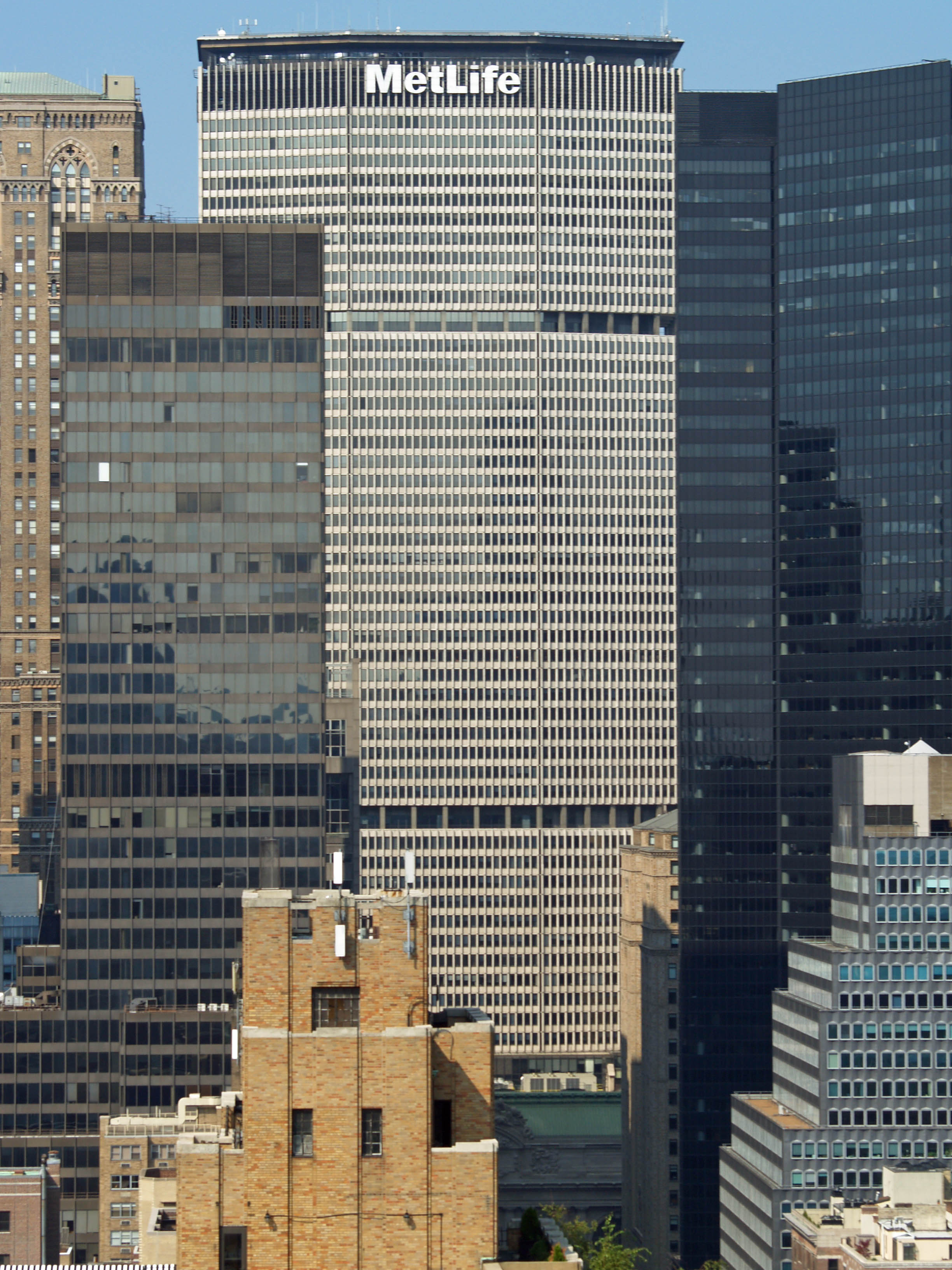
MetLife Building
200 Park Ave, New York, NY 10166
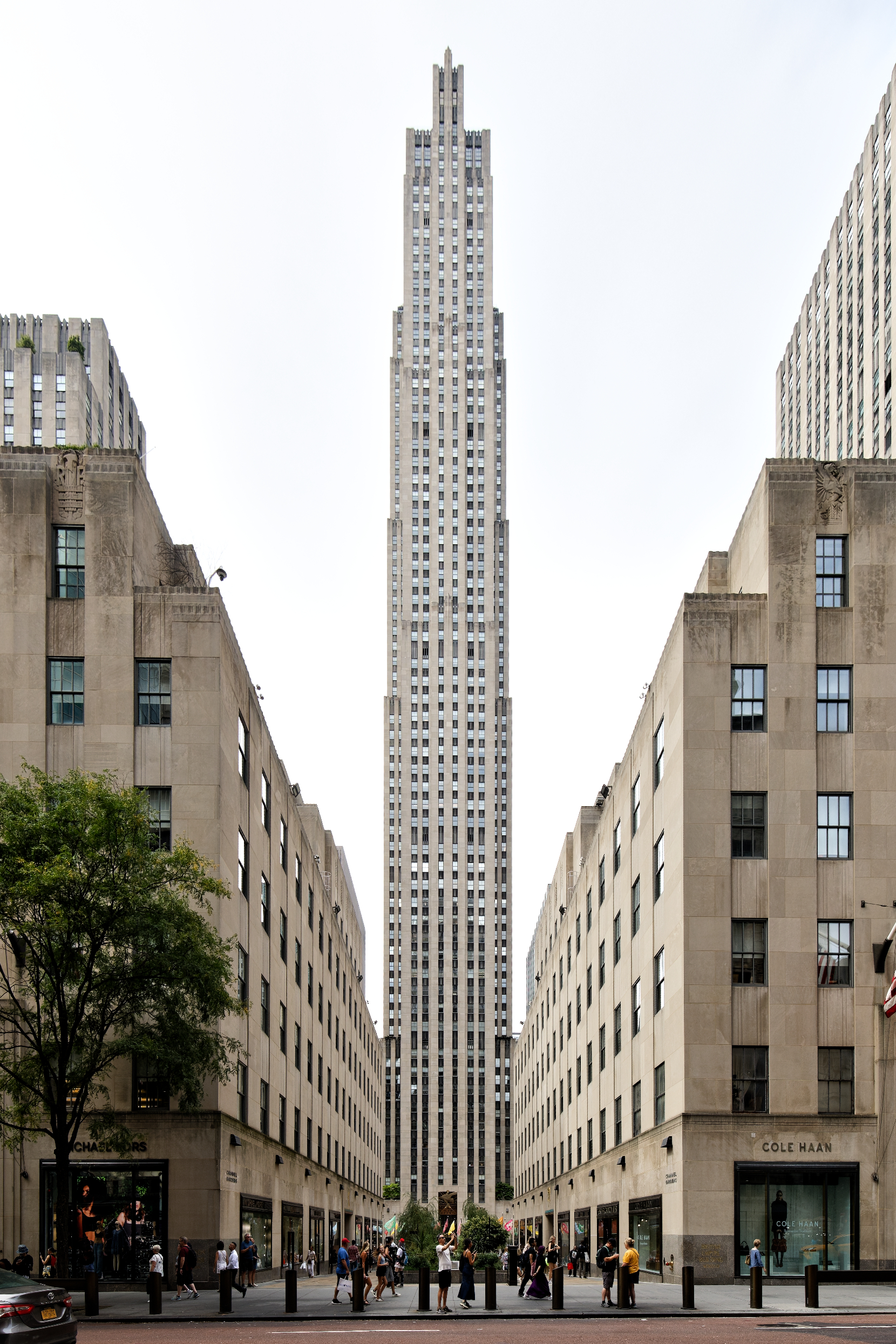
30 Rockefeller Plaza
30 Rockefeller Plaza, New York, NY 10112
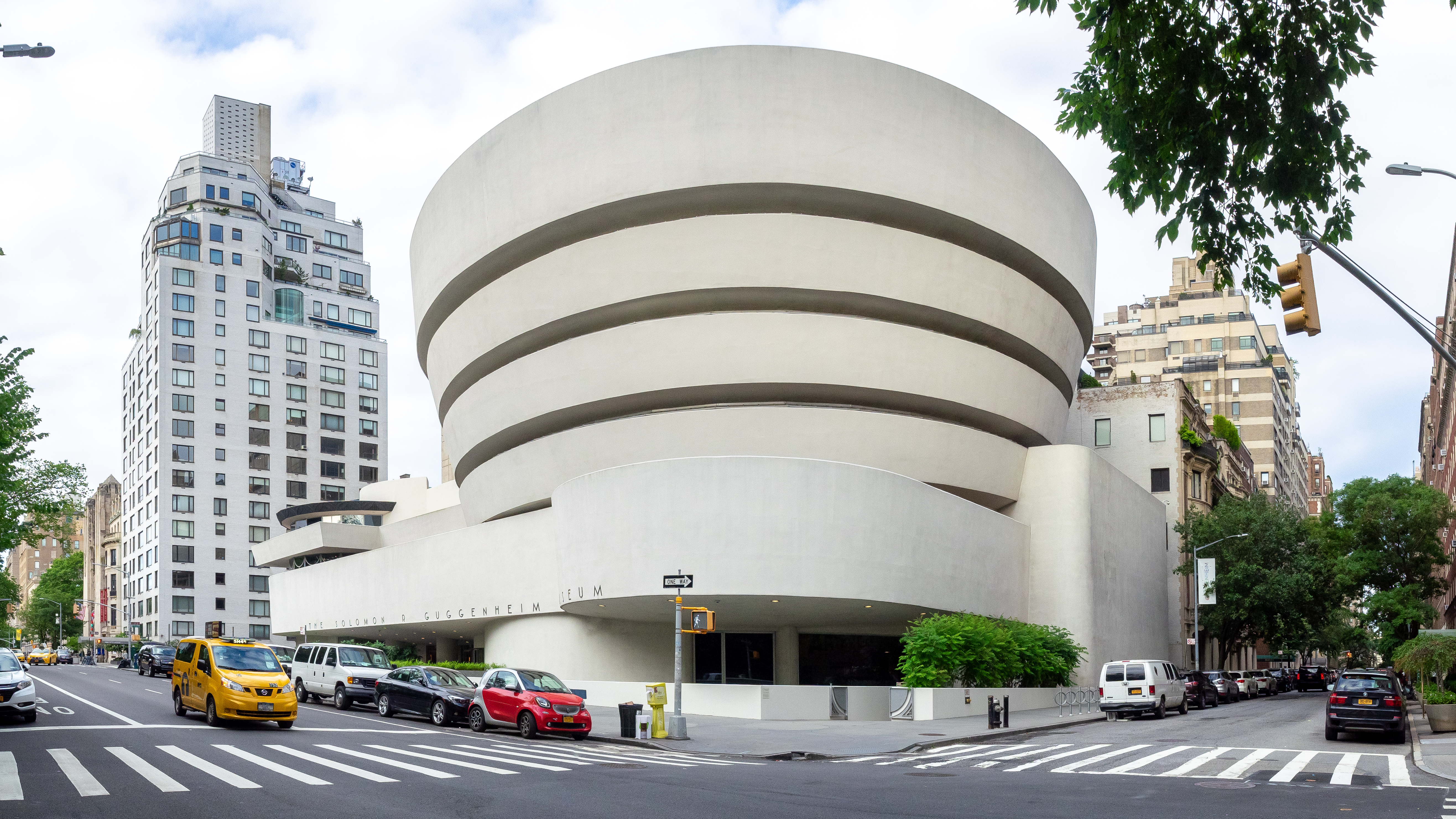
Solomon R. Guggenheim Museum
1071 5th Ave, New York, NY 10128
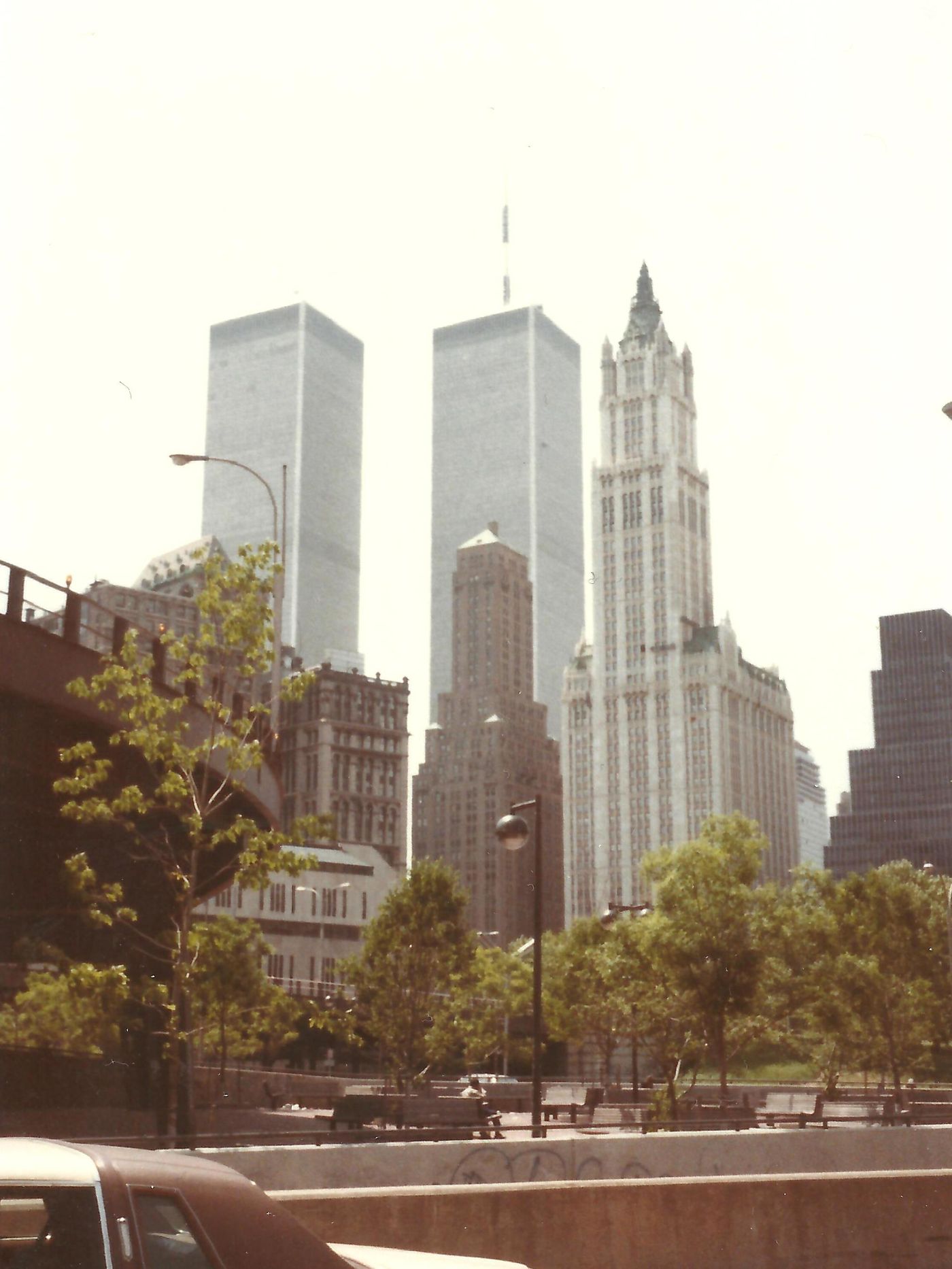
233 Broadway
233 Broadway, New York, NY 10007
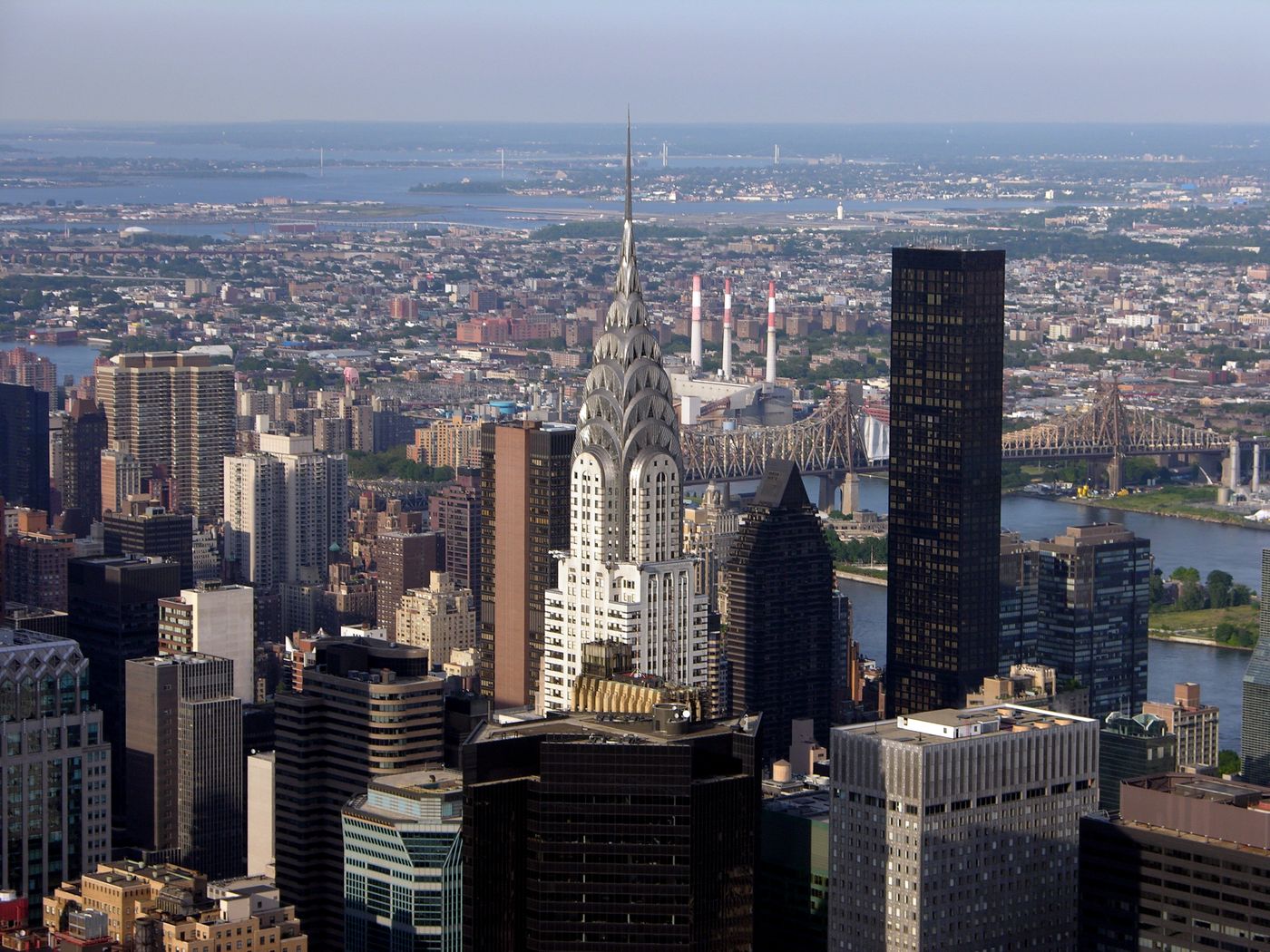
405 Lexington Ave
405 Lexington Ave, New York, NY 10174
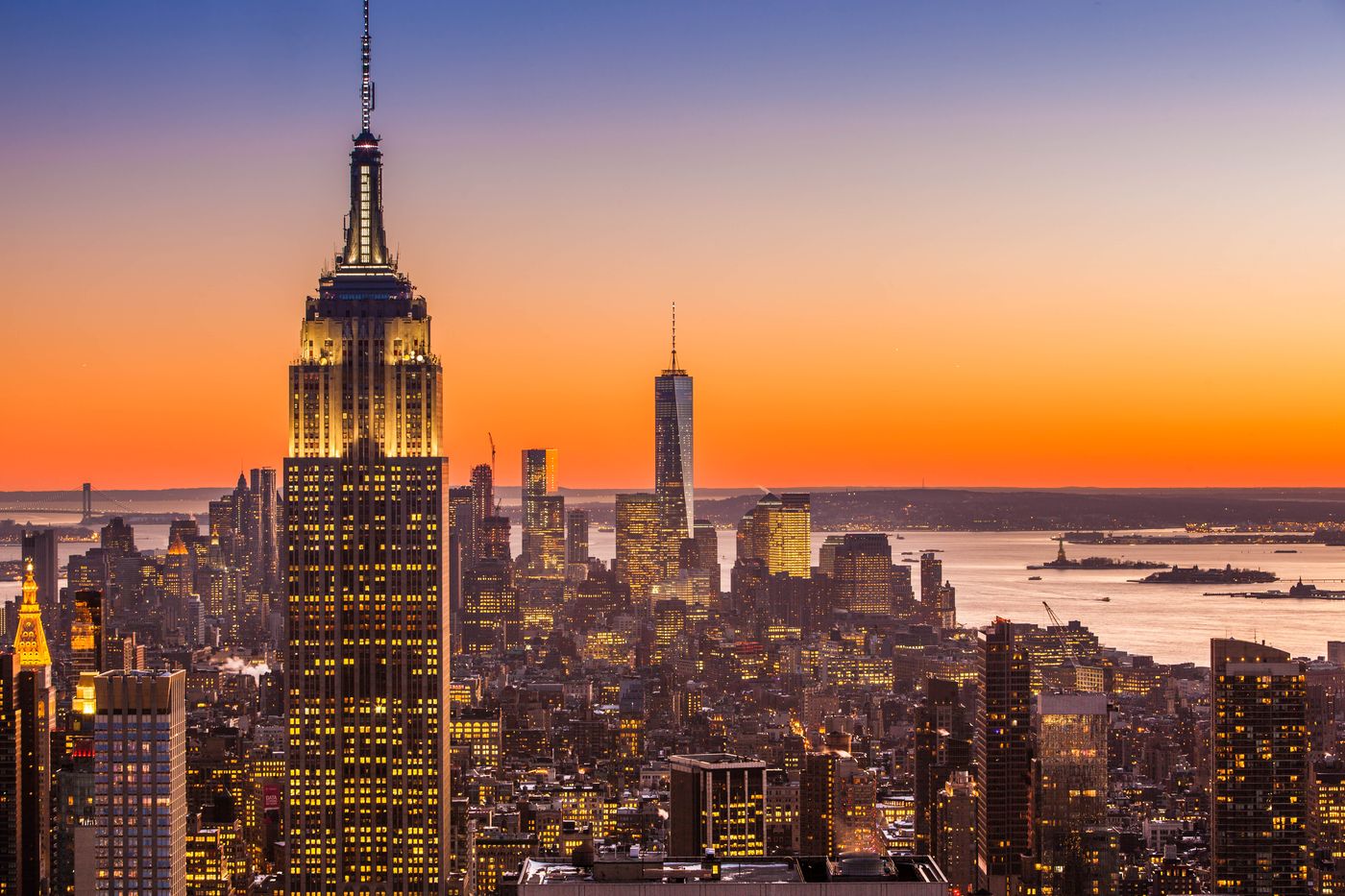
20 W 34th St
20 W 34th St, New York, NY 10001
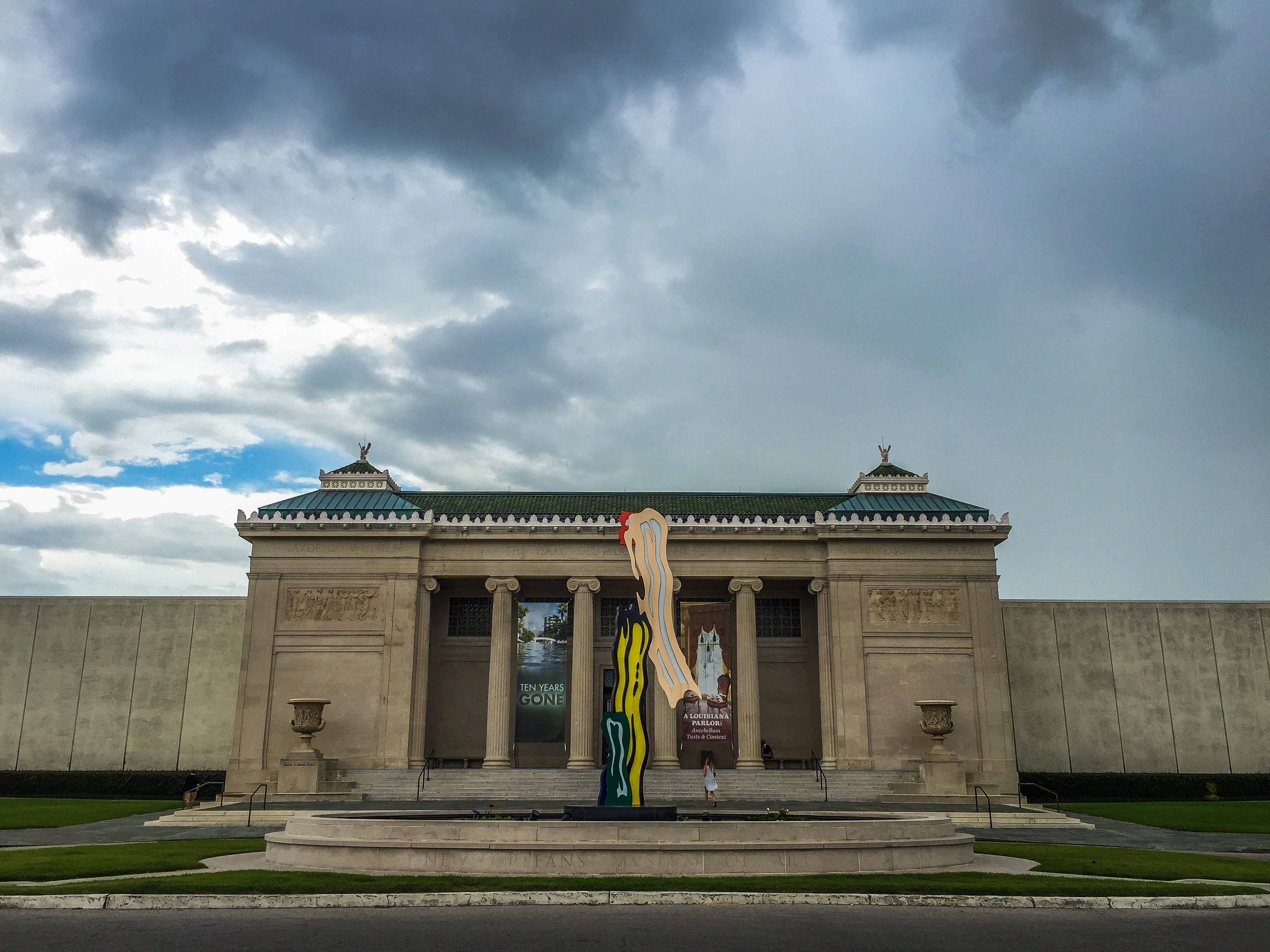
1 Collins C Diboll Circle
1 Collins C Diboll Circle, New Orleans, LA
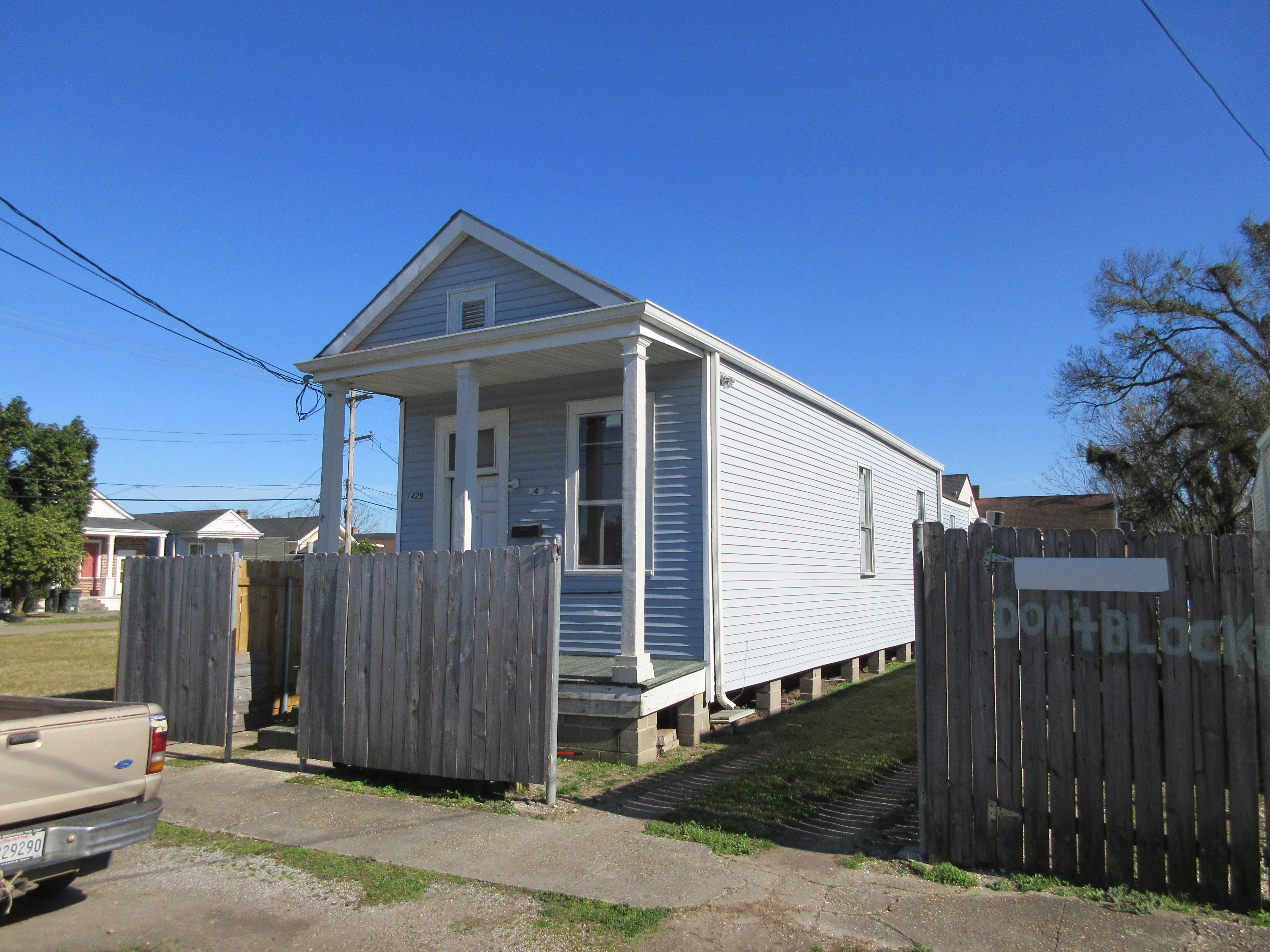
2726 Constance St
2726 Constance St, New Orleans, LA
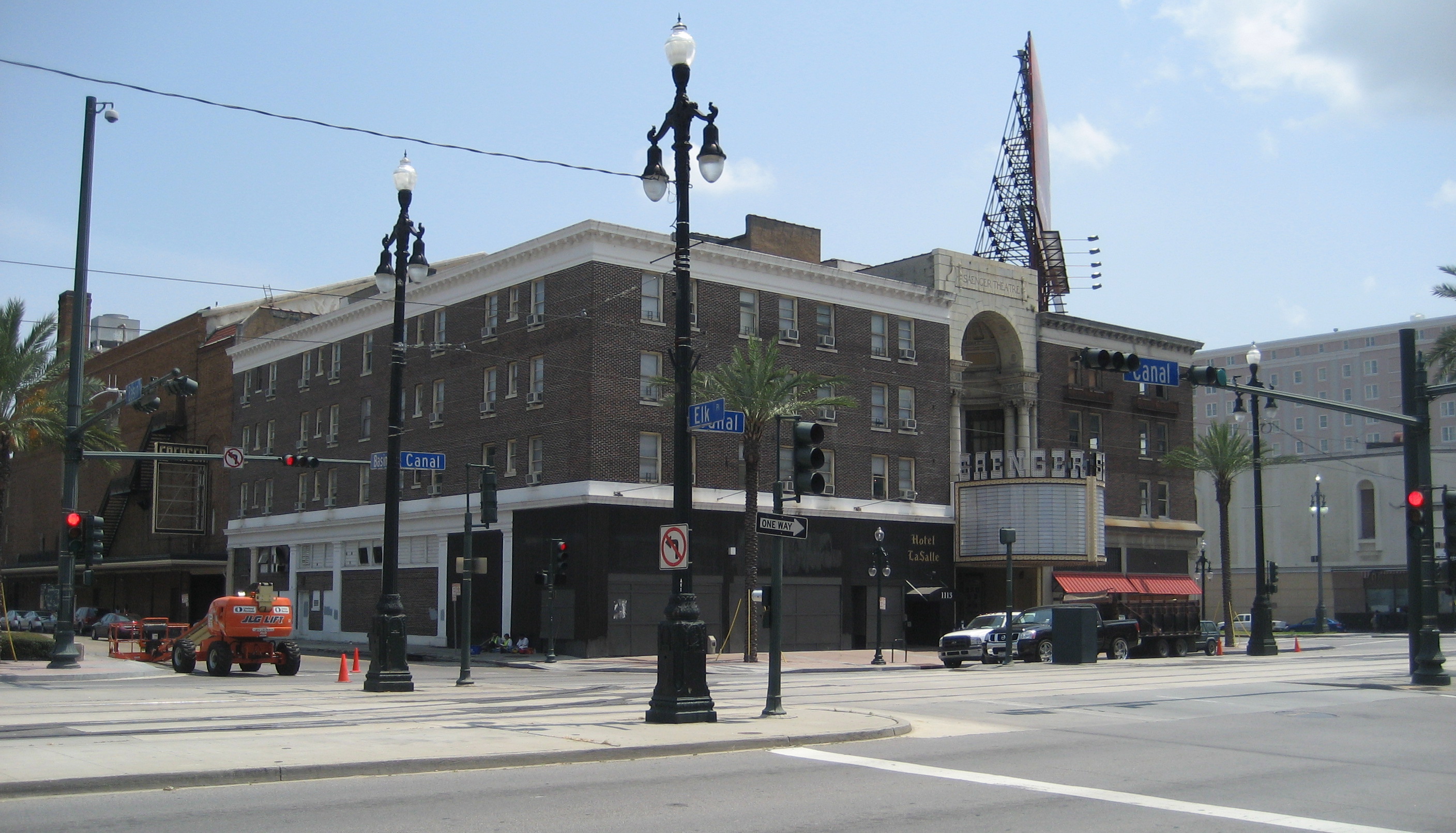
1111 Canal St
1111 Canal St, New Orleans, LA
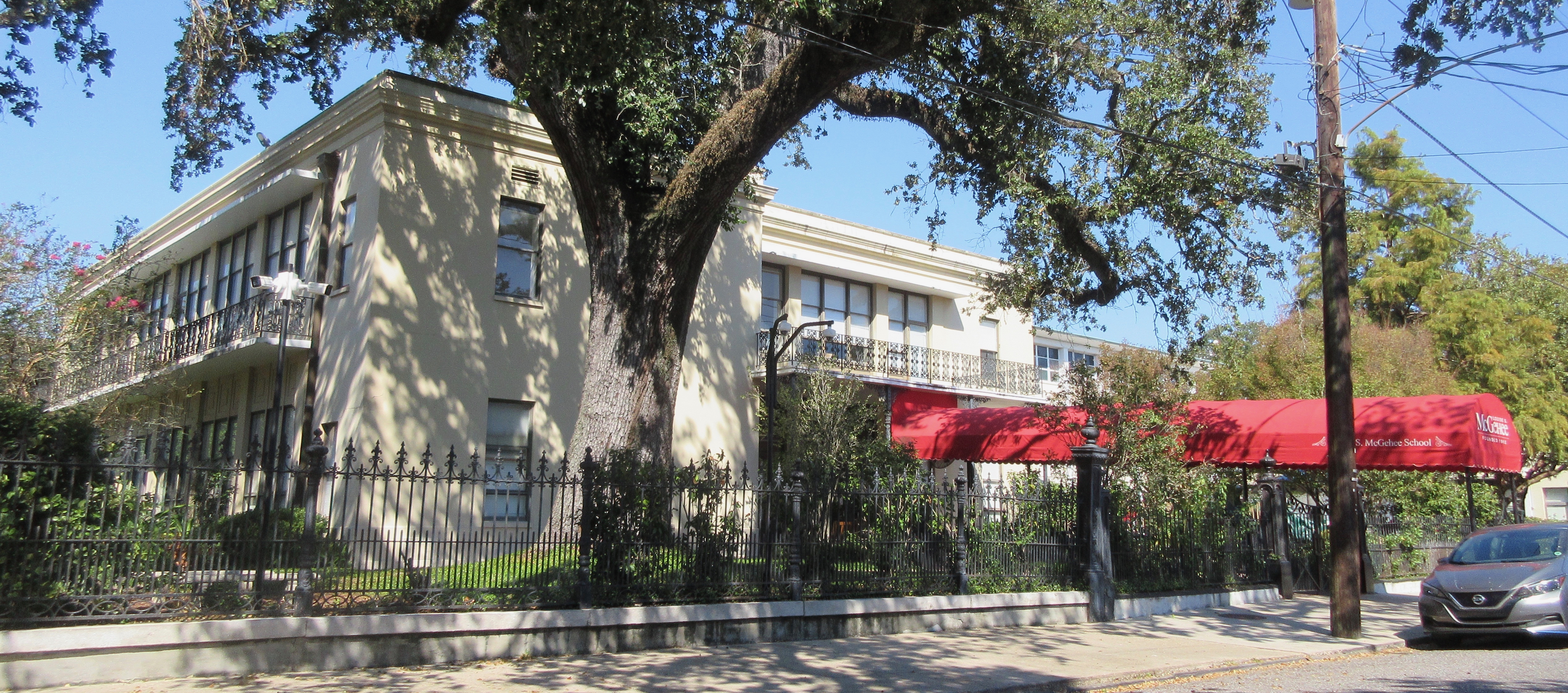
2343 Prytania St
2343 Prytania St, New Orleans, LA
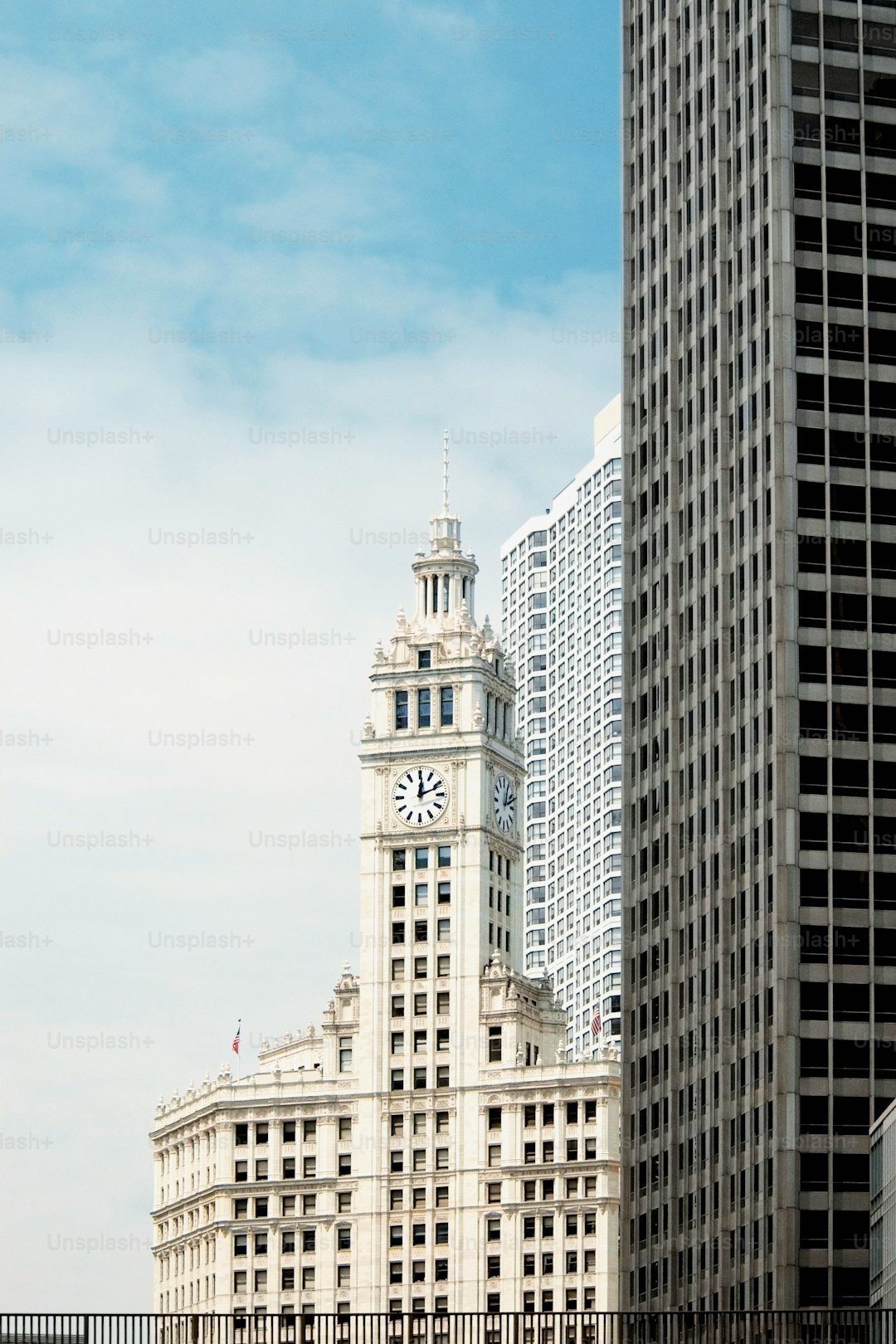
400 N Michigan Ave
400 N Michigan Ave, Chicago, IL 60611
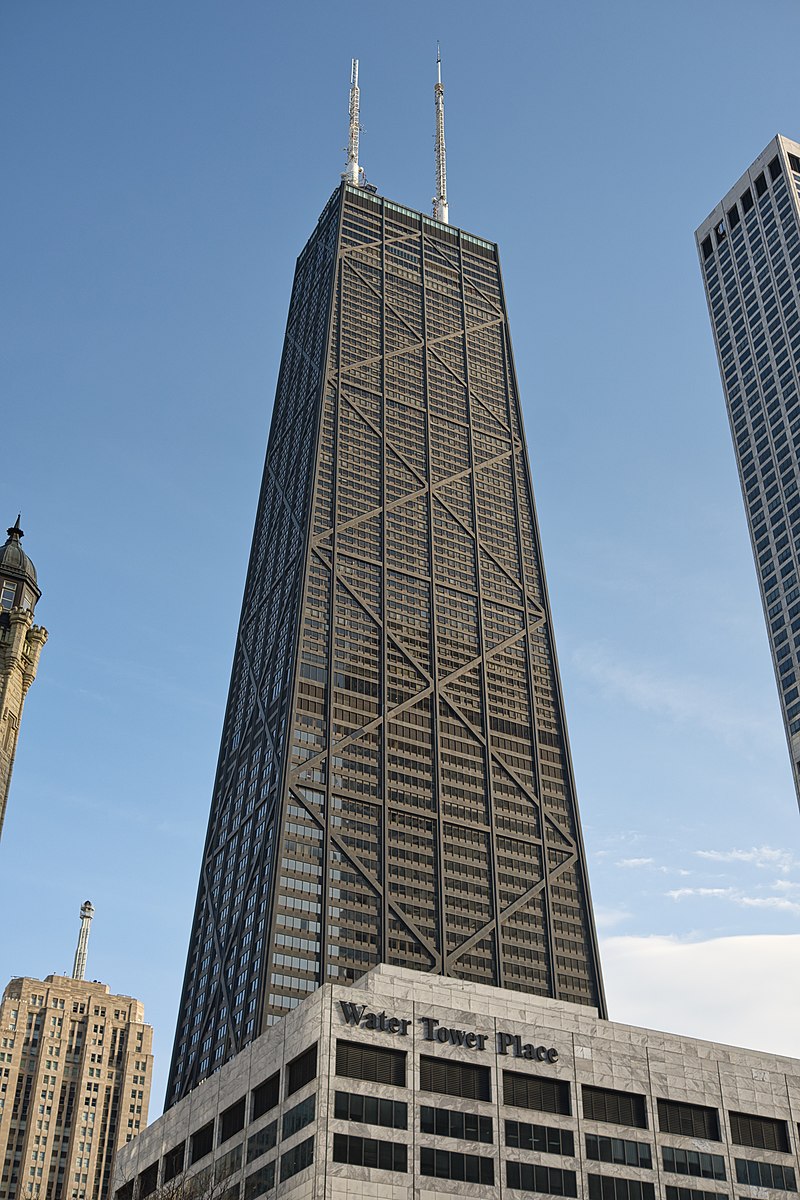
875 N Michigan Ave
875 N Michigan Ave, Chicago, IL 60611
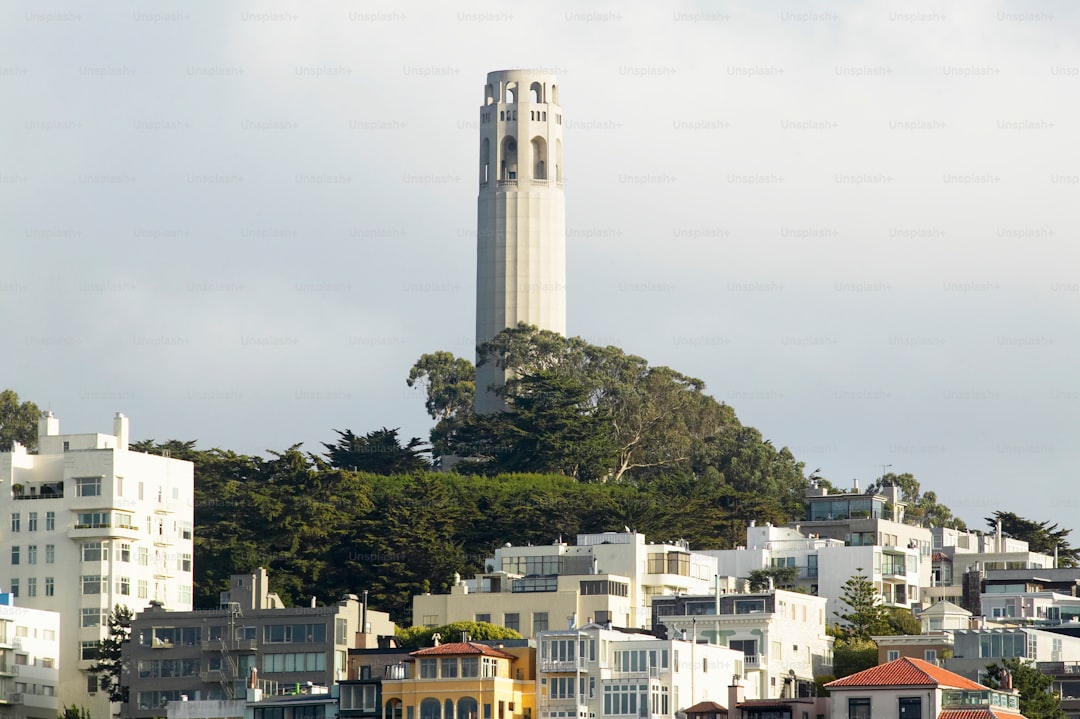
1 Telegraph Hill Blvd
1 Telegraph Hill Blvd, San Francisco, CA 94133
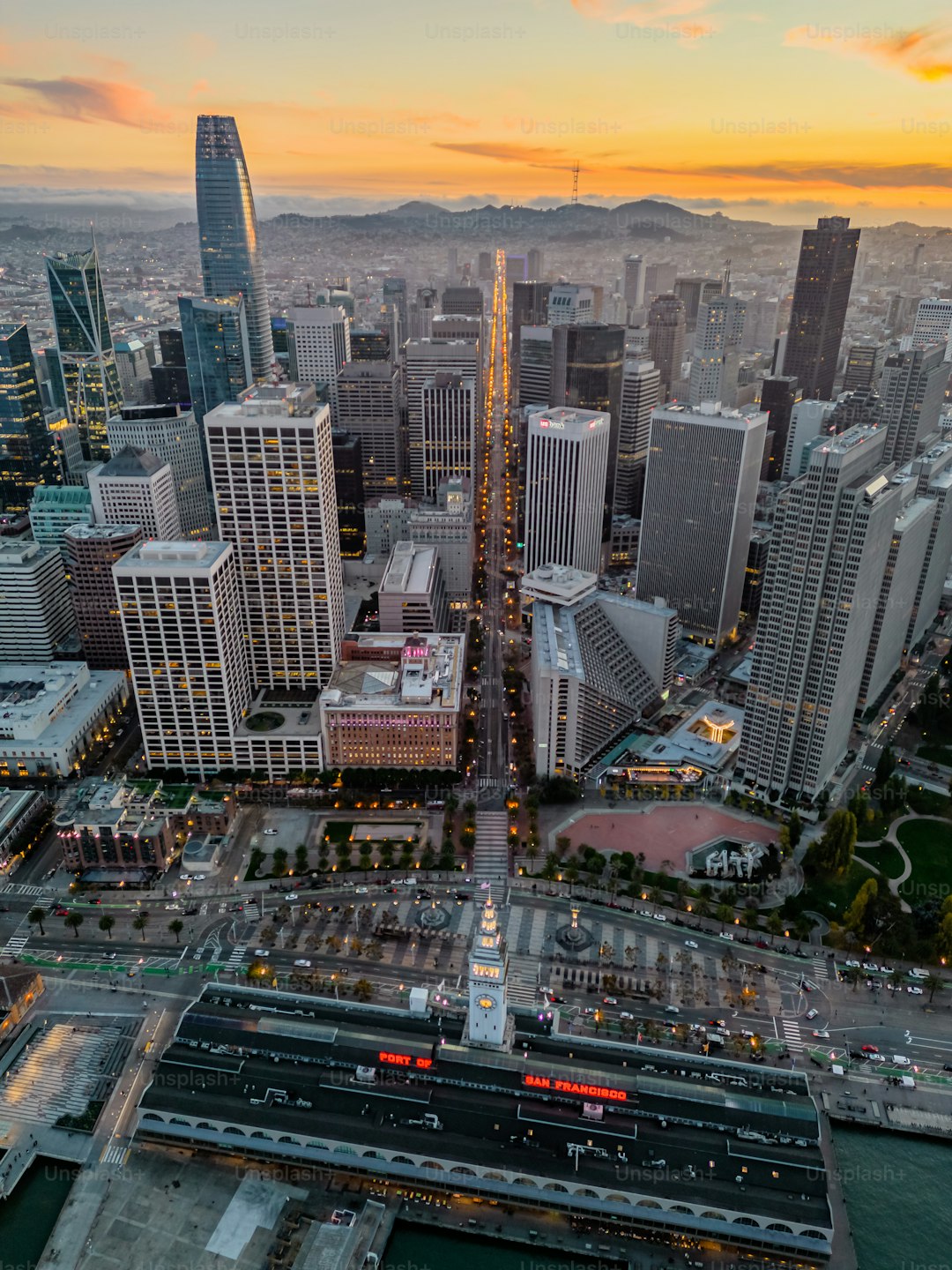
1 Ferry Building
1 Ferry Building, San Francisco, CA 94111
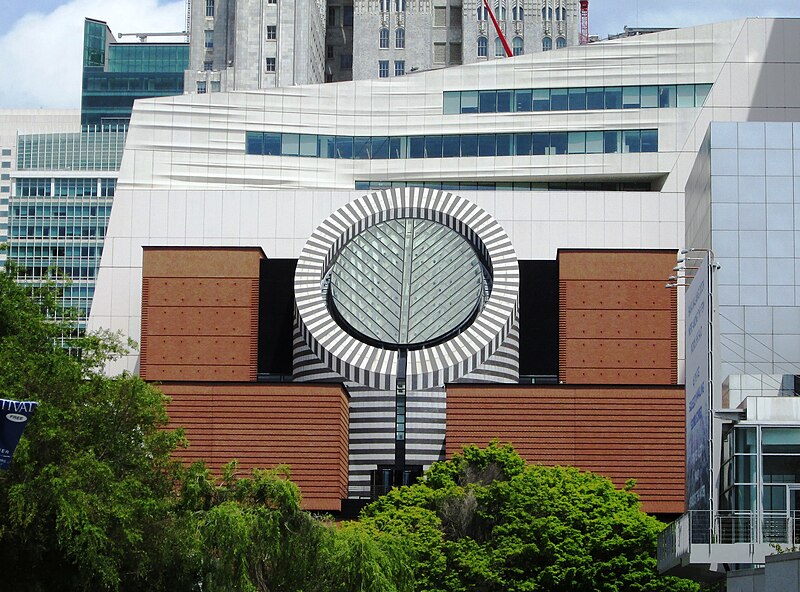
151 3rd St
151 3rd St, San Francisco, CA 94103
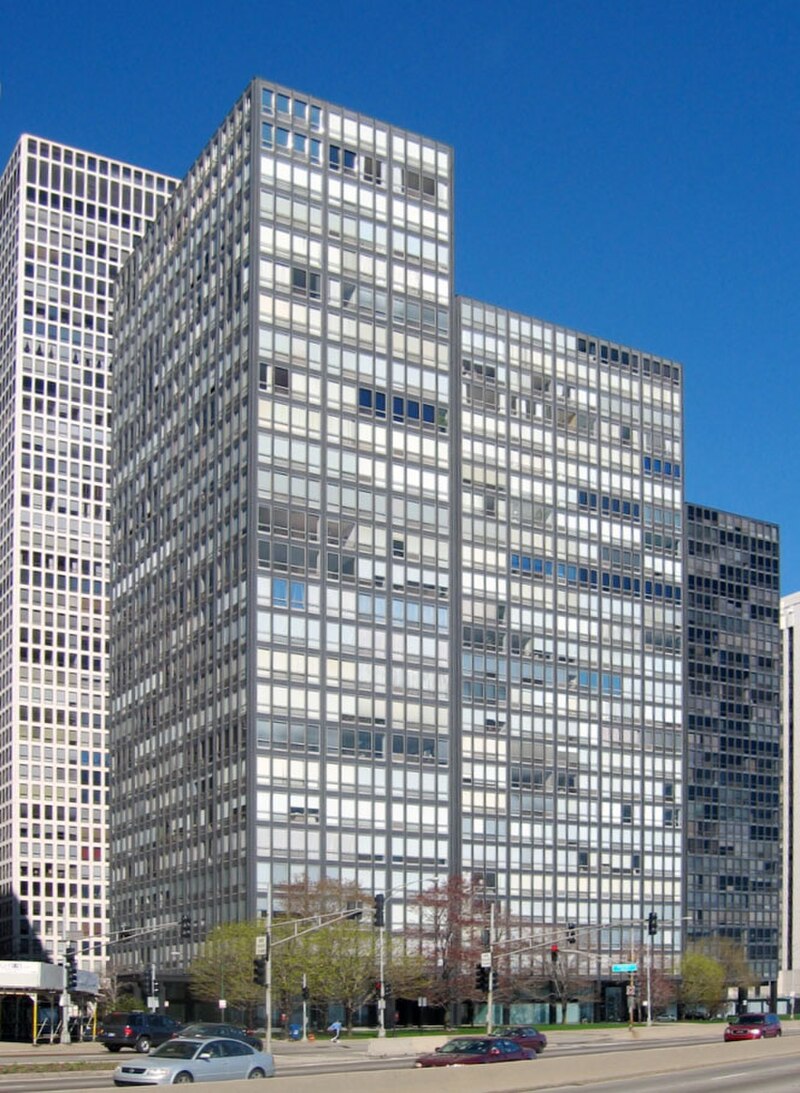
860 N Lake Shore Dr
860 N Lake Shore Dr, Chicago, IL 60611
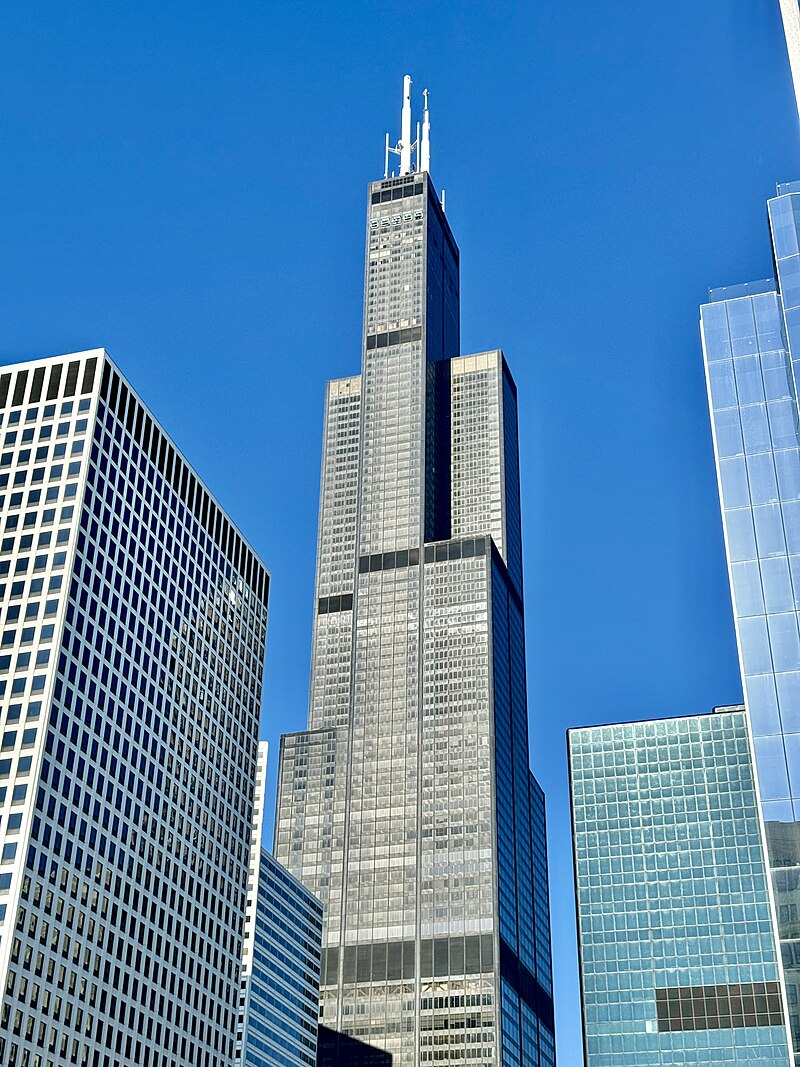
233 S Wacker Dr
233 S Wacker Dr, Chicago, IL 60606
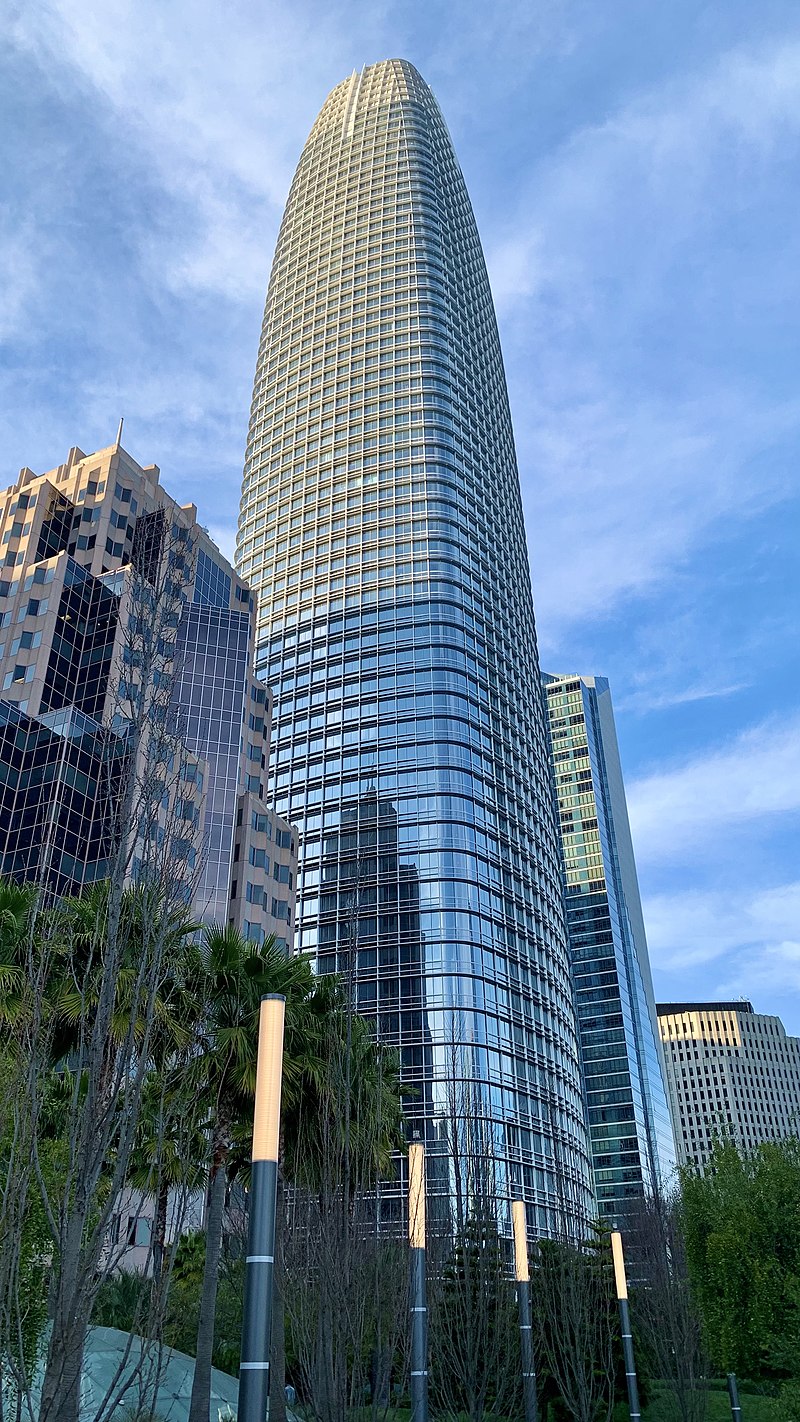
415 Mission St
415 Mission St, San Francisco, CA 94105
1 Ferry Building
1 Ferry Building, San Francisco, CA 94111
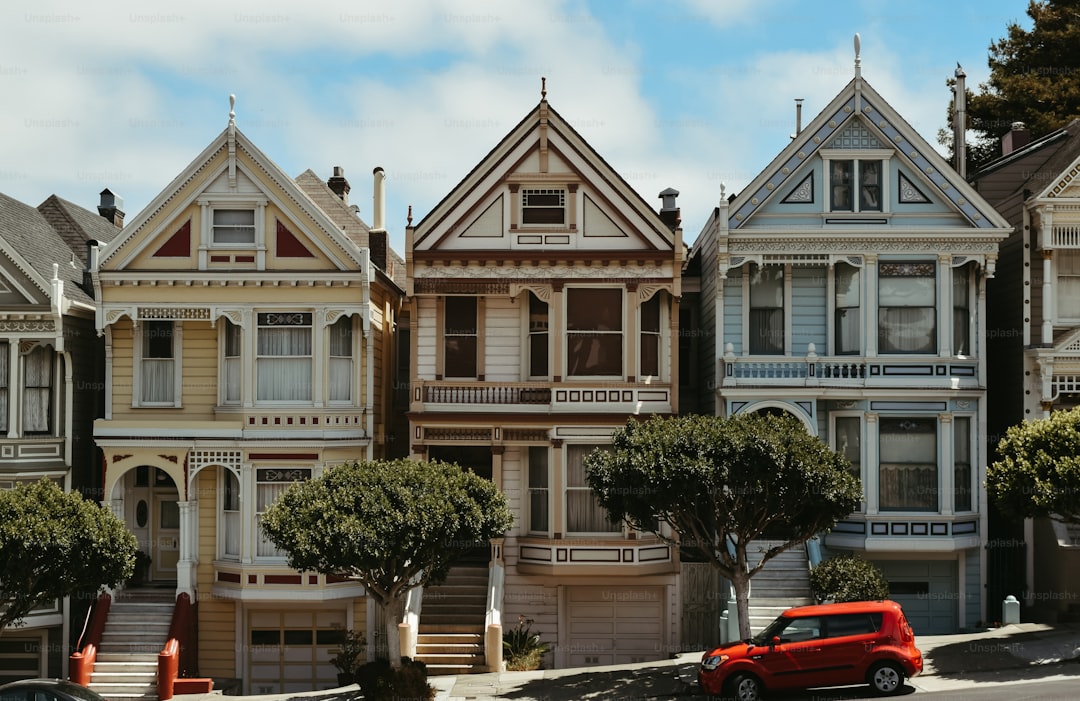
710-720 Steiner St
710-720 Steiner St, San Francisco, CA 94117
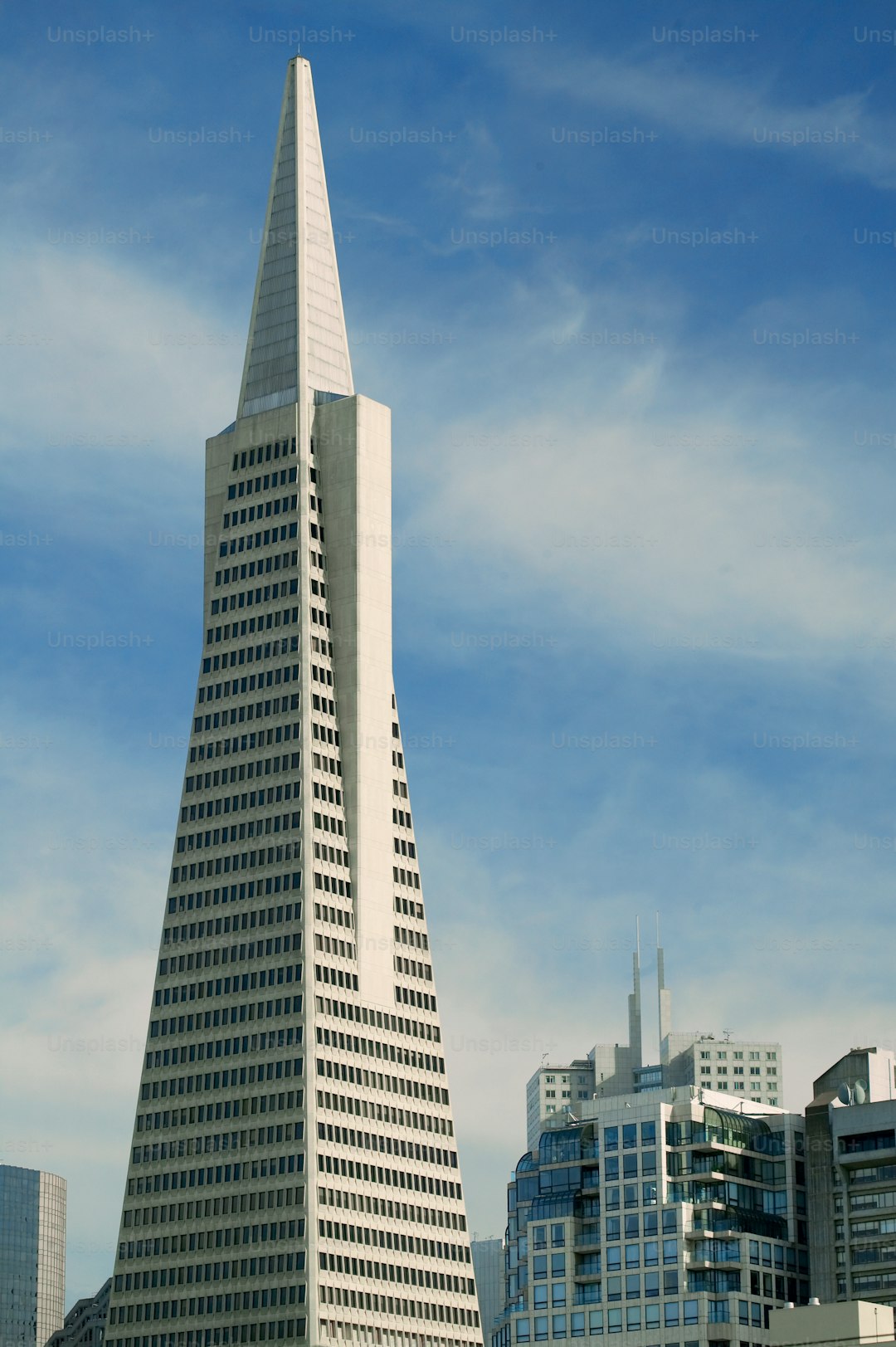
600 Montgomery St
600 Montgomery St, San Francisco, CA 94111


Where to Find Art Deco Architecture
Related Styles
Why Art Deco Matters Today
Art Deco democratized beauty in architecture by bringing artistry and craftsmanship to commercial buildings, movie theaters, apartment blocks, and subway stations — not just palaces and churches. Its optimistic embrace of new materials and industrial techniques anticipated our modern world, while its insistence on ornament and delight reminds us that buildings can be joyful. Today, Art Deco districts from Miami to Mumbai are beloved heritage zones, and the style's influence echoes in contemporary design that values bold geometry and material richness.