Gothic Architecture — A Guide
Overview
Gothic architecture represents one of humanity's most audacious structural achievements. For four centuries, master builders across Europe competed to create churches of ever-greater height, flooding their interiors with colored light through vast stained-glass windows. The result was a body of work — the great cathedrals — that remains among the most sublime achievements of human civilization.
The Gothic style was born at the Abbey Church of Saint-Denis near Paris around 1140, when Abbot Suger employed pointed arches, ribbed vaults, and large windows to create an architecture of luminous transcendence. The innovations spread rapidly: Notre-Dame de Paris, Chartres, Reims, Amiens, Cologne, and Salisbury cathedrals followed in a building campaign that lasted centuries. Each generation pushed the structural system further, achieving ever-greater height and transparency.
Key Characteristics
- Pointed arches distributing weight more efficiently than round arches
- Ribbed vaults creating skeletal ceiling structures
- Flying buttresses transferring roof thrust to external supports
- Vast stained-glass windows filling interiors with colored light
- Soaring vertical proportions emphasizing height and aspiration
- Elaborate stone tracery, pinnacles, and sculptural programs
Famous Examples Worldwide
Notre-Dame de Paris
Paris, 1345
Chartres Cathedral
Chartres, 1220
Cologne Cathedral
Cologne, 1880
Salisbury Cathedral
Salisbury, 1258
Buildings in Our Library (128)
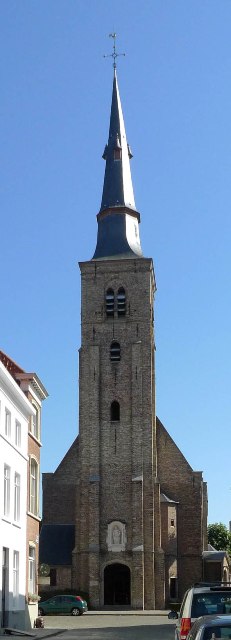
Sint-Annakerk
Sint-Annaplein, 8000 Brugge, Belgium
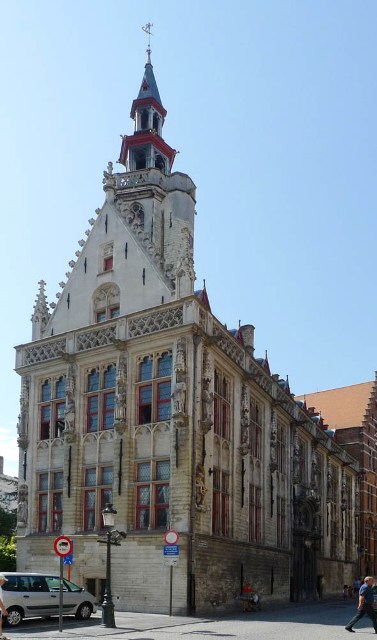
Poortersloge
Academiestraat 14, 8000 Brugge, Belgium
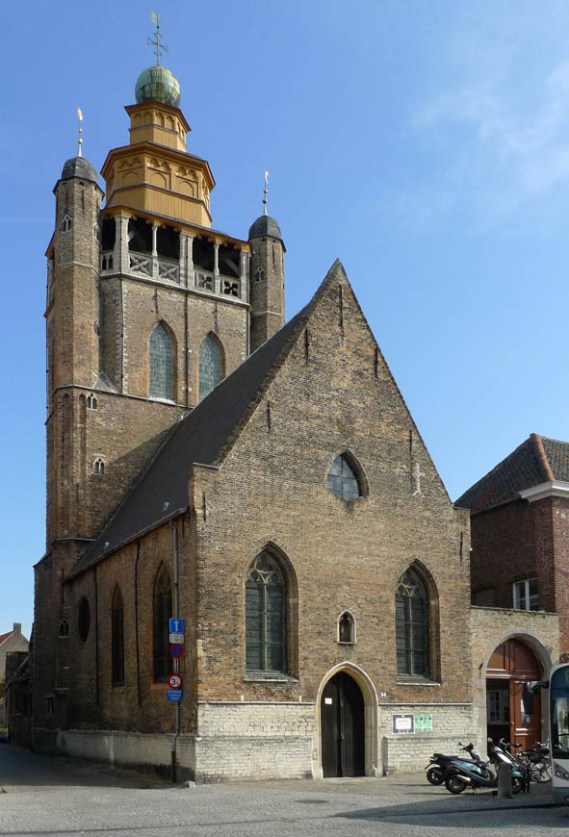
Jeruzalemkerk
Peperstraat 3, 8000 Brugge, Belgium
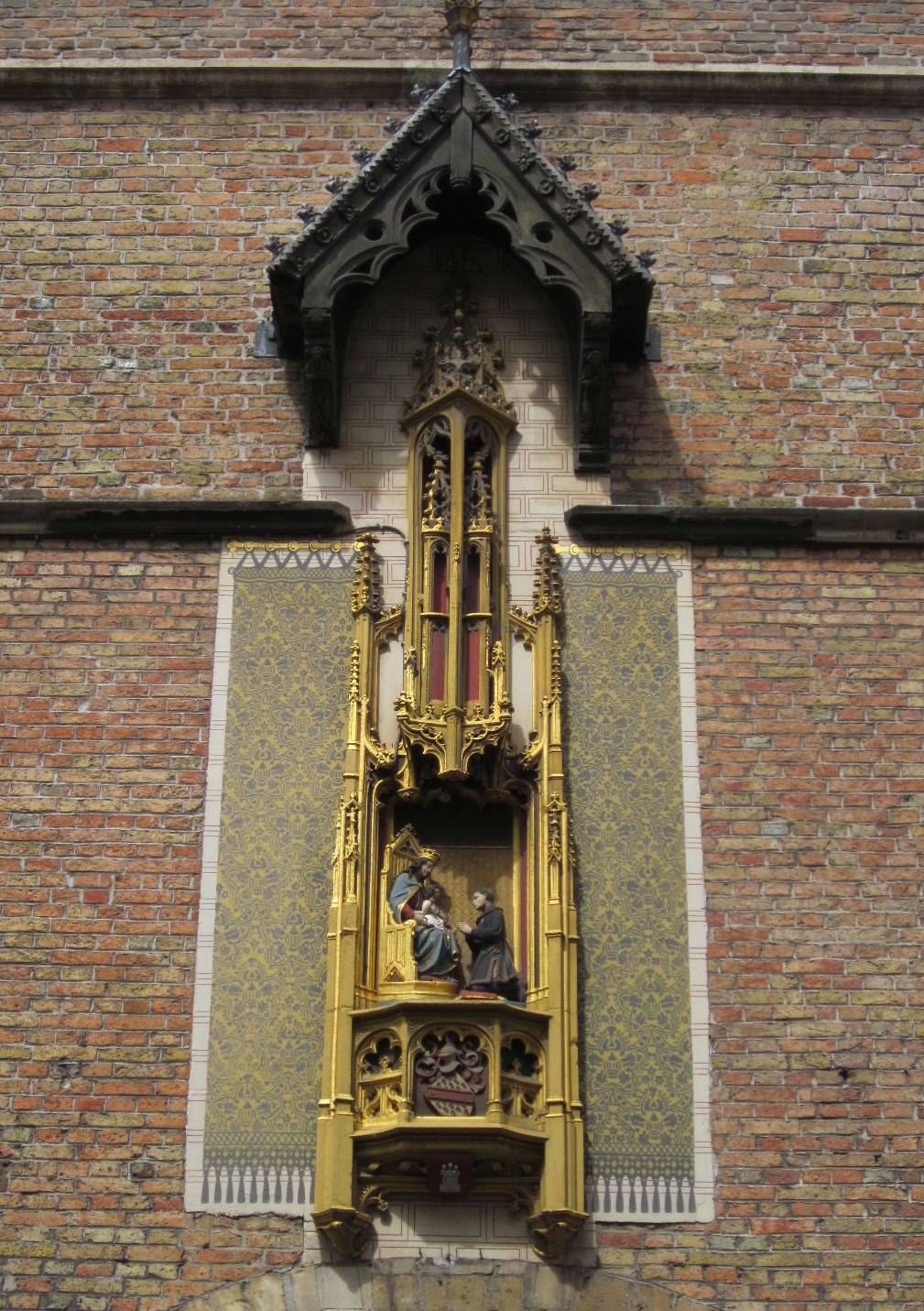
Hof Bladelin
Naaldenstraat 19, 8000 Brugge, Belgium
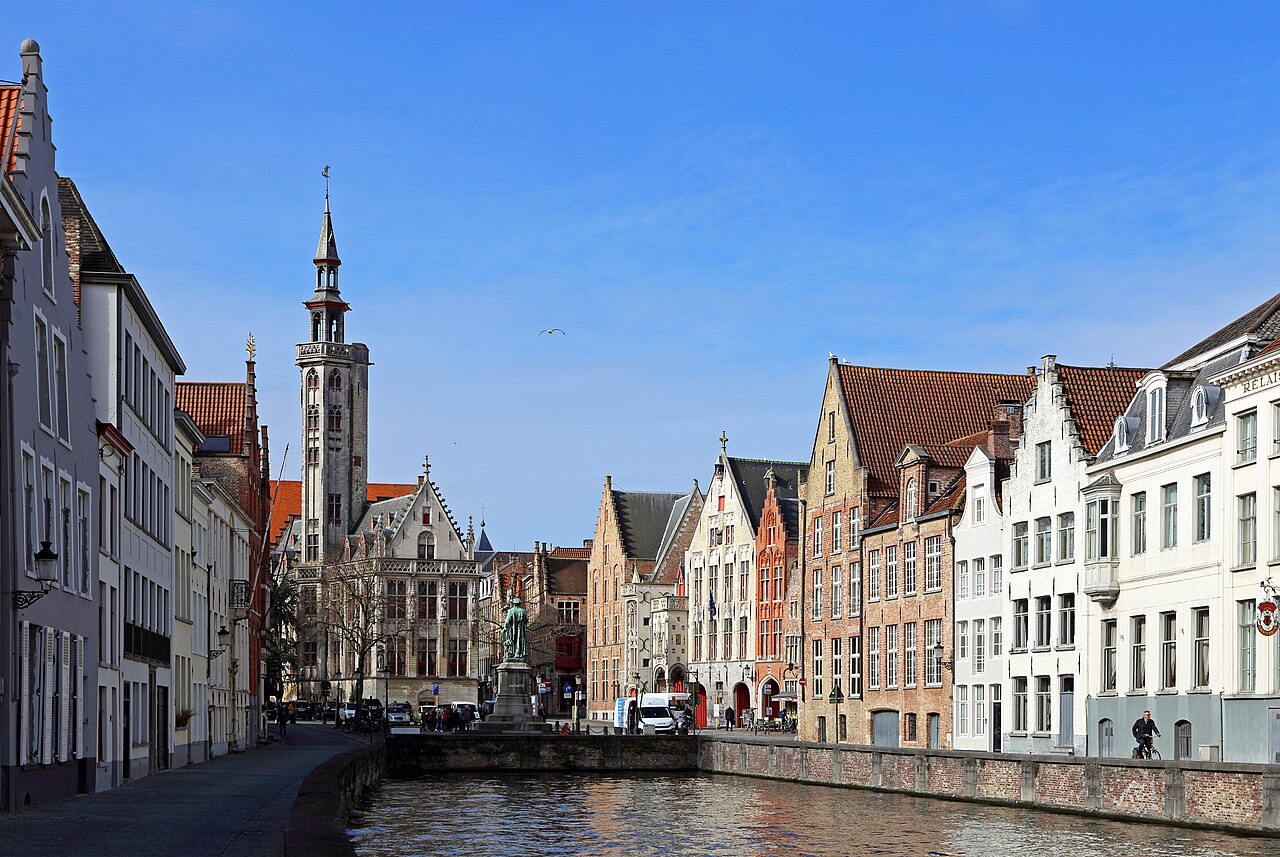
Jan Van Eyckplein Tolhuis
Jan van Eyckplein, 8000 Brugge, Belgium
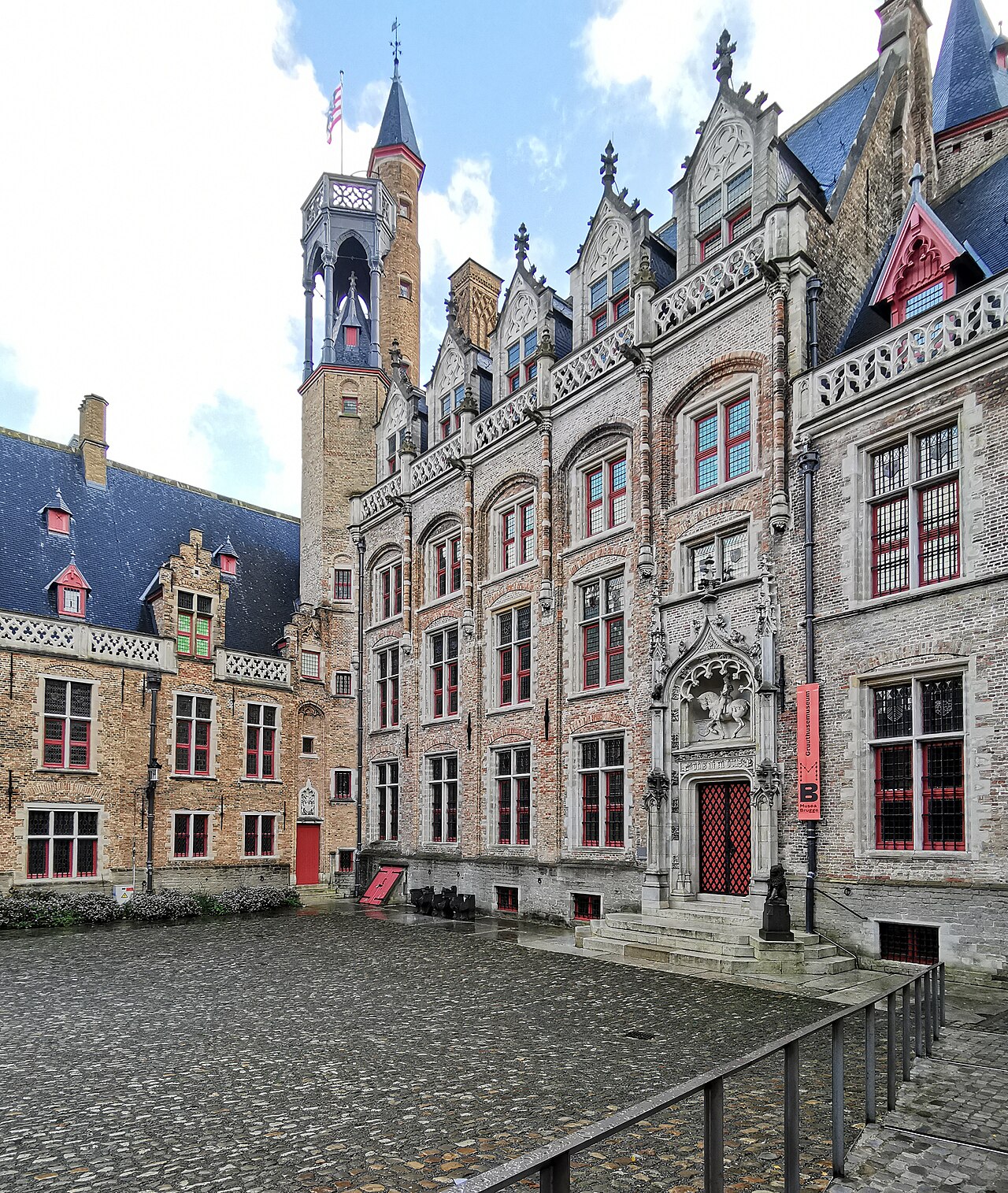
Gruuthusemuseum
Dijver 17C, 8000 Brugge, Belgium
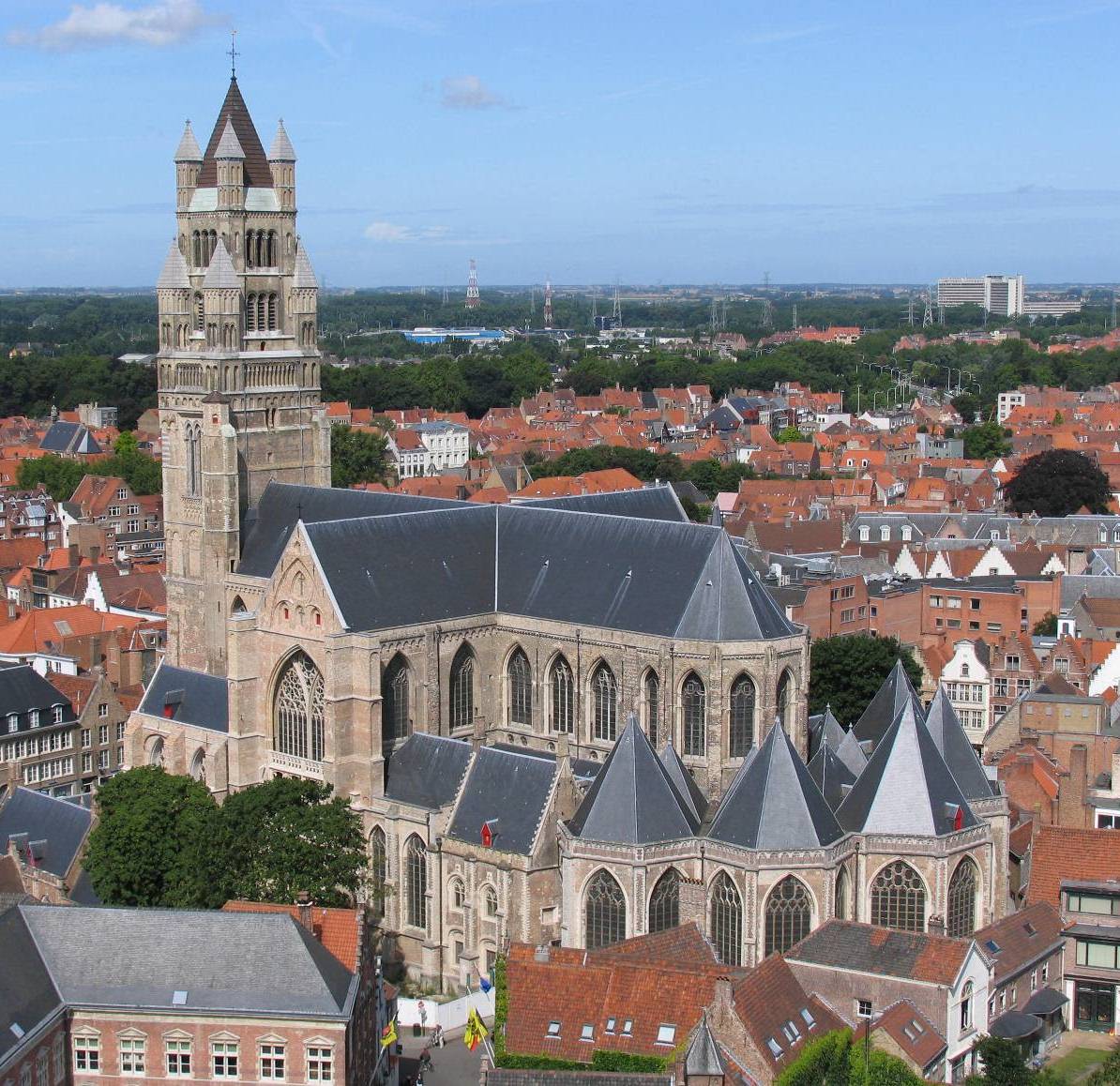
Sint-Salvatorskathedraal
Sint-Salvatorskoorstraat 8, 8000 Brugge, Belgium
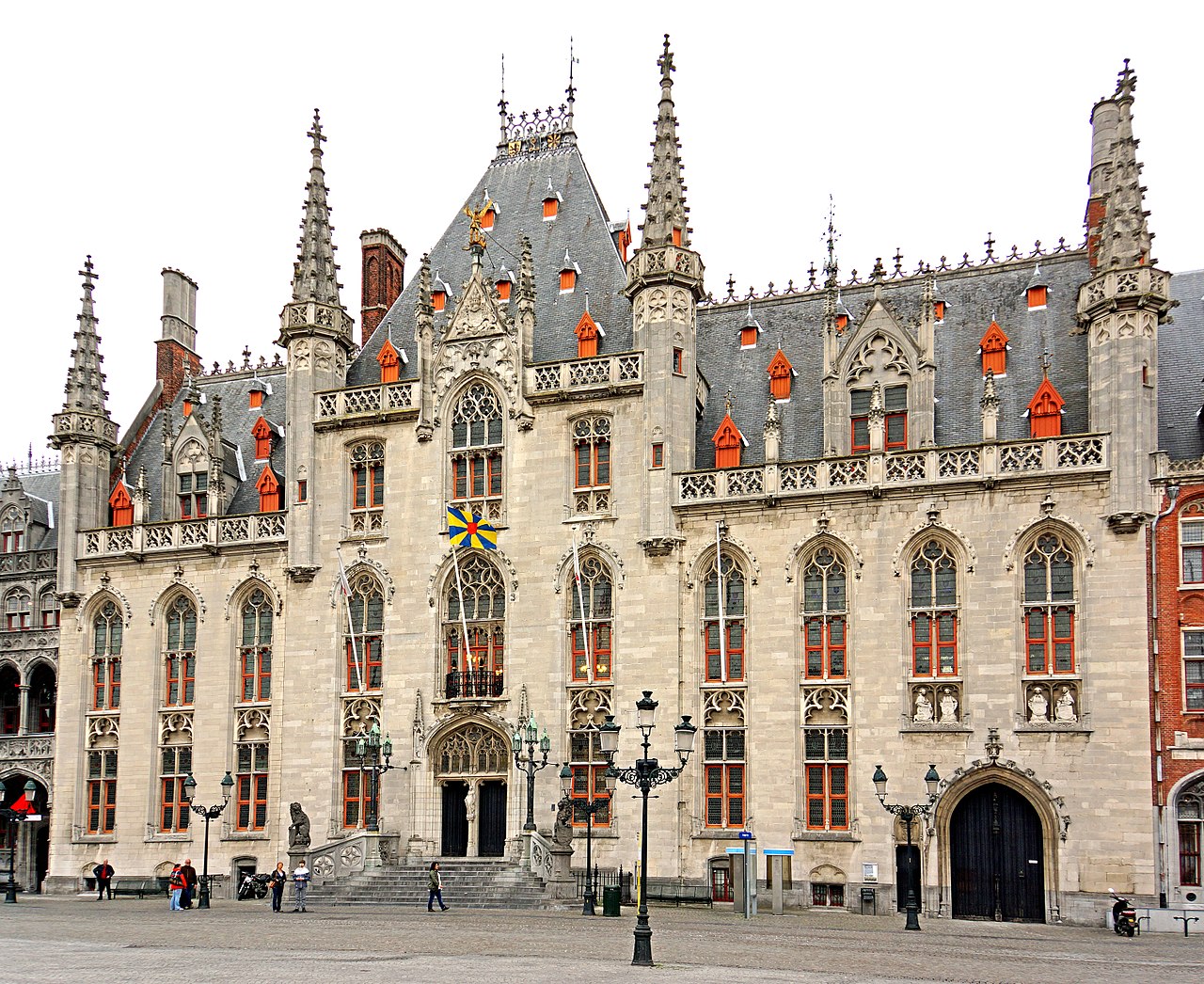
Provinciaal Hof
Markt 3, 8000 Brugge, Belgium
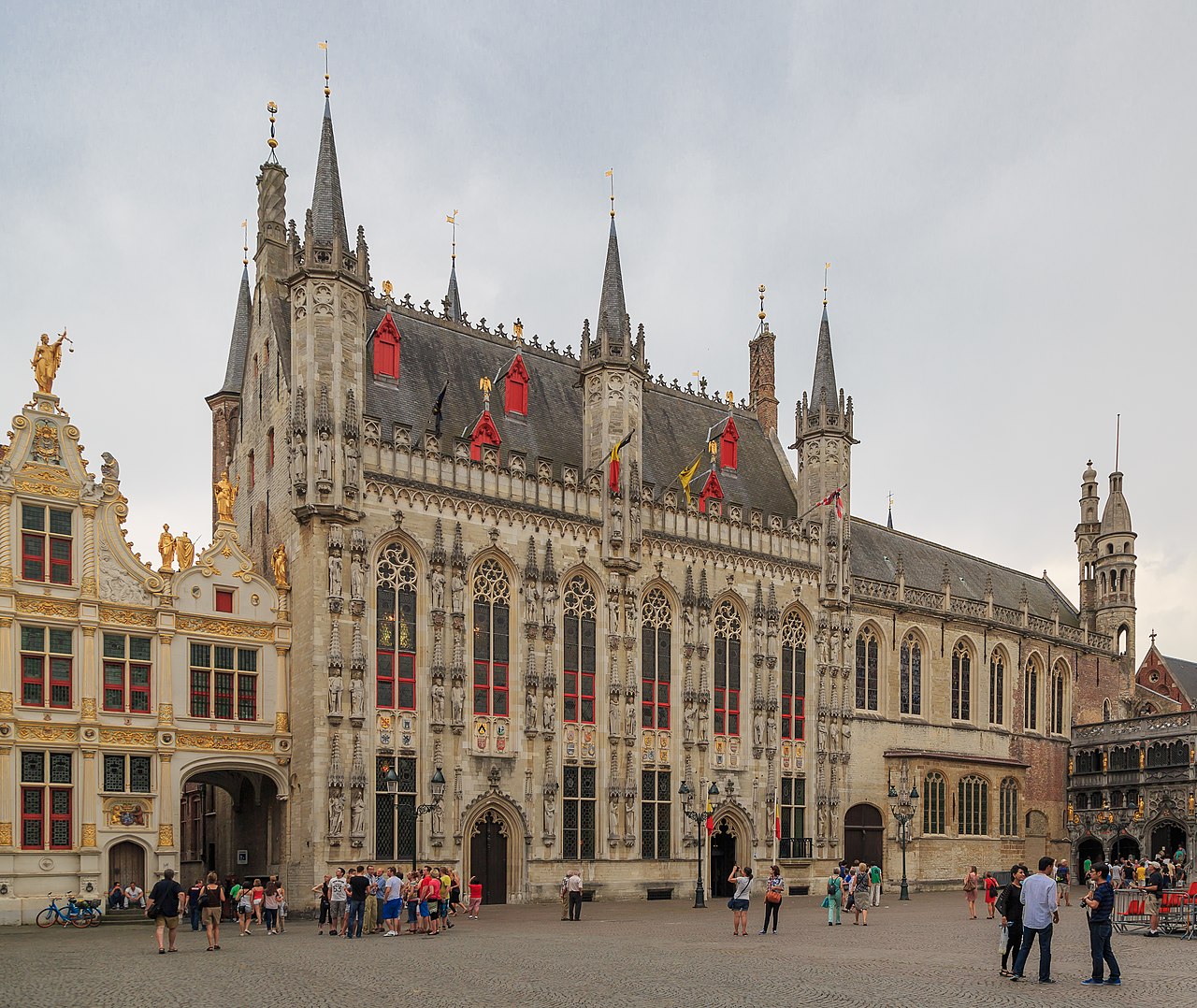
Bruges City Hall
Burg 12, 8000 Brugge, Belgium
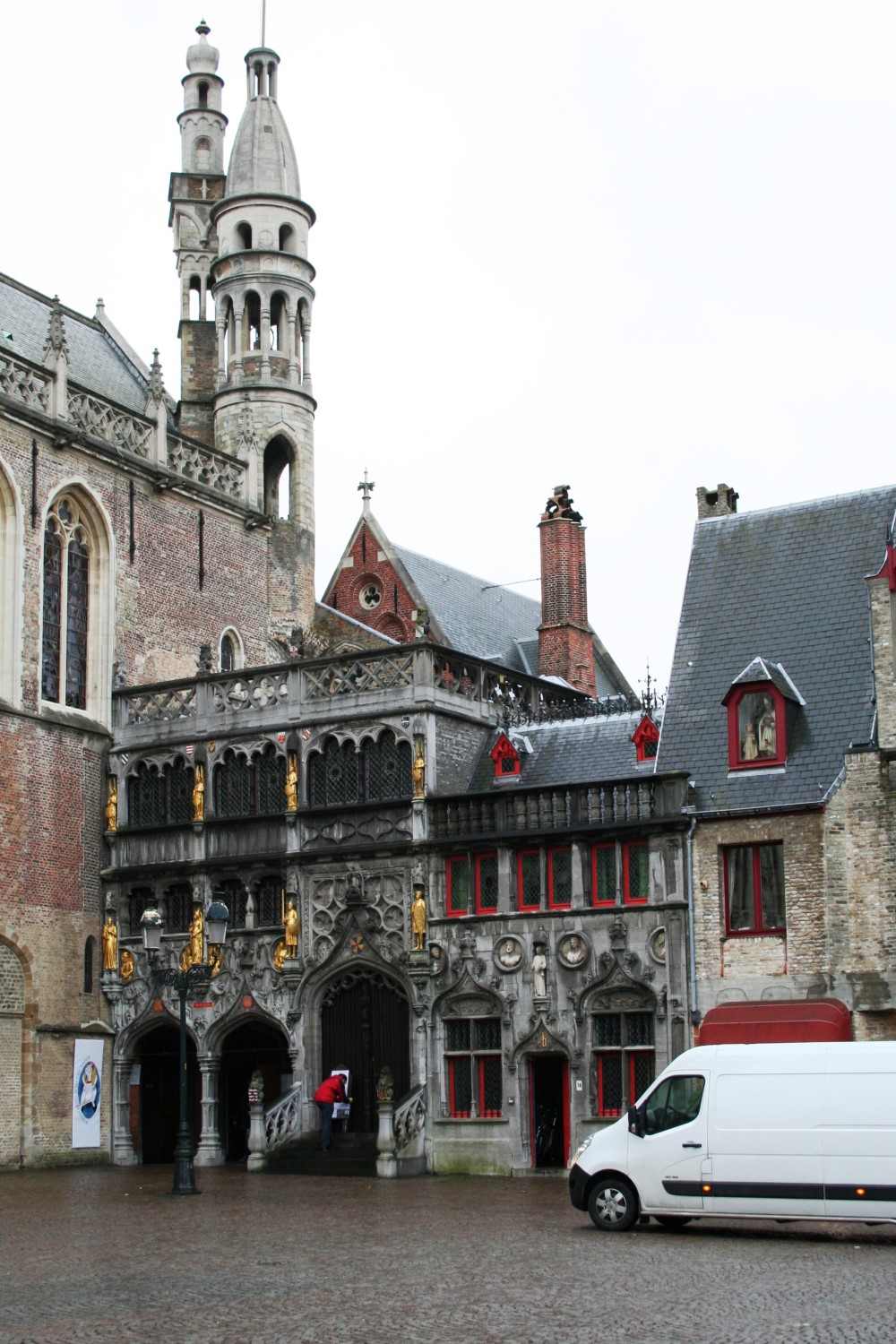
Basilica of the Holy Blood
Burg 13, 8000 Brugge, Belgium
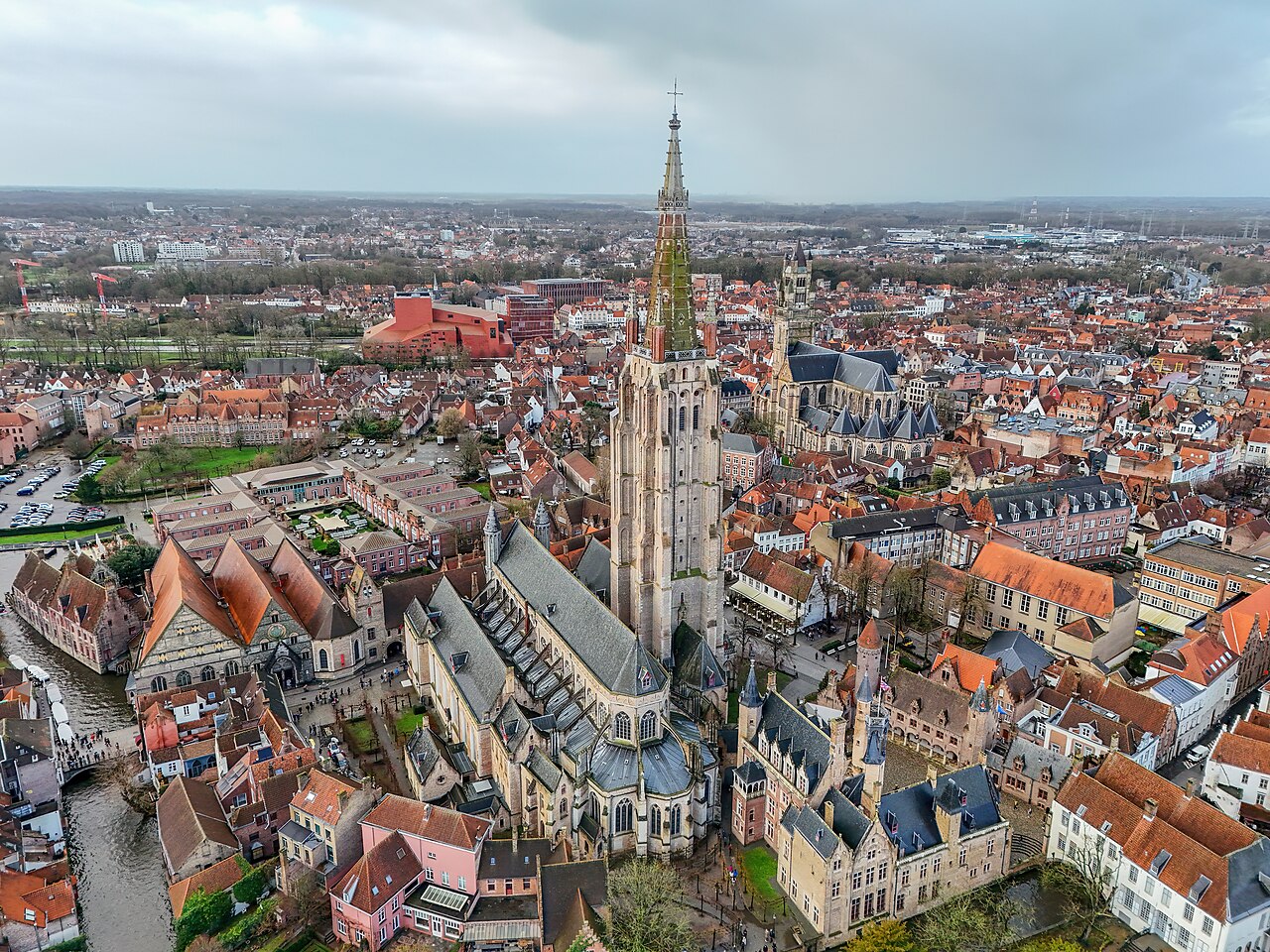
Church of Our Lady Bruges
Mariastraat, 8000 Brugge, Belgium
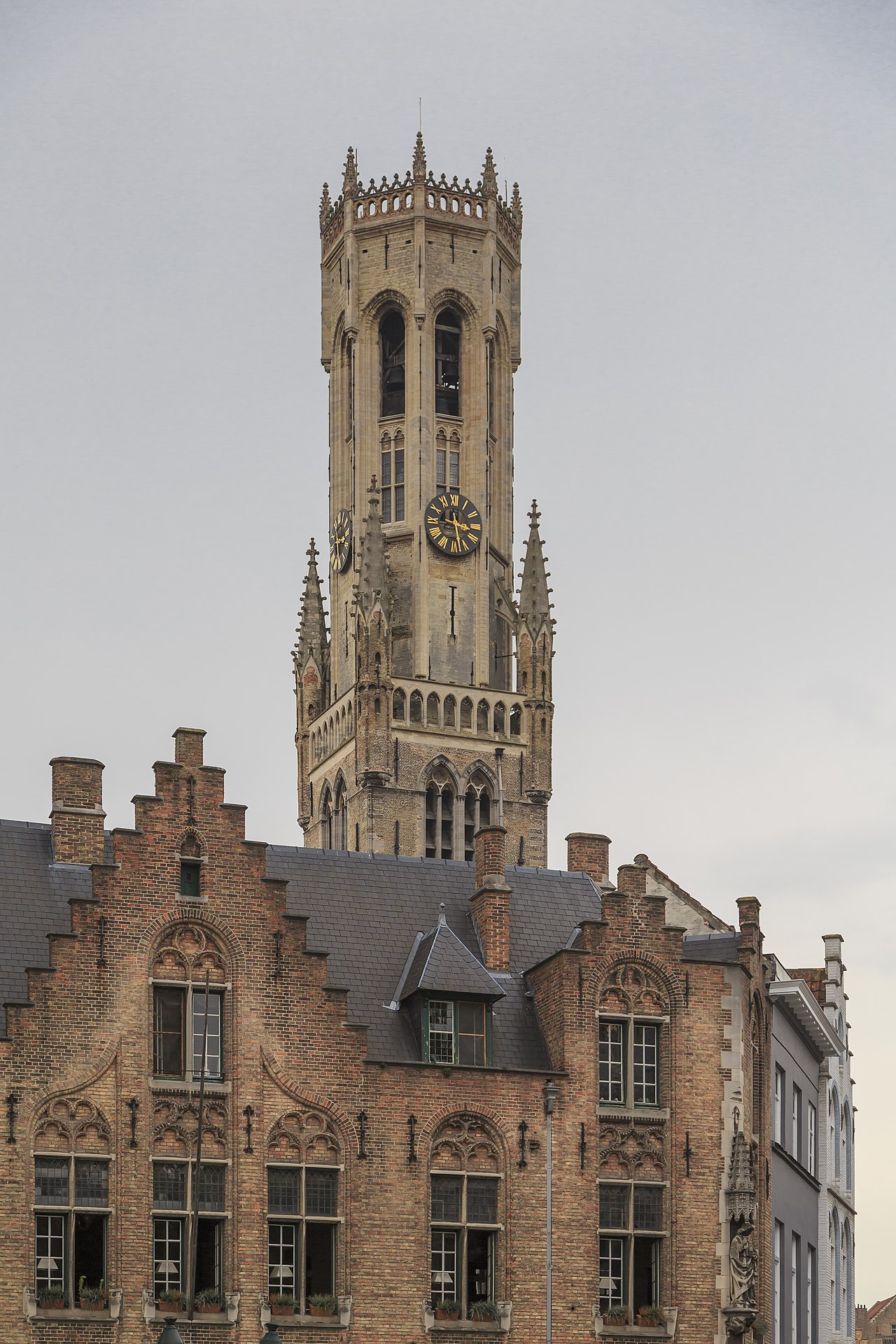
Belfry of Bruges
Markt 7, 8000 Brugge, Belgium
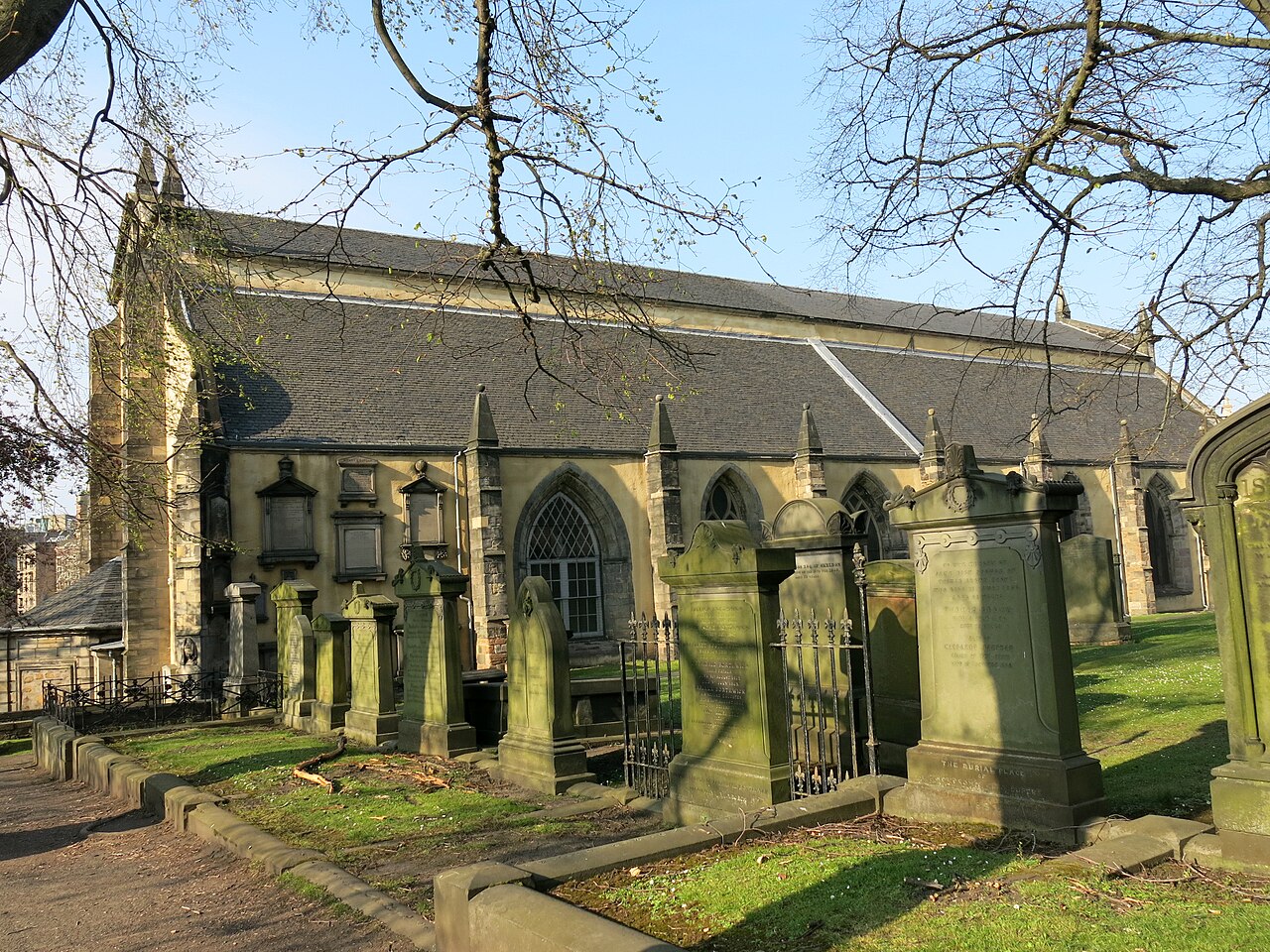
Greyfriars Kirk
Greyfriars Place, Edinburgh EH1 2QQ, UK
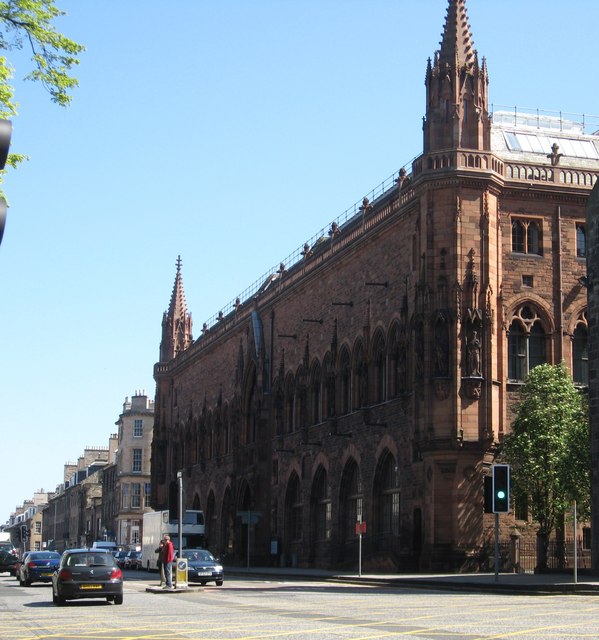
National Museum of Scotland
Chambers Street, Edinburgh EH1 1JF, UK
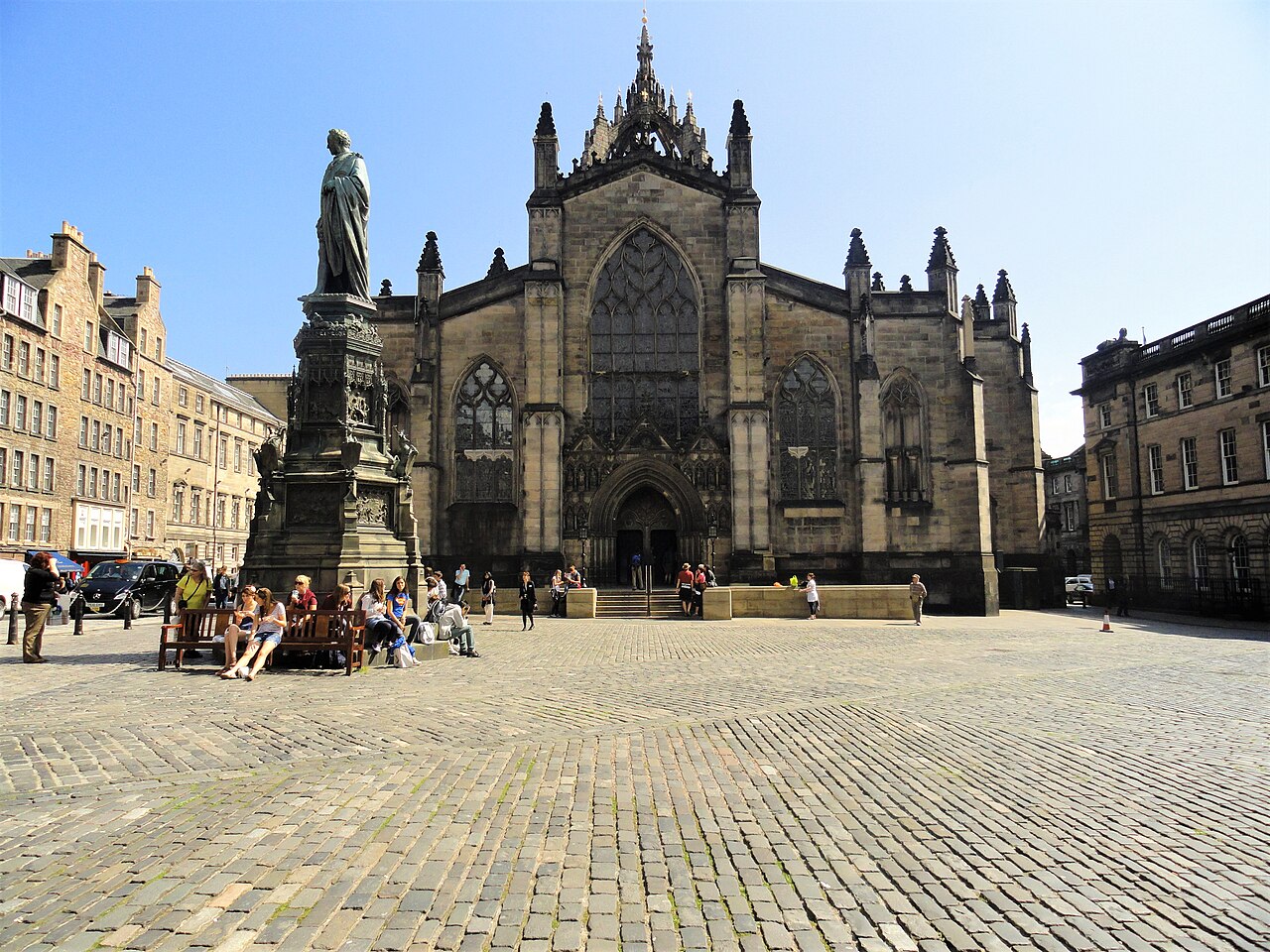
St Giles Cathedral
High Street, Edinburgh EH1 1RE, UK
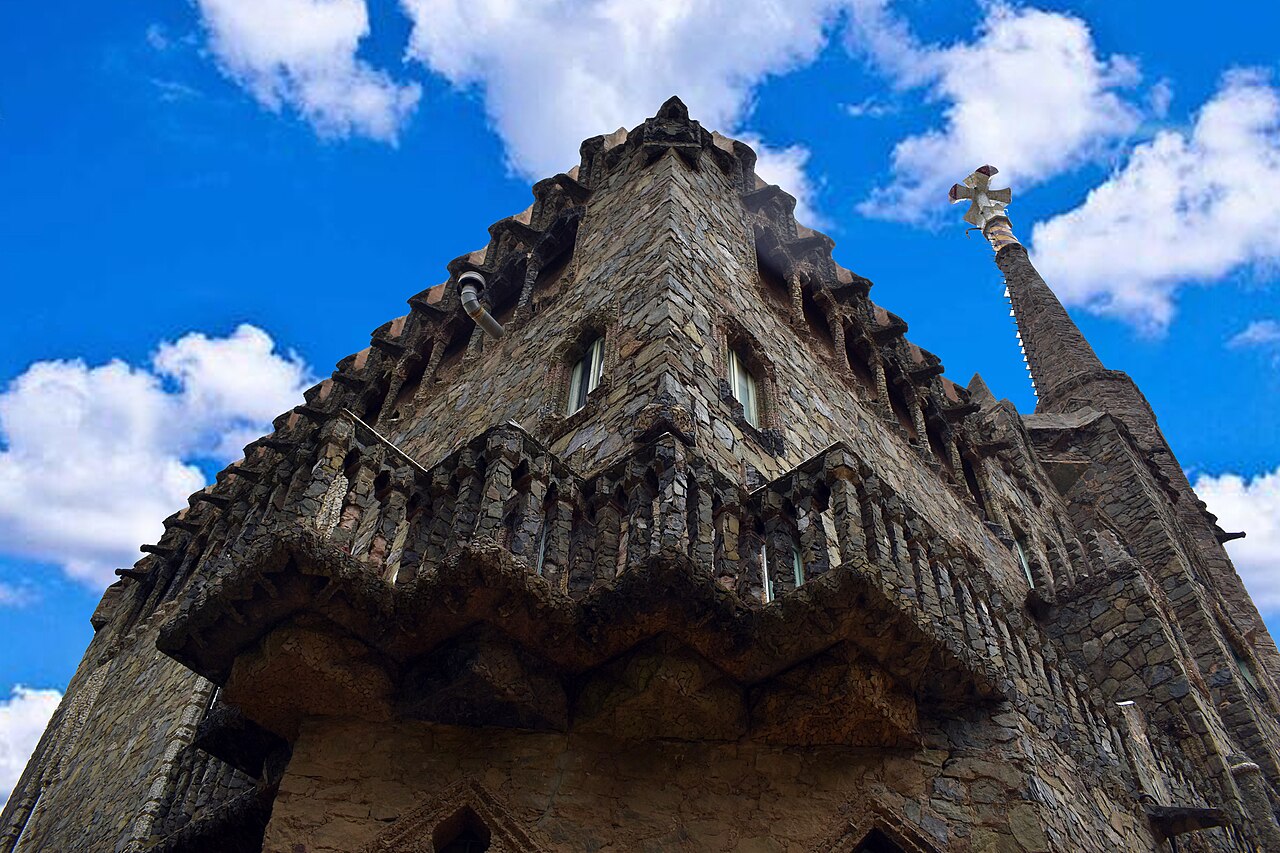
Torre Bellesguard
Carrer de Bellesguard, 20, Barcelona, Spain
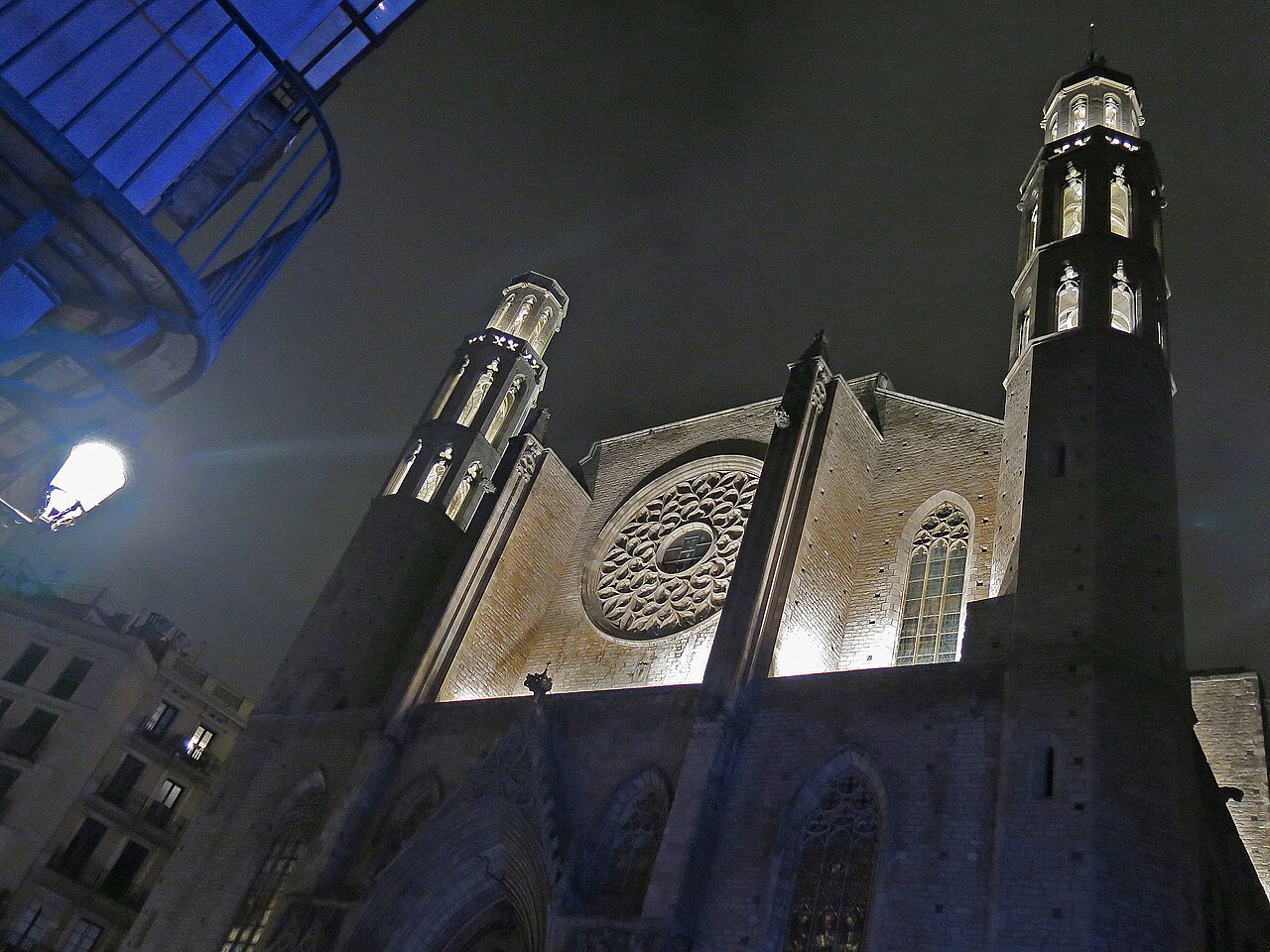
Santa Maria del Mar
Plaça de Santa Maria, 1, Barcelona, Spain
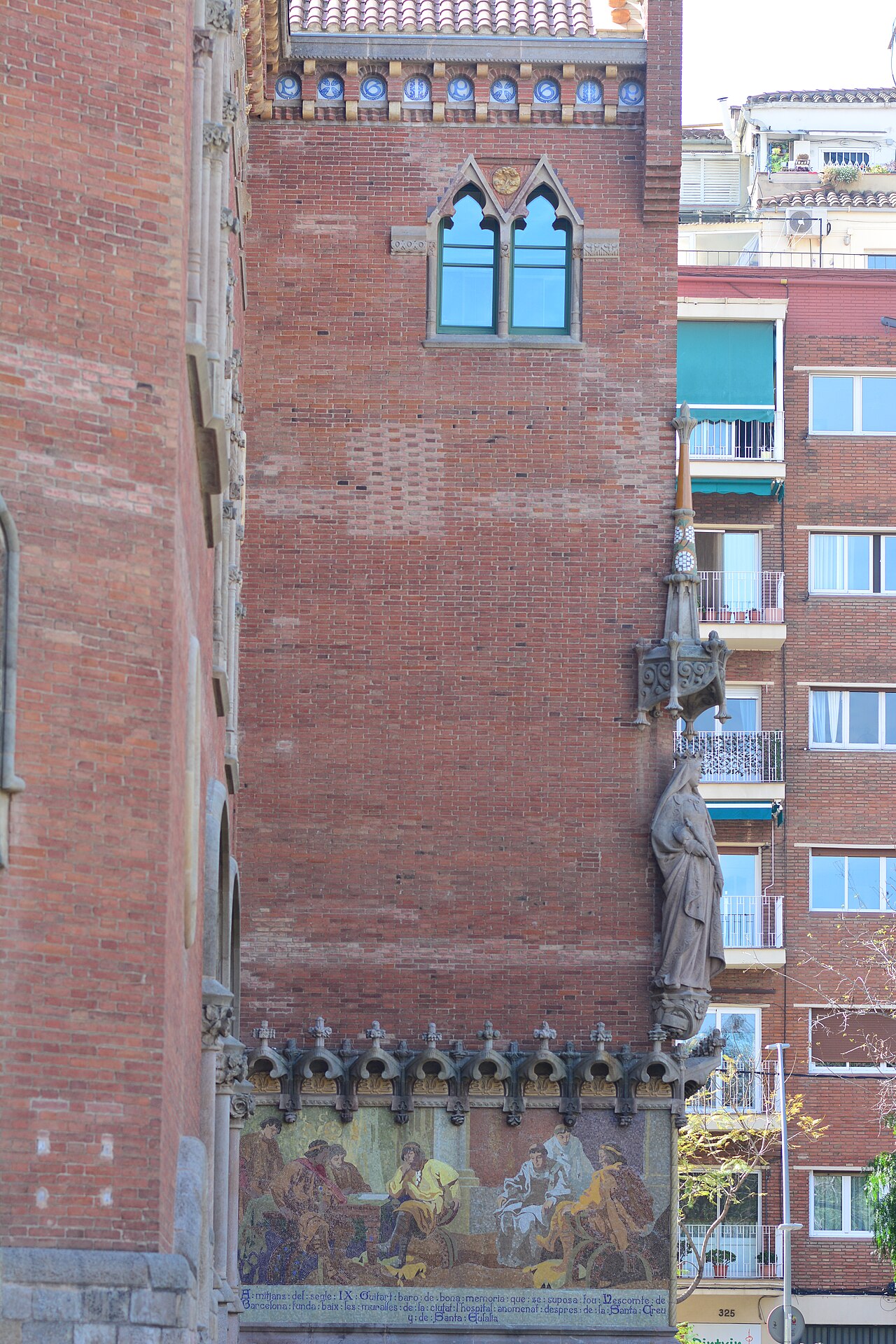
Hospital de Sant Pau
Carrer de Sant Antoni Maria Claret, 167, Barcelona, Spain
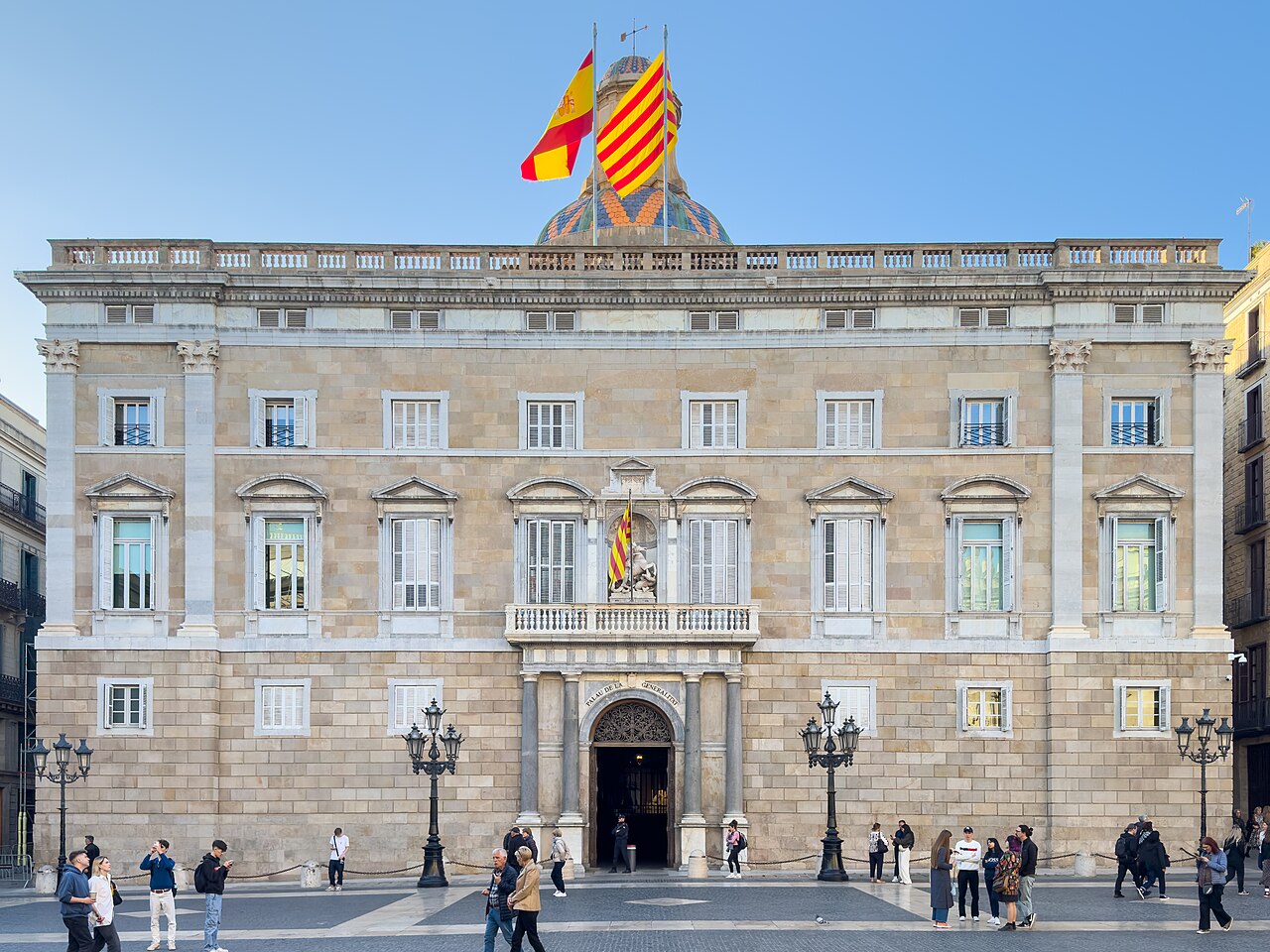
Palau de la Generalitat de Catalunya
Plaça de Sant Jaume, 4, 08002 Barcelona, Spain
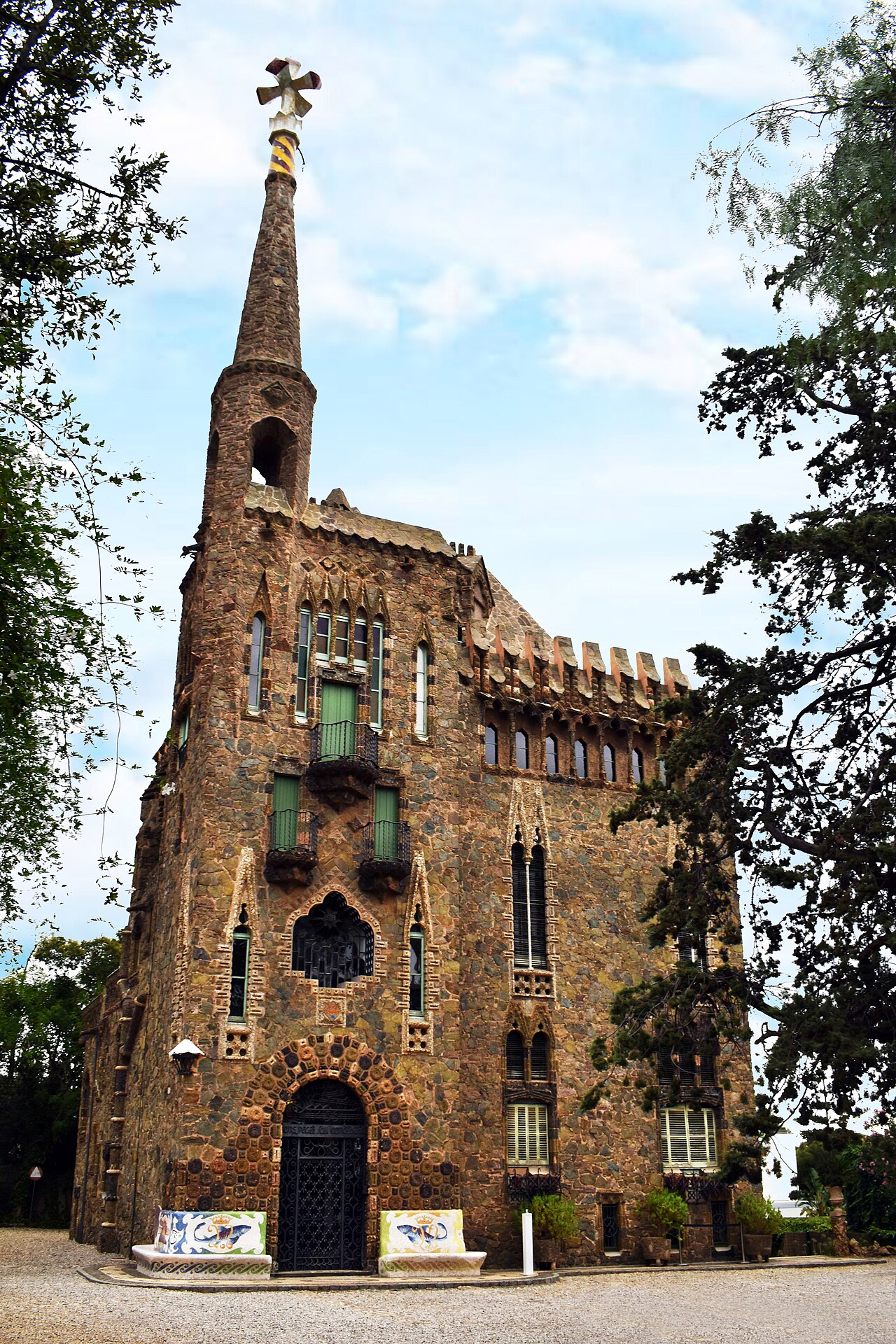
Torre Bellesguard
Carrer de Bellesguard, 20, 08022 Barcelona, Spain
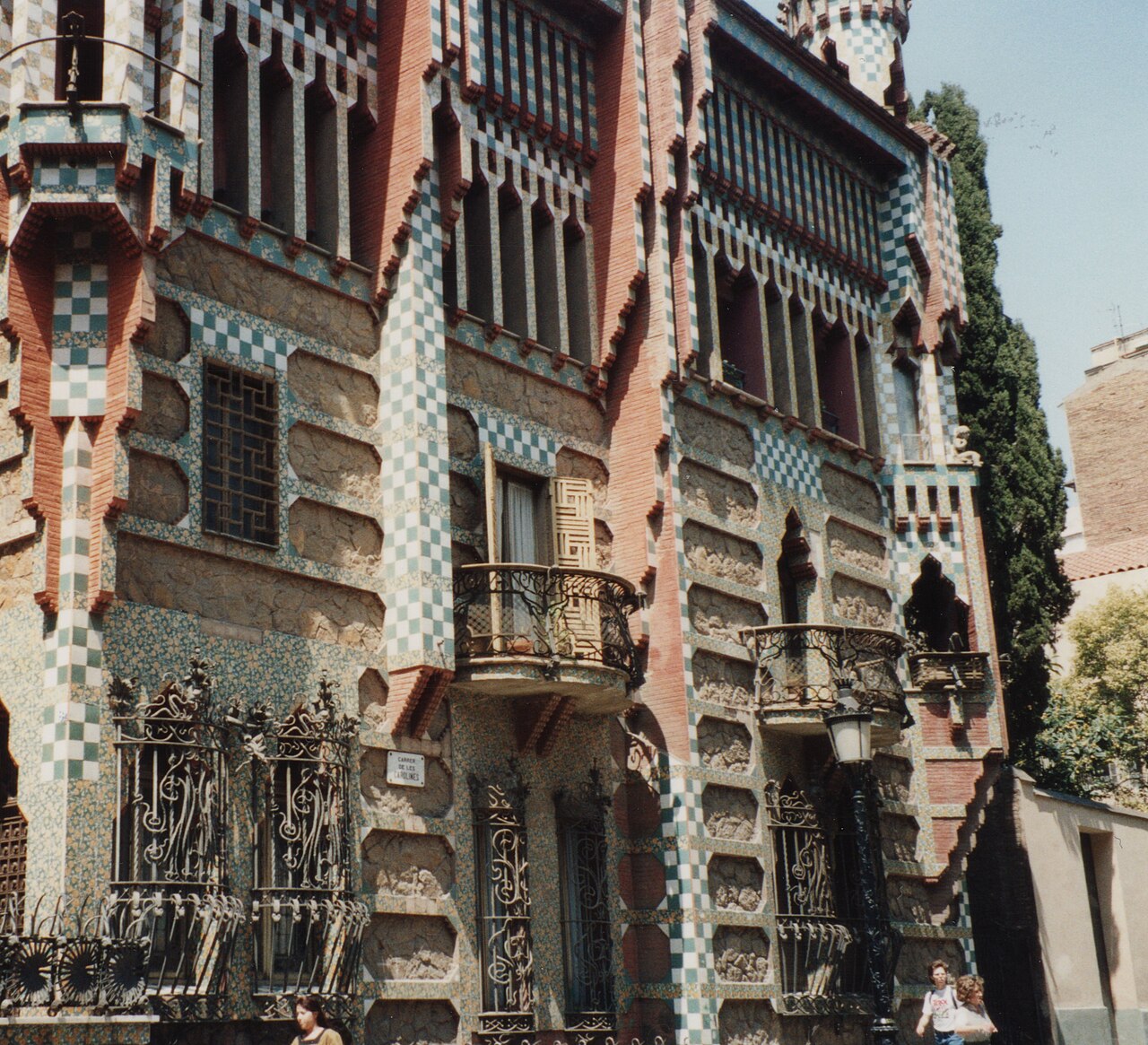
Casa Vicens
Carrer de les Carolines, 18-24, 08012 Barcelona, Spain
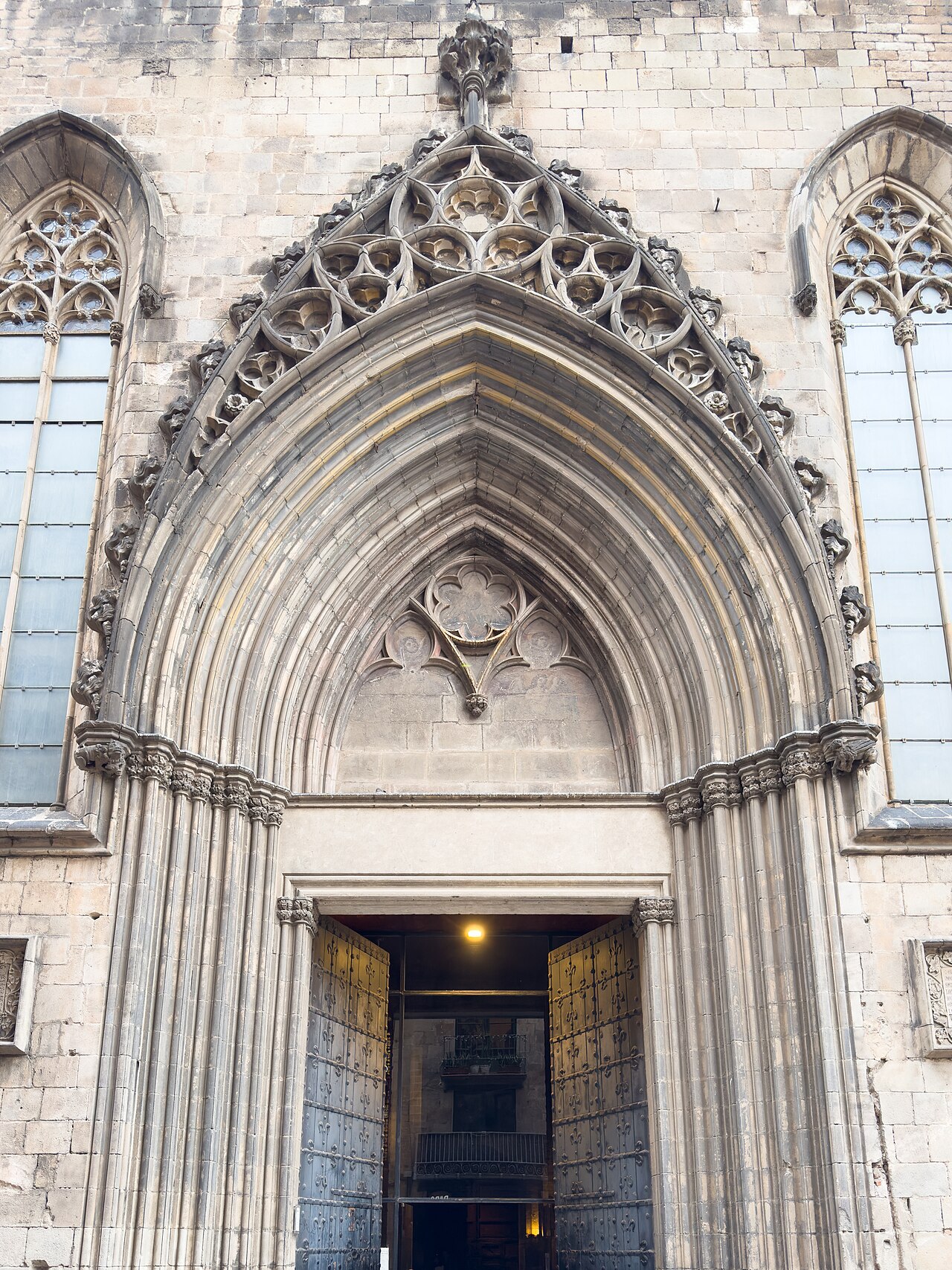
Santa Maria del Mar
Plaça de Santa Maria, 1, 08003 Barcelona, Spain
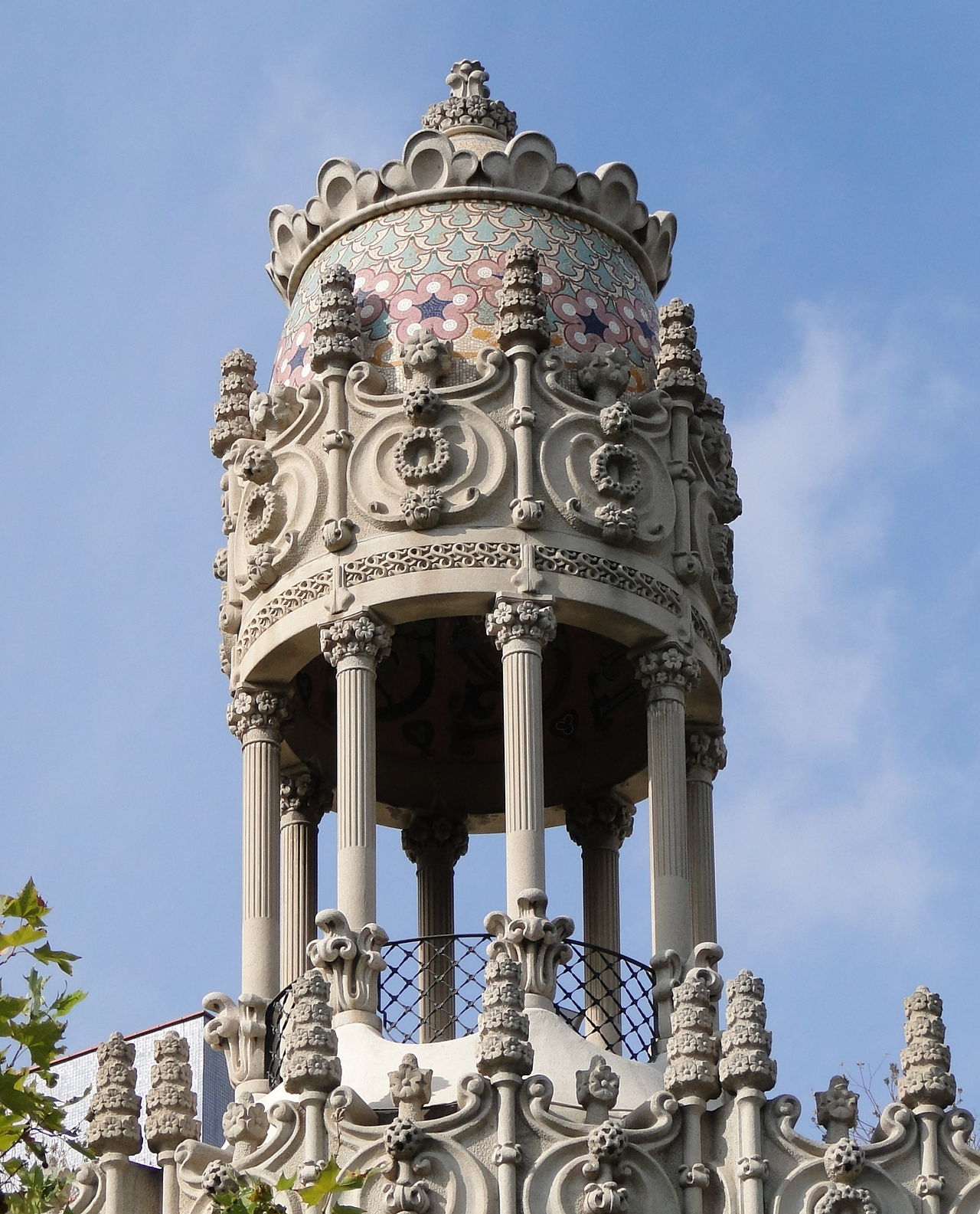
Casa Lleó Morera
Passeig de Gràcia, 35, 08007 Barcelona, Spain
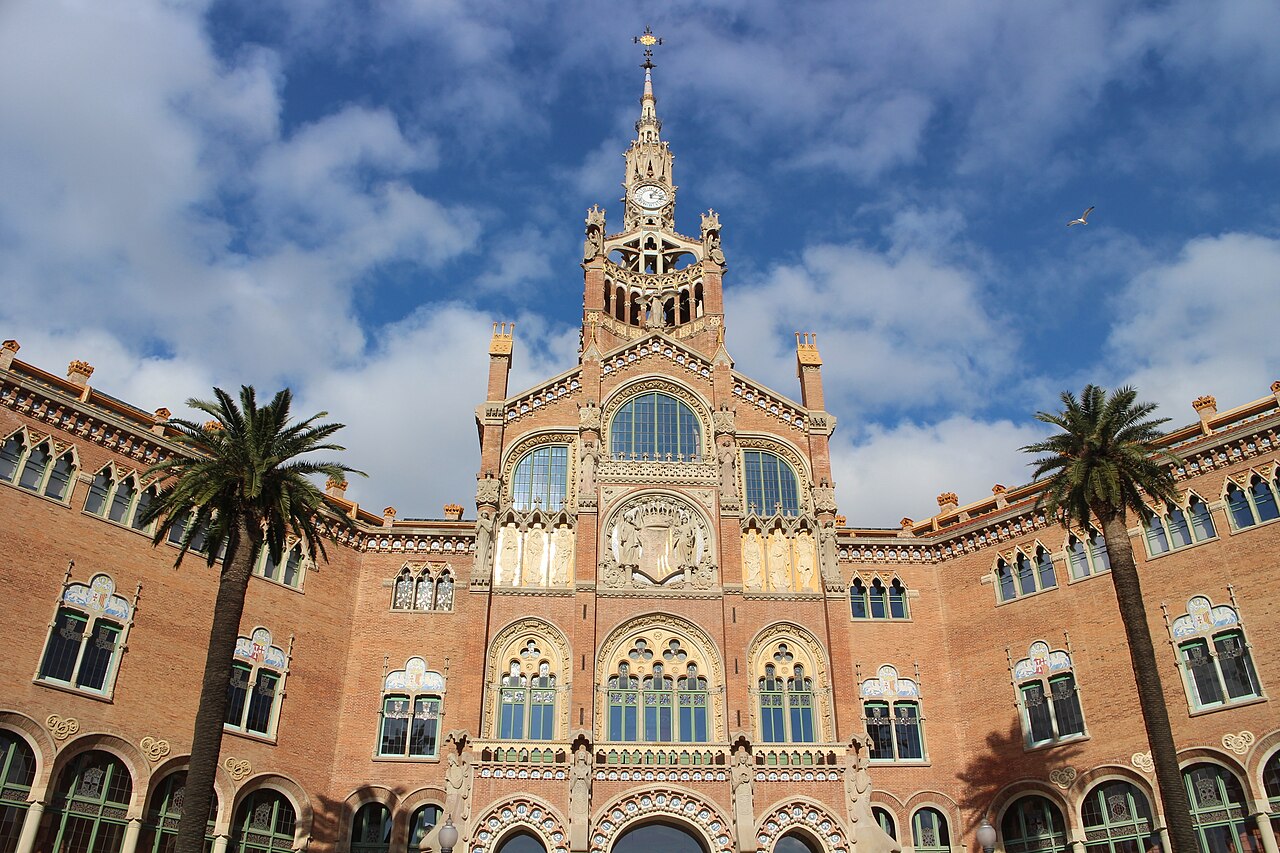
Hospital de Sant Pau
Carrer de Sant Antoni Maria Claret, 167, 08025 Barcelona,...
Where to Find Gothic Architecture
Related Styles
Why Gothic Matters Today
Gothic architecture pushed the boundaries of what was structurally possible with pre-industrial materials, creating spaces of transcendent beauty that continue to inspire awe. Its lesson — that engineering and artistry are inseparable — remains profoundly relevant.