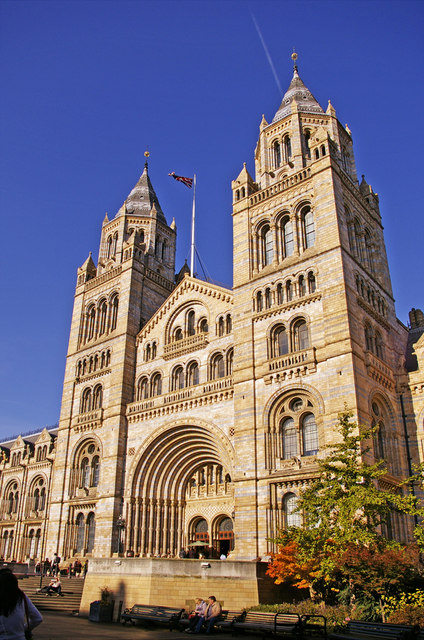
Natural History Museum
-
Romanesque 90%
-
Victorian 70%
The Natural History Museum in London is a stunning example of Romanesque architecture, characterized by its intricate terracotta facade and grand arches. It serves as a prominent cultural institution housing a vast range of specimens and exhibits related to the natural world.
Architectural Styles
Romanesque
90%This style is evident in the building's round arches, sturdy columns, and engaged arcades that create a sense of grandeur.
- Rounded arches
- Thick stone walls
- Human figures in the decoration
- Large towers
- Ornate detailing
Victorian
70%The use of a rich variety of materials and decorative details reflects the Victorian era's emphasis on eclecticism and craftsmanship.
- Elaborate stone carvings
- Diverse ornamental features
- Gothic revival elements
- Asymmetrical façade
- Use of terracotta
Notable Features
- Massive central hall
- Grand dinosaur skeleton exhibit
- Intricate stone carvings adorning the façade
Historical Context
Built during the late 19th century, the museum was constructed to accommodate the growing collection of natural history specimens, reflecting the era's scientific curiosity and exploration.
Fun Facts
- The museum's architecture was inspired by the famous Palazzo de la Civilta Italiana in Rome.
- It houses a famous Diplodocus skeleton named 'Dippy' that was on display for over 100 years.
Similar Style Buildings

Dagelijkse Groenmarkt 33, Den Haag
Victorian
Den Haag, The Netherlands
Victorian
1338 N Marion St, Denver, CO 80218
Victorian
Koningsplein 43, 2518 JH Den Haag
Victorian
Regentesseplein 220A, 2562 EZ Den Haag
Victorian
Kortenaerkade 11, 2518 AX Den Haag
Victorian
N/A
Tudor Revival
N/A
VictorianNearby Buildings

7 Rhyl St London, England
Modernism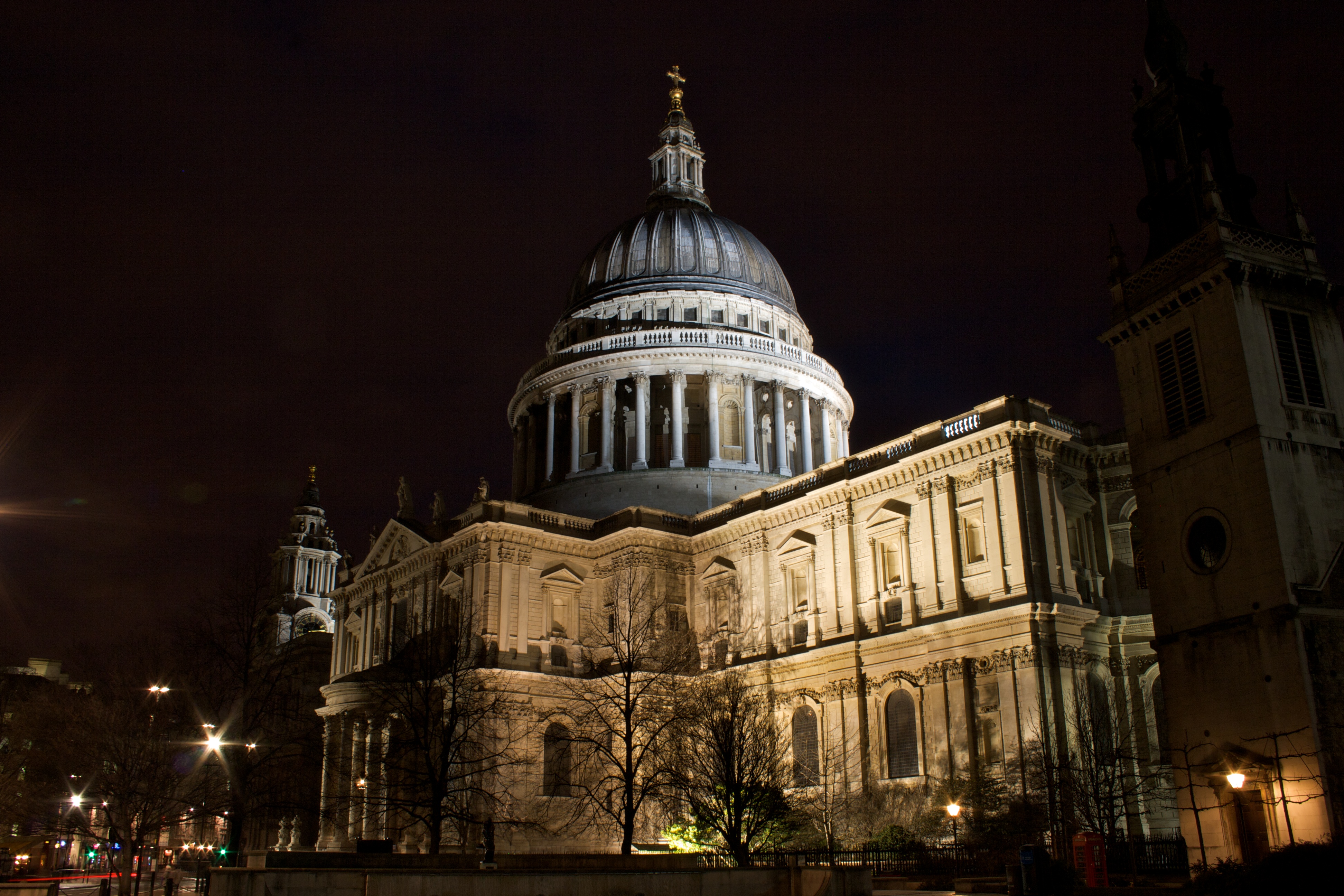
St Paul's Cathedral
Baroque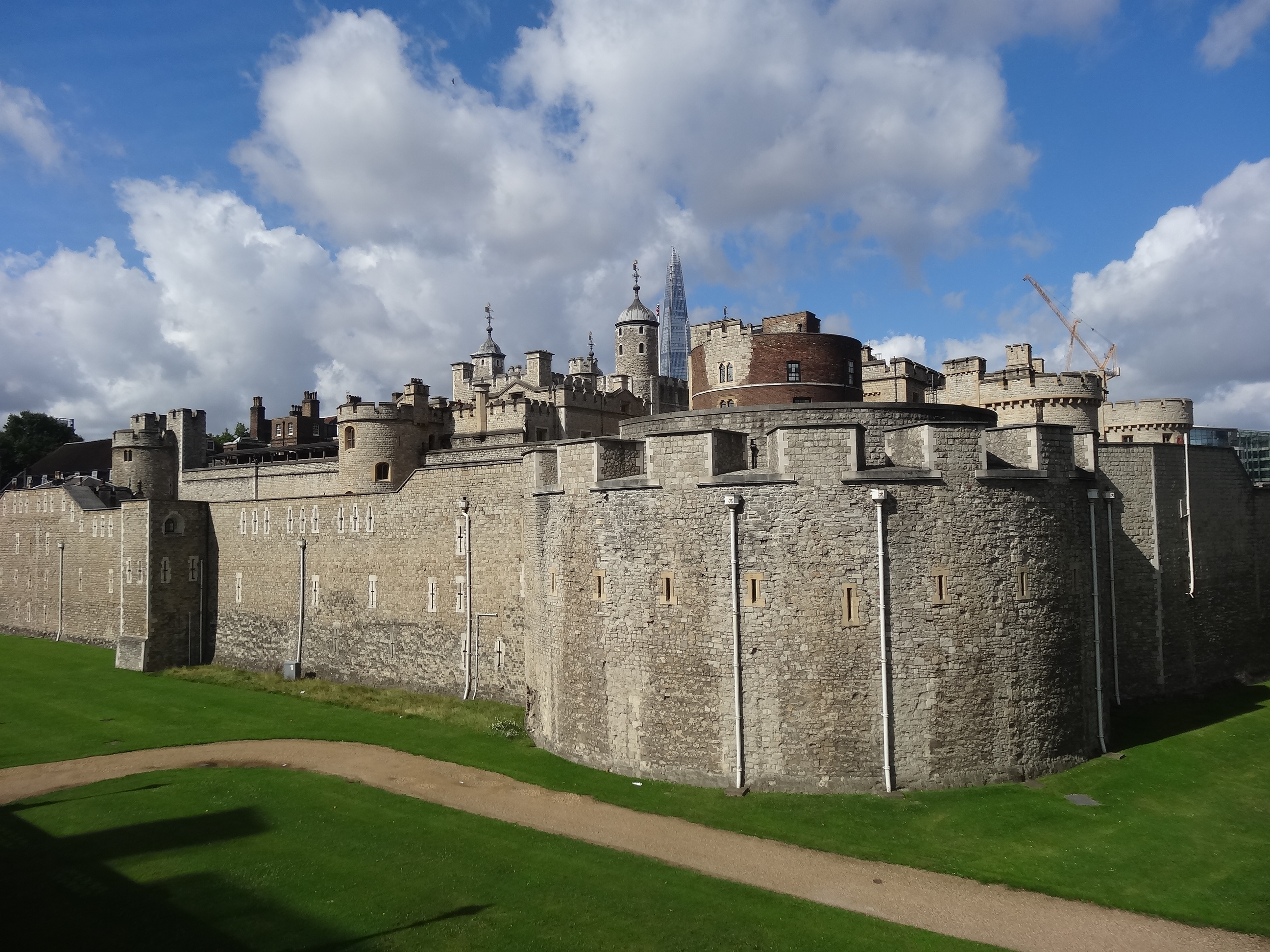
Tower of London
Romanesque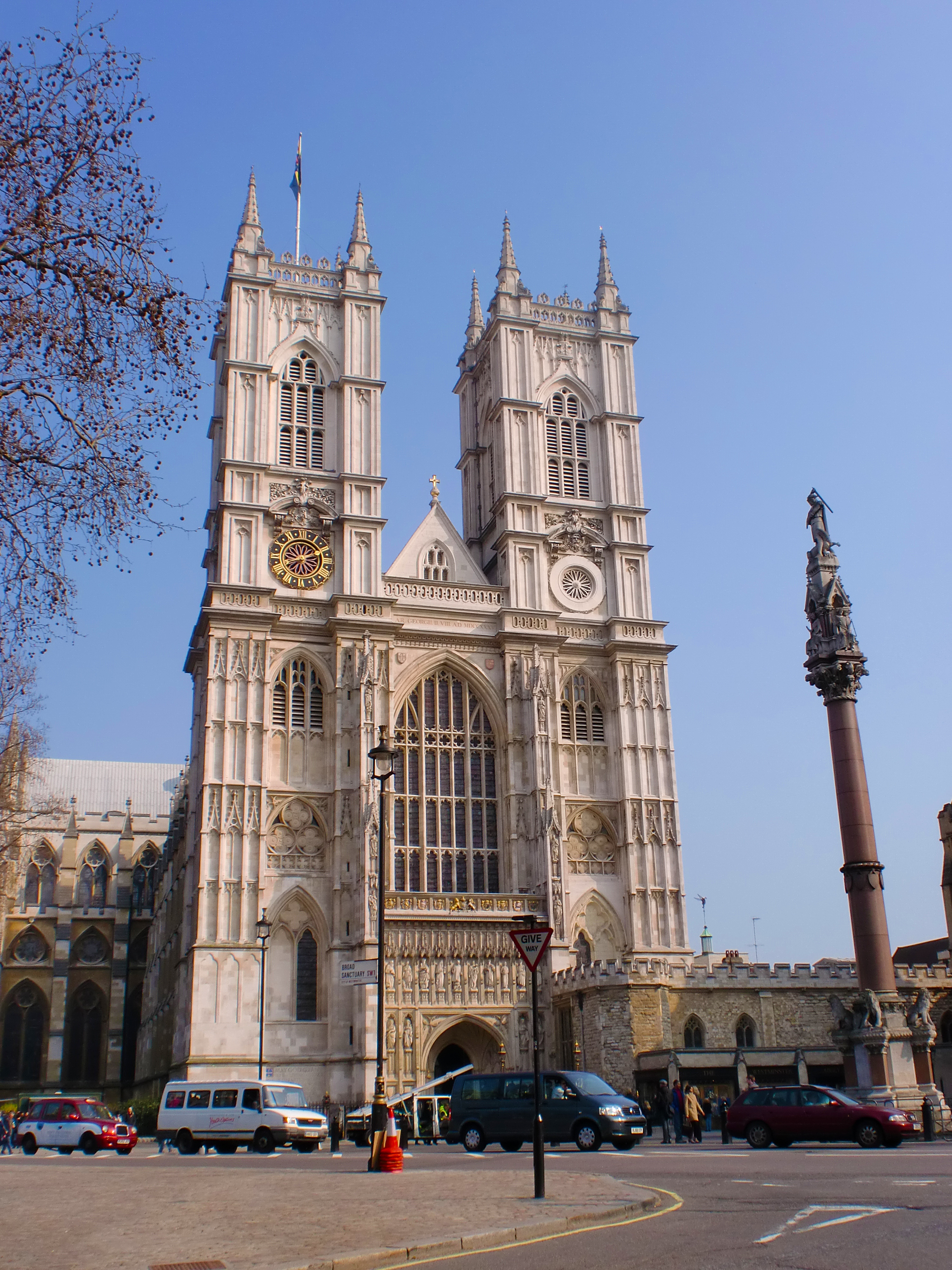
Westminster Abbey
Gothic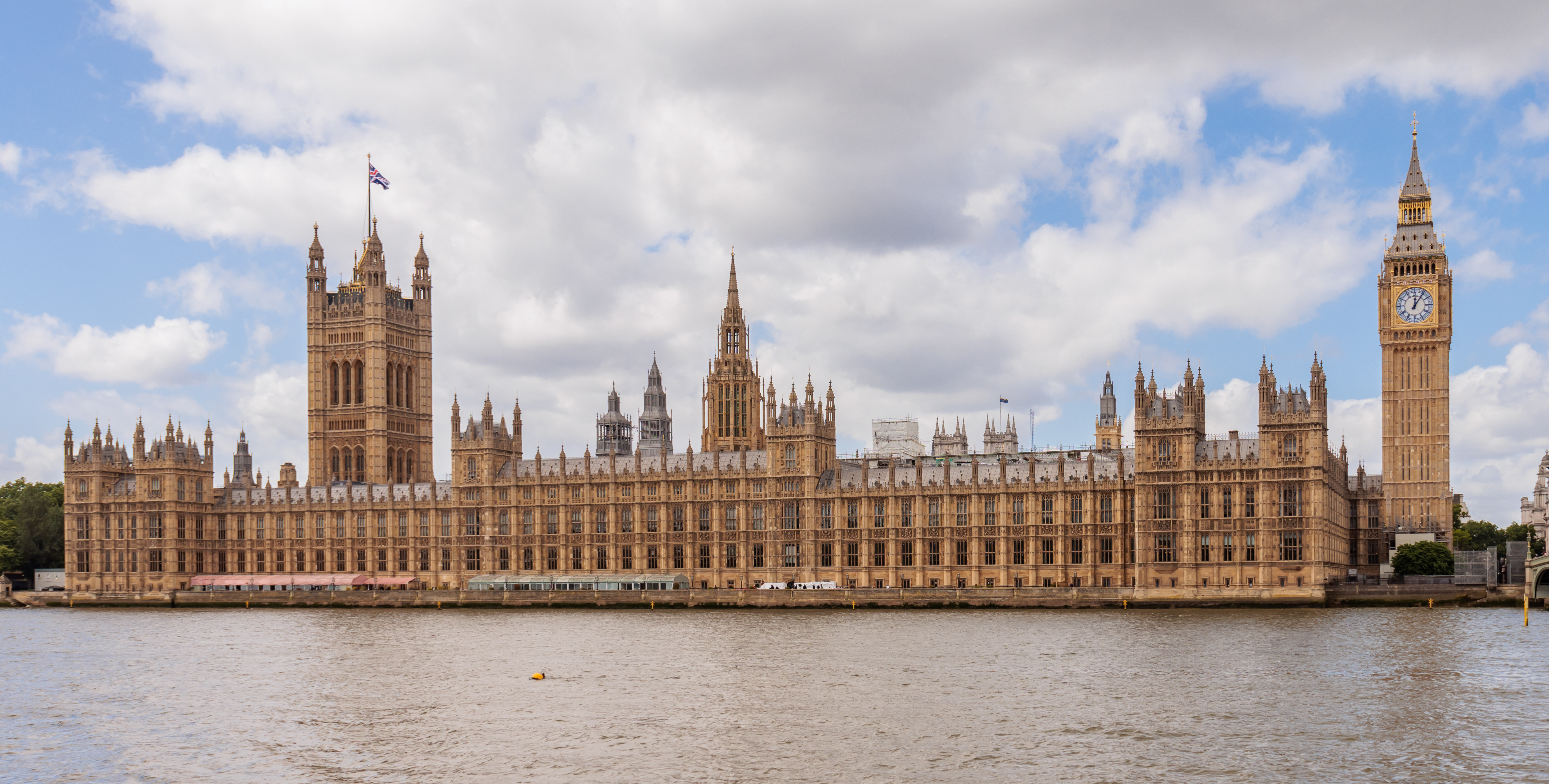
Palace of Westminster
Gothic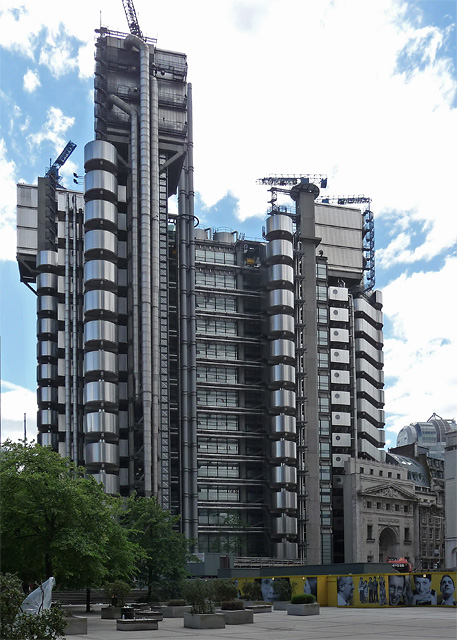
Lloyd's Building
High-Tech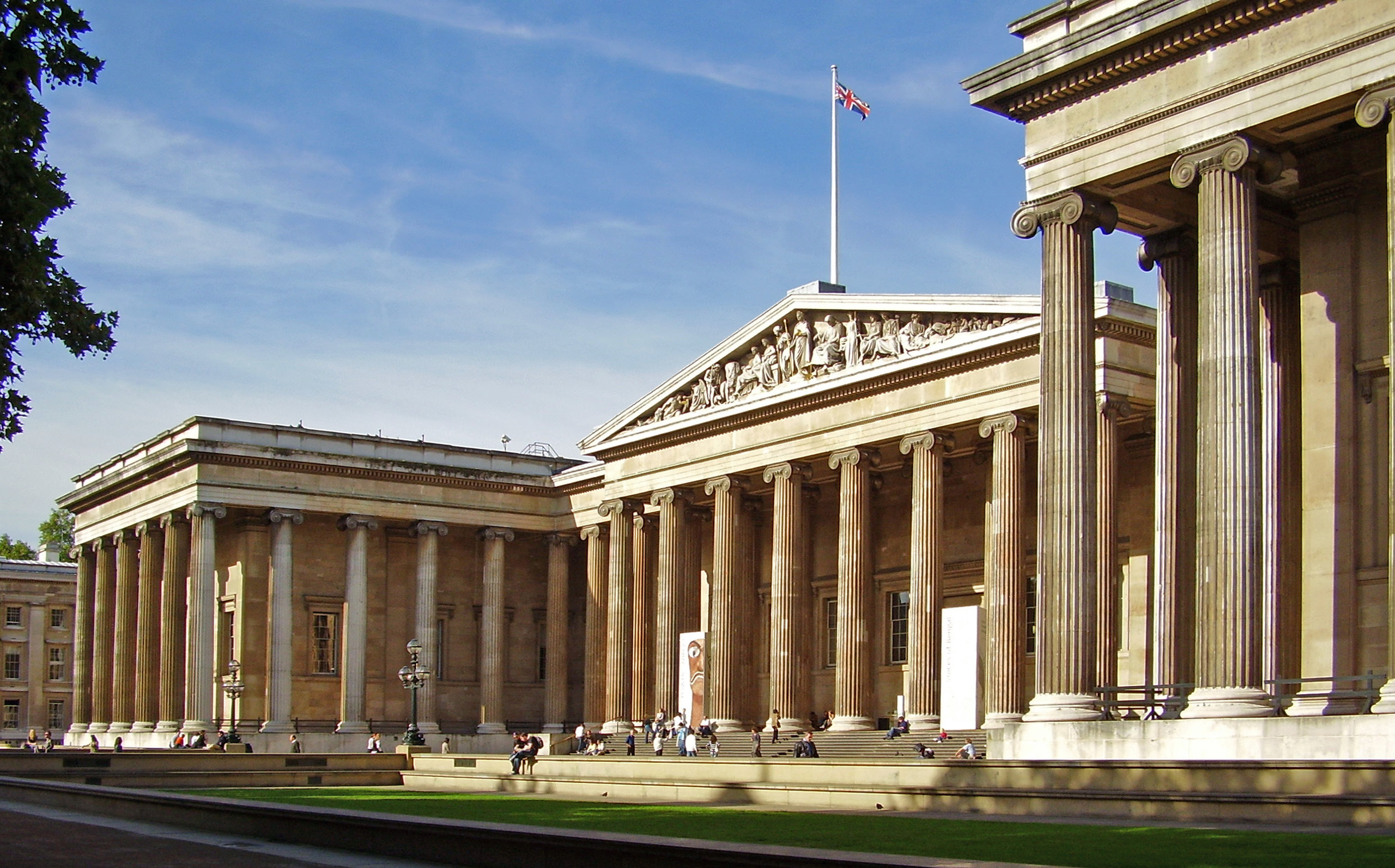
British Museum
Neoclassical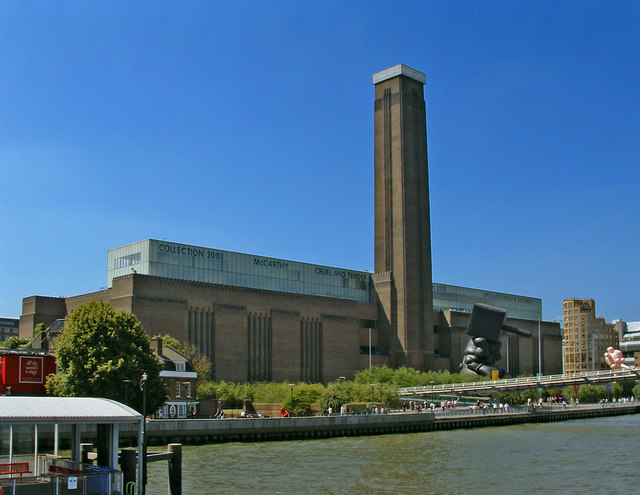
Tate Modern
BrutalismExplore This City
London Architecture Guide
Explore 8 buildings across 11 styles →