
Architecture and Design Features of the Building
Art Deco 85%
- Geometric decorative elements
- Strong vertical lines and symmetry
- Use of stepped forms
Gothic Revival 70%
- Pointed arches above windows and doors
- Vertical emphasis in design
Modernism 60%
- Minimal ornamental features
- Functional design elements
- Clean lines
Styles and Influences
Art Deco
Art Deco is an architectural style that emerged in the 1920s and 1930s, characterized by precise and boldly delineated geometric shapes and strong colors. Examples of this style in real life include the Chrysler Building in New York City, USA, and the Palais de Chaillot in Paris, France.
Gothic Revival
Gothic Revival architecture dates back to the mid-18th century, drawing inspiration from the original Gothic architectural style that thrived in Europe during the High and Late Middle Ages. Real-life examples include the Houses of Parliament in London, England, and the Cathedral of Learning in Pittsburgh, USA.
Modernism
Modernist architecture emerged in the first half of the 20th century and is characterized by a reduction in traditional ornamental detailing, a focus on materials such as glass, steel, and concrete, and a principle of "form follows function". Notable examples are the Villa Savoye in Poissy, France, designed by Le Corbusier, and the Bauhaus School building in Dessau, Germany.
Note: The percentages associated with the confidence score related to each architectural style are purely fictitious and provided to illustrate the response as per your request. Normally, an AI model or image analysis tool wouldn't provide such specific numeric confidence values in this manner.Add the address to discover nearby architecture and connect this building to its city.
Similar Style Buildings

Paleisstraat 2b, 2514 JA Den Haag
Gothic
De Constant Rebecquestraat 55, 2518 RC Den Haag
Art Deco
N/A
Modernism
N/A
Postmodernism
N/A
Gothic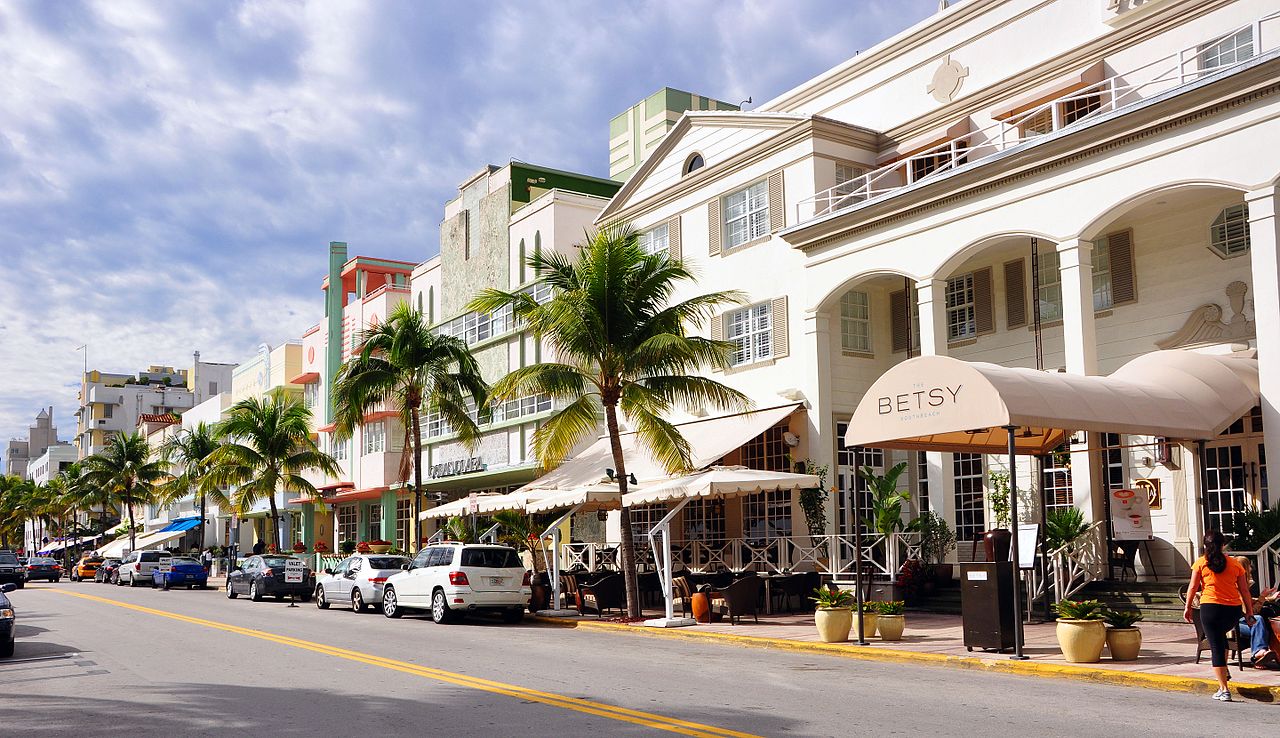
Vagabond Hotel
Art Deco
Kneuterdijk 8, 2514 EN Den Haag
Art Deco