Building Analysis โ€” Architecture Helper
Building Image
Building Library
Neoclassical Art Deco Modernism
Building Architecture Analysis

Architecture and Design Analysis

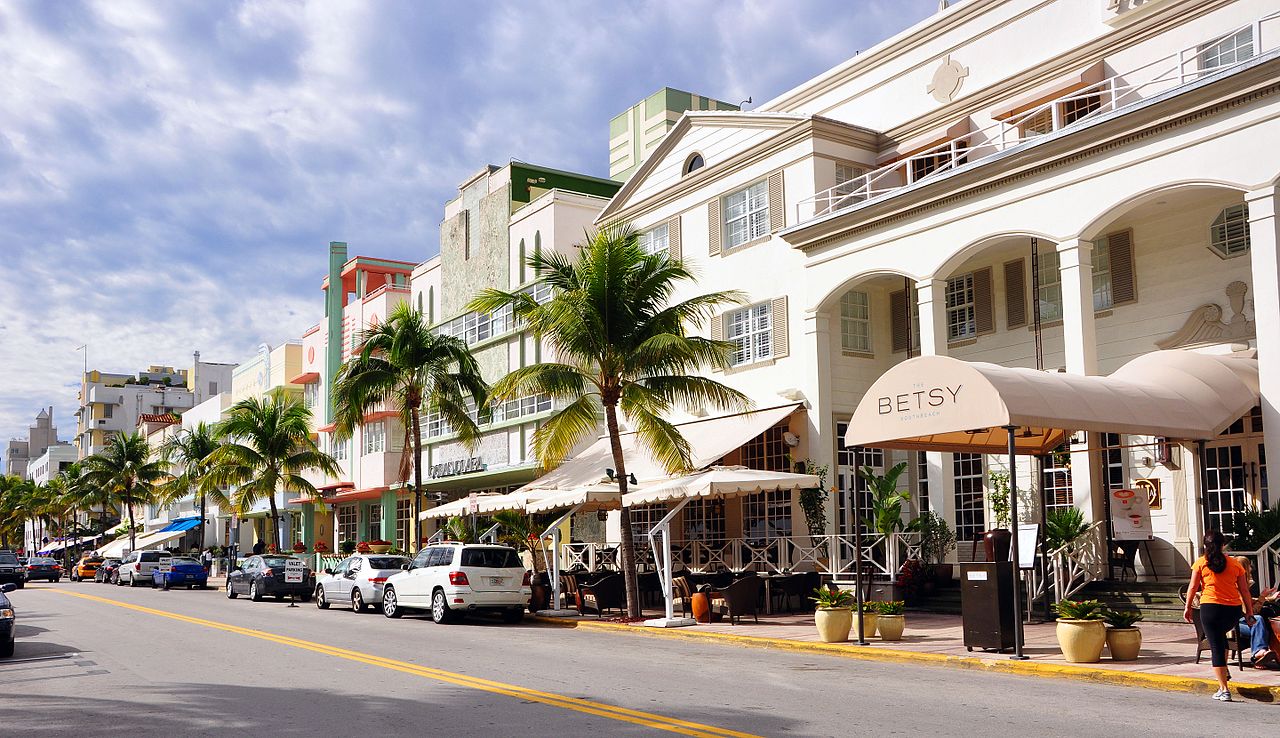
Neoclassical: 75%

  • Symmetrical shape
  • Triangular pediment supported by columns
  • Classical proportions

Art Deco: 60%

  • Linear decorative elements
  • Stylized forms
  • Geometric facade detailing

Modern Movement: 55%

  • Functionalist approach, avoiding excessive ornamentation
  • Simple, clean lines
  • Use of modern materials

Styles and Influences Explanation

Neoclassical

Inspired by the Classical Greek and Roman architecture, it emerged in the mid-18th century and features:

  • Grandiose structures
  • Use of columns and domes
  • Emphasis on symmetry

Examples: The White House in Washington D.C., The Pantheon in Paris.

Art Deco

Originating in the 1920s, Art Deco combines modern styles with fine craftsmanship and rich materials. Characteristics:

  • Rectilinear shapes
  • Use of aluminum, stainless steel, and lacquer
  • Bold geometric patterns

Examples: Chrysler Building in New York City, Palais de Chaillot in Paris.

Modern Movement

Arose in the early to mid-20th century, focusing on functionality and simplification of form. Traits include:

  • Lack of ornament
  • Embrace of minimalism
  • Efficient use of space and materials

Examples: Villa Savoye by Le Corbusier, Seagram Building in New York City.

๐Ÿ“ Add This Building to the Map

Add the address to discover nearby architecture and connect this building to its city.

Similar Style Buildings

Explore by Style