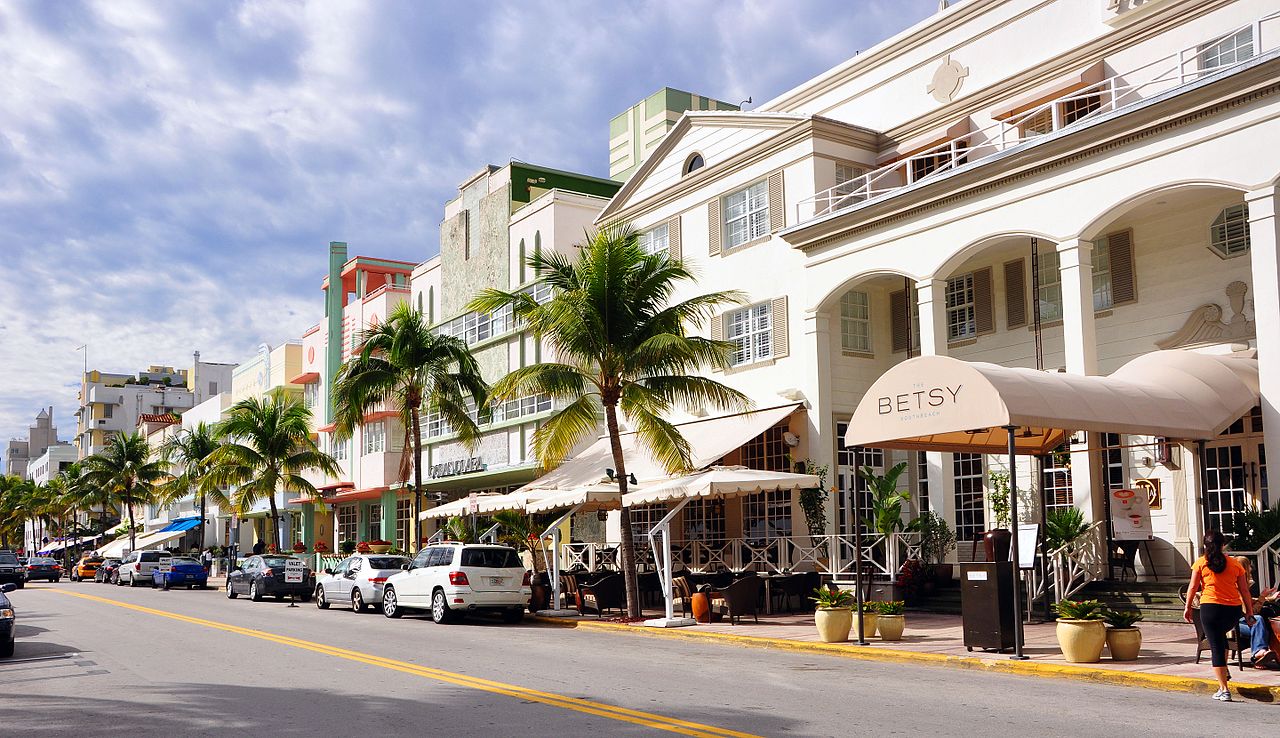
Building Image
Art Deco
Architecture and Design

Architecture and Design Overview

Beaux-Arts: 87% 87%

  • Grand and monumental scale, often with elaborate details.
  • Symmetrical design and classical Greek and Roman influences.

Art Deco: 80% 80%

  • Streamlined forms and geometric patterns.
  • Use of luxurious materials and vibrant colors.

International Style: 75% 75%

  • Emphasizes function over form, with minimal ornamentation.
  • Use of glass, steel, and concrete to create open spaces.

Streamline Moderne: 70% 70%

  • Curved forms and aerodynamic shapes.
  • Often incorporates nautical themes in design elements.

Brutalism: 65% 65%

  • Raw, unfinished materials, particularly concrete.
  • Bold, massive forms and an emphasis on functionality.

Influence Style Descriptions

Beaux-Arts

Originating in France, Beaux-Arts is known for its classical details and grandeur. It can be seen in major public buildings such as the Paris Opera House.

Art Deco

Art Deco flourished in the 1920s and 1930s, characterized by elegance and modernity. Iconic examples include the Chrysler Building in New York City.

International Style

Emerging in the 1920s, this style represents modern architecture, focusing on minimalism and the absence of ornamentation. The Villa Savoye by Le Corbusier exemplifies this style.

Streamline Moderne

This style is a later iteration of Art Deco, with an emphasis on speed and efficiency, notable in buildings like the former Pan Am Building.

Brutalism

Associated with the mid-20th century, Brutalism focuses on stark, rugged forms, exemplified by structures like the Boston City Hall.

๐Ÿ“ Add This Building to the Map

Add the address to discover nearby architecture and connect this building to its city.

Similar Style Buildings

Explore by Style