📸 Curious about a building near you?
Get an AI architecture analysis like this one — your first is free, no account needed.
Analyze a Building Free

Art Deco
Architecture and Design Analysis
International Style: 92%
- Characterized by clean lines, minimal ornamentation, and open spaces.
- Use of industrial materials such as glass and steel.
- Influenced modernist movements focusing on functionalism.
- Examples include the Seagram Building in New York City and Villa Savoye in France.
Brutalism: 85%
- Known for its rugged, raw concrete aesthetics and bold geometric shapes.
- Emphasizes functionality over form, often appearing fortress-like.
- Prominent in public and institutional buildings during the mid-20th century.
- Examples include the Boston City Hall and the Barbican Centre in London.
Modern Movement: 90%
- Focuses on simplicity and functionality, rejecting decorative elements.
- Incorporates new technologies and materials for innovative designs.
- Influential in the development of architecture post-World War II.
- Examples include the Farnsworth House and the Glass House.
Art Deco: 80%
- Features bold geometric shapes, rich colors, and lavish ornamentation.
- Combines modern and traditional elements for an opulent appearance.
- Flourished in the 1920s and 1930s, representing luxury and glamour.
- Examples include the Chrysler Building in New York and the Palais de Tokyo in Paris.
Postmodernism: 75%
- Mixes historical references with contemporary styles, often with irony.
- Characterized by eclectic forms and playful colors.
- Reaction against the minimalist aesthetics of modernism.
- Examples include the Portland Building and Piazza d'Italia in New Orleans.
📍 Add This Building to the Map
Add the address to discover nearby architecture and connect this building to its city.
Similar Style Buildings

De Constant Rebecquestraat 55, 2518 RC Den Haag
Art Deco
N/A
Postmodernism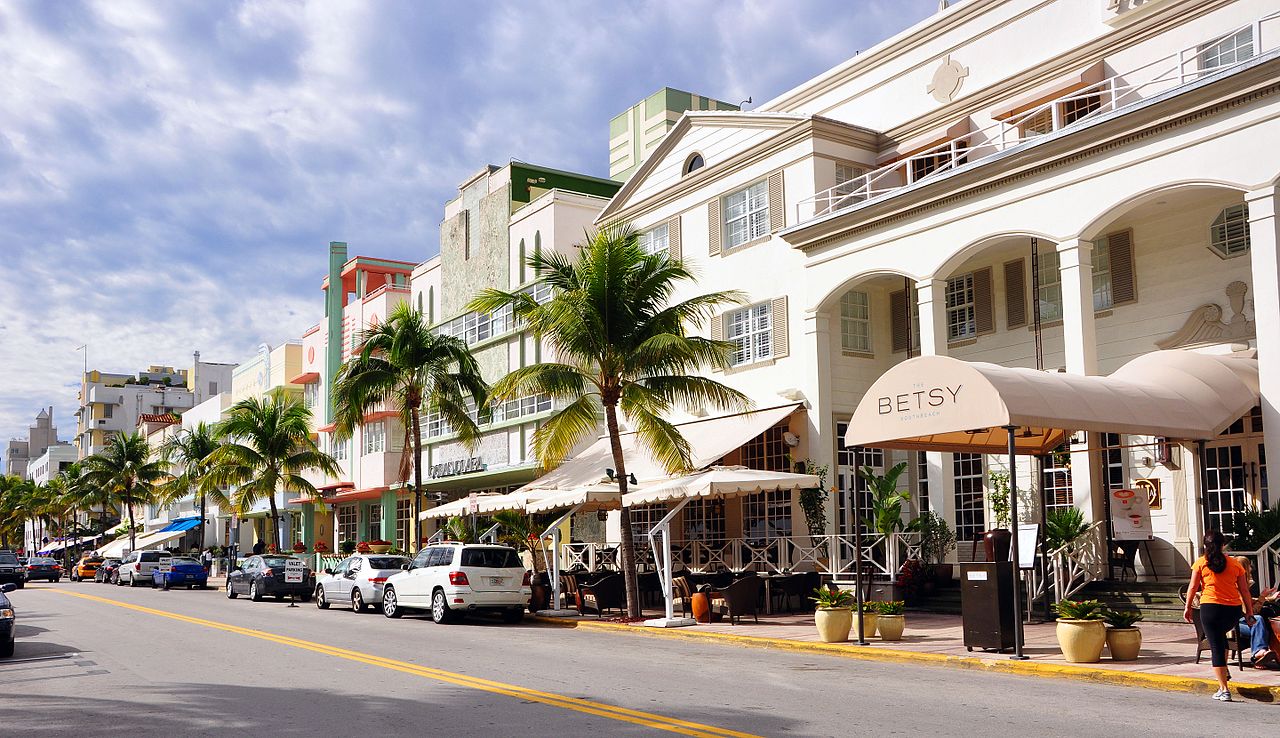
Vagabond Hotel
Art Deco
Kneuterdijk 8, 2514 EN Den Haag
Art Deco
AI
Art Deco
N/A
Gothic
N/A
Art Deco