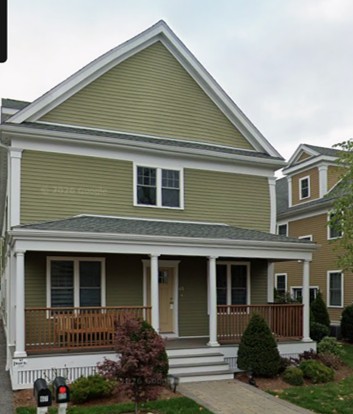
Architectural Analysis
Architecture and Design Details
Colonial Revival: 75%
- Use of traditional, symmetrical design.
- Multi-pane, double-hung windows with shutters.
- Entry porch beneath an extension of the main roof.
Craftsman: 65%
- Low-pitched, gabled roof.
- Exposed wooden structural elements.
- Handcrafted stone or woodwork on visible supports and columns.
Prairie Style: 55%
- Strong horizontal lines and flat or hipped roofs with broad overhanging eaves.
- Integration with the landscape.
- Use of natural materials.
Architectural Style Influences
Colonial Revival 75%
This style emerged in the late 19th century as a rebirth of American colonial architecture characterized by symmetrical design and classic detailing. Instances of this style can be seen in:
- Colonial Williamsburg in Virginia.
- Residential neighborhoods established in the early 20th century throughout the United States.
Craftsman 65%
The Craftsman style focuses on the use of natural materials and craftsmanship, with an emphasis on simplicity and function. Examples include:
- The Gamble House in Pasadena, California.
- Bungalows across the United States from the early 20th century.
Prairie Style 55%
Developed by Frank Lloyd Wright and others, the Prairie style features a strong emphasis on horizontal lines to blend buildings with the flat prairie landscape. You can find this style in:
- Robie House in Chicago, Illinois.
- Herbert and Katherine Jacobs House in Madison, Wisconsin.