Craftsman-style Residence
-
Craftsman 90%
-
Arts and Crafts 85%
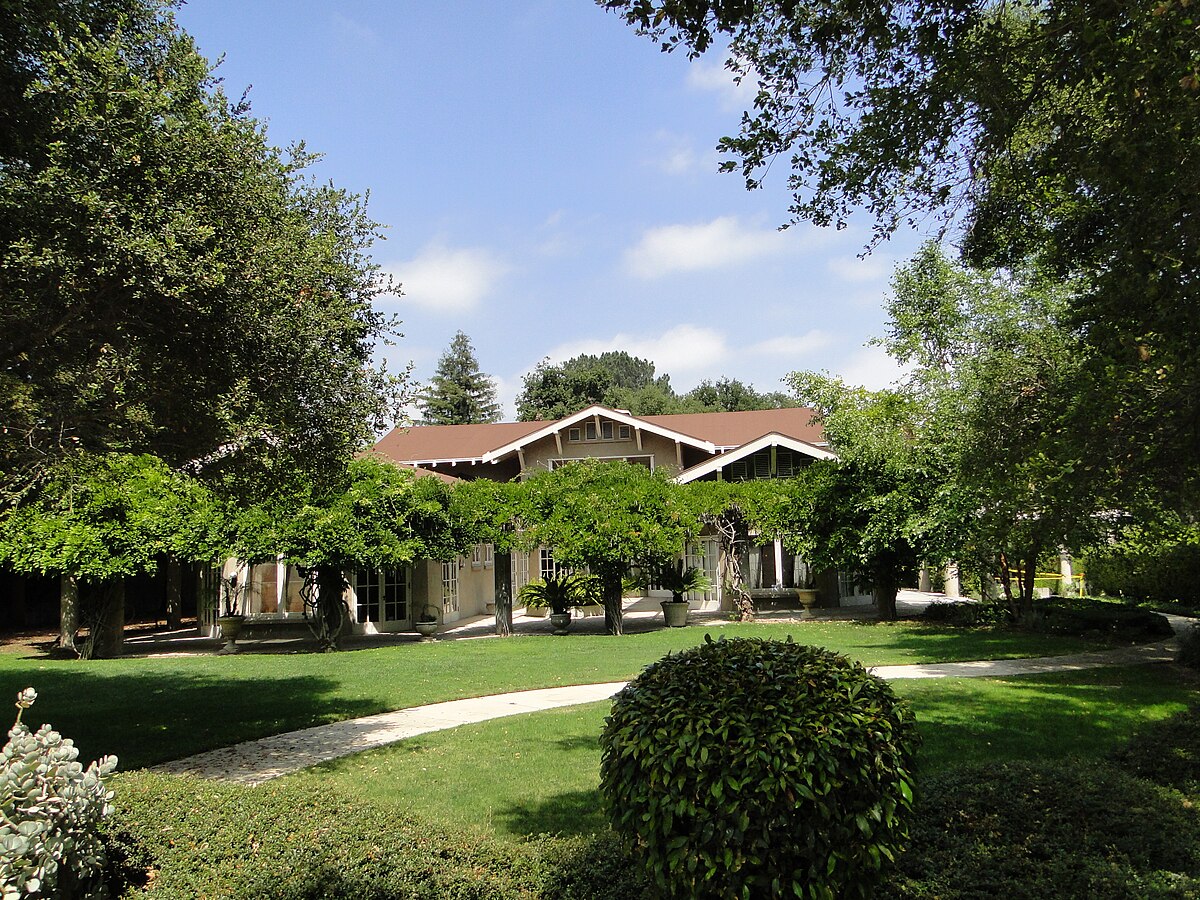
This building exemplifies the Craftsman architectural style, characterized by its emphasis on handcrafted details and harmonious integration with the surrounding landscape. It serves as a notable example of early 20th-century American residential design that values simplicity and natural materials.
Architectural Styles
Craftsman
90%The Craftsman style is manifested in the building through its low-pitched rooflines, overhanging eaves, and exposed rafters, which emphasize craftsmanship and a connection to nature. The extensive use of wood and stone materials further highlights the style's focus on natural elements and handcrafted details.
- Low-pitched gabled roof
- Exposed wooden beams
- Wide, overhanging eaves
- Built-in furniture
- Use of natural materials
Arts and Crafts
85%Similar to the Craftsman style, the Arts and Crafts influence is evident in the building’s attention to artisanal craftsmanship and artistic detail. The use of decorative elements like tile work and woodwork reflects the movement's ethos of functional beauty.
- Rich wood detailing
- Handcrafted elements
- Artistic tile and glass work
- Emphasis on sustainability
- Functional design
Notable Features
- Extensive use of wood paneled ceilings
- Built-in bookcases
- Fireplace with decorative mantle
- Landscaped garden featuring native plants
Historical Context
The Craftsman movement emerged in the early 1900s as a reaction against the industrialization of architecture, promoting handcrafted designs and natural materials. This building contributes to the legacy of American residential design by embodying the principles of the Arts and Crafts movement, celebrating both functionality and aesthetics.
Fun Facts
- The Craftsman style was popularized in part by the magazine 'The Craftsman' started by Gustav Stickley.
- Many Craftsman homes originally featured built-in furniture and fixtures designed for practicality and comfort.
- The style emphasizes a connection to the outdoors, often incorporating large porches and gardens.
Similar Style Buildings

N/A
Critical Regionalism
N/A
Arts and Crafts
Kon. Emmaplein 1, 2518 RH Den Haag
Arts and Crafts
715 S Steele St, Denver, CO 80209
Arts and Crafts
N/A
Colonial Revival
N/A
Arts and Crafts
N/A
Arts and Crafts
N/A
Colonial RevivalNearby Buildings
Ernest Batchelder House
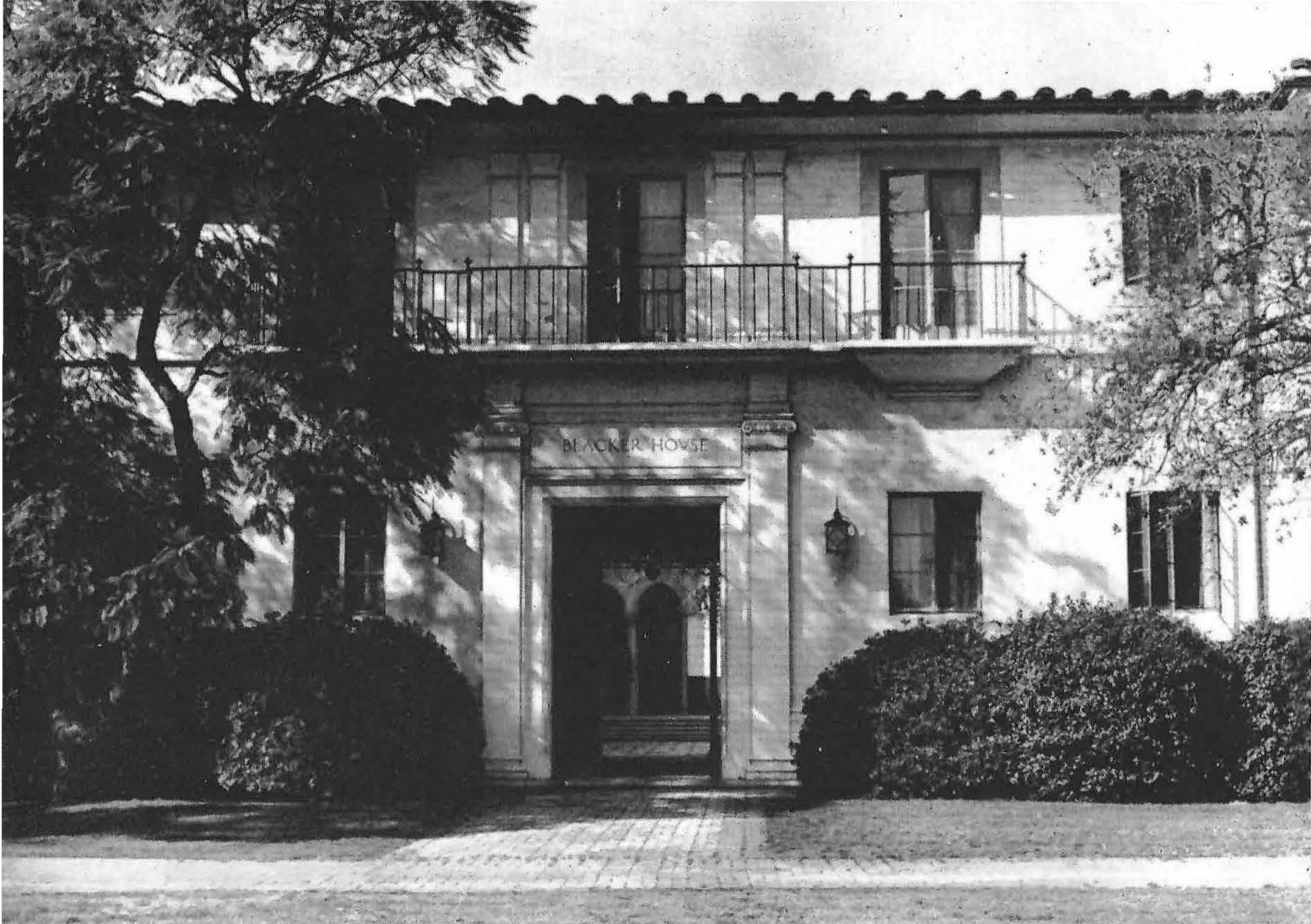
Robert R. Blacker House
Mediterranean Revival