Craftsman House
-
Craftsman 90%
-
Arts and Crafts 85%
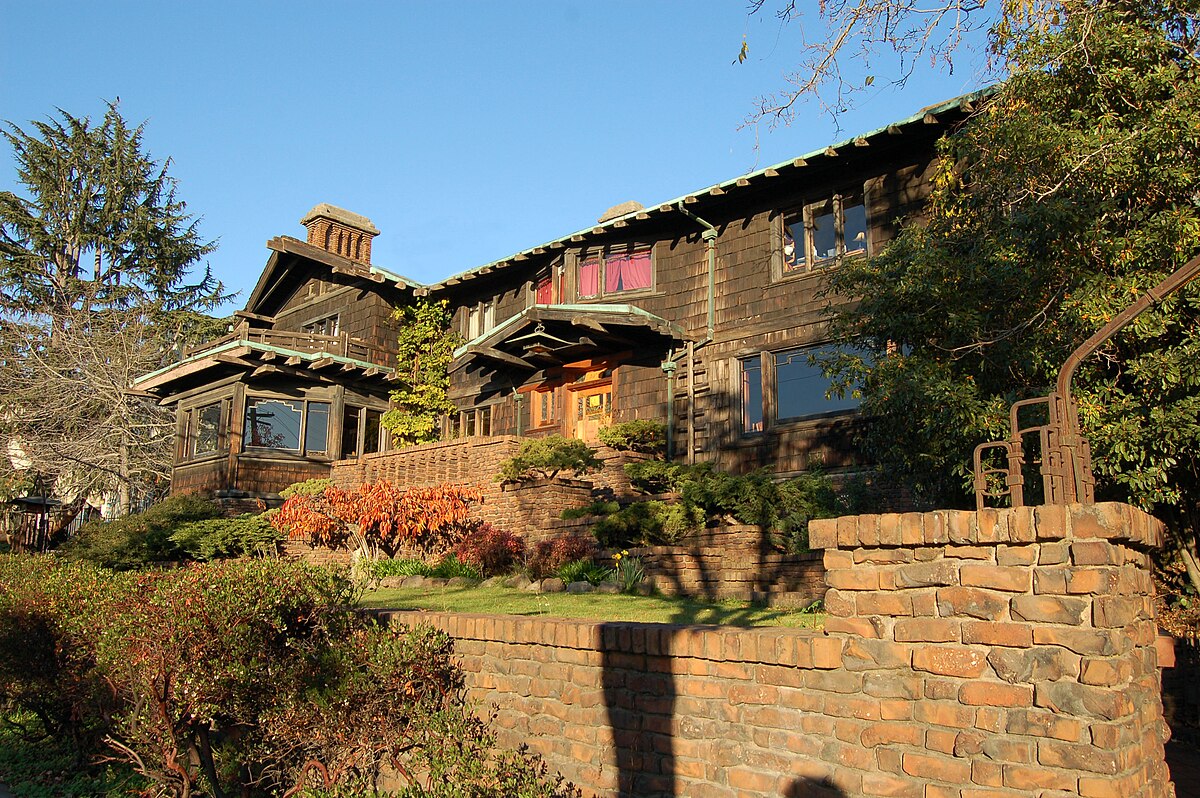
This Craftsman-style house is a notable example of the Arts and Crafts movement, emphasizing craftsmanship and the use of natural materials. Its architectural significance lies in its embodiment of a reaction against industrialization, promoting hand-crafted details and an integration with nature.
Architectural Styles
Craftsman
90%The Craftsman style is evident in the low-pitched rooflines, exposed rafters, and wide eaves that enhance the building's connection to its natural surroundings. The use of natural materials such as wood and stone, along with handcrafted details, embodies the principles of simplicity and beauty inherent in this style.
- Exposed rafters
- Built-in furniture
- Wide front porches
- Low-pitched roofs
Arts and Crafts
85%The Arts and Crafts influence is present in the emphasis on handmade craftsmanship and the use of local materials. The design integrates art and structure, reflecting a strong connection to nature through the use of organic shapes and earthy colors.
- Decorative woodwork
- Natural color palettes
- Focus on craftsmanship
Notable Features
- Stained glass windows
- Custom woodwork
- Custom tile work
Historical Context
Built during the early 20th century, this house represents the Craftsman movement that emerged as a backlash against the mass-production of the Industrial Revolution. It symbolizes a return to traditional craftsmanship and the appreciation of handcrafted artistry, significantly influencing American architectural trends.
Fun Facts
- The Craftsman style was popularized by the magazine 'The Craftsman,' published by Gustav Stickley.
- Many of these houses were designed to blend with their natural surroundings.
- The movement sought to create homes that were both functional and aesthetically pleasing.
Similar Style Buildings

N/A
Critical Regionalism
N/A
Arts and Crafts
Kon. Emmaplein 1, 2518 RH Den Haag
Arts and Crafts
715 S Steele St, Denver, CO 80209
Arts and Crafts
N/A
Colonial Revival
N/A
Arts and Crafts
N/A
Arts and Crafts
N/A
Colonial RevivalNearby Buildings
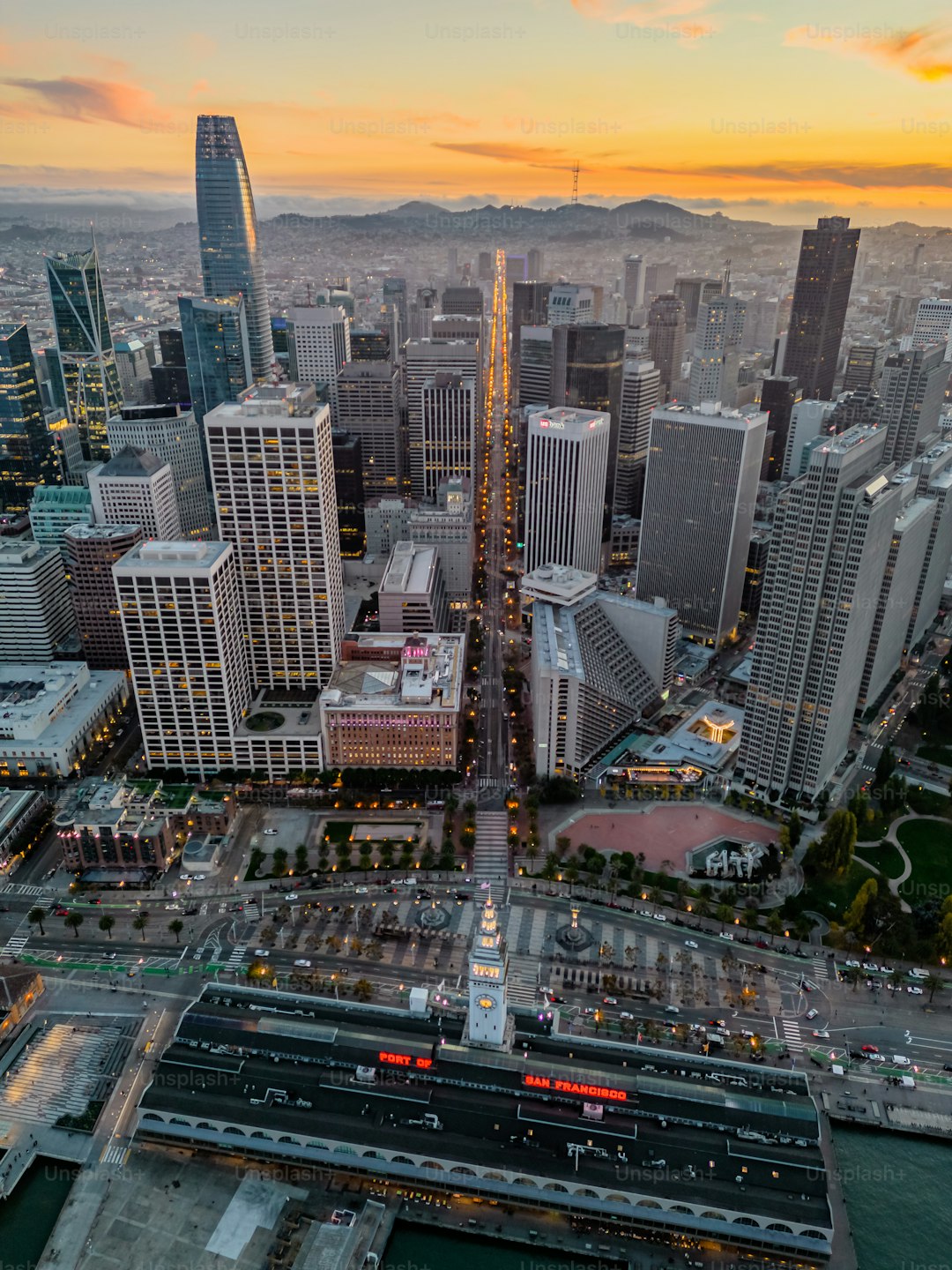
1 Ferry Building, San Francisco, CA 94111
Art Deco
1 Ferry Building, San Francisco, CA 94111
Art Deco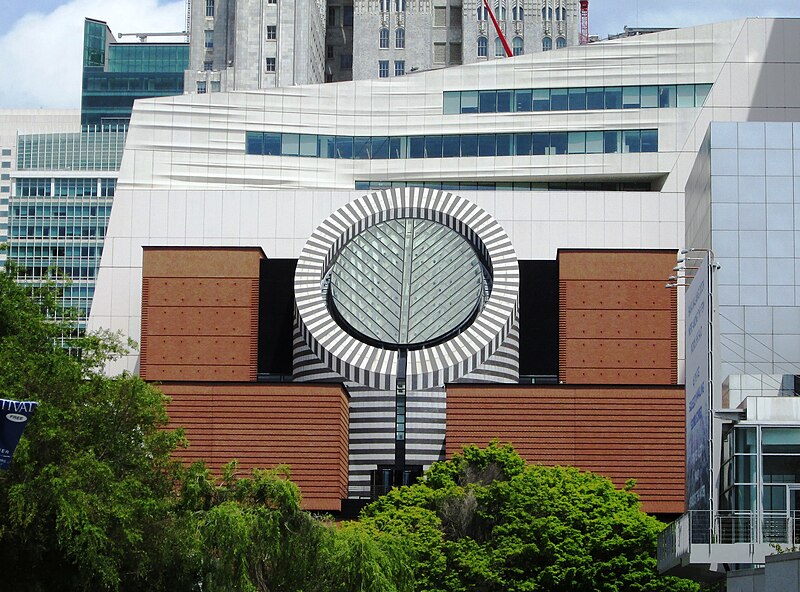
151 3rd St, San Francisco, CA 94103
Art Deco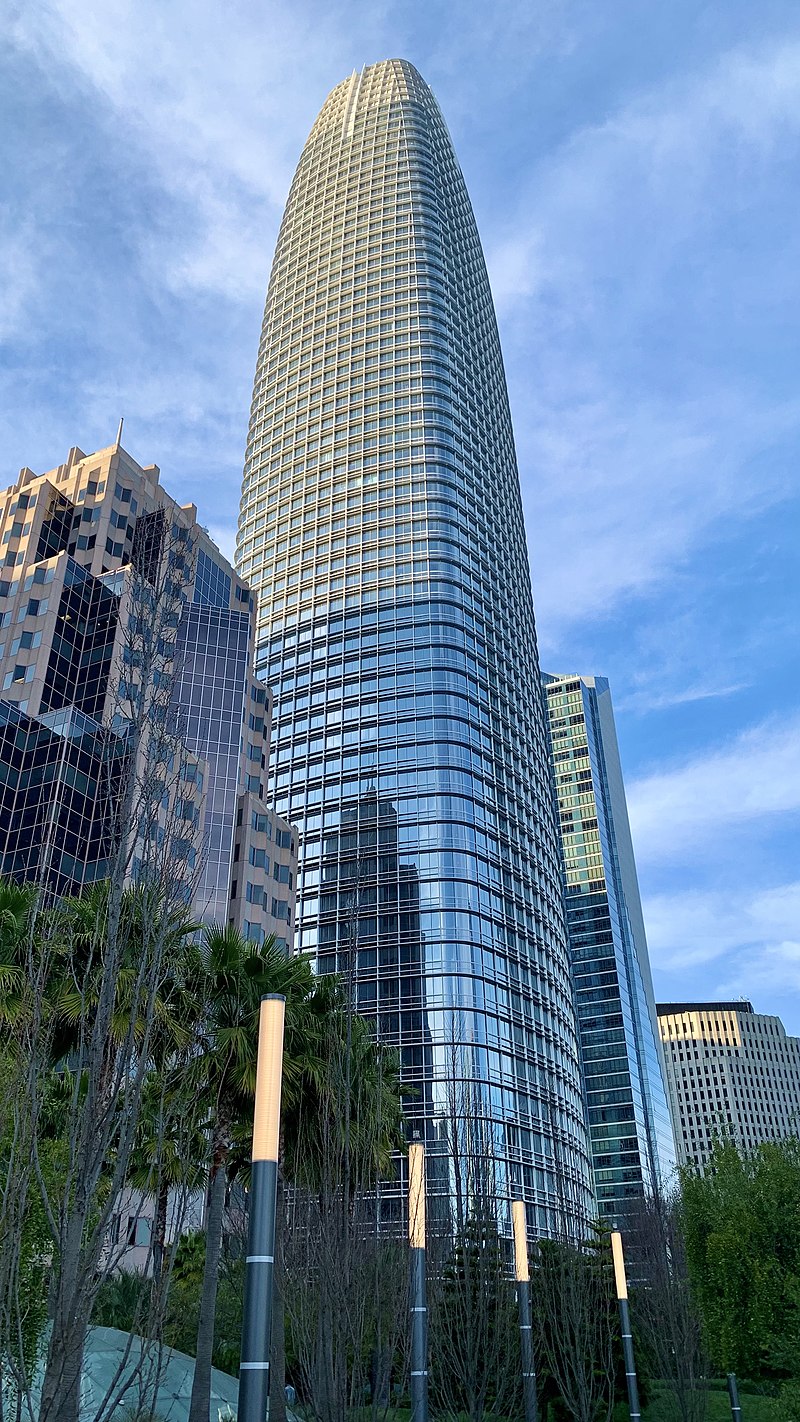
415 Mission St, San Francisco, CA 94105
Modernism
151 3rd St, San Francisco, CA 94103
Modernism