Sydney stands as one of the world's great architectural cities, where the drama of its harbor setting has inspired two centuries of bold design. From the sandstone Georgian elegance of convict-era buildings to Jørn Utzon's revolutionary Opera House, architecture here tells the story of Australia's transformation from colonial outpost to global metropolis. The city's buildings don't just occupy the landscape—they dance with it, framing harbor views and climbing the ridgelines that define Sydney's distinctive topography.
What makes Sydney's architecture truly remarkable is how it embraces both heritage and innovation with equal passion. Hyde Park Barracks and Sydney Hospital preserve the refined Georgian proportions of the early colonial period, while the soaring glass towers of Barangaroo and the sculptural forms of contemporary landmarks push architectural boundaries. This is a city where Harry Seidler's brutalist experiments stand alongside Edmund Blacket's Gothic Revival churches, where Renzo Piano's Aurora Place shares the skyline with Victorian-era shopping arcades—all unified by Sydney's golden sandstone and that incomparable light reflected off the harbor.
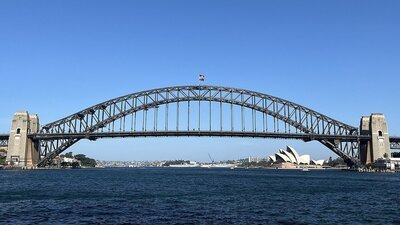
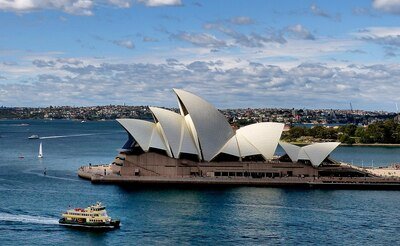
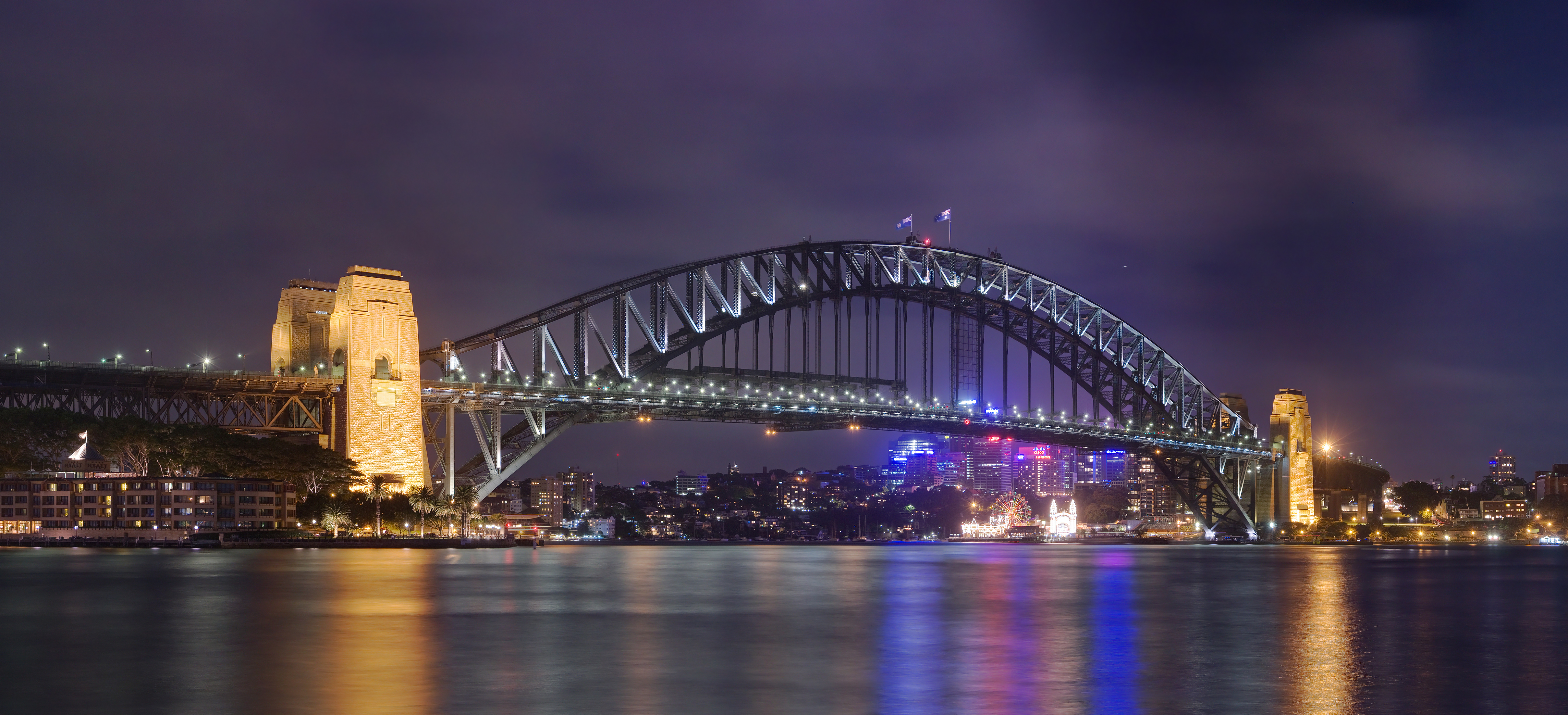
The architectural conversation between old and new reaches its pinnacle at Circular Quay, where the Sydney Opera House's shell-like forms create an eternal dialogue with the steel arch of the Harbour Bridge. These two icons anchor a cityscape that has learned to honor its past while fearlessly embracing the future, creating an urban environment where every building seems to acknowledge its role in one of the world's most beautiful natural settings.
Architectural Timeline
Colonial Foundations (1788-1840s)
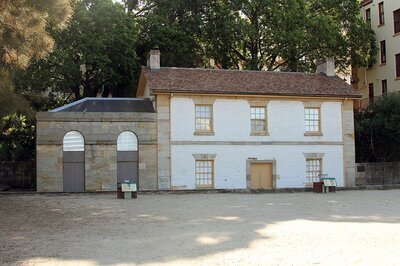
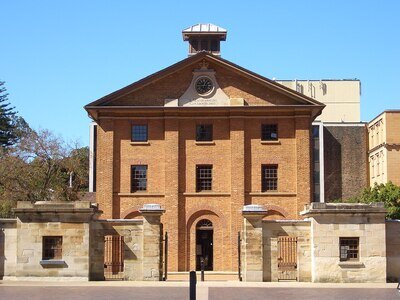
Sydney's architectural story begins with the Georgian buildings that established the colony's civic identity. Hyde Park Barracks, designed by convict architect Francis Greenway, showcases the refined proportions and symmetry that defined early Sydney architecture. These sandstone structures, including Sydney Hospital, were built to last—their honey-colored facades still anchoring the city's institutional heart on Macquarie Street. The Georgian influence created Sydney's enduring love affair with natural stone and classical proportions.
Victorian Grandeur (1850s-1900)
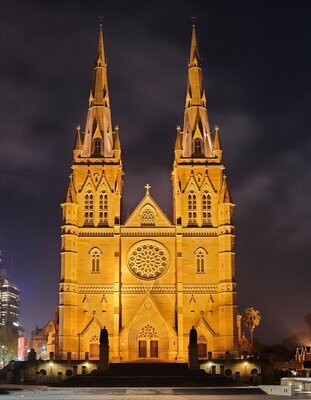
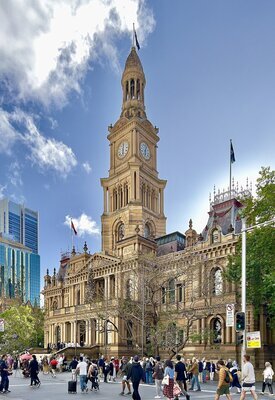
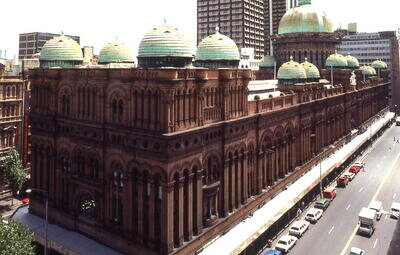
The gold rush era brought unprecedented prosperity and architectural ambition. Sydney Town Hall and St. Mary's Cathedral represent the height of Victorian confidence, their elaborate facades and soaring towers declaring Sydney's arrival as a major city. The Queen Victoria Building transformed shopping into theatre with its Romanesque Revival arcades, while the Great Synagogue introduced Byzantine Revival splendor to Castlereagh Street. This period established Sydney's tradition of grand civic architecture that celebrates community life.
Federation Style and Early Modern (1900-1940)
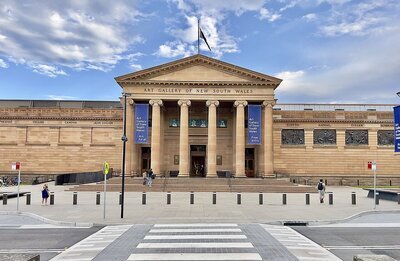
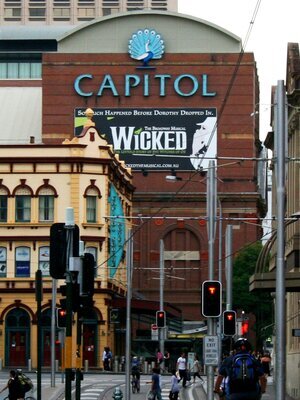
As Australia found its national identity, so did Sydney's architecture. The Art Gallery of New South Wales and State Library of NSW represent the Federation period's synthesis of classical training with local materials and climate considerations. The 1920s brought Art Deco energy to the city with buildings like the Capitol Theatre, whose atmospheric ceiling brought Hollywood glamour to Sydney's cultural scene.
Mid-Century Modernism (1950-1980)
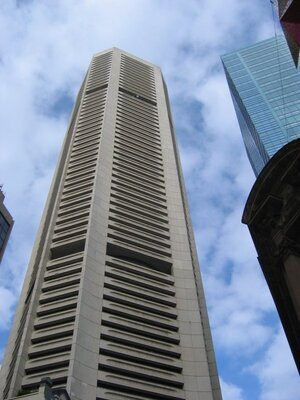
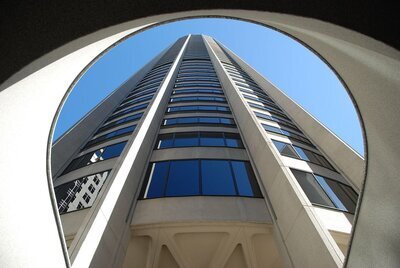
Harry Seidler's arrival in Sydney marked the city's embrace of international modernism. His Australia Square Tower and MLC Centre demonstrated how modernist principles could create distinctly Sydney buildings—circular towers that caught harbor breezes and framed panoramic views. The Sydney Opera House, completed in 1973, became the ultimate expression of this period's architectural fearlessness, proving that Sydney was ready to commission and build structures that pushed the boundaries of what was possible.
Contemporary Innovation (1990-Present)
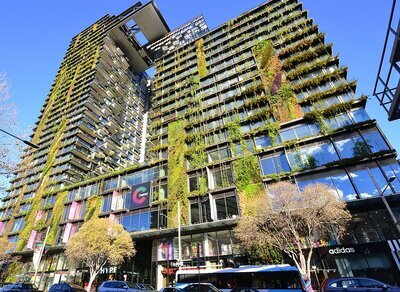
Sydney's contemporary architecture reflects its position as a global city while maintaining strong connections to place and climate. Renzo Piano's Aurora Place and Jean Nouvel's One Central Park bring international starchitect vision to Sydney's skyline, while local firms continue to explore how buildings can respond to harbor views and the intense Australian sun. The new Barangaroo development represents Sydney's latest architectural chapter—sustainable, dense, and thoroughly contemporary while respecting the harbor's primacy.
Architectural Districts
The Rocks and Circular Quay
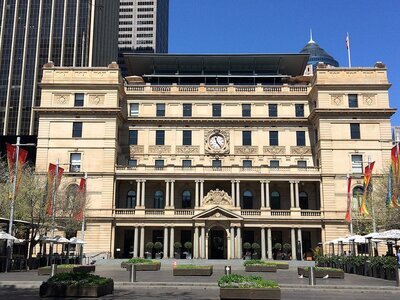
Where Sydney began, this precinct balances preservation with bold contemporary intervention. The Opera House dominates the peninsula with its revolutionary shell forms, while Customs House represents the more restrained classicism of late colonial architecture. The area demonstrates Sydney's gift for making dramatic architectural gestures seem natural to their setting—the Opera House appears to have grown from the harbor itself.
Central Business District
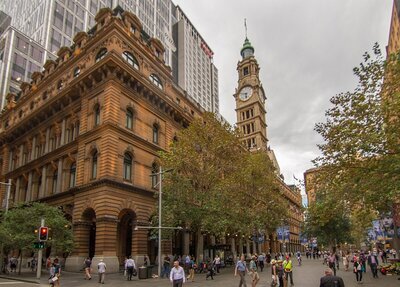
Sydney's commercial heart showcases two centuries of office building evolution. Martin Place anchors the financial district with the classical grandeur of the General Post Office, while the surrounding towers tell the story of Sydney's economic growth. Aurora Place brings Renzo Piano's high-tech sensibility to the heart of the city, its crystalline forms creating ever-changing patterns of light and shadow against Sydney's intense blue sky.
Macquarie Street Institutional Precinct
This tree-lined boulevard houses Sydney's most important public buildings, from the Georgian elegance of Hyde Park Barracks to the contemporary extensions of the State Library. The street demonstrates how thoughtful urban planning can create architectural unity across centuries—each building respecting its neighbors while contributing its own voice to the larger civic conversation.
Master Architects
Francis Greenway (1777-1837)
Australia's first significant architect arrived as a convict but left an indelible mark on Sydney's architectural DNA. His Hyde Park Barracks established the template for Sydney's Georgian public buildings—refined proportions, local sandstone construction, and intelligent responses to climate. Greenway proved that excellent architecture could emerge from the most unlikely circumstances.
Harry Seidler (1923-2006)
No architect shaped modern Sydney more dramatically than Seidler. His Australia Square Tower and MLC Centre brought international modernist principles to Sydney while creating distinctly local solutions—circular towers that maximized harbor views and minimized solar heat gain. Seidler's legacy is visible throughout Sydney's skyline in the form of bold, geometric towers that celebrate rather than ignore their harbor setting.
Jørn Utzon (1918-2008)
Though he designed only one building in Sydney, Utzon's Opera House fundamentally changed how the world sees the city. His revolutionary approach to structural expression and his deep understanding of the harbor setting created a building that seems both utterly contemporary and timelessly natural. The Opera House proved that Sydney was ready to commission and build architecture of global significance.
Contemporary Masters
Today's Sydney attracts international architects like Renzo Piano, whose Aurora Place demonstrates how contemporary design can respect Sydney's light and harbor views while pushing technical boundaries. Local firms continue to explore sustainable design solutions that respond to Australia's unique climate challenges while maintaining Sydney's tradition of architectural boldness.
What to Notice
The Golden Hour Effect
Sydney's architecture truly comes alive in the golden hour before sunset, when the local sandstone glows with warm light while glass and steel towers create dramatic silhouettes against the sky. The harbor's reflective surface doubles every architectural effect, creating a constantly changing display of light, shadow, and reflection that no other city can match.
Climate-Responsive Design
Look for how Sydney's buildings respond to the intense sun and harbor breezes. Deep verandas and overhangs on older buildings, the circular forms of Seidler's towers designed to minimize heat gain, and the sophisticated shading systems on contemporary buildings all demonstrate architecture's ongoing conversation with Sydney's climate.
Materials and Craft
Sydney's signature golden sandstone appears throughout the city's finest buildings, from Georgian churches to contemporary cultural buildings. Notice how this local material creates visual continuity across architectural styles and periods. Contemporary buildings often incorporate sandstone elements as a way of connecting to Sydney's architectural heritage.
Harbor Integration
The best Sydney buildings acknowledge their relationship to the harbor—through orientation, materials, or form. Whether it's the Opera House's shell forms that echo the movement of wind and water, or the way contemporary towers are positioned to frame harbor views, Sydney's greatest architecture always remembers its setting on one of the world's most beautiful harbors.