Kansas City stands at the geographic heart of America, where the architecture tells the story of westward expansion, jazz age prosperity, and modern reinvention. This is a city shaped by railroads and rivers, where limestone quarries provided the building material for everything from Union Station's soaring halls to contemporary museums. Kansas City's architectural character reflects its role as the gateway to the West—optimistic, substantial, and built to last.
What makes Kansas City architecturally distinctive is its commitment to civic grandeur balanced with Midwestern practicality. The city's early 20th-century boom produced some of America's finest Art Deco towers and Beaux-Arts monuments, while its recent cultural renaissance has attracted world-class contemporary architects. From the jazz clubs of 18th and Vine to the performance shells of the Kauffman Center, Kansas City demonstrates how architecture can serve both community gathering and artistic expression.
The result is a cityscape that feels both intimate and ambitious—where Art Deco skyscrapers rise from limestone bluffs, where Frank Lloyd Wright's only major Kansas City work sits among Spanish Revival shopping plazas, and where Moshe Safdie's soaring concert halls anchor a downtown renaissance built on barbecue, jazz, and architectural pride.
Architectural Periods
Kansas City's architectural evolution reflects its growth from frontier trading post to regional metropolis. The Railroad Era (1870s-1910s) established the city's bones, with Union Station serving as the monumental gateway that announced Kansas City's importance as a transportation hub. These buildings used local limestone and red brick, creating the material palette that would define the city's architectural character.
The Jazz Age Boom (1920s-1930s) produced Kansas City's most distinctive architecture, when prosperity from cattle, grain, and jazz clubs funded ambitious Art Deco towers. The Kansas City Power & Light Building and City Hall exemplify this period's optimism, their limestone facades adorned with terra cotta eagles and geometric ornament that reached toward modern skies while remaining rooted in Midwestern solidity.
The Suburban Expansion (1950s-1980s) saw Kansas City pioneer new urban forms, from the Country Club Plaza's Spanish Revival shopping center to modernist cultural institutions like the Nelson-Atkins Museum. This era balanced preservation of the historic core with expansion into surrounding counties, creating the polycentric metropolitan form that defines Kansas City today.
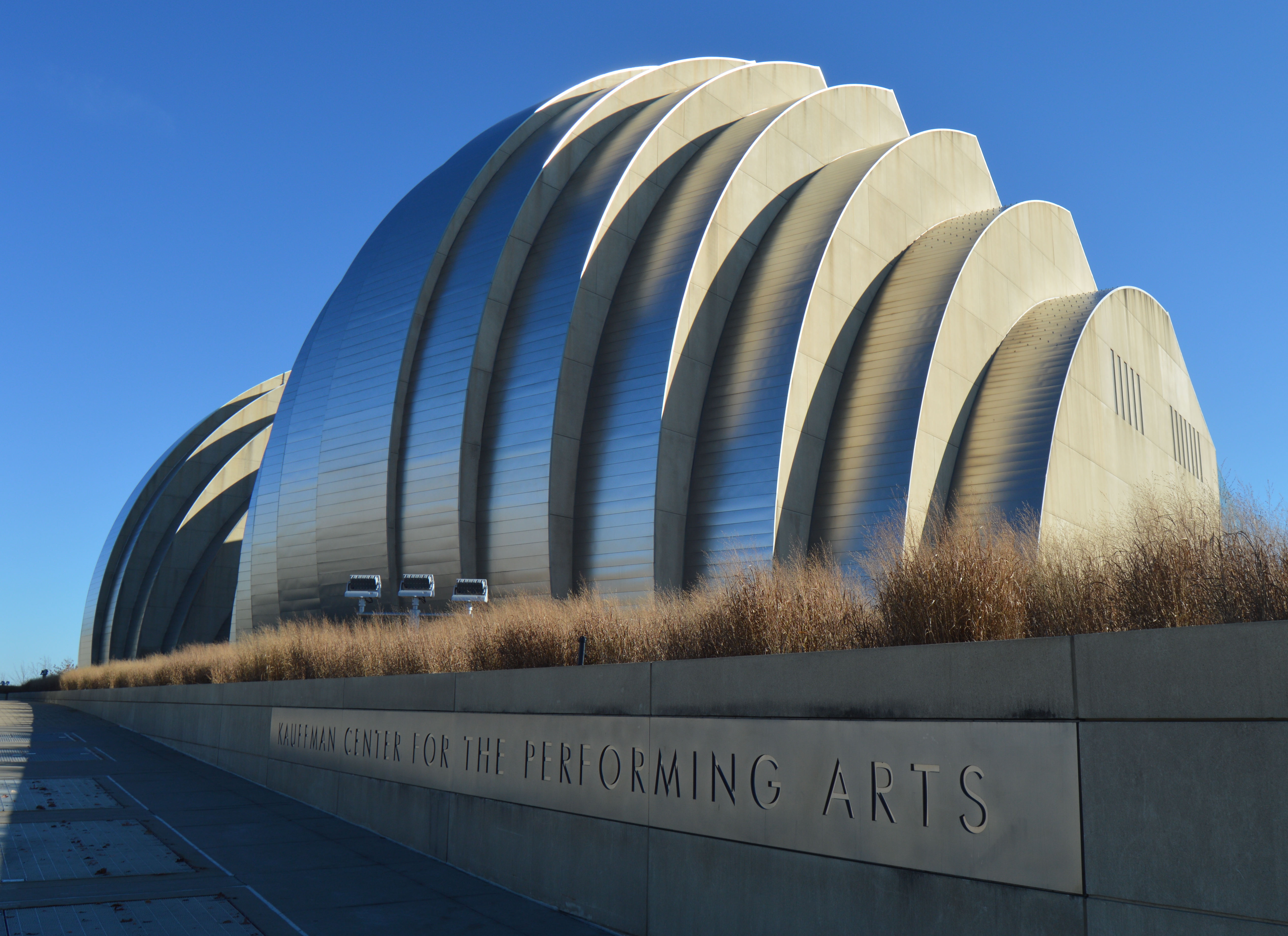
The Cultural Renaissance (1990s-present) has brought international architects to Kansas City, producing landmarks like the Kauffman Center for the Performing Arts and renovations that have restored the city's jazz district and Union Station. This period demonstrates how contemporary architecture can honor Kansas City's heritage while creating spaces for 21st-century cultural life.
Architectural Districts
Downtown Core contains Kansas City's most significant civic and commercial architecture, where the Art Deco canyon of Main Street creates one of America's finest collections of 1920s-30s skyscrapers. The Federal Reserve Bank and City Hall anchor this district with their limestone facades and classical proportions, while Union Station serves as the southern terminus—its Beaux-Arts grandeur now housing Science City and demonstrating how adaptive reuse can preserve architectural landmarks.
Country Club Plaza south of downtown pioneered the automobile-oriented shopping center, its Spanish Revival architecture creating a romantic suburban landscape of red tile roofs, wrought iron balconies, and fountain-centered courtyards. This 1920s development remains Kansas City's most distinctive neighborhood, where Seville-inspired storefronts house everything from art galleries to barbecue restaurants.
Arts District encompasses both the historic jazz clubs of 18th and Vine and contemporary cultural institutions like the Kauffman Center and Nelson-Atkins Museum. This district spans nearly a century of cultural architecture, from the intimate scale of jazz-era nightclubs to the monumental spaces of world-class performance and exhibition halls. The recent additions demonstrate how contemporary architecture can create civic pride while serving artistic communities.
Notable Architects
Jarvis Hunt designed Union Station's magnificent Beaux-Arts halls, creating spaces that served both the practical needs of railroad travelers and the symbolic importance of civic grandeur. His work established the classical tradition that would influence Kansas City's public buildings for decades, demonstrating how monumental architecture could serve democratic institutions.
Wight & Wight, the local firm responsible for City Hall and the original Nelson-Atkins Museum, created Kansas City's distinctive interpretation of Art Deco and Neoclassical styles. Their buildings used local limestone and terra cotta to create architecture that felt both cosmopolitan and rooted in Midwestern materials and values.
Frank Lloyd Wright designed Community Christian Church as his only major Kansas City work, bringing Prairie Style principles to the heart of America. The building's low-slung profile and integration with landscape demonstrate Wright's belief that American architecture should grow from its specific place and cultural conditions.
Moshe Safdie brought international starchitect credentials to Kansas City with the Kauffman Center, creating performance spaces that serve as symbols of the city's cultural renaissance. His twin shells demonstrate how contemporary architecture can create civic landmarks that rival the great buildings of Kansas City's jazz age boom.
Steven Holl expanded the Nelson-Atkins Museum with crystalline pavilions that bring natural light deep into gallery spaces while creating dialogue between new and historic architecture. His Bloch Building demonstrates how contemporary additions can enhance rather than compete with existing landmarks.
What to Notice
Kansas City's architecture reveals itself in the consistent use of local limestone, quarried from bluffs along the Missouri River and used in everything from Union Station's grand halls to contemporary museum additions. This material creates architectural continuity across eras, its warm beige color and fine texture providing a unifying element that connects Art Deco skyscrapers with Beaux-Arts monuments and contemporary cultural buildings.
Civic grandeur characterizes Kansas City's approach to public architecture, from Union Station's 95-foot-high grand hall to the Kauffman Center's soaring performance shells. These buildings demonstrate the city's belief that public spaces should inspire civic pride, whether serving railroad passengers in 1914 or concert-goers in 2011. The scale and ambition of these projects reflects Kansas City's confidence in its role as a regional center.
Terra cotta ornament adorns many of Kansas City's best buildings, from the eagles that crown City Hall to the agricultural motifs of the Board of Trade Building. This decorative tradition reflects both the city's connection to regional agriculture and the skilled craftsmen who migrated to Kansas City during its early 20th-century boom. Look for these details on building corners and upper floors, where they catch afternoon light.
Adaptive reuse has given new life to historic buildings throughout Kansas City, from Union Station's transformation into a science museum to the renovation of jazz-era buildings in 18th and Vine. These projects demonstrate how Kansas City balances preservation with contemporary needs, creating spaces that honor their architectural heritage while serving 21st-century functions.
The integration of landscape appears in buildings from Frank Lloyd Wright's prairie-influenced church to the Nelson-Atkins Museum's sculpture park. Kansas City's relatively low density allows buildings to establish relationships with surrounding greenspace, creating an urban character that feels more like an extended garden city than a dense metropolitan core. This relationship between architecture and landscape reflects the city's Midwestern location at the boundary between urban and rural America.