Arts and Crafts House
-
Arts and Crafts 90%
-
Edwardian 80%
-
Victorian 70%
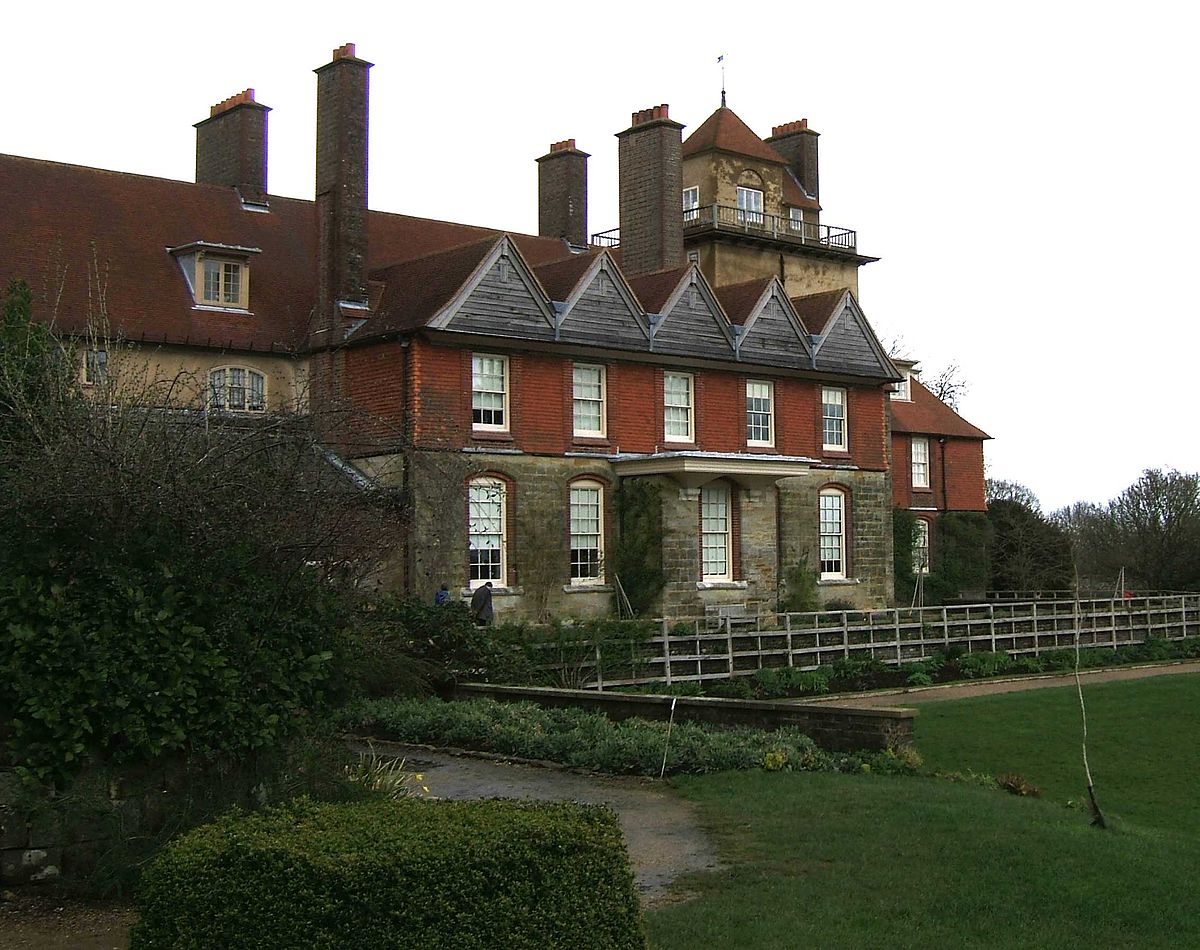
This building exemplifies the Arts and Crafts movement, which emphasized traditional craftsmanship and local materials. Its design promotes harmony with the surrounding landscape, showcasing intricate details and a warm sense of home.
Architectural Styles
Arts and Crafts
90%The Arts and Crafts style manifests in the building through its use of natural materials, handcrafted details, and an emphasis on functionality. The overhanging eaves, exposed rafters, and the mixing of textures like brick and stone are telling characteristics of this style.
- Natural materials (brick, stone)
- Exposed rafters and beams
- Symmetrical façade
- Decorative gables
- Ornamental plasterwork
Edwardian
80%Edwardian architecture often showcases thoughtful proportions and intricate detailing. This building features large windows that allow ample light and a spacious feel, characteristic of the era's focus on open-plan layouts.
- Large multi-pane windows
- Decorative brickwork
- Gables and dormers
- Wrap-around verandas
- Symmetrical arrangement
Victorian
70%Victorian influences are noticeable in the building's elaborate decorative features and complex rooflines. The use of varying materials and textures reflects the opulence typical of the Victorian era.
- Complex roof shapes
- Textured wall surfaces
- Elaborate eaves and cornices
- Stained glass windows
- Highly decorative interior spaces
Notable Features
- Intricate brick and stone detailing
- Spacious garden layout
- Custom-made interior woodwork
- Prominent gables
- Unique window designs
Historical Context
Built during the early 20th century, this house reflects the Arts and Crafts movement's reaction against the industrial revolution and mass production. It contributed to a broader architectural trend favoring handcrafted, unique designs that harmonized with nature.
Fun Facts
- The Arts and Crafts movement was started in the UK in the late 19th century.
- This style of architecture promotes sustainability by favoring local materials and craftsmanship.
- The emphasis on simplicity and nature in architecture influenced many subsequent design styles.
Similar Style Buildings

Dagelijkse Groenmarkt 33, Den Haag
Victorian
N/A
Critical Regionalism
Den Haag, The Netherlands
Victorian
1338 N Marion St, Denver, CO 80218
Victorian
Koningsplein 43, 2518 JH Den Haag
Victorian
Regentesseplein 220A, 2562 EZ Den Haag
Victorian
Kortenaerkade 11, 2518 AX Den Haag
Victorian