Arts and Crafts House
-
Arts and Crafts 90%
-
Victorian 75%
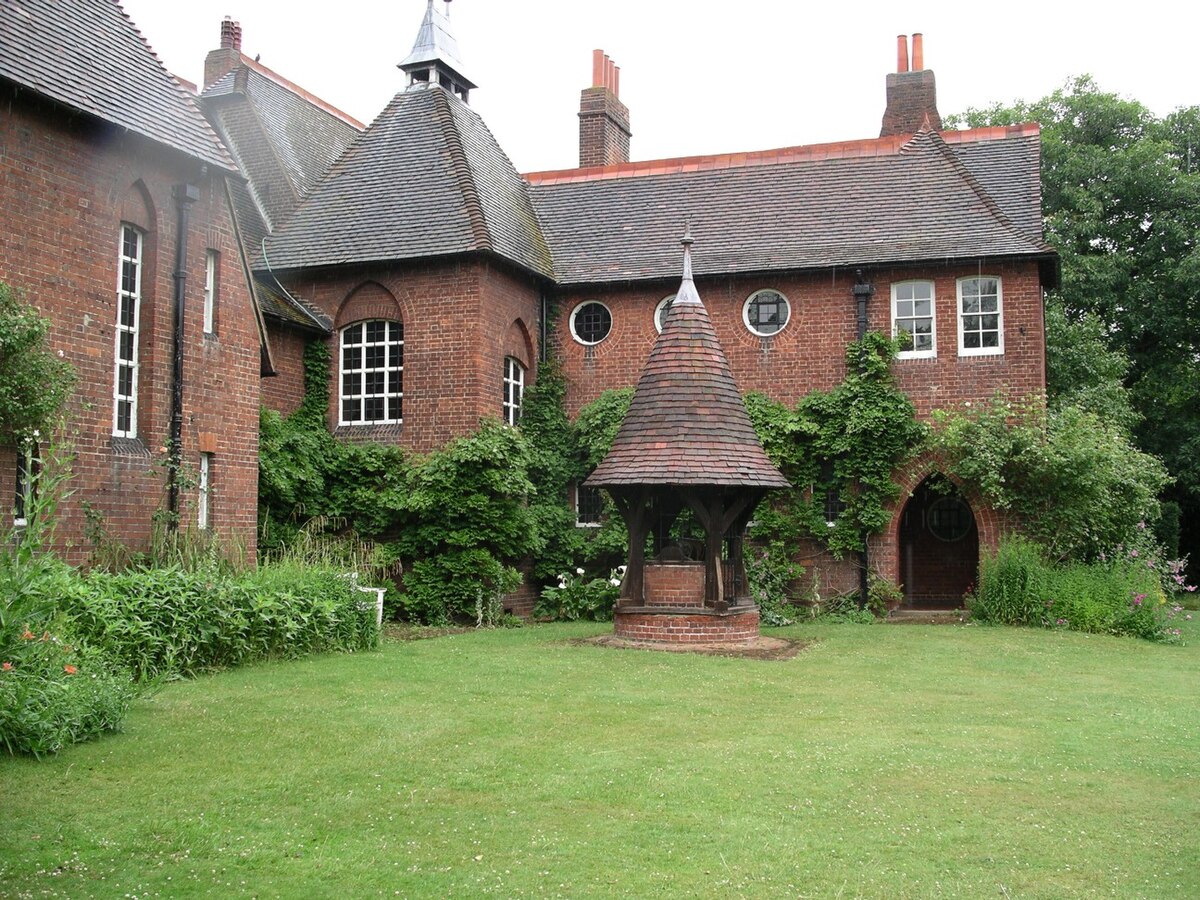
This building exemplifies the Arts and Crafts movement, characterized by its handcrafted elements and integration with nature. The design emphasizes a connection to the landscape, showcasing the aesthetics of local materials and craftsmanship.
Architectural Styles
Arts and Crafts
90%The Arts and Crafts style is evident in the building's use of natural materials such as brick and wood, its asymmetrical forms, and the integration of the structure within the surrounding landscape. Features like the irregular rooflines and the combination of handcrafted details provide a sense of authenticity and warmth.
- Craftsmanship in material selection
- Asymmetrical design
- Integration with nature
- Use of local materials
- Handcrafted details
Victorian
75%Victorian architecture is reflected in the building's elaborate details and use of a variety of textures. The incorporation of decorative elements and a mix of roof styles enhances the visual interest characteristic of this period.
- Decorative detailing
- Mixed roof forms
- Ornate windows
- Complex floor plans
- Use of brick and stone
Notable Features
- Ornate wooden gazebo
- Irregular rooflines
- Large, round windows
- Extensive greenery and landscaping
Historical Context
Built during a time when the Arts and Crafts movement sought to counter the industrial revolution's impact on design, this building represents a return to handcrafted quality and artistic expression in architecture. It reflects a broader cultural movement towards simplicity and natural beauty.
Fun Facts
- The Arts and Crafts movement influenced many aspects of design, including furniture and textiles.
- Buildings from this style often feature personalized designs that reflect the owner's preferences.
- Nature plays a central role in Arts and Crafts designs, with many homes set in gardens that enhance their aesthetic.
Similar Style Buildings

Dagelijkse Groenmarkt 33, Den Haag
Victorian
N/A
Critical Regionalism
Den Haag, The Netherlands
Victorian
1338 N Marion St, Denver, CO 80218
Victorian
Koningsplein 43, 2518 JH Den Haag
Victorian
Regentesseplein 220A, 2562 EZ Den Haag
Victorian
Kortenaerkade 11, 2518 AX Den Haag
Victorian